
Fundão
"Fundão smells like cherries for about six weeks a year, and I happened to be there for exactly the right one."
The unofficial capital of Portugal's cherry country, where entire hillsides below the Serra da Estrela turn white with blossom each spring and red with fruit by early summer.

I timed my visit to Fundão badly on purpose — early June, right at the tail end of cherry season, driving up from the Cova da Beira basin with the Serra da Estrela filling the windshield ahead. Long before I reached the town, the hillsides gave it away: terrace after terrace of cherry trees, some already picked bare, others still hanging heavy with dark red fruit, pickers up on ladders working fast because the season here is short and unforgiving.
Cherry Country, Properly
The Cova da Beira, the wide basin between the Serra da Estrela and the Serra da Gardunha, has one of the best microclimates in Portugal for cherries — enough winter cold for the trees to set fruit properly, enough spring warmth to ripen it fast, and Fundão has built its modern identity almost entirely around that fact. Every June the town holds a cherry festival, the Festival da Cereja, celebrating what’s become one of the region’s most important agricultural exports, and roadside stands throughout the countryside sell kilo bags for a few euros straight out of the back of a truck. I bought one from a woman near Alcaide who let me try a handful before I paid, dark, firm cherries with a sharpness the supermarket versions back in Mexico never have, and she told me, with the pride of someone who has heard the comparison before and doesn’t mind it, that some buyers compare the region’s cherries favorably to the famous ones from further south.

Fundão town itself has quietly reinvented parts of its old industrial center — a former textile factory now hosts a striking urban art museum, with murals from international street artists covering old warehouse walls, an odd but genuinely compelling contrast against a region that otherwise runs on orchards and granite villages.
Blossom Season, If You Can Time It
Locals told me the real spectacle isn’t June but March, when the same hillsides turn white with cherry blossom for a couple of weeks before the green comes in — I missed it by months and have already decided I’m going back for it.

When to go: Mid-March for cherry blossom across the Cova da Beira hillsides, or early June for the harvest and the Festival da Cereja, when the whole region smells faintly of fruit.
Keep exploring
More from Portugal
 portugal
 Furnas
A volcanic valley on São Miguel where the earth hisses and steams in public gardens, and lunch is a stew buried in the ground at dawn and dug up, still smoking, seven hours later.
Explore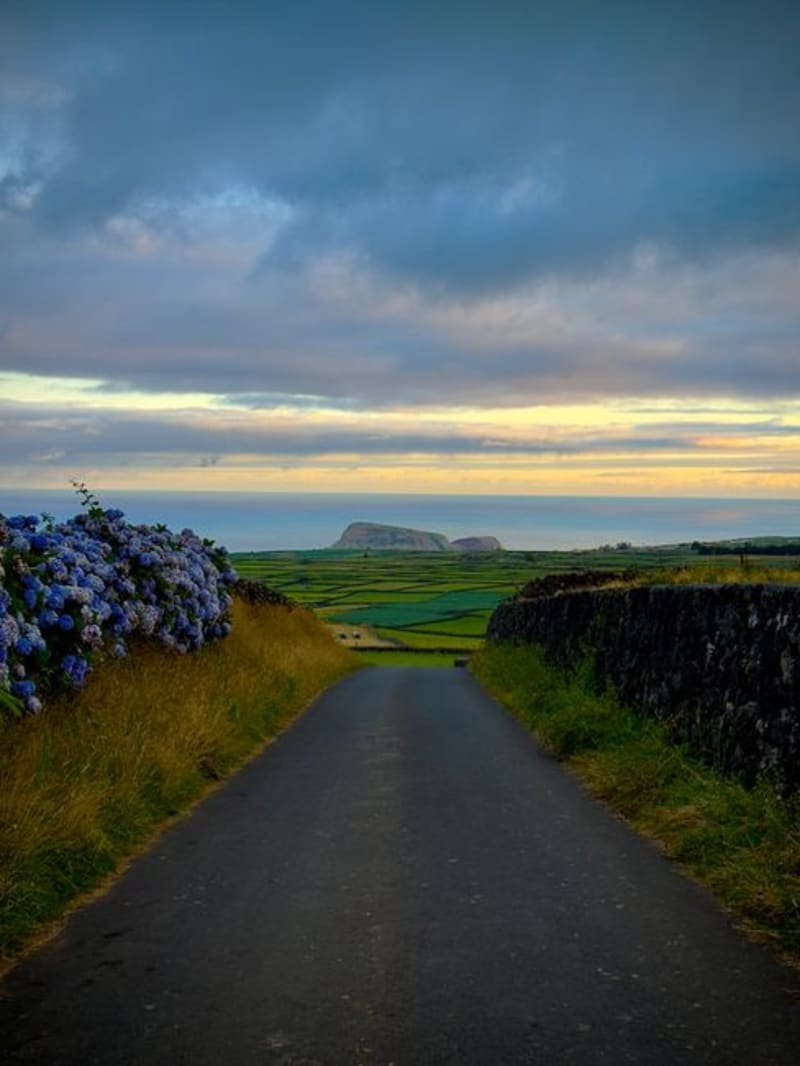 portugal
 Graciosa Island
A whitewashed, windmill-dotted island with a volcanic cave hiding an underground lake, so quiet it earned UNESCO biosphere status almost by default.
Explore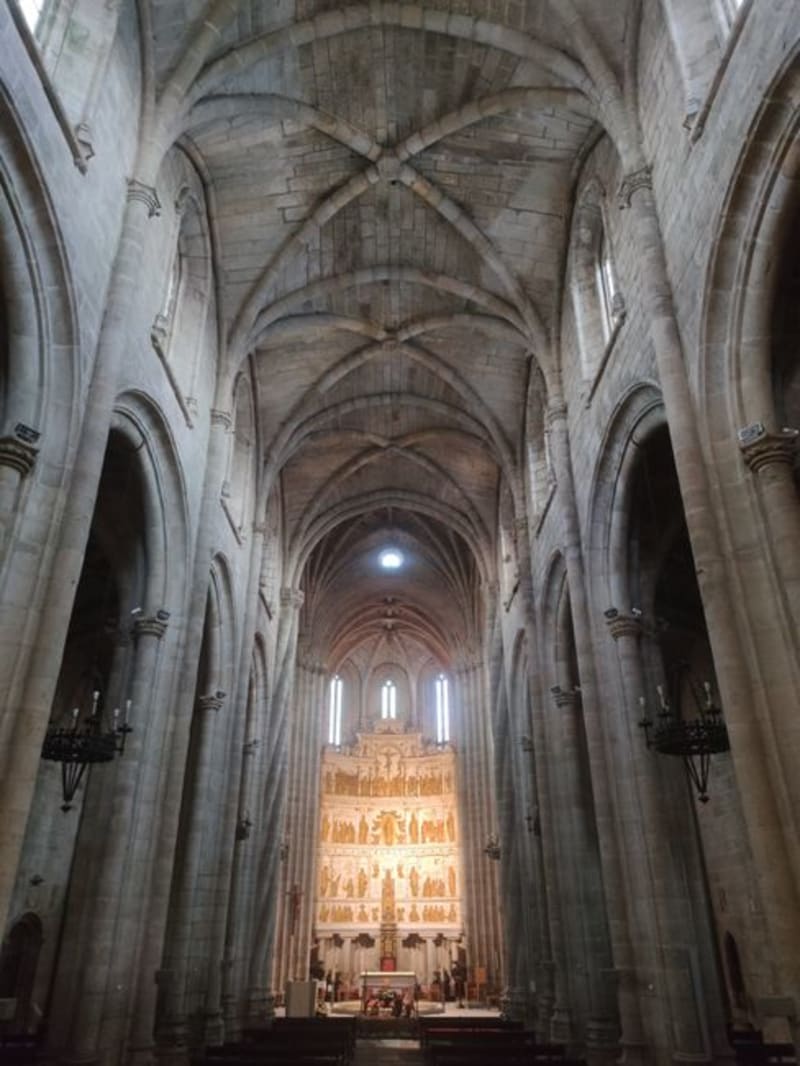 portugal
 Guarda
Mainland Portugal's highest city, a granite fortress-cathedral town built cold and defensive on purpose, where the wind never really stops blowing through the old streets.
Explore portugal
 Guimarães
Portugal was born here — its first king, its founding castle, and a medieval center so intact it feels like the nation's origin story is still playing out.
Explore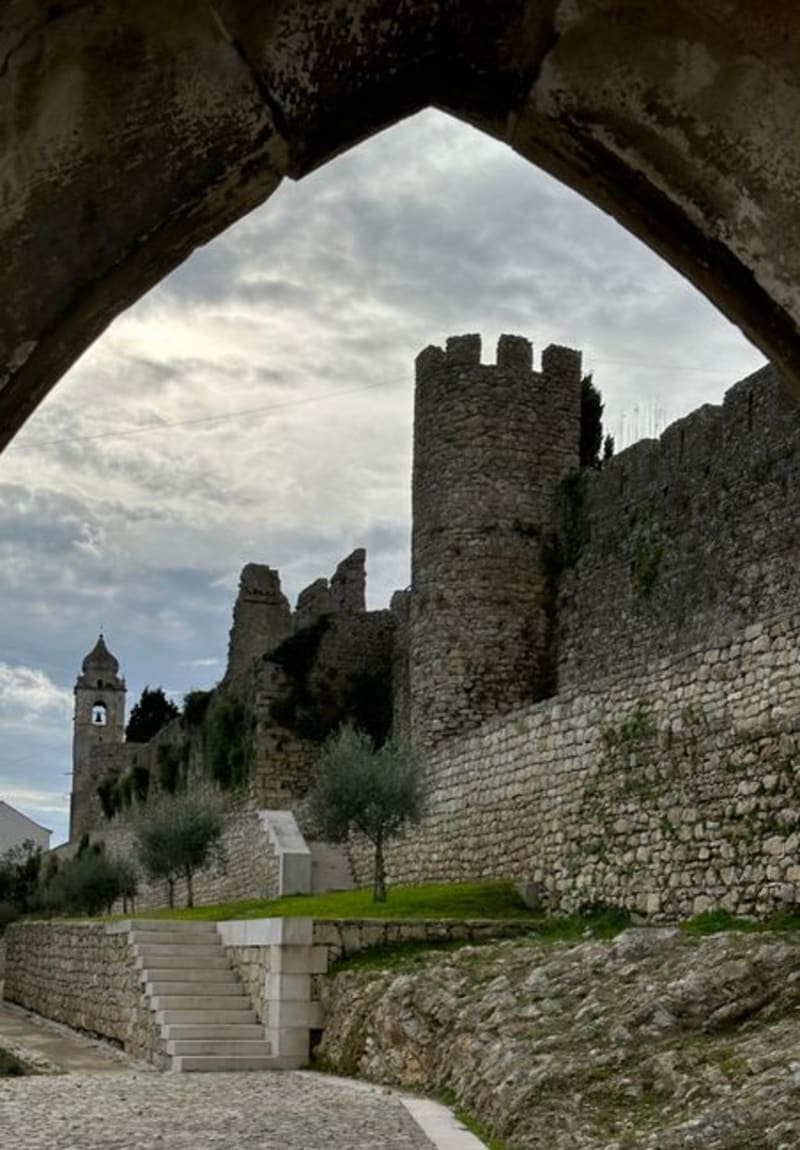 portugal
 Idanha-a-Velha
A village of barely a dozen residents built directly on top of a Roman city, where cathedral ruins and Visigothic stonework sit unguarded in fields, and once a year a world music festival fills the silence.
Explore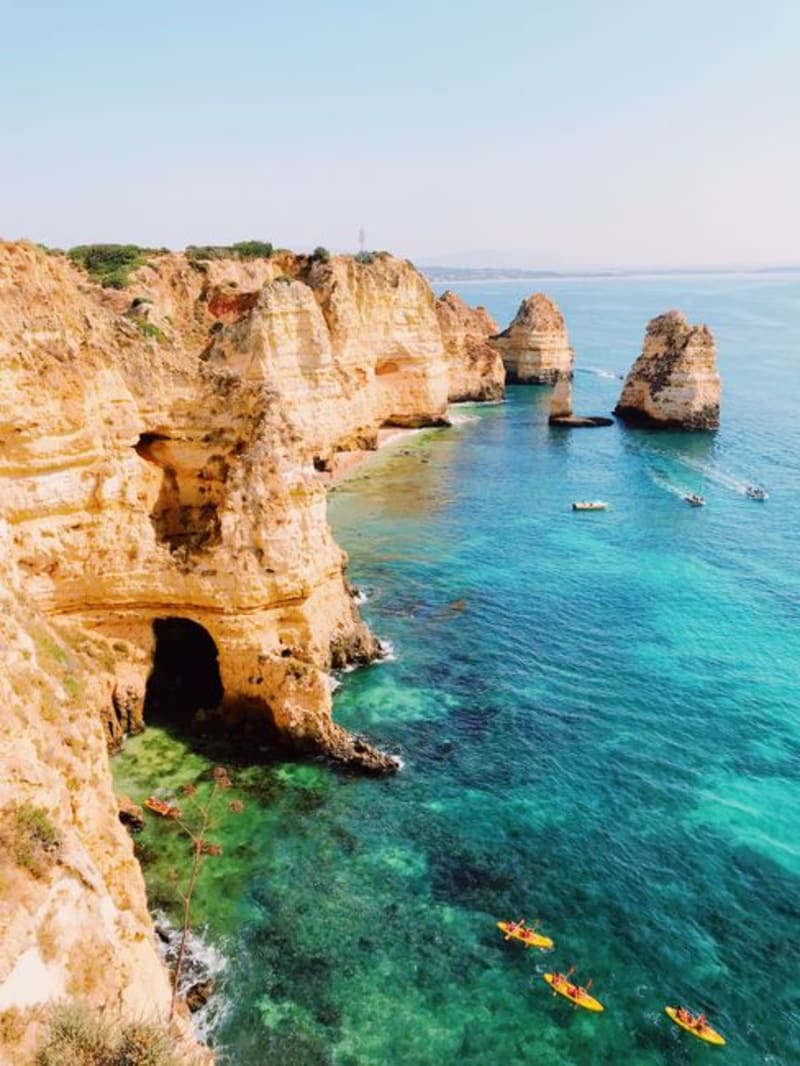 portugal
 Lagos
A town of golden cliffs and grottoes where Portugal's age of exploration began and its darkest colonial history is finally being told alongside it.
Explore