
Castelo de Vide
"Castelo de Vide drinks from its own fountains and remembers every family who ever hid there."
A hillside spa town of white houses and marble fountains, where the best-preserved Jewish quarter in Portugal still remembers the families who fled here in 1492.

I came to Castelo de Vide on the recommendation of a waiter in Portalegre, twenty minutes down the road, who said simply “it’s prettier than here, don’t tell anyone.” He wasn’t wrong. The town spills down a granite hillside in tight white terraces, its castle at the top looking out over the Serra de São Mamede toward the Spanish border, and the whole place has the scrubbed, sun-bleached calm of somewhere that’s known for its water rather than its ambition — this has been a spa town since Roman times, and the springs still feed public fountains all over the old streets, cold and mineral and, I was told repeatedly, good for your kidneys.
The Jewish Quarter That Survived
The Judiaria is the heart of what makes Castelo de Vide singular. When Spain expelled its Jewish population in 1492, many families crossed into Portugal, and a number settled here, in a tight cluster of narrow streets below the castle that remains, remarkably, one of the best-preserved medieval Jewish quarters in the country. The old synagogue, a small unassuming building on Rua da Judiaria, still stands and now functions as a modest museum, its stone walls plain, its single upstairs room quietly moving in a way no amount of gilding could match. I walked those streets in the early evening, the doorframes marked with the shallow grooves where mezuzahs once hung, laundry strung overhead exactly the way it must have been five hundred years ago, and felt the particular quiet of a place that holds real memory rather than a reenactment of one.

Fonte da Vila, the town’s grandest fountain, sits in a small marble-paved square just below the quarter — a hexagonal Renaissance structure with six spouts, built in the sixteenth century, and locals still fill bottles there out of habit more than necessity, the same way I’d later see happen in Vila Viçosa.
Castle Views and Cold Water
I climbed to the castle at dusk, more a modest keep than a grand fortress, and had the ramparts entirely to myself except for a couple sharing a bottle of local wine on the wall. From up there the whole town reads as a single white gesture against green hills, the border with Spain a soft blue smudge in the distance. On the way down I stopped at a public fountain and drank straight from the spout, the way I’d watched three separate elderly women do without a second thought.

When to go: Come in late spring, when the hills around town are still green and the mountain air keeps the heat honest, well before the Alentejo summer turns everything the color of straw.
Keep exploring
More from Portugal
 portugal
 Castelo Rodrigo
A clifftop fortress village surrounded by olive groves and almond trees, remembered locally for a single night in 1640 when it was briefly, furiously, Portugal's capital.
Explore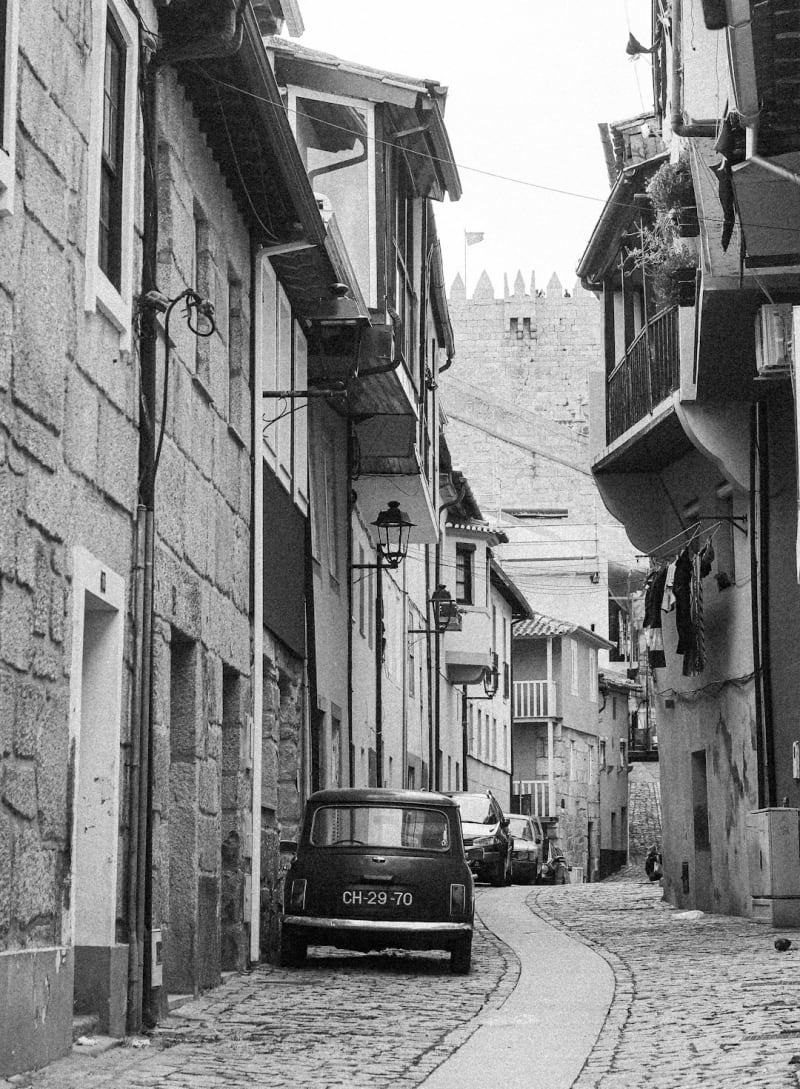 portugal
 Chaves
A frontier town near the Spanish border built on a Roman bridge and a hot spring, where the water runs naturally warm out of the ground and the smoked meats are taken as seriously as the thermal baths.
Explore portugal
 Coimbra
Portugal's ancient university city, where students still wear black capes, fado has its own distinct tradition, and the library makes every bibliophile weep.
Explore portugal
 Comporta
A fishing village and rice-paddy coast south of Setúbal, with wild dune beaches and stork nests on every chimney.
Explore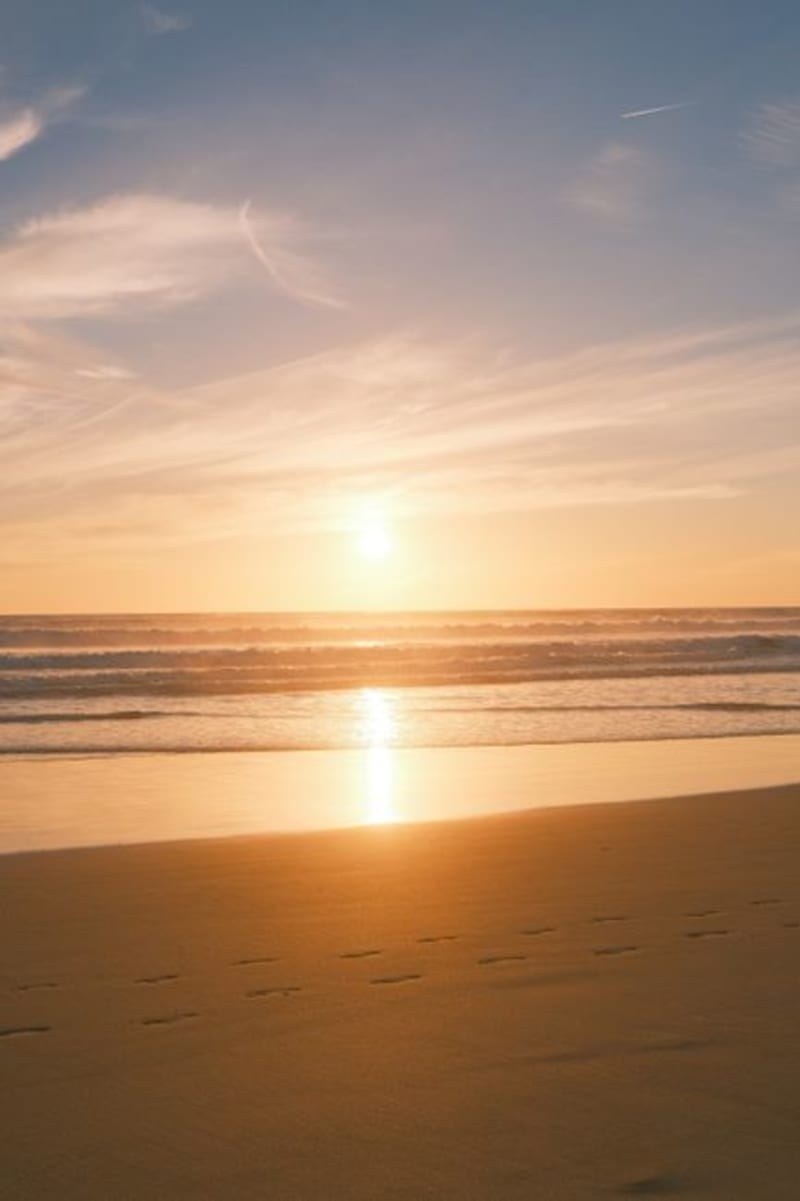 portugal
 Costa da Caparica
A long, wild Atlantic beach strip a short ferry ride from Lisbon, where surf schools crowd the northern end and a rattling wooden train carries you south to empty sand.
Explore portugal
 Costa Nova
A thin strip of beach town where every house wears bold candy stripes, a fishing tradition turned into the most photogenic architecture on Portugal's Atlantic coast.
Explore