
Guarda
"Guarda was built to be cold, high, and hard to take — six centuries later, it still is."
Mainland Portugal's highest city, a granite fortress-cathedral town built cold and defensive on purpose, where the wind never really stops blowing through the old streets.

I’d been warned about the wind before I even got there, and it turned out to be the single most accurate piece of travel advice anyone’s given me in Portugal. Guarda sits at over a thousand meters, mainland Portugal’s highest city, and its motto — “forte, farta, fria e formosa,” strong, plentiful, cold, and beautiful — was clearly written by people who’d actually lived through a winter here rather than by a tourism board. I arrived in a light jacket in what I thought was reasonable spring weather and was immediately, correctly, cold.
A Cathedral Built Like a Fortress
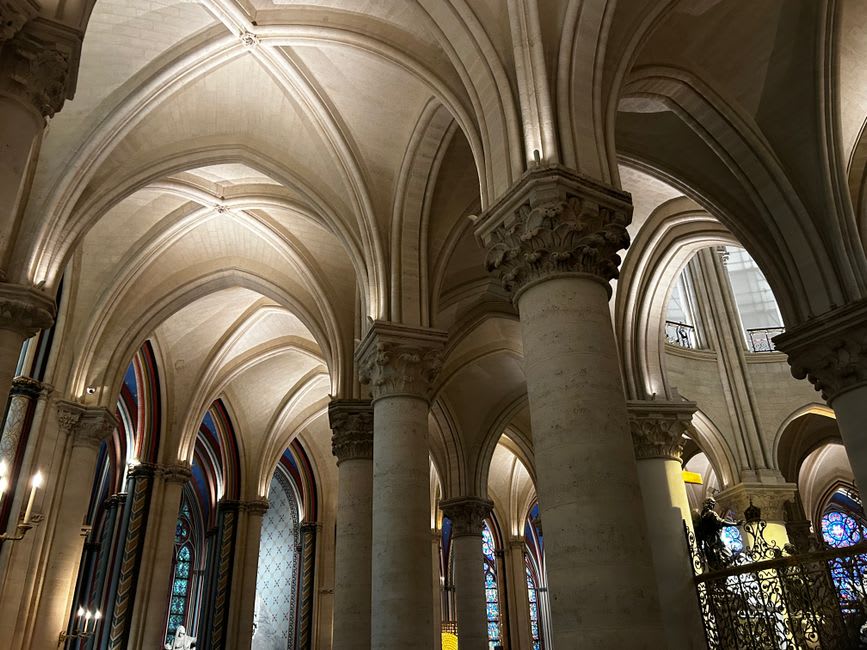
The Sé, Guarda’s cathedral, took over a century to build starting in the late 1300s, and it shows — Gothic bones with Manueline flourishes added later, all of it carved from the same rough gray granite as the rest of the city, giving the whole building a defensive, almost military weight that’s unusual for a church. Inside, the granite columns feel less like they’re holding up a roof and more like they’re holding back the mountain outside. I climbed onto the roof terrace, accessible with a small ticket, and got a view over the terracotta rooftops toward the Serra da Estrela in the distance, its peaks still faintly white even in late spring.
The old Jewish quarter, Rua Direita and the streets around it, still has houses marked with crosses carved into doorframes — added, historians think, by Jewish families forced to convert during the Inquisition, a small defensive gesture of visible Christianity to deflect suspicion. I found one nearly by accident, running my fingers over the worn stone, and a shopkeeper nearby noticed and told me there are supposedly a dozen or so scattered through the quarter if you know where to look, which I clearly didn’t, not fully.

I ate dinner at a small tasca that night, a hearty cabrito assado — roast kid goat — that made total sense given the altitude and the chill, washed down with a local red that tasted more mineral and austere than anything I’d had lower down in the Douro. The waiter told me, without much prompting, that Guarda people consider themselves tougher than everyone else in Portugal because of the winters, and honestly, having felt that wind in May, I wasn’t in a position to argue.
When to go: Late spring or early autumn — winters here are genuinely harsh by Portuguese standards, and summer brings a welcome but brief warmth before the altitude reasserts itself.
Keep exploring
More from Portugal
 portugal
 Guimarães
Portugal was born here — its first king, its founding castle, and a medieval center so intact it feels like the nation's origin story is still playing out.
Explore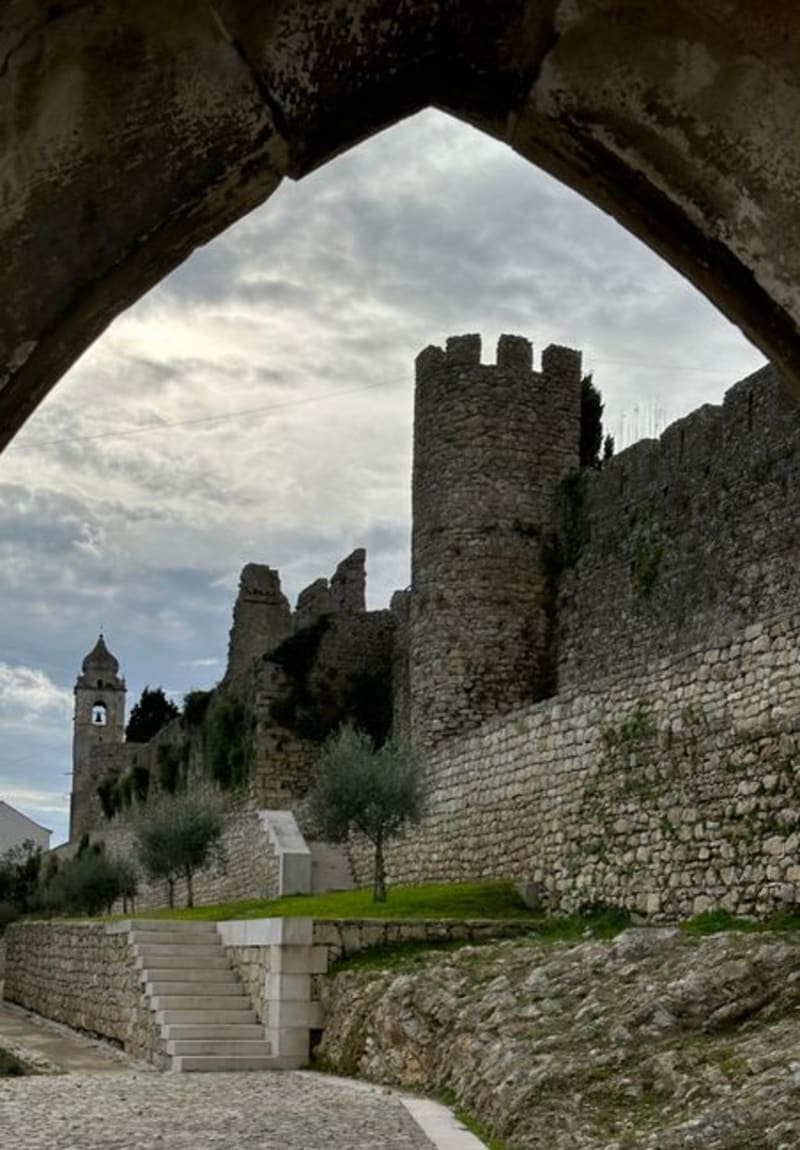 portugal
 Idanha-a-Velha
A village of barely a dozen residents built directly on top of a Roman city, where cathedral ruins and Visigothic stonework sit unguarded in fields, and once a year a world music festival fills the silence.
Explore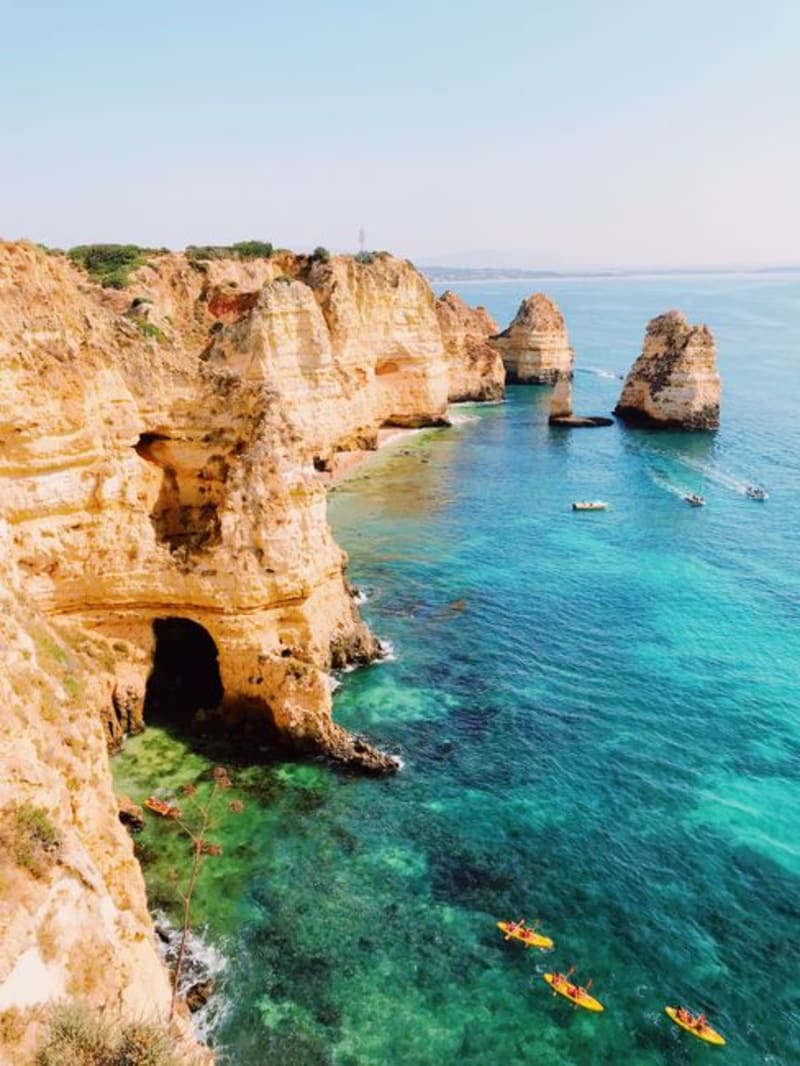 portugal
 Lagos
A town of golden cliffs and grottoes where Portugal's age of exploration began and its darkest colonial history is finally being told alongside it.
Explore portugal
 Lamego
A Douro hill town where a monumental Baroque staircase of six hundred steps climbs to a hilltop sanctuary, and the local sparkling wine has quietly outclassed its famous neighbor for over a century.
Explore portugal
 Leiria
A modest hilltop-castle city on the river Lis, overshadowed by its famous monastic neighbors, that rewards anyone willing to actually stop instead of just passing through.
Explore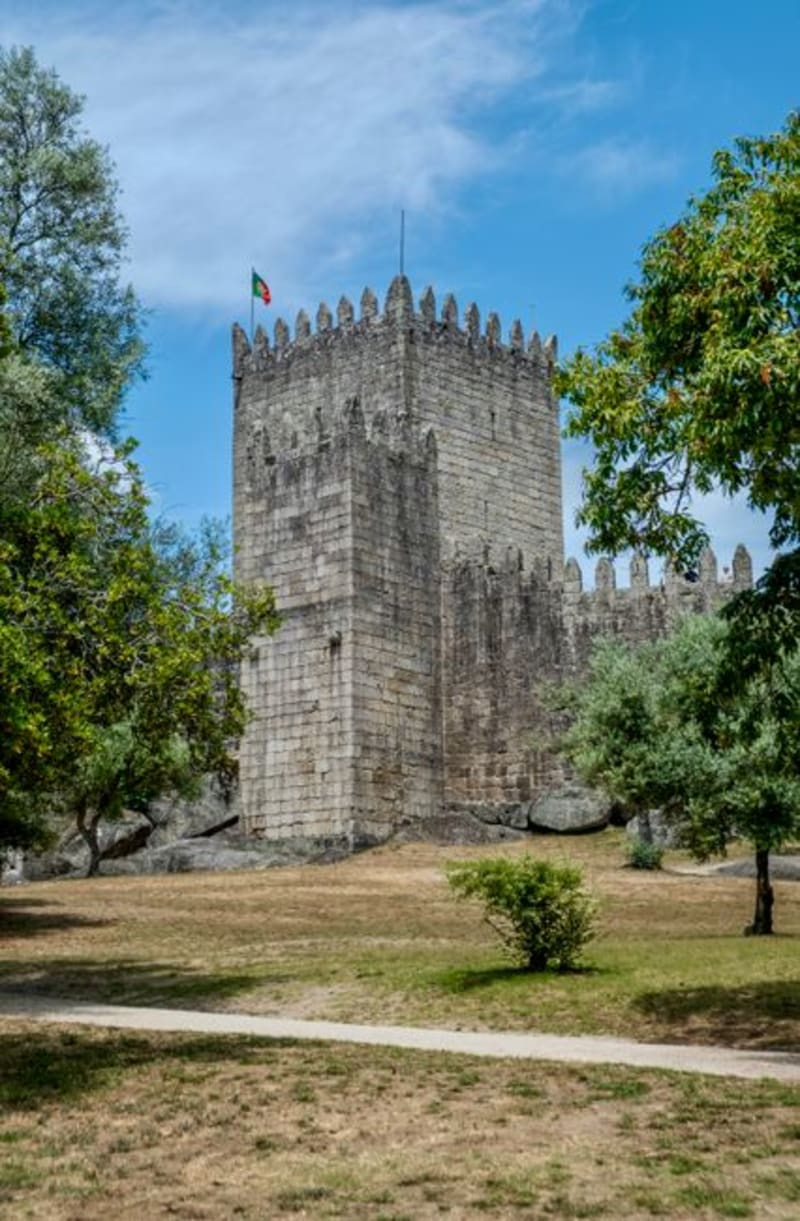 portugal
 Linhares da Beira
A granite castle village clinging to the foothills of the Serra da Estrela, where Roman milestones, medieval walls, and dry-stone terraces are stacked so tightly you trip over centuries.
Explore