
Ponta de São Lourenço
"Madeira spends the whole island being green, then throws all of that away right at the end."
Madeira's eastern tip breaks from the island's lush script entirely — a stark, arid volcanic ridge of red and ochre rock exposed to the full force of the Atlantic.

By the time I’d hiked Madeira’s levadas and its laurel forests, I thought I had the island figured out — green, damp, forgiving. Ponta de São Lourenço corrected that assumption within the first ten minutes of the trail. This narrow peninsula at the island’s easternmost point is almost entirely bare volcanic rock, reds and ochres and blacks layered like a cut cake, wind-scoured and treeless in a way that felt closer to a Mediterranean island or the Canaries than to the Madeira I’d been hiking all week. The trail from the parking area at Baía d’Abra runs along a ridge with sheer drops on both sides, the Atlantic pounding rock far below on one flank and calmer water on the other, and the wind out here is relentless enough that I kept one hand on my hat the entire way.
Walking the Edge of the Island
The full trail to the lighthouse at the very tip, Farol da Ponta de São Lourenço, takes a few hours round trip and gains and loses elevation constantly as it crosses a series of saddle points between old volcanic cones. Goats appeared occasionally on ledges that looked entirely unreachable, and the exposed geology along the way is almost a diagram of how Madeira formed — layered lava flows, volcanic bombs embedded in the cliff face, colors shifting from rust red to charcoal black depending on the mineral content of each eruption. I stopped at one of the higher points and could see, on a clear day, all the way to Porto Santo’s pale outline on the horizon, a reminder of how close Madeira’s sister island actually is.

The lack of shade is the thing nobody warns you about strongly enough — there’s barely a tree along the entire route, and I finished the last stretch back to the car with my water bottle empty and my neck thoroughly sunburned despite a hat. It was worth every bit of it. Watching waves detonate against the black rock stacks just offshore, spray catching the wind and drifting sideways across the trail, I got a version of Madeira that felt raw in a way the terraced, cultivated interior never quite does.

When to go: Spring or autumn mornings, starting early — the exposed trail has almost no shade or shelter from wind, and midday summer heat with no tree cover makes the full route to the lighthouse considerably harder than it looks on the map.
Keep exploring
More from Portugal
 portugal
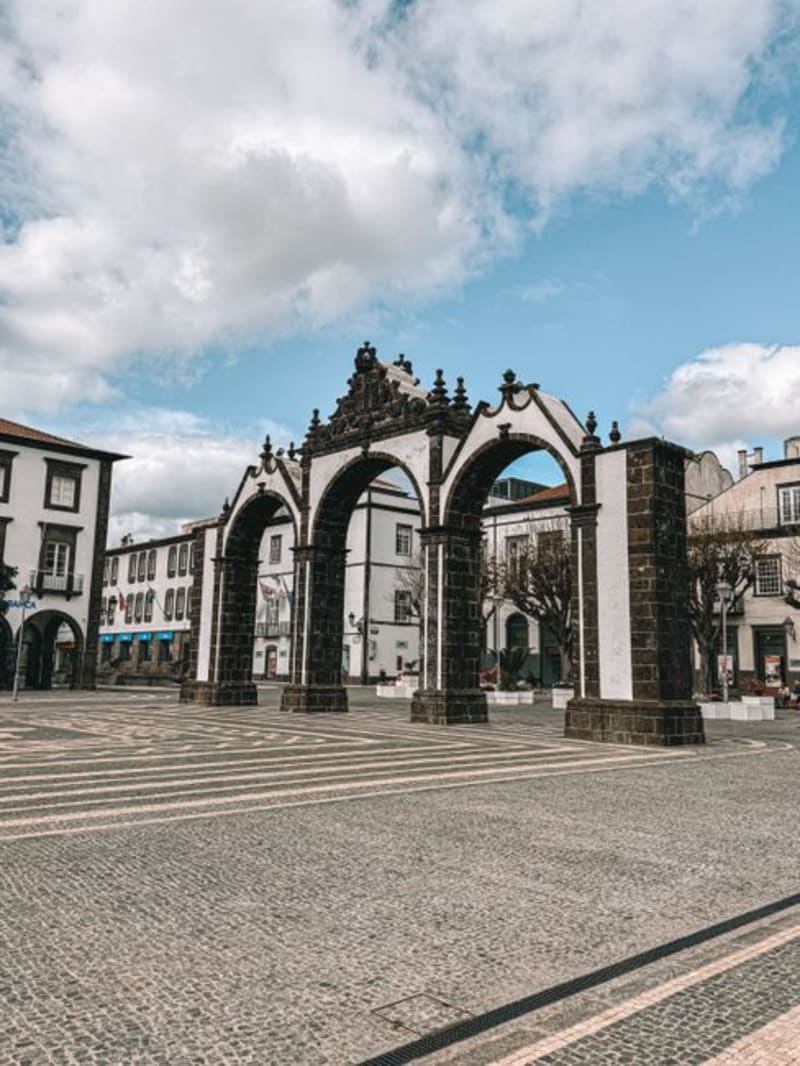
 Ponta Delgada
São Miguel's black-and-white port capital, where calçada cobblestones ripple underfoot and azulejo-covered churches face out toward an Atlantic that built this city on whaling and oranges.
Explore portugal
 Ponte de Lima
Portugal's oldest chartered town drapes itself along a slow green river, its Roman-medieval bridge and biweekly market feeling less like a tourist stop than a place time simply forgot to hurry.
Explore portugal
 Portalegre
A hillside town backed by the wild Serra de São Mamede, where women once wove tapestries so fine that Picasso and Le Corbusier asked to have their work rendered in wool.
Explore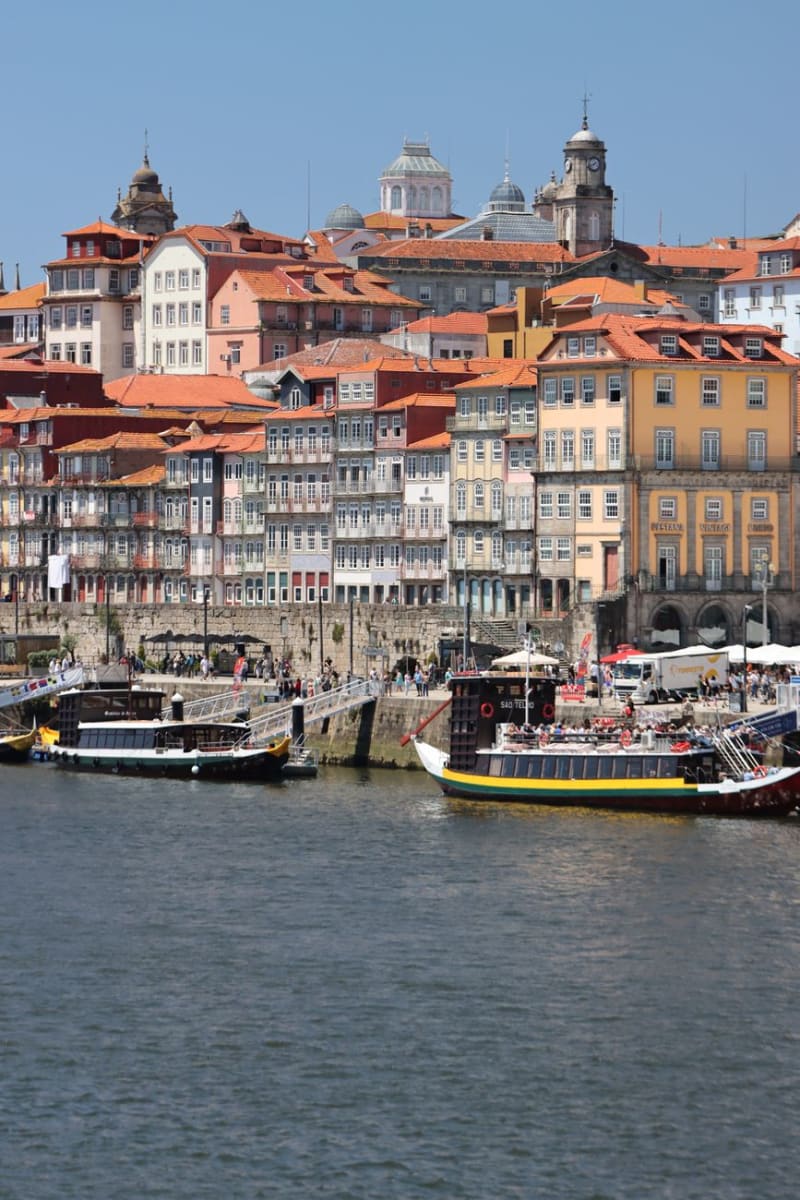 portugal
 Porto
Azulejo-tiled churches, port wine cellars, and a riverside city with all of Lisbon's charm and half its tourists.
Explore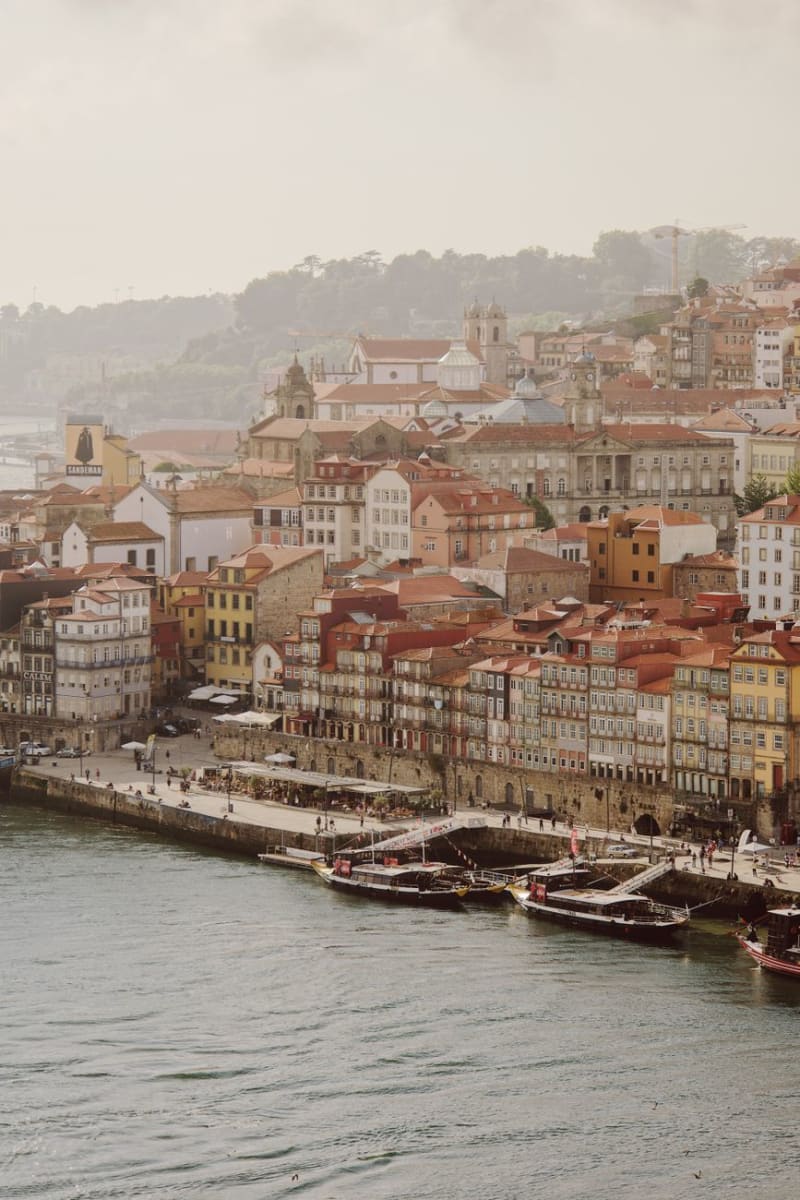 portugal
 Oporto's Douro Riverside
The Ribeira waterfront of Porto is a UNESCO stage where azulejo-tiled wine lodges watch over the Douro's golden afternoon light.
Explore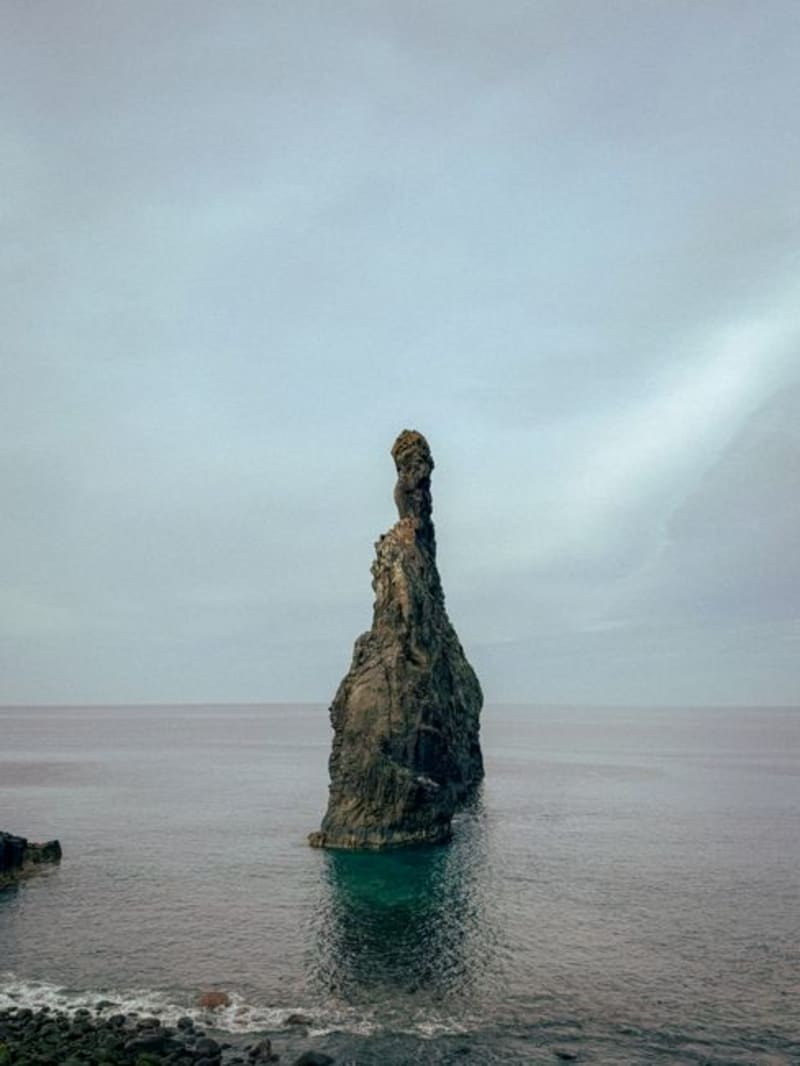 portugal
 Porto Moniz
At Madeira's northwestern tip, volcanic rock pools fill and empty with each Atlantic wave, turning the coastline itself into a natural swimming pool.
Explore