
Hokkaidō feels like a different Japan altogether. This is the country’s northern frontier, settled in earnest only in the last century and a half, and it still carries the open, unhurried air of a place with more land than people. Winters bury it in some of the lightest, deepest powder on earth; summers stay mercifully cool while the rest of Japan swelters, turning the island into a refuge of green hills, lavender rows, and wildflower meadows. The scale is what strikes you first — long straight roads, volcanoes on the horizon, dairy farms stretching further than seems plausible on these islands.
Most journeys begin in Sapporo, the island’s easygoing capital, a grid-planned city famous for its beer, its ramen, and a winter snow festival that draws visitors from across the world. It is a relaxed place to eat and orient yourself before heading out, with wide boulevards and a food culture built around the cold seas that surround the island. A short hop away, the old port town of Otaru rewards a slow afternoon, its stone canal lined with converted warehouses, glassblowers, and music-box workshops, all lit softly at dusk.
Further afield, the character of Hokkaidō really reveals itself. Hakodate, down in the south, was one of the first Japanese ports opened to foreign trade, and it wears that history in its hillside of Western-style houses and churches; the night view from Mount Hakodate over the twinkling, hourglass-shaped city is rightly celebrated. Inland, the gentle hills around Furano and Biei erupt each summer into the famous Hokkaido lavender fields, patchworks of purple, gold, and green rolling toward distant mountains — a landscape that feels closer to Provence than to anything you expect of Japan.
Travel here rewards those who slow down and give the distances their due. This is a place for renting a car and letting the road unspool, for onsen towns tucked beneath steaming volcanoes, for crab and sea urchin and bowls of miso ramen after a day in the cold. Come in winter for the snow and the powder, in summer for the flowers and the reprieve from the heat, and in either season you will find an island that trades the density and polish of the south for something rawer, wider, and quietly unforgettable.
Explore
Places in Hokkaidō
 japan
japan Abashiri
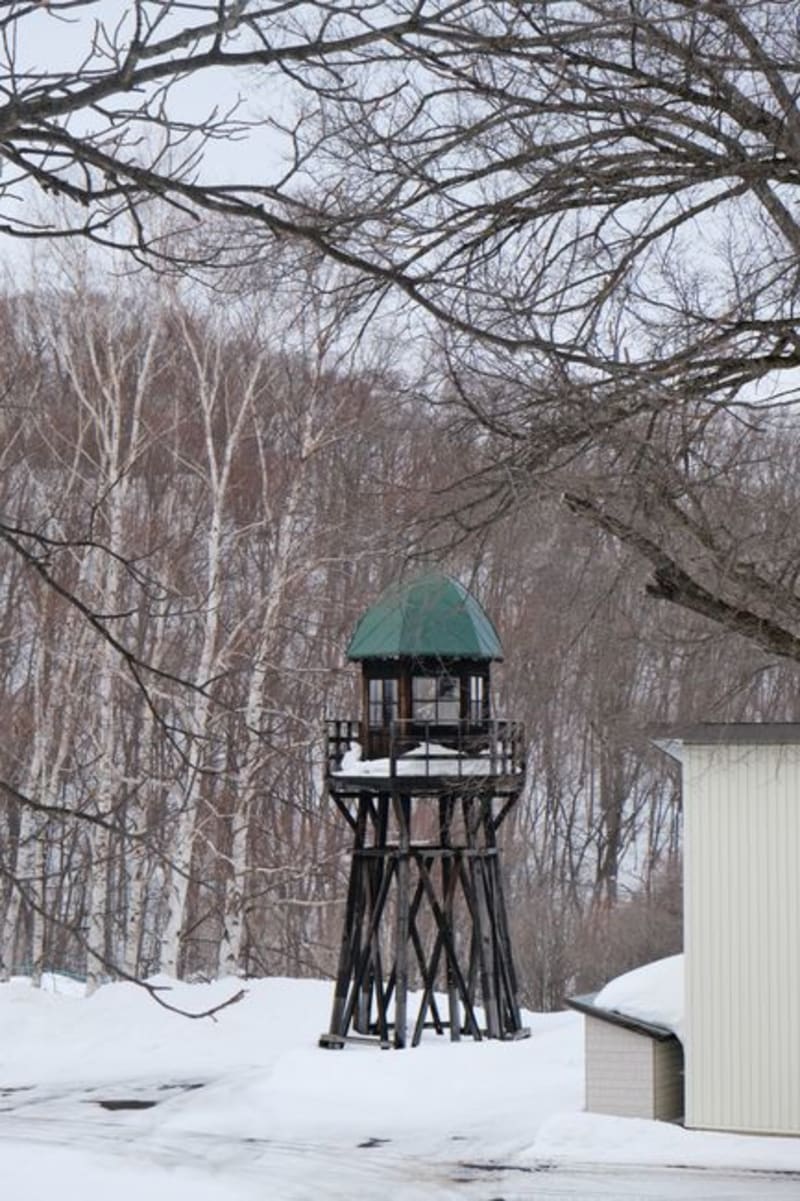
A port on the far northeastern edge of Hokkaidō where the Sea of Okhotsk freezes into a moving field of drift ice each winter. Icebreaker cruises that shoulder through the floes, a stark former-prison museum on a hill, and a light so pale and clean it feels like the end of the map.
Explore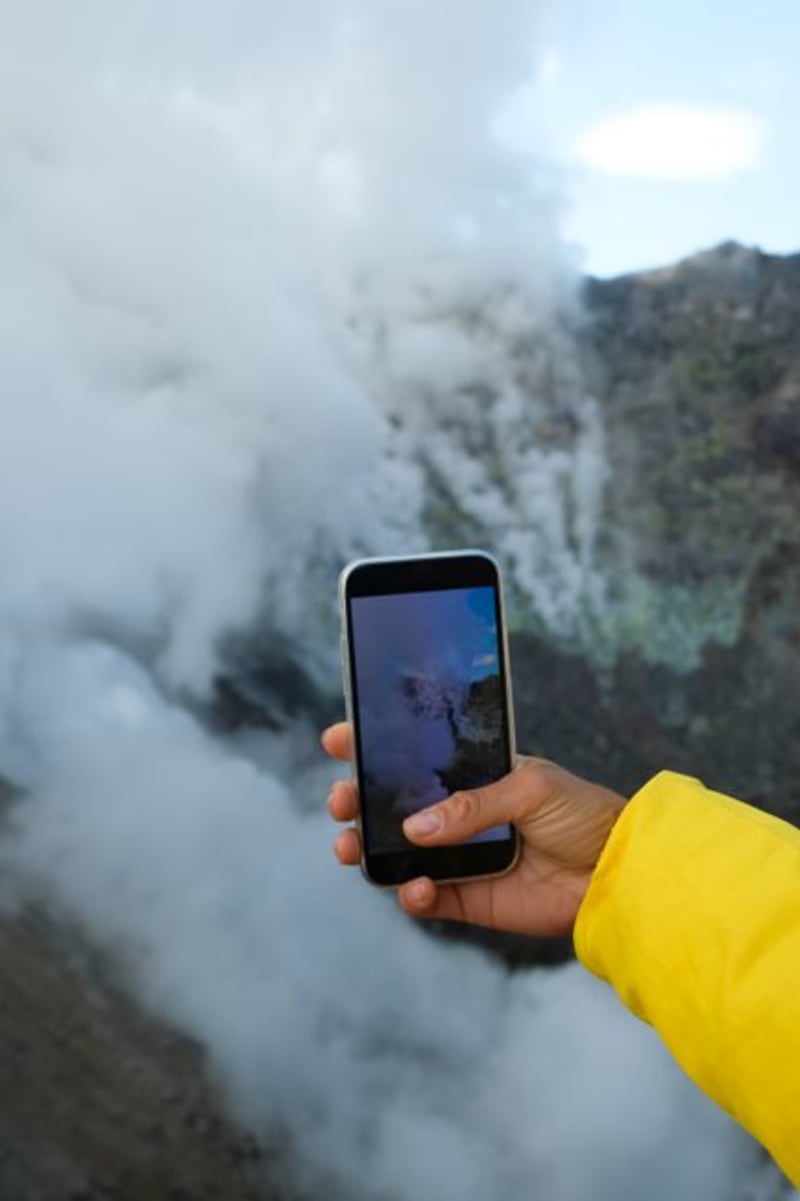 japan
japan Asahidake
Hokkaido's highest peak, rising out of the vast Daisetsuzan wilderness where Japan's autumn begins earliest. Steam drifts off the volcanic slopes, and the ropeway lifts you into a world of dwarf pine and colour weeks before the rest of the country turns. This is the roof of the north, raw and unhurried.
Explore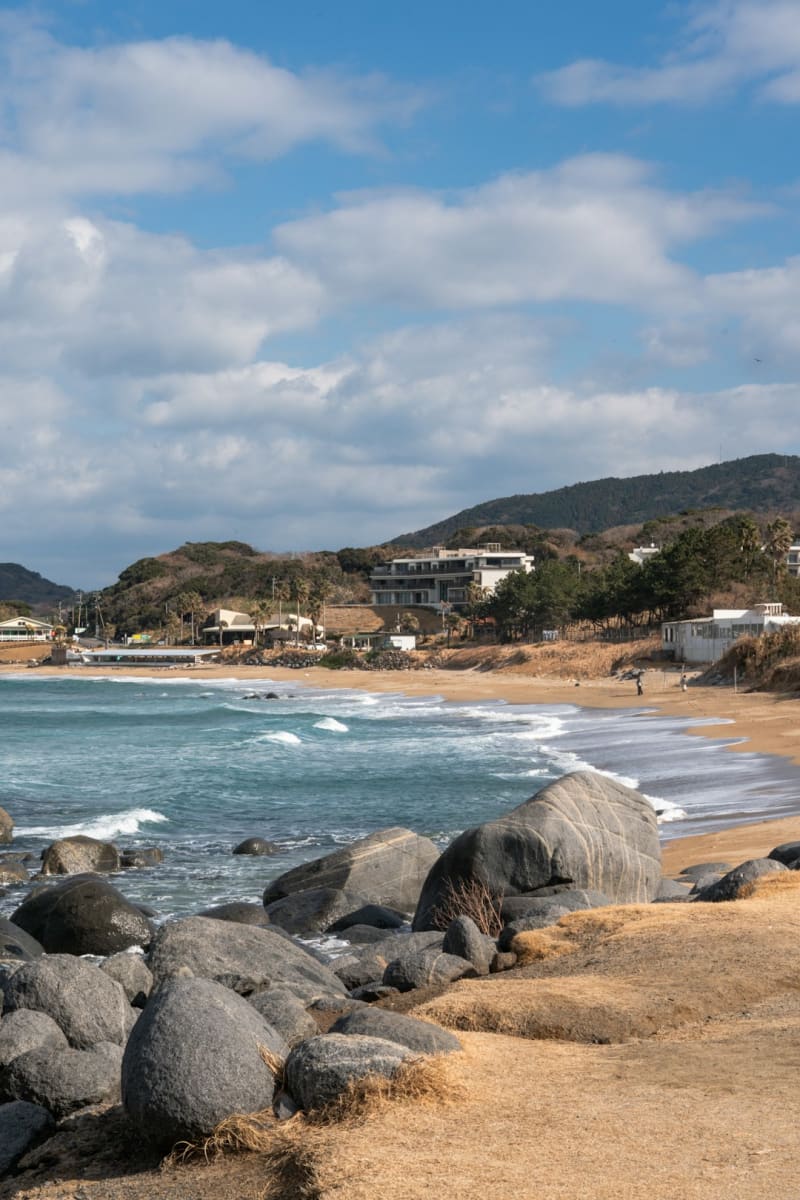 japan
japan Asahikawa
Hokkaidō's second city, a hearty inland hub buried in winter snow. A famous zoo where penguins march through the drifts, a dark and warming shoyu ramen, and a gateway to the Daisetsuzan peaks and the rolling Biei and Furano countryside.
Explore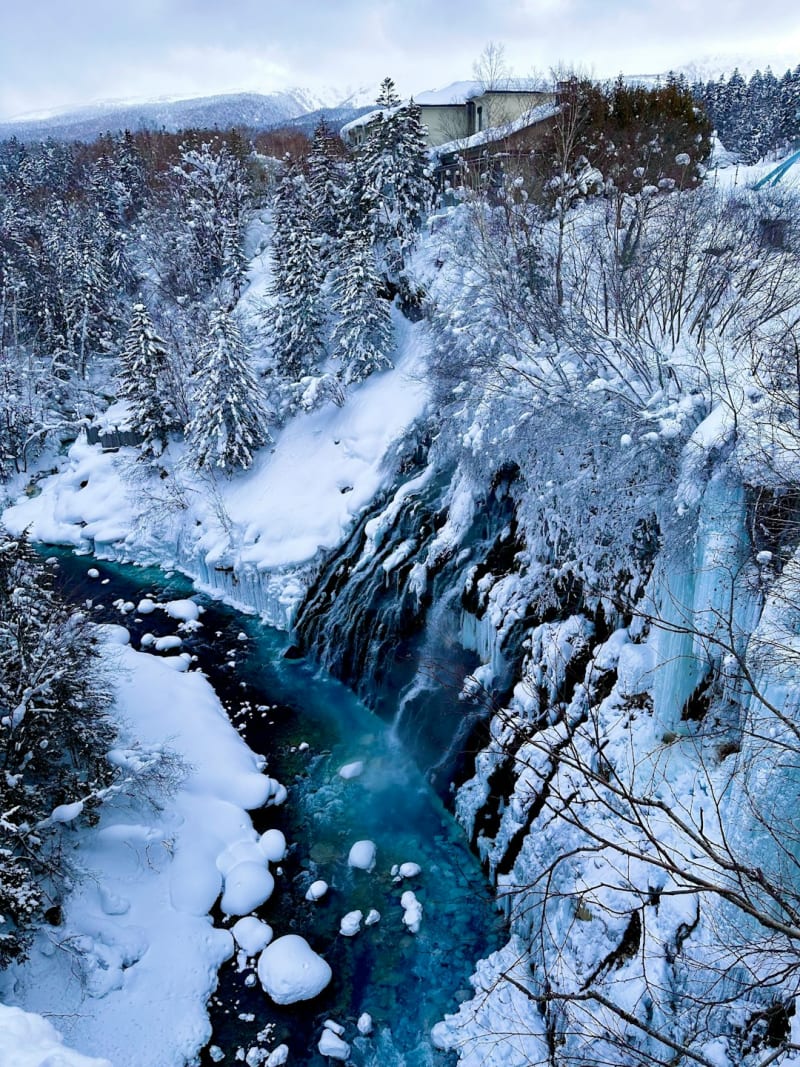 japan
japan Biei
A stretch of Hokkaidō countryside made of rolling patchwork hills, lone trees standing against the sky, and the impossible turquoise of the Blue Pond. Painterly, gentle land built for slow drives and long afternoons on a bicycle.
Explore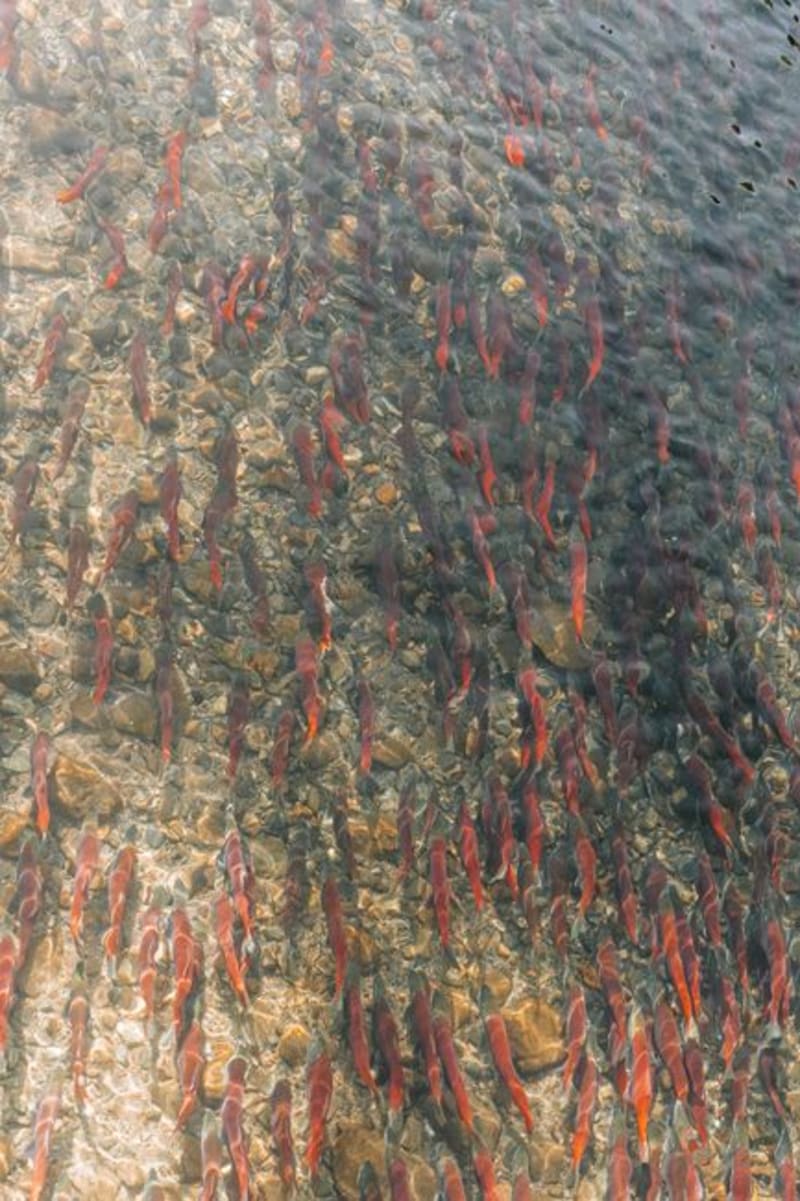 japan
japan Chitose
The airport town most travelers pass straight through on their way into Hokkaidō — and one worth pausing in. A clear spring-fed river running through the center, salmon climbing it in autumn, and the astonishing caldera water of Lake Shikotsu a short drive up into the mountains.
Explore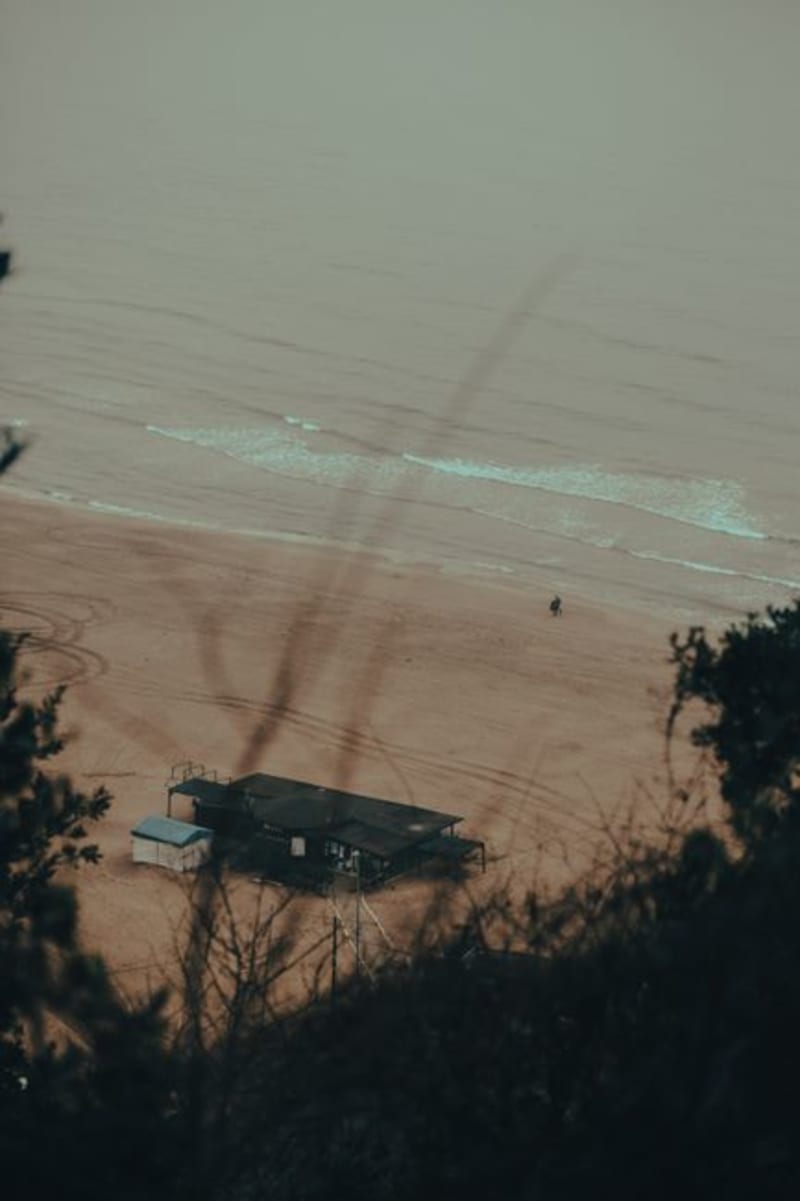 japan
japan Date
A mild, unhurried town on Hokkaidō's southern coast, settled in the 1870s by samurai families who followed the Date lord north from Sendai. Warm winters by Hokkaidō standards, a reconstructed castle-era streetscape, orchards and sea, and a history you can still feel walking the quiet lanes.
Explore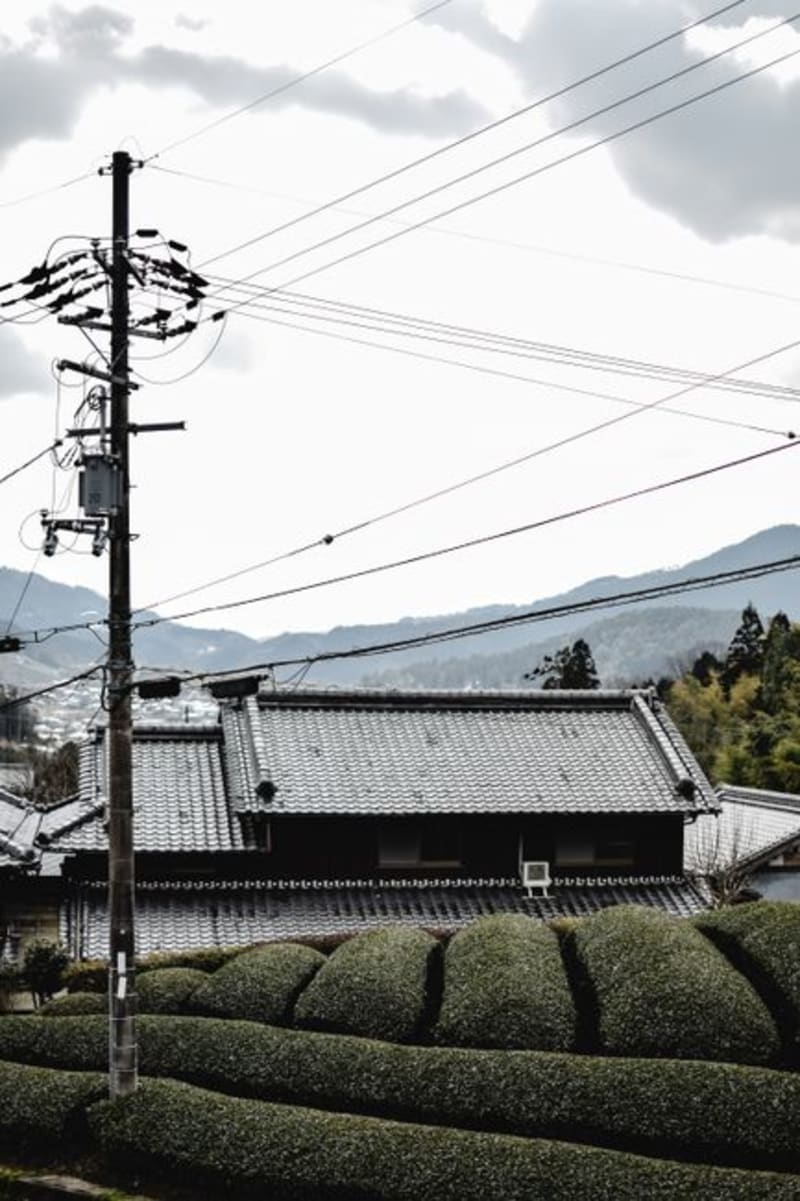 japan
japan Engaru
An inland town in Hokkaidō's Okhotsk country, best known for the hillside at Taiyō-no-Oka where seasonal flowers pour down the slope in a wash of color. Wide farm valleys, a slow river, and in autumn a famous cosmos field that turns a whole hill pink.
Explore japan
japan Furano
A wide farm valley in the middle of Hokkaidō, given over in high summer to striped fields of lavender and rainbow rows of flowers. Rolling farmland, sweet melons ripening under the sun, and in winter a quiet ski town under deep snow.
Explore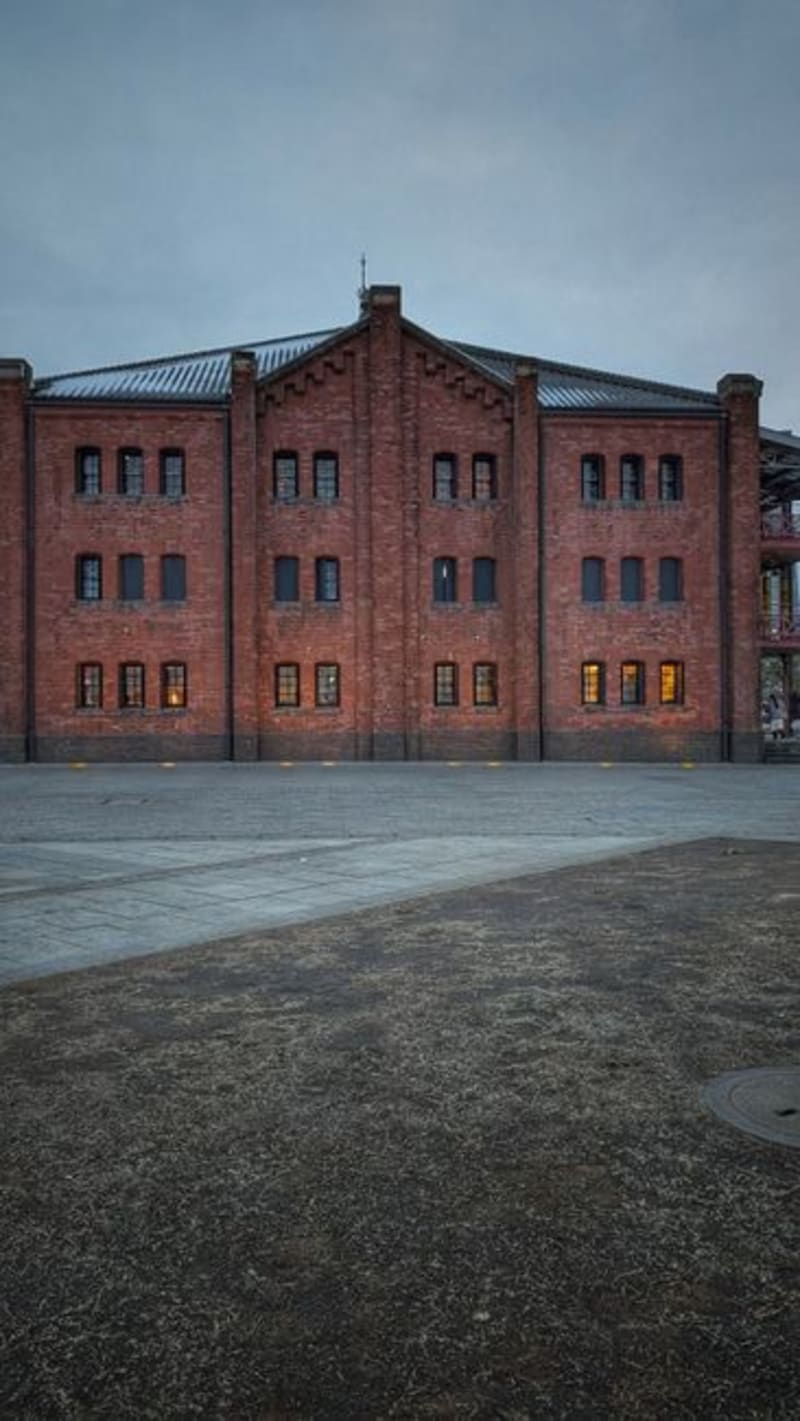 japan
japan Hakodate
A Hokkaidō port city where the harbor light does the talking. A glittering night view from the mountain, red-brick warehouses along the bay, a morning market loud with squid and crab, and nineteenth-century Western streets climbing the hillside.
Explore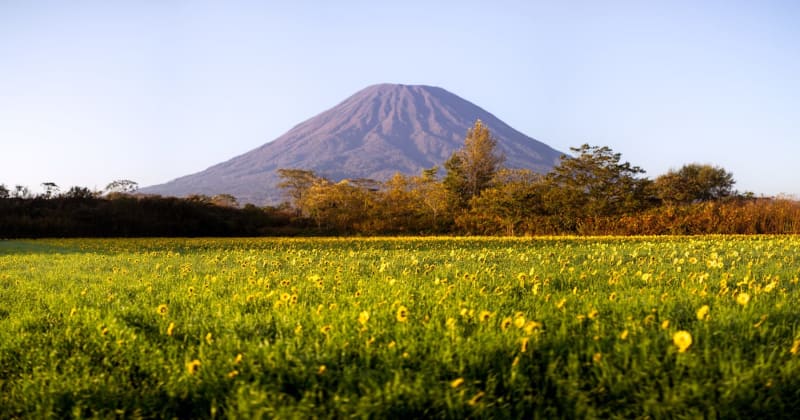 japan
japan Hokkaido Lavender Fields
Furano's summer lavender fields roll across Hokkaido's volcanic plateau in waves of purple and green.
Explore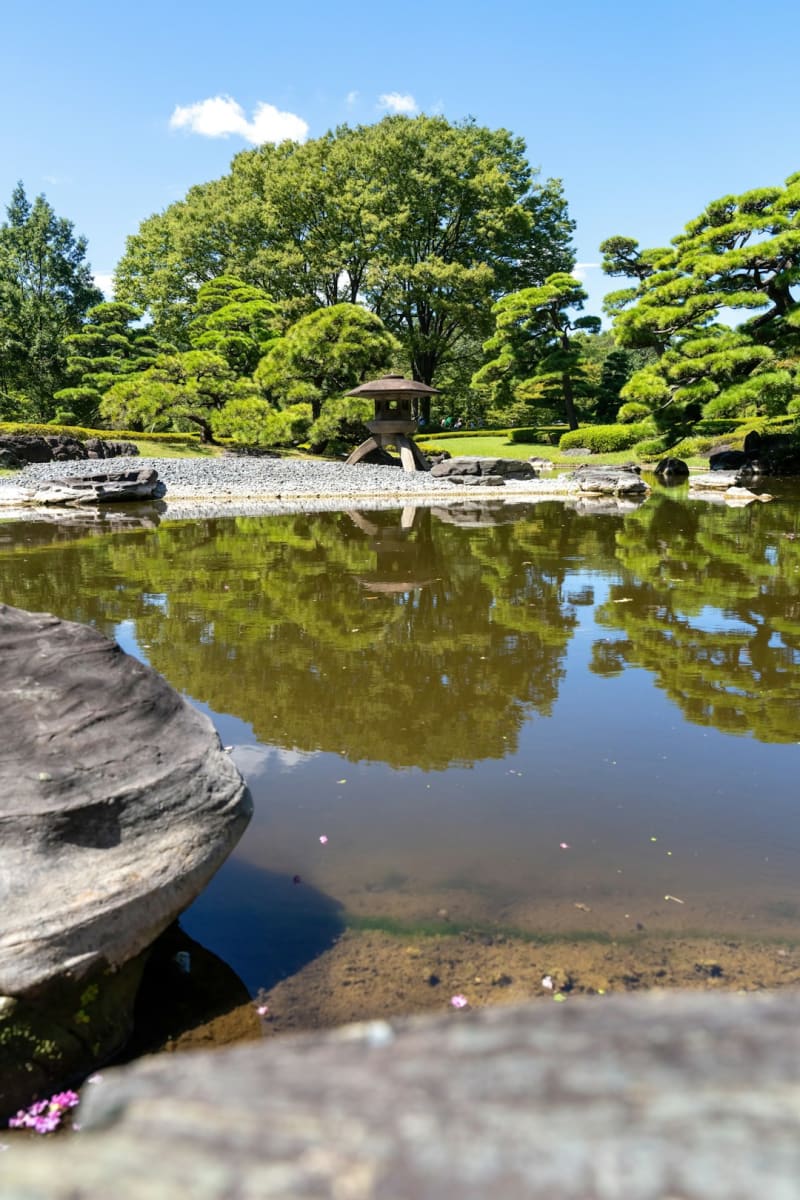 japan
japan Jōzankei
A hot-spring resort tucked into a forested river gorge just outside Sapporo. Riverside foot baths, spectacular autumn foliage, and an easy mountain escape barely an hour from the city.
Explore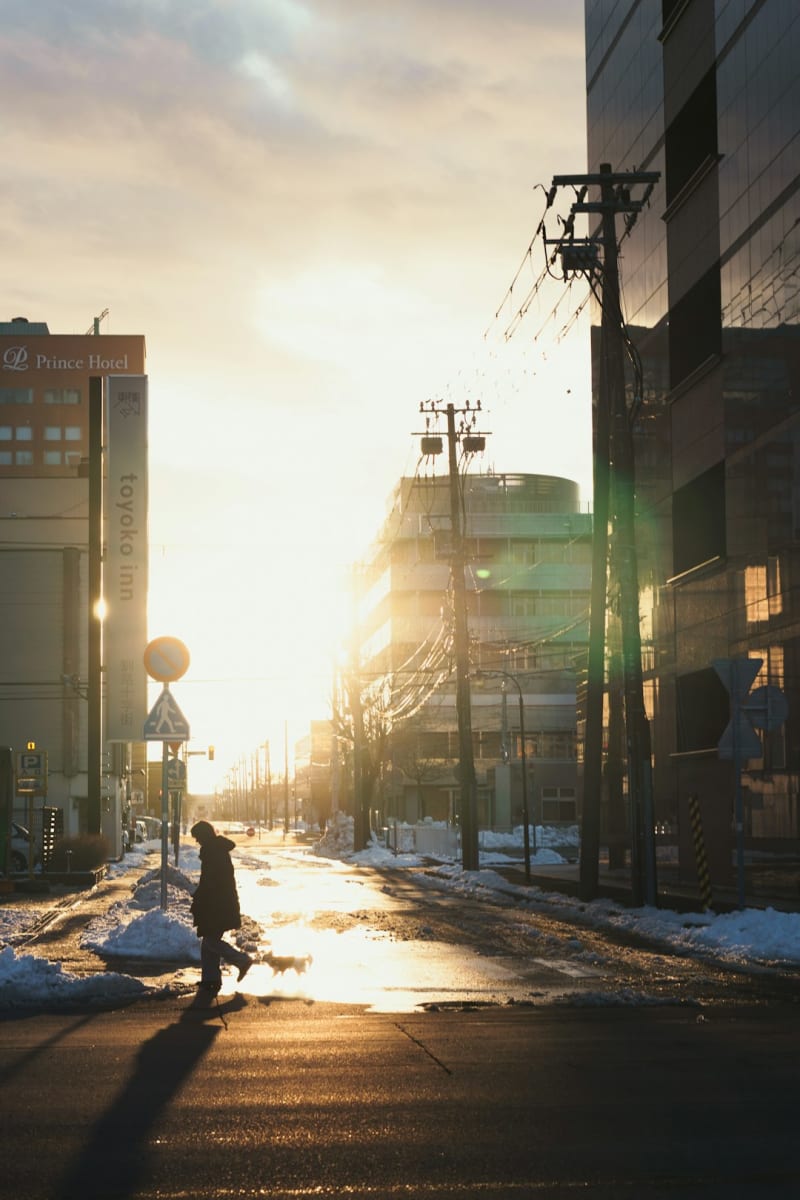 japan
japan Kushiro
A weathered port on eastern Hokkaidō's misty coast, edged by Japan's largest marshland. Reed wetlands where red-crowned cranes dance, slow canoe mornings on a winding river, and a smoky robata tradition of grilling your own seafood over coals.
Explore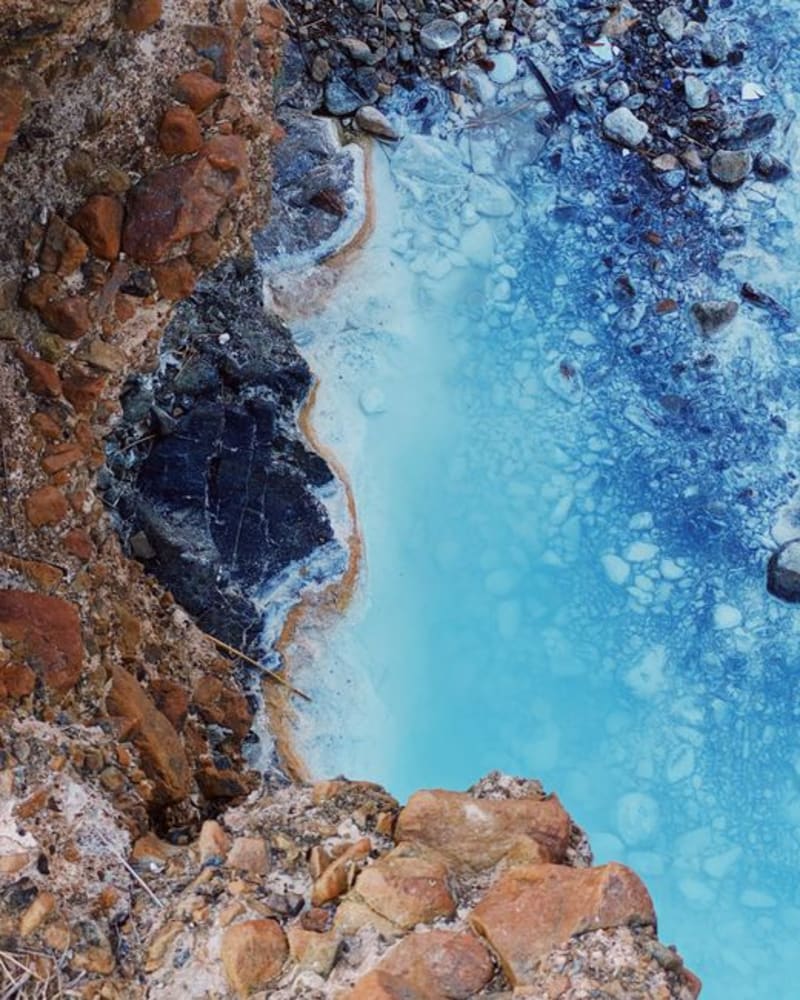 japan
japan Lake Kussharo
A vast caldera lake in eastern Hokkaido where you can dig your own hot spring in the black sand at the water's edge, and where whooper swans winter in the steaming shallows. Kussharo is enormous and generous and completely unpretentious. We soaked our feet in a hole we dug ourselves, and I've thought about it ever since.
Explore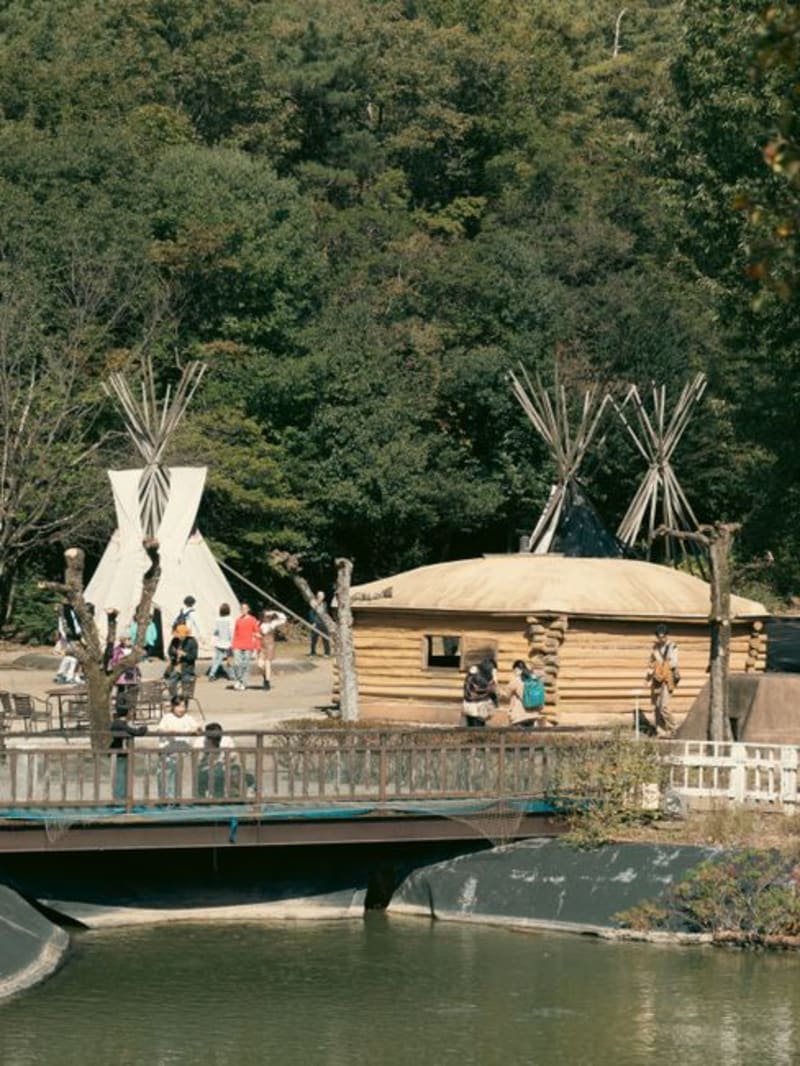 japan
japan Lake Akan
A volcanic lake in the far east of Hokkaidō where rare green algae roll into perfect velvet spheres, an Ainu village keeps its songs alive, and winter locks the whole surface into groaning ice. A place that asks you to look slowly.
Explore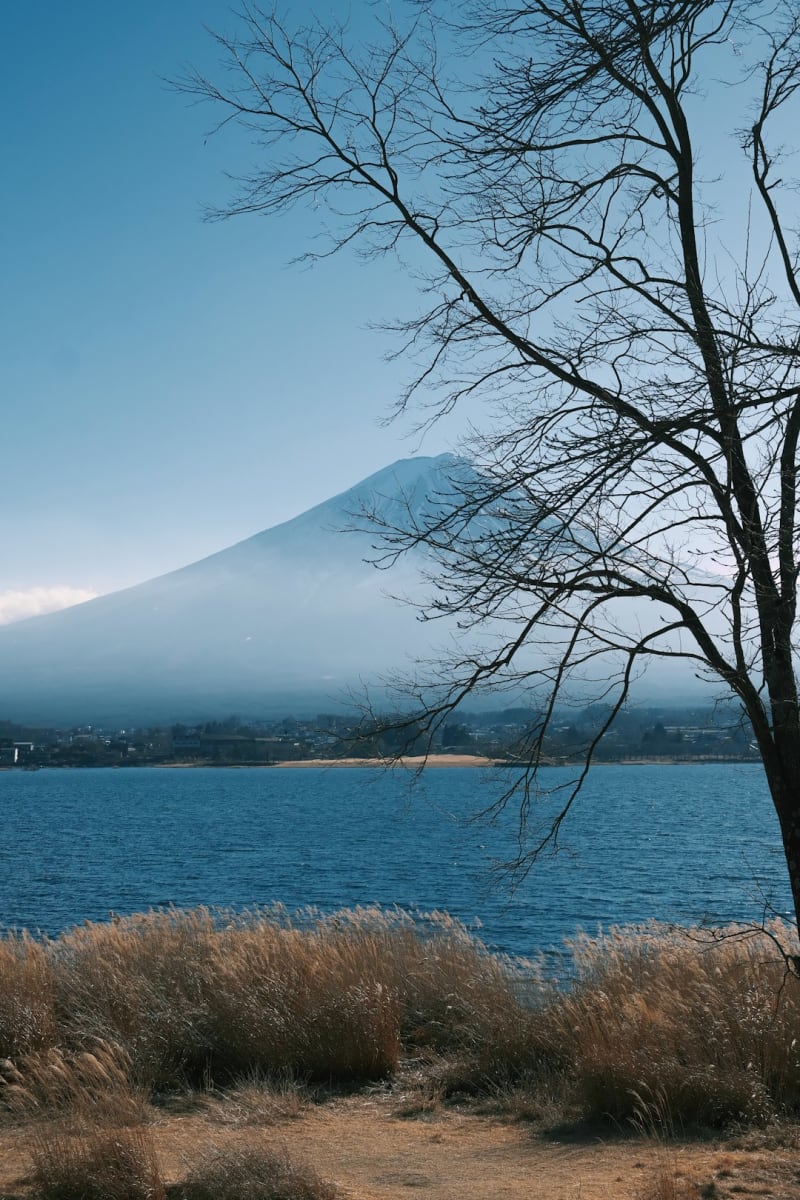 japan
japan Lake Toya
A near-perfect circular caldera lake in southwest Hokkaidō, cradling a wooded central island and ringed by hot-spring resorts. Steaming shores beneath the still-restless Mount Usu and its young sibling Shōwa-Shinzan, and fireworks blooming over the water on summer nights.
Explore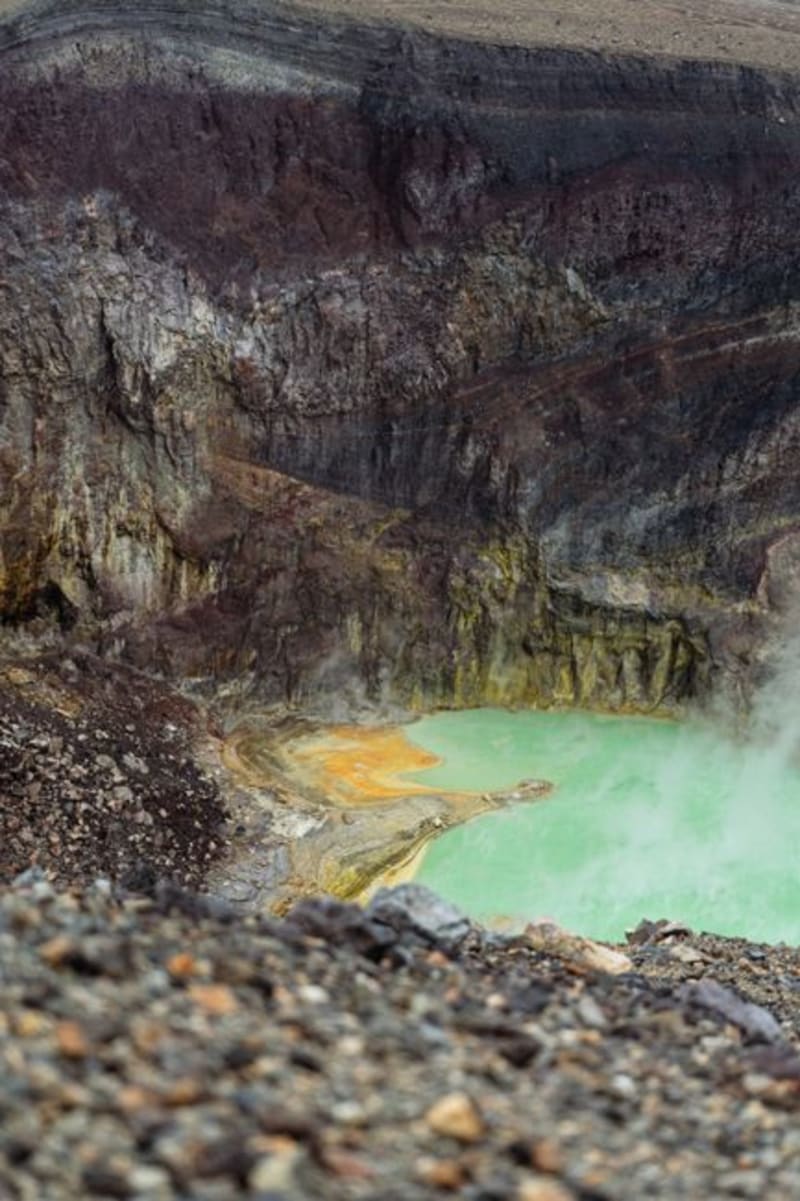 japan
japan Lake Mashu
One of the clearest crater lakes on earth, cupped in a steep caldera in eastern Hokkaido and hidden more days than not behind a wall of fog. Lake Mashu has no inlet, no outlet, and almost no way down to its water. We went twice before it showed itself, and the wait was the point.
Explore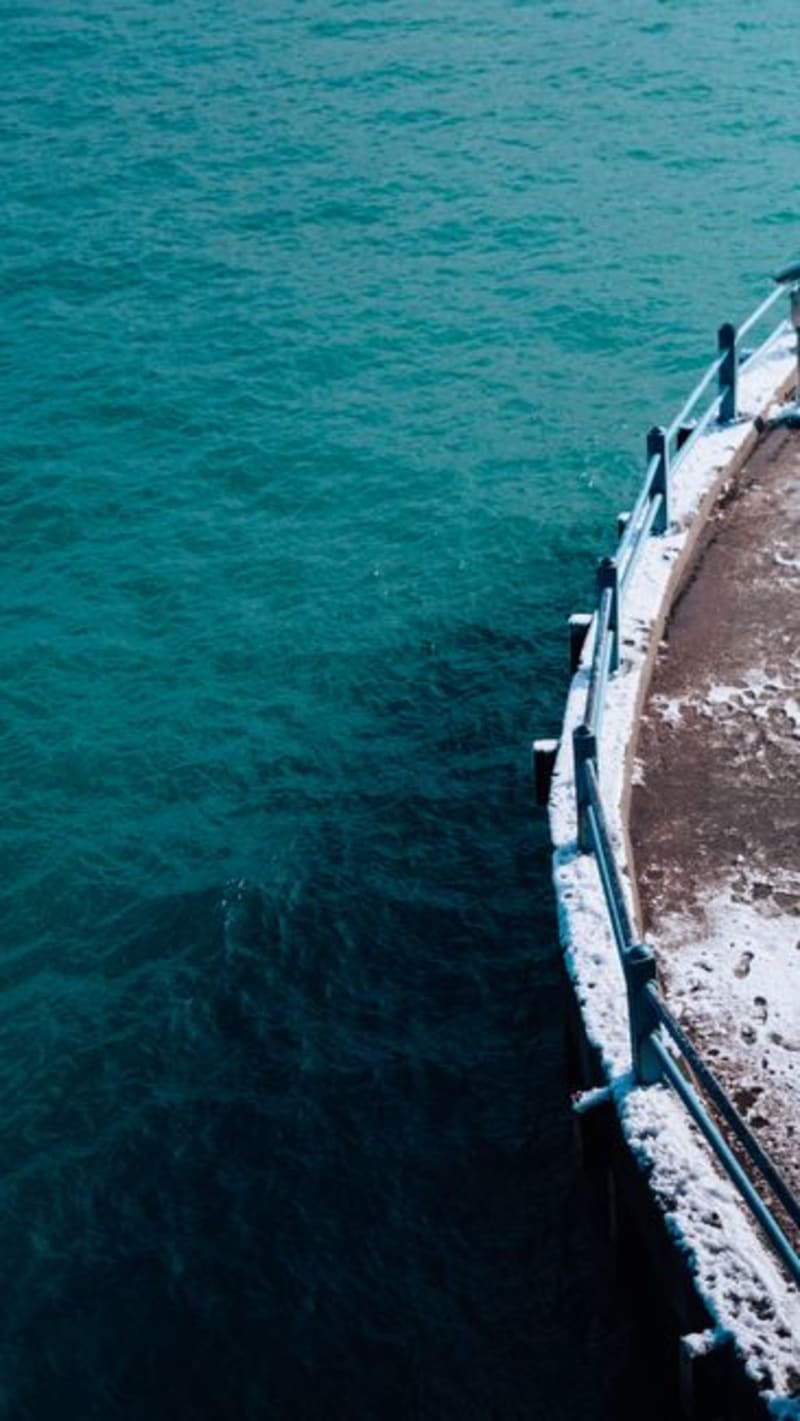 japan
japan Monbetsu
A working port on the Sea of Okhotsk where, for a few weeks each winter, the whole horizon turns to broken white ice. Monbetsu doesn't dress itself up for visitors — it lets the drift ice do the talking. We came for the Garinko icebreaker and stayed for the strange quiet of a town at the edge of a frozen sea.
Explore japan
japan Muroran
A working port on Hokkaidō's southern coast where heavy industry and raw sea cliffs share the same shoreline. White lighthouses on wind-scoured capes, a strange blue archway of rock at Cape Chikyū, and a night skyline of steel and steam that glows like a small galaxy.
Explore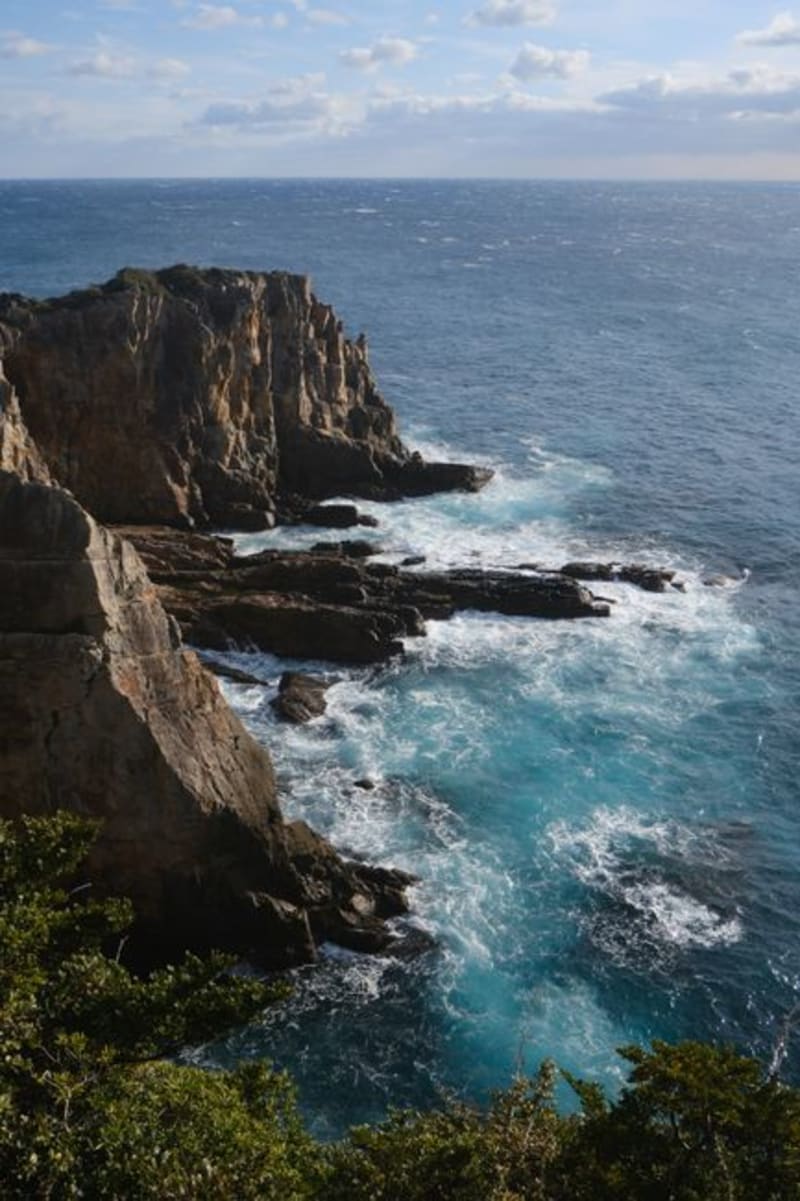 japan
japan Nemuro
The easternmost city in Japan, a windblown peninsula where the sun rises first and the crabs come in fat. Nemuro looks out across the water at islands Japan and Russia still argue over, and it feels like the honest end of somewhere. We came for the birds and the first light and left with cold hands and a full notebook.
Explore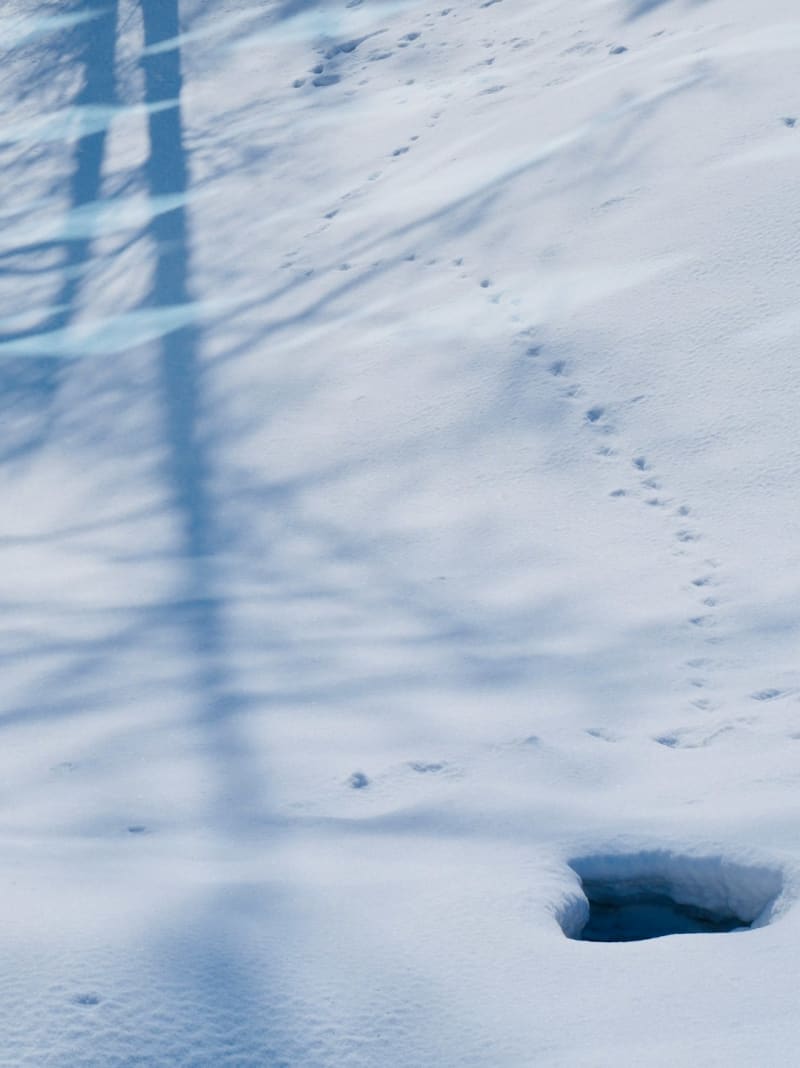 japan
japan Niseko
A ski resort of near-mythical powder snow spread beneath the perfect cone of Mount Yōtei. International and lively in winter, green and quiet in summer, with rafting rivers and hiking trails when the snow is gone.
Explore japan
japan Noboribetsu
Hokkaidō's greatest hot-spring town, built beneath a steaming red-rock crater called Hell Valley. Sulfur on the wind, water so mineral-rich it comes in a dozen kinds, and demon folklore watching over the streets.
Explore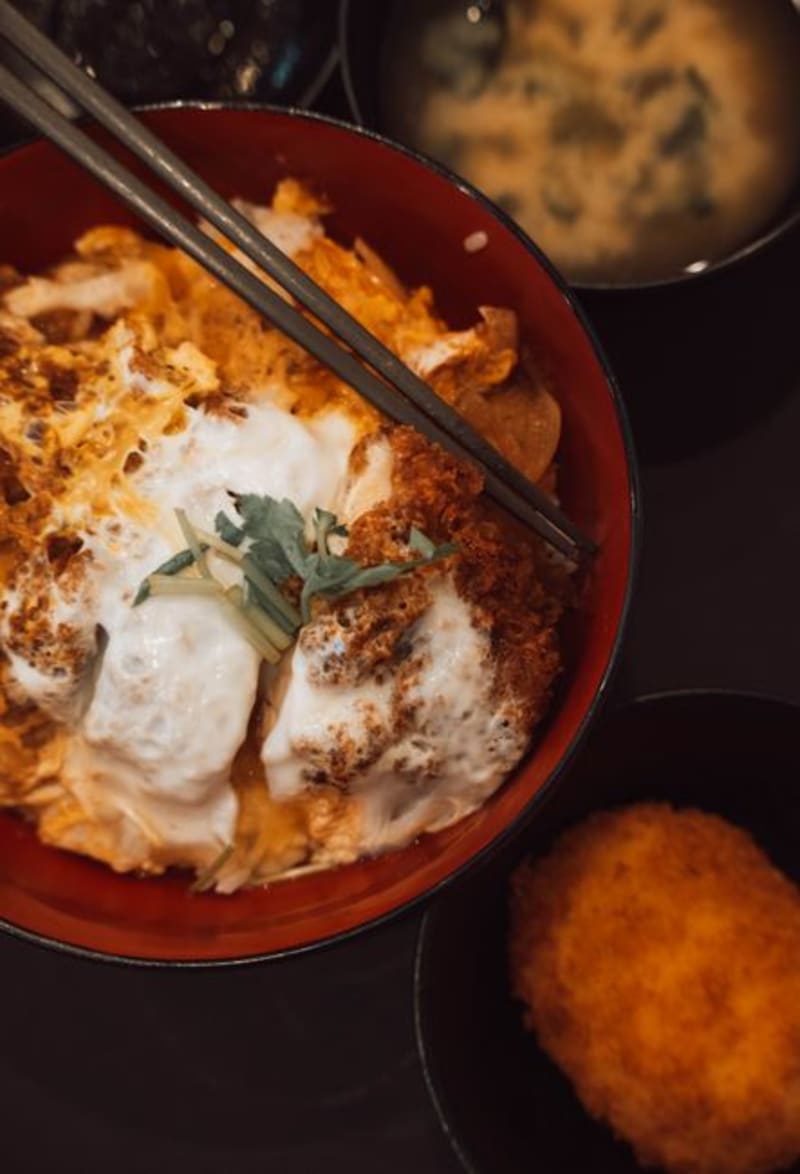 japan
japan Obihiro
The hearty farm capital of the vast Tokachi plain in eastern Hokkaidō. Grilled-pork rice bowls, a proud confectionery tradition, garden trails through the fields, and enormous agricultural skies that go pink at either end of the day.
Explore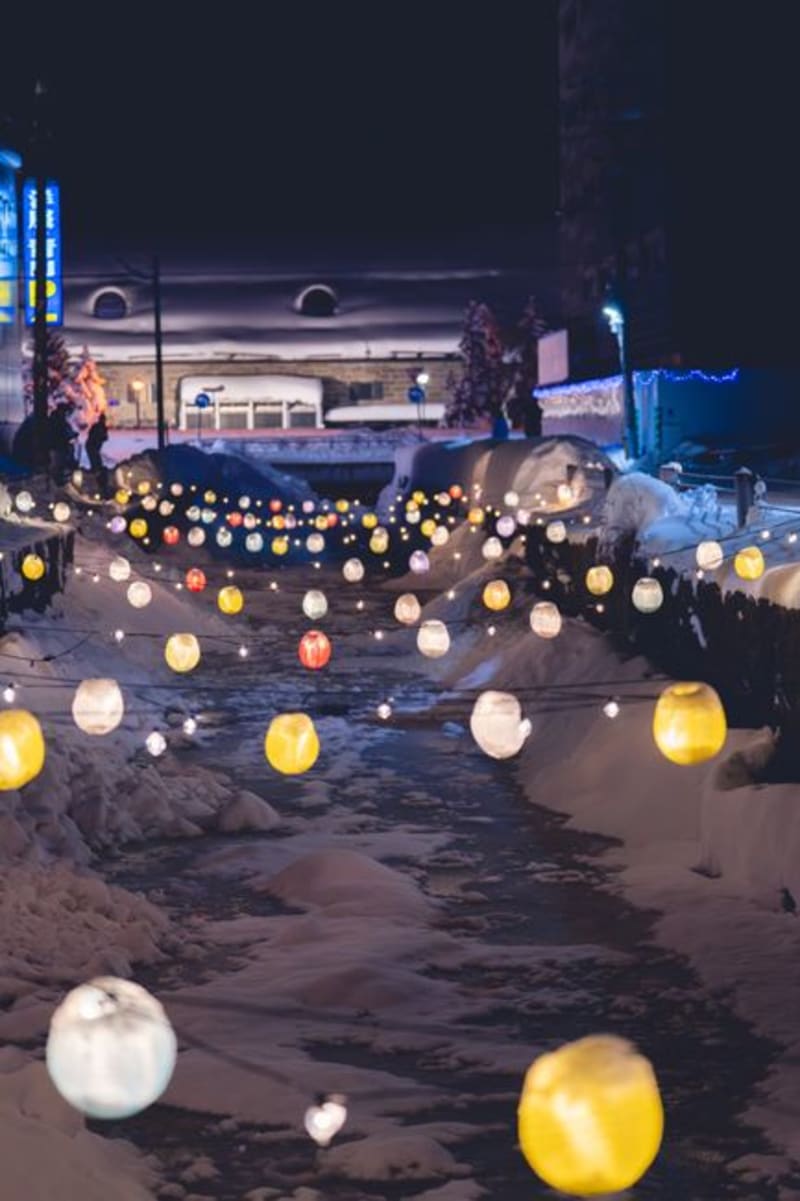 japan
japan Otaru
A small Hokkaidō port town gathered along a stone-warehouse canal, its gas lamps lighting the snow at dusk. Glassblowers and music-box makers, herring wealth turned to nostalgia, and sushi eaten within sight of the harbor.
Explore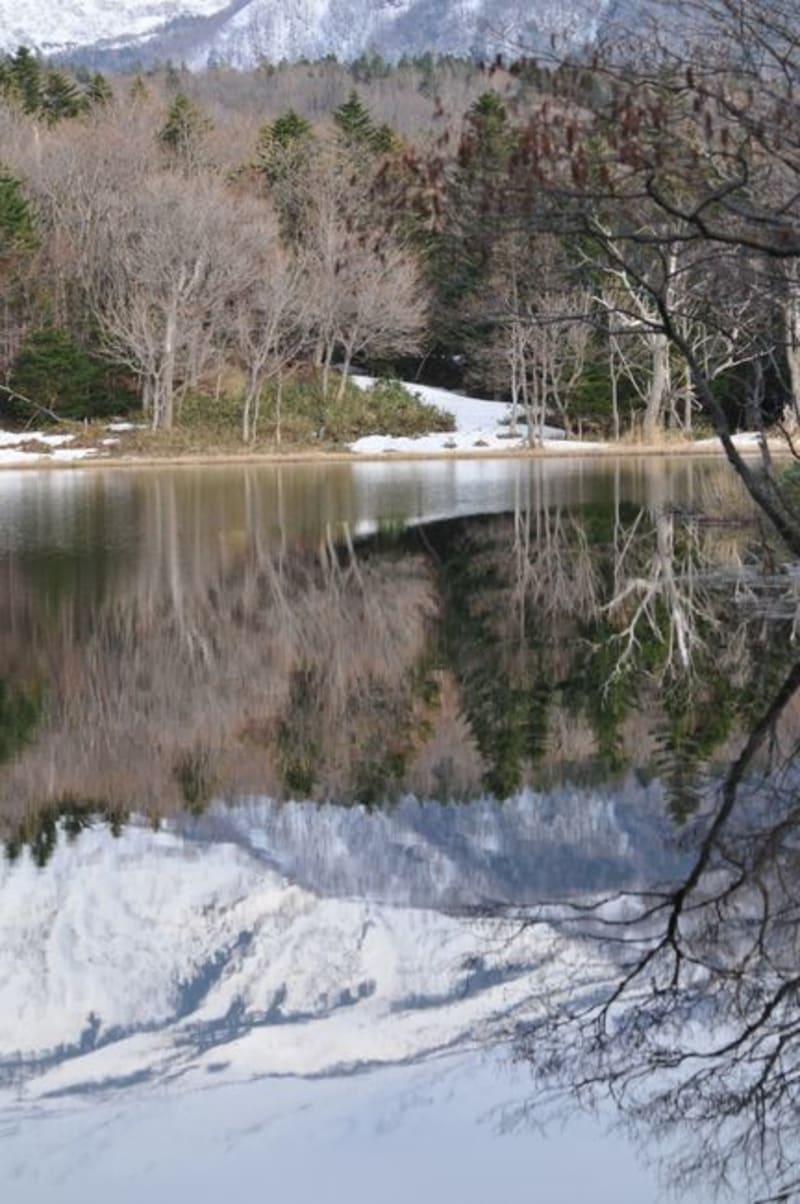 japan
japan Rausu
The wild eastern edge of the Shiretoko Peninsula, facing the Nemuro Strait and the disputed islands beyond. A fishing town where whales surface offshore, eagles crowd the winter ice, and the road simply stops because the mountains won't let it continue. This is as far as Japan goes before it turns to weather and sea.
Explore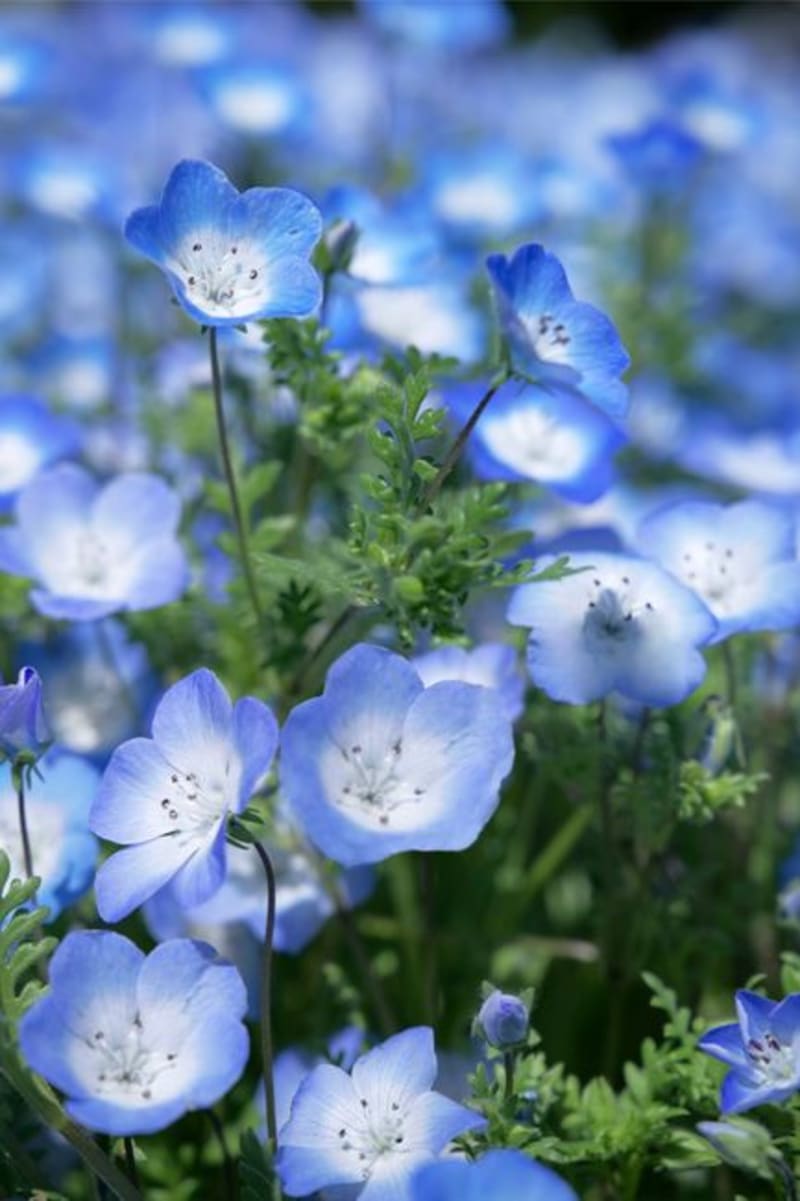 japan
japan Rebun
The flat 'island of flowers' at Japan's northern edge, lying just across the water from Rishiri. Rare alpine wildflowers bloom here almost at sea level, and a long cliff-and-meadow trail runs the wild western coast.
Explore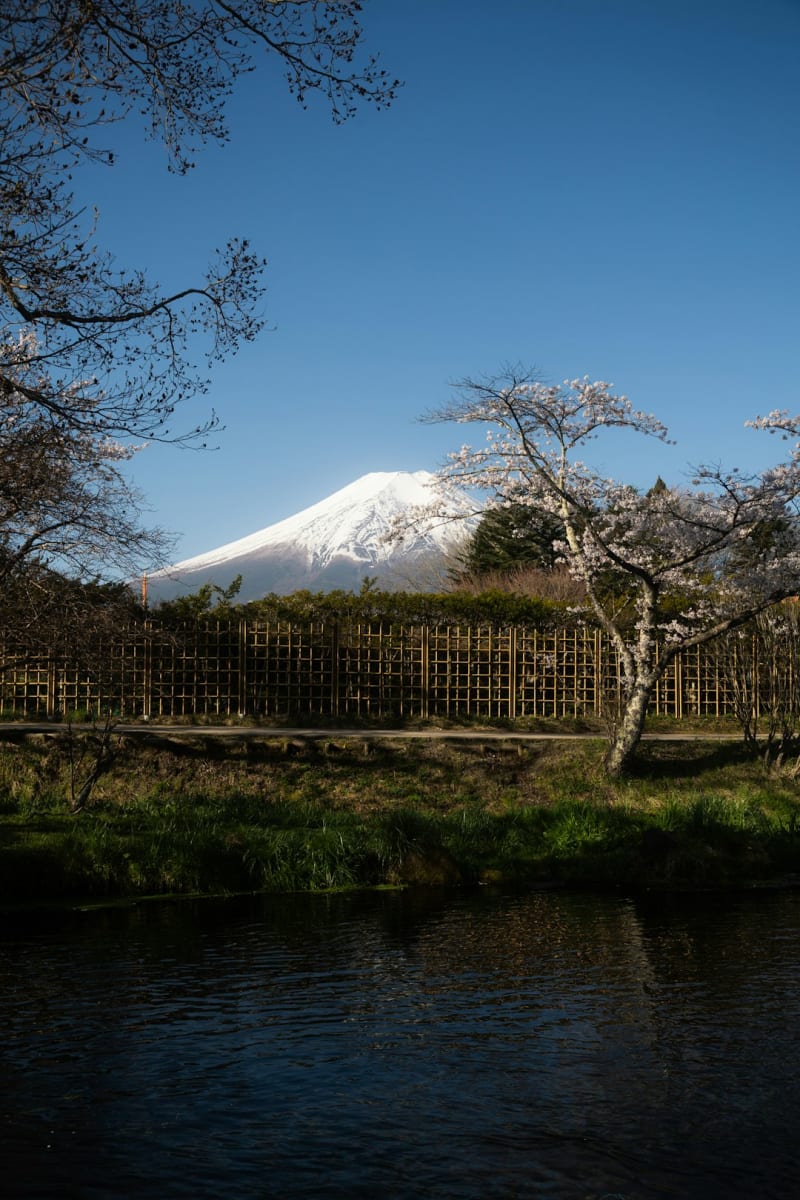 japan
japan Rishiri
A remote island off the northern tip of Hokkaidō, built almost entirely around the near-perfect cone of Mount Rishiri. Summer wildflowers, kelp drying on the shingle, prized sea urchin, and clear ponds that hold the mountain upside down.
Explore japan
japan Sapporo
Hokkaidō's wide, grid-planned capital, where the streets run straight and the winters run deep. Beer brewed on the spot, ramen thick enough to stand a spoon in, and a frontier openness you feel the moment you step off the train.
Explore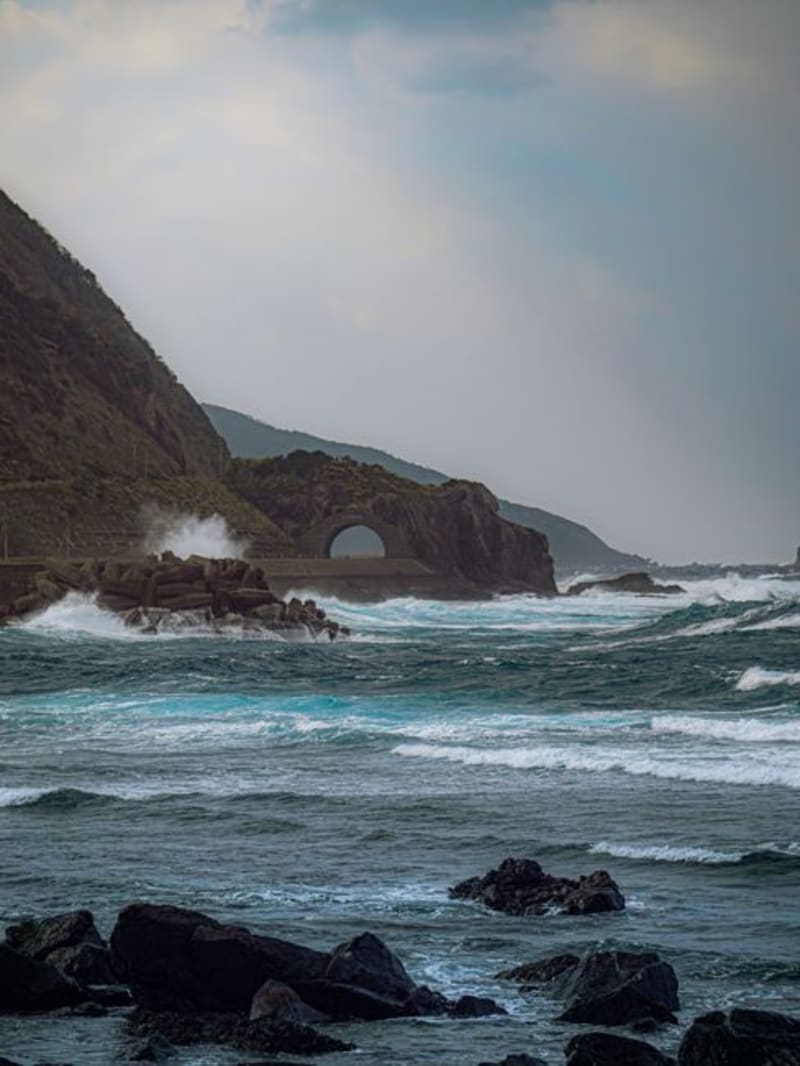 japan
japan Shakotan
A rugged peninsula west of Otaru where the sea turns a blue so intense it has its own name, cliffs plunge into white surf at Cape Kamui, and summer means fresh sea urchin eaten within sight of the boats that caught it. Wild, windblown, and unforgettable.
Explore japan
japan Lake Shikotsu
A deep caldera lake ringed by volcanoes in southern Hokkaidō, so clear the water seems to hold light rather than reflect it. Ice-free through winter, prized for its transparency, and quiet enough that a single canoe can own the whole blue expanse.
Explore japan
japan Shiretoko
A remote UNESCO wilderness peninsula reaching into the sea at the far northeastern edge of Hokkaidō. Brown bears and sea eagles, waterfalls dropping straight into the ocean, the still Five Lakes, and in deepest winter the drift ice grinding ashore.
Explore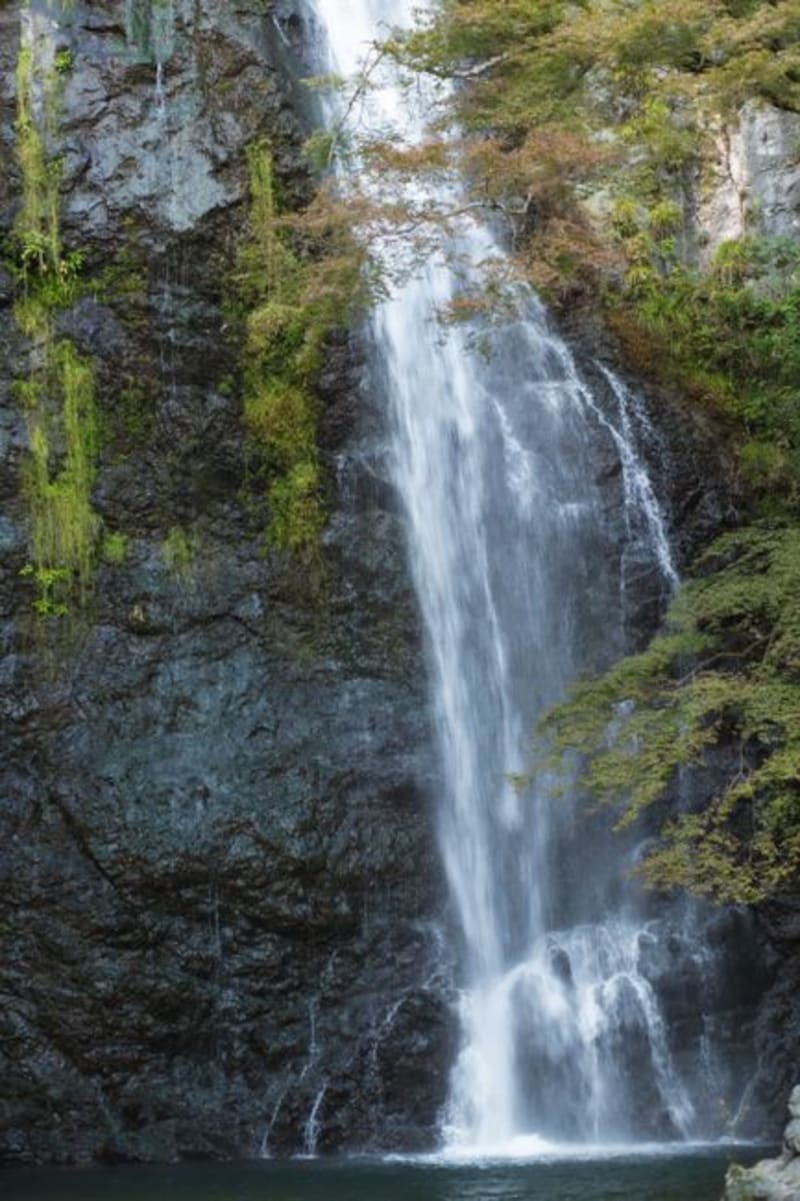 japan
japan Sōunkyō
A gorge town swallowed by columnar cliffs in the belly of the Daisetsuzan mountains, where waterfalls fall in silver ribbons and the first autumn colors of all Japan catch fire in early September. A place of steam, stone, and thin alpine air.
Explore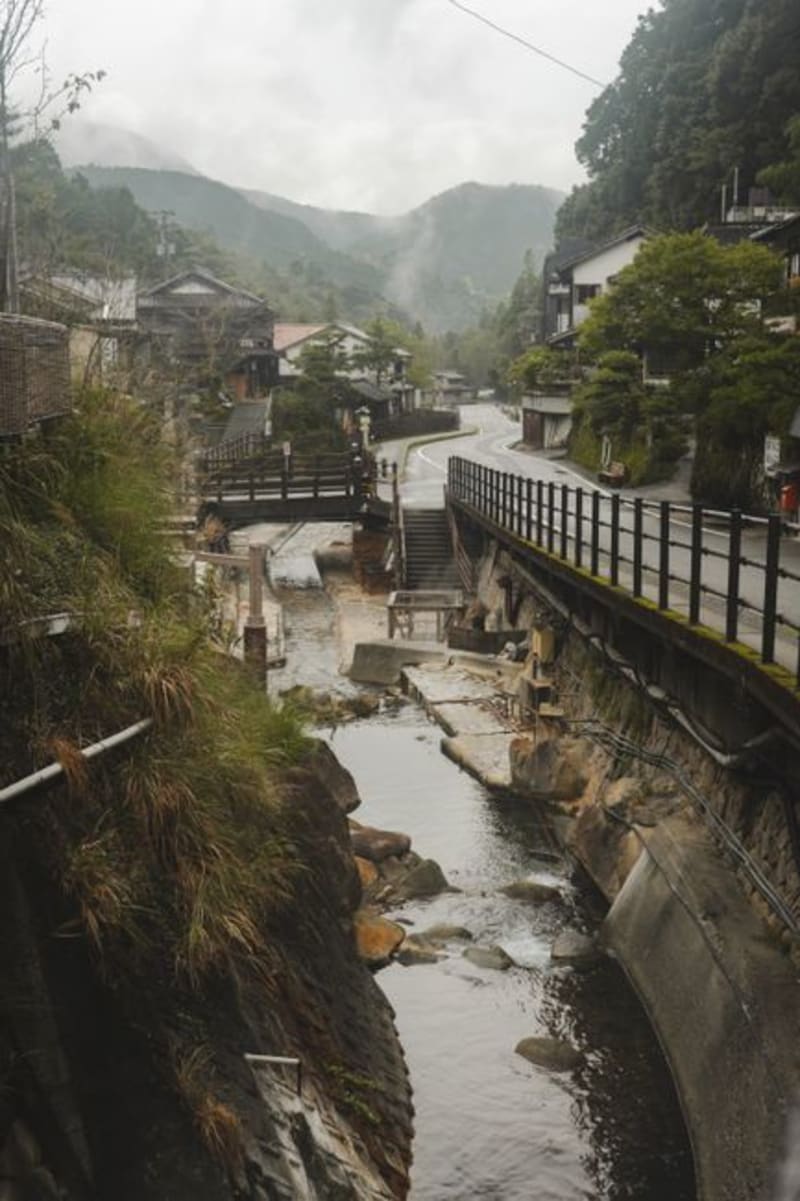 japan
japan Tokachigawa Onsen
A hot-spring town on the wide Tokachi plain whose water is unlike anywhere else in Japan — a rare amber 'moor' spring, rich with ancient peat, that turns your skin soft and smells faintly of the earth. Tokachigawa doesn't have mountains or a famous lake. It has this strange dark water, and it turns out that's enough.
Explore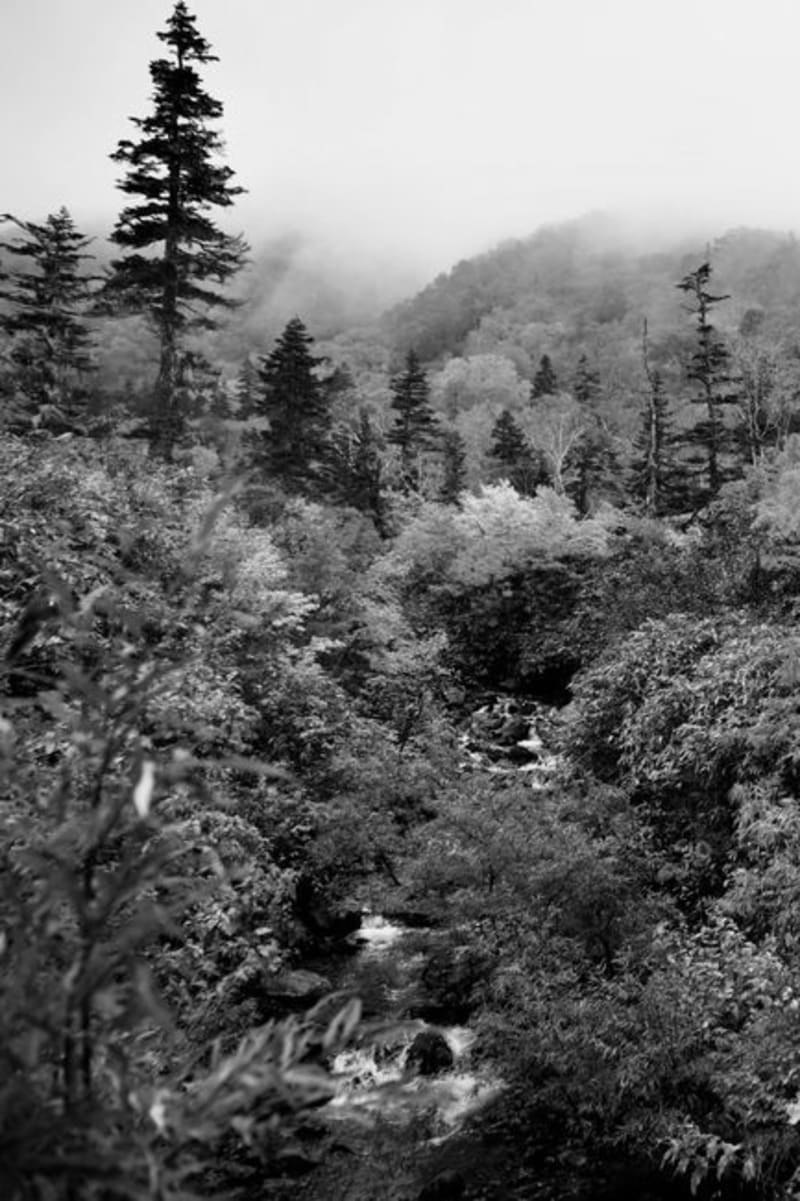 japan
japan Tomamu
A mountain resort in central Hokkaido known for its Unkai Terrace, where dawn spills a silent ocean of cloud across the valleys below. Twin glass towers rise from the forest, and the whole place is built around one gamble: that you'll wake before sunrise for a sea that may or may not appear. We took the bet twice.
Explore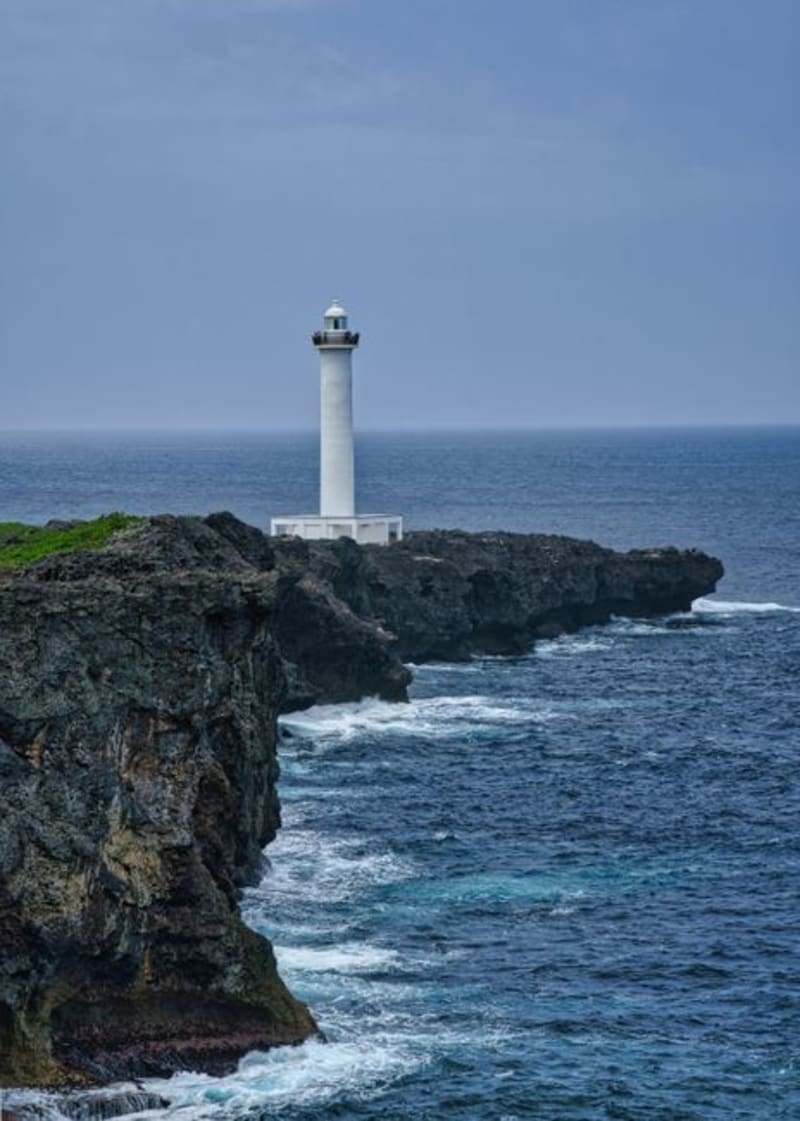 japan
japan Wakkanai
Japan's northernmost city, a windswept dairy port looking out from Cape Sōya toward the coast of Sakhalin. Treeless green capes, herds grazing under a huge sky, and the ferry pier for the wild islands of Rishiri and Rebun.
Explore japan
japan Yubari
A steep valley town in central Hokkaido, once a roaring coal city and now Japan's most famous shrinking one, where legendary melons grow in the same hills that hold abandoned mines. Its story is bittersweet — boom, collapse, and a stubborn sweetness that refuses to leave. We came for the melons and stayed for the ghosts.
Explore