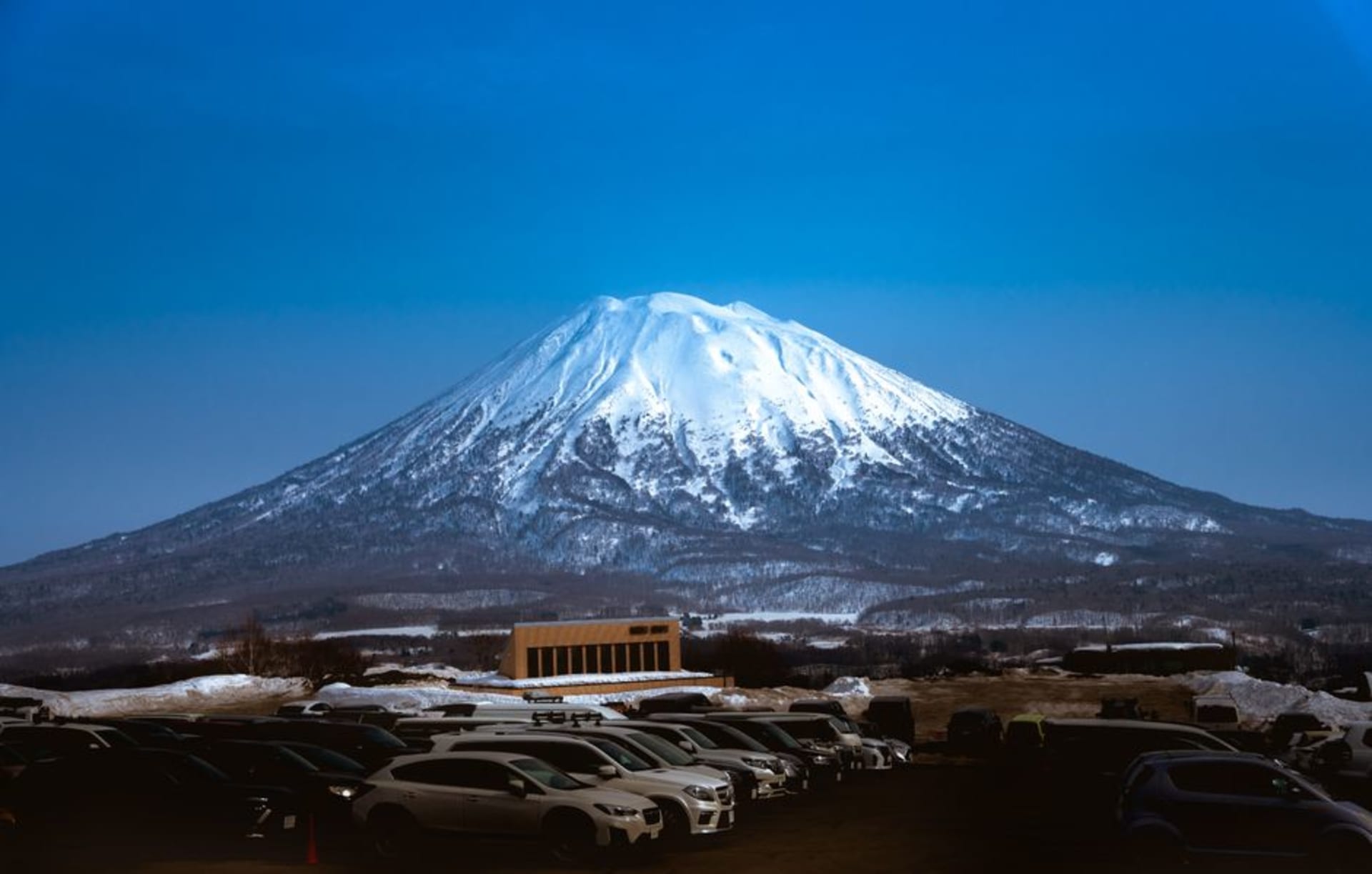
A ski resort of near-mythical powder snow spread beneath the perfect cone of Mount Yōtei. International and lively in winter, green and quiet in summer, with rafting rivers and hiking trails when the snow is gone.
I had heard people talk about Niseko’s snow the way others talk about wine, and I’ll admit I was sceptical until our first morning on the mountain, when I pushed off a slope and sank knee-deep into powder so light it flew up around us like smoke. Lia, ahead of me, let out a whoop I heard clear across the run. It really is different here — dry, deep, absurdly soft — and by the end of that first day we understood the pilgrims who cross oceans for it. What surprised us more was the town below: a proper little Babel of Australians and Singaporeans and Europeans and Japanese, all thrown together in the snow, everyone slightly giddy at their luck. We had come for a few days and stayed nearly a week.
The Powder and the Slopes
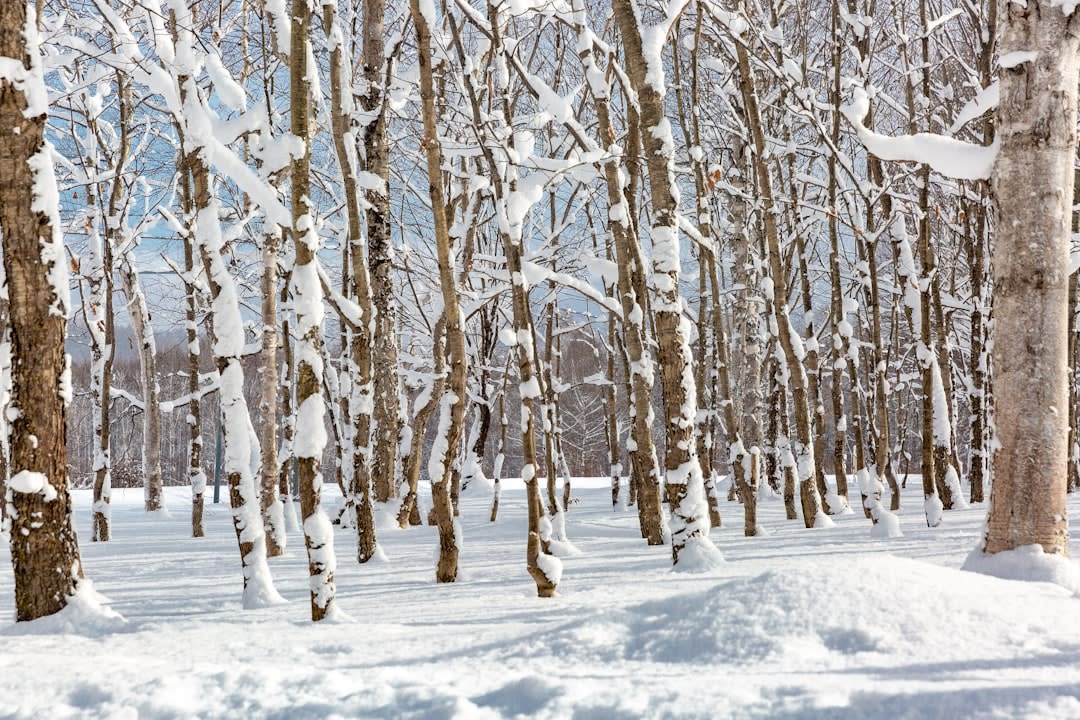
Niseko’s reputation rests on the snow, and the snow earns it. Storms roll in off the Sea of Japan, cross the cold interior, and dump extraordinary quantities of light, dry powder on the flanks of Mount Niseko-Annupuri — measured in metres over a season, some of the most reliable powder skiing on earth. The resort is really four linked areas spread around the mountain, joined by a lift pass, and above the groomed runs lie the gated backcountry gates that draw the serious skiers. We were not serious skiers, but even on the ordinary pistes the snow was a revelation, forgiving and bottomless. We skied until our legs gave out, then took the gondola up one last time just to watch the light go and Yōtei turn pink across the valley.
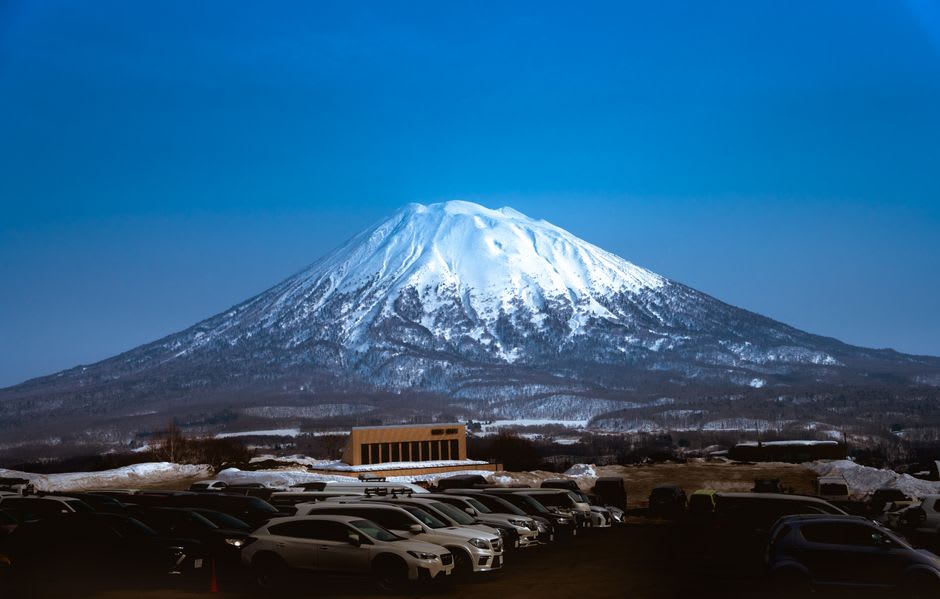
Mount Yōtei
Across the valley from the ski slopes stands Mount Yōtei, and it dominates everything. It is a near-perfect volcanic cone, so symmetrical that it’s often called Ezo-Fuji — the Fuji of Hokkaidō — and in winter, capped in snow, it hangs over the whole region like something dreamed up rather than real. We found ourselves stopping to look at it constantly, from the lifts, from the town, from the window of the café where we thawed our hands. On our clearest afternoon it stood cloudless and glowing against a hard blue sky, and a group of skiers near us simply stopped and stared along with us. In summer, we learned, you can climb it — a long, steep haul to a crater rim at the top — but even just to have it watching over the valley felt like enough.
Summer in the Valley
We came back to Niseko once out of season, curious what the place was without its snow, and found it transformed — green, quiet, the frantic winter crowds gone, the mountains soft and forested. The rivers that run down from the peaks, the Shiribetsu chief among them, turn Niseko into one of Hokkaidō’s best places for whitewater rafting in the snowmelt of early summer, and we spent a bright, cold, shrieking morning bouncing down the rapids in a raft with a guide who laughed the whole way. Afterwards there was hiking — gentler trails through the forest, wildflower meadows, and everywhere the smell of green things growing. And there was still the onsen: Niseko sits on hot springs too, and soaking in one at dusk with Yōtei green instead of white was its own quiet pleasure.
Getting There
Niseko lies in southwestern Hokkaidō, and most visitors reach it from Sapporo’s Shin-Chitose Airport, roughly two and a half to three hours away by road. In winter, direct resort buses run from the airport straight to the Niseko villages, which is much the simplest way to arrive with ski gear; there is also a train via Otaru to Niseko station, though it involves changes and is slower. Once you’re there, free shuttle buses loop between the four ski areas and the main village of Hirafu, so a car isn’t essential in winter. Come between December and March for the legendary powder — January is the deepest — or in summer for rafting, hiking, and a far quieter, greener valley beneath the same perfect mountain.
Keep exploring
More of Hokkaidō