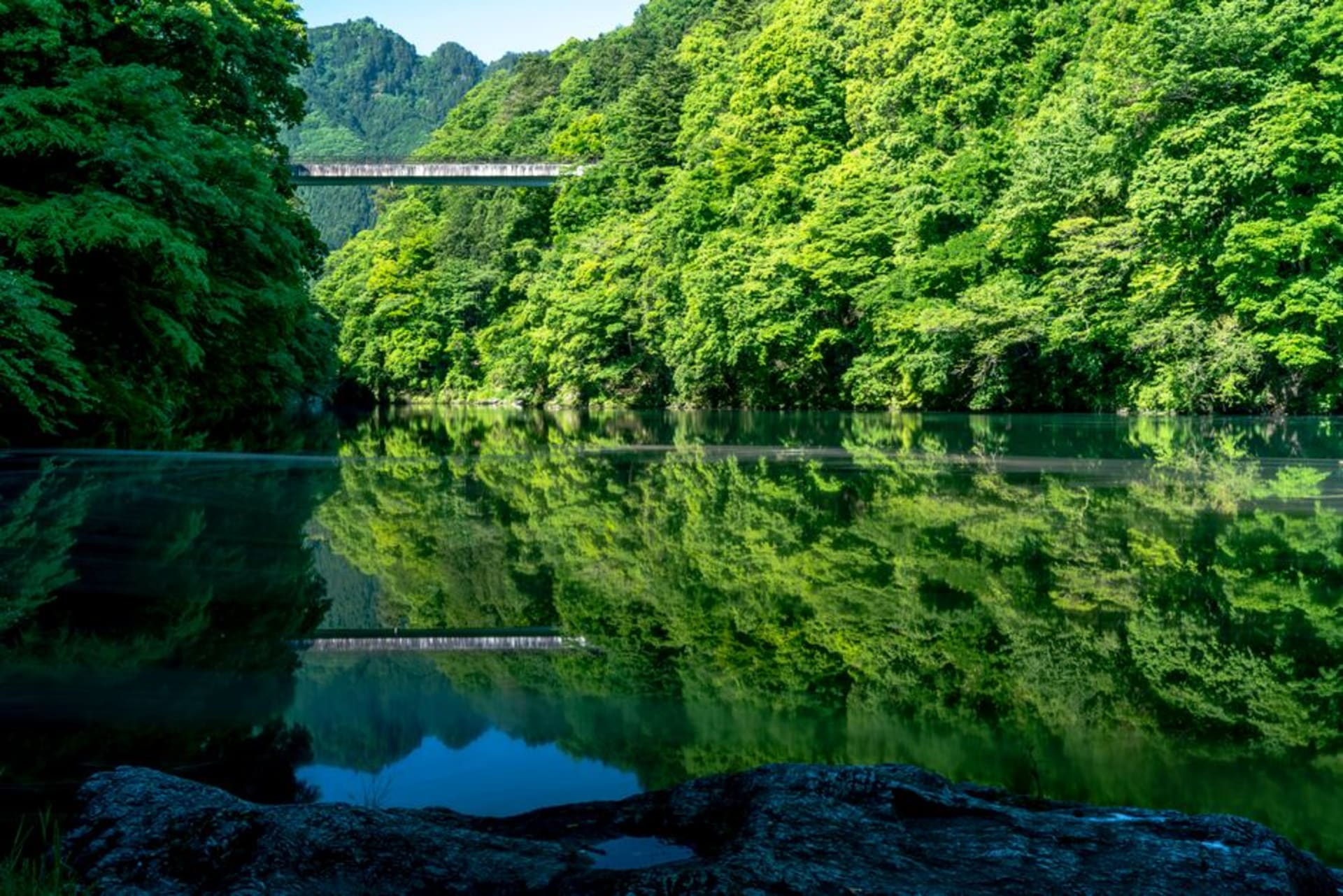
Yubari
"A town that lost almost everything, and still grows the sweetest thing in Japan."
A steep valley town in central Hokkaido, once a roaring coal city and now Japan's most famous shrinking one, where legendary melons grow in the same hills that hold abandoned mines. Its story is bittersweet — boom, collapse, and a stubborn sweetness that refuses to leave. We came for the melons and stayed for the ghosts.
The first Yubari melon we ever tasted cost more than our lunch, and Lia insisted it was worth every yen. We were sitting at a roadside stand in the valley, the halved fruit glowing a deep sunset orange in its little tray, and the first spoonful was so intensely, almost floral-ly sweet that we both went quiet. These are the melons that fetch thousands of dollars at auction in Tokyo, the ones wrapped like jewels in department-store windows. But eating one here, in the shabby, steep-sided town that grows them, gives the whole thing an ache I hadn’t expected. Because Yubari is famous for two things — its melons, and the fact that it is disappearing.
A Town Built on Coal
Yubari was once a city of over a hundred thousand people, dug into these hills to mine the coal that fed Japan’s industrial rise. Walk it now and it holds barely a tenth of that. We spent an afternoon following the valley up its single spine of a main road, past shuttered shops, empty apartment blocks with saplings growing from the gutters, and the occasional immaculate little house with vegetables in the yard. It should have been bleak, and in places it was, but there’s a dignity to how the town carries its decline. At the old coal-mining museum — part of it built into a genuine former pit — we descended into cool tunnels lined with the actual machinery and heard, in a recording, the roar the mines once made. Lia stood a long time in front of a wall of miners’ photographs. Then we came back up into the green quiet.
The Melons in the Hills
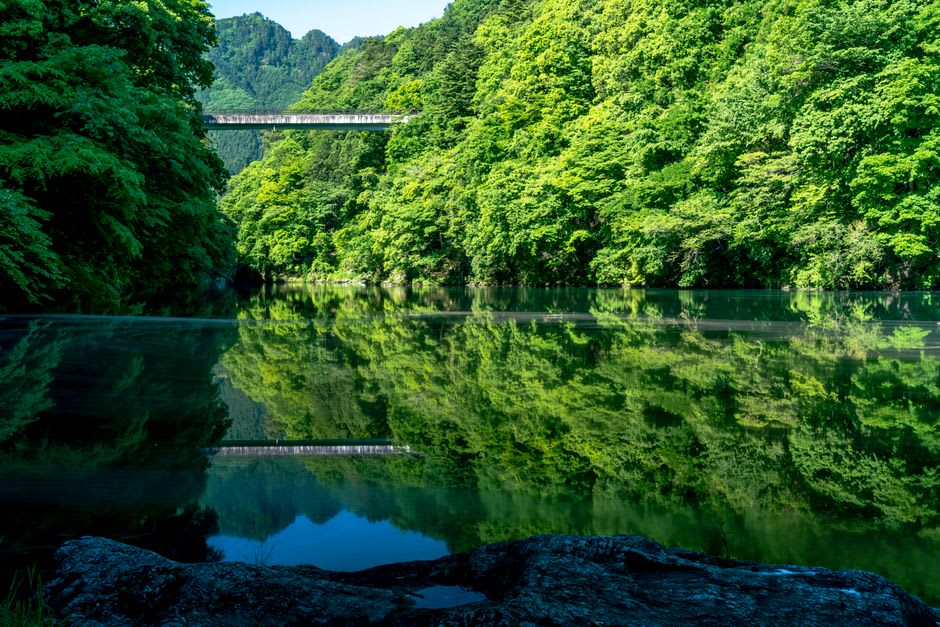
The melons saved something in Yubari, or at least they keep a light on. The town’s cantaloupes — the “Yubari King” — are grown in greenhouses that dot the same valleys the coal came out of, and the microclimate of warm days and cool nights is supposedly what gives them their concentrated sweetness. We visited a farm stand where the grower, an unhurried man with sun-dark forearms, explained the grading system that separates a good melon from a legendary one: the netting on the skin, the shape of the stem, the sugar content measured to a decimal. He let us try a slice of a “second grade” fruit — imperfect, unsellable at premium, and still the best melon of my life. Everything here, it seemed, was a story of value the outside world can’t quite see: a town written off, a fruit worth a fortune, both hanging on in the same steep green folds.
The Faded Resort and the Snow
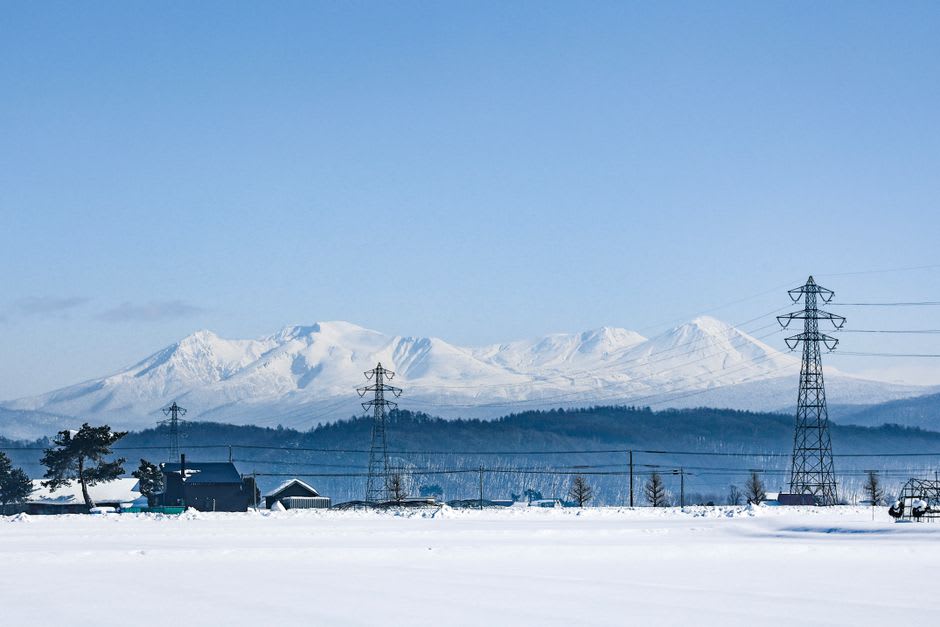
Yubari’s saddest and strangest chapter is up at the top of the valley, where in the boom years the town gambled its future on tourism — a ski resort, a theme park, a film festival. We drove up to the old Mt. Racey area and found the melancholy remains: a still-running ski hill in winter, but around it the bones of grander ambitions, faded signage and a hotel keeping going against the odds. The town’s bankruptcy in 2007 became national news, a cautionary tale. And yet. When we came down at dusk, snow beginning to sift into the valley, lights were on in the little melon shops and someone was shovelling a path with the patience of a person who intends to be here in the morning. Lia said she’d never been anywhere that made her feel so tender toward a place. Neither had I.
Getting There
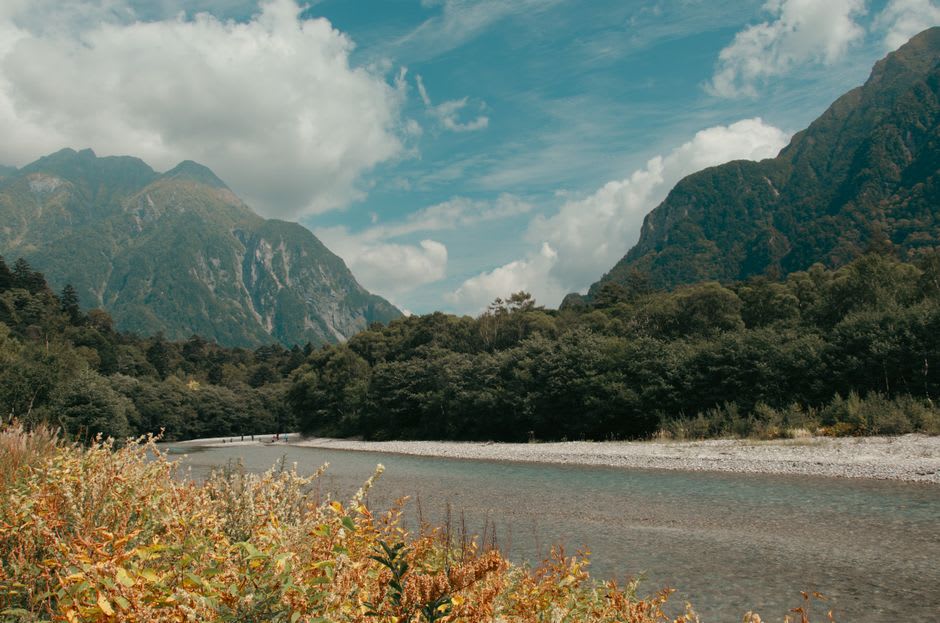
Yubari sits in a dead-end valley in central Hokkaido, which is fitting for a town so at the end of its own story. Sadly the JR rail line that once served it was discontinued, so the practical way in is by car — about an hour and a half from Sapporo or roughly the same from New Chitose Airport, mostly on the Dōō Expressway before you turn up into the hills. Buses run from Shin-Yubari station on the main line into the town, but they’re infrequent, so driving gives you the freedom to explore the strung-out valley properly. Come in summer if the melons are your goal — the harvest peaks from June through August — and expect to pay real money for the finest fruit. Come in winter for the snow and the quiet. Either way, take your time; Yubari rewards the unhurried.
Keep exploring
More of Hokkaidō