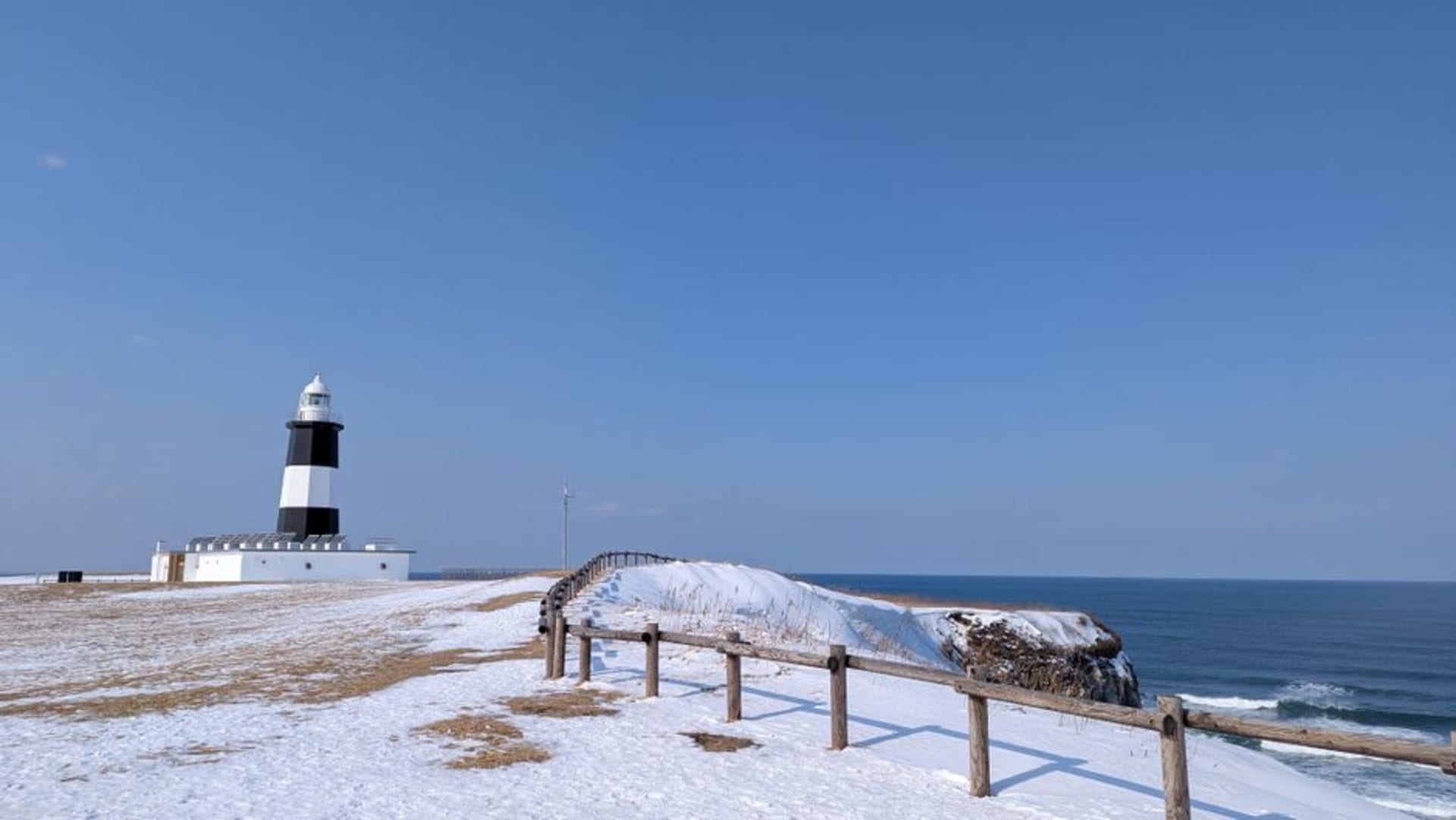
Nemuro
"We watched the first sunrise in Japan, and it felt like the country began at our feet."
The easternmost city in Japan, a windblown peninsula where the sun rises first and the crabs come in fat. Nemuro looks out across the water at islands Japan and Russia still argue over, and it feels like the honest end of somewhere. We came for the birds and the first light and left with cold hands and a full notebook.
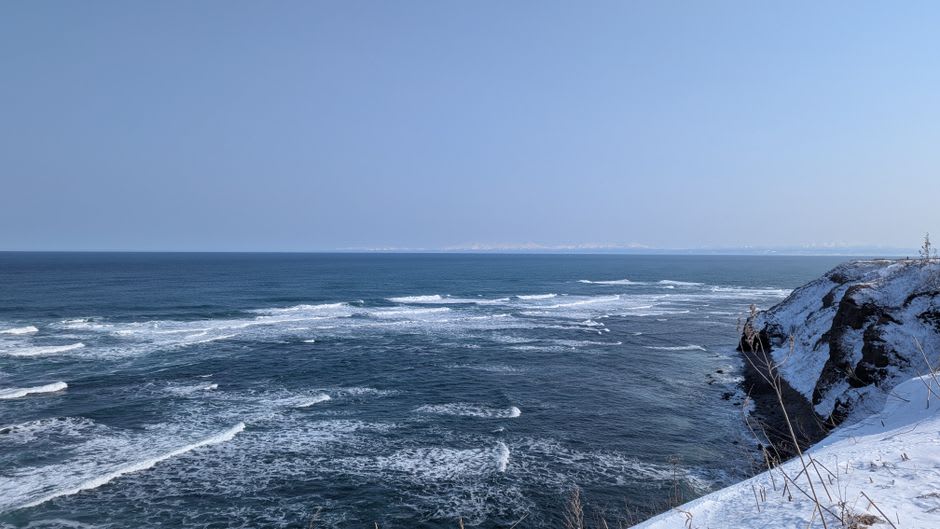
There is a particular kind of tired that comes from standing on a cape at four in the morning in a wind that has crossed a thousand kilometres of empty sea. Lia and I earned it at Cape Nosappu, the far tip of the Nemuro Peninsula and as close to the sunrise as you can get in Japan without a boat. We were not alone — a scattering of Japanese travellers stood muffled to the eyes, cameras ready — and when the sun finally cracked the horizon it threw a hard orange line across the water and lit up, offshore, the low grey shape of the islands. Lia asked which country they belonged to and I told her that was exactly the question nobody here can answer simply.
Cape Nosappu and the islands you can’t visit
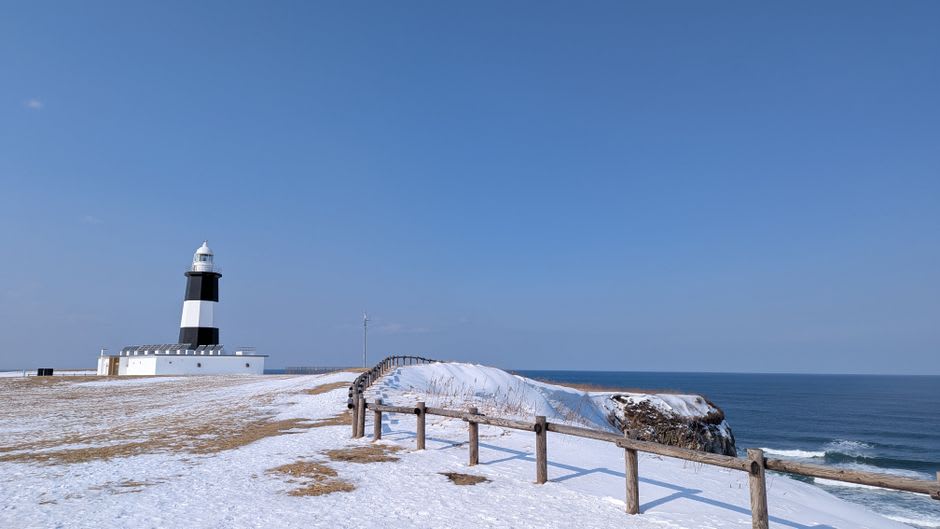
Nosappu is the whole point of Nemuro and also its ache. From the cape you look straight at the Habomai islets and, further out, Kunashiri — the Northern Territories that Russia has held since 1945 and Japan has never stopped claiming. There’s a soaring white arch monument, the “Bridge of Four Islands,” built as a prayer for their return, and an eternal flame, and it all sits under the country’s easternmost lighthouse. It’s a strange, moving place, half tourist stop and half open wound. Lia and I bought hot cans of coffee from a vending machine that felt heroic for existing out there, and warmed our hands while a fisherman explained, in slow patient Japanese and a lot of pointing, which dark shapes were which.
Birds, marshes, and Lake Furen
Nemuro is quietly famous among birdwatchers, and once you’ve been you understand why. We spent a whole grey afternoon at Lake Furen and the Shunkunitai sand spit, where reed beds and tidal flats pull in cranes, sea eagles, and in winter the great Steller’s sea eagles that drift down from Kamchatka. I am not a serious birder, but even I gasped when one of those eagles banked overhead, wingspan like a barn door, orange beak vivid against the sky. Lia, who had teased me for packing binoculars, refused to give them back for the rest of the day. Red-crowned cranes stalked the far marsh in pairs, unbothered, absurdly elegant. The wind never stopped, and the whole landscape felt scoured and enormous and completely indifferent to us.
Crab, escalope, and a town at the end of the line
Nemuro rewards the cold with food. This is hanasaki crab country, a spiny orange crab you don’t find much elsewhere, and we ate one steaming at a market stall with our fingers, saying almost nothing because it was that good. The town’s other obsession is stranger and lovely: escalope, a local invention of pork cutlet and rice-pilaf wrapped in a thin crepe, drowned in demi-glace, served in old kissaten with lace curtains and jazz on the radio. Nemuro is the last stop on the JR line, a real end-of-the-tracks town of weathered fishing boats and shuttered shops and enormous skies, and there’s something about being somewhere that is definitively the end of the country that makes you slow down and pay attention.
Getting There
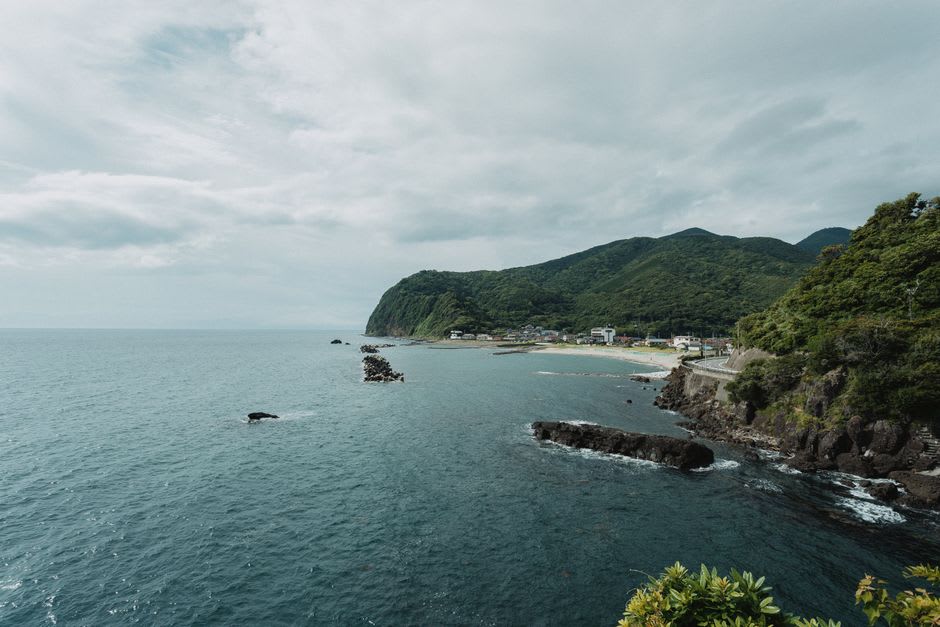
Nemuro sits at the far eastern end of Hokkaido and takes patience to reach, which keeps it uncrowded. Most people base themselves in Kushiro — reachable by air from Tokyo or by the scenic JR line — and take the local train onward to Nemuro, about two and a half hours of coast and marsh. We rented a car in Kushiro instead, which we’d recommend: Cape Nosappu, Lake Furen, and the cape roads are far easier with wheels, and the sunrise run out to Nosappu is impossible by early bus. For the famous first sunrise, check the exact time locally and arrive well before — it comes early and the wind means you want spare layers. Winter brings the sea eagles; summer brings the cranes and kinder weather.
Keep exploring
More of Hokkaidō