Engaru
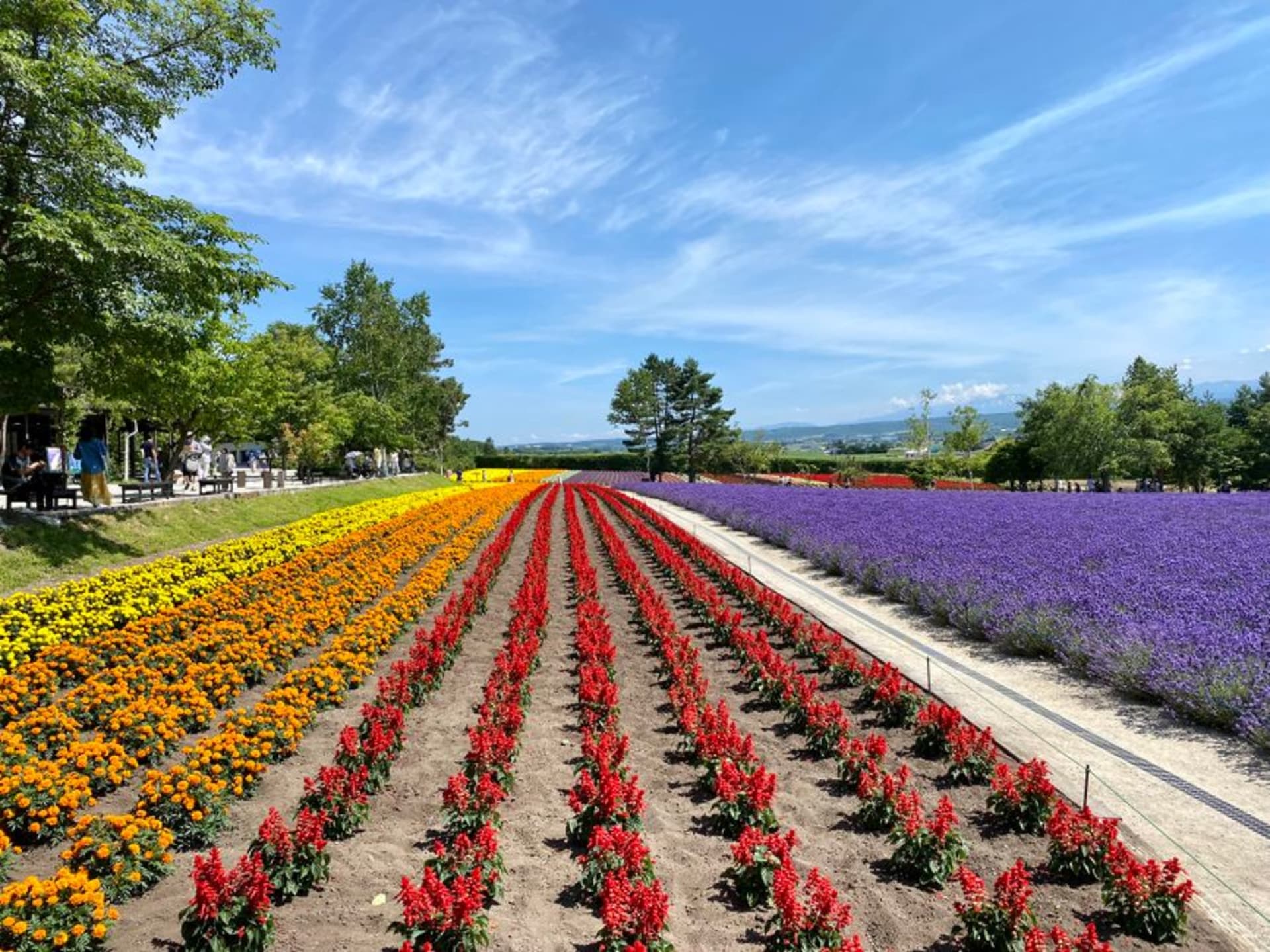
"We climbed the hill and the whole slope below us was moving — millions of flowers leaning together in the wind."
An inland town in Hokkaidō's Okhotsk country, best known for the hillside at Taiyō-no-Oka where seasonal flowers pour down the slope in a wash of color. Wide farm valleys, a slow river, and in autumn a famous cosmos field that turns a whole hill pink.
Engaru is not on many itineraries, and that is part of why I remember it so clearly. It sits inland in Hokkaidō’s Okhotsk region, a farming town in a wide river valley, the kind of place you reach by deciding to reach it rather than passing through. Lia and I detoured here for one reason — a hillside said to be covered in flowers — and it turned out to be one of those small, unhurried joys the far corners of Hokkaidō keep handing you when you least expect them. We came for a hill and stayed for the whole quiet, generous feel of the place.
The Flower Hill at Taiyō-no-Oka
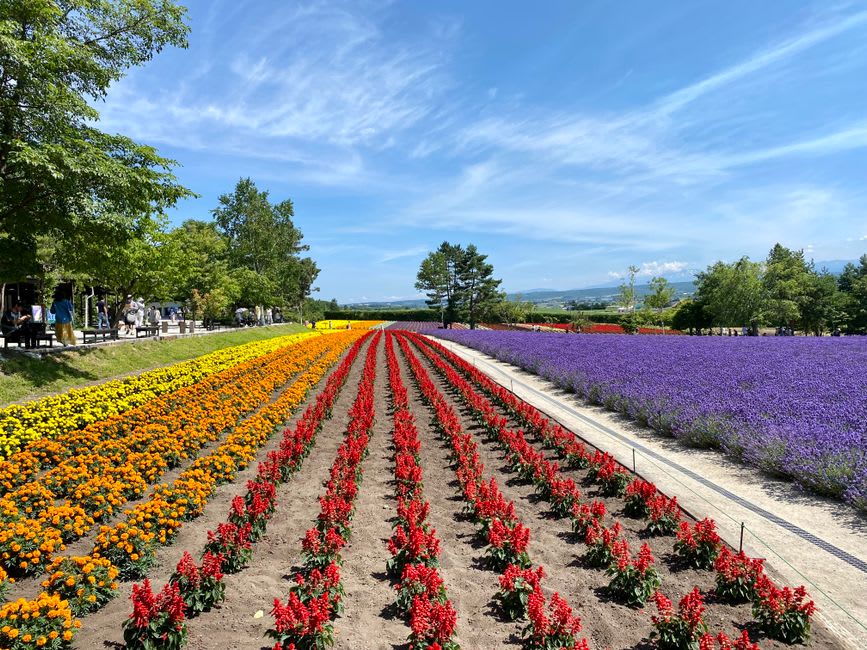
The reason to come is Taiyō-no-Oka Engaru Park, a hillside that the town has planted so that flowers move across it in waves through the seasons. When we visited, the slope below the viewpoint was banded with color — great drifts of blooms leaning and rippling in the wind, running down toward the valley floor. In autumn the park is famous for its cosmos, said to be one of the largest cosmos fields in the country, millions of pink and white flowers turning the whole hill soft. We walked the paths that thread through it, climbed to the tower at the top for the long view over the valley, and simply stood in the color and the sound of bees. Lia, who photographs flowers the way other people photograph faces, was in heaven.
The Valley and the River
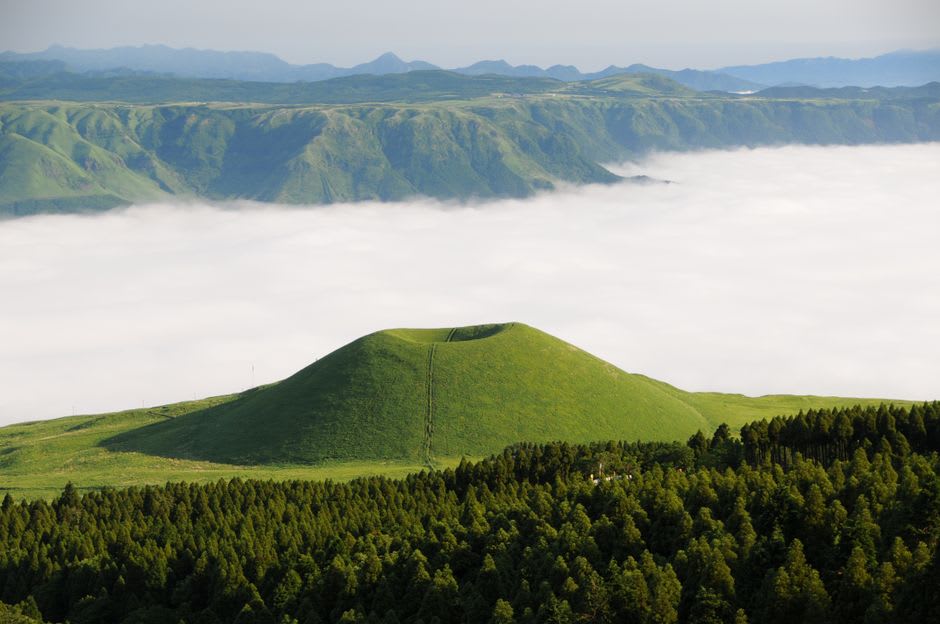
Below the flower hill, Engaru is honest farming country. The Yūbetsu River winds through a broad valley of fields and low wooded ridges, and we spent an easy hour driving the back roads with the windows down, passing barns and grazing land and the occasional roadside stand. This is inland Okhotsk Hokkaidō — big skies, few people, a landscape that feels scaled for weather rather than tourists. We stopped on a bridge over the river and watched the current, clear and quick, and a hawk working the far bank. There’s nothing showy about the valley, but after the crowds of the famous places it felt like a long exhale, and we were glad to have driven the distance to find it.
A Quiet Okhotsk Town
The town itself is small and workaday, and we liked it for that. We ate at a local diner where the plastic food models in the window were sun-faded and the owner brought us extra pickles unasked, and afterward walked the main street past the station and a shrine and a shop selling farm vegetables. Engaru sits on the old rail lines that once knit the Okhotsk interior together, and there’s a whiff of that fading history in the wide, quiet streets. We didn’t do much. We bought fruit, watched the light change over the ridges, and let the town be exactly as unremarkable and restful as it wanted to be. Some of my favorite travel days are the ones with nothing to report but the feeling of the place, and Engaru gave us one.
Getting There
Engaru lies inland in Hokkaidō’s Okhotsk region, in the valley of the Yūbetsu River. By rail it sits on the Sekihoku Main Line, with limited express trains running through between Asahikawa and the Okhotsk coast at Abashiri; Engaru station is roughly two hours from Asahikawa. That said, this is deep countryside, and a rental car makes everything easier — Taiyō-no-Oka park is a short drive from the center, and the surrounding valley is best explored on your own schedule. Time your visit to the flowers: summer brings the broad drifts across the hill, and autumn brings the great cosmos field, usually at its peak from around September. Check the park’s bloom calendar before making the trip, because the flowers are the whole reason to come.
Keep exploring
More of Hokkaidō