Date
"A whole town founded by people who chose to start over — you feel that, walking its calm streets."
A mild, unhurried town on Hokkaidō's southern coast, settled in the 1870s by samurai families who followed the Date lord north from Sendai. Warm winters by Hokkaidō standards, a reconstructed castle-era streetscape, orchards and sea, and a history you can still feel walking the quiet lanes.
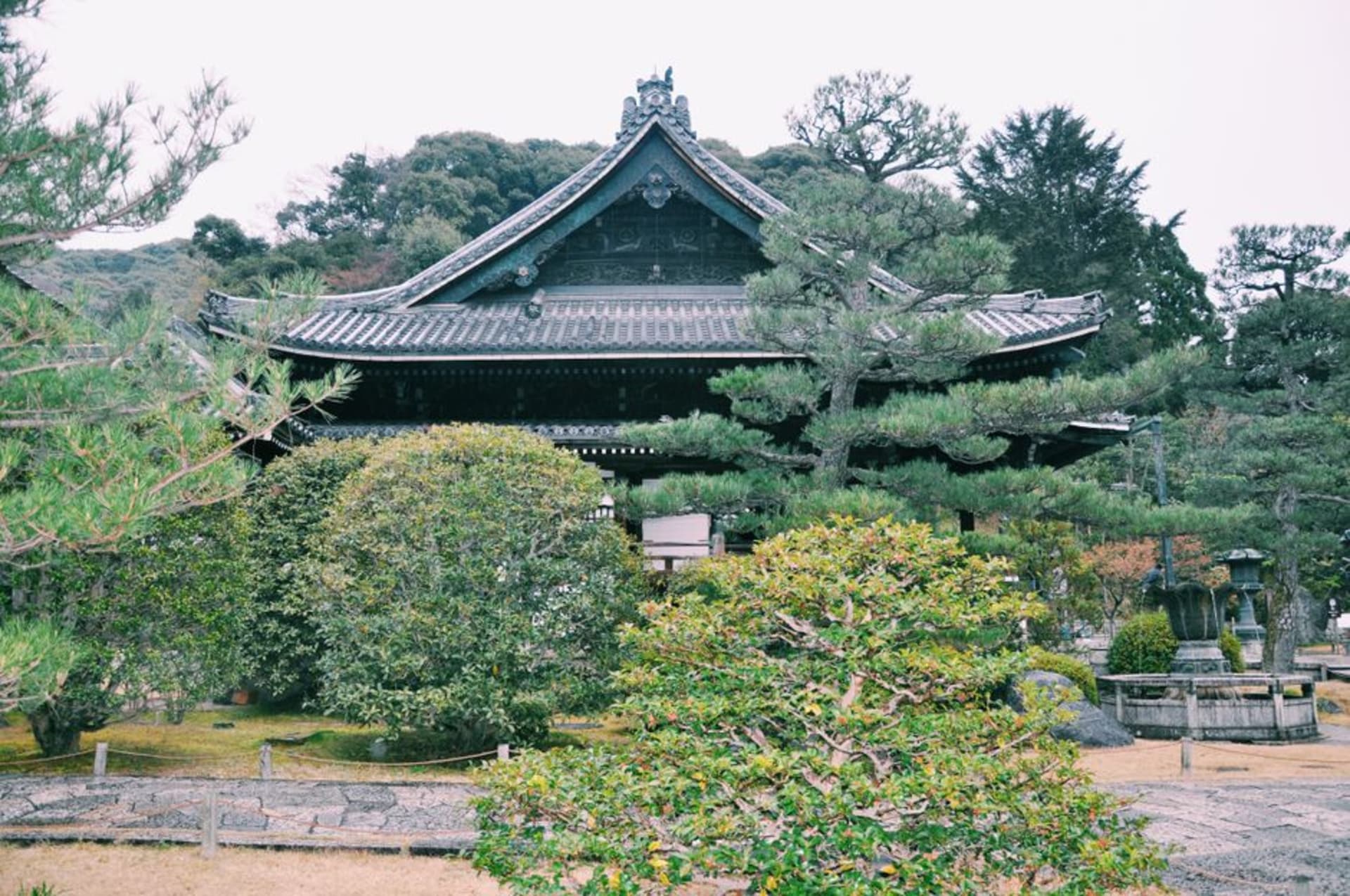
I hadn’t planned to stop in Date at all, but a woman at a café in Noboribetsu told us its story and I couldn’t let it go. In the 1870s, after the fall of the shogunate, a branch of the Date clan — the same great Sendai family of the one-eyed lord Masamune — left Tōhoku and sailed north to resettle on this stretch of Hokkaidō’s southern coast. They cleared land, planted orchards, and built a town, and their descendants live there still. Lia and I drove in on a warm afternoon expecting nothing and found a place quietly proud of itself, mild-weathered and slow, with the sea on one side and low green hills on the other.
The Date Legacy and the Historical Village
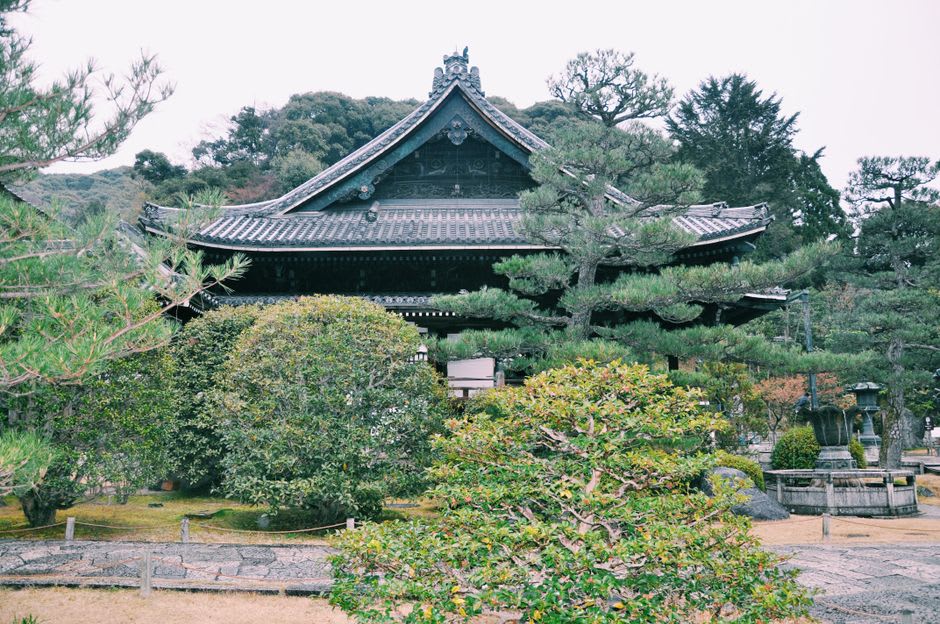
The heart of the town’s identity is its samurai origin, and there’s a small historical park — Date Jidai-mura and the local museum — where the story is kept. We wandered among reconstructed buildings and looked at armor and documents brought north from Sendai, and I found the whole thing more affecting than a grander castle would have been, because it wasn’t about conquest. It was about a defeated clan choosing to begin again, turning swords toward orchards and fishing boats. The staff were unhurried and glad to talk. Lia lingered over a display of the settlers’ first tools, and we came out with the odd, warm feeling of having met a town that knows exactly who it is and why.
Orchards, Mild Weather, and the Coast
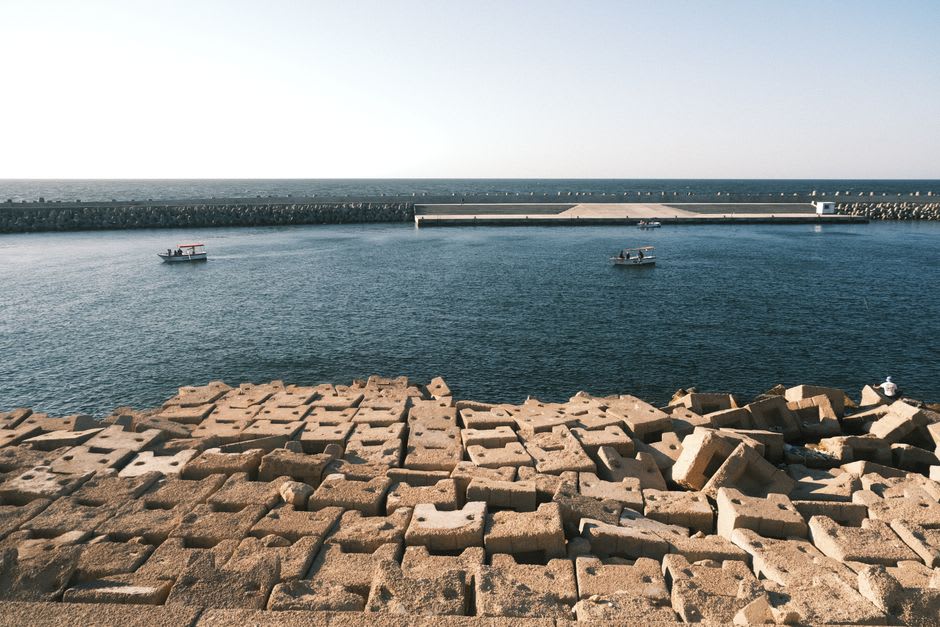
Date calls itself one of the warmest corners of Hokkaidō, and after weeks in the cold north we felt it — the air was soft, the light generous, and the plain rolling down to Uchiura Bay was thick with orchards and fields. We bought fruit at a roadside stand, sat on a low wall by the water, and ate it looking out at the bay with Mount Yōtei’s cousin volcanoes hazed on the horizon. There’s an easy, agricultural gentleness to the place that Hokkaidō doesn’t always offer. Fishing boats worked the shallows; a farmer waved as he passed. Lia said it reminded her of somewhere in the south of France, and she wasn’t wrong — it had that same unhurried, sun-warmed patience.
Walking the Quiet Town
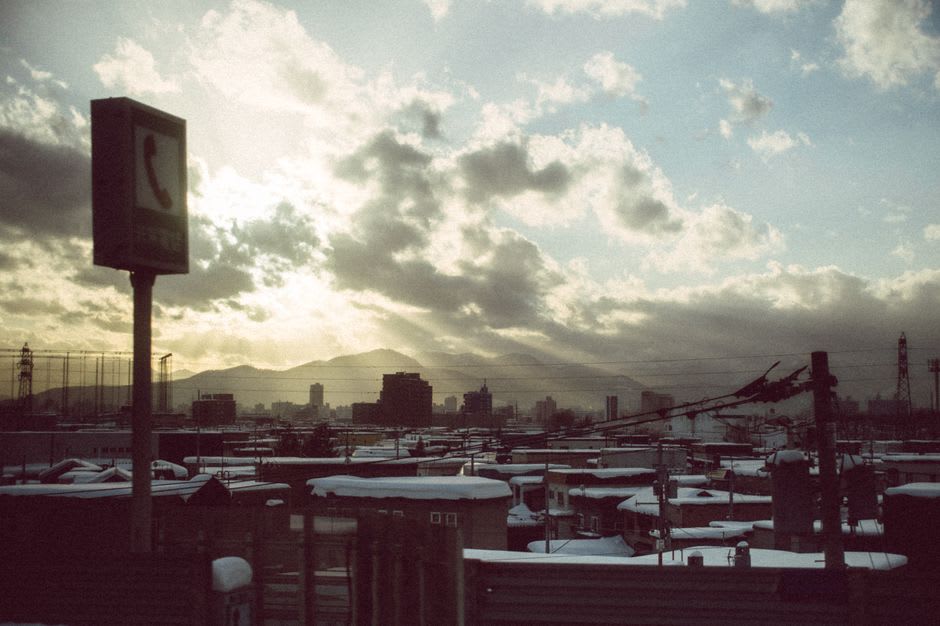
We spent our last hours simply walking. Date is not a place with a single must-see; its pleasure is cumulative — a shrine tucked behind houses, a shopping street where the greengrocer knew everyone, a small park where retirees played croquet on the grass. The lanes are wide and calm, the pace slow, and nobody was in a hurry to sell us anything. We stopped for coffee in a family café where the owner asked, delighted, how two French travelers had ended up in Date of all places, and we told her the story of the woman in Noboribetsu, and everyone laughed. It’s the kind of town you leave feeling you’ve been let in on a small secret.
Getting There
Date lies on the southern coast of Hokkaidō, along Uchiura Bay between Noboribetsu and the volcanic town of Tōyako. By rail, limited express trains on the Muroran Main Line stop at Date-Mombetsu station, roughly an hour and a half from Sapporo and a short hop from Noboribetsu. A car makes the surrounding orchards and coast far easier to enjoy, and pairs well with a loop taking in Lake Tōya and the Shōwa-Shinzan volcano nearby. There’s no need to rush here — Date rewards an afternoon of slow walking more than a checklist. Come when the fruit is in, buy some at a roadside stand, and eat it by the bay.
Keep exploring
More of Hokkaidō