Lake Kussharo
"We dug a hole in the sand, hot water rose to fill it, and we sat in the lake we'd been admiring all day."
A vast caldera lake in eastern Hokkaido where you can dig your own hot spring in the black sand at the water's edge, and where whooper swans winter in the steaming shallows. Kussharo is enormous and generous and completely unpretentious. We soaked our feet in a hole we dug ourselves, and I've thought about it ever since.
Kussharo is where I stopped taking notes and just got in. After the sealed, look-but-don’t-touch perfection of nearby Lake Mashu, arriving at Kussharo felt like being let off a leash. It’s the largest caldera lake in Japan, so big the far shore blurs into haze, and geothermal heat seeps up all along its edges — which means at certain beaches you can scoop out a hollow in the black volcanic sand, wait for hot water to well up, and lie back in a bath you built yourself with the whole lake spread out in front of you. Lia dug ours at Suna-yu with her bare hands, testing the temperature every few seconds, and when we finally settled in she looked at me and said this was the most Hokkaido thing we’d done yet.
Digging your own bath at Suna-yu and Kotan
The lakeside sand onsen are the thing you come for. At Suna-yu (“sand hot water”) the beach steams gently and families wander along with little spades, prospecting for the hottest spots. Further round the shore, Kotan Onsen is a proper open-air rotenburo right at the waterline — a stone-rimmed pool, free and mixed, where you soak with the lake lapping almost into the bath and, in winter, snow settling on your shoulders. We did Kotan at dusk with steam rising off the water and a couple of local grandfathers who’d clearly been coming for decades. Nobody rushed. The etiquette here is the usual onsen etiquette — wash first, no swimsuits, keep your voice down — but the setting turns it into something you don’t forget.
The wintering swans
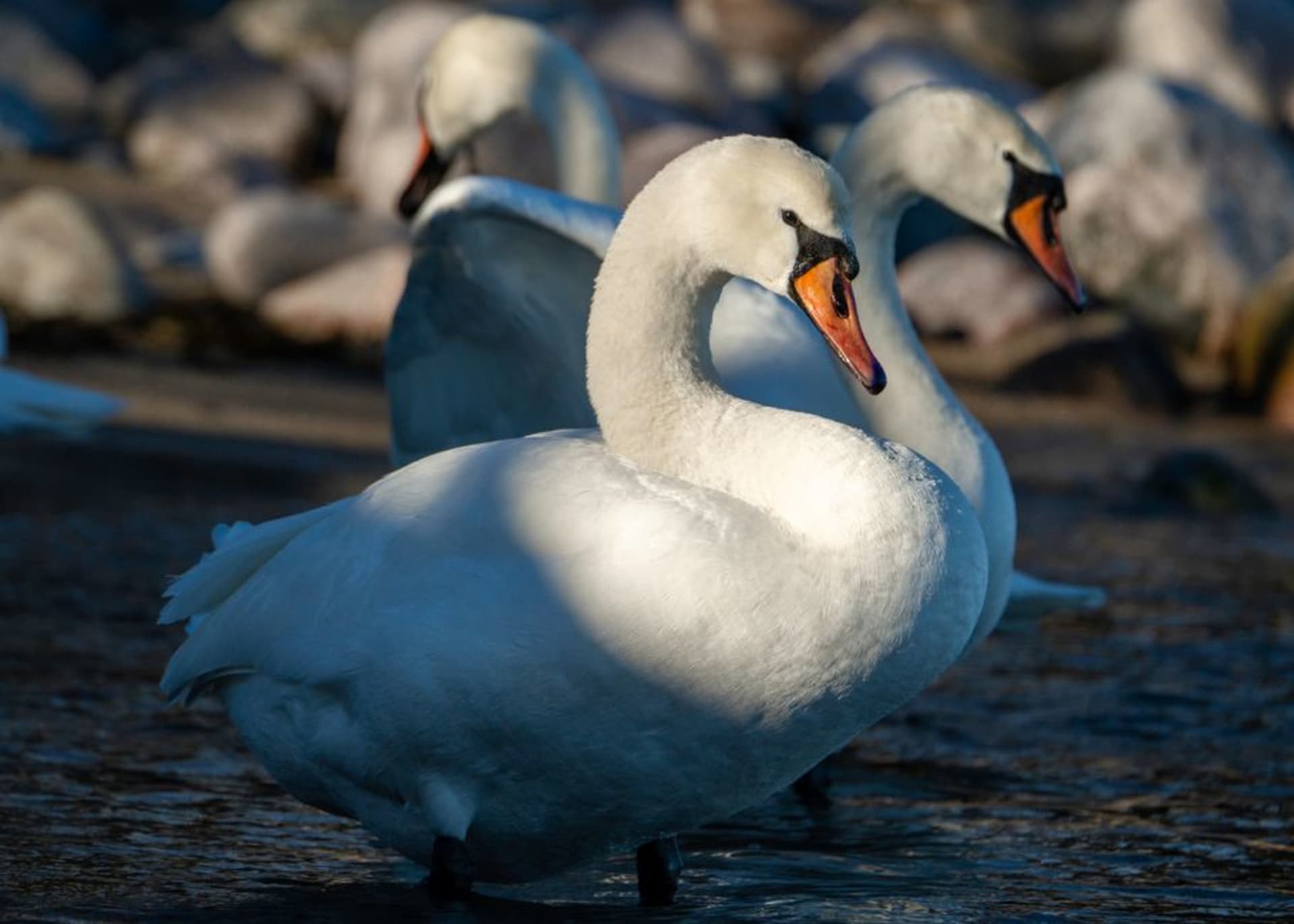
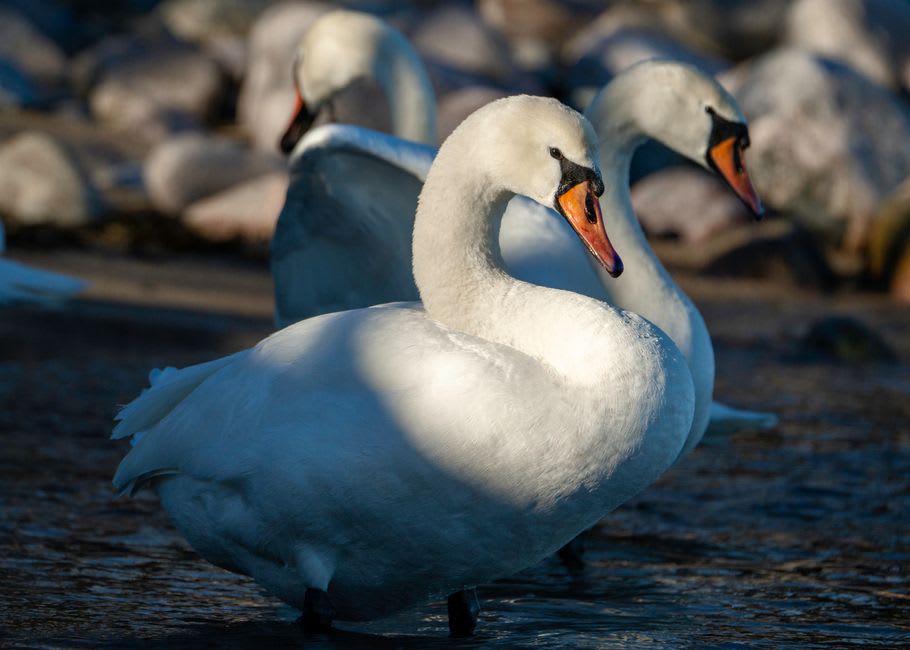
Because the geothermal heat keeps parts of the shore ice-free even in deep winter, Kussharo becomes a refuge for whooper swans that fly down from Siberia. We came round a headland and there they were — dozens of them, huge and white, drifting in the steaming shallows where the hot springs meet the cold lake, honking that strange bugling call. It’s a genuinely surreal sight: snow on the ground, mist coming off the water, and these enormous birds sitting in the warm patches as if they’d booked the spa. Lia crouched at a polite distance for the better part of an hour. A woman selling roasted corn from a hut nearby told us the swans knew exactly where the warm water was, better than any of the tourists with their thermometers.
Mount Io, Bihoro Pass, and the roads around the rim
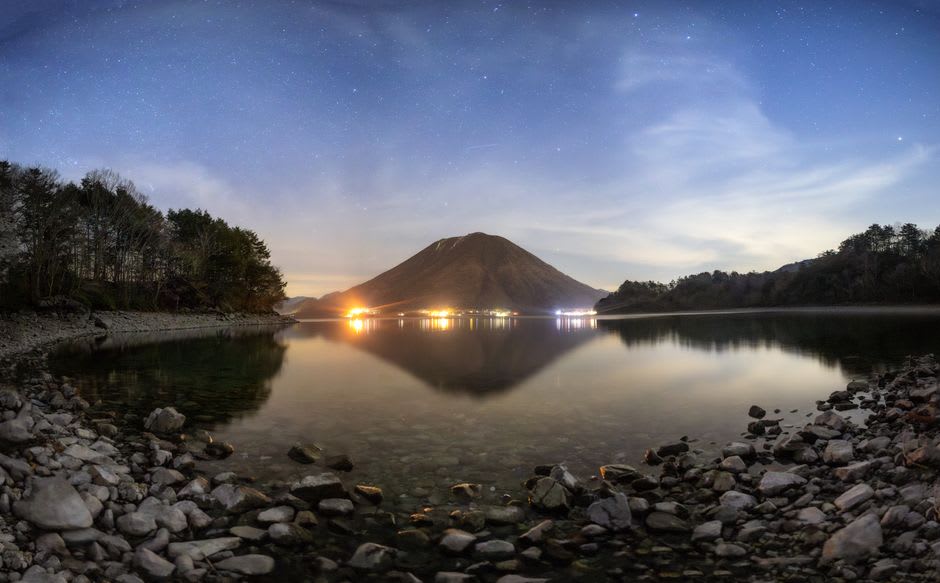
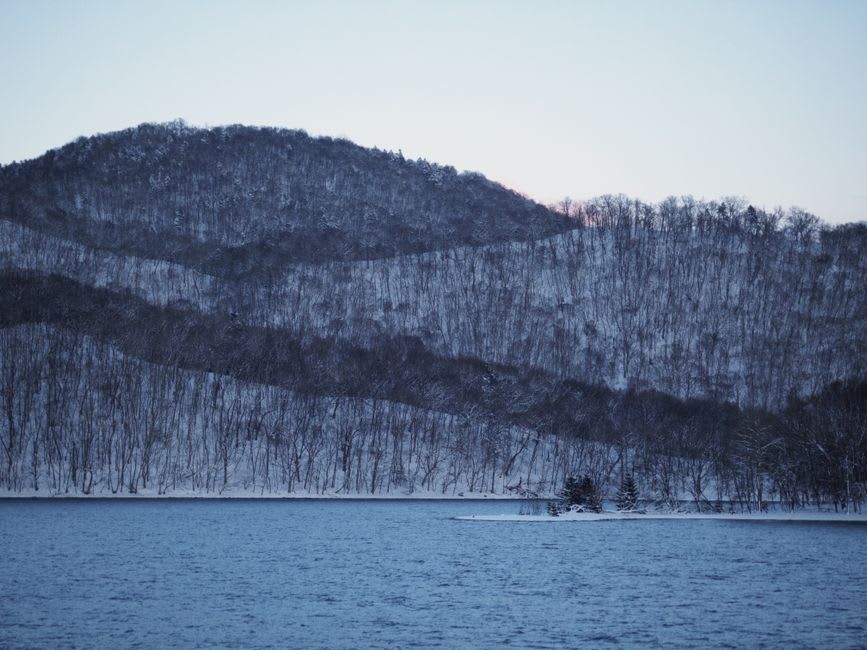
Kussharo sits in a landscape that’s still visibly alive. Just up the road, Mount Io — the Ainu called it Atosanupuri, “naked mountain” — hisses with yellow sulphur vents you can walk right up to, the whole hillside roaring gently and smelling of struck matches. From the Bihoro Pass on the caldera’s northwest rim we got the view that put the lake’s scale into perspective: the entire crater laid out below, the water filling its floor, ridgelines fading into the distance. We drove the rim roads slowly, stopping too often, and ended the day back at a sand bath with cold beers we’d wedged in the actual lake to chill. It’s that kind of place — big, warm, easygoing, and quietly spectacular.
Getting There
Lake Kussharo is in Akan-Mashu National Park in eastern Hokkaido, and a rental car is by far the best way to enjoy it — the sand beaches, Kotan Onsen, Mount Io, and Bihoro Pass are scattered around a big shoreline. The handiest base is Kawayu Onsen, a short drive from the lake and on the JR Senmo line; Kushiro, with flights from Tokyo, is around ninety minutes away by road. In the warmer months sightseeing buses connect Kawayu Onsen station with the main sights and pair Kussharo with Lake Mashu in a loop. The swans are a winter draw (roughly December to March), the sand baths are wonderful year-round, and if you’re driving in winter, take the icy passes slowly — they’re stunning but they earn your respect.
Keep exploring
More of Hokkaidō