Cloud forests, Maya ruins in the jungle, and indigenous cultures that predate the Spanish by millennia. Mexico's deepest south.
Chiapas is Mexico’s southernmost state and its most other. The landscape shifts from Pacific coast to cloud forest to jungle within hours of driving. The indigenous population — Tzotzil, Tzeltal, Ch’ol, Tojolabal — is the largest and most culturally distinct in Mexico, maintaining languages, dress, and spiritual practices that have been continuous since before European contact. This is not the Mexico of mariachi and tequila. This is something older and more complex.
San Cristóbal de las Casas is the hub — a colonial highland city at 2,200 meters where the air is cool and the streets are lined with amber jewellery shops, craft cooperatives, and cafés serving Chiapan coffee that grows in the surrounding mountains. The atmosphere is part bohemian, part activist, part indigenous market town. The morning market at the Mercado de Santo Domingo is one of the most visually intense in the country.
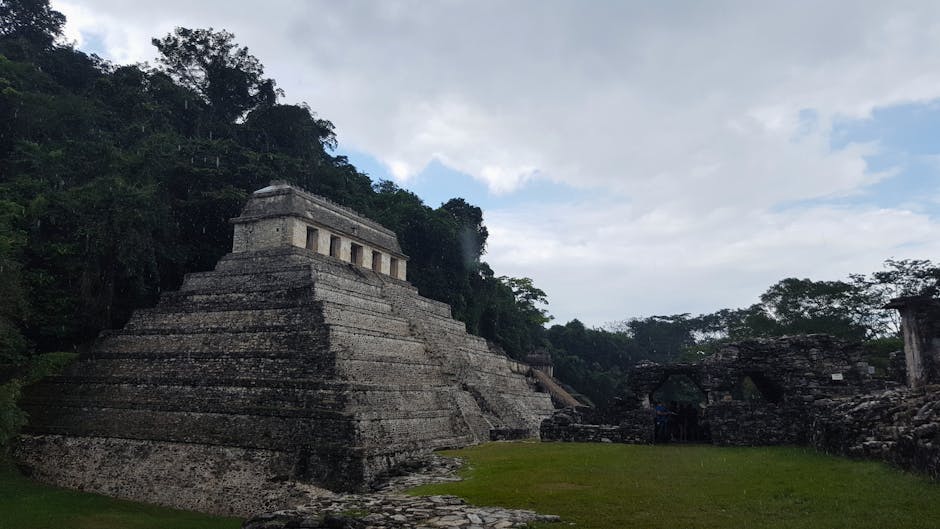
Palenque is the Maya ruin that out-atmospheres all others. Set at the edge of the Lacandon jungle, with howler monkeys in the surrounding trees and mist curling through the temples at dawn, it lacks Chichén Itzá’s scale but surpasses it in beauty and mystery. The tomb of Pakal, deep within the Temple of Inscriptions, is one of the great archaeological discoveries of the 20th century.
Sumidero Canyon — a kilometer-deep gorge cut by the Grijalva River — is accessible by boat tour from Chiapa de Corzo. Crocodiles bask on the banks. The cliffs rise vertically on both sides. It is more dramatic than most national parks.
The Zinacantán and Chamula villages outside San Cristóbal offer a window into Tzotzil Maya life — syncretic religious ceremonies in the church at San Juan Chamula (no photographs, and you will understand why when you enter), textile workshops where women weave on backstrap looms, and a community structure that has its own laws and governance.
When to go: November to March. The dry season keeps the jungle trails passable and the highland mornings crisp.
Explore
Places in Chiapas
 mexico
 Agua Azul
A series of turquoise limestone waterfalls cascading through the jungle between Palenque and San Cristóbal — the color is genuinely that blue, not a filter, not an exaggeration, and before 10am the pools are yours almost alone. Lia wanted to leave at 5:30; I wanted to sleep; she was right.
Explore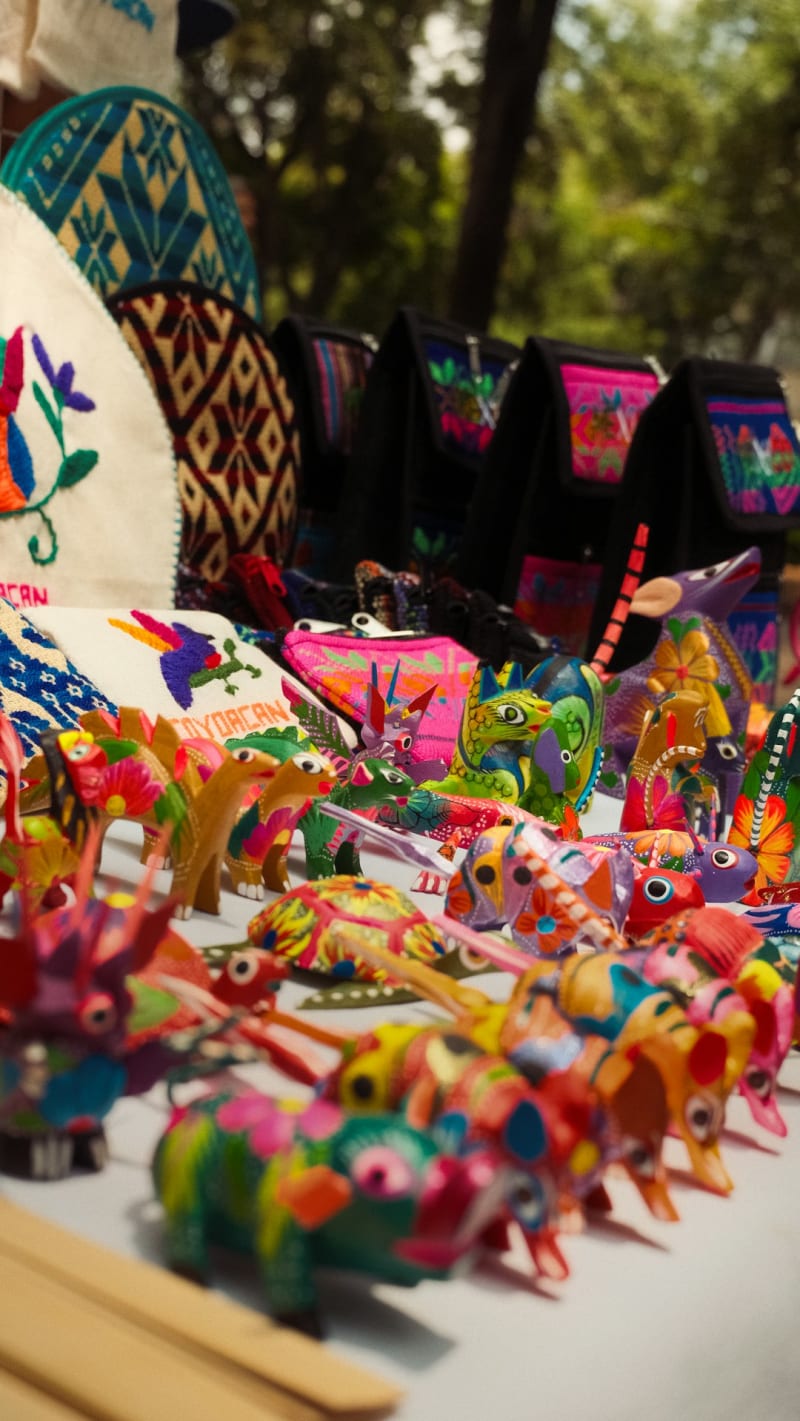 mexico
 Amatenango del Valle
A Tzeltal village on the Pan-American Highway where women have been hand-building pottery without wheels or kilns for centuries. The ceramic animals and water vessels sold along the roadside are made directly in wood fires, and buying one from the hands that shaped it is one of the more honest transactions you can make in Chiapas.
Explore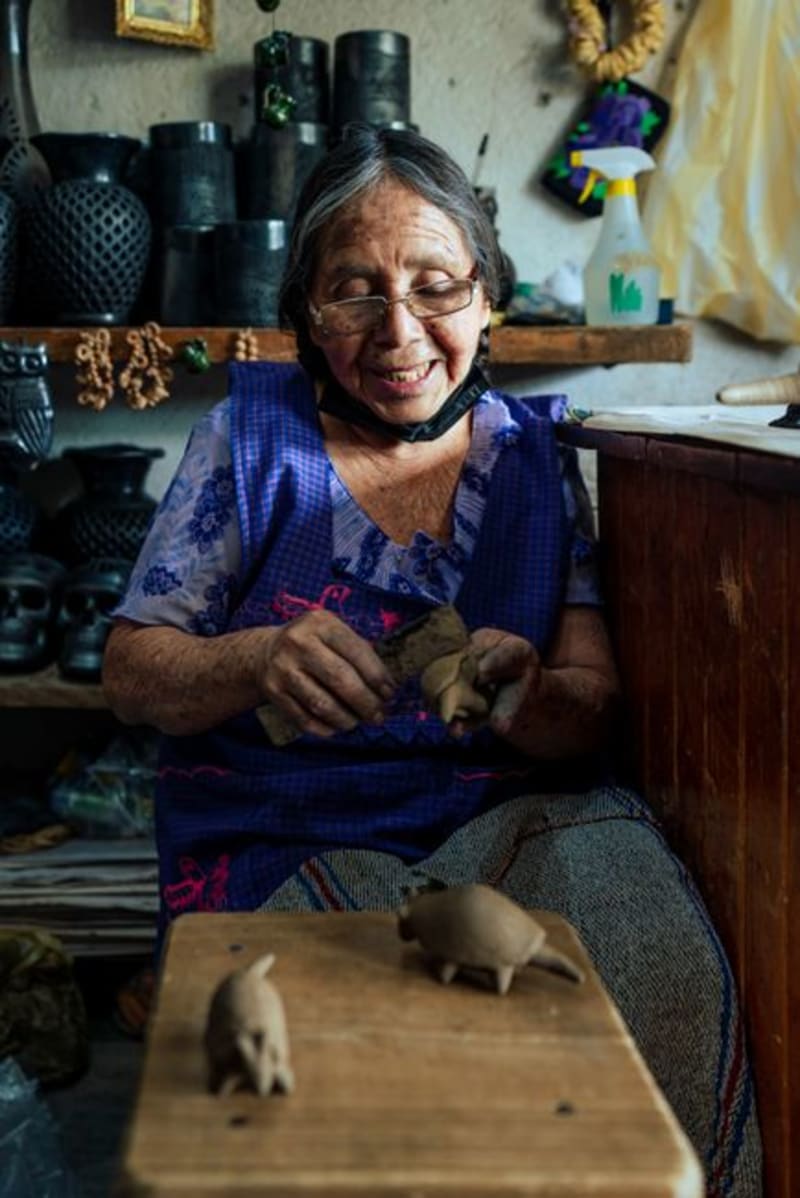 mexico
 Amatenango del Valle
A Tzeltal Maya village on the Pan-American Highway between San Cristóbal and Comitán where women have been shaping and firing clay by hand for over a thousand years. Every home doubles as a workshop, and the pottery — animals, vessels, figurines — is fired in open wood fires rather than kilns, giving each piece a warm, slightly rough surface you won't find anywhere else.
Explore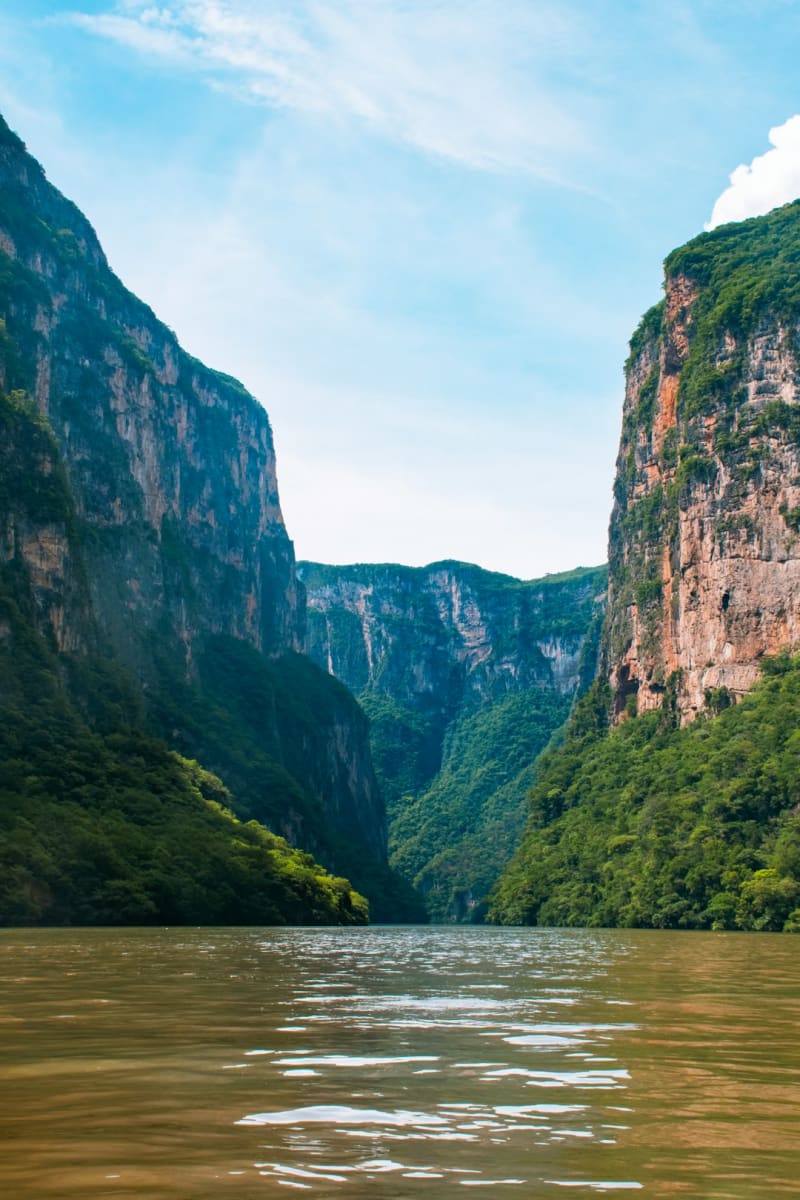 mexico
 Berriozábal
Twenty minutes from Tuxtla Gutiérrez, Berriozábal sits at a useful distance from everything — close enough to reach without planning, far enough that nobody has tried to ruin it yet. The El Aguacero waterfall drops forty meters into a Grijalva canyon that turns geological time into something you can stand in front of. The town grows pineapples and goes about its business with admirable disinterest in being discovered.
Explore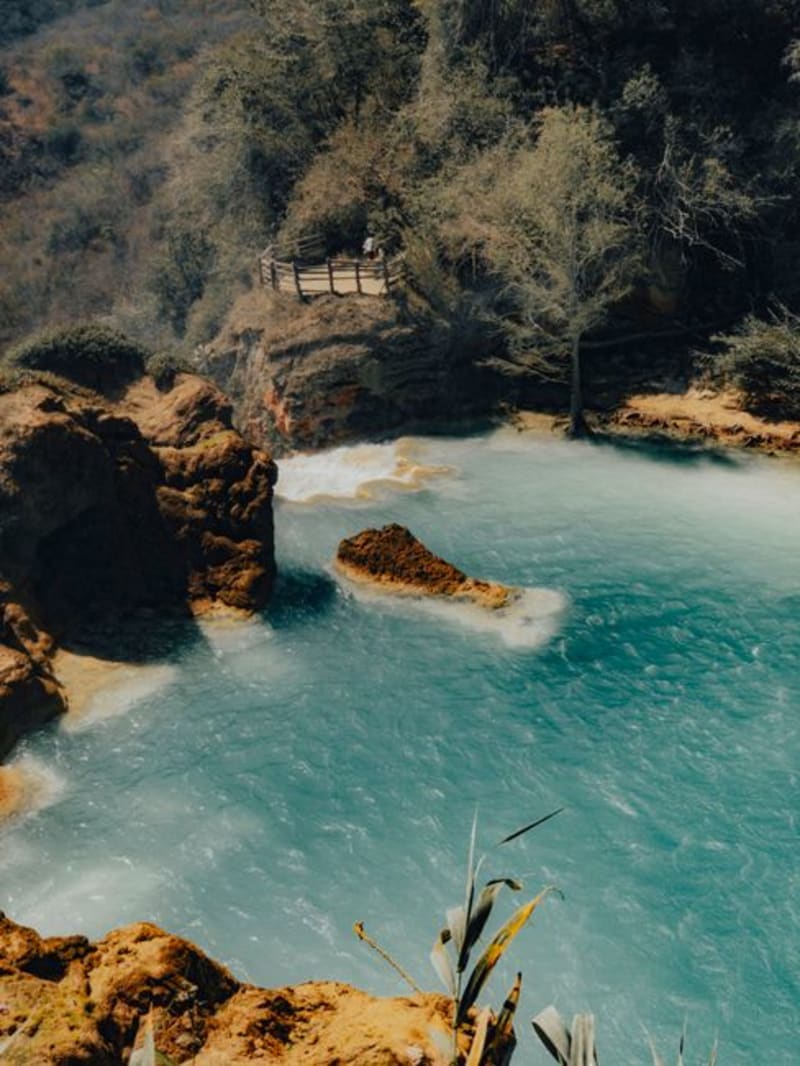 mexico
 Berriozábal
A short drive from Tuxtla Gutiérrez, Berriozábal is built around El Aguacero, a limestone springs complex where cold clear rivers pool beneath tropical forest and families from the city come to eat tamales on the bank and let the afternoon dissolve. It is not organized for tourists, which is precisely what makes it worth the trip.
Explore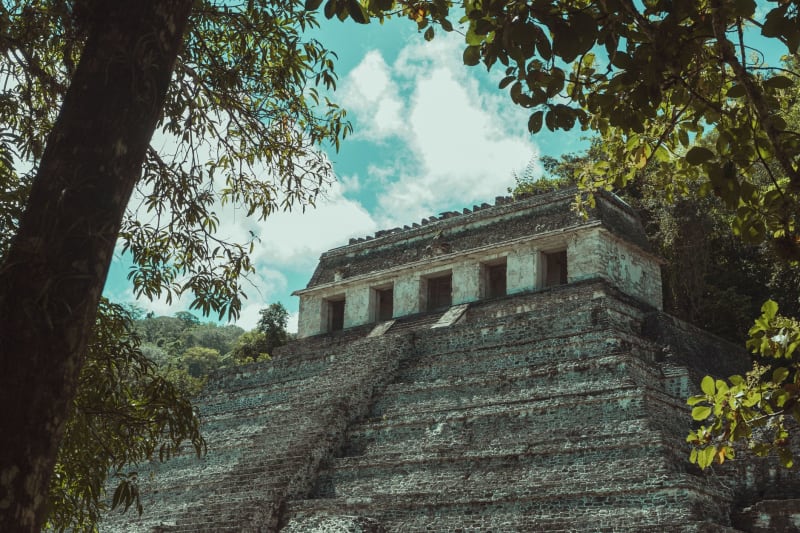 mexico
 Bonampak
A small Chiapas Maya city whose three painted rooms — discovered in 1946 by a Lacandon Maya guide and a photographer — changed everything scholars thought they knew about the Maya, revealing a civilization of warfare, blood sacrifice, and political violence that the stone monuments had been successfully obscuring.
Explore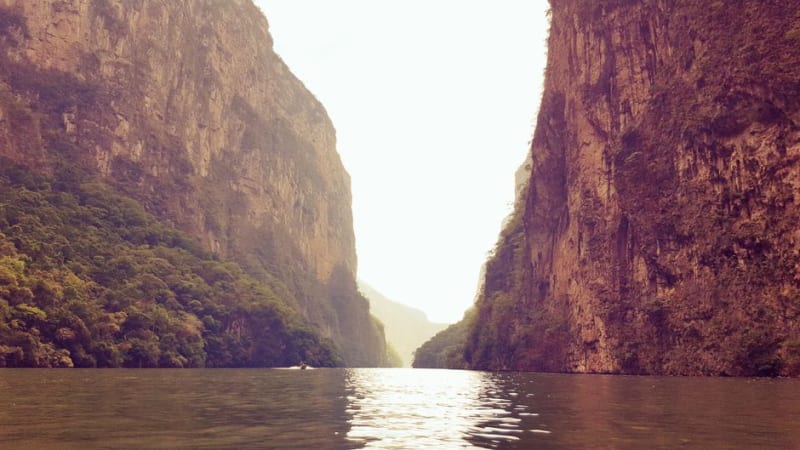 mexico
 Cañón del Sumidero
A 1,000-meter-deep canyon cut by the Grijalva River through the Chiapas highlands — vertical walls rising from a boat-level river where crocodiles sun on the banks and waterfalls pour from a thousand meters overhead.
Explore mexico
 Chiapa de Corzo
Chiapa de Corzo sits on the Grijalva River with one of Mexico's most singular colonial plazas — a Moorish-influenced fountain that stops you mid-step — and serves as the launch point for Cañón del Sumidero boat tours. Most people pass through in a few hours. That is a mistake.
Explore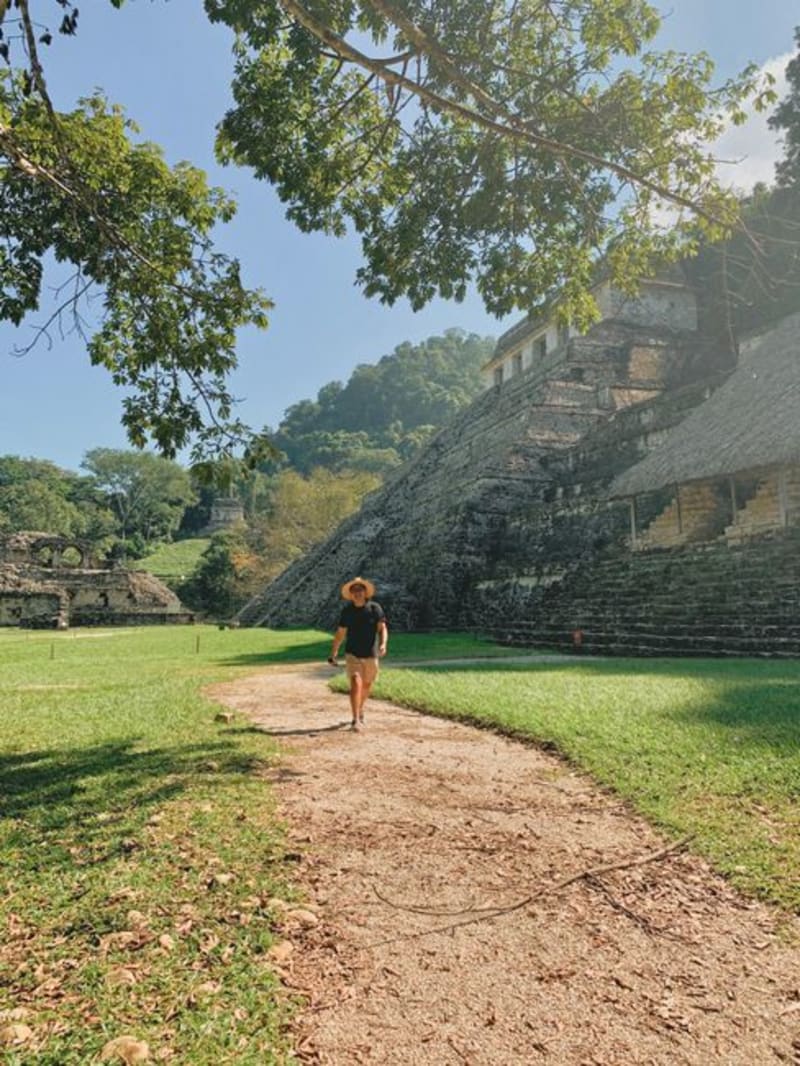 mexico
 Chinkultic
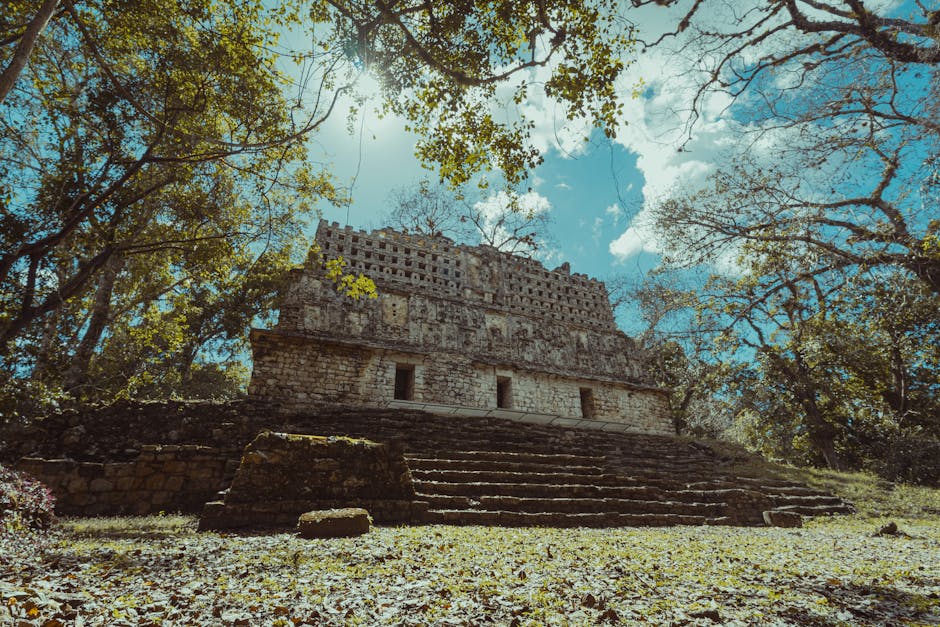
A Maya archaeological site set among the pine forests and lagoons of the Chiapas highlands, Chinkultic is so lightly visited that the silence from the summit pyramid feels almost conspiratorial. Still partly unexcavated, it pairs naturally with the Lagunas de Montebello a few kilometers away.
Explore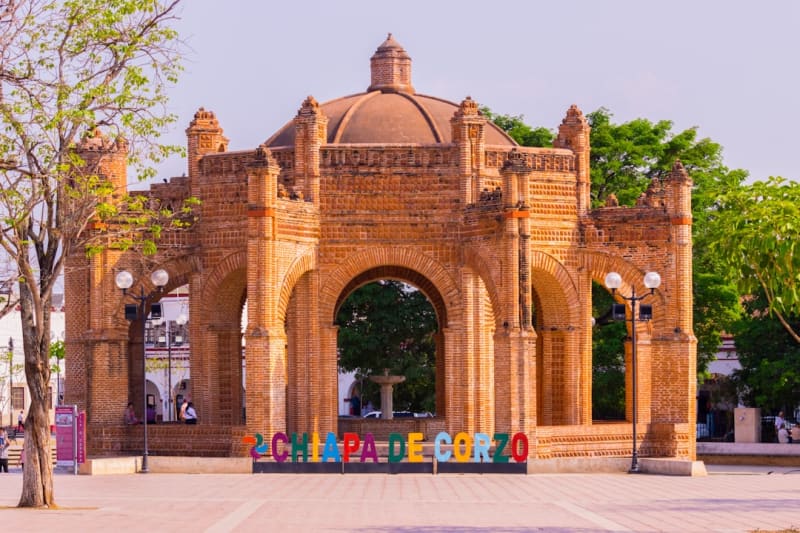 mexico
 Comitán de Domínguez
A Chiapas colonial city at 1,635 meters on the plateau above the Guatemalan border, the closest major town to the Lagos de Montebello lakes, the place where Mexico's independence from Spain was declared for the first time — four days before the rest of the country.
Explore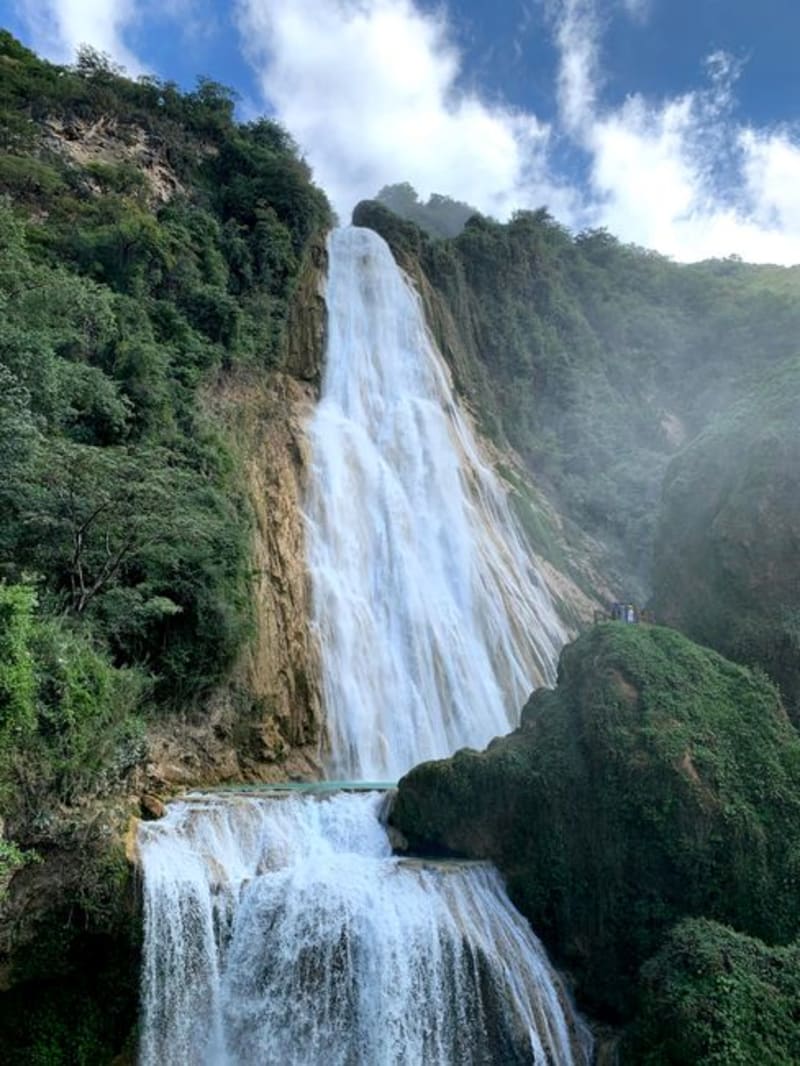 mexico
 El Chiflón
El Chiflón is a series of waterfalls on the Río Santo Domingo outside Comitán, culminating in Velo de Novia — a 120-meter cascade that drops into a pool so turquoise it looks edited. The trail is manageable, the crowds are not Agua Azul levels, and the swimming, in the right month, is cold enough to make you feel aggressively alive and wet enough to regret not packing a dry bag.
Explore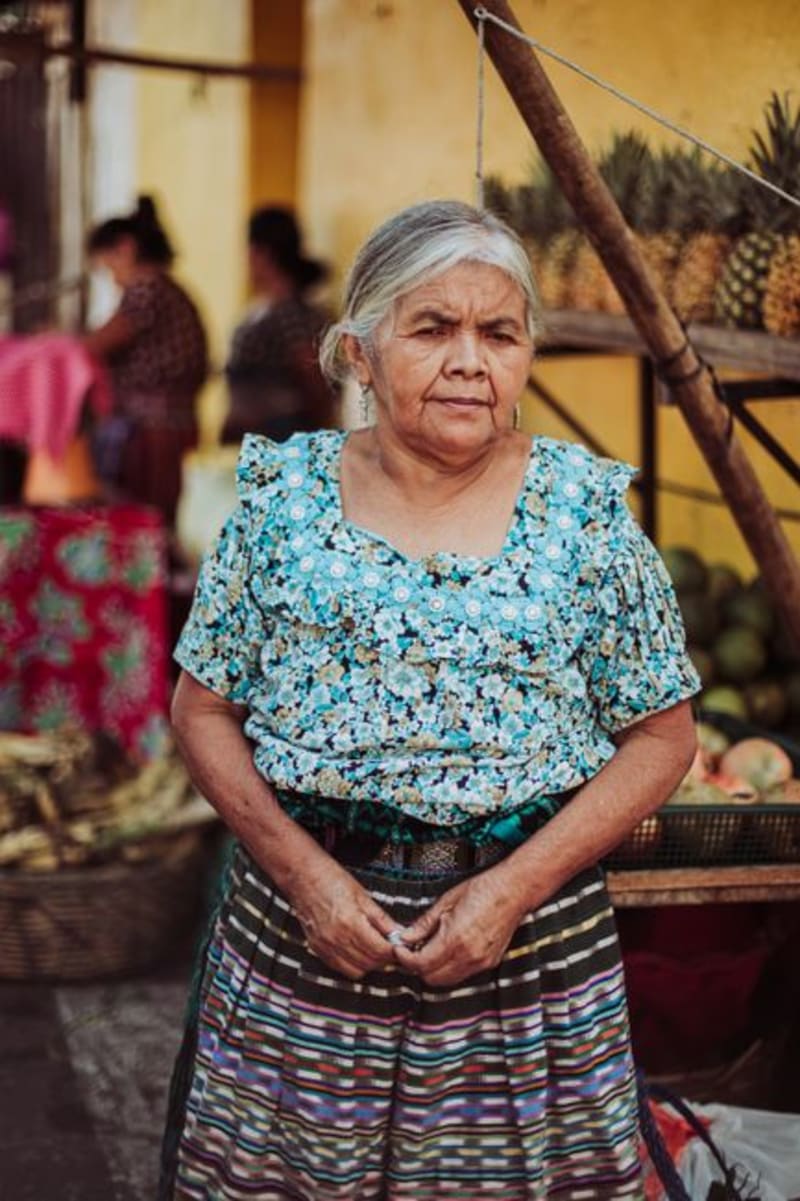 mexico
 Frontera Comalapa
A Mam Maya border town in the western highlands of Chiapas where the market shifts between Mexican and Guatemalan goods depending on the exchange rate. The surrounding canyons and rivers remain almost entirely unknown to travelers, despite scenery that stops you mid-sentence.
Explore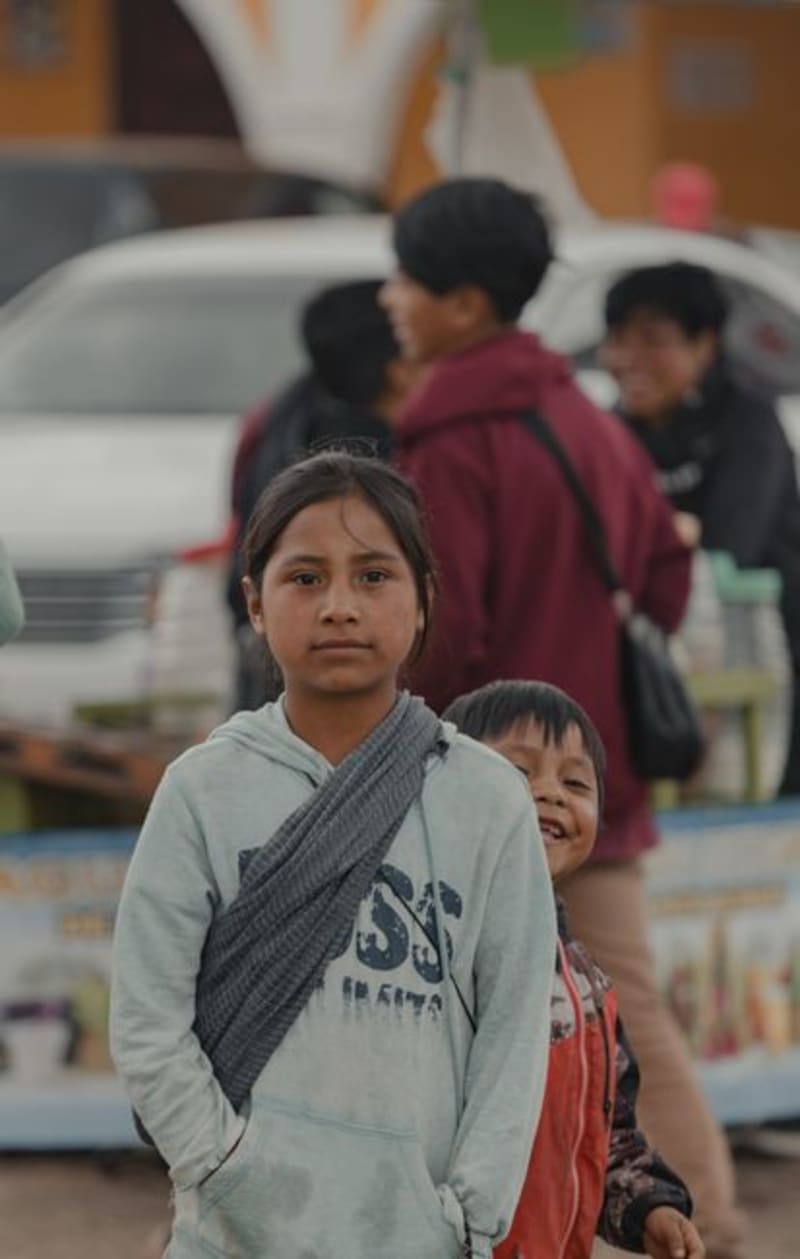 mexico
 Huixtla
A lush tropical city in the Soconusco foothills where the Sierra Madre drops toward the Pacific coast and some of the finest coffee and cacao in Mexico grows within twenty minutes of the main plaza. Almost no tourist infrastructure exists here, which is its entire point.
Explore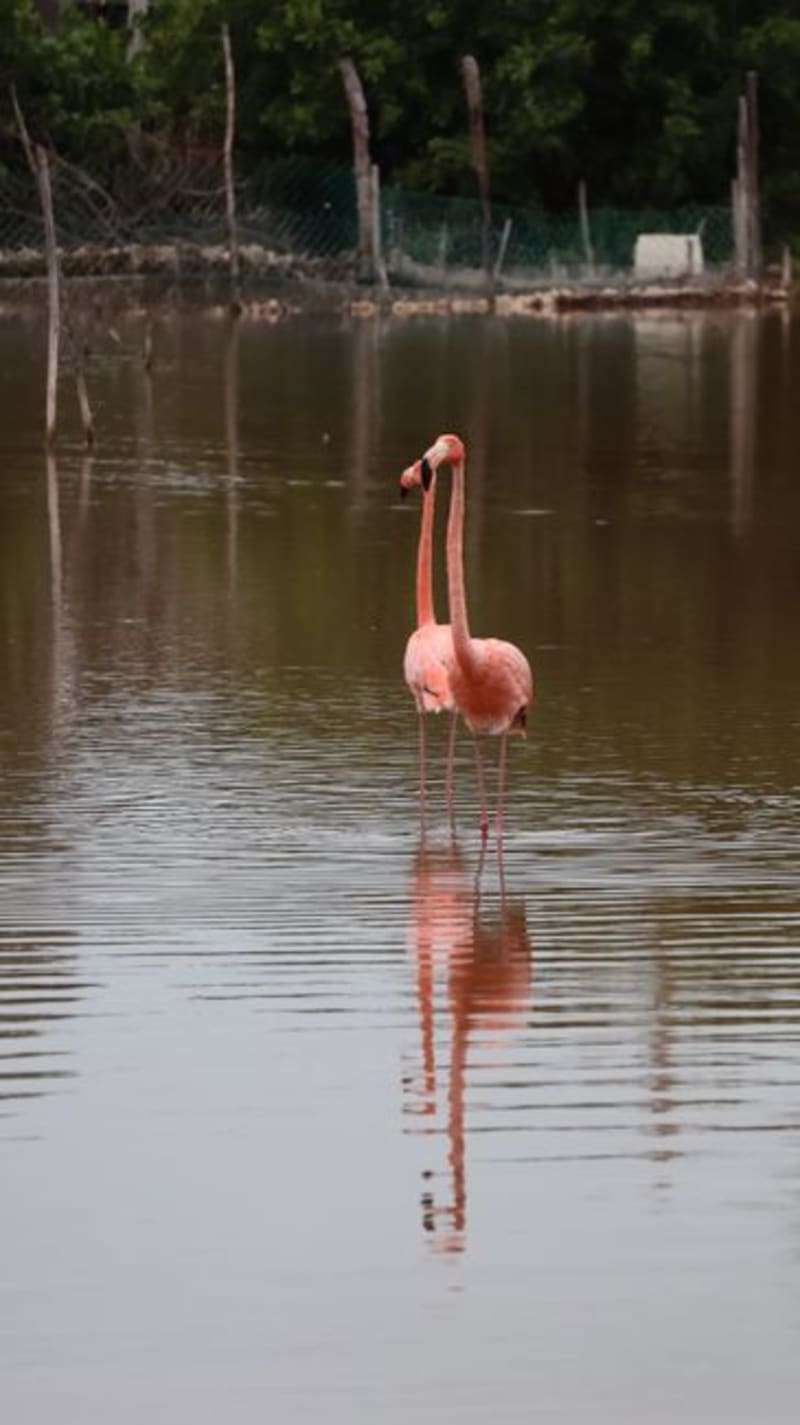 mexico
 La Encrucijada
A coastal biosphere reserve of mangrove lagoons and estuaries reachable only by motorized lancha, where the Pacific Flyway passes overhead and the fishing villages inside have lived largely as they have for generations.
Explore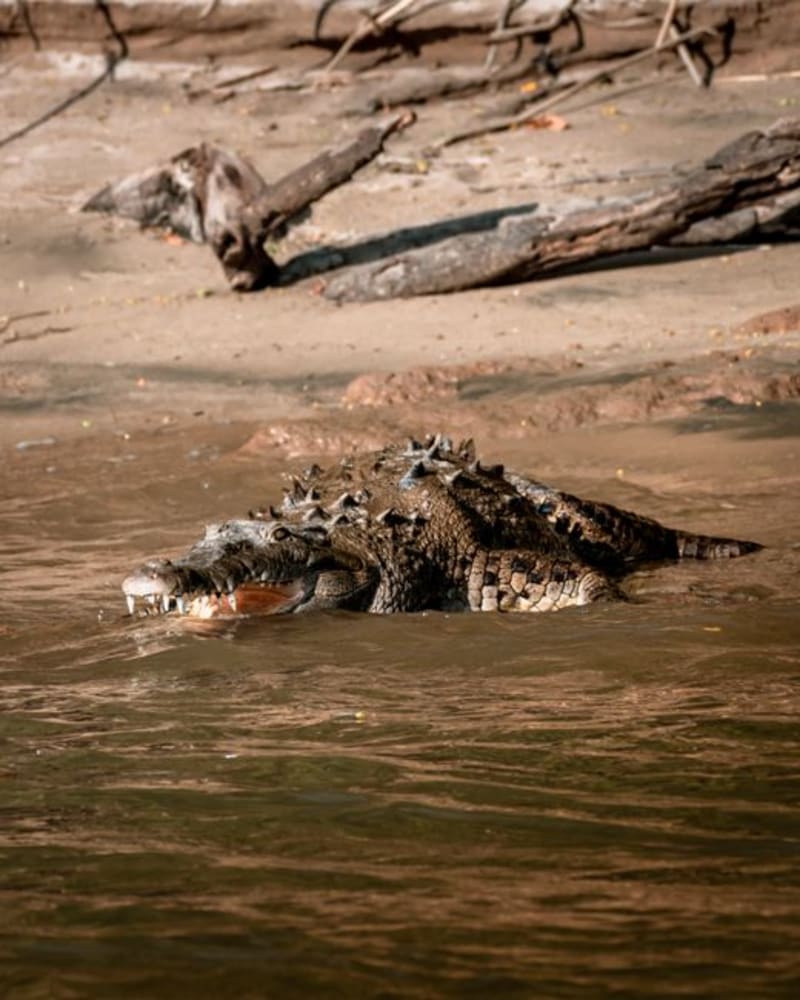 mexico
 La Encrucijada
La Encrucijada biosphere reserve protects the largest stretch of Pacific mangrove in Mexico — a labyrinthine world of channels and flooded forest where fishing communities live on stilts and crocodiles treat the banks as their own furniture. Getting there takes some effort, which is precisely why it still feels real.
Explore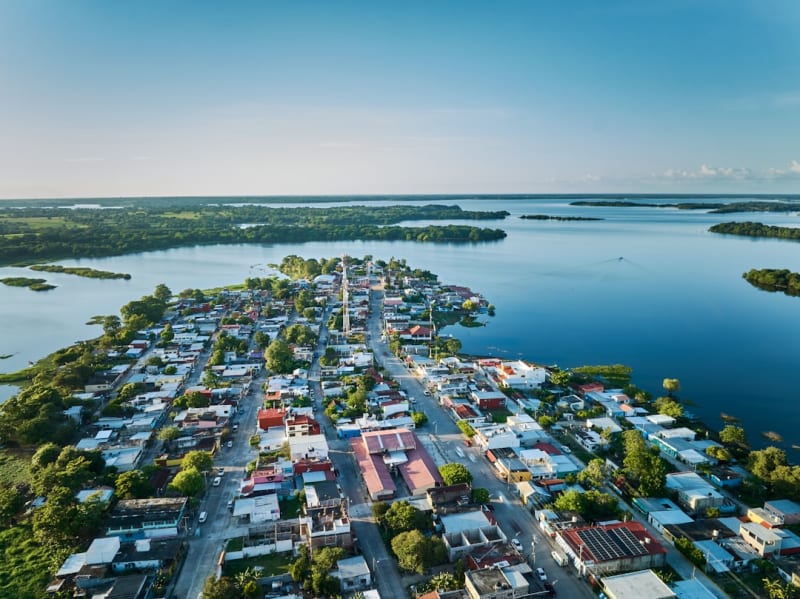 mexico
 Lagos de Montebello
Fifty-nine lakes on the Chiapas-Guatemala border, each a different color — emerald, cobalt, turquoise, mint, mauve — the result of different mineral concentrations, different depths, different forest cover, and different angles of light.
Explore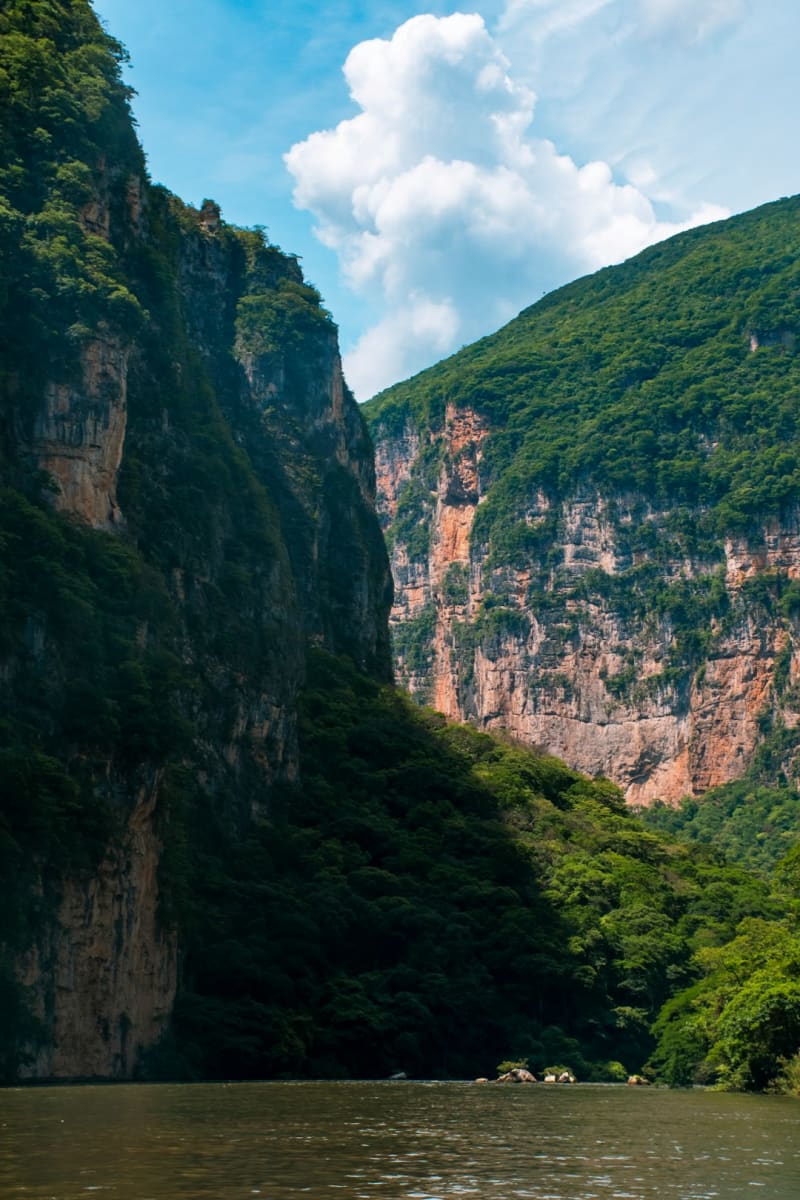 mexico
 Laguna Miramar
Laguna Miramar sits at the edge of the Selva Lacandona, reachable only by a two-day jungle hike or a long river passage through primary forest. Sixteen square kilometers of water so clear it looks engineered, surrounded by trees that have never been cut, tended by a Lacandón community that has quietly kept the place intact for a thousand years.
Explore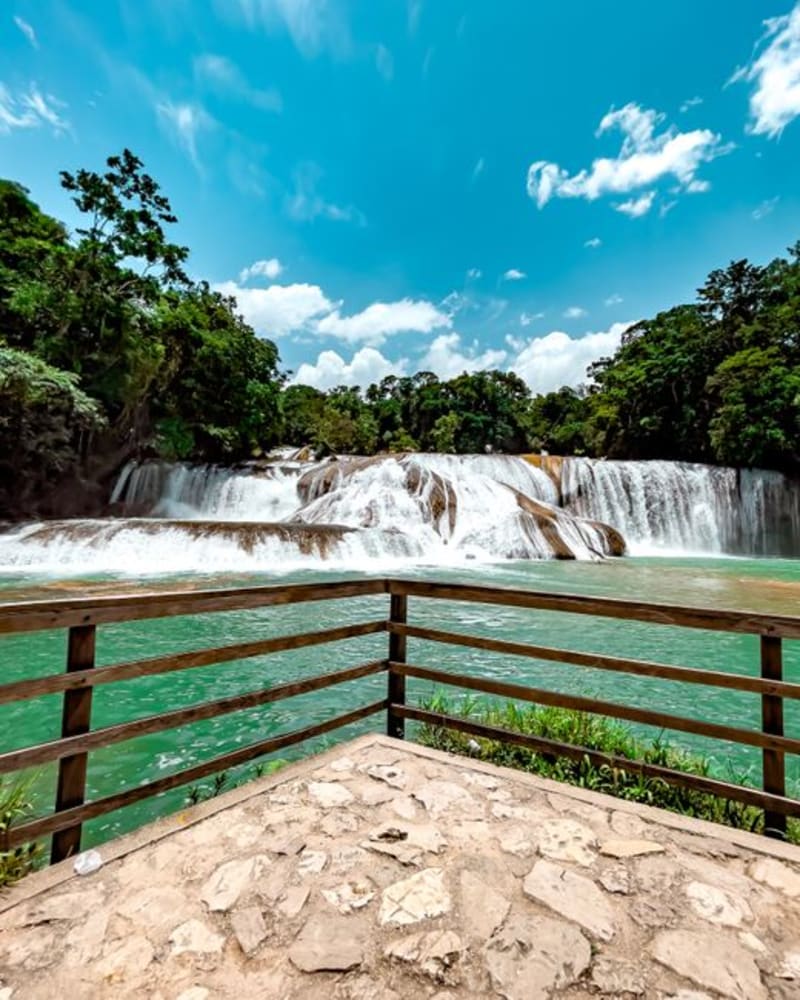 mexico
 Las Nubes
Las Nubes is a series of waterfalls and jade-green rapids on the Jatate River in the Lacandon jungle, where the current channels through narrow limestone corridors into pools of improbable clarity. The site is managed by the Ejido Nuevo San Gregorio community, and the entrance fee goes directly to the people who protect it — a detail worth understanding before you arrive.
Explore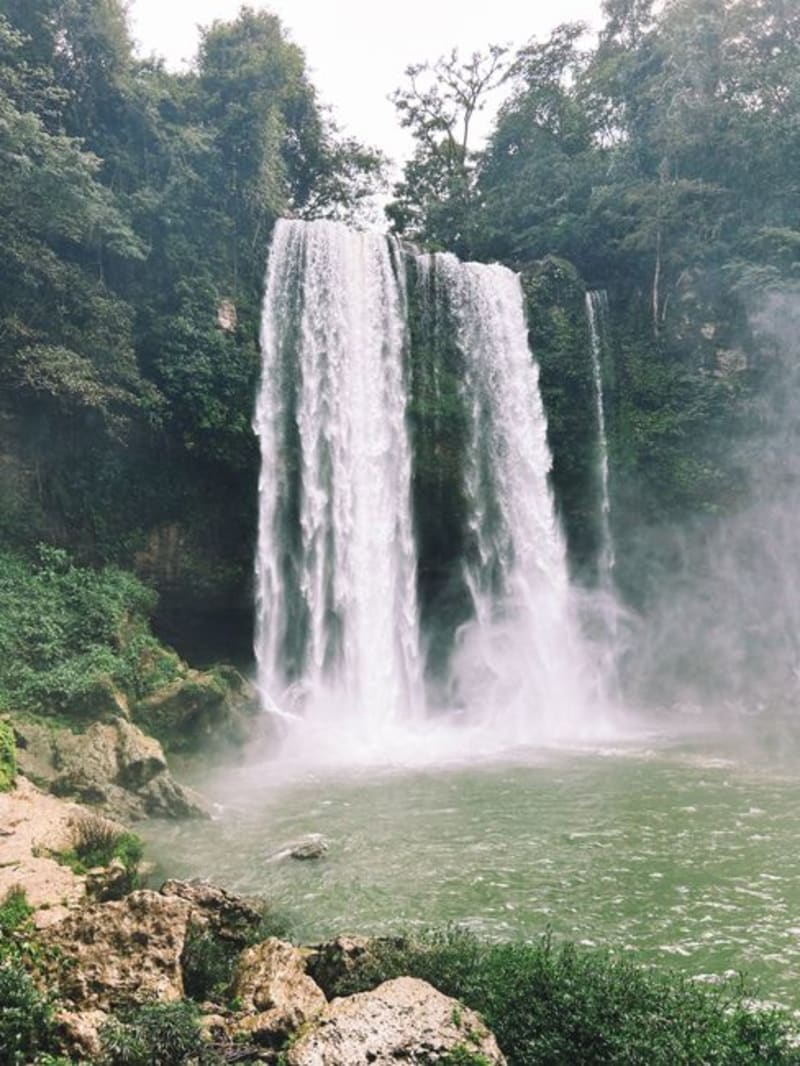 mexico
 Misol-Ha
Misol-Ha is a 35-meter waterfall twenty kilometers from Palenque where a cave cut behind the falls lets you walk inside the curtain of water — a genuinely primal experience in jungle that has not been over-managed. Unlike Agua Azul further down the highway, it stays quiet enough to actually sit with.
Explore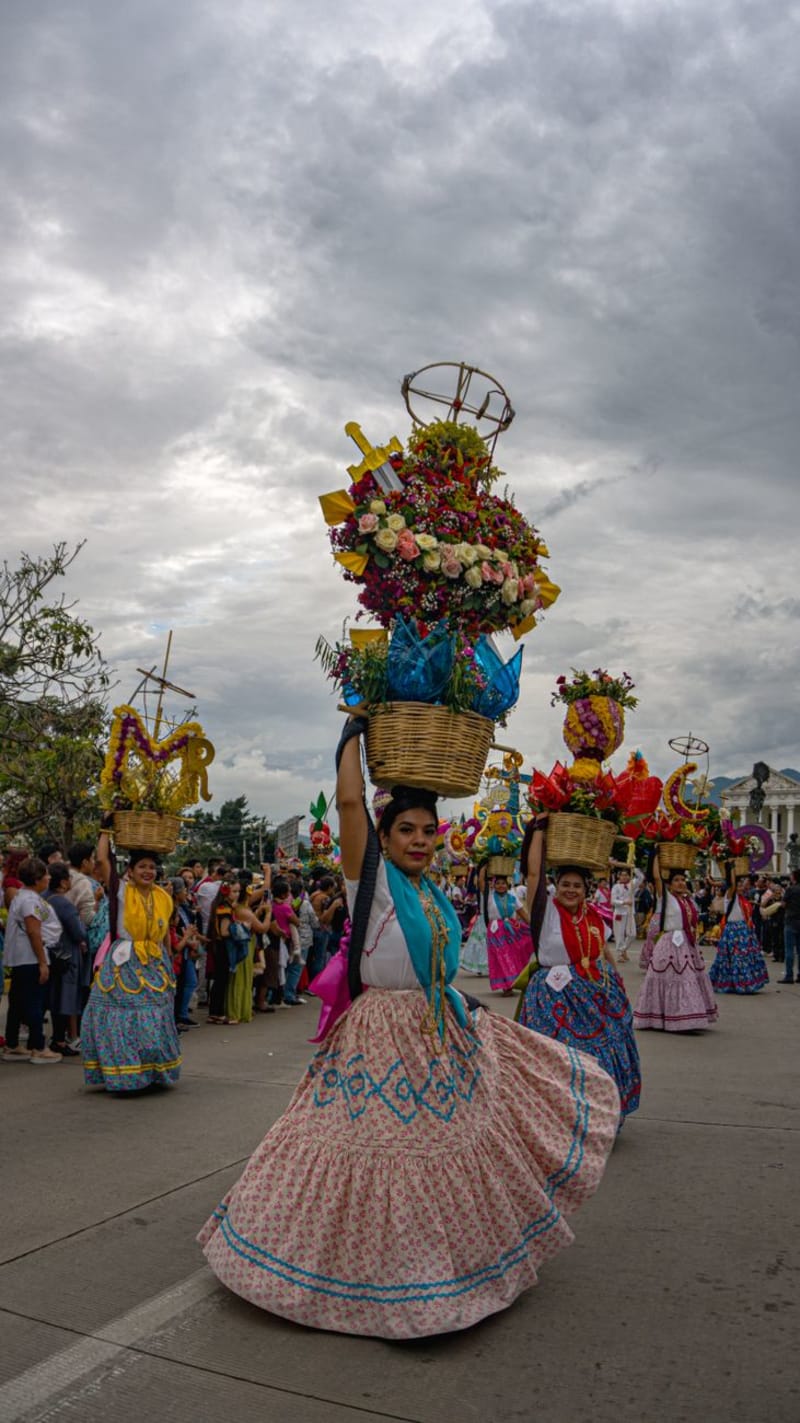 mexico
 Ocosingo
A Tzeltal Maya market town in the Chiapas highlands with a raw frontier energy that the polished tourist circuit lacks. Ocosingo is the base for Toniná, one of the tallest pyramids in Mexico, and the source of a famous double-cream cheese that ranchers haul down from the surrounding hills before dawn.
Explore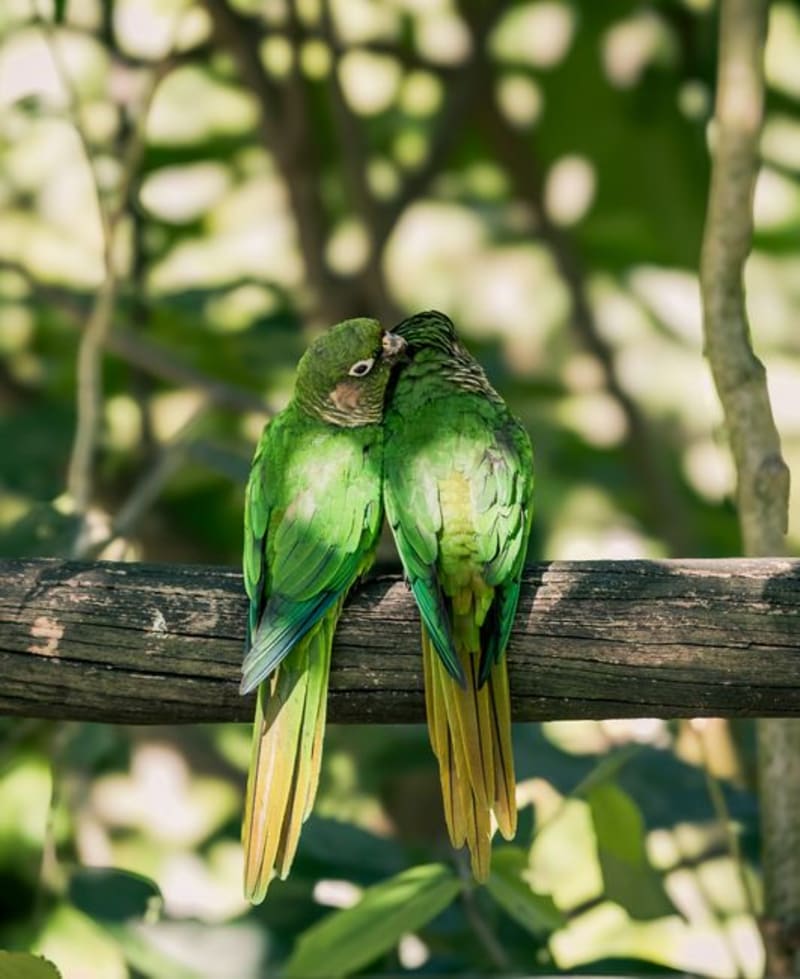 mexico
 Ocozocoautla
Just west of Tuxtla Gutiérrez, Ocozocoautla sits at the edge of a karst landscape riddled with caves and sinkholes — most famously the Sima de las Cotorras, where tens of thousands of green parakeets spiral out of a collapsed pit every morning at dawn. The town itself is unhurried, with a market square that moves at its own speed and a regional museum that quietly holds evidence of human occupation stretching back millennia.
Explore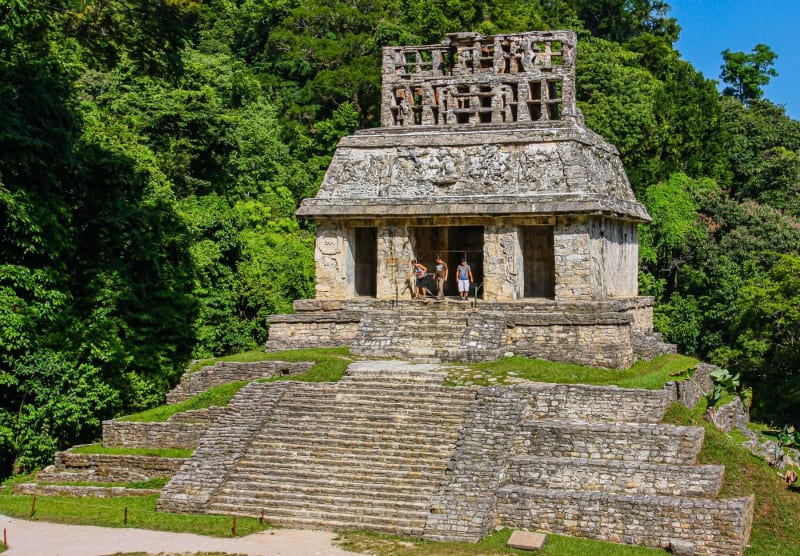 mexico
 Palenque
Mayan temples rising from dense jungle fog in Chiapas, where howler monkeys provide the soundtrack at dawn.
Explore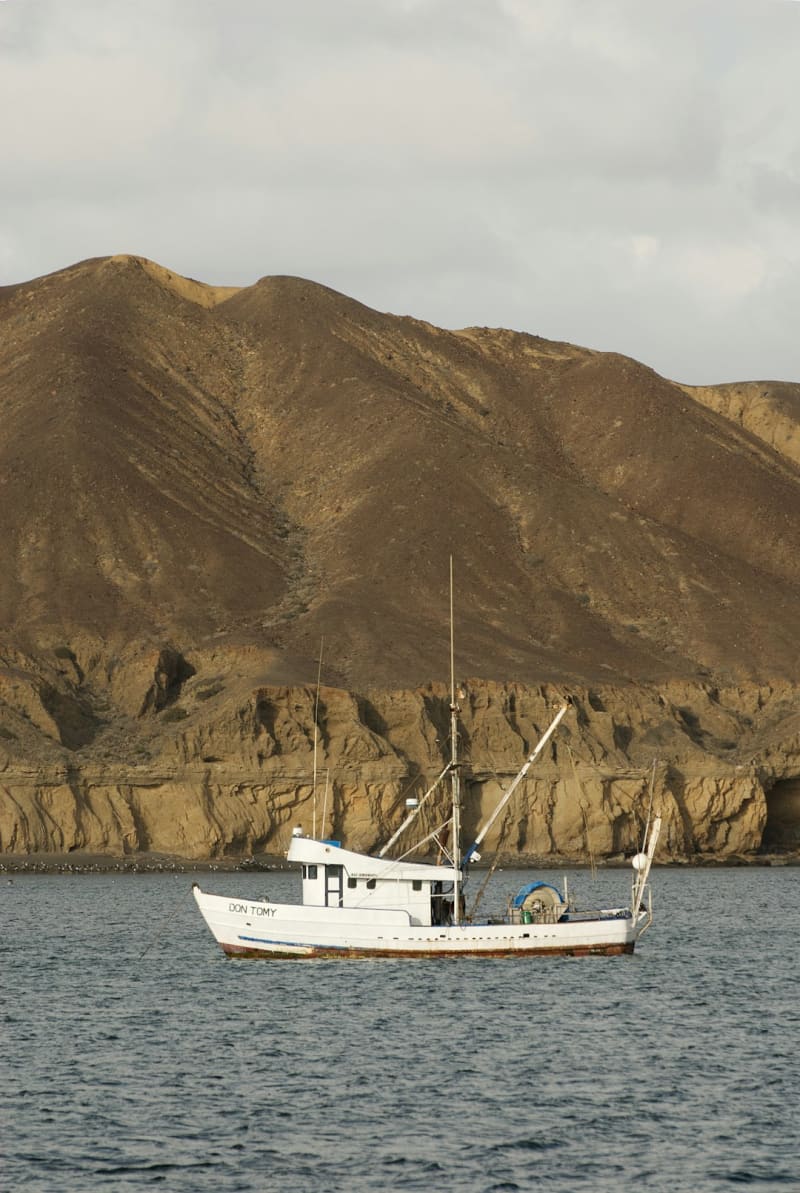 mexico
 Pijijiapan
Pijijiapan is a small fishing town on the Pacific coast of Chiapas where humpback whales pass close enough to shore that the pangas go out from the village beach. Between July and November, the encounters are measured in meters, not miles.
Explore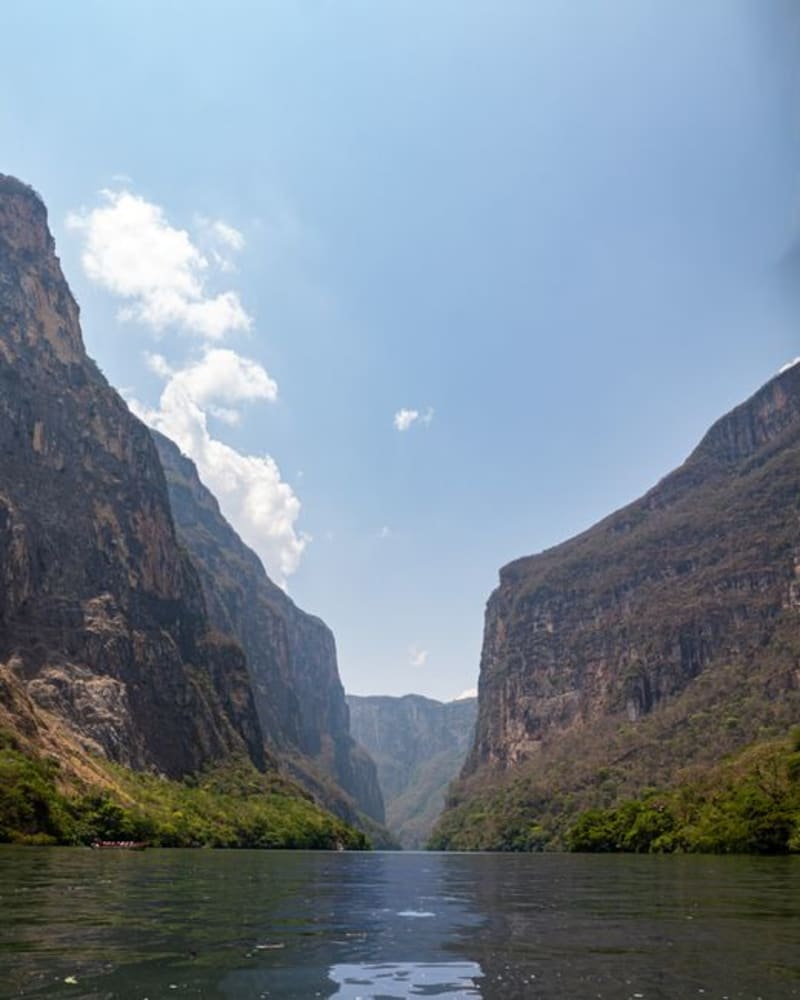 mexico
 Rayón
In the northern highlands of Chiapas, the Río La Venta has spent millions of years carving the Rayón canyon through Zoque limestone — a gorge so deep that from the rim you cannot see the water below. The Zoque communities along the edge keep their own festivals, their own agricultural rhythms, and largely their own counsel.
Explore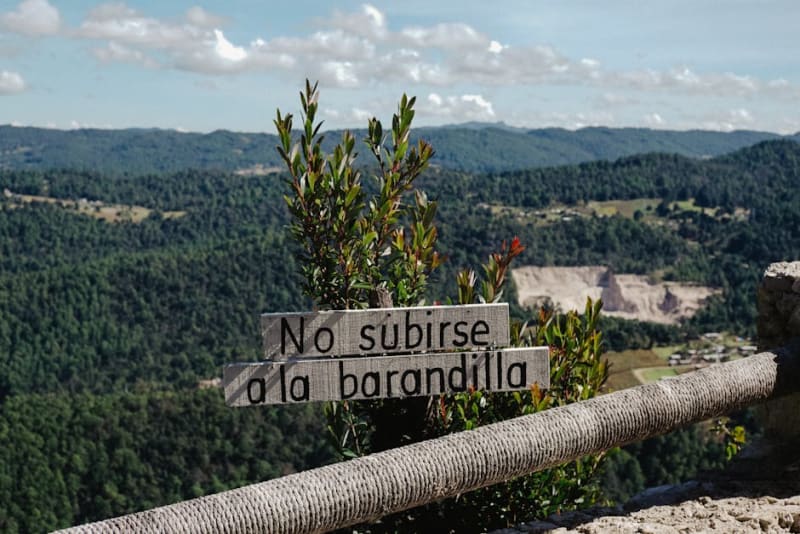 mexico
 San Cristóbal de las Casas
A highland colonial town wrapped in indigenous culture, cloud-forest mist, and the best coffee in Mexico. Chiapas at its most concentrated.
Explore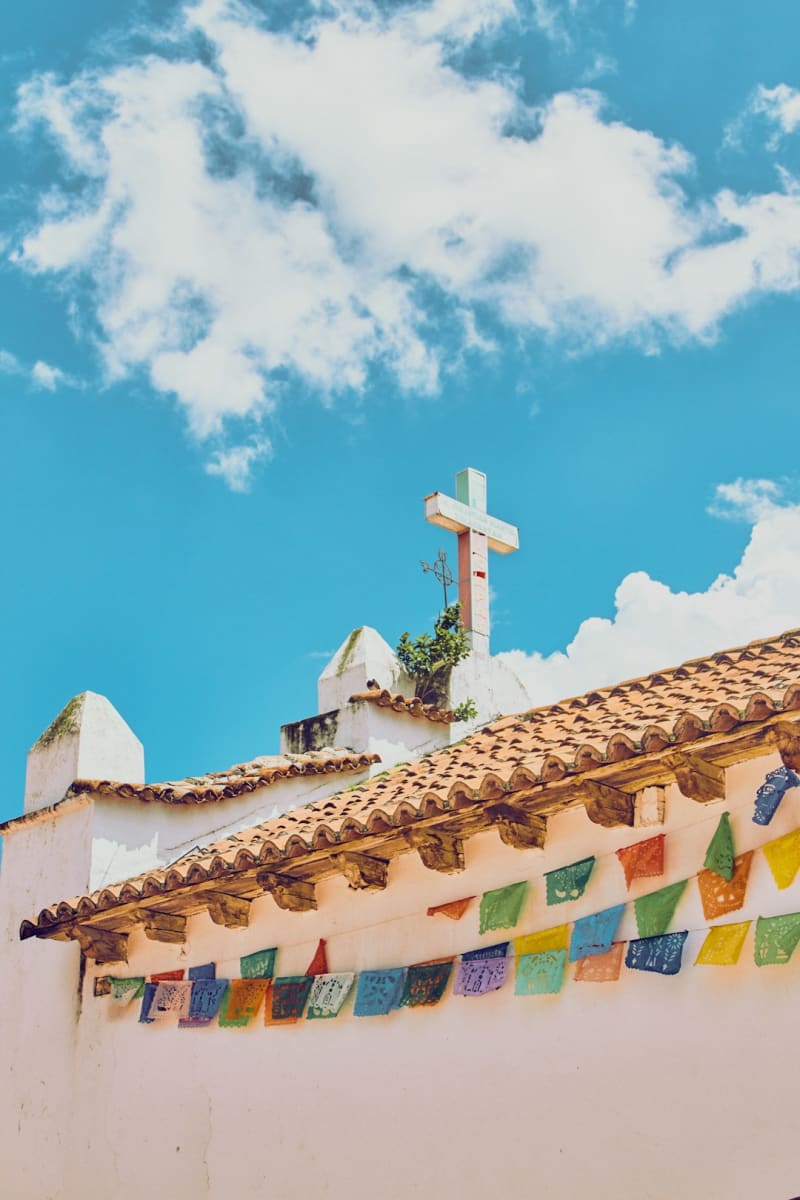 mexico
 San Juan Chamula
A Tzotzil Maya municipality ten kilometers from San Cristóbal de las Casas that governs itself entirely under its own civic and religious laws. Its church of San Juan Bautista — carpeted in pine needles, lit by hundreds of candles at floor level, filled with the sound of shamanic prayer and Coca-Cola offerings — is unlike any other religious space I have entered in this country.
Explore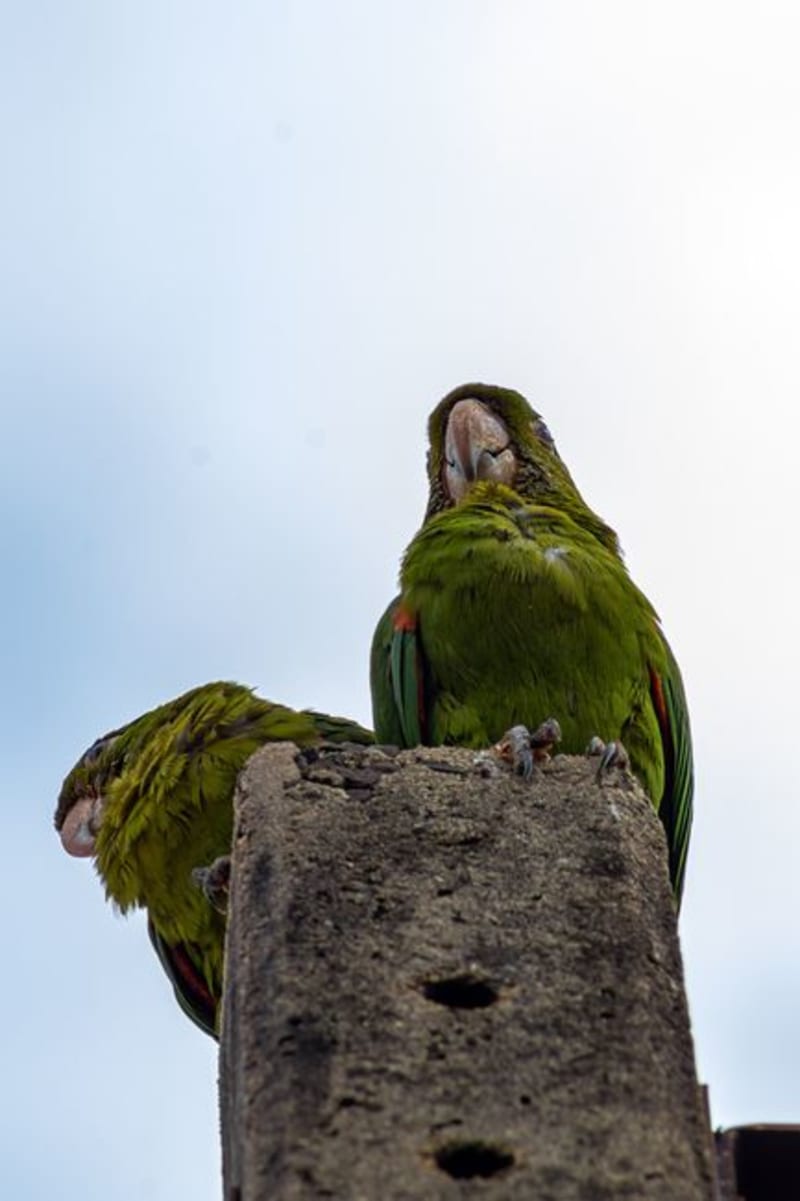 mexico
 Sima de las Cotorras
A 160-meter sinkhole punched into the Chiapas jungle that doubles as one of Mexico's largest parakeet roosts — every morning at dawn, thousands of green birds spiral out of the dark in a formation the brain takes a full minute to accept as real.
Explore mexico
 Simojovel
A remote highland town in northern Chiapas built atop one of the world's richest amber deposits, where artisans shape 25-million-year-old resin into jewelry in back-street workshops and sell direct, no tour operator required. The drive up from the Grijalva valley is reason enough to come.
Explore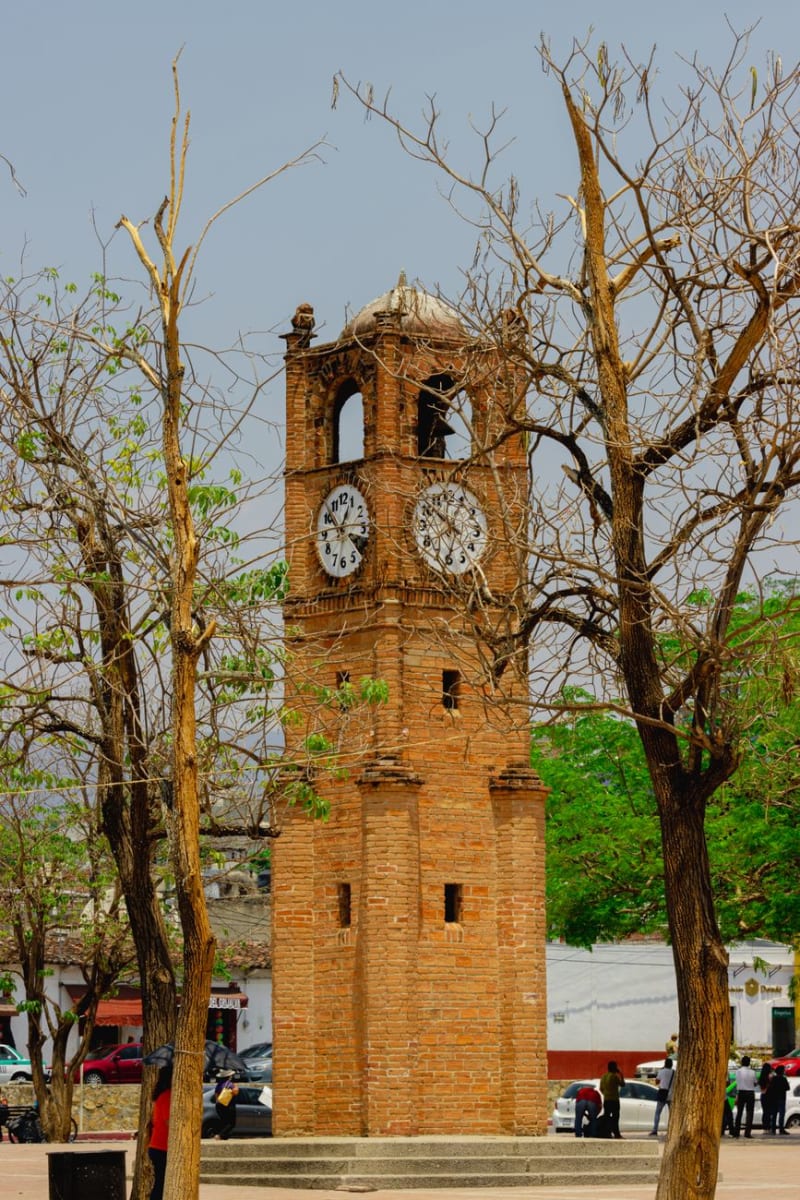 mexico
 Tapachula
Tapachula is Mexico's southernmost major city, in the Soconusco coastal plain that borders Guatemala, and it feels different from the rest of Chiapas in the specific way that border zones feel different: more porous, more layered, like two countries overlapping without quite combining. The market sells Guatemalan textiles alongside dried chiles from the Sierra Madre foothills, and the coffee growing in those foothills belongs to one of the best-known cacao and coffee regions in the pre-Columbian world. I ate pepita con tasajo and drank a cup of café de olla from beans grown twenty kilometers away and felt, correctly, that I was somewhere with its own internal logic.
Explore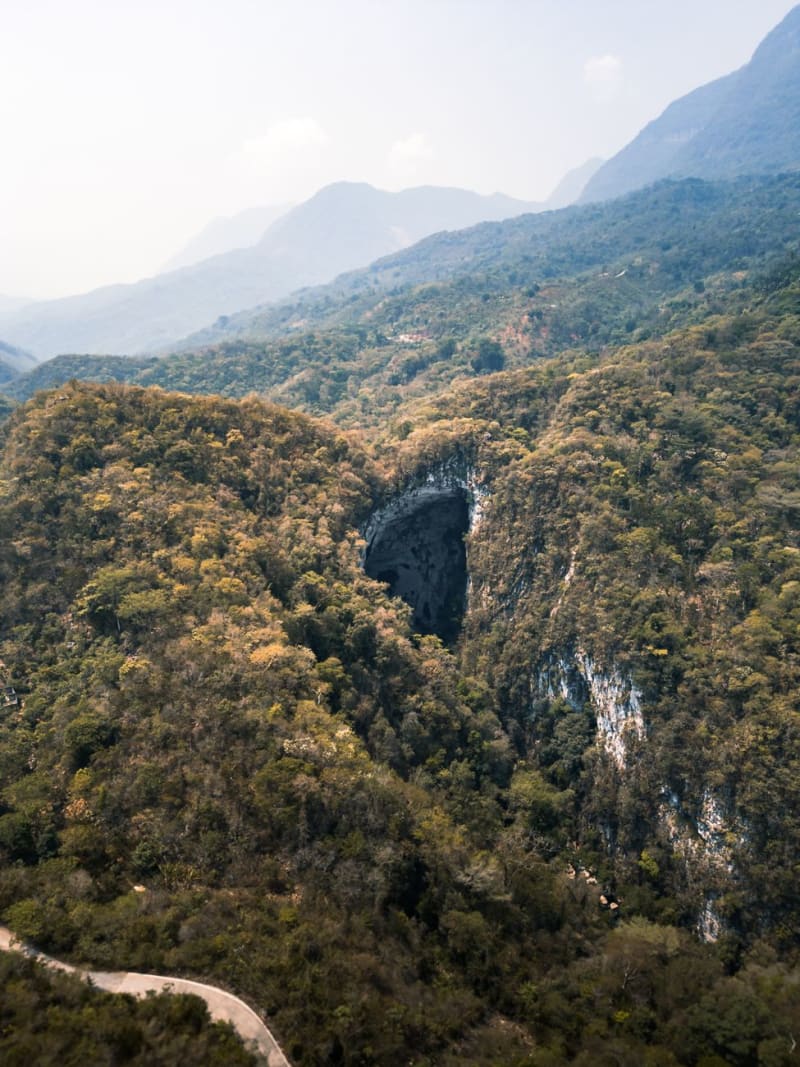 mexico
 Tenam Puente
Tenam Puente is a Maya archaeological site perched on a forested hilltop above the Comitán valley, with a ball court, royal palace platforms, and pyramid mounds you can still climb freely. Almost no one comes here, which means you get the kind of unhurried, unmediated contact with a pre-Columbian city that has become nearly impossible elsewhere in Mexico.
Explore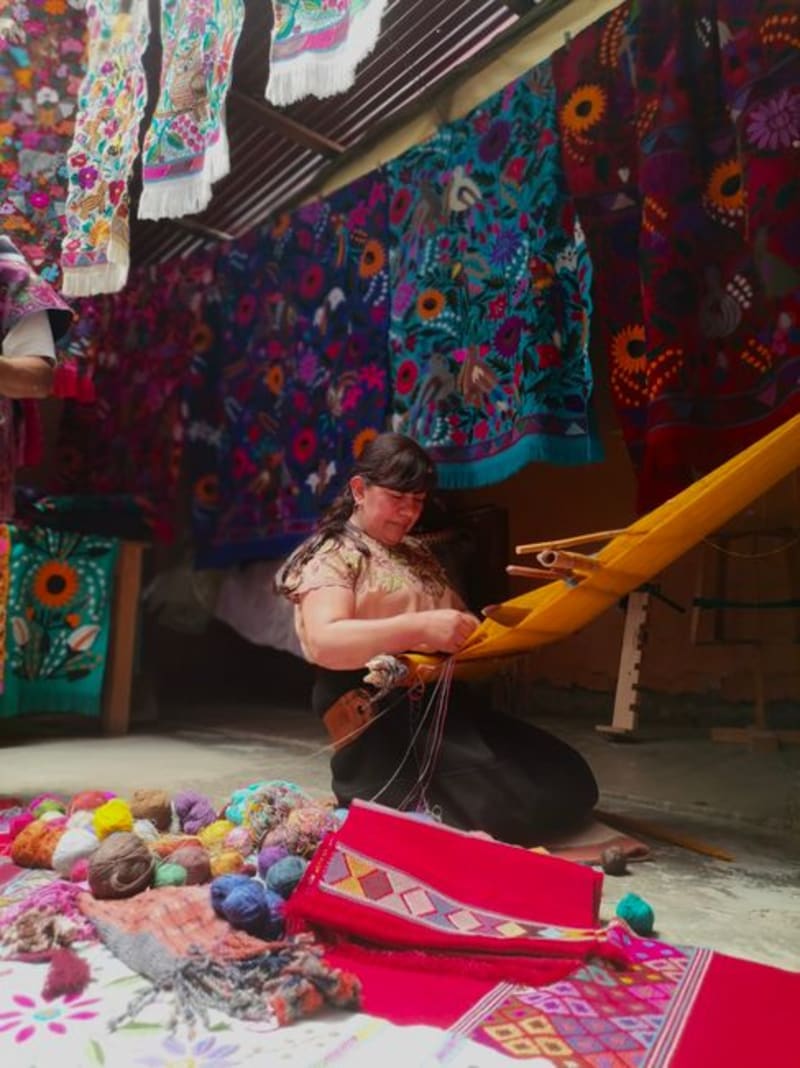 mexico
 Tonalá
Tonalá is where Chiapas keeps its hammock industry and its quietest stretch of Pacific coastline — an unhurried commercial city that most travelers pass through without stopping, and where the seafood at Puerto Arista rivals anything I have eaten on this coast.
Explore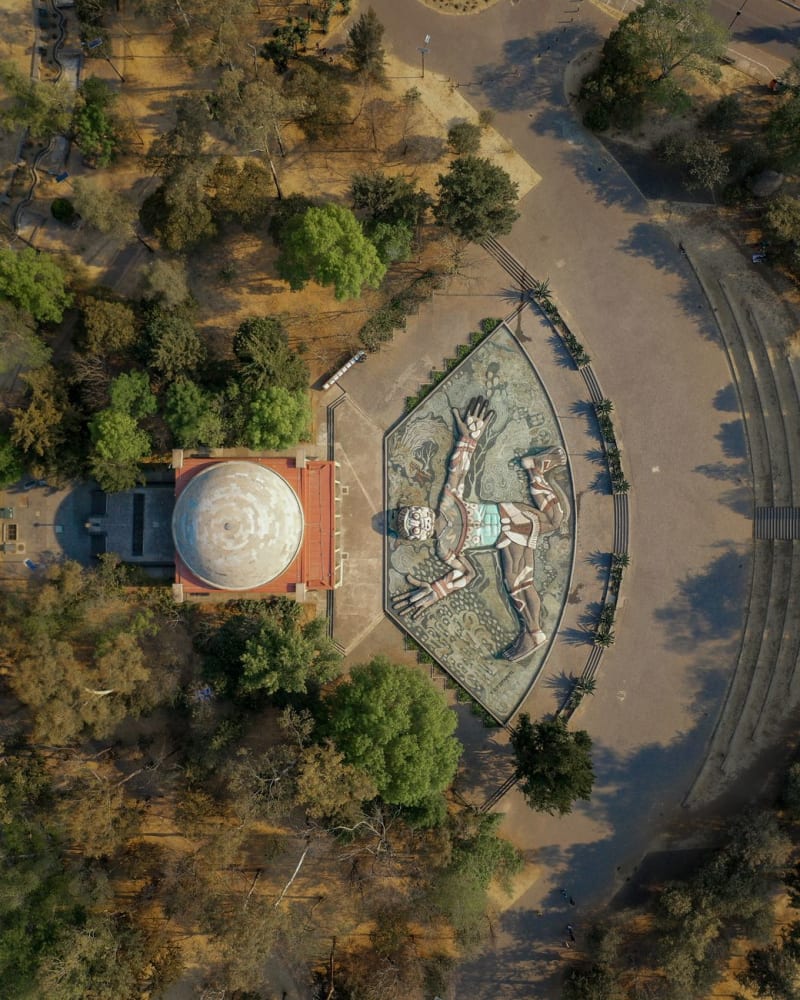 mexico
 Tonina
A Maya acropolis of seven terraced platforms rising above the Ocosingo valley, Toniná was one of the most militarily aggressive powers of the Classic period — and its architecture still radiates that intent. Fewer visitors make it here than to Palenque, which means you can stand at the summit and actually feel what the scale is asking of you. The site museum holds some of the finest Maya stucco in Mexico.
Explore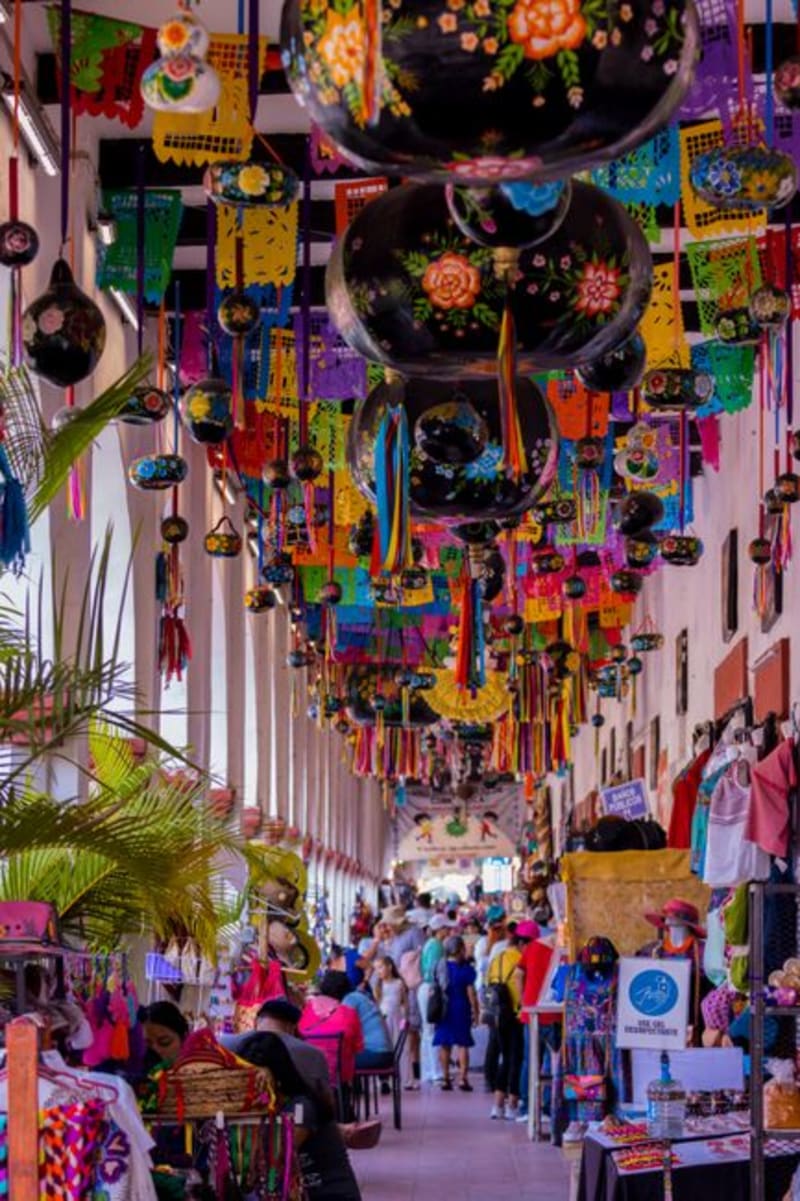 mexico
 Tuxtla Gutiérrez
The capital of Chiapas gets skipped in favor of San Cristóbal and Palenque, which is understandable but slightly unfair. Tuxtla has ZOOMAT, one of Mexico's finest regional wildlife parks, a marimba tradition that fills the Parque Central on weekend evenings, and a functional, unselfconscious Mexican city life the colonial towns simply cannot offer.
Explore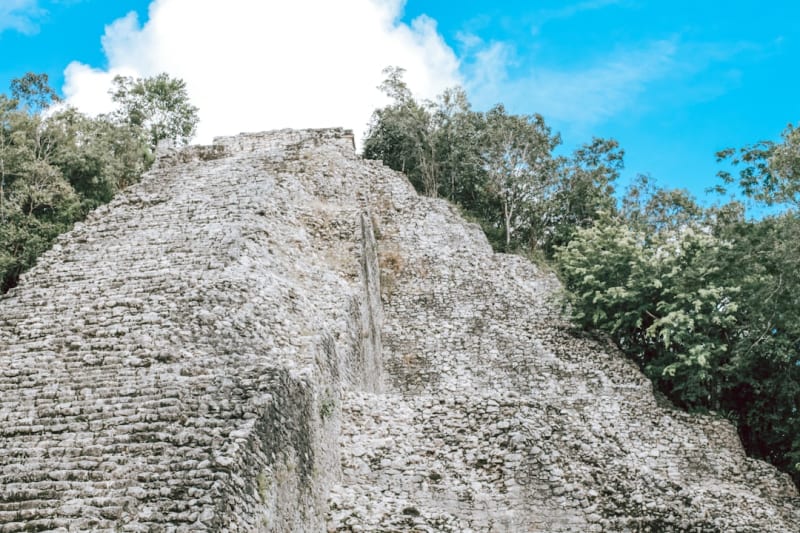 mexico
 Yaxchilán
A Maya city on the Usumacinta river accessible only by boat through the Lacandon jungle, where howler monkeys occupy the temples, the carved stone lintels are the finest narrative sculpture in the Maya world, and the river forms the border with Guatemala.
Explore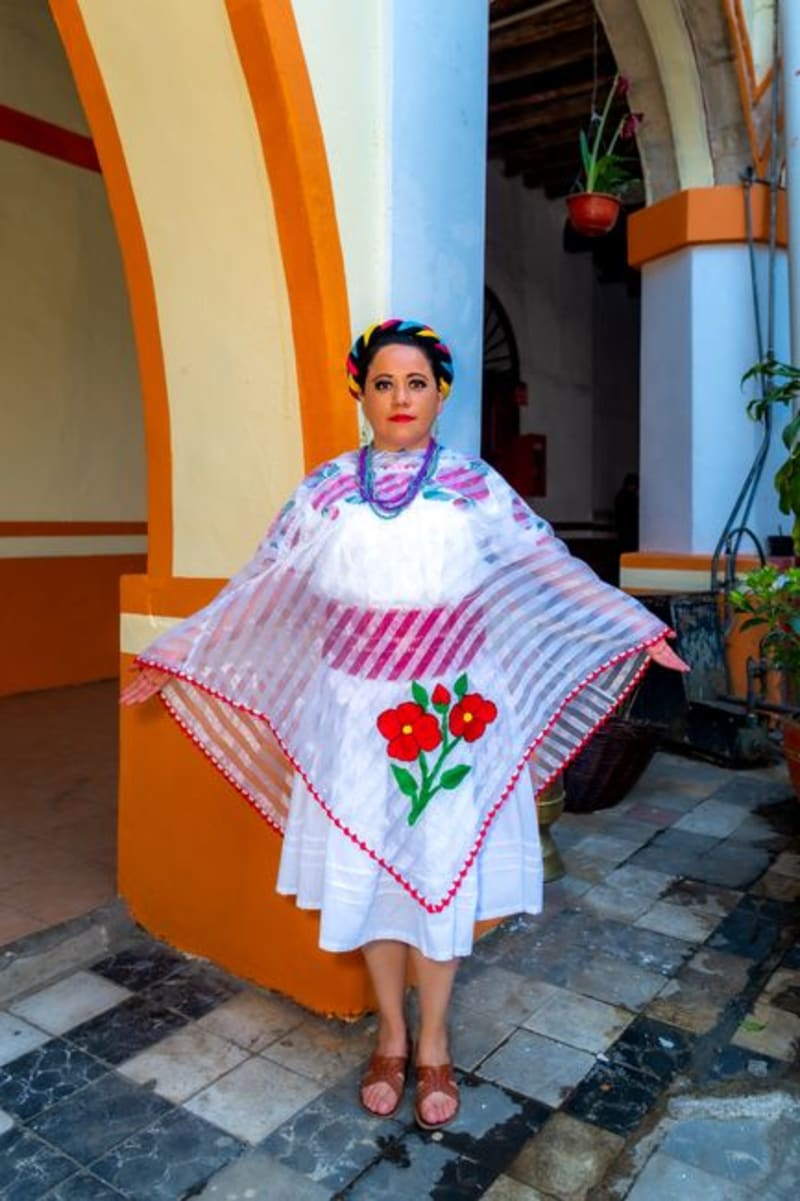 mexico
 Zinacantan
A Tzotzil Maya village above San Cristóbal where carnation fields cover the hillsides and men still move through their days in rose-embroidered black tunics. Family kitchens open to visitors for posh and weaving demonstrations that feel like actual hospitality rather than theater.
Explore