Rayón
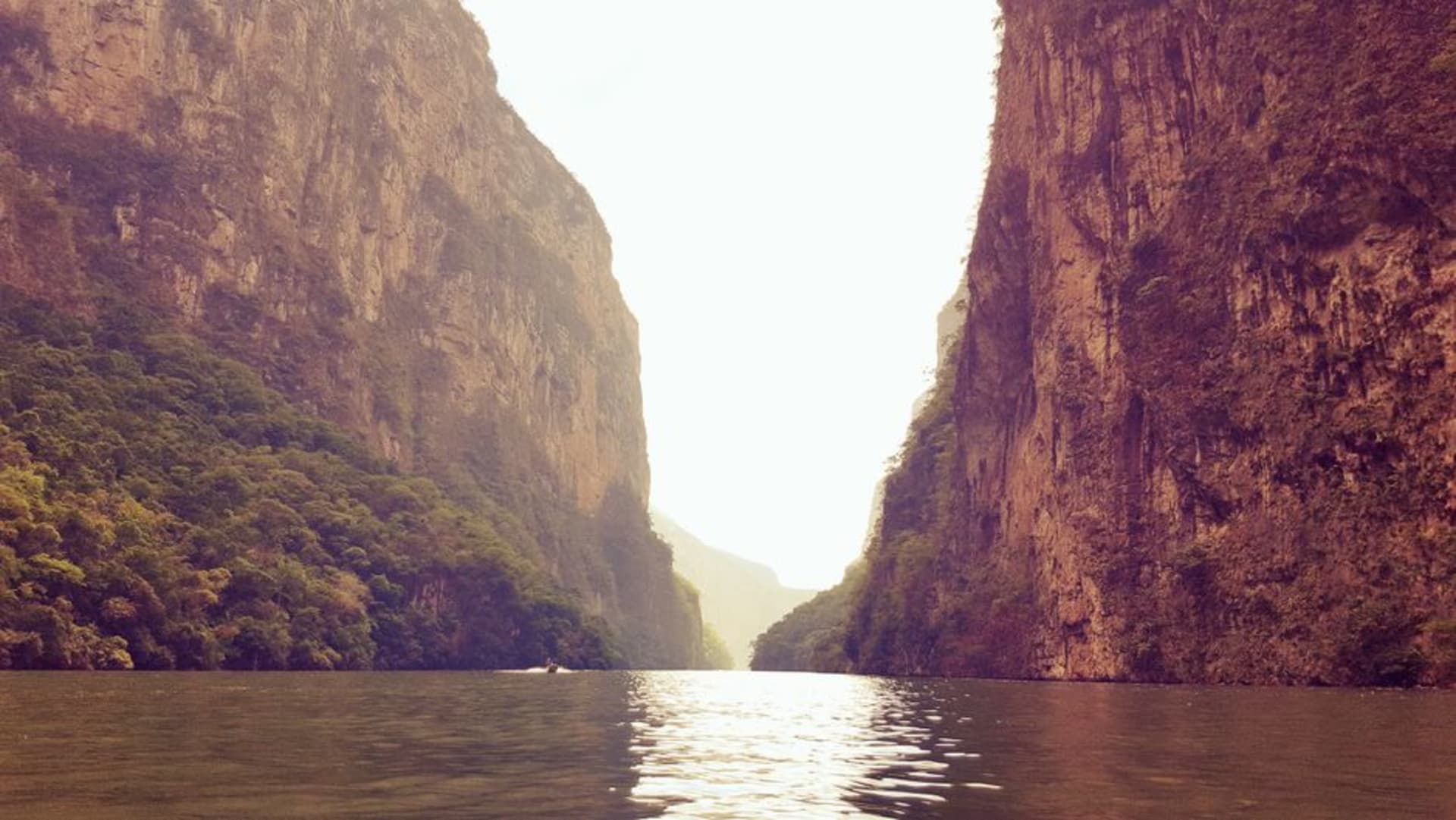
"Looking down into the Río La Venta canyon from the rim, I could not see the water — only walls of rock disappearing into green shadow, which felt like enough."
I came to Rayón on a second-class bus from Tuxtla Gutiérrez that took two and a half hours to cover a hundred kilometers — the road through the northern highlands insists on being taken slowly. The driver stopped twice for no visible reason. When I finally stepped off near the municipal market on a Tuesday morning and walked toward the canyon rim just east of town, I understood the pace. The landscape here doesn’t reward hurrying. The gorge opened below me without warning, a vertical drop into forest and shadow, and I stood at the edge longer than I planned.
The Canyon of the Río La Venta
The Río La Venta canyon is one of the deepest gorges in southern Mexico, and Rayón sits at a point where the rim is close enough to reach on foot in under an hour from the center. The river carved through karst limestone over millions of years, and the result is walls that drop 400 meters in places — streaked white and ochre, hung with bromeliads and ferns that somehow find purchase in the rock. Guided kayak descents are possible with outfitters based in Tuxtla, a serious multi-day undertaking through technical water and near-complete wilderness. I was not there for that. I walked the rim trail south of town in the morning when the light comes in at an angle and the canyon fills with a kind of interior mist. The forest on the opposite wall belongs to a protected reserve and holds cloud forest species — quetzals have been documented here, though I didn’t see one. What I saw was enough: a pair of swifts dropping into the void like stones thrown sideways.
Zoque Country
Rayón is Zoque territory, and the town wears that identity without performing it for visitors. There is a Sunday tianguis where families from the surrounding rancherías come down from the hills with produce and animals — chayotes, dried chiles, live turkeys in plastic feed sacks. I bought a wedge of queso regional from a woman who charged me the same price she charged everyone else, which felt like a minor achievement. The Zoque agricultural calendar runs on a logic I only partially grasped from asking questions — planting and harvest tied to festivals that don’t map neatly onto the Mexican national calendar. In March, a ceremony I witnessed by accident involved the whole town and a sound system blasting norteño music at 6 a.m. Nobody explained it to me and I didn’t push. Some things you observe from a respectful distance.
Where to Sleep and Eat
The town has one hospedaje near the parque central — clean rooms, cold water, a fan that works. For food, the comedor on the north side of the market serves caldo de res in the mornings and enfrijoladas with Chiapas-style black bean sauce at midday. The tortillas come from a woman two doors down who has been making them since before anyone currently in the market was born.
Getting There
From Tuxtla Gutiérrez, take a second-class bus from the northern terminal toward Pichucalco or Rayón direct — departures begin around 6 a.m. and the trip runs two to two and a half hours depending on stops. From San Cristóbal de las Casas, budget a half-day with a connection in Tuxtla. There is no direct colectivo from San Cristóbal.