Las Nubes
"The Jatate River at Las Nubes does something with light and color that photographs cannot fully capture, which is a perfectly good reason to go."
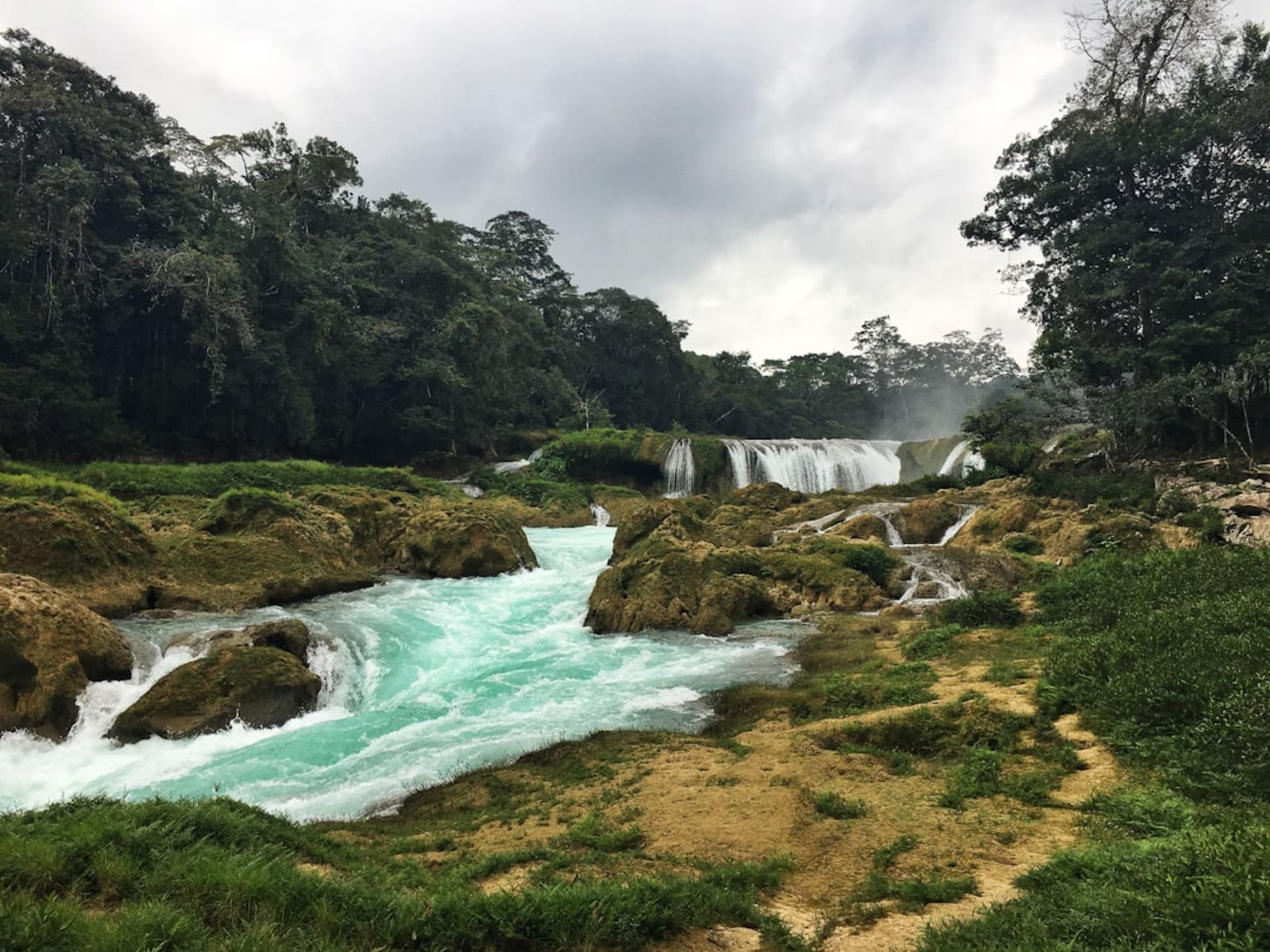
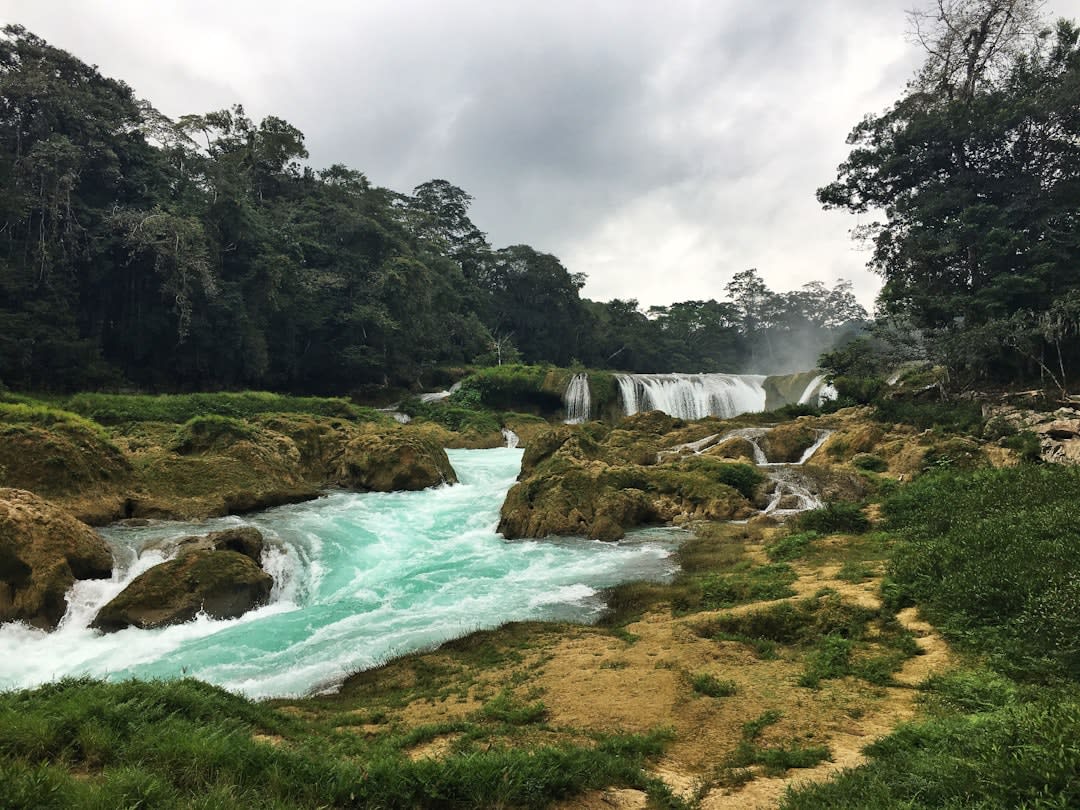
The road from Ocosingo to Las Nubes is roughly two hours of red dirt track through the Lacandon jungle, and by the time I arrived I was coated in the particular fine dust that settles into every crease of clothing and makes you question your decisions. Then I walked through the entrance and saw the Jatate River. The color stopped me — not the green of algae or river sediment, but something closer to sea glass held up to morning light, a shade that looks edited even when you’re standing in it. I stopped questioning my decisions immediately.
What the Jatate Does
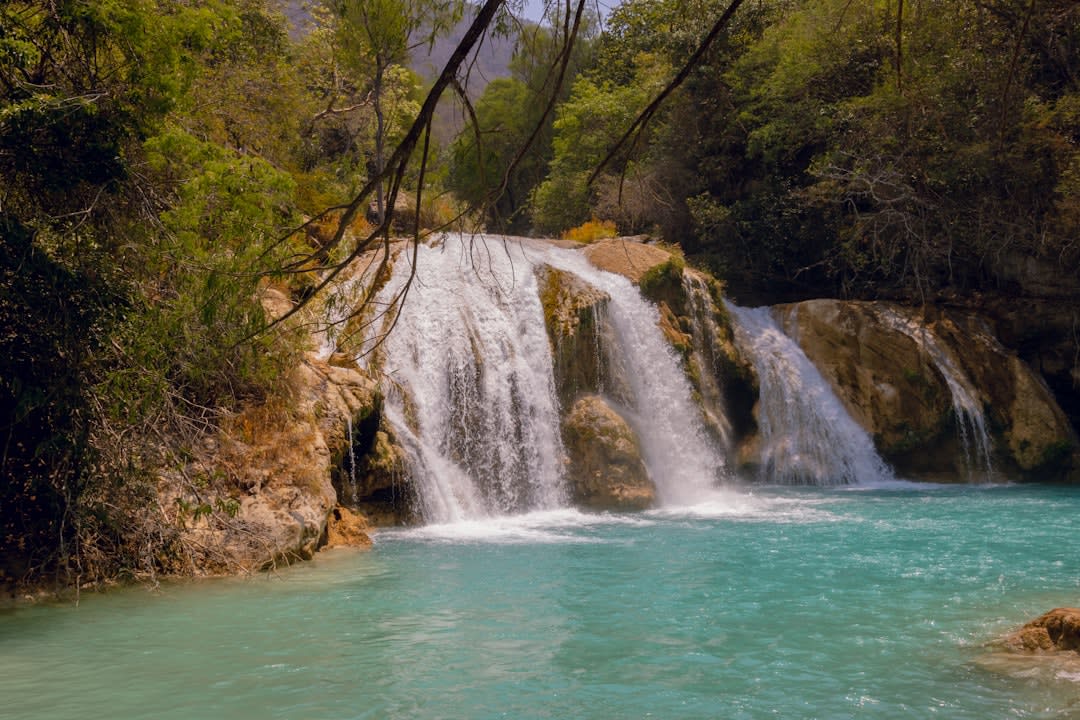
Las Nubes translates to “the clouds,” which refers to the spray that rises from the main cascades when the river is running high. What actually earns the trip is the geology. The Jatate River here encounters a series of limestone shelves and narrow rock corridors that force the current into channels, pools, and small falls spread over roughly a kilometer of riverbank. The water is extraordinarily clear — clear in the way that makes you recalibrate what that word means for a jungle river — and the blue-green tint comes from the mineral content of the limestone it runs over. You can swim in most of the pools during the dry season, roughly November through April. The current in the main corridor is genuinely strong, and the local guides — community members from Ejido Nuevo San Gregorio — know exactly which pools are safe and which merely look inviting. Listen to them. The deepest pools reach three or four meters, and the light shifts the color again down there, going almost emerald.
The People Who Protect It
The ejido system in Mexico is historically complicated, and I won’t pretend to summarize it here. What I can say is that Ejido Nuevo San Gregorio has managed this stretch of the Jatate in a way that has kept it in genuinely good condition — trails are maintained, there is no extractive activity on the riverbanks, and the guides take the work seriously. The entrance fee when I visited was around 100 pesos per person, with an additional charge for the guide, which is obligatory and which I appreciated once I was navigating wet rocks above a strong current. The community runs a small palapa restaurant at the entrance serving arroz con pollo and frijoles de olla, honest and restorative food after a morning in the water. They also have basic bungalows for those who want to stay overnight — which, if road logistics allow it, I would recommend without hesitation.
Before You Go
Bring water shoes. This is not optional — the rocks in and around the river are slick with algae and the current creates unpredictable footing. I watched two people slip badly in the first hour; I was wearing old running shoes and still moved carefully. Go early if you can: the light on the water before ten in the morning is the best of the day, and by noon tour groups from Palenque sometimes arrive in volume. Dry-season visits mean calmer water and better swimming; the rainy season makes the falls more dramatic but closes certain pools. If you have flexibility, consider staying the night in the ejido bungalows — the jungle after the day visitors have left is quieter and noticeably stranger, in the best sense.
Getting There
Ocosingo is the nearest town with accommodation and services, about 65 kilometers away. From Ocosingo, take the road toward Abasolo and follow signs for Nuevo San Gregorio — the route is unpaved for a significant stretch and benefits from a vehicle with reasonable ground clearance. There are no regular colectivos to Las Nubes; most visitors hire a taxi from Ocosingo or arrive by rental car from San Cristóbal de las Casas, roughly three hours away.