Bonampak
"Before Bonampak, scholars thought the Maya were peaceful astronomers. The murals show prisoners being tortured. Lords standing over them. Blood everywhere. The revision of Maya studies took twenty years."
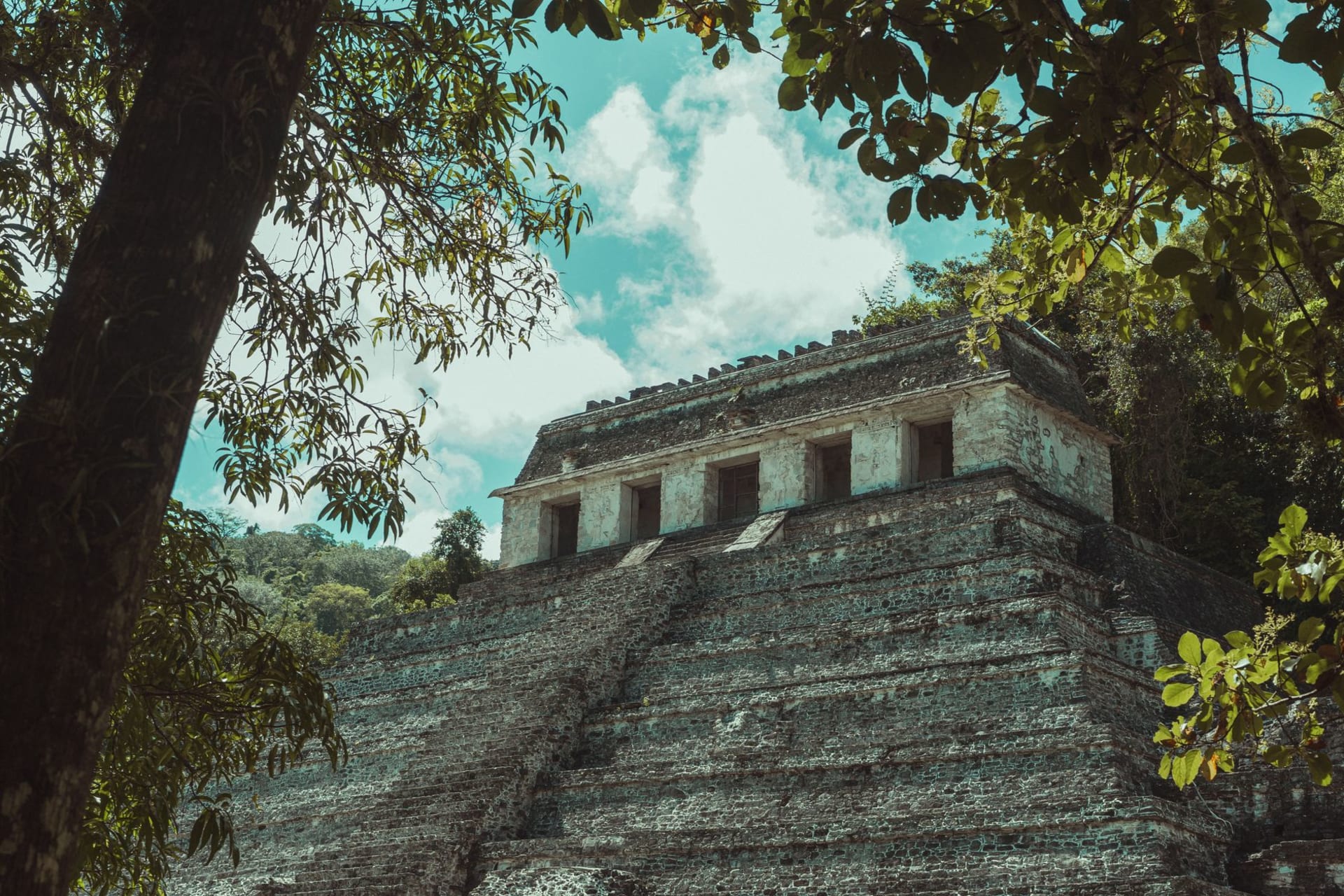
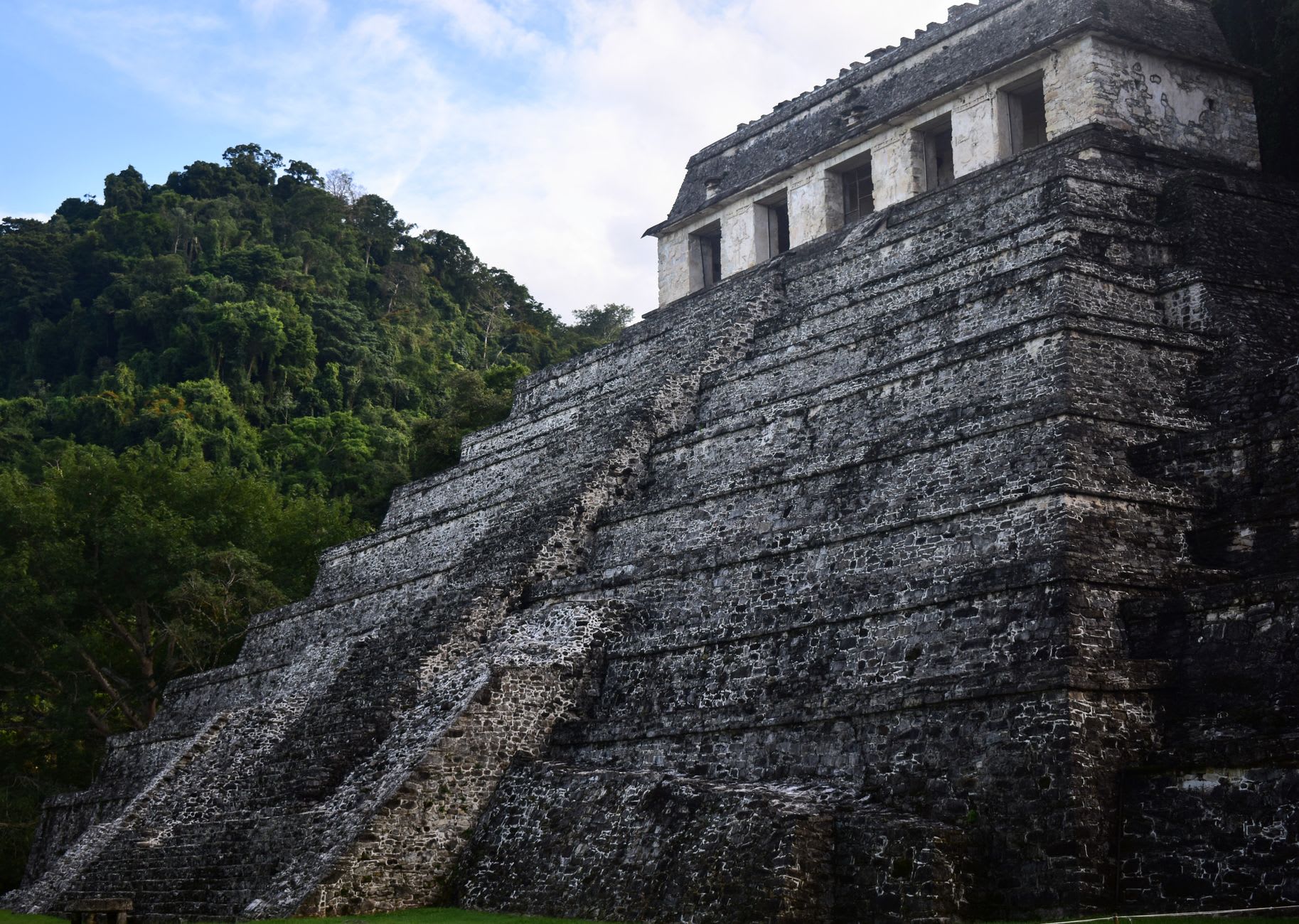
Bonampak is a small Classic Maya site in the Lacandon jungle of eastern Chiapas, 30 kilometers south of the Usumacinta river and accessible by the same road that leads to the Frontera Corozal embarkation point for Yaxchilán. The site covers a modest area and has modest architecture by Maya standards — a main plaza, a few platforms, a small pyramid. The reason Bonampak matters in the history of art and archaeology is three painted rooms in Structure 1, discovered in 1946 by the Lacandon Maya guide Chankin Kayum and the documentary photographer Giles Healey.
The murals of Bonampak are the most complete and best-preserved narrative paintings in pre-Columbian America. They cover the interior walls and vault ceilings of three rooms in a continuous narrative sequence depicting the events surrounding the 792 CE presentation of the heir to the Bonampak throne: a military campaign to capture prisoners, the battle itself, the torture and sacrifice of the prisoners at the foot of the palace steps, and the celebration that followed. The figures are full-color, lifelike in proportion and expression, painted on lime plaster in mineral pigments that have survived in the jungle humidity for 1,200 years.
Before these murals, the dominant scholarly view held that the Maya were a peaceful civilization of priest-astronomers who conducted elaborate calendrical rituals. The Bonampak murals — showing warriors in battle, prisoners with fingernails torn out, lords cutting their tongues in ritual bloodletting while captives bleed and die on the pyramid steps — forced a fundamental revision of that interpretation. The revision took two decades of scholarly argument and resistance before the warfare and sacrifice evidence from the sites became the accepted baseline understanding of Classic Maya political life.
The Murals
Room 1 (The Presentation): the Bonampak lord Chaan Muan II presents his young heir to the assembled court and nobility, surrounded by musicians and elaborately dressed courtiers. The room records the political occasion that required the campaign depicted in Room 2 — a new heir required captives for the sacrificial ceremony that would legitimate his succession.
Room 2 (The Battle and Judgment): the most dramatic room. The upper register shows the battle itself — warriors in elaborate headdresses and jaguar-skin costumes fighting, prisoners being captured. The lower register shows the aftermath: prisoners arranged on the pyramid steps, their fingers bloody from torn nails, one dying, the lord Chaan Muan II standing above them in his battle costume, his wife bloodletting from her tongue, the hierarchy of victory displayed in descending order of costume elaboration.
Room 3 (The Celebration): the victory ceremony, with costumed dancers performing a reenactment of the battle, the musicians playing, the court celebrating the successful campaign and the confirmation of the heir.
The Lacandon Context
The Lacandon Maya — the Hach Winik (true people), who maintained continuous occupation of the Lacandon jungle through the colonial period and into the 20th century, preserving elements of Classic Maya religious practice that other Maya communities had lost — live in communities near Bonampak. The community of Lacanjá Chansayab is 3 kilometers from the site, and the Lacandon families operate the guesthouses and guide services for the small number of visitors who come this far into the jungle.
The relationship between the Lacandon and the archaeologists who came to study Bonampak was complex — the murals were “discovered” by outsiders following a Lacandon guide who knew the painted rooms existed and had been visiting them for his own ceremonial purposes. The Lacandon communities around Bonampak now have legal co-management rights over the site.
The Lacandon rainforest that surrounds Bonampak is among the largest remaining lowland tropical forests in Mexico — 330,000 hectares of the Selva Lacandona survive, reduced from the original 1.4 million by 20th-century colonization and cattle ranching. The forest visible from the Bonampak plaza is the same forest depicted (stylized) in the murals — the same trees, the same macaws, the same jaguar paw prints in the mud around the water sources.
Getting there: From Palenque, take the road toward Frontera Corozal (3h) and branch south at the Crucero Corozal toward San Javier and Lacanjá Chansayab (additional 45min on dirt road). The road is passable in dry season by sedan; in rain season a 4WD is required. Tours from Palenque combine Bonampak and Yaxchilán in a two-day itinerary.
When to go: November through May for the driest roads and most comfortable jungle conditions. The murals are protected from direct light and humidity; the viewing conditions are consistent year-round. The site receives 50-80 visitors per day on average — exceptionally quiet by the standards of Mexican archaeological tourism.