Ocosingo
"The bus was forty minutes late, which I was told was attributable to the goats. I did not argue with this."
The second-class bus from San Cristóbal to Ocosingo takes roughly two hours on a good day, longer on a market day, when the stops accumulate passengers carrying more than the overhead racks were designed for. I sat next to a man with a crate of live chickens at his feet and a woman who was knitting something elaborate and appeared entirely unbothered by the road, which climbs and descends through pine-forested highlands before dropping into the warmer, greener valley where Ocosingo sits. The bus was full in a way that I associate with genuine working transportation rather than tourist routes, which is how I prefer buses, in principle, though in practice the chickens were a complication.
I arrived on a Thursday, which is the main market day, which I had planned for and which still exceeded my expectations in scale.
The Market
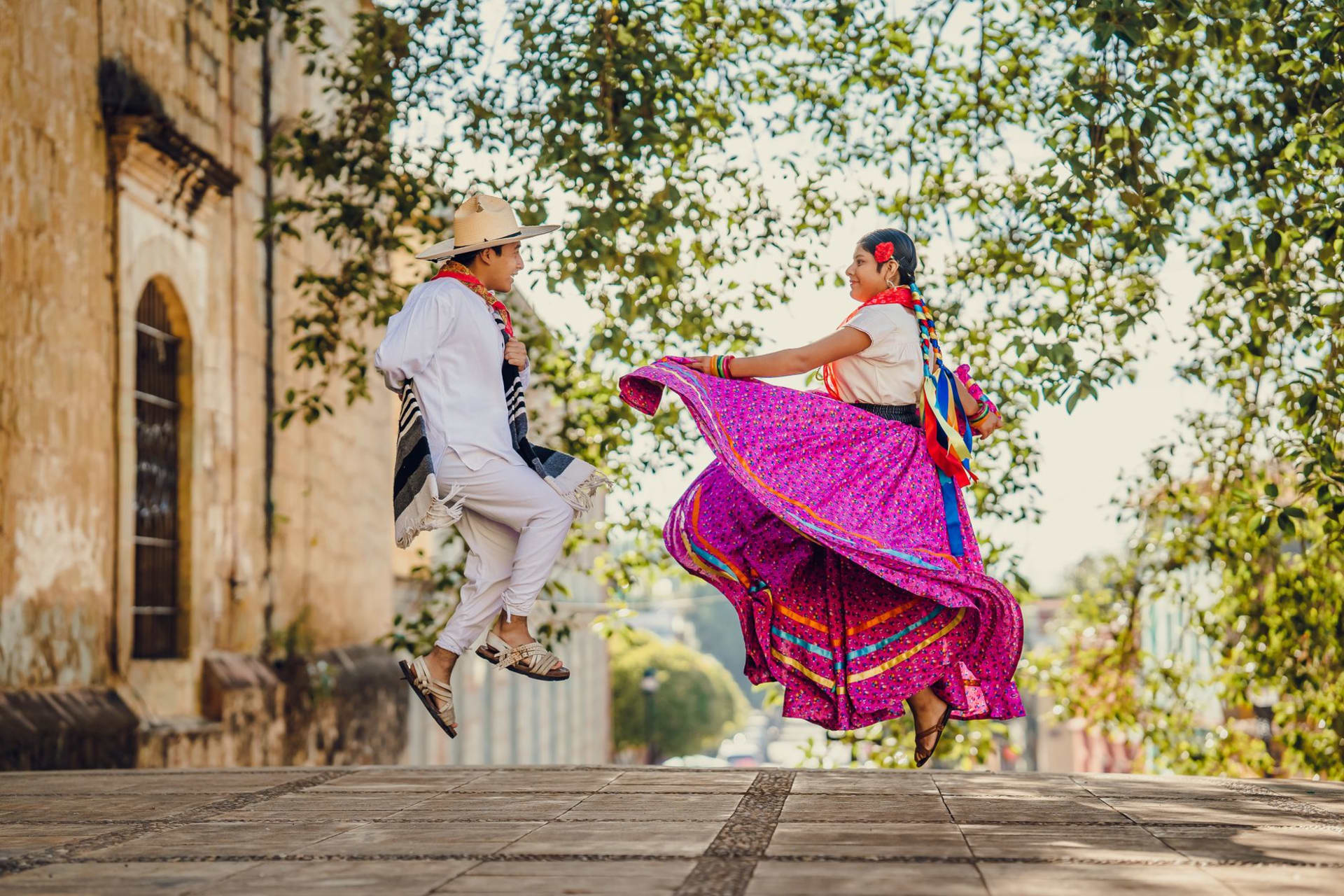
Ocosingo’s Thursday market is not organized primarily for visitors. It is organized for the Tzeltal and other Maya communities that come down from the surrounding highland villages to sell produce, buy goods, and conduct business in the valley. The market spreads across the central plaza and the surrounding streets, and by mid-morning it is dense enough that moving through it requires patience.
I found dried chiles I didn’t recognize, stacked in varieties I couldn’t name without asking. I found herbs tied in bunches whose identification I could make only approximate guesses at. I found squash in sizes and colors that I have never seen in any market in France, and I grew up going to a market in the south of France where the produce is extremely serious. The women running the stalls were mostly in traditional Tzeltal dress — embroidered blouses, wrapped skirts — and conducted business with an efficiency that left no room for dawdling.
What I came for specifically was the queso bola.

The Cheese
Queso bola de Ocosingo is a fresh cow’s milk cheese specific to this valley. The outside is sealed in a thin layer of yellow wax; the inside is soft, slightly salty, with a milky brightness that is nothing like the aged cheeses I grew up eating. You cannot buy it anywhere else in this form — the versions that occasionally appear in Chiapas markets are approximations, and even those don’t travel far. The real thing is sold here, by women who carry it in bags at the bus station and in the market, and it lasts only a few days before the interior starts to turn.
I bought one near the bus station from a woman who had three of them in a cloth bag and seemed prepared to negotiate, though the price was already reasonable enough that I didn’t bother. I cut into it with my pocket knife at a bench in the plaza and ate a piece with a tortilla I’d bought at a nearby stall. The cheese was cold from whatever storage she’d kept it in, and the salt was present but not aggressive, and the texture was somewhere between a fresh mozzarella and a young Brie without being much like either.
I went back and bought two more. She did not seem surprised by this.
The Town Itself, and Onwards
Ocosingo is a functional market town — a cathedral on the central plaza, tiendas selling hardware and phone accessories and bottled water, a few comedores where the lunch menu involves pozol (a corn-and-cacao drink that takes some getting used to) and chicken in pipián sauce. It is not a destination in the way San Cristóbal is a destination. Most people who pass through are on their way to Toniná, the large and genuinely impressive Maya ruins eight kilometers south of town, or continuing east toward Palenque or the Lacandón community of Lacanjá.
I stayed one night at a guesthouse on the main street, ate dinner at a comedor where the señora was visibly amused by my attempts to describe what I was looking for, and ate the second queso bola over the course of the evening with what remained of the tortillas. The third I carried with me to Toniná the next morning, which turned out to be the correct decision.

Getting There
Second-class buses run regularly between San Cristóbal de las Casas and Ocosingo — check with the operators at the bus terminal on the highway in San Cristóbal. The journey takes approximately two hours. Go on a Thursday if you can. Toniná is accessible by taxi or combi from Ocosingo’s central plaza; the journey is fifteen minutes and the ruins justify their own entry. If you’re heading east toward Palenque, the road from Ocosingo descends from the highlands into progressively hotter and more lush terrain, and the change in landscape happens faster than the map suggests.