Zinacantán
"The women here weave flowers that don't exist anywhere in nature, and somehow those are the ones that stay with you."
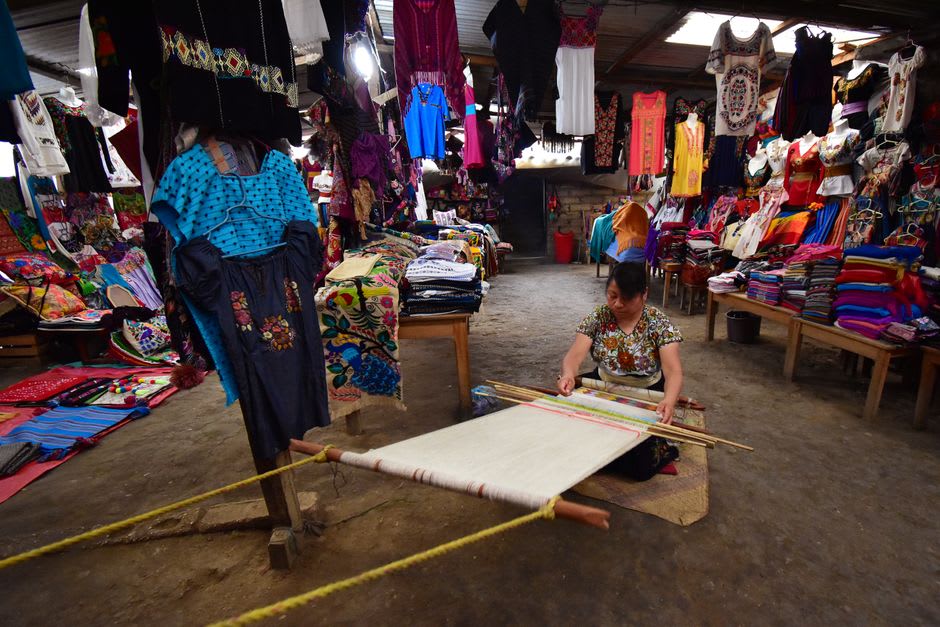
I took a colectivo from outside the Mercado de San Juan in San Cristóbal just after nine, twenty minutes of pine forest and fog before the first courtyard of blouses appeared. Zinacantán doesn’t announce itself with a sign or a plaza — it arrives as color. A woman in a deep magenta huipil passes carrying firewood. Another sits at a backstrap loom in an open doorway, a length of fabric across her waist, her fingers moving in a rhythm that looks casual until you watch long enough to understand it is not. I had planned an hour. I stayed through lunch.
The Flowers Are Invented
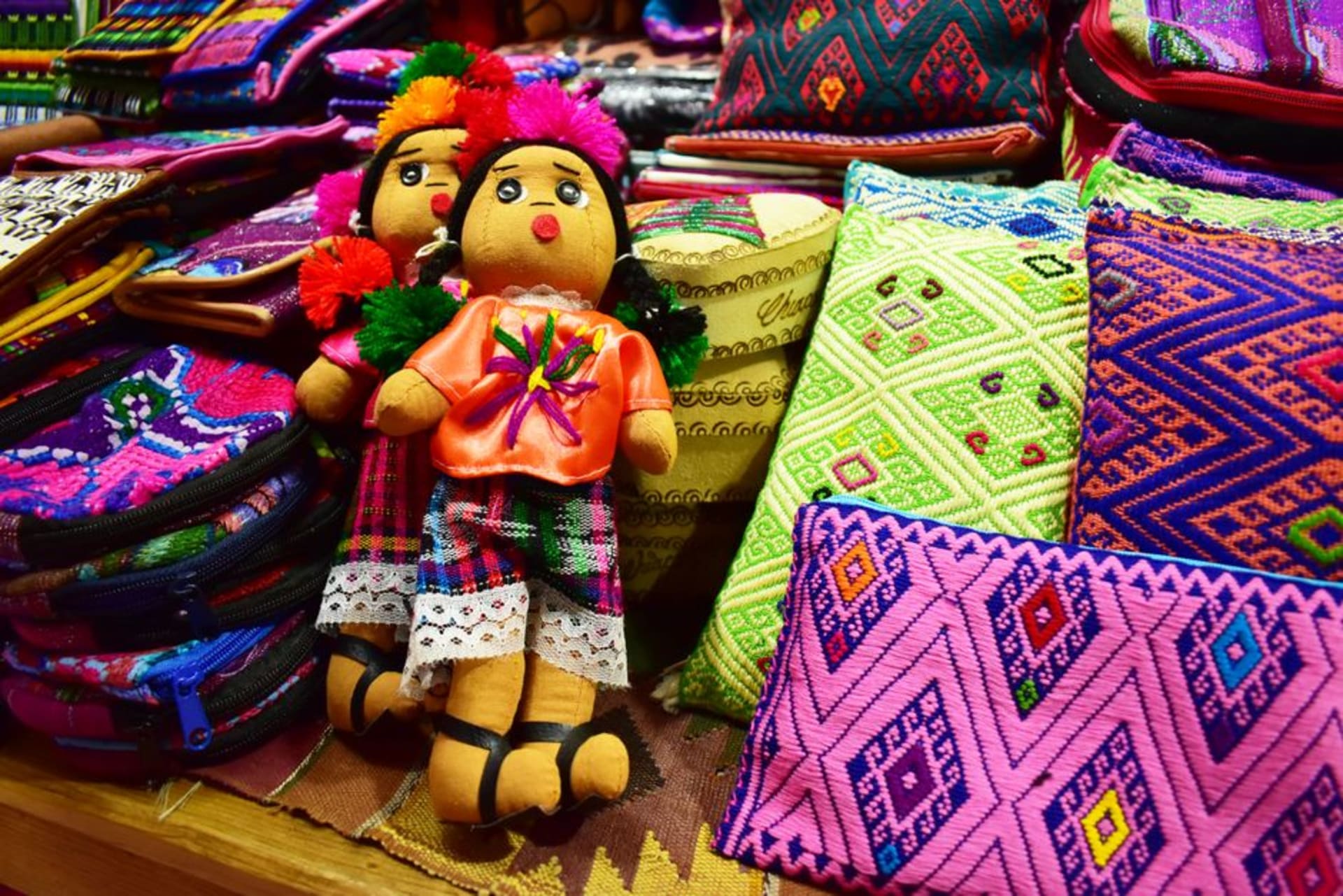
What distinguishes Tzotzil weaving in Zinacantán from other textile traditions in Chiapas is that the flowers are not copied from nature. Weavers here design flowers that exist only in fabric — five-petaled forms in yellow and fuchsia, geometric blooms in turquoise and red — and the community has developed an aesthetic over generations that feels genuinely self-referential rather than decorative. The brocade technique, called brocado, involves supplementary weft threads worked across the base cloth on a backstrap loom, the pattern held entirely in the weaver’s memory rather than a written diagram.
Most workshops in the village are family operations with a front room converted into a small shop. You can watch the whole process: spinning, warping the loom, the actual weaving. The women will demonstrate without ceremony, which is not the same as indifference — there’s a matter-of-factness to it that I find more respectful than the theatrical craft performances staged for tourists elsewhere. Prices are honest. A shawl takes several days to make and is priced accordingly.
Pine Needles and the Cargo System
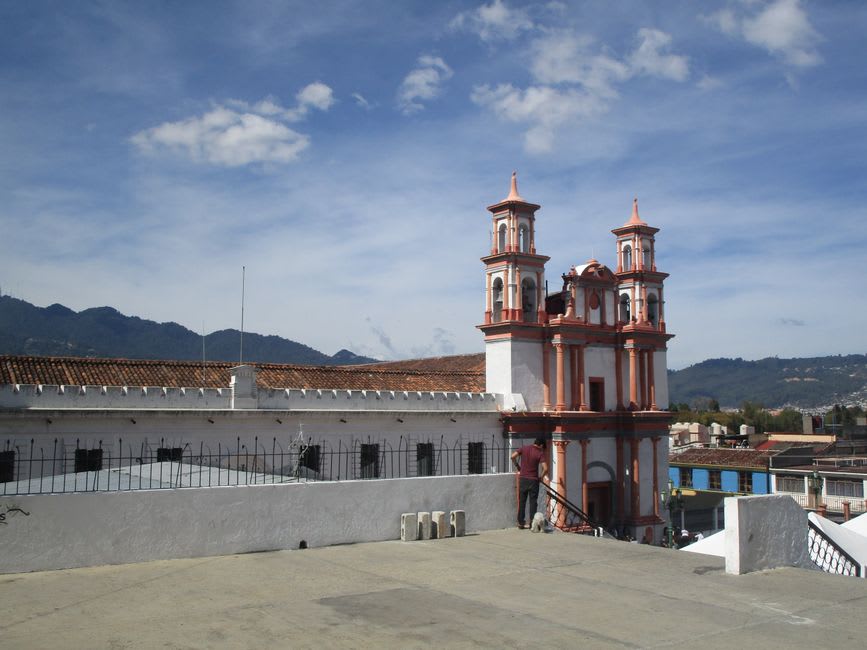
The church of San Lorenzo in the village center is the most unusual interior I have encountered in any Catholic church in Mexico. The floor is carpeted entirely in pine needles — fresh ones, replaced regularly — and the light falls through colored windows onto saints dressed in Tzotzil clothing rather than European vestments. There are no pews. People kneel or stand on the fragrant floor, and copal incense mixes with the pine resin in a way that makes the space feel genuinely alive rather than preserved.
The community operates on a cargo system — a rotating hierarchy of ritual and civic responsibilities where men take on posts as mayordomos, alferezes, and regidores, each involving significant personal expense for feasts, candles, and ceremonies. The system distributes both obligation and prestige across the community over time. It is not a museum piece; it is how Zinacantán actually runs. The alcohol ban is part of the same social architecture — enforced at the community level, not the state’s. Neighboring San Juan Chamula has its own version of this arrangement, equally distinct, and the two are worth treating as separate trips rather than a combined morning.
What to Eat, and How Long to Stay
There are a handful of small comedores around the central area where you can eat caldo de pollo with handmade tortillas and black beans for under fifty pesos. Nothing is labeled; you follow the smell and the plastic chairs. The drink worth trying is pozol, a cold preparation of fermented maize and cacao that takes some adjustment but makes complete sense after twenty minutes in highland sun.
Don’t rush the workshop visits. Ask to see work in progress rather than just finished pieces. The conversation, if you have even a little Spanish, tends to move toward what you’ve seen elsewhere in Mexico, how the weaving here compares to Oaxacan textiles, whether you’ve been to San Juan Chamula. Go without an itinerary and without the tour vans that arrive from San Cristóbal mid-morning — an hour’s head start changes the whole texture of the visit.
Getting There
Zinacantán is twenty to twenty-five minutes from San Cristóbal de las Casas. Colectivos leave from a stand near the Mercado de San Juan on Calle Honduras — look for vans marked Zinacantán — and cost around fifteen pesos each way. They run from early morning until late afternoon. The dry season from November through April gives clearer highland light, but the village operates year-round and the pine-needle floor looks right in any weather. Aim for a weekday morning before ten.