
Amatenango del Valle
"She handed me the clay bird, said fifty pesos, and I've been thinking about that number — and what it means — ever since."
The village announces itself in stages along the Carretera 190 between San Cristóbal and Comitán — a lone woman at a gate with clay figures arranged on the wall beside her, then two more fifty meters on, then a fading mural, then nothing. I slowed because someone had looked up, and that was invitation enough. There are no storefronts in Amatenango del Valle, no tourist infrastructure, no posted hours. You park somewhere approximate, walk toward a gate, and the negotiation begins in Spanish that arrives with Tzeltal underneath it — unhurried, specific, running at its own pace and not yours.
Clay, River Stones, Open Fire
The thing that surprised me — though it shouldn’t have — is how quiet the work is. The women of Amatenango have been building pottery without a wheel for as long as anyone has kept record, and the method is visible if you stand still long enough: clay coiled and pressed by hand, then worked smooth with a small river stone until the surface takes on an almost glassy evenness. Birds are the most common form — small, stylized, carrying a kind of composed dignity that has nothing to do with fine art standards. Jaguars appear. Dogs with alert ears. Water jugs the size of a child’s torso. All of them fired not in electric kilns but in open wood fires in the yard, which gives the clay a particular warmth and a slight roughness on the underside where it sat in the ash. I watched one woman finish the neck of a long-billed bird, set it on a plank in the sun to dry, and move without ceremony to the next piece. She hadn’t acknowledged me for twenty minutes. That felt entirely correct.
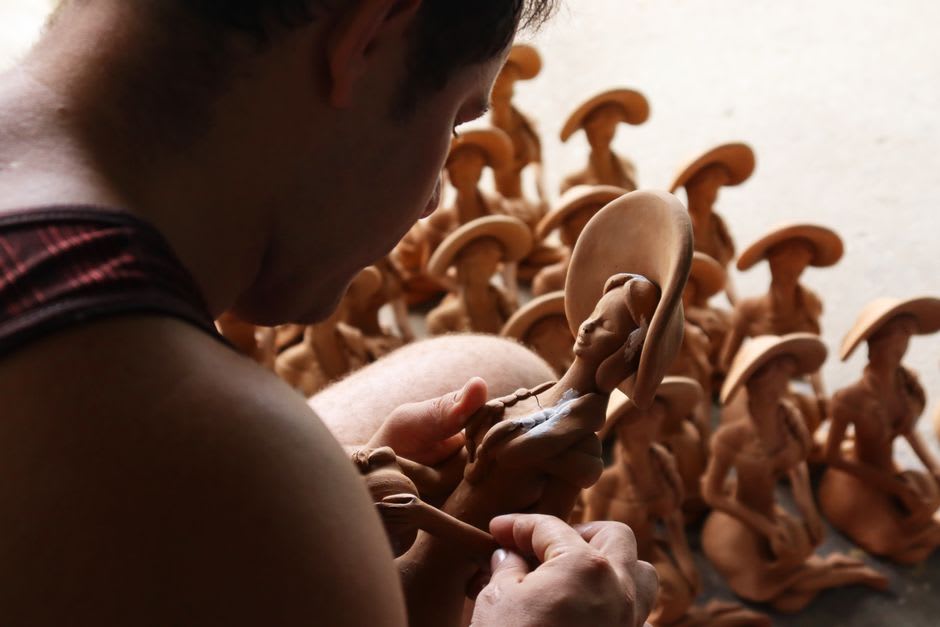
Fifty Pesos
The prices are the part I can’t resolve. The bird I bought — the one currently on my desk in Puerto Escondido — cost fifty pesos. About two dollars and fifty cents at current exchange. The woman told me three days between gathering clay at the river, shaping, drying, and firing. She named the price first and without hesitation, which told me it wasn’t an opening gambit. I paid without negotiating because the alternative — haggling down a Tzeltal artisan on her own doorstep over two dollars — requires an indifference I don’t have access to. But I’m also aware that paying fifty pesos and walking away feeling good about it is its own kind of comfortable fiction. There’s no cooperative pricing structure in the village, no mechanism for building collective value. Just individual women at individual gates, and the math of their labor doesn’t close. I think about that more than the drive back.
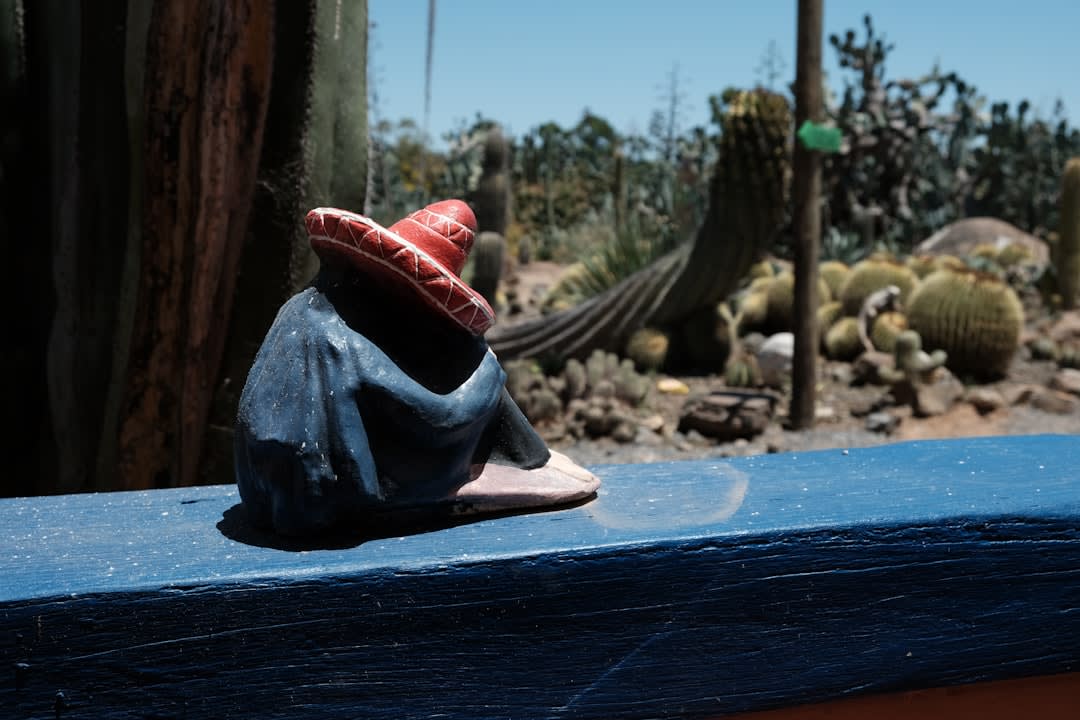
Moving through the Village
Go slowly. Walk rather than drive once you’re inside the village proper, and arrive without an agenda. Bring small bills — hundred-peso notes cause real delay and visible inconvenience. Don’t photograph without asking; a gesture toward the camera and a raised eyebrow is the right way, and most women will agree while some won’t, and both answers are legitimate. The pieces are more fragile than they look. I drove the two hours back to San Cristóbal with my bird wedged between two sweaters on the backseat and still held my breath at every tope. The San Cristóbal markets sell Amatenango pottery at two or three times the village price, which is perhaps not entirely wrong — but there is something irreplaceable about buying from the woman whose yard contains the firing pit.
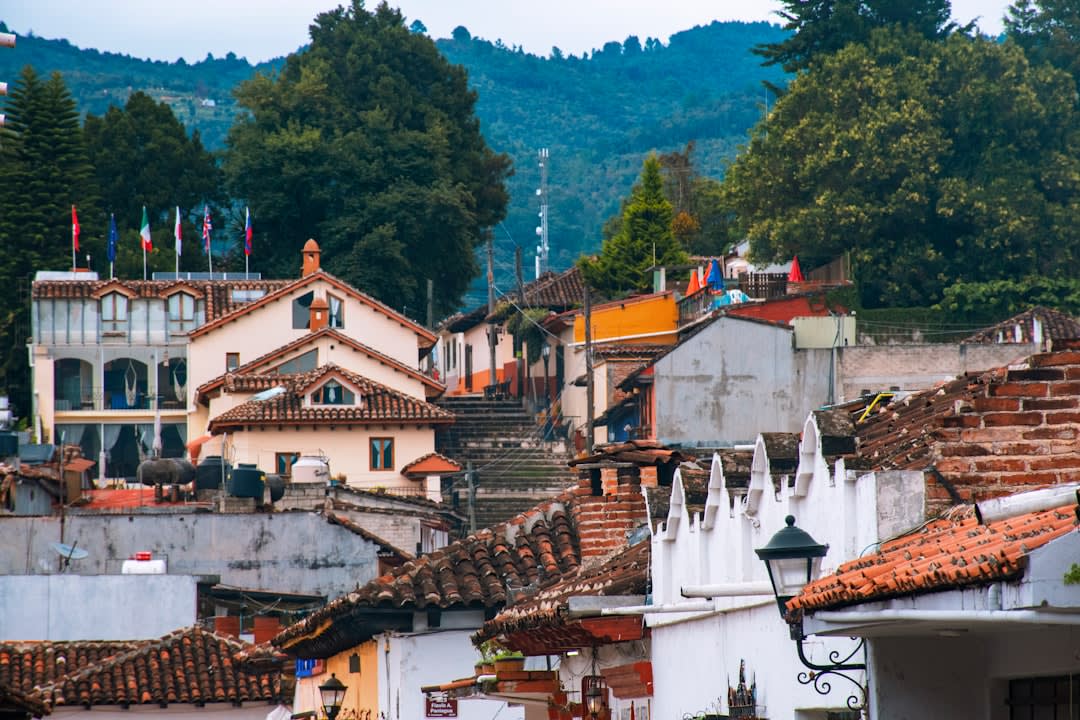
Getting There
Amatenango del Valle sits 37 kilometers southeast of San Cristóbal de las Casas on the Carretera 190 toward Comitán — roughly 40 minutes by car, or about the same by combi from the Mercado Municipal terminal in San Cristóbal with a few stops along the way. The dry season, November through April, makes the outdoor workspaces more active and the unpaved turnoffs easier to navigate. Don’t plan a short visit.