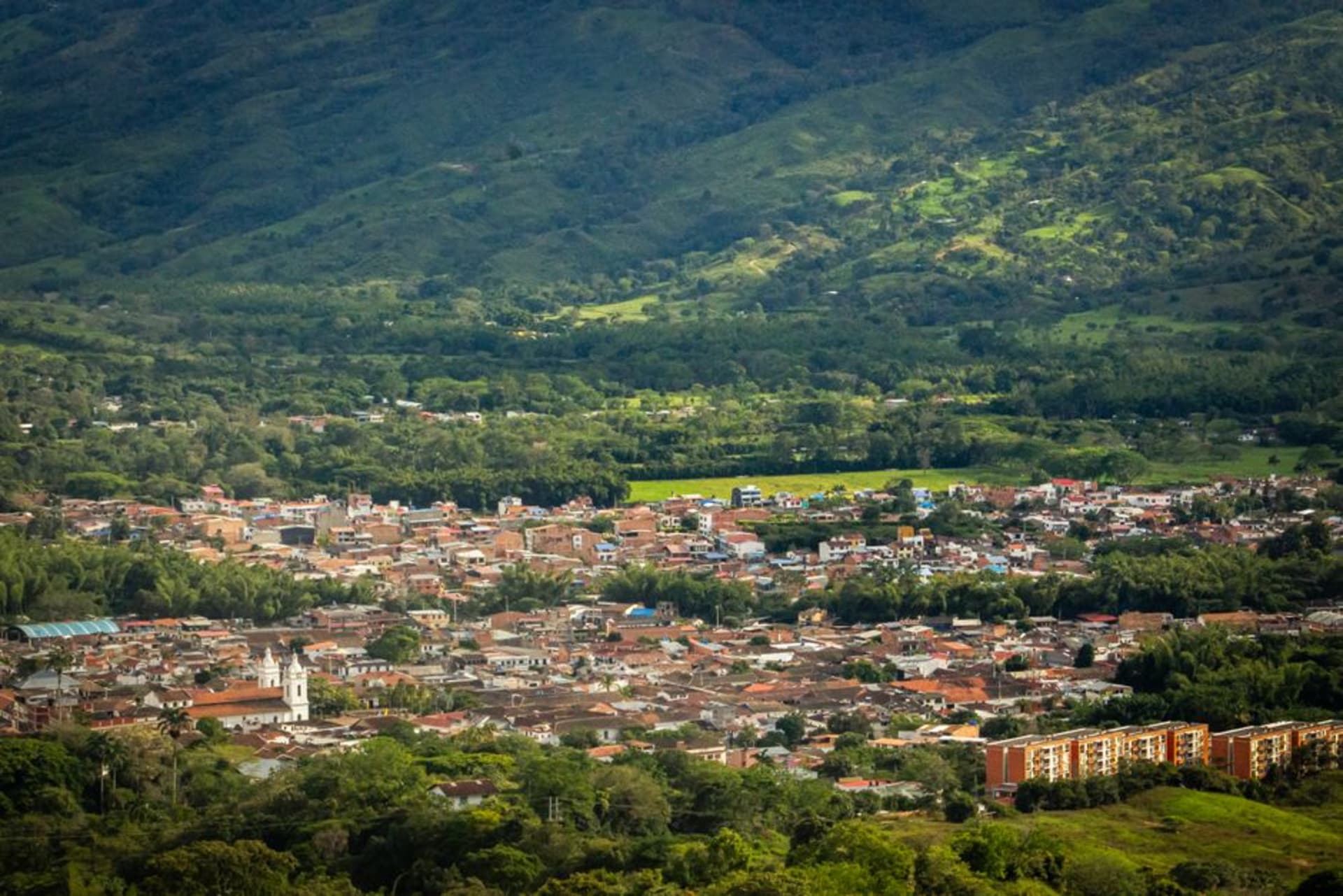
Amatenango del Valle
"A girl of about ten set a fired jaguar on the wall in front of me and asked for 40 pesos with complete confidence — I paid 80 and she looked entirely unsurprised."
The colectivo from San Cristóbal drops you on the shoulder of the Carretera Panamericana and you walk in. That’s all there is to it. Within two minutes a woman waved me toward a low table covered in clay deer, owls, and coiled serpents still warm from the fire. There was no shop sign, no price list, no pitch — just the work laid out on a cloth in the morning shade. I bought a small owl for 50 pesos, shook hands, and walked on. That pattern repeated itself for the next two hours.
The Pottery and the Hands That Make It
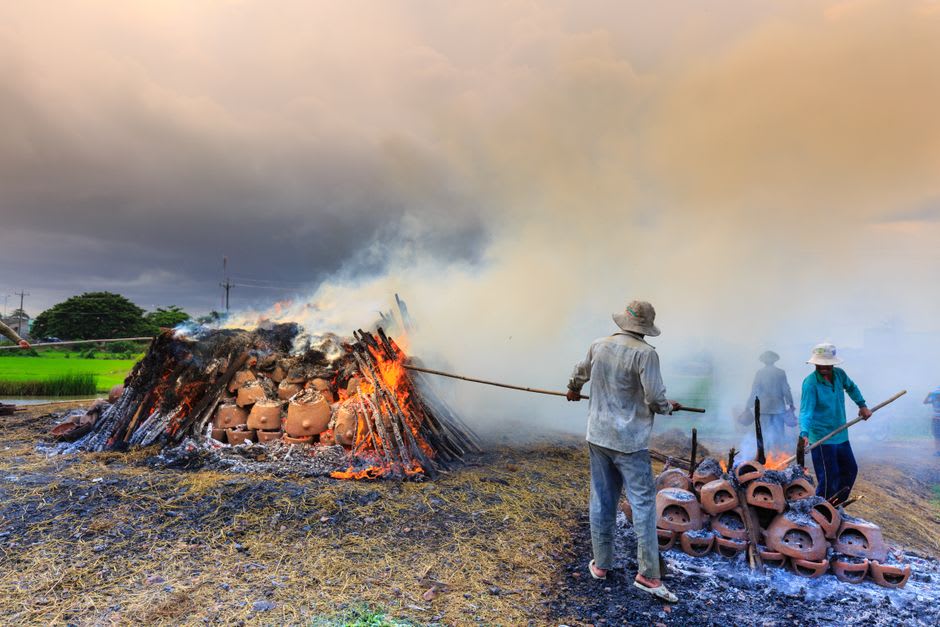
What sets Amatenango apart is not the style or the subject matter but the technique: these pieces are built entirely by hand — no wheel — and fired in wood fires in the yard, not in a kiln. The process is pre-Columbian and has survived here largely intact. The clay comes from local deposits, mixed and kneaded by the makers themselves, then pinched and coiled into shape. Firing happens in the open air, which means temperature and surface finish are never entirely predictable — and that is exactly why each piece looks like itself and nothing else. The animals are the most iconic output: jaguars, iguanas, roosters, armadillos, painted with natural pigments in ochre and terracotta tones after firing. Water vessels — large-bellied cantaros — line the entrances to many homes, more functional than decorative and made the same way they have been for centuries. Buying directly from the maker, which is the only real way to buy here, means you are exchanging money with the person whose hands shaped that specific object.
A Village That Is Also a Workshop
The layout of Amatenango is not designed for visitors. It is a working village, and the fact that you can walk through it and look into open courtyards where women are rolling coils of clay or setting pieces near a fire is incidental to daily life, not staged for it. Children work alongside their mothers and grandmothers — learning by doing, as they always have. The girl with the jaguar was probably ten years old. She named her price without hesitation and pocketed my extra 40 pesos without ceremony. That transaction told me more about the place than any museum placard could. There is no market square with designated craft stalls. You wander, someone catches your eye, you stop. The rhythm is unhurried on both sides.
What to Expect When You Go
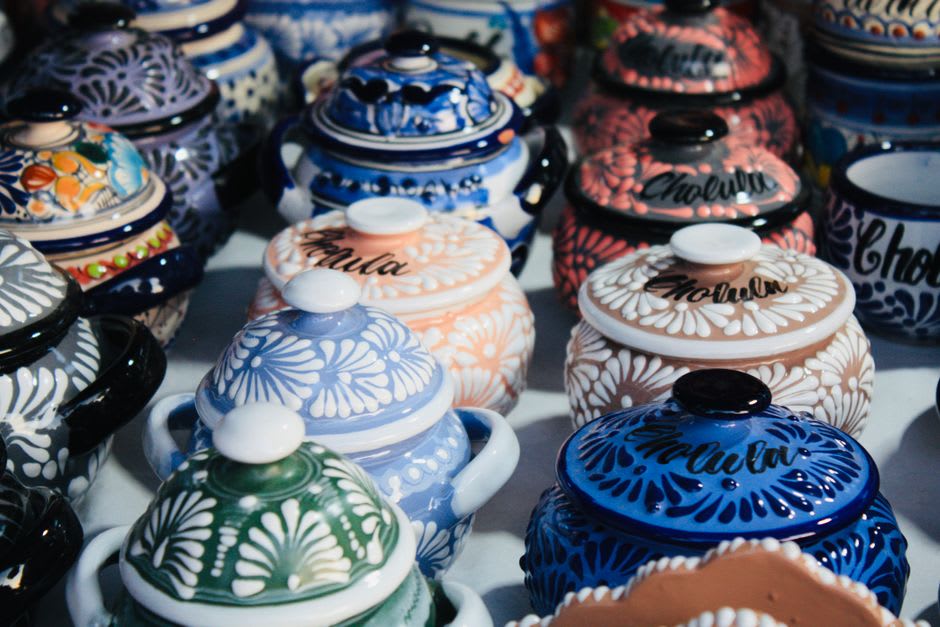
Come in the morning, when the light is right and work is already underway. There is nowhere to eat inside the village — I brought water and bought a bag of tejocotes from a woman near the entrance. Plan for two to three hours at most; the village is small and the walking unhurried. Prices are low by any measure and negotiating aggressively would be a poor way to behave. Bring cash in small bills.
Getting There
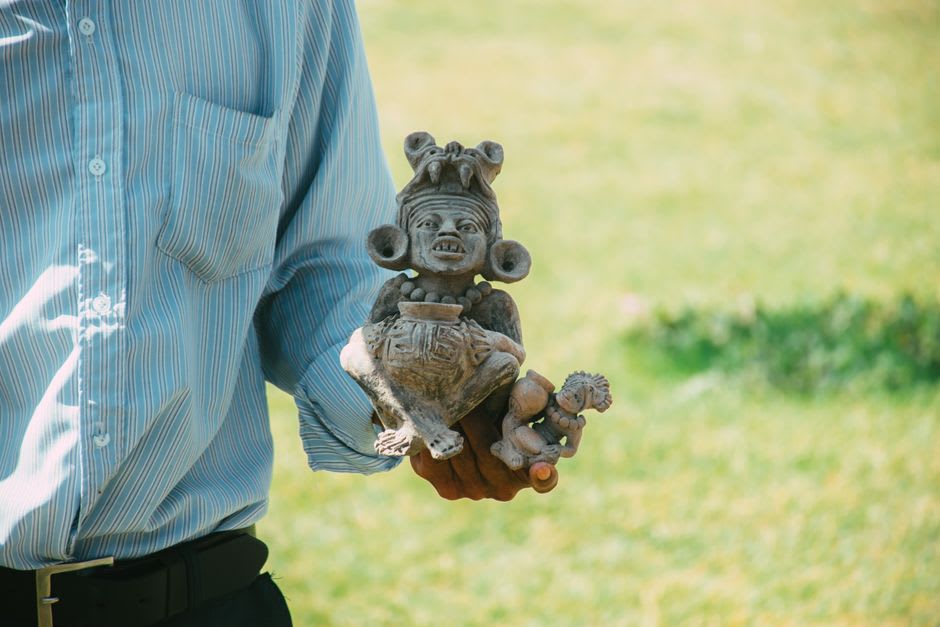
From San Cristóbal de las Casas, take any colectivo or second-class bus headed toward Comitán on the Carretera Panamericana — they run frequently from the terminal on Avenida Insurgentes. Ask to be let off at Amatenango del Valle, about 35 kilometers and 45 minutes south. Return the same way by flagging down a passing colectivo on the highway.