
Pijijiapan
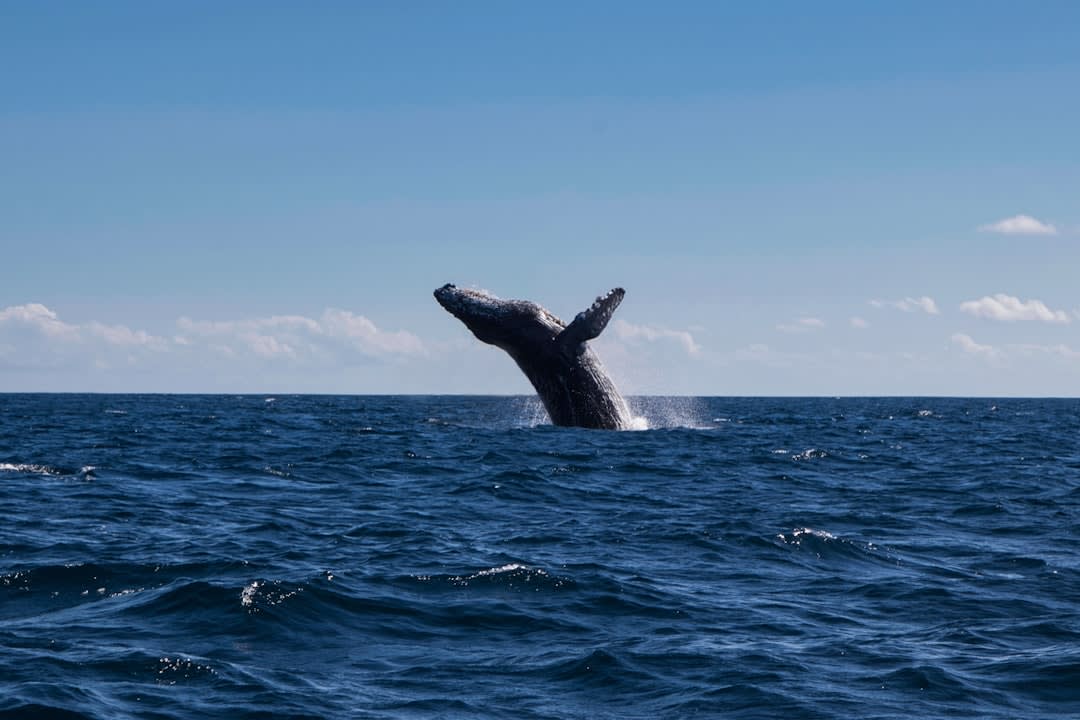
"A humpback whale surfacing thirty meters from a small fishing panga changes your sense of scale in ways that are genuinely difficult to undo."
I came from Tonalá, two hours west on the coastal highway, because a fisherman at the market had mentioned, almost as an aside, that the whales were in. He said it the way someone might mention rain — factual, unsurprised. I arrived in Pijijiapan late morning, found the beach where the pangas were lined up, and by noon I was twelve kilometers offshore watching a humpback roll its fluke slowly back into the green Pacific. I had not planned to stay the night. I stayed three.
When the Whales Arrive
The Chiapas coast has no whale-watching infrastructure in any formal sense. There is no ticketing booth, no laminated safety briefing, no maritime visitor center. What there is: a beach at the edge of town, a row of fishing pangas, and a loose collective of local fishermen who pivot to whale tours between July and November when the humpbacks move through their corridor. The migration route runs close to shore here — something about the underwater topography concentrates the whales in water the fishermen already know.
The morning I went out, we were four passengers and two crew. Within forty minutes we had found them — not one whale but several, spouting in sequence. One surfaced near enough that I heard the exhale before I saw the body, a sound like something enormous clearing its lungs. Nobody on the boat spoke for a full minute. That kind of silence is not awkward. It is the correct response.
What the Town Eats
Pijijiapan runs on seafood and corn, in roughly that order. The market on the main street fills by seven in the morning with vendors selling camarones frescos by the kilo and fish that were in the water the previous evening. For breakfast, look for caldo de camarón — a broth that is simultaneously delicate and emphatic, the kind of dish that makes you reconsider what you thought broth was capable of. There are two or three fondas near the market where the women making it have been making it the same way for decades. I had it two mornings running, both times at a plastic table outside, watching dogs circle the fish stalls hopefully.
In the evenings the town quiets early. A few taco stands open near the plaza around dark, serving pescado frito and tostadas de ceviche. The ceviche here is the Chiapan coastal style — heavier on lime, lighter on tomato, with a heat that builds slowly.
How to Be There
The whale tours are arranged directly on the beach, usually through whoever is preparing the boats that morning. Early is better — the water is calmer before noon and the operators prefer to be back before afternoon winds pick up. Budget 400 to 600 pesos per person depending on group size; the price is not fixed, so it is worth talking to a couple of fishermen before committing. The town has a handful of basic guesthouses on the streets behind the market. None would win awards, but the beds are clean and the fans work, which is all that matters when the Pacific breeze stops after dark.
Getting There
Pijijiapan sits on Federal Highway 200, roughly two hours east of Tonalá and ninety minutes west of Arriaga. Second-class buses on the Tapachula–Tonalá route pass through regularly and let passengers off on the highway at the edge of town. A mototaxi from there puts you at the market or the beach in under five minutes.