Tuxtla Gutiérrez
"Tuxtla Gutiérrez is the Chiapas that is not performing for anyone, which makes it more interesting than it looks on the map."
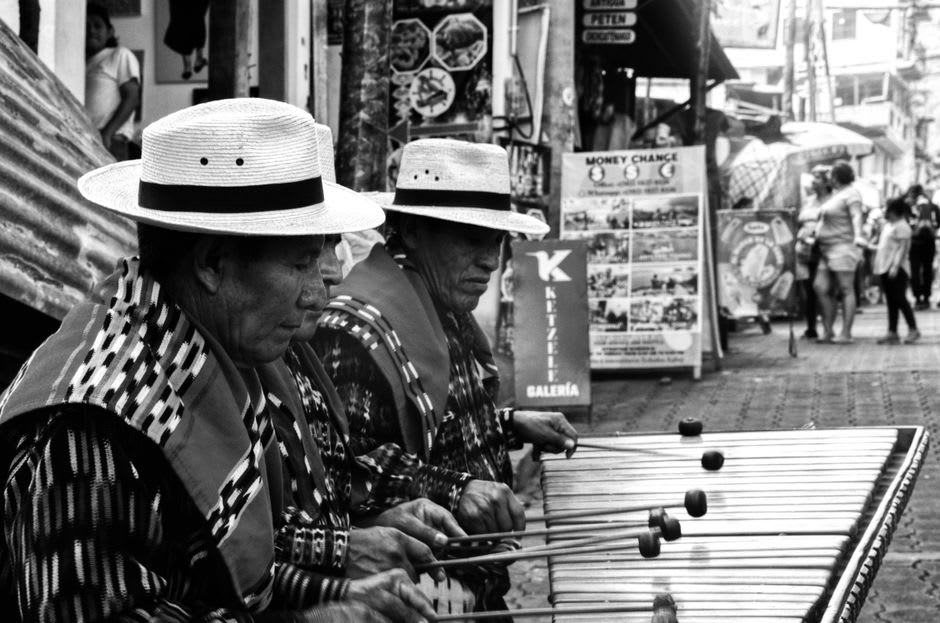
Every time I land at Ángel Albino Corzo and take the highway into Tuxtla, I have to adjust my expectations in both directions at once. The city is hotter and flatter and more industrial than anything the Chiapas tourism brochures suggest — traffic, concrete, a skyline of unremarkable mid-rises. And then, almost immediately, it surprises me. A marimba floats out of a doorway on Avenida Central. A taquería is already packed at eleven in the morning. The zoo turns out to be one of the best I have encountered in this country. Tuxtla does not try to charm you, which is exactly why it does.
The Zoo That Only Collects Its Neighbors
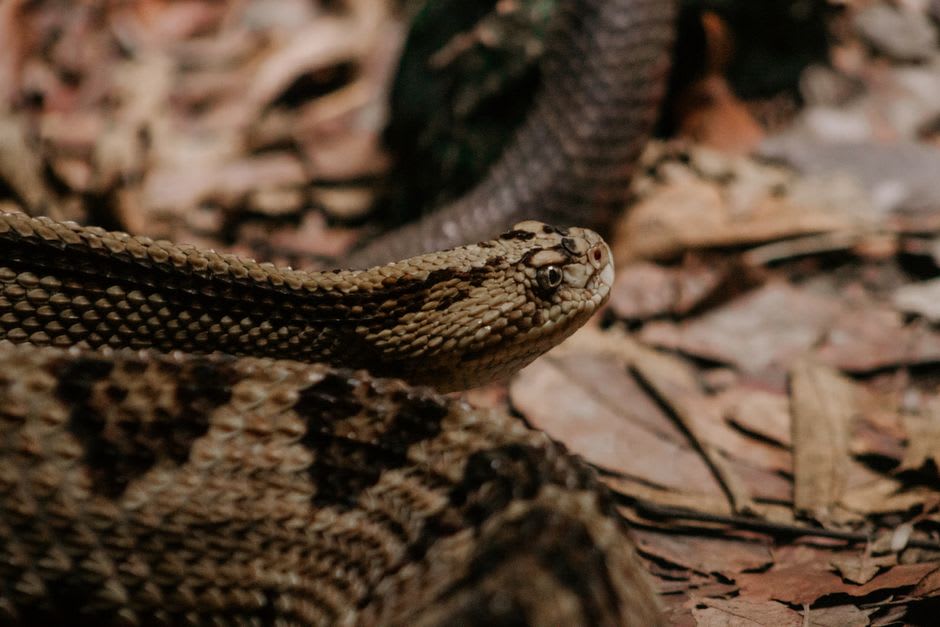
ZOOMAT — the Zoo Miguel Álvarez del Toro — operates on a principle I find quietly radical: it keeps only the species native to Chiapas. No African lions, no elephants from somewhere else. What you get instead is an argument for the staggering density of life that exists specifically in this one Mexican state. I spent a full morning there and came away having watched a jaguar pace through dappled light about four meters from where I was standing, a tapir root around in the mud with total indifference to visitors, and a resplendent quetzal sitting in a cedar tree in a way that made me question whether what I was seeing was real. The grounds themselves are forest — shaded, hilly, quiet in the midmorning before the school groups arrive. Admission is cheap enough to feel almost accidental. I go back every time I pass through Tuxtla, and I have never left in under two hours.
Marimba, Cochito, and the Saturday Plaza
The Parque de la Marimba on Avenida Central is exactly what it sounds like: a park organized around the fact that people here play marimba, and other people listen. On Friday and Saturday evenings, couples dance on the pavement in front of the bandstand while vendors work the perimeter. Nobody is performing for tourists because there are essentially no tourists — this is a city going about its own social life, and you can sit at the edge of it for the price of a coffee. Before heading over, I usually eat at one of the spots near the mercado on Calle 1 Sur Oriente, where cochito horneado — slow-roasted pork with achiote, served on a thick corn tortilla — is done properly and without ceremony. Tamales chiapanecos wrapped in banana leaf are sold from baskets near the park entrance and are worth the negotiation required to actually find them.
Gateway Logic and the Sumidero Run
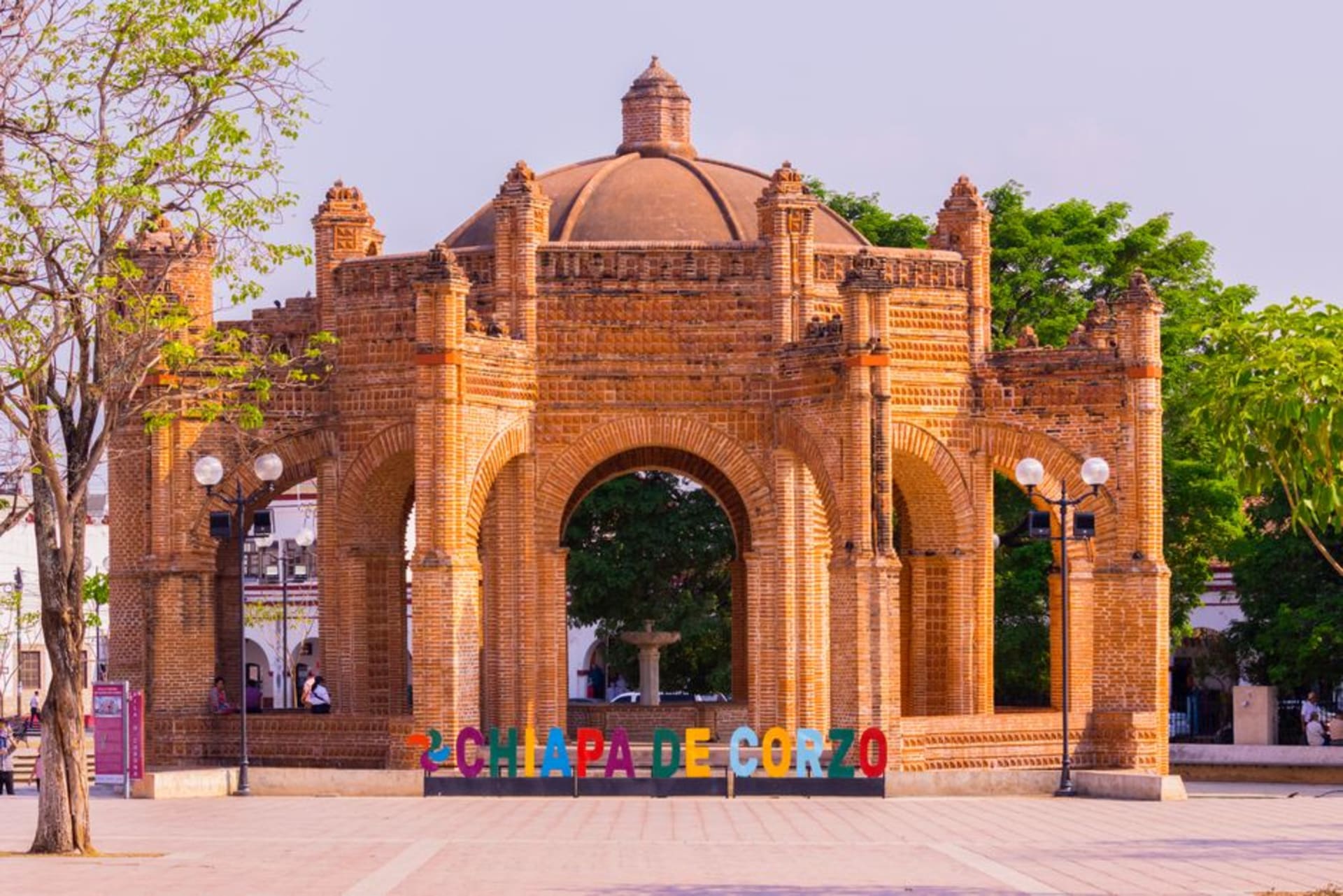
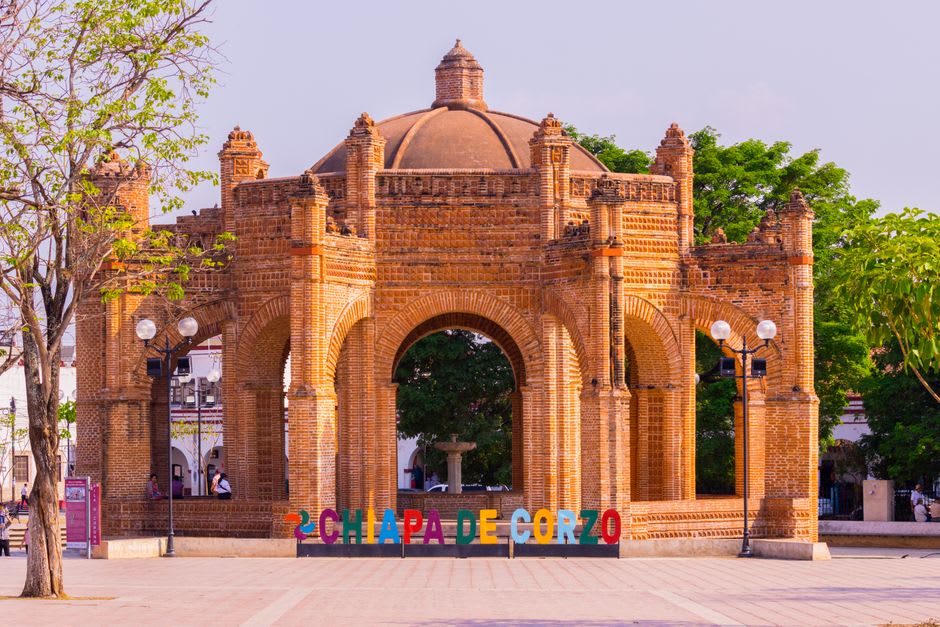
I use Tuxtla the way most sensible travelers use it: as a logistical base before descending into the canyon or pushing on toward San Cristóbal. The embarcadero for Cañón del Sumidero boat tours is at Chiapa de Corzo, thirty minutes east on the federal highway. The boats are loud and the life jackets are aggressive orange, but the canyon walls rise six hundred meters above your head and there is a point mid-canyon where the scale makes ordinary perception feel insufficient. Go in the morning before the light flattens. Stay a night in Tuxtla afterward rather than trying to connect everything in one exhausting day — the city earns that patience.
Getting There
Ángel Albino Corzo International Airport (TGZ) is served by Volaris, VivaAerobus, and Aeroméxico from Mexico City and other domestic hubs. From San Cristóbal de las Casas, shared colectivos on Avenida Panamericana take about ninety minutes and cost almost nothing. First-class ADO buses connect Tuxtla to Oaxaca, Villahermosa, and Mexico City.