Huixtla
"The coffee from this corner of Chiapas is among the best I have had in Mexico, and almost none of it reaches the specialty shops in the capital."
I came through Huixtla on a second-class bus from Tapachula, intending to stop for a single coffee and move on. Four hours later I was eating a bowl of caldo de res at a comedora on Calle 1 Sur with a woman named Esperanza explaining the correct way to eat the marrow. That is the kind of city Huixtla is — not a destination that announces itself, but one that holds you longer than you planned for.
Coffee, Cacao, and the Soconusco Supply Chain
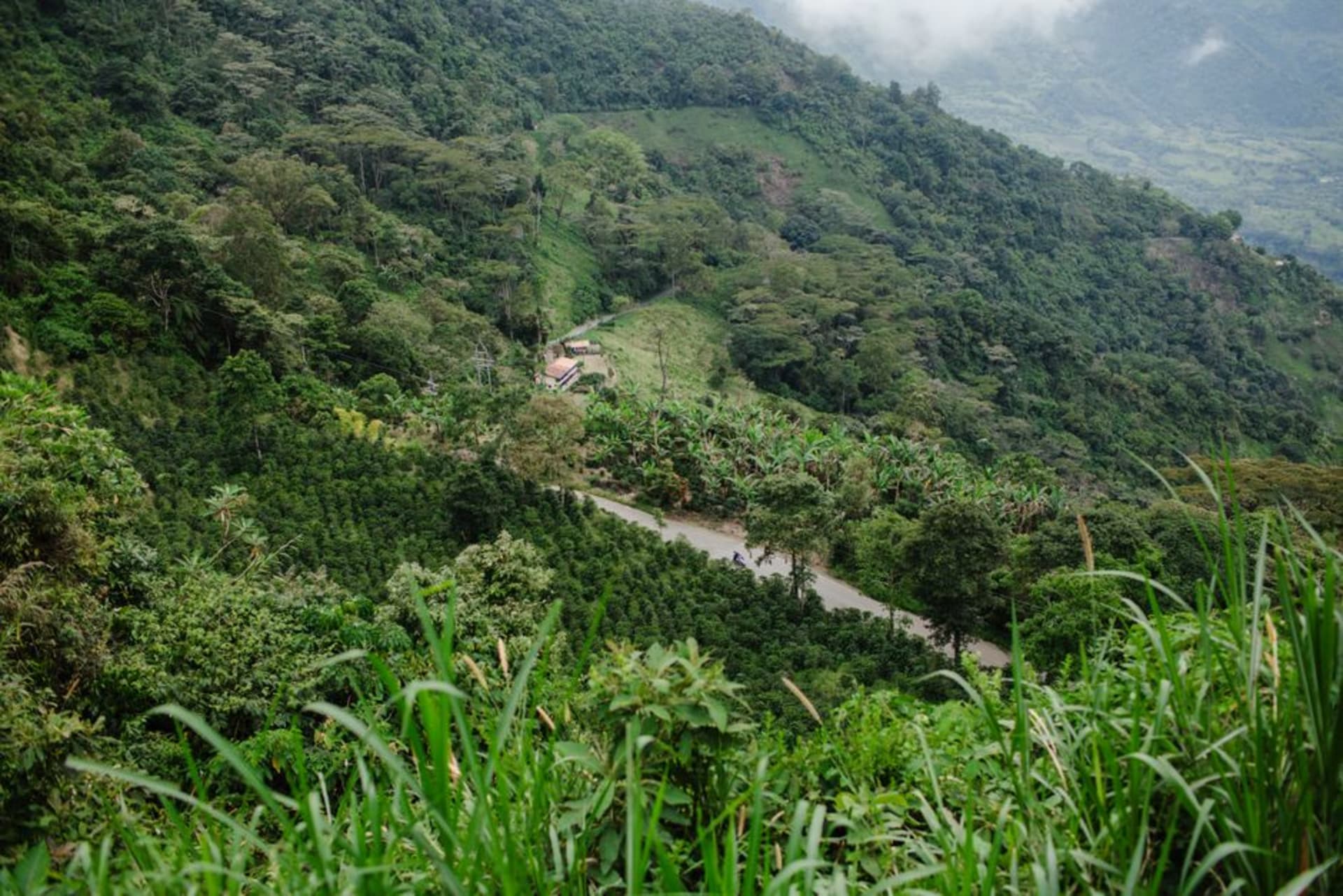
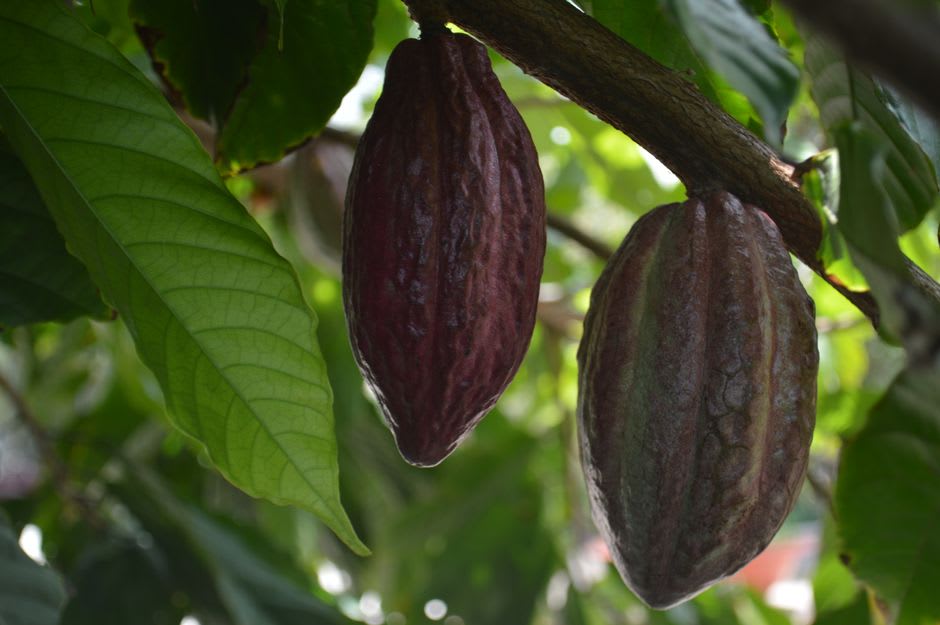
The Soconusco region produces a disproportionate share of Mexico’s best coffee and cacao, and Huixtla sits at its center. Finca after finca climbs the Sierra Madre slopes east of town, and the harvest passes through here before most of it leaves for export or for roasters in Mexico City and Guadalajara who will sell it under their own label. The thing nobody tells you is that the best cup is in the city itself, at one of the small family-run cafés near the Mercado Municipal where the owners buy direct from farms they can name by the farmer’s surname. I had a washed coffee from a finca near Motozintla — floral, clean, with a brightness that reminded me of good Ethiopian — served in a scratched glass mug for twelve pesos. No pour-over theater, no chalk menu board, just an excellent cup in a plastic chair.
The Market and the Guatemalan Border Energy
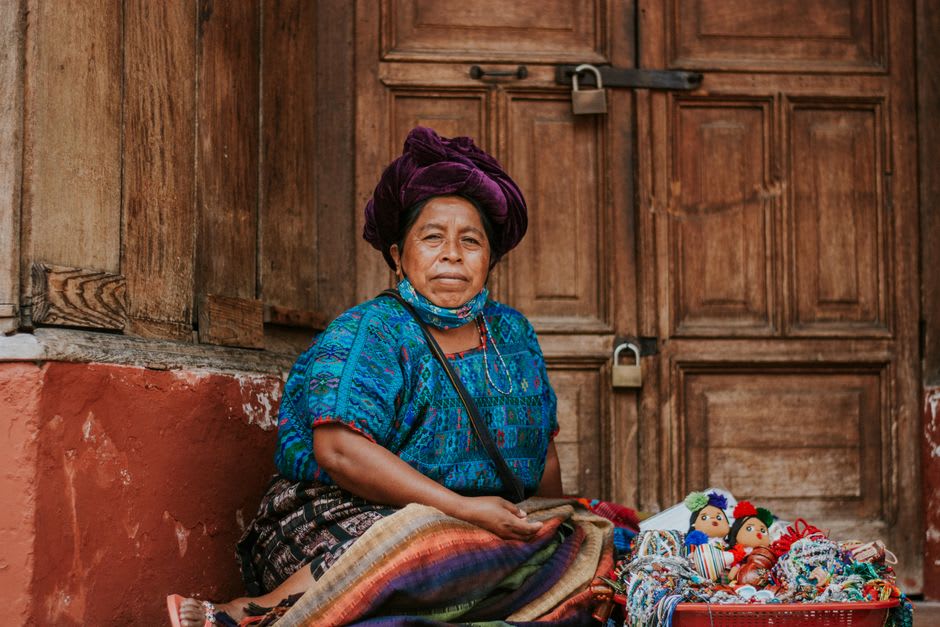
The weekly tianguis draws Mam Maya traders down from the highlands on both sides of the border, and the overlap between Chiapas and Central America shows on every table. You find chiles I do not recognize from anywhere else in Mexico alongside Guatemalan piloncillo, dried shrimp from the coast, and fresh herbs whose names Esperanza translated for me as loosely as possible. The food stalls lean accordingly — corn-based preparations that have more in common with the Guatemalan kitchen than with anything from Oaxaca or Yucatán. I ate a tayuyo, a thick black-bean-stuffed tortilla that I have never seen on any menu north of here, standing at a comal while the vendor’s daughter watched me figure out the correct angle of attack. The market runs Thursday and Sunday mornings, and it is finished by one in the afternoon.
An Ordinary Afternoon in a Town That Earns It
By three o’clock, Huixtla slows down completely. The heat is tropical and genuine. I spent an afternoon on the plaza watching the town conduct its business — school kids, a mechanic arguing with a customer over an invoice, an old man reading a newspaper from Tapachula. The Río Huixtla runs along the edge of town and the light on it in late afternoon is very good. There is nothing to optimize here. That is the point.
Getting There
Huixtla sits on MEX-200 about 40 kilometers northwest of Tapachula. Second-class buses from the Tapachula Central Camionera run frequently and take around an hour. From Tuxtla Gutiérrez, OCC and ADO serve the route in roughly four hours. There is no colectivo terminal — shared vans to nearby towns leave from the street market area.