
Laguna Miramar
"Laguna Miramar made me feel like a discovery, even though the Lacandón people have been living beside it for a thousand years."
I heard the howler monkeys before I saw the water. We had been walking since before dawn out of Emiliano Zapata, the ejido community that controls access to the lake, and by the time the trees finally opened I was carrying a soaked shirt and the particular bad mood that comes from underestimating jungle humidity. Then the laguna appeared — flat, green-black at the center, pale and translucent along the edges where the shallows made the sandy bottom visible through water that seemed borrowed from somewhere far cleaner than a rainforest. The howlers called again, which sounds less like a monkey and more like a distressed wind instrument playing from inside the earth.
What the Jungle Kept
Laguna Miramar is technically one of the largest natural lakes in Mexico, which is a strange fact to sit with when you are standing at its shore after two days of walking with no signal and blisters from boots you were certain were broken in. The water is genuinely clear — not clear in the way marketing copy uses the word, but clear in the way you can follow a stick to the bottom in four meters of depth and see it land. The surrounding forest is primary Selva Lacandona: unlogged, home to tapirs and spider monkeys and birds I had no names for.
What makes the place remarkable is not any single feature but the accumulated weight of its inaccessibility. You cannot arrive here by accident. There are no roads to the lake’s edge. The community of Emiliano Zapata controls all entry, and the number of visitors on any given day is small enough that you can spend an entire morning on the water without seeing another person.
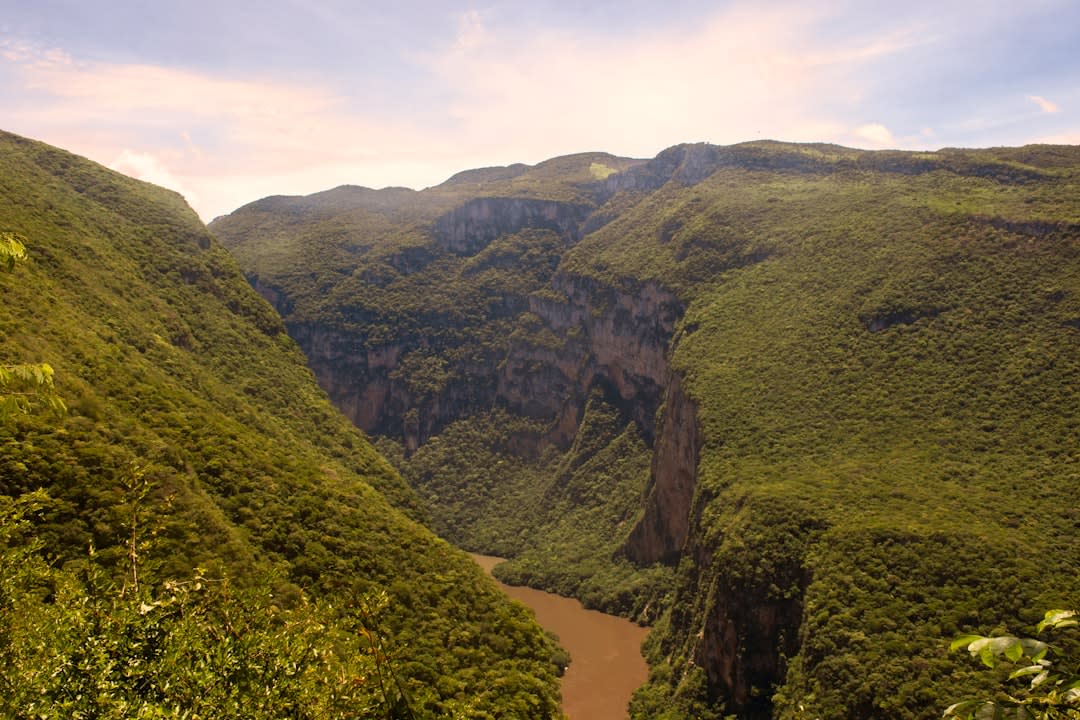
The Lacandón Side of Things
The Lacandón Maya have been living in the Selva Lacandona since before the Spanish arrived and disrupting as little of it as possible ever since. The community at Emiliano Zapata runs the tourism operation out of a kind of dignified modesty — there are cabañas, there are guides, there are meals prepared by women in the settlement who will not remember your name but will remember whether you want your coffee strong.
I ate rice and black beans and chicken in a thin salsa verde that I still think about, served on a plastic table under a corrugated roof while rain hit everything outside and the lake dissolved behind mist. That is the meal for this place. There is no restaurant, no menu, no other option — and sitting there with the sound of the rain and a cup of instant coffee, I did not want one.
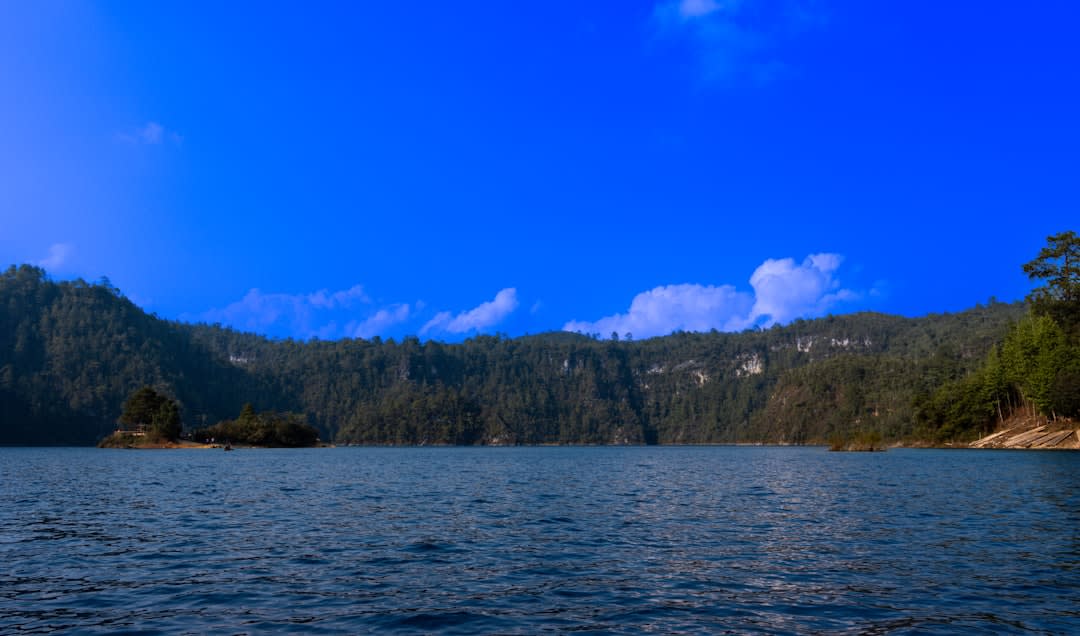
On the Water
The community loans kayaks at a price that felt more like lending than renting, and an early morning on the lake is the thing I would return for without negotiation. Mist sits on the water until around eight, which is also when the howlers begin their performance, and there is a quality of sound in primary jungle at that hour I cannot reproduce in writing. The light arrives sideways through the trees on the eastern bank and the surface catches it in a way that makes the whole scene look slightly overexposed.
Swim when the afternoon heat arrives. The water is fresh, cold at depth, and the bottom near the northern shore is pale sand. I would normally add a caveat here. I do not have one.
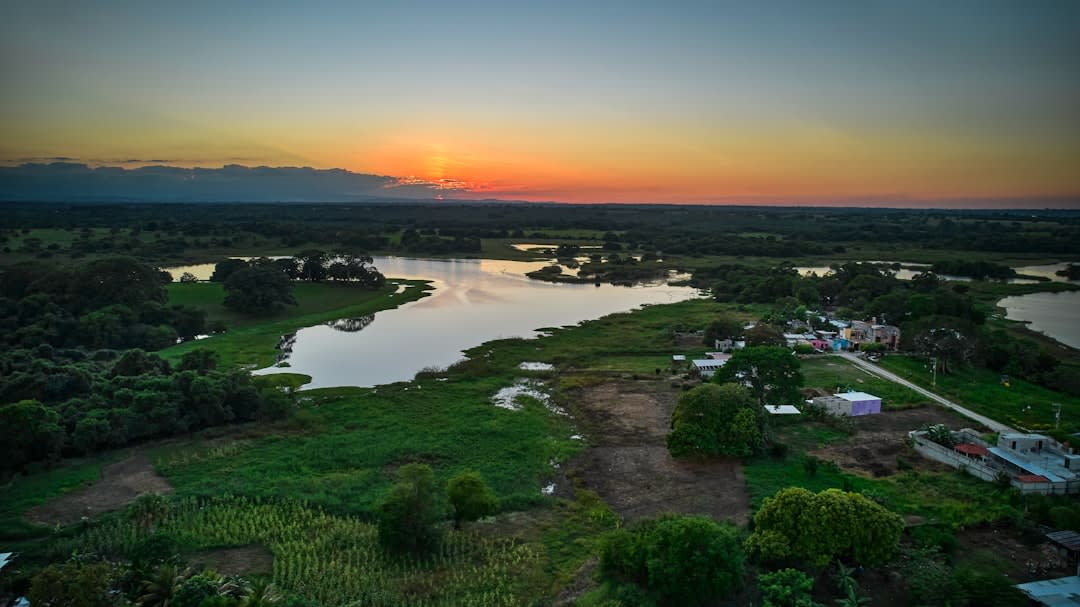
Getting There
From Ocosingo, colectivos run toward San Quintín and onward to Emiliano Zapata — the journey takes most of a day depending on road conditions. From the ejido, the lake is reached by a two-day jungle hike or, in the wet season, by boat along the Río Lacantún. Arrange guides and accommodation through the community directly; there is no other legitimate way in, and no reason to invent one.