Comitán de Domínguez
"Comitán declared independence from Spain in 1821 — four days before the rest of Mexico did. The city named itself after Belisario Domínguez, the senator from here who was assassinated for opposing the dictatorship of Victoriano Huerta."
Comitán de Domínguez is the highland Chiapas city that travelers pass through on the road to the Lagos de Montebello (covered separately) and the Guatemalan border crossing at Ciudad Cuauhtémoc — and that they consistently underestimate as a transit point rather than a destination. The city has a colonial center of genuine quality, a museum that holds the most important jade Maya objects found in Chiapas, and a history that includes the distinction of being the first city in Mexico to declare independence from Spain.
The independence declaration came on September 3, 1821 — four days before the official Act of Independence of the Mexican Empire on September 27. The Comitán declaration was organized by local leaders without waiting for news from Mexico City, in the specific political circumstances of the Chiapas-Guatemala border where the local élite were more concerned with their own regional interests than with waiting for instructions. The city was named Comitán de Domínguez in the 20th century to honor Belisario Domínguez — a senator born here who was assassinated in 1913 for publicly condemning the dictatorship of Victoriano Huerta in a speech that the Huerta government could not politically tolerate.
The Centro Histórico
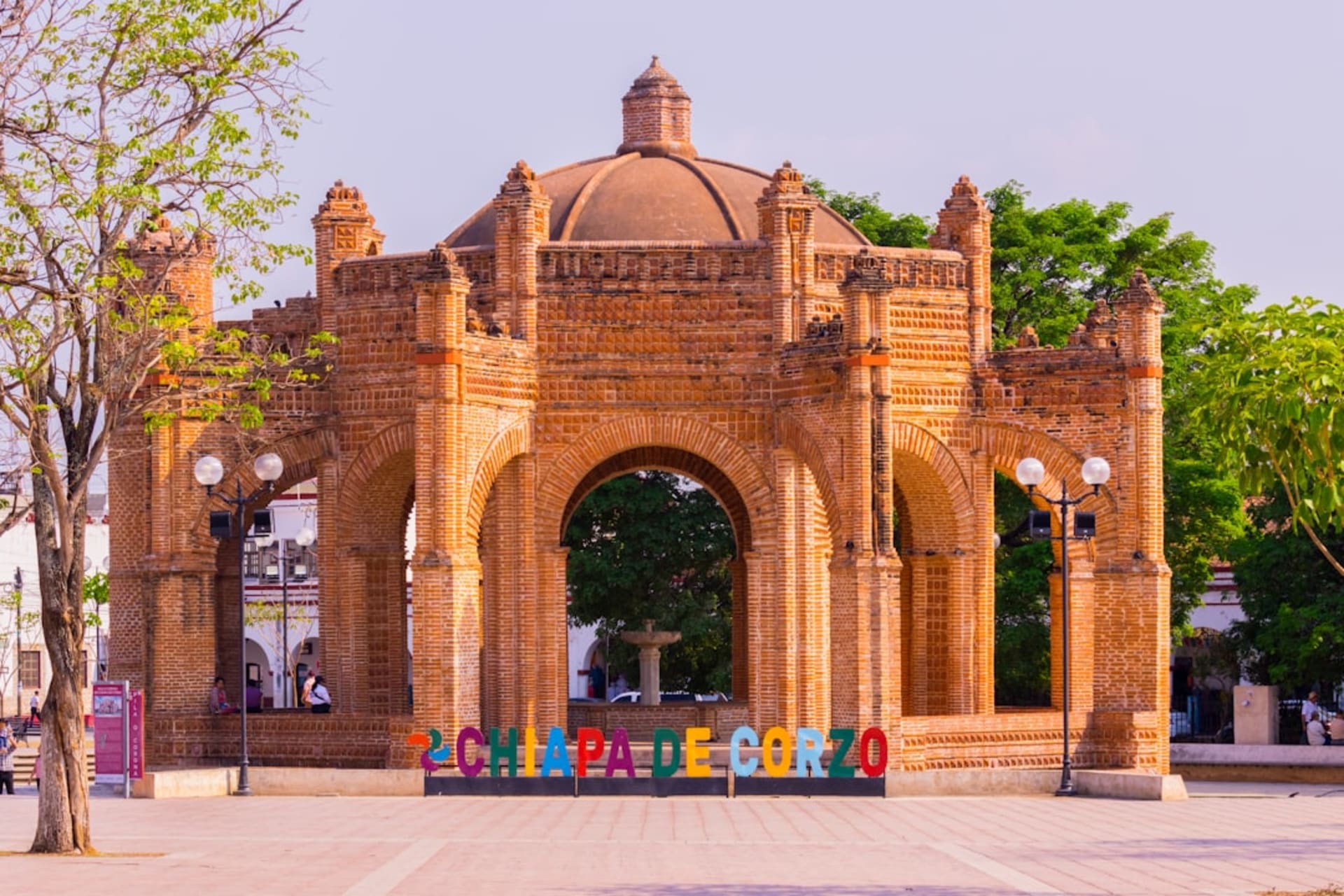
The main Plaza Central (officially Plaza Dr. Belisario Domínguez) is one of the better preserved colonial plazas in Chiapas: the 18th-century Iglesia de Santo Domingo on the north side, the arcaded municipal building on the east, the kiosk in the center that hosts marimba concerts on weekend evenings. The altitude (1,635 meters) keeps Comitán significantly cooler than San Cristóbal (2,200m, 90 minutes north) or the Chiapas lowlands — warm in the sun, cool in the shade, cold at night in the dry season.
The Museo Arqueológico de Comitán contains jade masks, carved jade beads, and Maya ceramic objects from the sites of the Comitán valley and the Guatemalan border area — including objects from Chinkultic, the Classic Maya site 40 kilometers from Comitán that sits above a cenote on a cliff at the edge of the Montebello lake region.
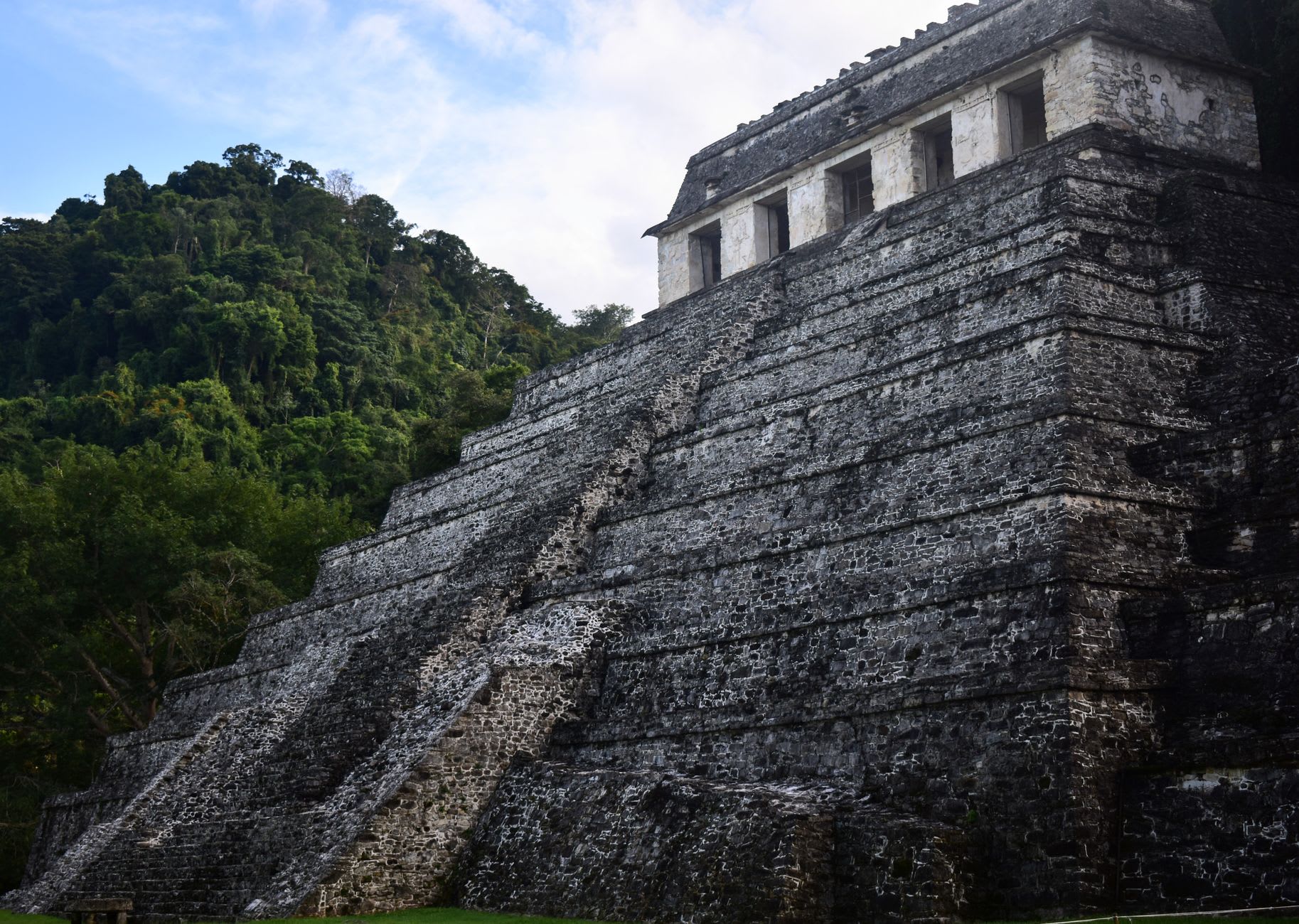
Chinkultic itself: the ruins stand on a limestone cliff above a crystal-clear cenote, with a ball court, several platforms, and carved stelae in various states of preservation. The site is rarely visited and often empty. The cenote below the main acropolis is swimmable; the jade objects found here during excavation (now in the Comitán museum) were ritual offerings thrown into the water.
The Market and the Food
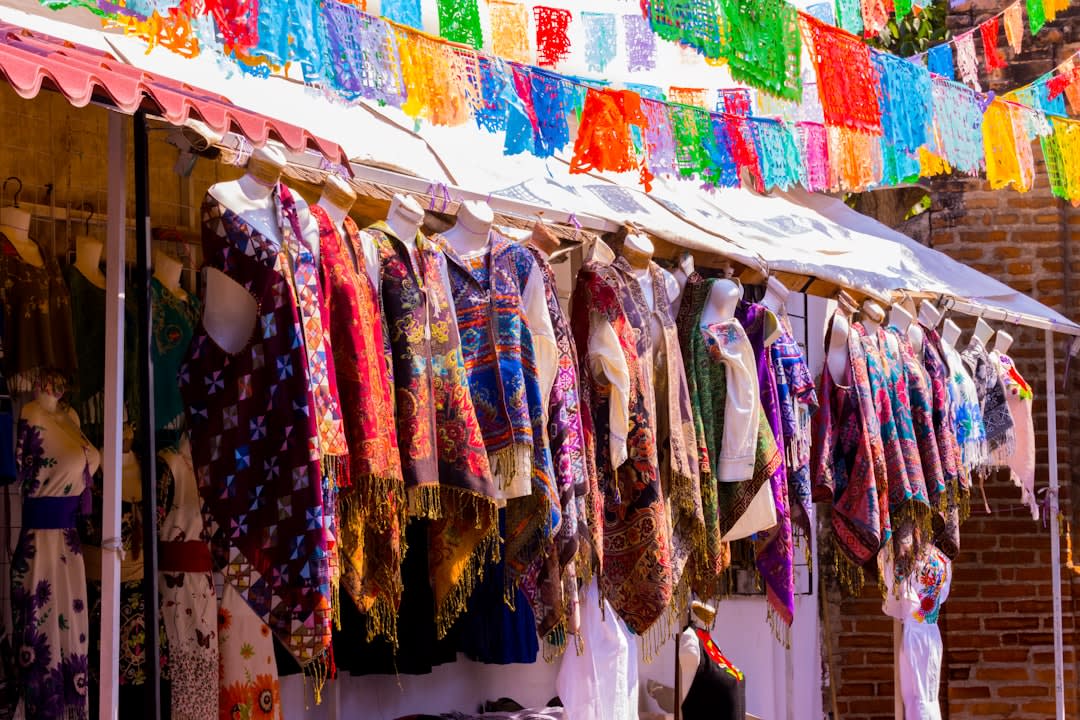
Comitán’s Mercado Municipal is an active highland market serving the Tojolabal and Tzeltal Maya communities of the surrounding villages — women in the distinctive embroidered blouses of the Tojolabal tradition (different from the Tzotzil blouses of San Cristóbal), the stalls selling corn, highland vegetables, dried chiles, and the amber from the El Simojovel mines to the north.
Comiteco: the distilled spirit of Comitán, produced from fermented sugar cane juice in the traditional Comitán style. The flavor is between rum and a light agave spirit; the production method is older than tequila production in Jalisco. Comiteco is sold in the market in unlabeled bottles at prices reflecting its local-production status. It does not export.
The posol sold at market stalls — a cold drink made from fermented masa (corn dough) mixed with water, drunk from a gourd — is the highland Chiapas refreshment that the conquistadors documented in the 16th century and that remains the same preparation today.
Toward the Border
Comitán is the last significant city before the Guatemalan border (2 hours south). The crossing at Ciudad Cuauhtémoc — La Mesilla on the Guatemalan side — is one of the most used land crossings between Mexico and Central America, and Comitán is where travelers on the Panamerican Highway stop for the last decent meal before entering Guatemala.
Getting there: OCC/ADO buses from San Cristóbal de las Casas (2h) or Tuxtla Gutiérrez (3h). The Lagos de Montebello are 60km east of Comitán by local transport or colectivo from the Comitán market. Chinkultic is 40km east, accessible by the same road.
When to go: Year-round. The highland climate is mild; November through February nights are cold (below 10°C). The dry season (November through April) gives the clearest days and best visibility to the volcanoes of Guatemala visible from the Comitán plateau on clear mornings.