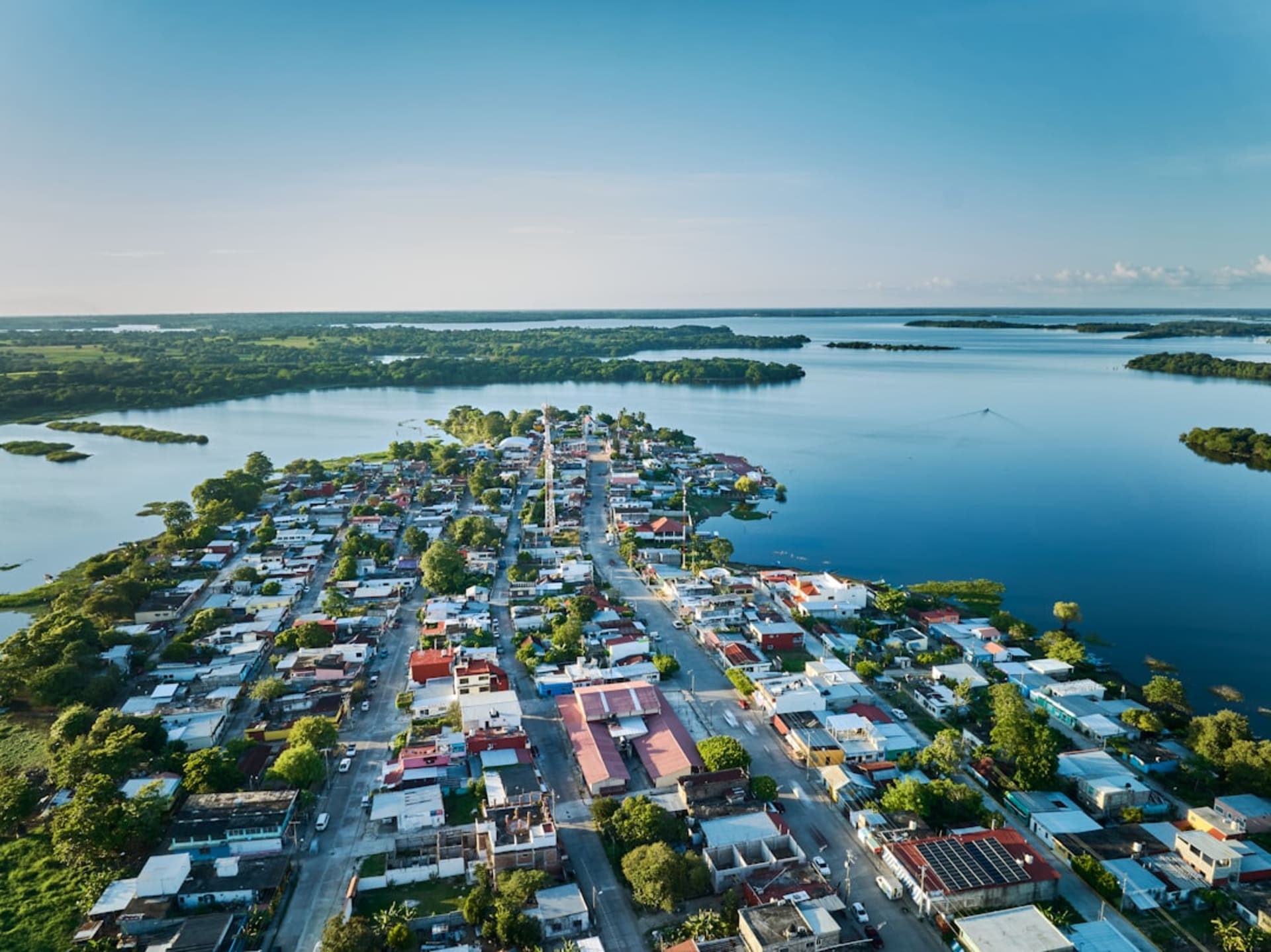
Lagos de Montebello
"The lakes are all in the same park. None of them are the same color. The explanation involves limestone, tannins, and light. The effect is something else entirely."
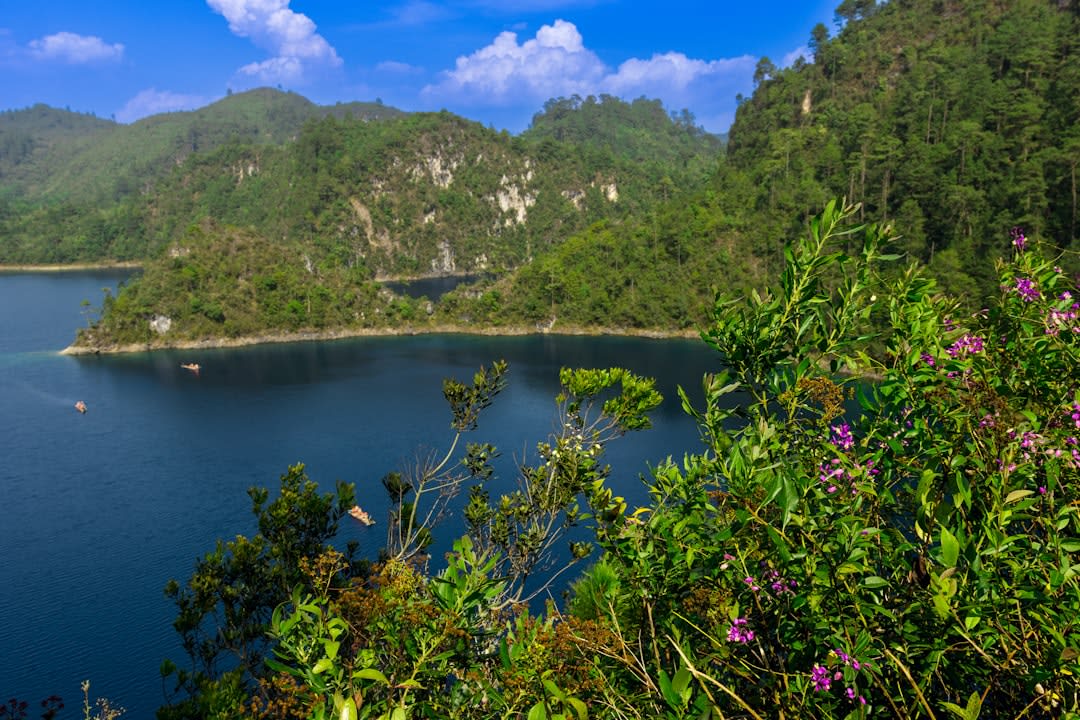
The Parque Nacional Lagunas de Montebello contains fifty-nine lakes of different colors on the high plateau of eastern Chiapas, near the Guatemala border. The color variation — turquoise in one lake, emerald green in the next, cobalt blue after that, and in one instance a lake of milky mauve — comes from the interaction of limestone geology, dissolved minerals, organic tannins from the surrounding pine-oak forest, the depth of each basin, and the angle of the sky’s light on the water. The same explanations apply and none of them, standing at the edge of a lake that is an impossible shade of peacock blue at ten in the morning, feel sufficient.
The park is the most visited natural attraction in Chiapas after the Cañón del Sumidero and the Palenque ruins, and one of the least well-known outside of Mexico.
The Lakes
The park has five lakes accessible by the main road (a paved road from Comitán de Domínguez) and a further collection accessible by trails or by the dirt roads that penetrate the interior. The five main lakes:
Lago Pojoj — at the entrance to the park, the first to be visible from the road, and a pale turquoise that reads almost white in full midday sun. The surface reflects the pine forest around it with a clarity that makes the reflection sometimes sharper than the actual trees.
Lago Ensueño — the deepest shade of turquoise in the park, a blue-green that photography struggles to capture accurately (it always looks oversaturated). The lake is small and enclosed; the color intensifies as the day progresses and the sun angle changes.
Lago Montebello — the largest lake in the park, the one from which the complex takes its name, and the most variable in color through the day. In the morning it is steel blue; by late afternoon it is the specific deep cobalt of the sky above it.
Lago Tziscao — the lakeside village of Tziscao, where Tojolabal Maya families live in the traditional compounds around the lake shore, is the only human settlement inside the park. The lake here — emerald green, shallower than the others — has a small beach where the community runs rowing boats.
Cinco Lagunas — a series of five connected lakes that shift from turquoise to green to amber across their interconnected basins, the color change happening gradually as you walk the connecting paths.
The Forest and the Border
The park sits on the Chiapas highlands at 1,500-1,800 meters, in a pine-oak-sweet gum forest that is cold in the mornings and warm by midday year-round. The forest is dense enough to produce genuine darkness at noon in the pine stands above the lakes, and the edge of the forest at the water line creates the conditions for the color that makes the lakes famous.
The Guatemala border runs through the southern edge of the park. The community of La Trinidad — accessed by a dirt road from Tziscao — straddles the border in ways that the cartography doesn’t fully capture; families on both sides have relatives on the other side and the cultural landscape is Tojolabal Maya regardless of the international line. The border crossing is not open to tourists here.
The village of Tziscao itself has simple posadas and a comedore where the Tojolabal women serve the regional Chiapas highland food — cochito horneado (oven-baked pork in a spiced chile sauce, the most traditional dish of the region), black bean soup, corn tortillas made on the comal. The village market on Sundays has the quality of a market that exists for residents rather than for visitors.
Getting There
From Comitán de Domínguez (the nearest city, 56 km): minibuses run from the Comitán market several times daily to the park entrance, with service to Tziscao village. The journey takes 1.5 hours. A car allows more flexibility for the interior lakes and for stopping at the roadside viewpoints.
From San Cristóbal de las Casas: 2.5 hours to Comitán, then the park road. A full day excursion from San Cristóbal is possible but rushed; staying at Tziscao for one night allows dawn on the lakes when the light is best and the visitors absent.
When to go: October through April for clearest skies and most intense lake colors (the dry season minerals concentrate). The rainy season (June-September) makes the lakes greener but the access roads muddier. Dawn is the best time at any season — the water is still, the light is low and angled, and the colors are at their most extreme.