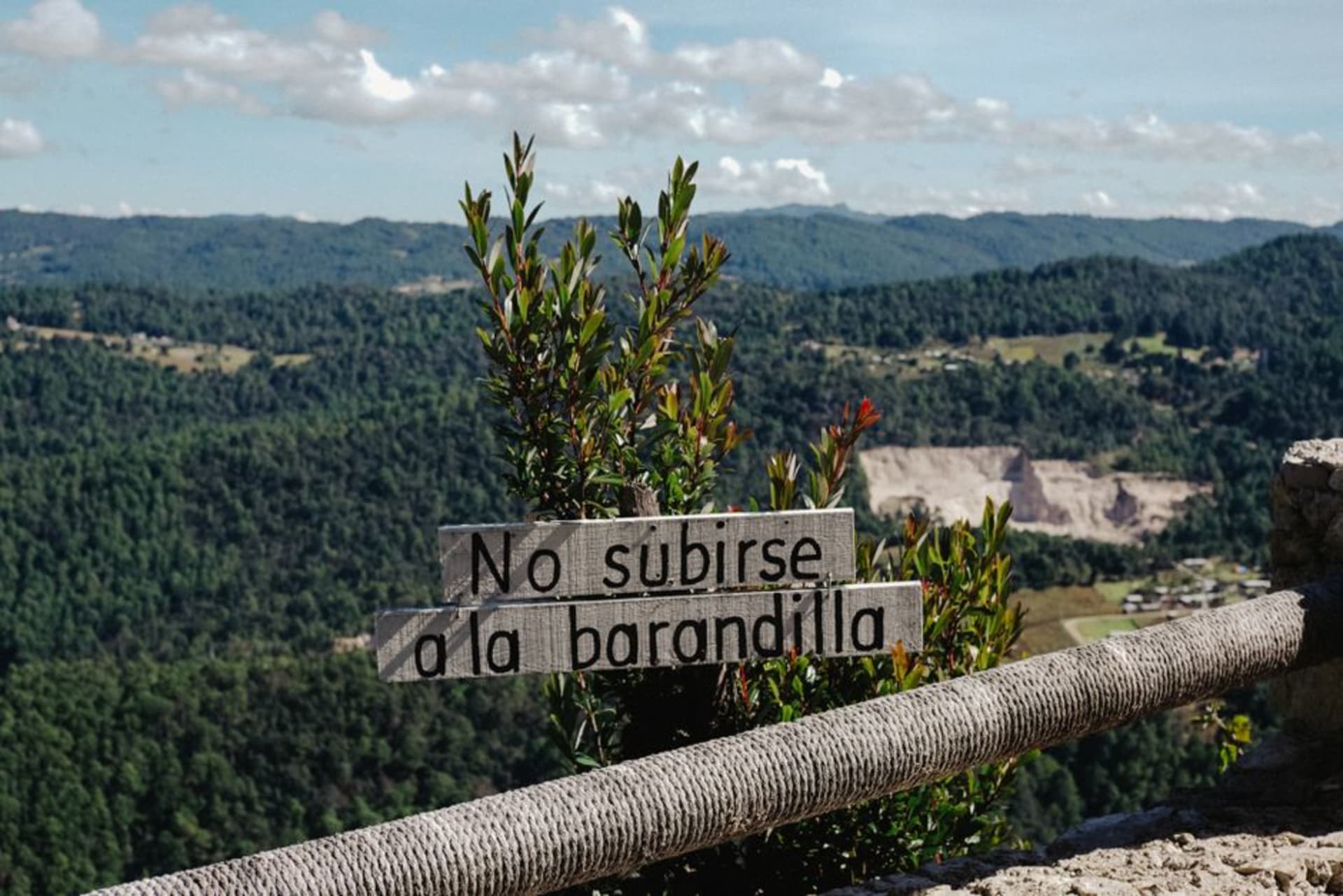
Ocozocoautla
"I set my alarm for five and drove out in the dark, and when the parakeets began rising out of the sinkhole they made a sound I can only describe as joyful — thousands of birds, all at once, every morning."
I almost skipped Ocozocoautla entirely. On the map it looks like an afterthought — a mid-sized town twenty-five kilometers west of Tuxtla, the kind of place you pass through on the way to somewhere else. A woman at my guesthouse in Tuxtla mentioned the sinkhole, almost off-handedly, the way locals mention things they assume everyone already knows. I set my alarm for five the next morning, drove out on the 190 in the dark, and turned down a dirt track toward the forest. What happened next rearranged my understanding of what a single hour in Mexico can do to you.
The Sima de las Cotorras
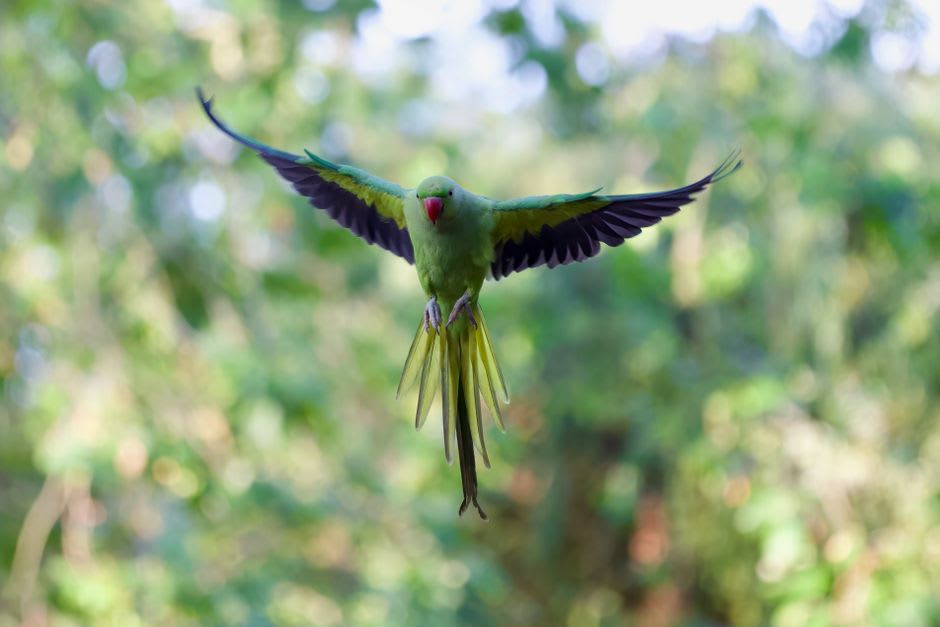
The Sima de las Cotorras is a sinkhole about 160 meters wide and 140 meters deep, and every morning — every single morning, year-round — somewhere between fifty thousand and a hundred thousand Mexican green parakeets roost on its walls and then launch themselves into the sky at dawn. They don’t trickle out. They spiral, in a continuous roaring green helix, counterclockwise, pouring upward for twenty minutes straight. The sound arrives before the light does: a dense, layered shriek that is not unpleasant, that is in fact almost musical if you stop trying to process it as individual birds and just let it wash over you. I stood at the rim with maybe a dozen other people — a few tourists, a couple of park staff, a man who’d driven out from Tuxtla just to watch, as he apparently does several times a year — and none of us spoke. There’s a small palapa at the entrance where you pay the ejido fee, modest and entirely worth it. Come on a weekday. Come early enough to hear the sinkhole before you see it.
Caves and Older Time
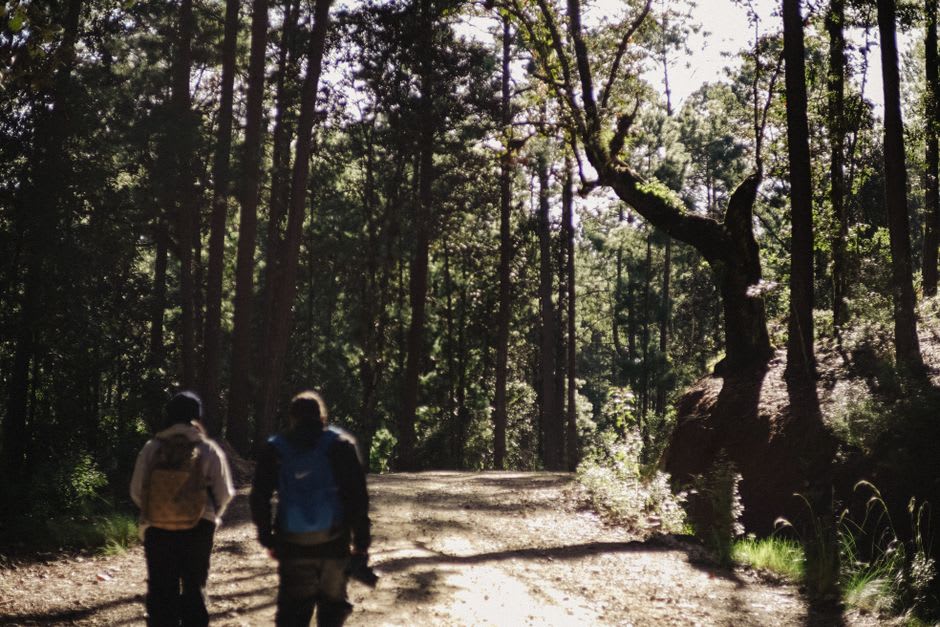
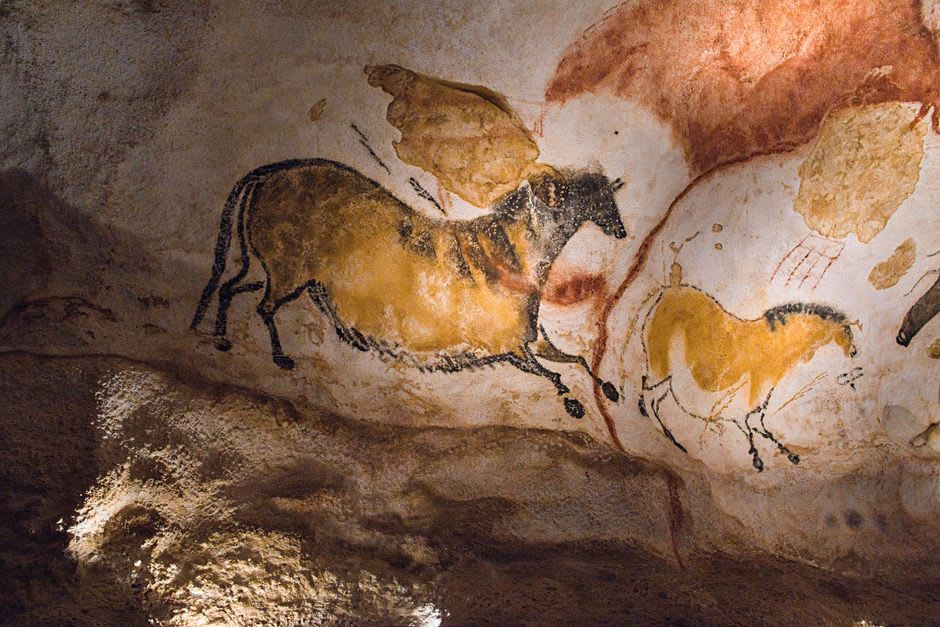
The karst landscape around Ocozocoautla doesn’t stop at the Sima. The Cueva del Cerro Meyapak and other formations in the area sheltered early inhabitants for thousands of years, and the town’s Museo Regional de Historia Natural holds the kind of collection that rewards slow attention: fossils, pre-Hispanic ceramics, and explanations of how the cave systems formed. I spent an unhurried hour there on a Tuesday afternoon — I was one of three visitors — reading panel text in Spanish that was clear enough for my intermediate reading level. The staff left me alone, which I appreciated. It’s the sort of museum that a larger city would have turned into a ticketed experience with timed entry. Here it’s just a room full of careful things, open and quiet.
The Market and the Afternoon
Back in town, the mercado municipal on the streets behind the central plaza does a brisk lunch trade in cochito chiapaneco — the slow-roasted pork that is Chiapas’ answer to every other state’s slow-roasted pork, and that answer is convincing. I ate at a counter near the back, ordered without knowing what I was ordering, and ended up with a plate of cochito with black beans, rice, and a tortilla that was still warm from the comal. It cost me sixty pesos. The afternoon light in the plaza is good. The benches fill up around five with people who have nowhere particular to be, which is the best kind of company.
Getting There
Ocozocoautla is twenty-five kilometers west of Tuxtla Gutiérrez on Federal Highway 190. Colectivos leave from the Tuxtla central bus station regularly and drop you in the town center. For the Sima de las Cotorras you need your own transport or a negotiated taxi — it’s about twelve kilometers south of town on a dirt road that is passable in a regular car outside of heavy rain.