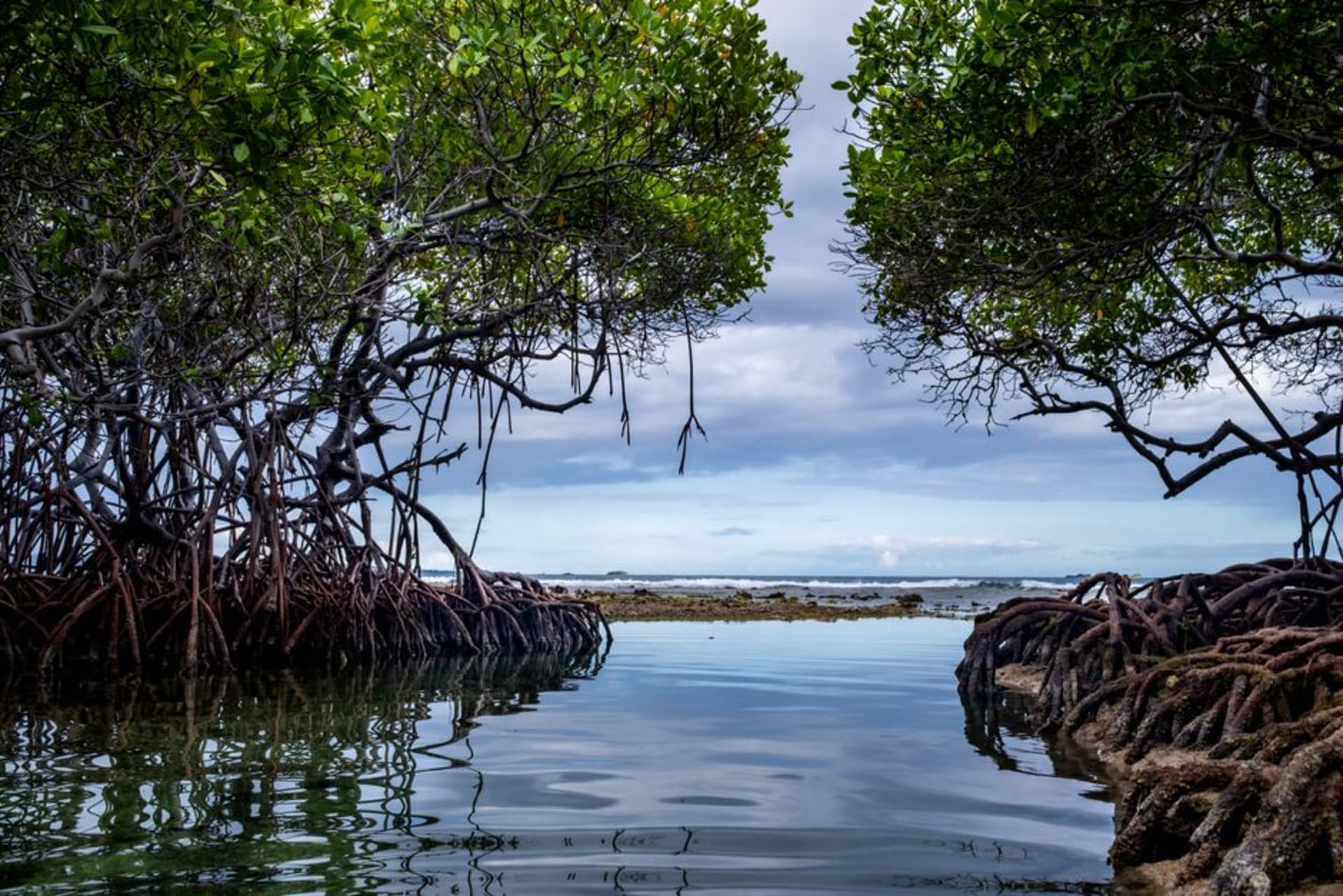
La Encrucijada
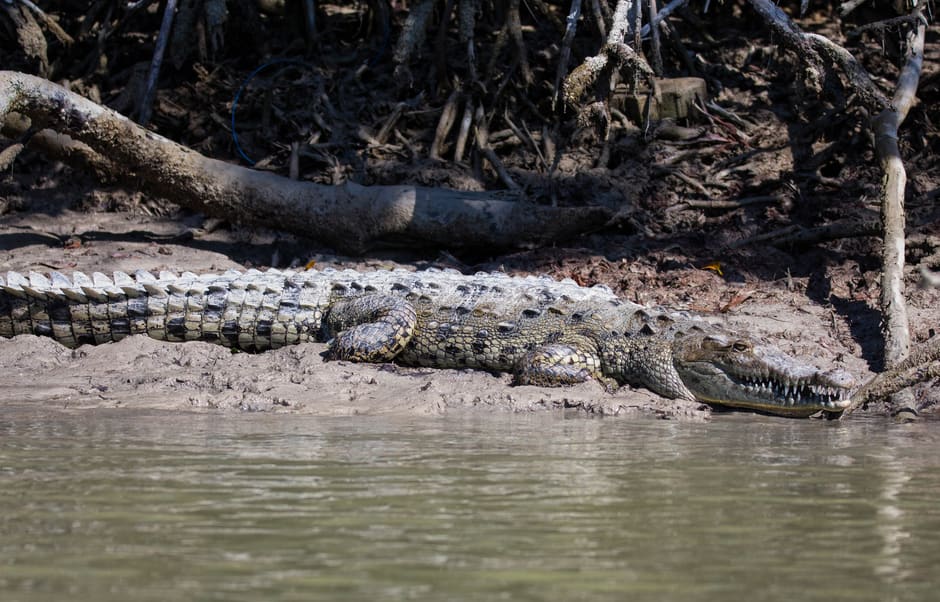
"The boatman cut the engine and we sat in the silence of the mangrove channel while a crocodile slid off a log ten meters ahead — neither of them, man or reptile, seemed particularly concerned."
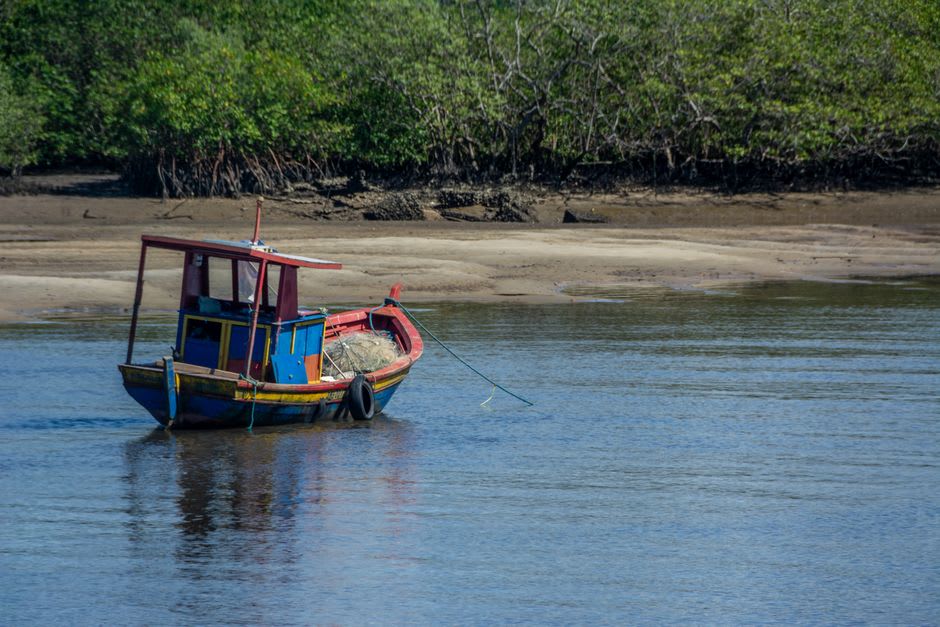
I got to Embarcadero La Palma around seven in the morning, when the light was still doing something soft and orange over the lagoon and the lanchas were loading ice for the day’s fishing. The boatman — a guy named Eleazar who had been running this route since before I was born, apparently — quoted me two hundred pesos to go in and come back out. We agreed on two-fifty so he would slow down when I asked. The thing nobody tells you about La Encrucijada is that the arrival itself is half the experience: that first kilometre into the channel, when the vegetation closes over the boat and the sound of the road disappears completely.
The Channels
The reserve covers roughly 144,000 hectares of mangrove, lagoon, and seasonally flooded forest, which means you are not going to see all of it. What you do see is a series of channels that branch and reconnect in ways that would be genuinely confusing without someone who knows which fork leads back to open water. Eleazar knew every one. We moved through corridors of mangle rojo, roots arching into the brown water like suspended calligraphy, while frigate birds circled high above and the occasional great blue heron watched us pass with the bored dignity of a border official. Then the crocodile — a proper one, two metres at least — on a half-submerged log. Eleazar cut the engine without me asking. We drifted. The crocodile considered the situation and then slid back into the water without any particular drama. I found that combination of proximity and indifference more affecting than I expected.
The Stilt Villages
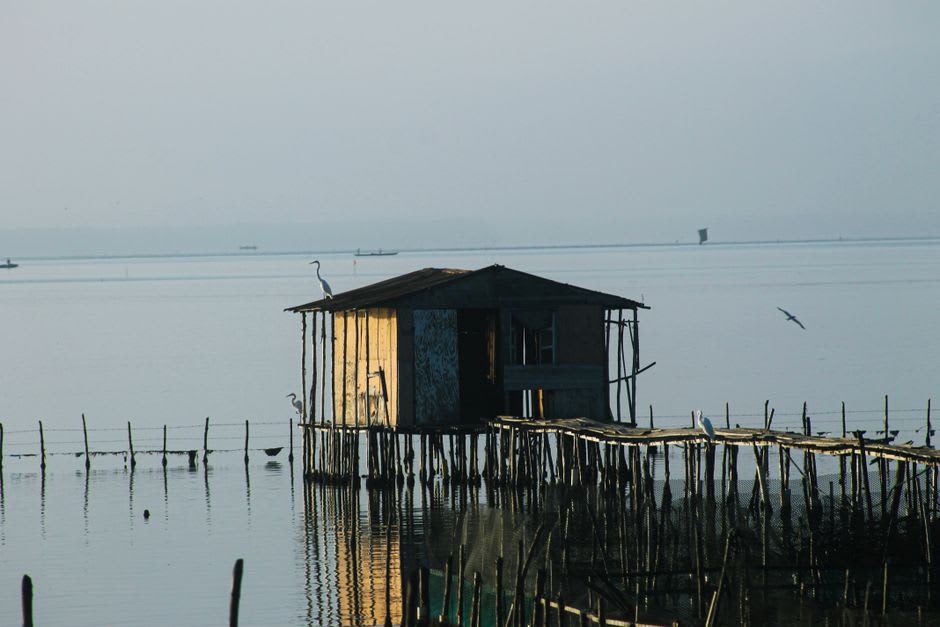
The communities built inside the reserve — Garra de León is the one most boats stop at — have an end-of-the-road quality I am always drawn to. The houses sit on platforms over the water, connected by narrow wooden walkways, and children commute to school by canoe. There is a small comedor near the landing dock where a woman named Doña Celia serves desayuno: huevos revueltos with chipilín, black beans, and fish that was in the lagoon the previous evening. I ate there twice. The second time I asked what the fish was called locally and she said robalo, same as everywhere, but it tasted cleaner and simpler than any robalo I have had since. The community receives visitors without making a performance of it, which I appreciated.
Early Morning on the Lagoon
The open lagoon — Laguna La Joya — is best before eight, when the water is flat and the light comes at an angle that turns everything slightly gold. Eleazar took me out a second morning without the tourists and we sat while he checked a net. Pelicans dove. A pair of roseate spoonbills worked the shallows near the far bank, pink against the green so vivid it looked illustrative rather than real. I took no photos that session. Some things are better left unjpeg’d.
Getting There
From Tonalá take a combi toward Pijijiapan and ask to be dropped at the Embarcadero La Palma turnoff — the journey is roughly forty minutes and the drivers know it. From there, mototaxis run the four kilometres of dirt road to the embarcadero. Go on a weekday if you can; weekends bring families from Tuxtla and the channels feel less like a functioning ecosystem and more like a guided tour of one.