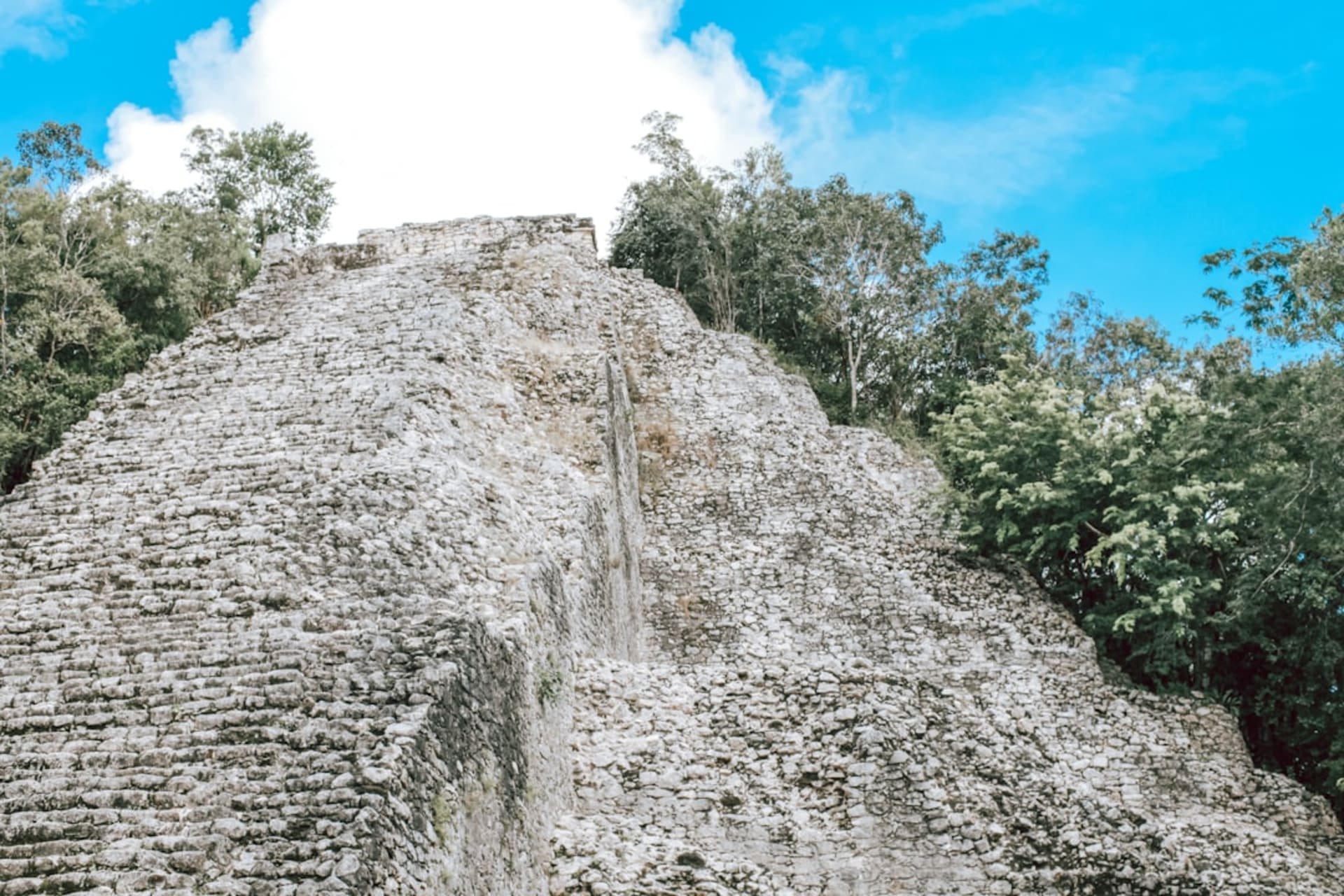
Yaxchilán
"The boat leaves Frontera Corozal and goes upriver through the jungle for 45 minutes. Yaxchilán appears on the left bank. The howler monkeys are always there when you arrive."
Yaxchilán requires effort in a way that most Mexican archaeological sites do not. There is no road to the site. The only access is by boat up the Río Usumacinta — the river that forms the border between Mexico (Chiapas) and Guatemala — from the village of Frontera Corozal, 45 minutes upstream through the Lacandon jungle. This is not a deterrent. It is the reason Yaxchilán remains one of the least overrun major Maya sites in Mexico and the most atmospherically intact.
The site was one of the most powerful Maya cities of the Classic period (250-900 CE), controlling a significant stretch of the Usumacinta and maintaining a complex military and political relationship with Palenque, Tikal, and Piedras Negras (across the river in Guatemala). The ruler Shield Jaguar II (reigned 681-742 CE) and his successor Bird Jaguar IV (reigned 752-768 CE) commissioned the carved stone lintels that are Yaxchilán’s primary artistic achievement — narrative stone carvings over the doorways of the main temples that record the blood-letting rituals, captive-taking, and royal ceremonies of the Yaxchilán court in a detail and quality unmatched in Maya sculpture.
The River Journey
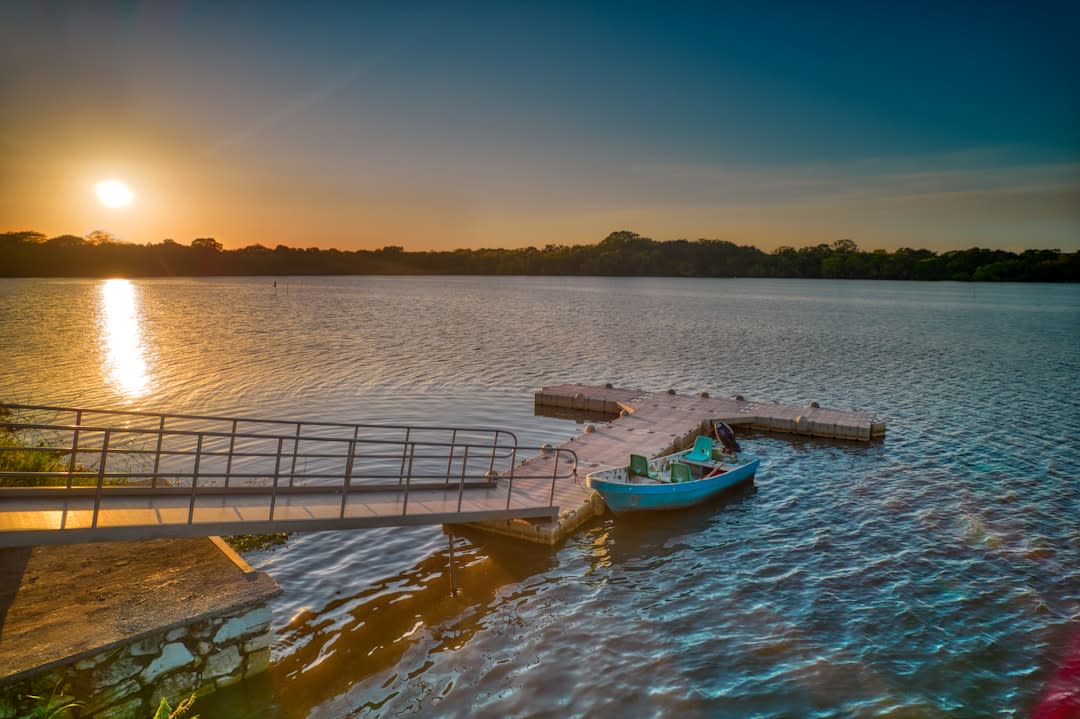
The boat from Frontera Corozal is a long fiberglass launch with a outboard motor, arranged through the cooperative of local Chol Maya boatmen at the village landing. The 45-minute journey upstream: the jungle on both sides, the Guatemala bank to the right (occasionally visible settlement), herons and kingfishers on the branches overhanging the water, the specific green of the Usumacinta that is different from the Caribbean coast water or the Gulf — a river green, mineral-tinted, moving.
Yaxchilán appears on the left (Mexican) bank when the river makes a sharp bend — the ruins emerging from the tree line, the main building of the Gran Plaza visible first, then the larger structures above. The boat ties to the bank; the ruins begin immediately.
The Site
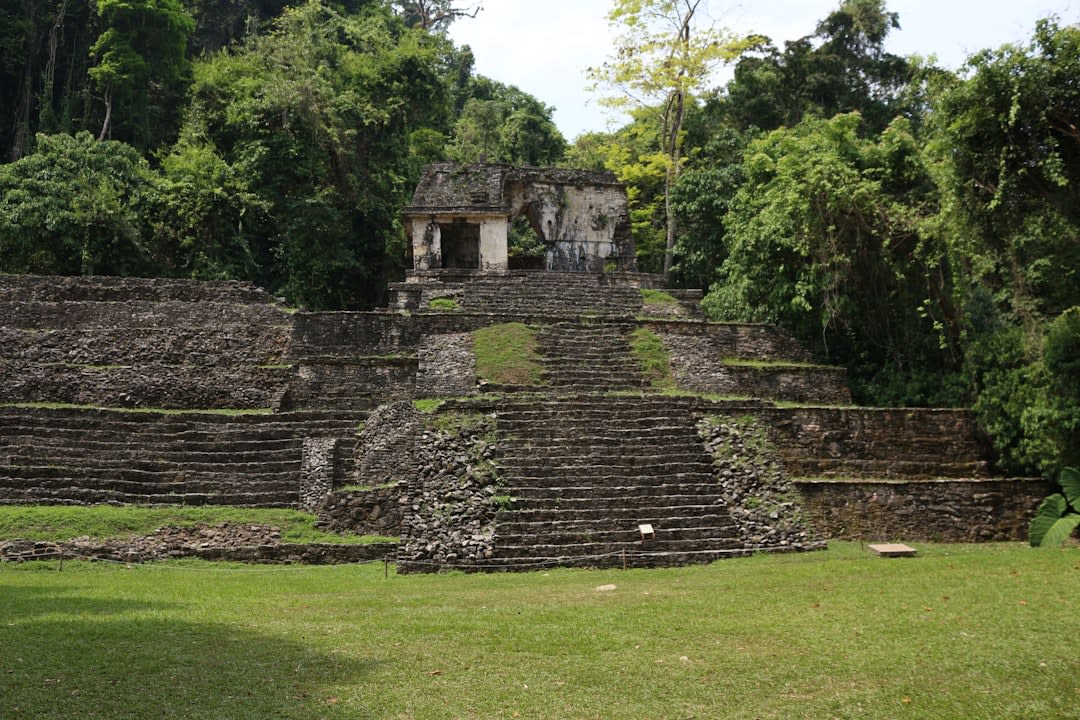
The Gran Plaza is level with the river bank and contains the main building (Structure 19, with the most accessible carved lintels), the ball court, and several stelae commemorating the rulers and their military campaigns. The carved lintels above the doorways — the ones that remain in situ, the others having been removed to the British Museum and the Mexican national collection — show Lady Xook (Shield Jaguar’s principal wife) pulling a thorned rope through her tongue in blood-letting ritual, Shield Jaguar holding a torch above her, Bird Jaguar receiving his headdress before battle.
The Gran Acrópolis — the cluster of temples on the hill above the plaza — requires a 15-minute climb on stone steps through the jungle. The howler monkeys occupy the Acrópolis in the morning, moving through the tree canopy that grows through and over the structures. Howler monkeys at close range: large, black-furred, the sound they produce (the “howl”) is anatomically produced by an enlarged hyoid bone and carries 5 kilometers. At 10 meters, it is overwhelming.
Templo 33 at the top of the Acrópolis: the best-preserved main temple, its carved lintel still in place above the doorway, a stucco figure inside the temple that dates to the late Classic period.
The Labyrinth
One of Yaxchilán’s more unusual features: a labyrinth of low corbel-vaulted passages under the Gran Acrópolis, built into the hillside. The passages connect in a grid pattern, some lit only by the openings at either end, others requiring a headlamp. The bats that roost in the vault intersections scatter when disturbed. The passages were probably used for ritual purposes during the Classic period; their current function is to disorient tourists pleasantly.
Getting there: Bus or colectivo from Palenque to Frontera Corozal (3h). In Frontera Corozal, the boat cooperative at the landing organizes the 45-minute river trip to the site. The cooperative sets standard prices; negotiate the return time carefully (minimum 2h at the site, 3h better). No accommodation at the site; most visitors day-trip from Palenque.
When to go: November through May for the driest season and clearest river. The rainy season (June-October) raises the river level (making access easier) and the humidity (making the site experience more challenging). Arrive at opening (8am) to have the site largely to yourself before the tour groups from Palenque arrive.