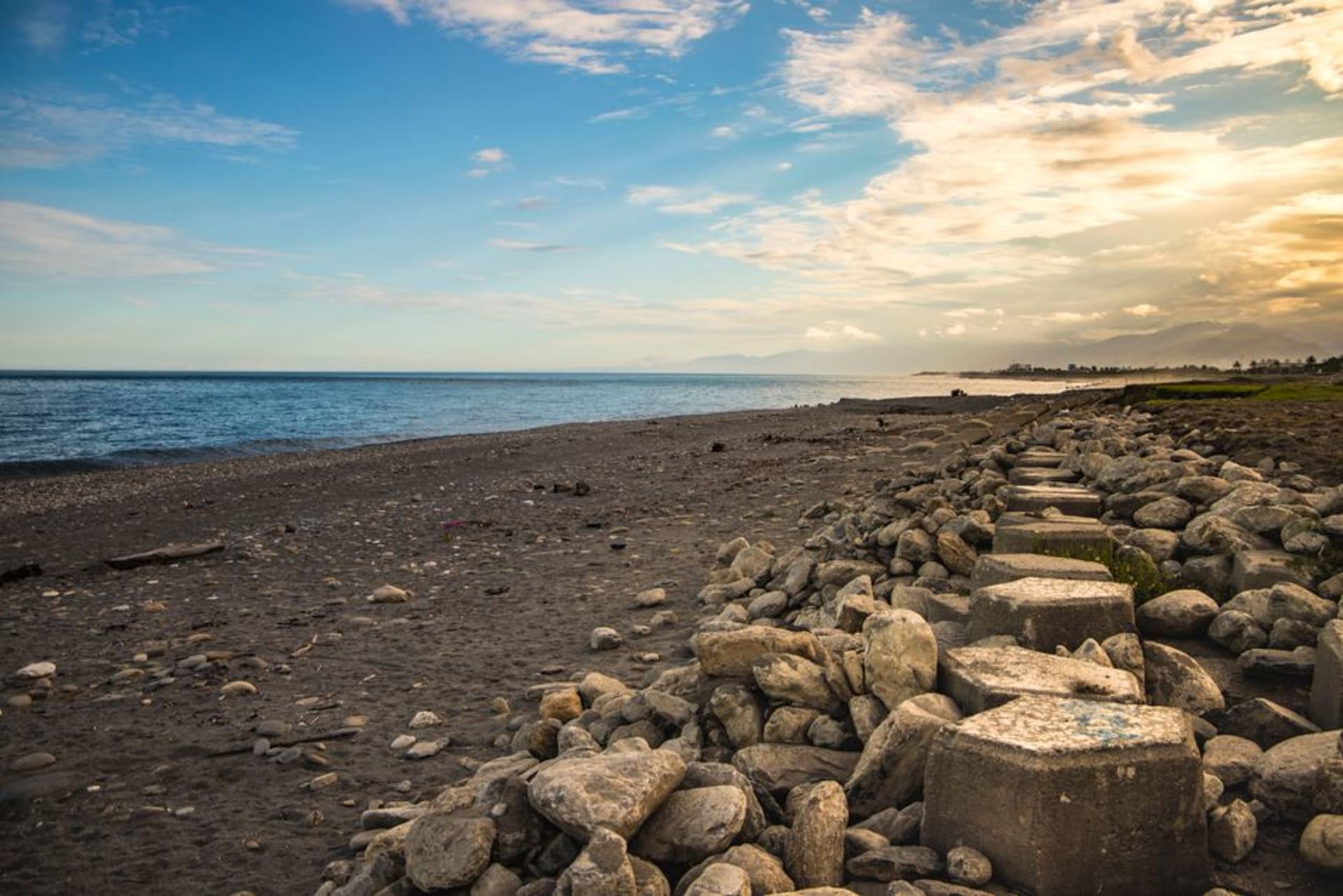
Tonalá
"I bought a hammock I did not need and spent the afternoon in it facing the Pacific, which felt like exactly the correct order of events."
I pulled into Tonalá on a second-class bus from Tuxtla Gutiérrez around eleven in the morning, hungry and mildly disoriented by how flat everything had become since the mountains. The first thing I saw stepping off was a storefront with forty hammocks hanging in the doorway like a textile curtain. Then another. Then another. Tonalá does not announce itself as a destination — it operates as a supply hub for the rest of Mexico, moving hammocks and dried shrimp and coastal goods inland — but that absence of performance is exactly what makes it worth stopping for. I had planned one night. I stayed three.
A City Woven in String
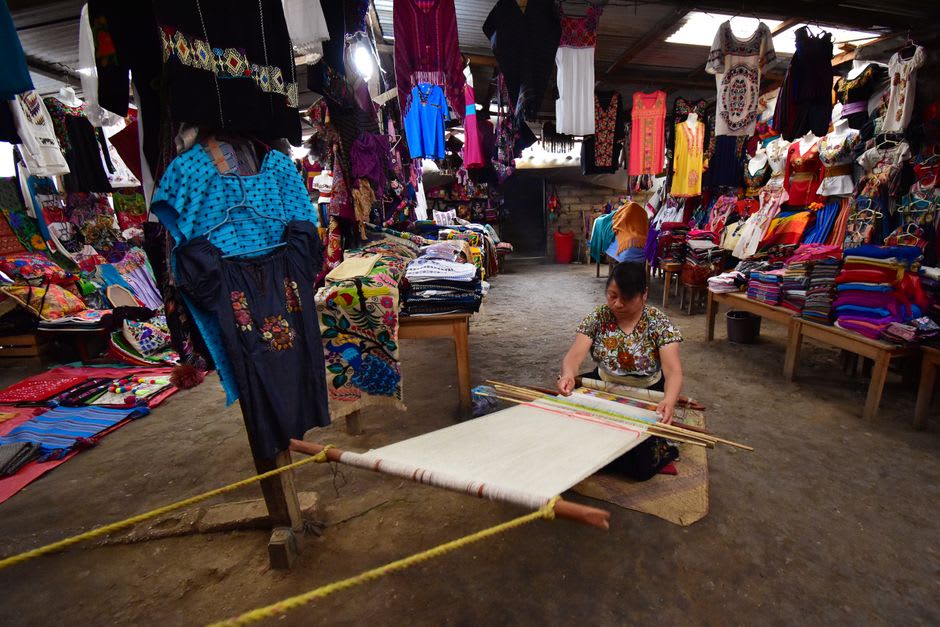
The hammock industry here is not artisanal in the Instagram sense. It is industrial, practical, and all the more honest for it. Along Avenida Hidalgo and the streets running south toward the zócalo, you can walk a hundred meters and pass thirty shops, each hung floor to ceiling with cotton, nylon, and agave-fiber hammocks in every dimension. A good single runs between three hundred and five hundred pesos; a matrimonial double costs more but is negotiable if you show genuine interest rather than tourist curiosity.
I bought a Yucatán-style cotton one from a woman who had been selling on that corner for twenty-two years and who seemed faintly amused that I needed her to demonstrate the correct knot for a Mexican wall hook. She was right to be amused. The thing weighs almost nothing, folds into the size of a grapefruit, and has since become the best purchase I have made in Mexico after a decent camp stove. I was back at my hotel by two o’clock with no particular agenda and the hammock already strung between two posts in the courtyard. This is, I think, the correct way to spend an afternoon in Tonalá.
Puerto Arista on a Tuesday
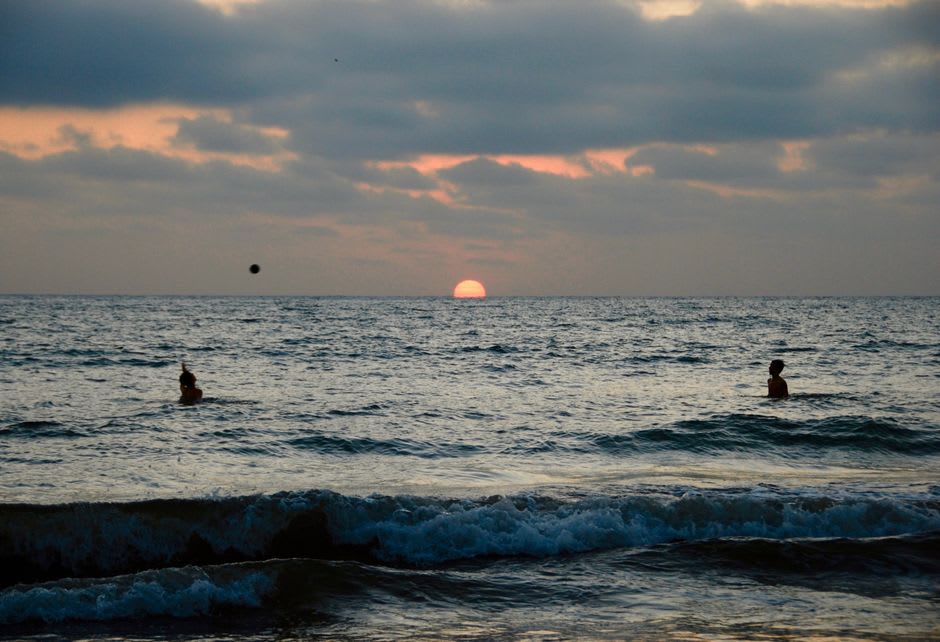
Twenty minutes south by colectivo from the central market, Puerto Arista stretches for kilometers in either direction with almost no one on it during the week. The sand is dark — volcanic runoff from the rivers — and the surf is strong enough to require attention, but the water is warm in a way the Pacific rarely is this far north. Plastic chairs outside the palapa restaurants face the water, and lunch is whatever came in that morning: camarones al ajillo, pescado zarandeado split open and grilled over wood, cold caguamas of Modelo sweating in the heat.
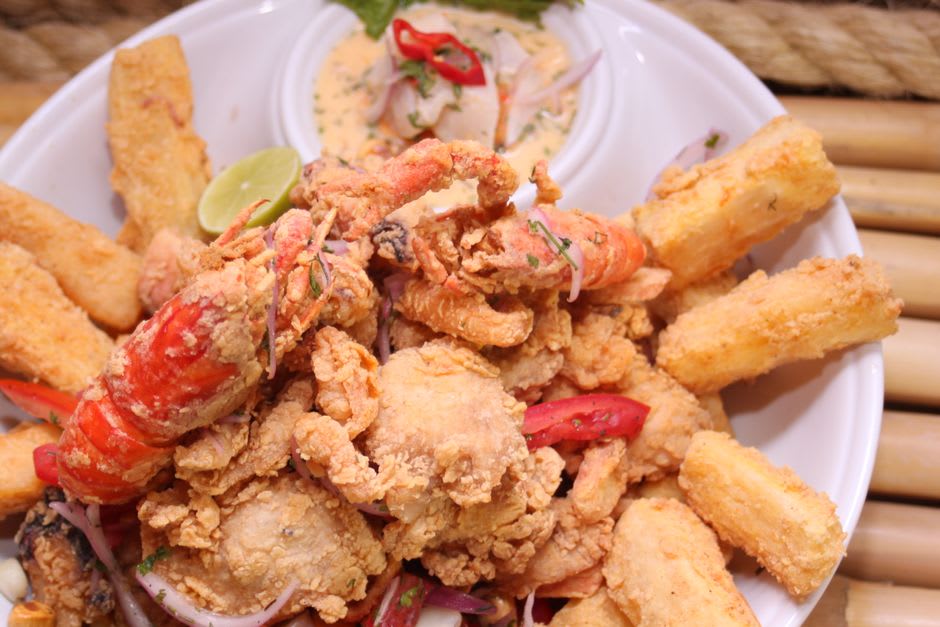
I ate at a place near the main access road, ordered the mixed mariscos plate, and spent considerably more time there than I had allocated. This happens every time I go to a beach in Mexico and I have stopped pretending otherwise. Nobody was bothering me. The surf was loud. I had a second beer I had not planned on. The Chiapas coast does not get written about much, and afternoons like this one are precisely why that feels like a minor injustice.
The Mercado and the Evenings
Back in town, the Mercado Municipal on Calle 5 de Mayo smells of dried camarón, chiles secos, and something sweet I never quite identified. The comedor section along the back wall is the kind of place where a full caldo de res appears in front of you within four minutes of sitting down, with a stack of tortillas, a lime wedge, and no menu in sight. Evenings, the zócalo fills slowly after six: families, teenagers, vendors with elotes and tejate. Nobody is rushing anywhere in particular.
Tonalá is not picturesque in any conventional sense. The architecture is functional, the streets are busy with freight and commerce, and there is no cultural monument that will rearrange your itinerary. What it offers is the Chiapas Pacific coast as it actually operates — unfiltered, at its own pace, largely indifferent to being discovered.
Getting There
OCC and ADO buses connect Tonalá with Tuxtla Gutiérrez in around two hours and with Tapachula in roughly two and a half. From the central terminal on Avenida Hidalgo, colectivos to Puerto Arista leave from a stop two blocks north every twenty minutes or so during daylight hours — the fare is around fifteen pesos. There is no reason to rent a car here.