Sima de las Cotorras
"The parakeets come out of the sinkhole in a spiral that takes your brain a full minute to process as real."
I had arrived at Sima de las Cotorras the evening before, pitched my tent at the ejido campground with the low-commitment enthusiasm I reserve for things I half-expect to disappoint me. Someone in Tuxtla Gutiérrez had described it to me the previous week — thousands of parakeets, a vortex at sunrise, twenty minutes of green chaos over a hole in the earth. I nodded the way I nod when someone describes a particularly good sunset. I set my alarm for five in the morning, lay down on uneven ground, and did not expect much.
The Morning Spiral
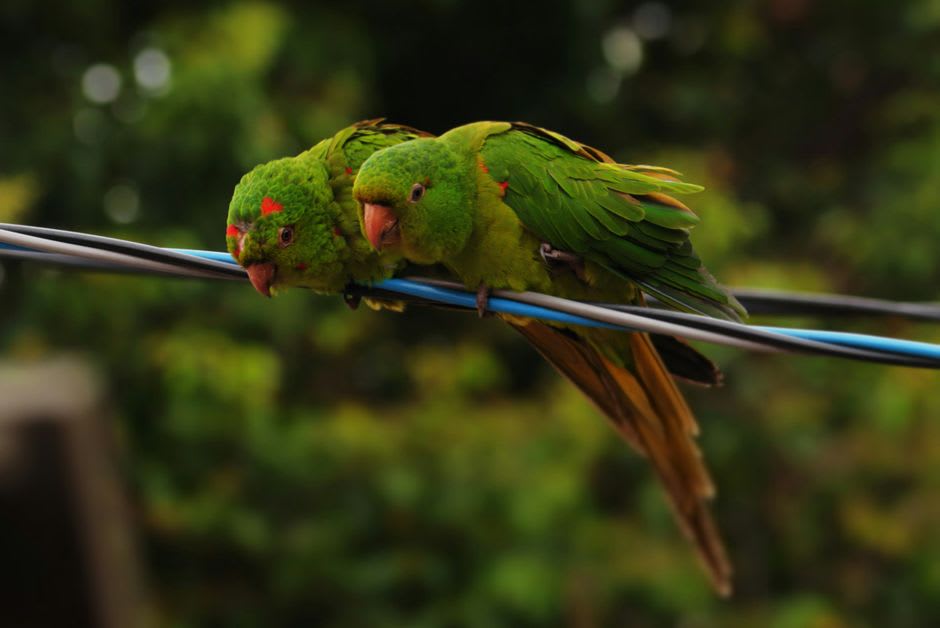
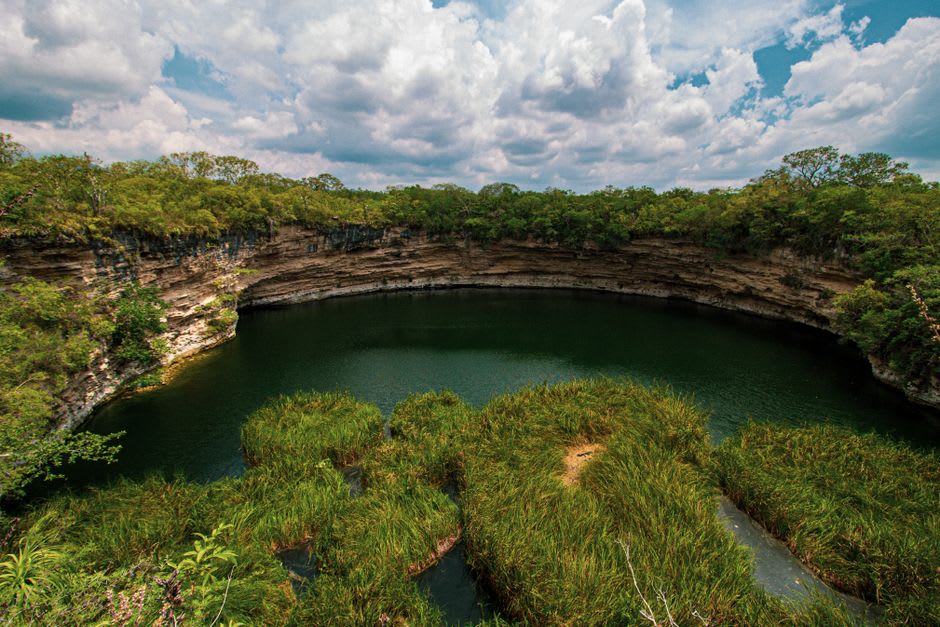
What happens at dawn at the Sima is technically simple to describe and impossible to adequately describe. The sinkhole runs roughly 160 meters deep and as wide — a vertical cathedral carved by water and time into the limestone of the Selva El Ocote. Several thousand green parakeets spend the night roosting along its walls and floor, and when the light arrives they start to leave.
They don’t simply fly out. They spiral. The formation builds slowly at first — ten birds, then fifty, then a ribbon of green that corkscrews upward from the dark and fans into the sky above your head. The sound arrives before you fully understand what you are seeing: a dry, insistent chattering that rises in pitch and volume as the column thickens. The whole event runs roughly twenty minutes from start to last straggler. I stood at the rim in the gray pre-dawn cold, and I felt my skepticism dissolve somewhere around minute three. By minute ten I had stopped trying to make sense of it and was just standing there with my mouth open.
The Hole Outside of Dawn
Most visitors come for the birds and leave without spending time with the sinkhole itself, which is a mistake. The walls hold pre-Hispanic rock paintings — red figures that archaeologists date to several centuries before contact, human forms and animals pressed into the limestone at heights that raise uncomfortable questions about how anyone reached them. There is no scaffolding explanation that fully satisfies.
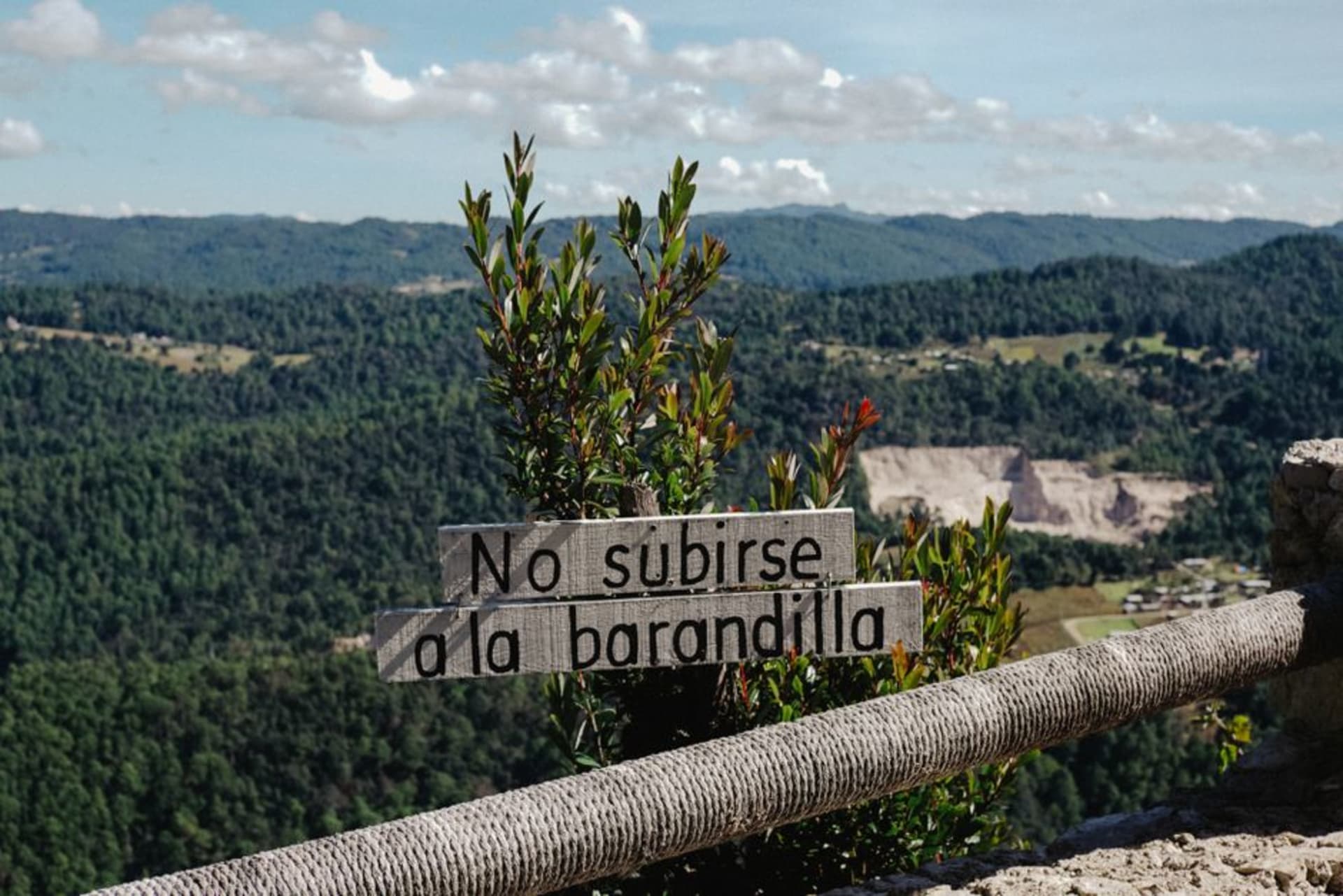
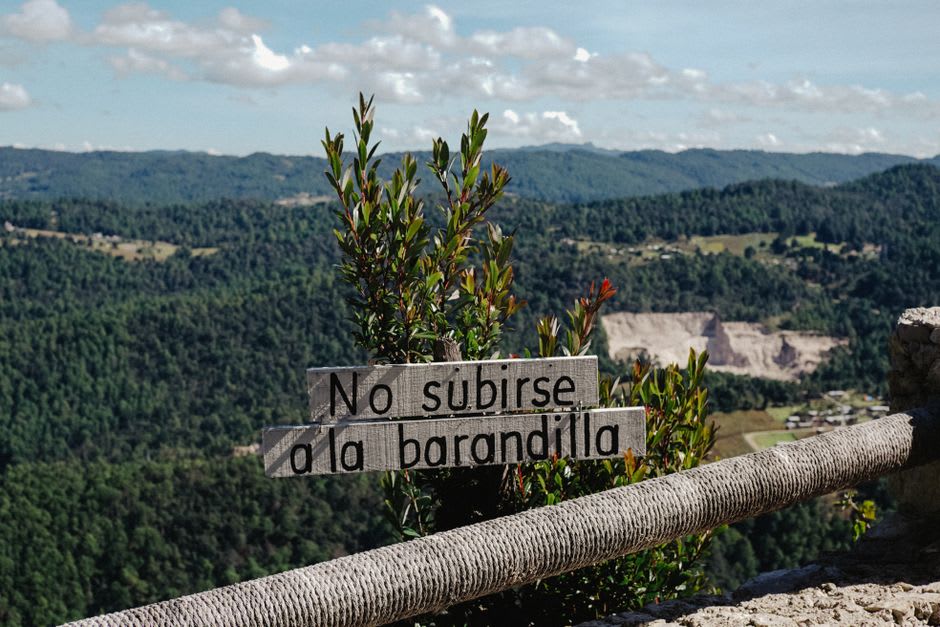
The surrounding Selva El Ocote biosphere reserve is lowland tropical forest — hot, dense, percussion-loud with insects by mid-morning. The ejido runs the site with a light hand: wooden signs, a campground, a few basic cabins, and a small comedora that opens after dawn. I ate scrambled eggs with black beans at a plastic table while the last birds circled overhead and a dog slept under my chair. It is one of those places where the infrastructure is minimal enough that the actual place gets through unfiltered, which is rarer than it should be.
Before You Go
The birds emerge only at dawn, and only during the months when the colony is in residence — roughly October through May. I went in January, which worked well. Arriving the evening before is the only sensible option unless you have a vehicle and enjoy driving jungle roads in complete darkness. The entrance fee goes to the ejido; camping is available on-site, and the cabins are basic but functional if you would rather not carry a tent from Tuxtla. Bring a headlamp for the pre-dawn walk to the rim and more water than you think you need for the rest of the day. The comedora runs out of food earlier than you would expect. Arrive with no precise idea of what a bird sighting looks like — what happens at this sinkhole will not fit inside any prior frame you have for wildlife encounters.
Getting There
The Sima sits about 70 kilometers west of Tuxtla Gutiérrez, near the ejido of Piedra Parada outside Ocozocoautla de Espinosa. From Tuxtla, take Federal Highway 195 toward Ocozocoautla, then follow signs for the ejido. The final stretch is unpaved — passable in a standard car during dry season, less so after rain. No direct public transport reaches the site; colectivos run frequently to Ocozocoautla from Tuxtla’s central bus terminal, and from there a taxi or mototaxi can get you the rest of the way.