Simojovel
"A man opened a wooden box and showed me a scorpion frozen in amber, 25 million years old, asking 400 pesos. I did not buy it. I have thought about it ever since."
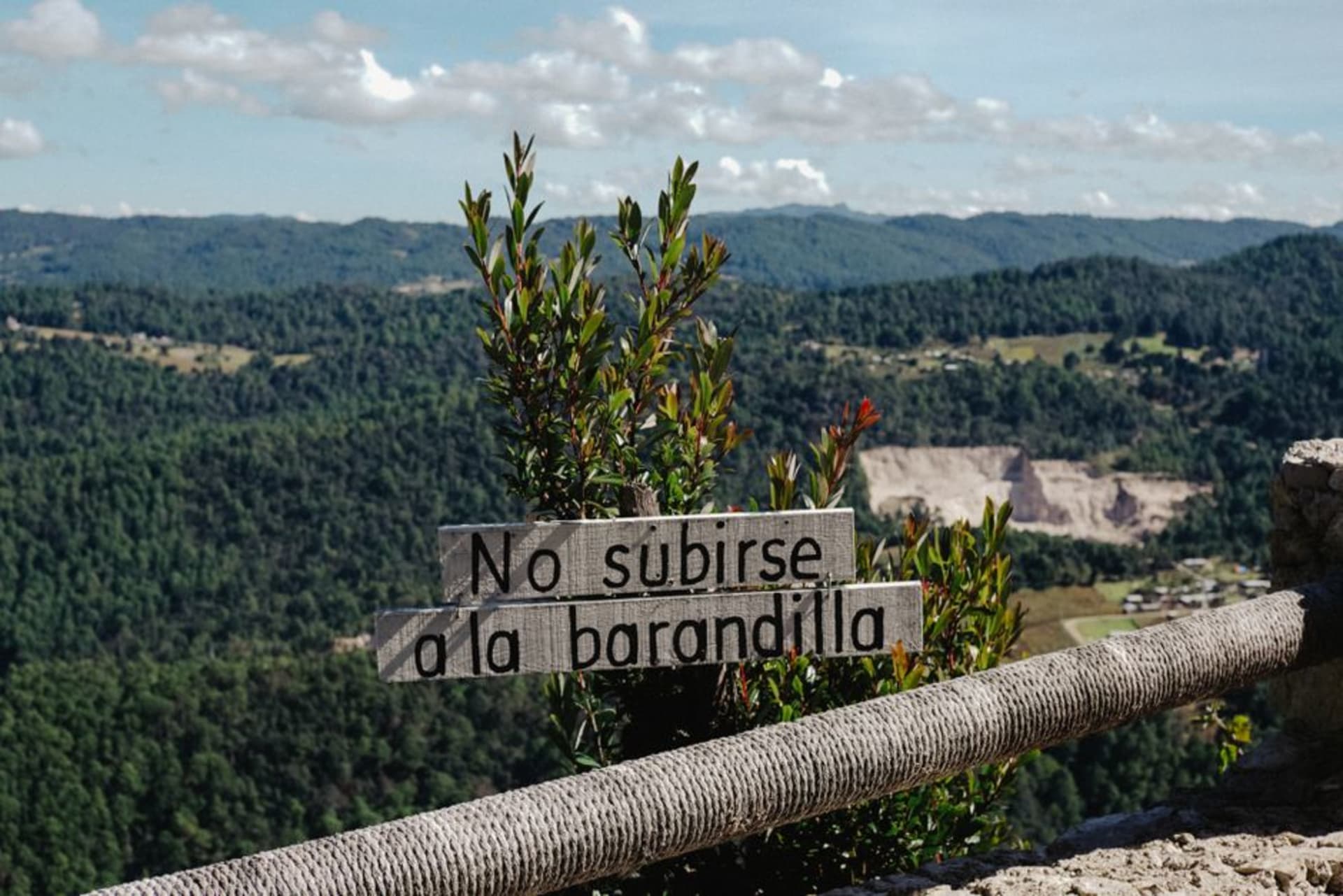
The van from San Cristóbal drops you at the edge of Simojovel without ceremony. No visitor center, no amber-themed mural, no map with colored pins. What there is: a market smell of smoke and blue corn tortillas on a comal, streets that climb without apology into the northern highlands, and men in work clothes moving through the morning like any other morning in any other town. I had read that Simojovel produces most of the world’s amber with biological inclusions. That fact takes on a different weight once you are standing in it and nobody seems to find it particularly remarkable.
The Resin That Remembered Everything
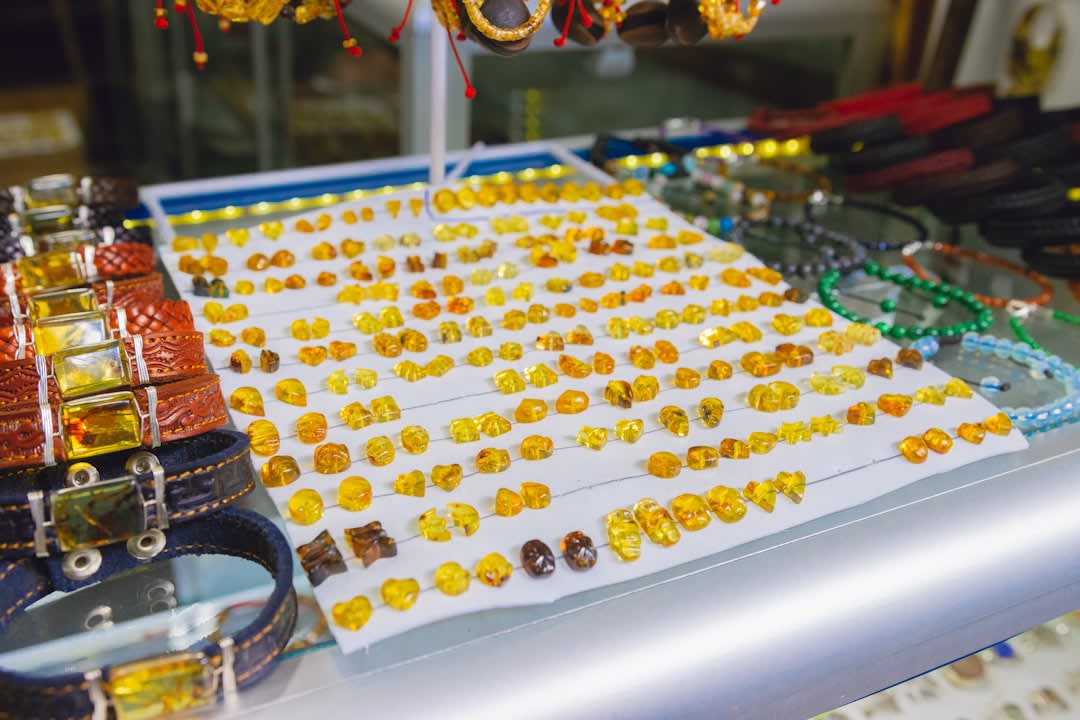
Chiapas amber is not merely decorative. The pieces that matter here — the ones the dealers keep in wooden boxes or wrapped in cloth at the bottom of a drawer — contain things: a fly with its wings still legible, a plant hair, a bubble of air from an atmosphere that no longer exists, occasionally a scorpion. The resin that became this amber dripped from tropical trees in the Eocene epoch, trapping whatever crossed its path, and then hardened over 25 million years into something you can hold in your palm and see clean through.
The best dealers in Simojovel are not in shops. They work from the front rooms of their houses on streets I found by asking at the market. A woman named Doña Carmen spread pieces across a cloth on her kitchen table and let me look with a loupe she kept in her apron pocket. The amber ranges from pale honey to a deep cognac that looks almost like old wood, and the inclusions vary from barely visible to startling — a centipede, a winged ant mid-flight. She named each one without drama, the way someone identifies birds.
Sunday at the Tianguis
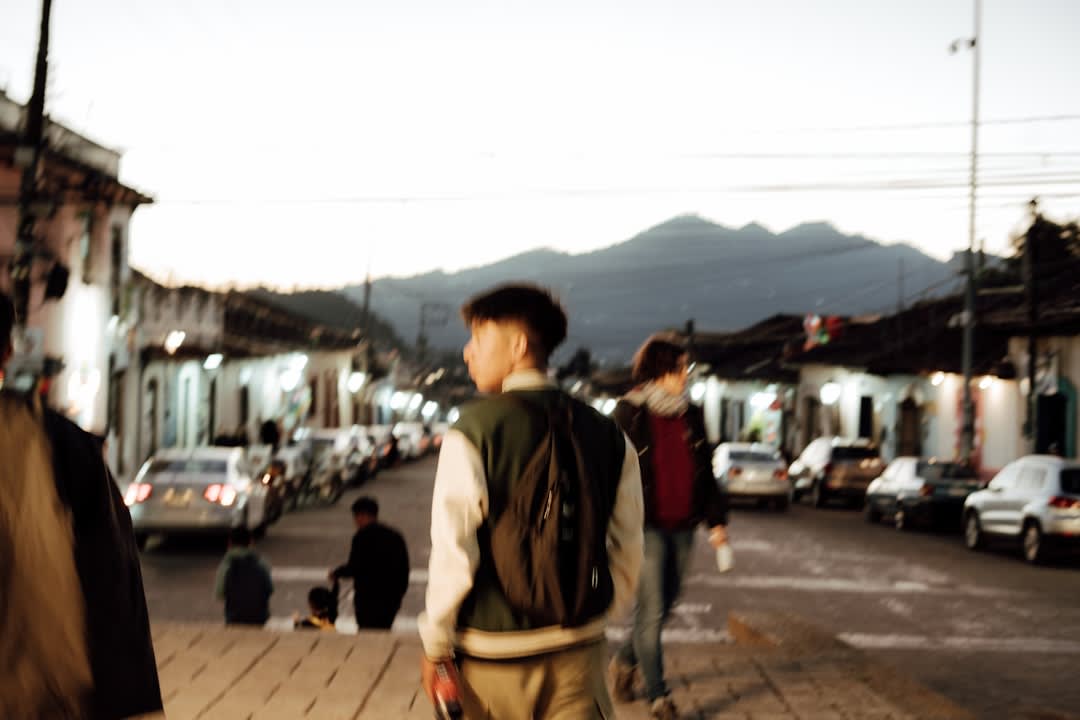
The Sunday market in Simojovel is not designed for tourists because there are no tourists to design it for. It spreads through the lower streets starting around seven in the morning and runs until early afternoon: vegetables, medicinal herbs, dried chiles, cheap tools, second-hand clothes, and somewhere in the middle, a few women selling atole and tamales from a setup that has clearly occupied the same spot for years. I ate two tamales de rajas at one of these tables — masa thick, chile not shy — and the woman refilled my cup of horchata before I asked.
Tzeltal is spoken as much as Spanish here. The rhythms of conversation felt self-contained, unhurried by any outside agenda. I spent the morning walking through it slowly, buying nothing except the tamales, feeling appropriately like a visitor rather than a consumer of an experience.
How to Buy Amber Here
Go slowly with the dealers. Ask to use a loupe — the ones worth buying from will have one and will not rush you. Inclusions are graded loosely by size and clarity; an insect with visible legs costs more than a blurry shape, but even a blurry shape is something that was alive before humans existed. A piece with a clear inclusion — not museum-quality but genuinely beautiful — cost me around 350 pesos. A plain piece in deep cognac, earring-sized and perfectly clear, was 80. Do not buy from anyone who approaches you on the street; those pieces are often copal, a much younger resin that looks similar but lacks the inclusions that make Simojovel worth the drive.
Getting There
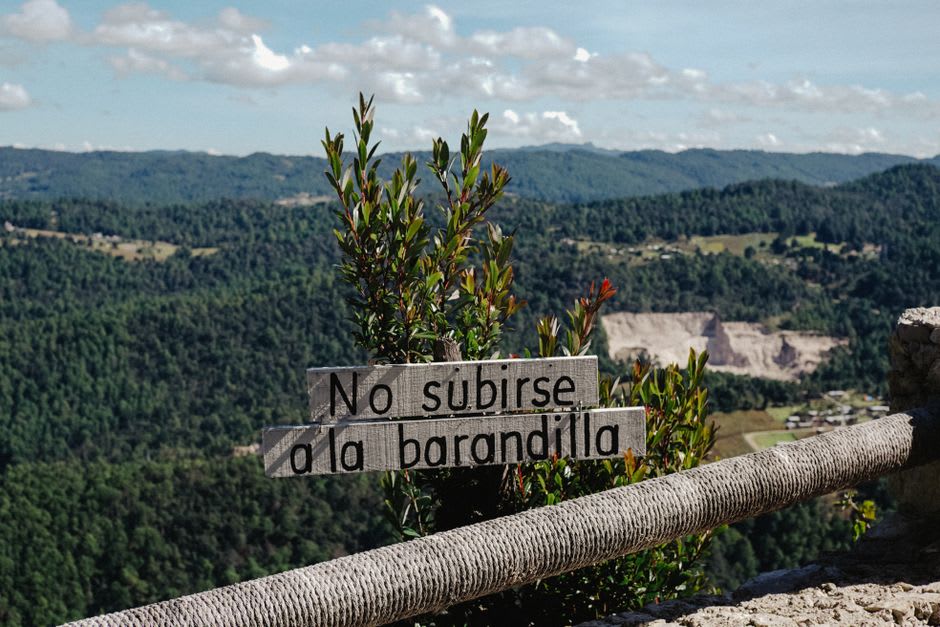
Simojovel is roughly three hours north of San Cristóbal de las Casas — colectivos leave from the terminal on Avenida Insurgentes, usually changing at Bochil. The road through the highlands is winding and occasionally dramatic. The dry season, November through April, makes the drive easier and the Sunday market more active. There is basic accommodation in town but most people come as a day trip from San Cristóbal.