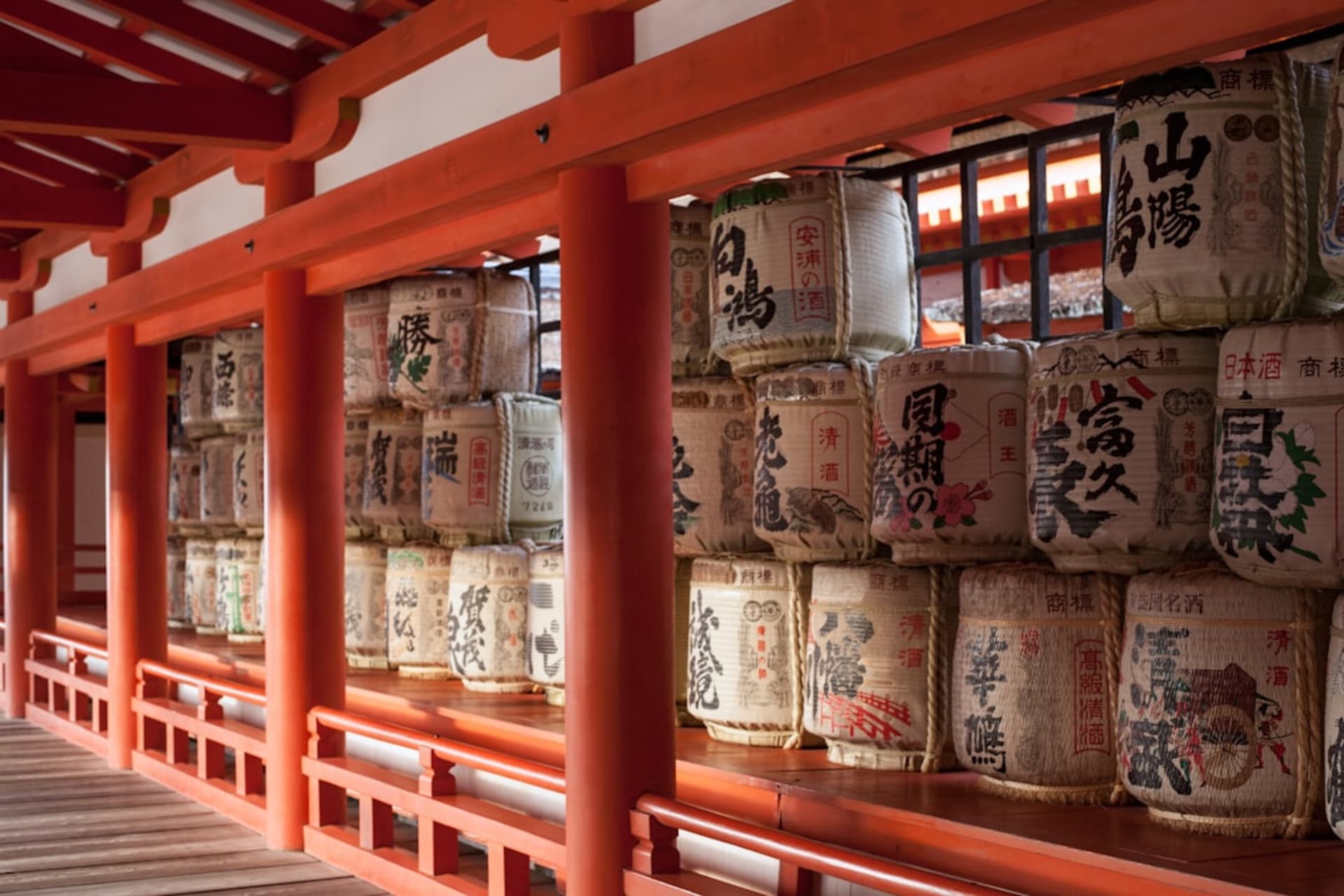
Chūgoku forms the far western end of Honshū, a region often passed through on the way between Kansai and Kyūshū but richly deserving of a stop in its own right. It is a landscape of two coasts — the calm, island-dotted Inland Sea to the south and the wilder Sea of Japan to the north — with mountains in between. What lingers most, though, is the region’s emotional weight: this is the land of Hiroshima, where one of history’s darkest moments became a story of extraordinary recovery, and that spirit of resilience seems to color the whole region.
Hiroshima itself is a warm, open, thoroughly modern city that carries its history with grace. The Peace Memorial Park and its museum are among the most moving places anywhere, and yet the city that rebuilt itself around them is vibrant and forward-looking, famous for its own style of savory okonomiyaki. Just offshore lies Miyajima, where the great vermilion torii of Itsukushima Shrine appears to float on the water at high tide — one of the most iconic images in all of Japan — with deer wandering the lanes and a forested peak rising behind.
Inland and eastward, the mood shifts to something gentler. Kurashiki preserves a beautiful old merchant quarter along a willow-fringed canal, its white-walled storehouses now home to galleries, cafés, and one of Japan’s finest collections of Western art — a place made for an unhurried afternoon’s stroll. Up on the northern coast, the surprising Tottori Sand Dunes roll for kilometers along the Sea of Japan, a rippled expanse of sand meeting the surf that feels like a stray piece of desert washed up on the Japanese shore.
Travel through Chūgoku is easy along the southern corridor, where the bullet train links the main cities, though the north coast asks for a little more effort and a slower pace. The reward is a region of real contrasts and real depth — solemn history beside a floating shrine, elegant canal towns beside windblown dunes — and a chance to see a quieter, deeply human side of Japan that many visitors miss entirely.
Explore
Places in Chūgoku
 japan
japan Akiyoshidai
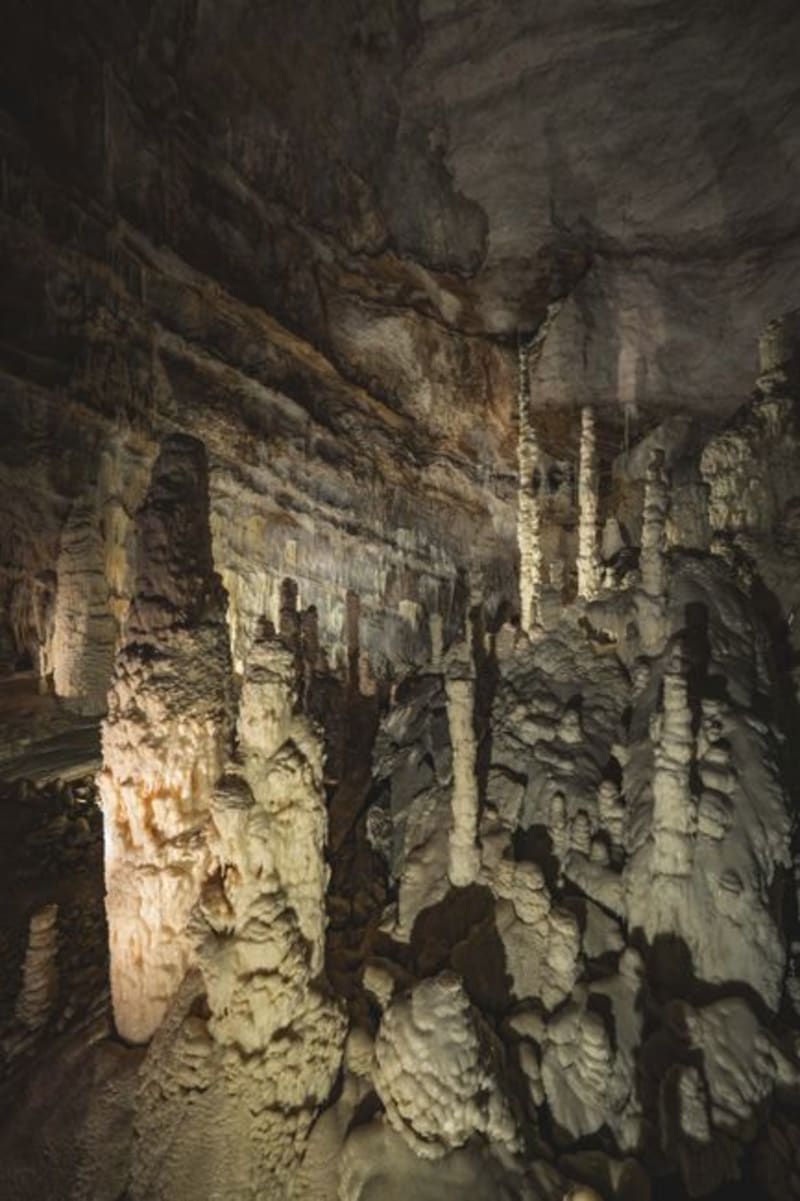
Japan's largest karst plateau, a rolling green grassland in Yamaguchi studded with white limestone teeth, and beneath it a vast cave threaded by an underground river. We walked the high grass in sun and then dropped into the cool dark below. Few places switch worlds so completely.
Explore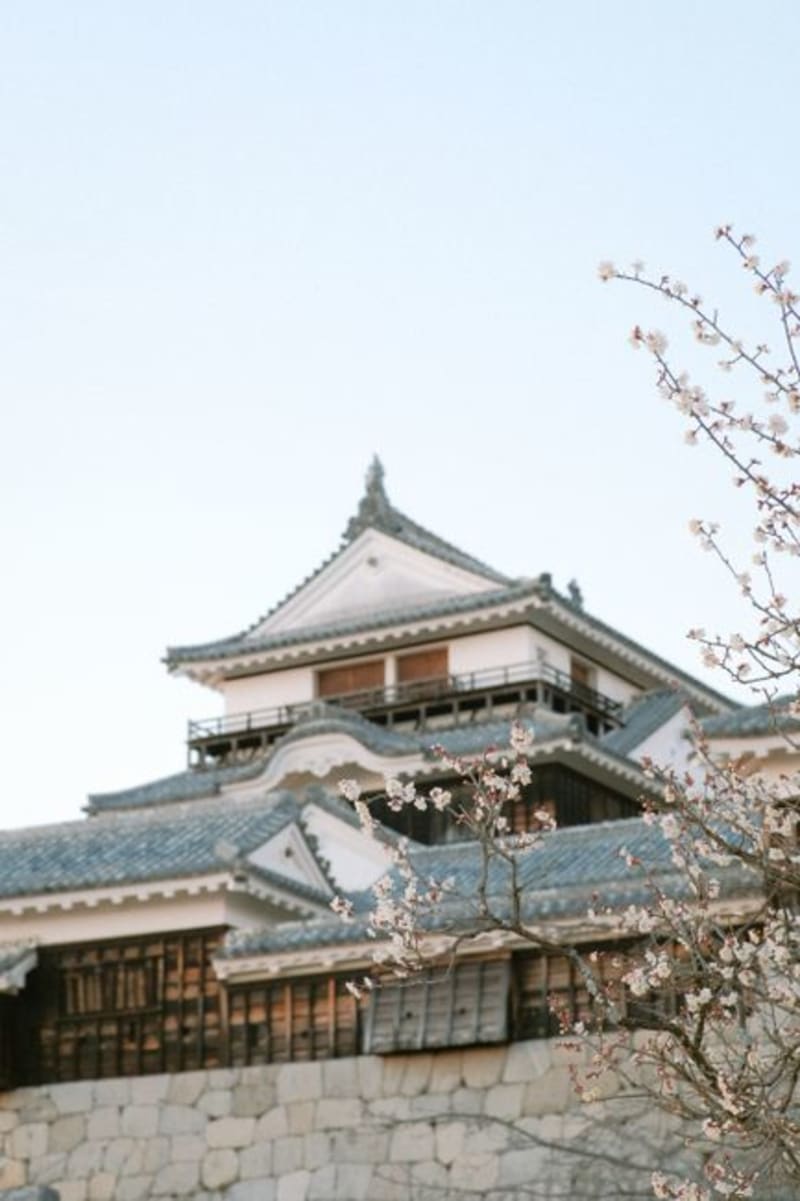 japan
japan Bitchū-Takahashi
A small mountain town in the folds of inland Okayama, crowned by the highest original castle in Japan. In autumn, the keep floats on a lake of morning cloud, and below it a samurai street and a stone-garden temple keep their quiet.
Explore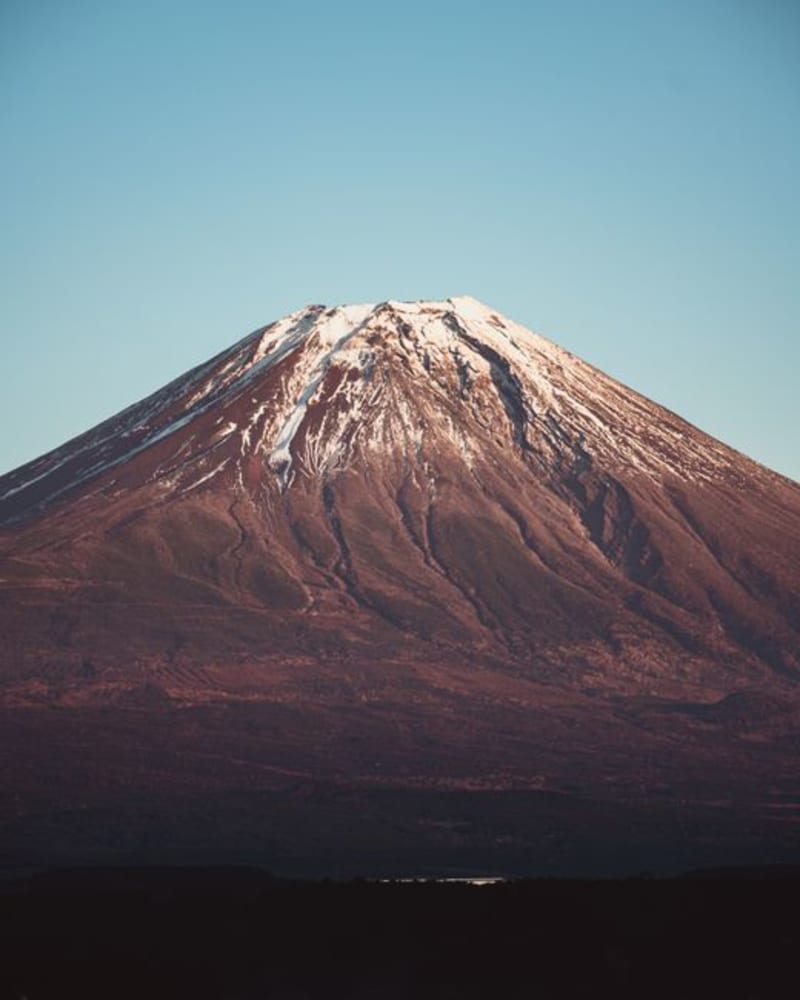 japan
japan Mount Daisen
The great sacred mountain of Tottori, nicknamed the Hoki Fuji for the near-perfect cone it shows from the coast. Its lower slopes hide an ancient temple and a beech forest that turns molten in autumn, while the summit ridge crumbles into something wilder and more precarious than the postcards admit. We came to look at it and ended up walking into it.
Explore japan
japan Fukuyama
A workmanlike Hiroshima castle city that hides a softer heart of roses and a keep rebuilt stone by stone. Come for the fast-train convenience, stay for the slow ferry out to Tomonoura. Fukuyama is the door you almost walk straight through, until it makes you stop.
Explore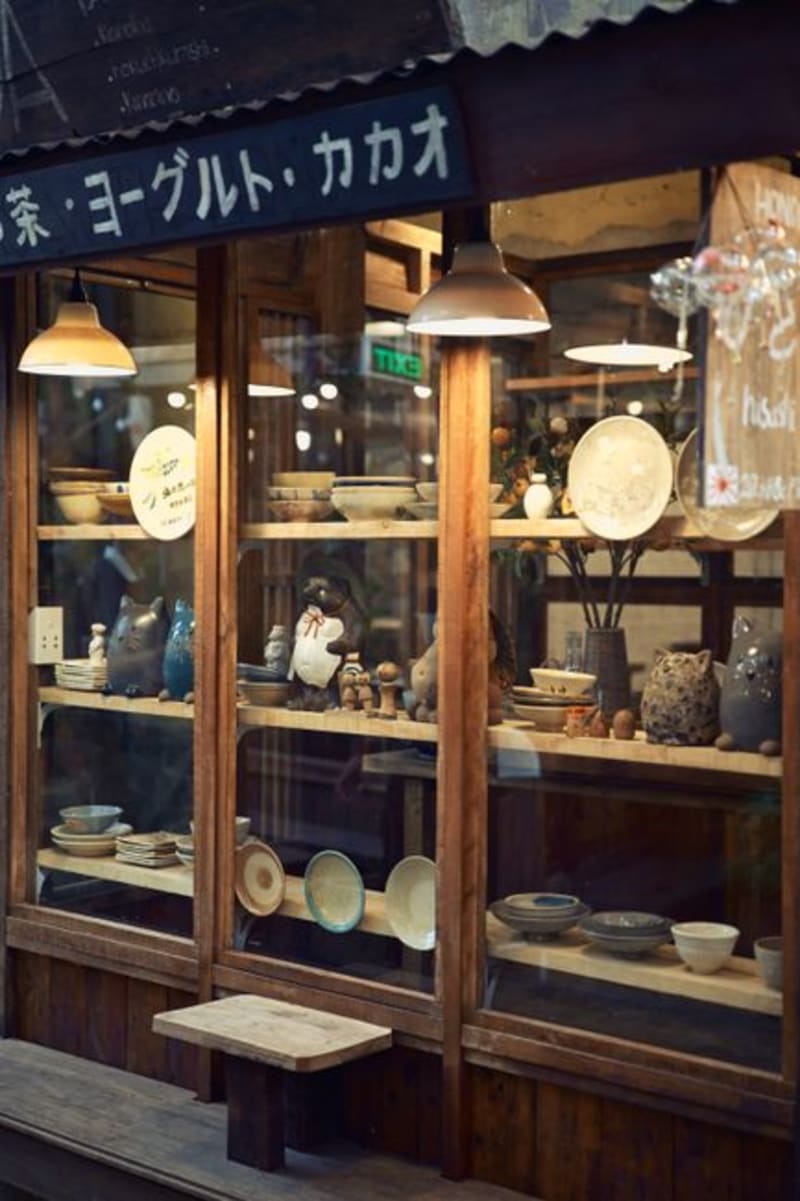 japan
japan Hagi
A beautifully preserved former castle town on the remote Yamaguchi coast, where white-walled samurai streets run down to the sea. We came for the pottery and the quiet and left having stumbled into the small town that helped topple the shogunate and remake modern Japan.
Explore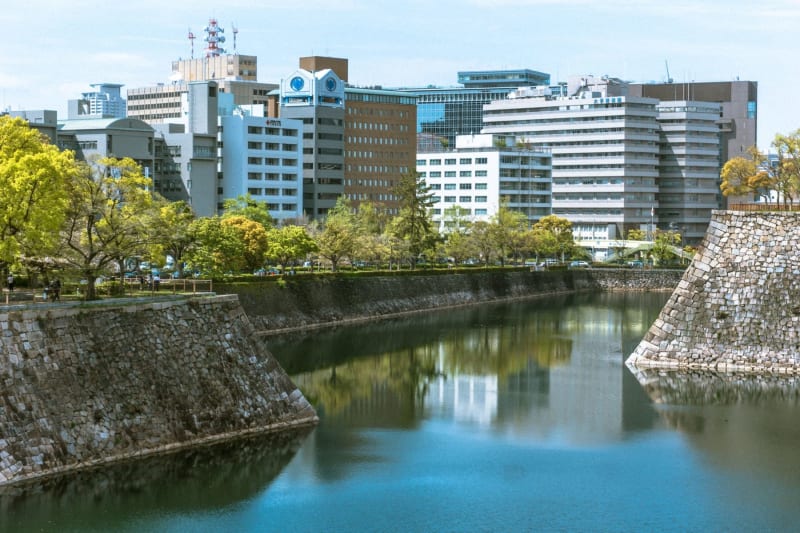 japan
japan Hiroshima
A city reborn from tragedy, where the Peace Memorial Park stands beside a thriving modern metropolis.
Explore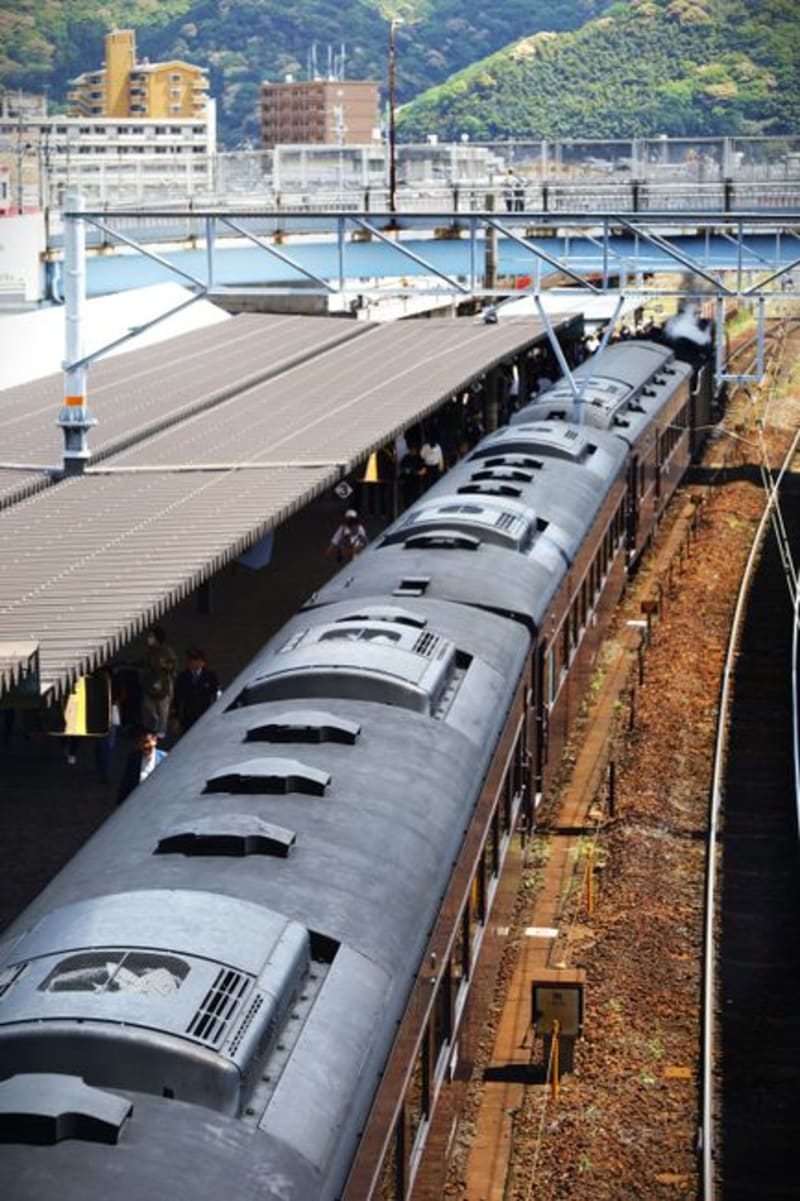 japan
japan Hofu
A modest Yamaguchi town that carries an outsized piece of history: the Hofu Tenmangu, said to be the very first shrine in Japan dedicated to Sugawara no Michizane, the scholar-god of learning. Add a serene old merchant garden and streets that feel unhurried to the point of drowsy, and Hofu becomes the kind of place travellers rush past and shouldn't. We nearly did. I'm glad we didn't.
Explore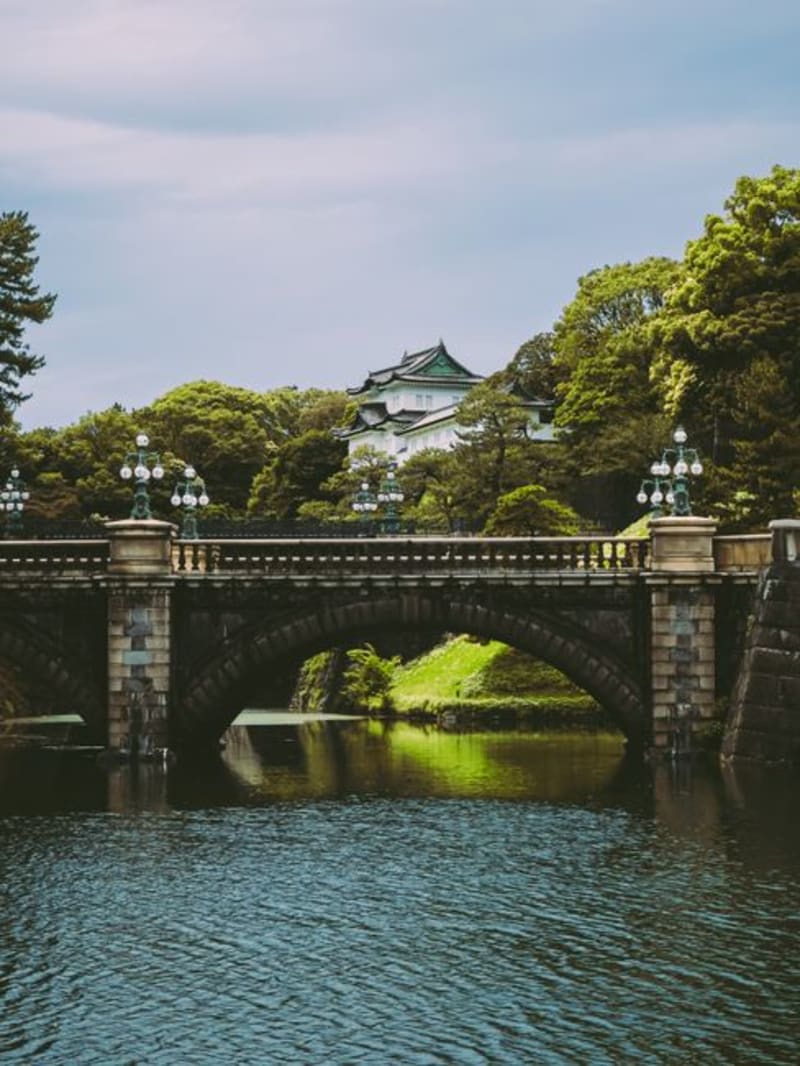 japan
japan Iwakuni
A Yamaguchi town where five wooden arches leap the Nishiki river in a single graceful line, and a small white castle keeps watch from the hill above. Cherry trees crowd the banks, the water runs clear over pale stones, and the whole scene looks composed rather than built.
Explore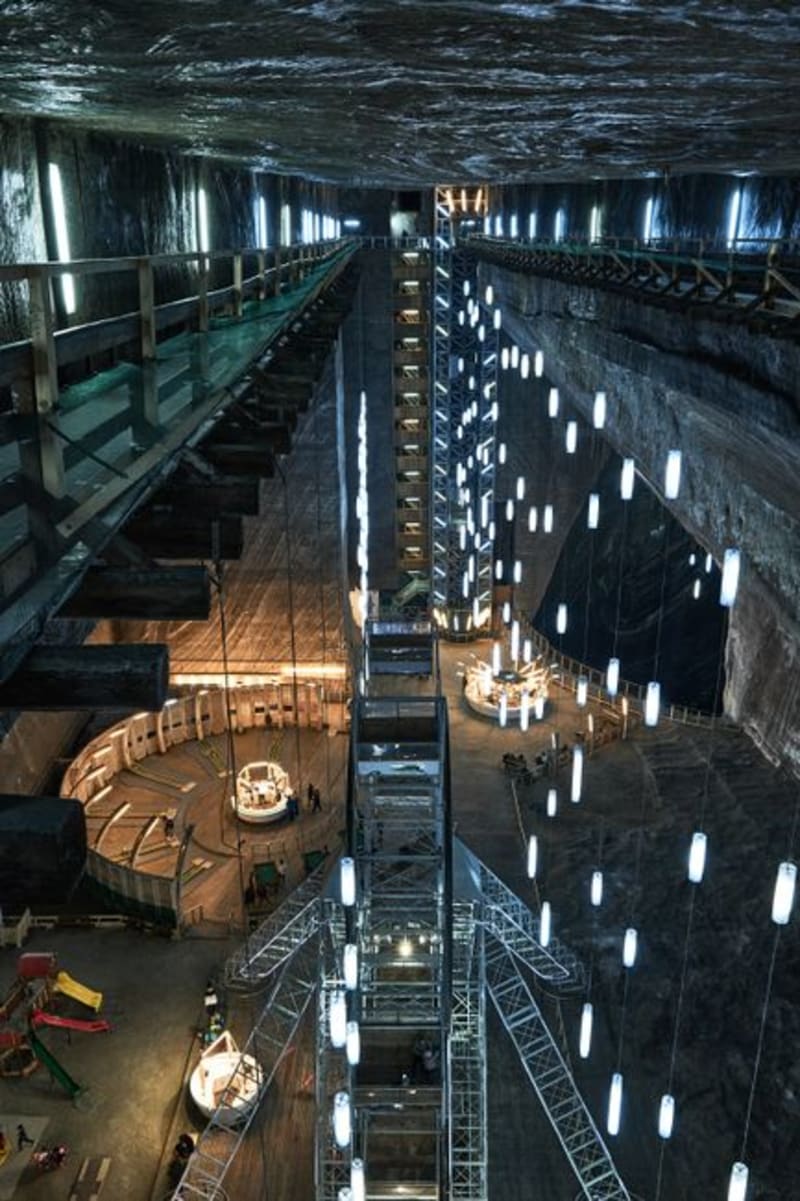 japan
japan Iwami Ginzan
A forested valley in rural Shimane where a silver mine once fed half the world's trade, now gone quiet and green, its shafts swallowed by moss and its old town left standing. We walked into damp tunnels and out through a town that time simply set down and forgot. It is the most peaceful UNESCO site I know.
Explore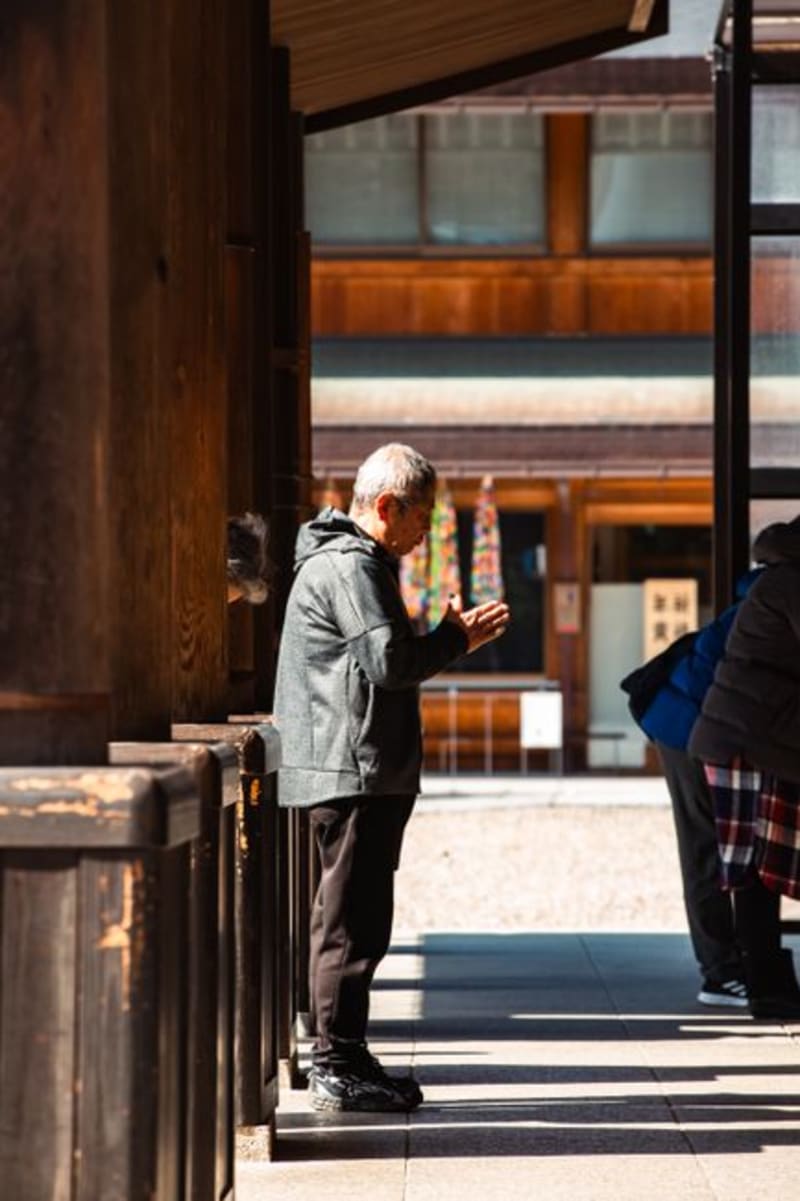 japan
japan Izumo
One of Japan's oldest and most revered shrines, its hall hung with a colossal rope of twisted straw, on a wild stretch of Shimane coast where the gods are said to gather each autumn. Sunsets over the Sea of Japan at Inasa beach.
Explore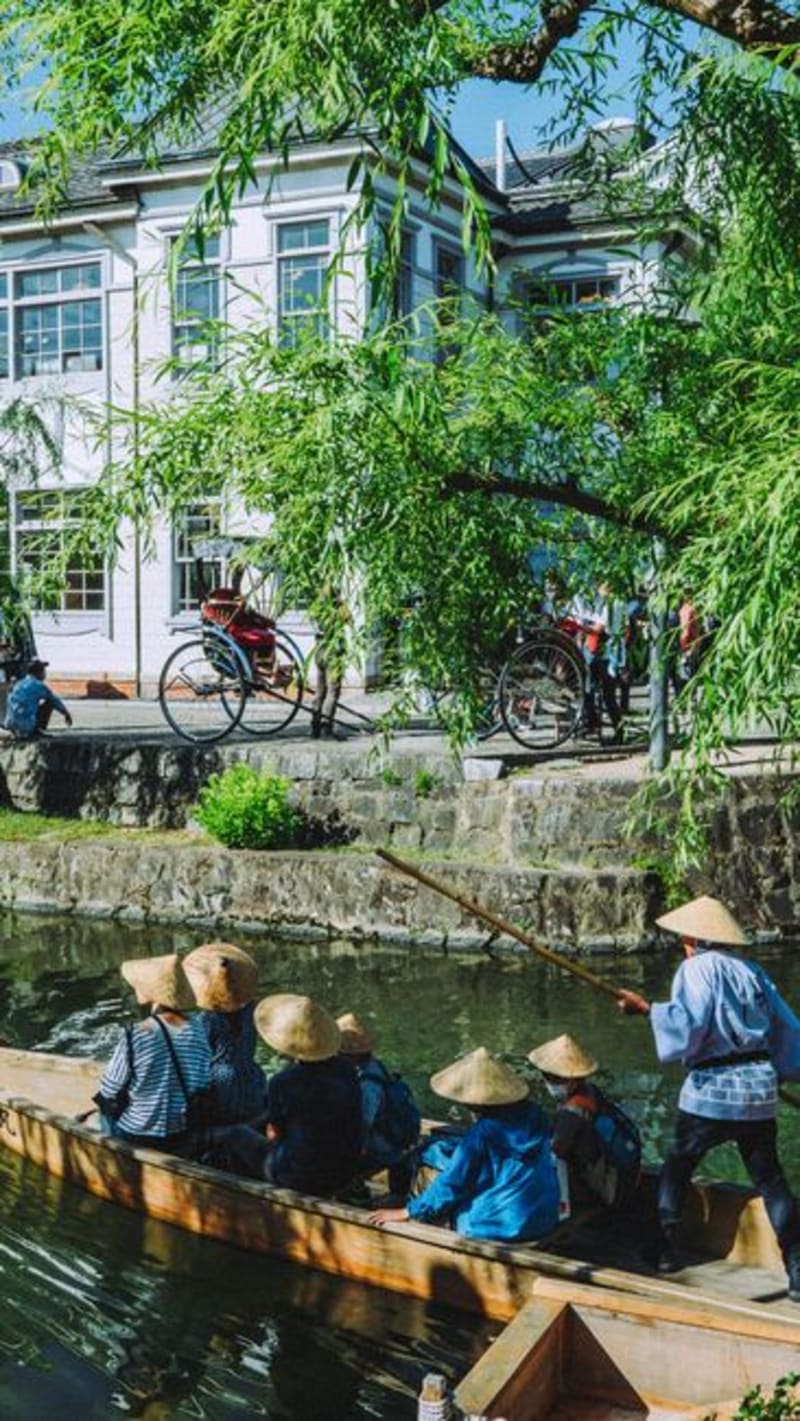 japan
japan Kurashiki
A canal quarter of white-walled Edo merchant warehouses in Okayama, willows trailing over still water plied by flat wooden boats. Art museums, a deep denim heritage, and one of the most quietly beautiful streetscapes in Japan.
Explore japan
japan Kurayoshi
A small Tottori town where white-walled, red-tiled storehouses lean over a slow canal, and life carries on around them with almost no audience. It has the beauty of the famous old towns and none of the crowds. We had whole streets to ourselves, and it felt like a secret.
Explore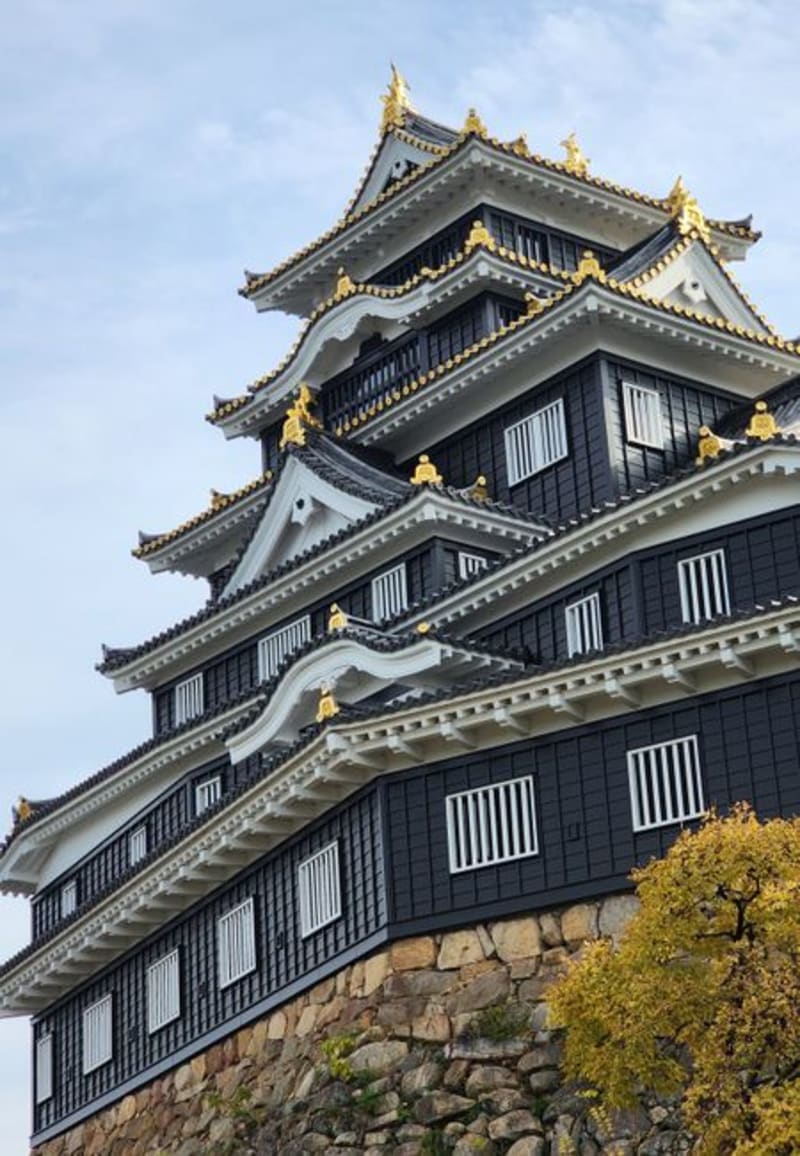 japan
japan Matsue
A castle town on the shores of Lake Shinji, famed for its lake sunsets, a rare original wooden keep, a preserved samurai quarter, and the ghost-hunting writer Lafcadio Hearn who made it his adopted home.
Explore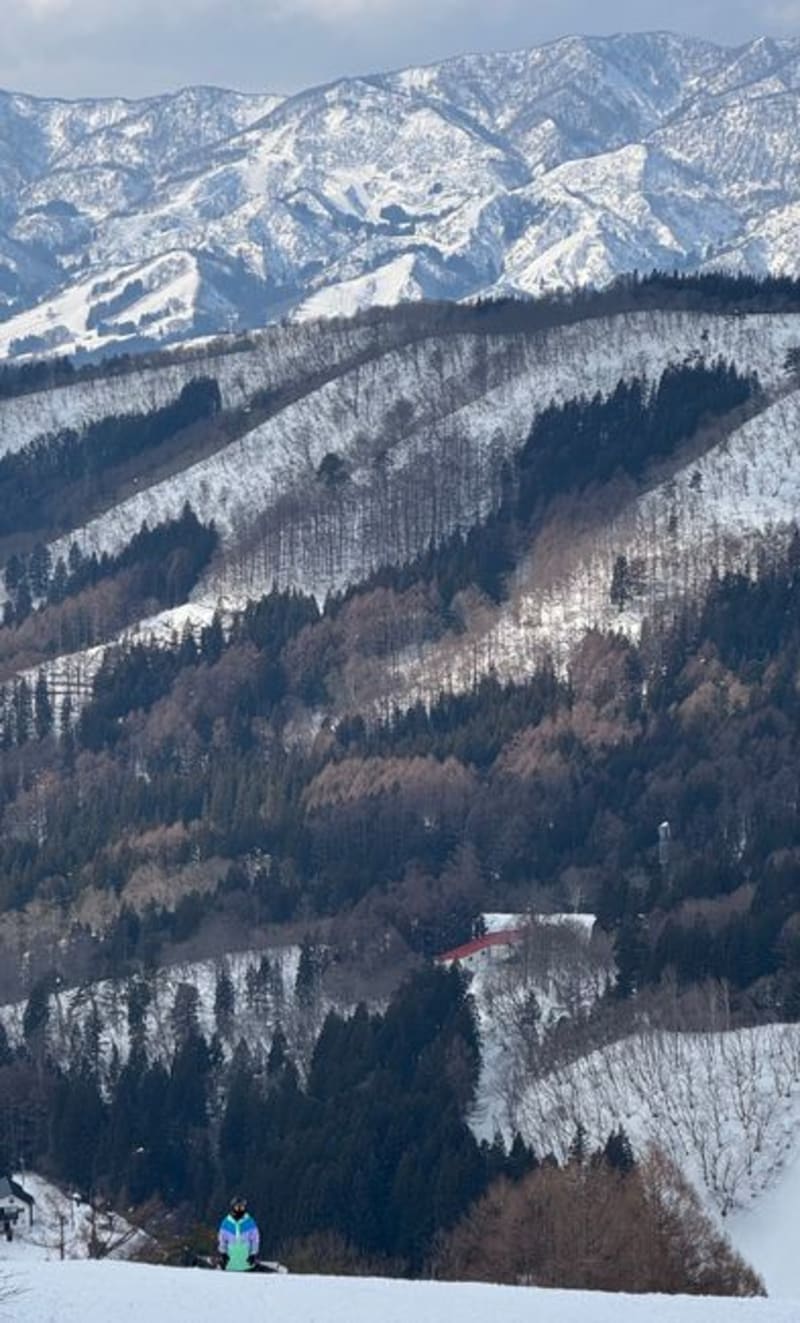 japan
japan Misasa Onsen
A small Tottori hot-spring town where the river runs warm and the water is faintly radioactive in the way that, they insist, does you good. Above it clings the Nageiredo, a wooden hall bolted impossibly into a cliff face on the sacred flank of Mount Mitoku. It is a place that asks you to bathe, then climb, and mostly to slow down.
Explore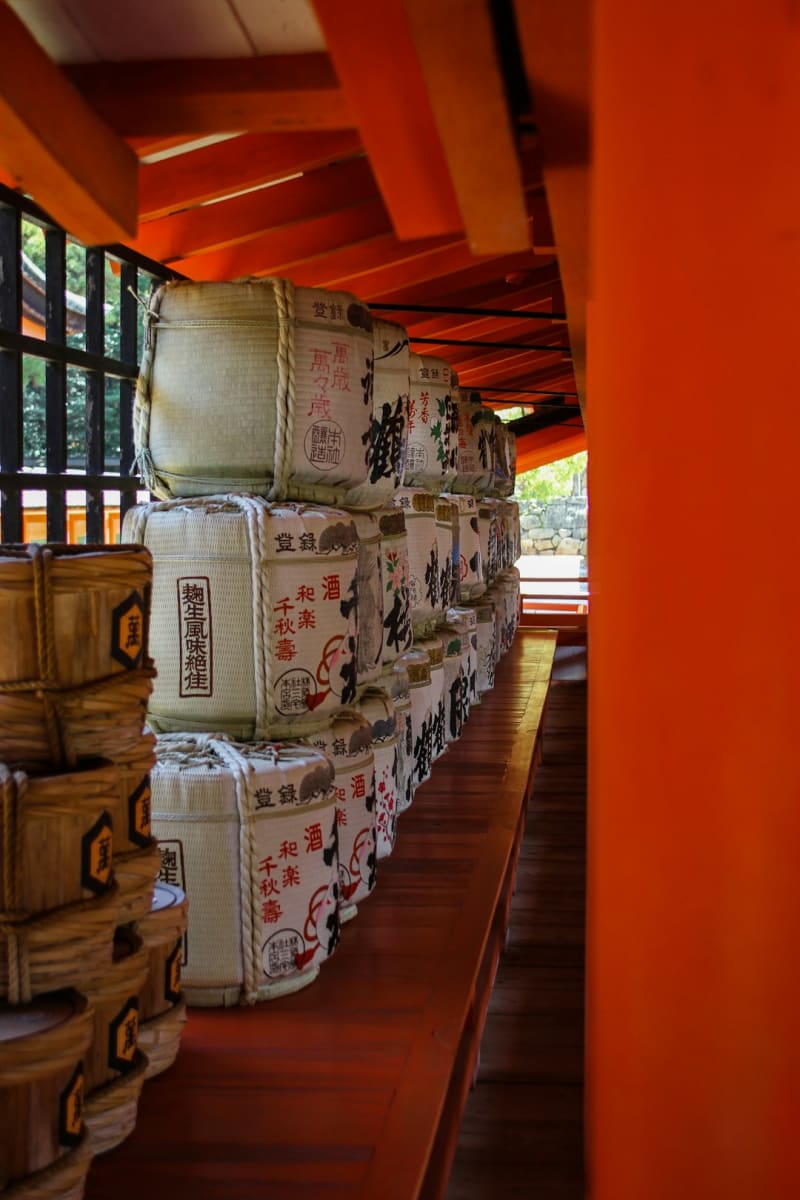 japan
japan Miyajima
A sacred island in Hiroshima Bay, where a great vermilion torii gate appears to float on the tide and a shrine stands on stilts above the sea. Tame deer wander the lanes, Mount Misen rises behind, and at dusk the whole island turns to gold. One of Japan's oldest holy places.
Explore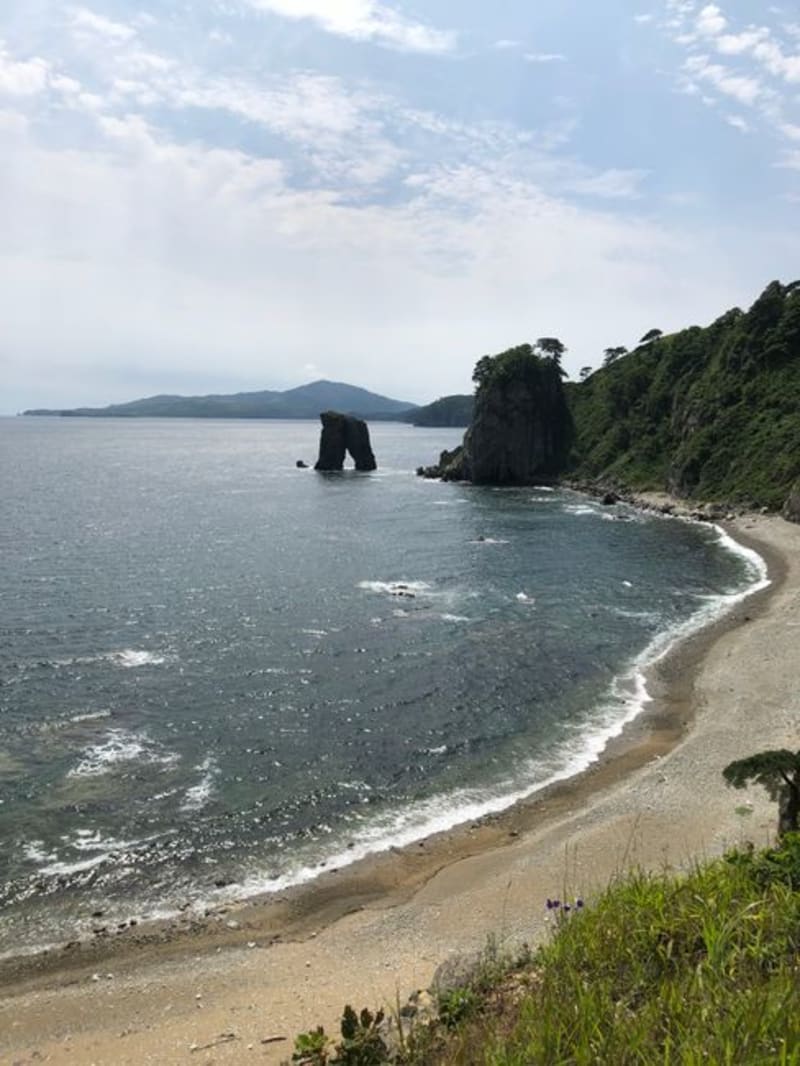 japan
japan Motonosumi
A stretch of the northern Yamaguchi coast where 123 vermilion torii gates spill down a green headland toward a churning blue sea. One of Japan's most photographed shrine walks, and yet somehow still wild at the edges, wind and spray and colour all at once.
Explore japan
japan Okayama
A sunny castle city on the Inland Sea, home to Kōraku-en — one of Japan's three great landscape gardens — and the black-lacquered 'Crow Castle' that broods beside it. The mainland gateway to the art islands of the Seto sea.
Explore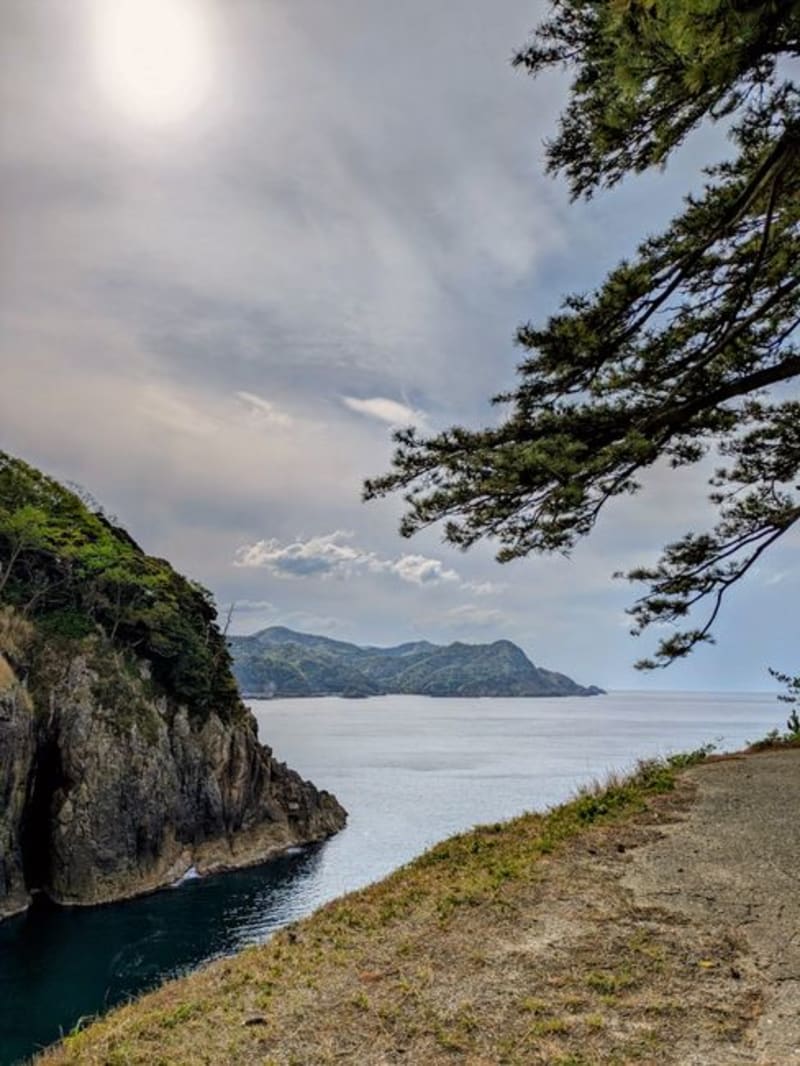 japan
japan Oki Islands
A scatter of remote islands off the Shimane coast, a UNESCO geopark of towering sea cliffs, wild horse and cattle pastures, and a stubborn, proud island culture that still holds bullfights and its own tradition of sumo. Reached only by a long ferry across the Sea of Japan, the Oki Islands feel gloriously, deliberately far from everything. We went to be far from everything, and it worked.
Explore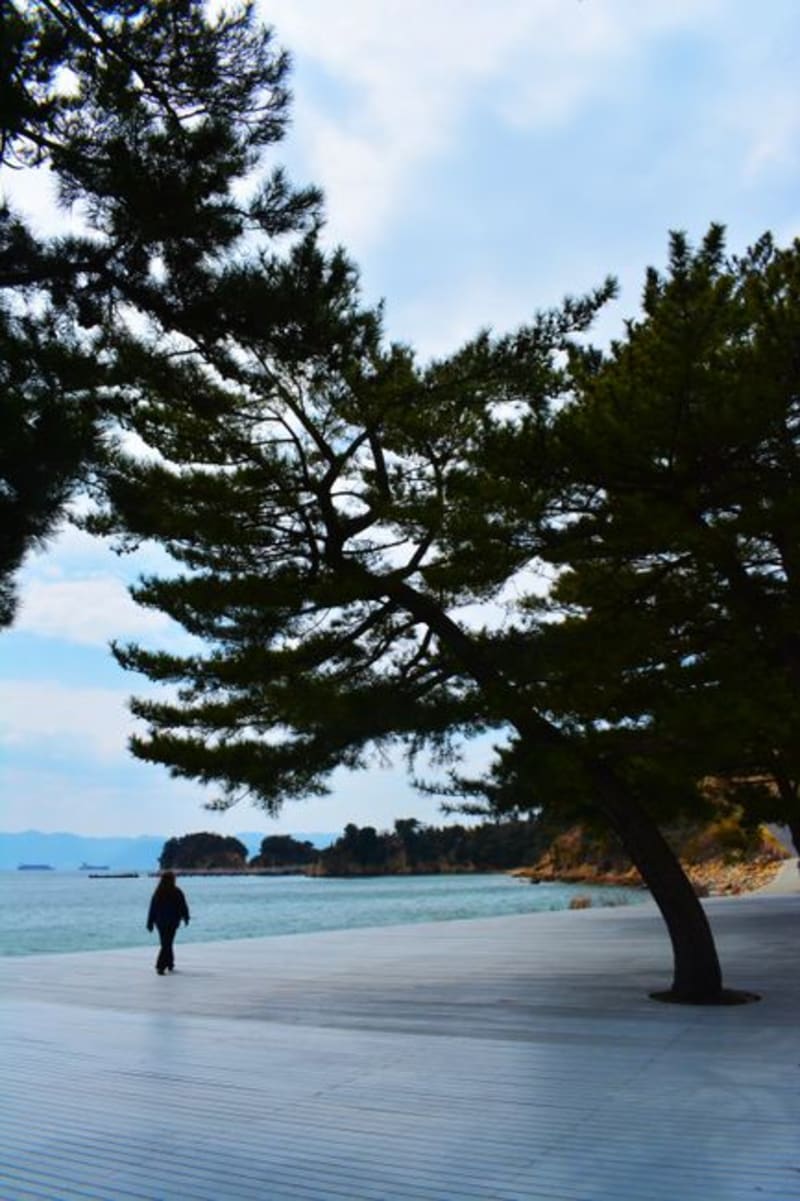 japan
japan Okunoshima
A small green island in the Inland Sea where hundreds of wild rabbits come bounding to meet the ferry, and a dark wartime secret hides in the ruins behind them. It is absurd, joyful, and quietly sobering all at once. We arrived laughing and left thinking.
Explore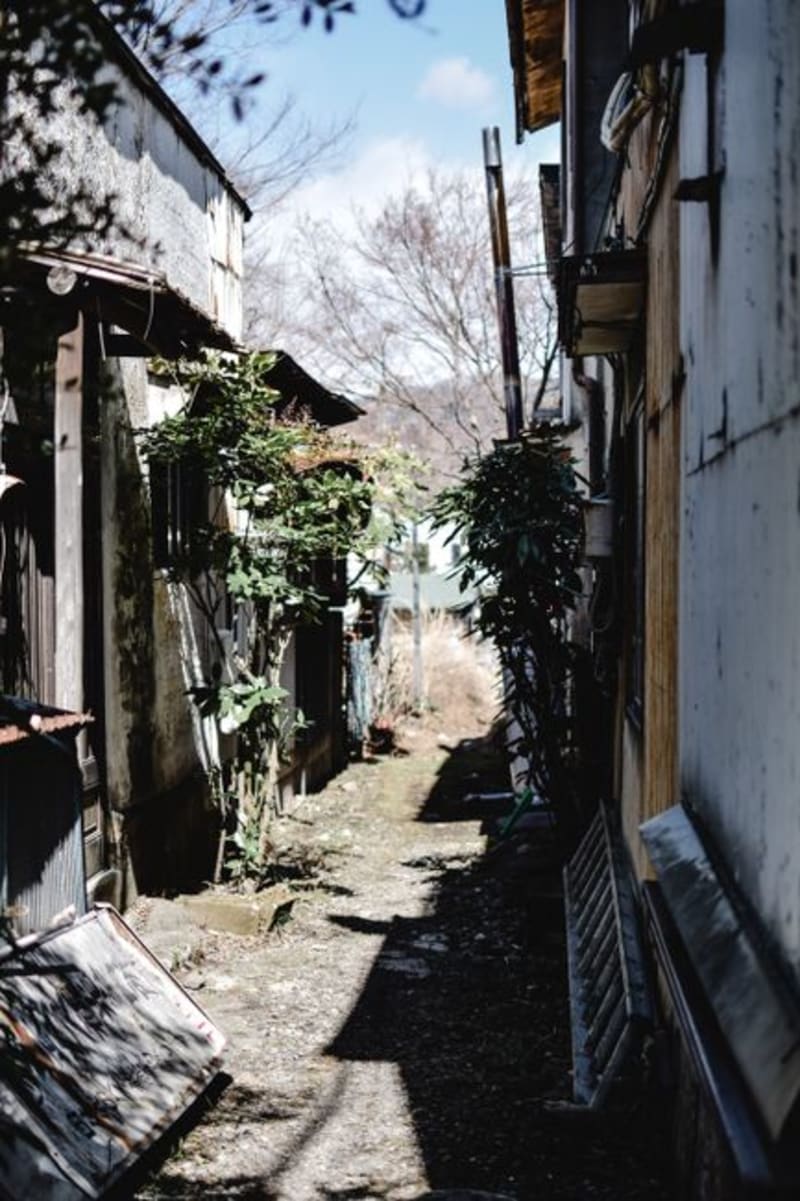 japan
japan Onomichi
A steep hillside town of temples and cat-haunted lanes above the Inland Sea strait in Hiroshima, where alleys climb between old houses to sea views — and where the Shimanami Kaidō cycle route sets off island-hopping across the water.
Explore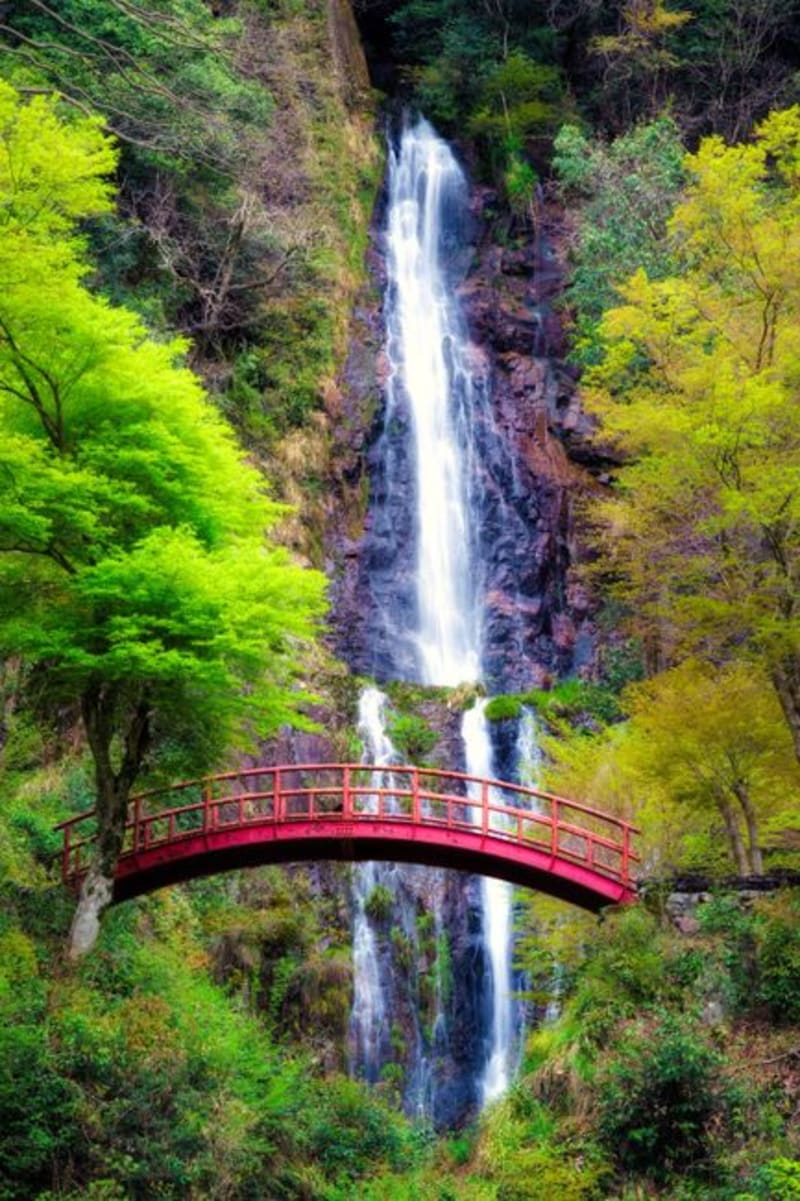 japan
japan Sandankyo
A long, cool gorge folded into the mountains of northern Hiroshima, where a clear river carves through forest past pools the color of green glass and waterfalls you reach on foot. It is a walking place, an unhurried place. We came for a stroll and stayed until our legs gave out.
Explore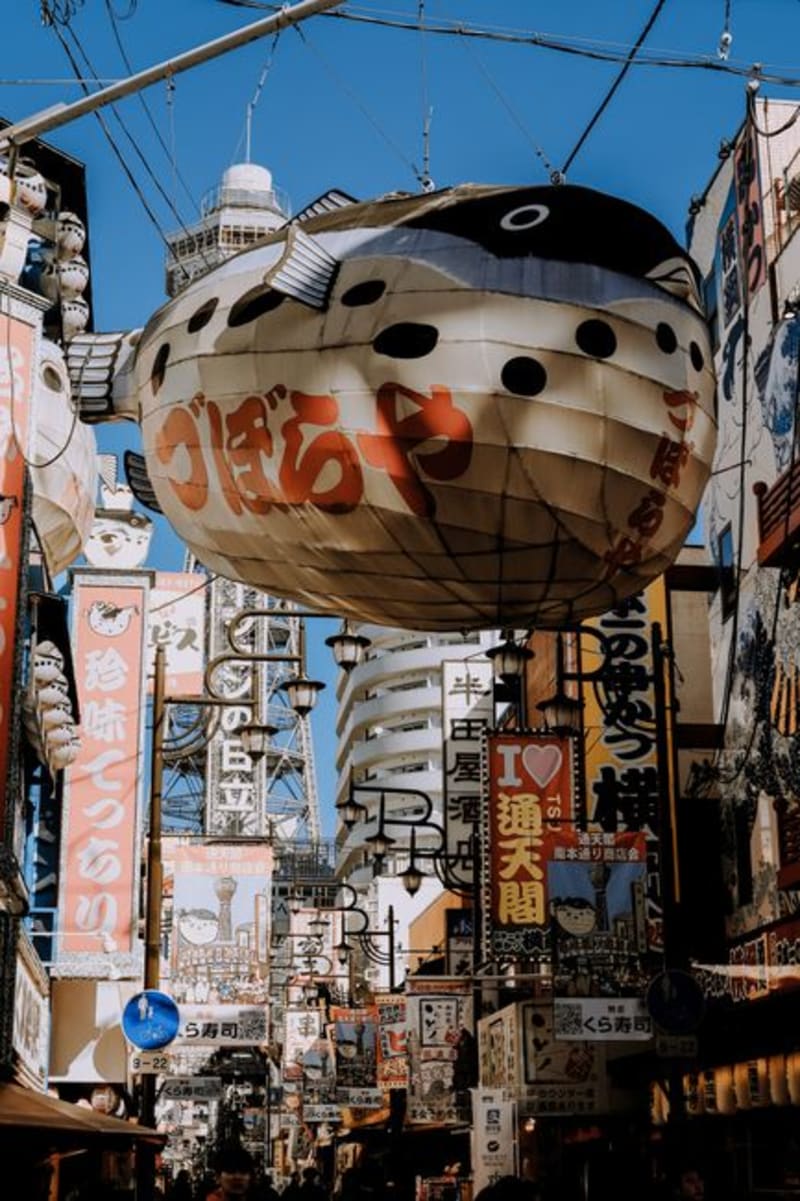 japan
japan Shimonoseki
The far western tip of Honshū, a port city that lives and breathes pufferfish and looks across a narrow, ship-thronged strait at Kyūshū. We came to eat the fish that can kill you and stayed for the strange thrill of walking under the sea to another island. The current here runs fast, and so does the history.
Explore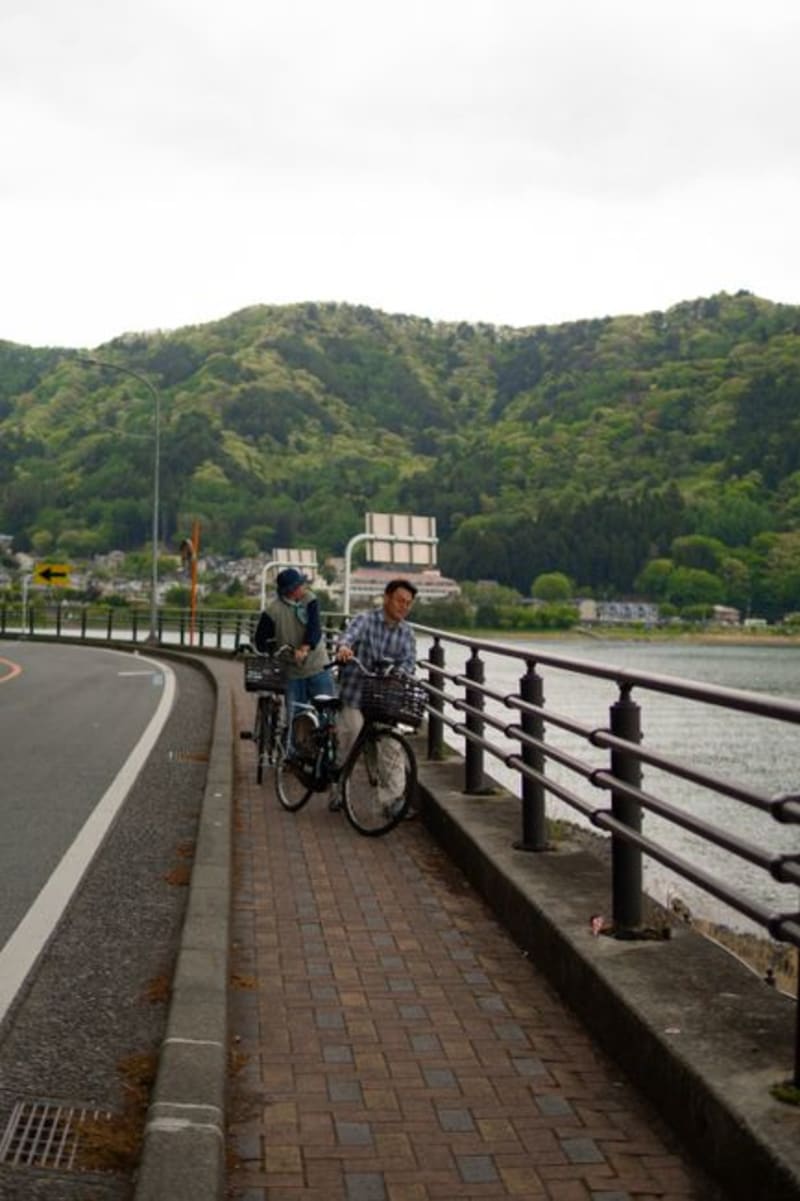 japan
japan Takehara
A pocket-sized 'little Kyoto' on the Inland Sea, where Edo salt merchants built lattice-fronted houses that still lean into the same quiet lanes. It sits a short hop from rabbit island and makes its own whisky. We came for a day and the day refused to end on schedule.
Explore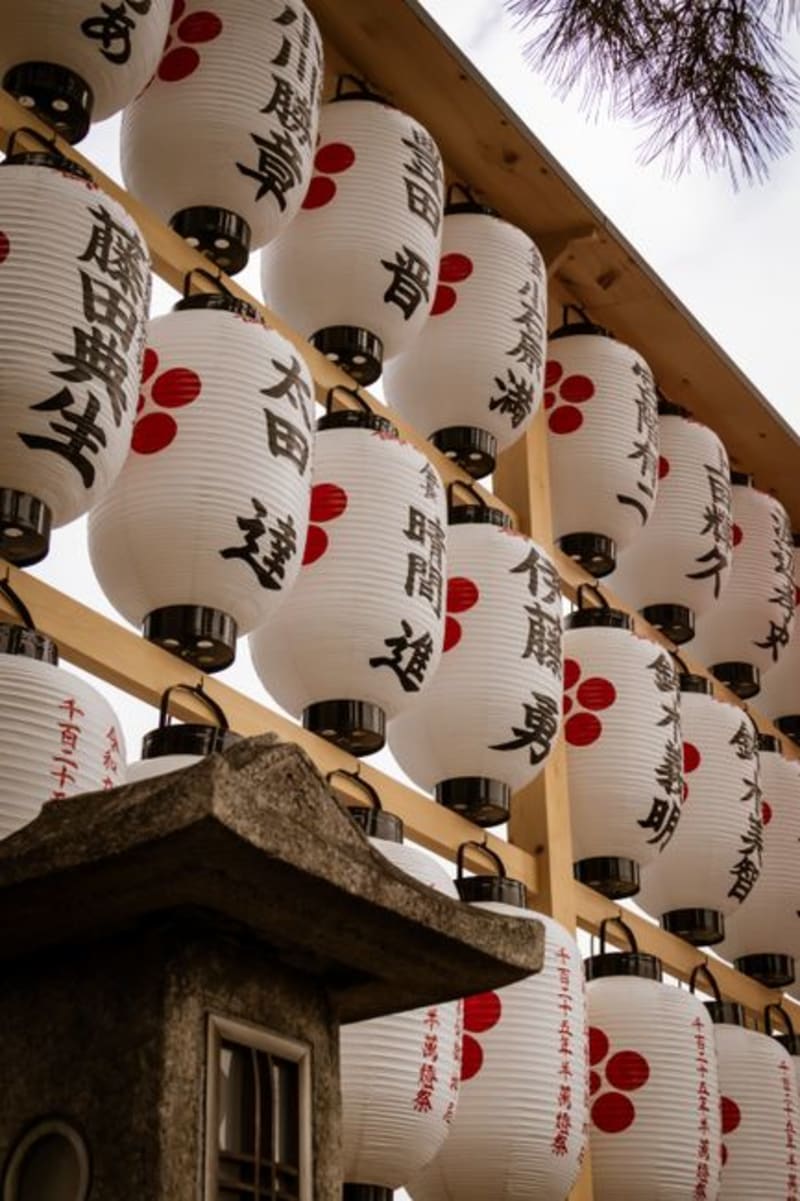 japan
japan Tomonoura
A tiny, time-stopped port on the Seto Inland Sea, where a stone-lantern lighthouse still stands over a harbour that hasn't much bothered to modernise. We walked its sloping lanes for a whole afternoon and felt the years fall away. Somewhere a boat engine puttered; otherwise it was mostly the sound of the tide.
Explore japan
japan Tottori
The quiet capital of Japan's least-populous prefecture, sitting where the mountains meet the Sea of Japan and its great sand dunes. Castle ruins on a green hill, crab hauled in that morning, and a San-in-coast slowness that made us feel we'd stepped off the map. We were the only foreigners on the train, and we liked it that way.
Explore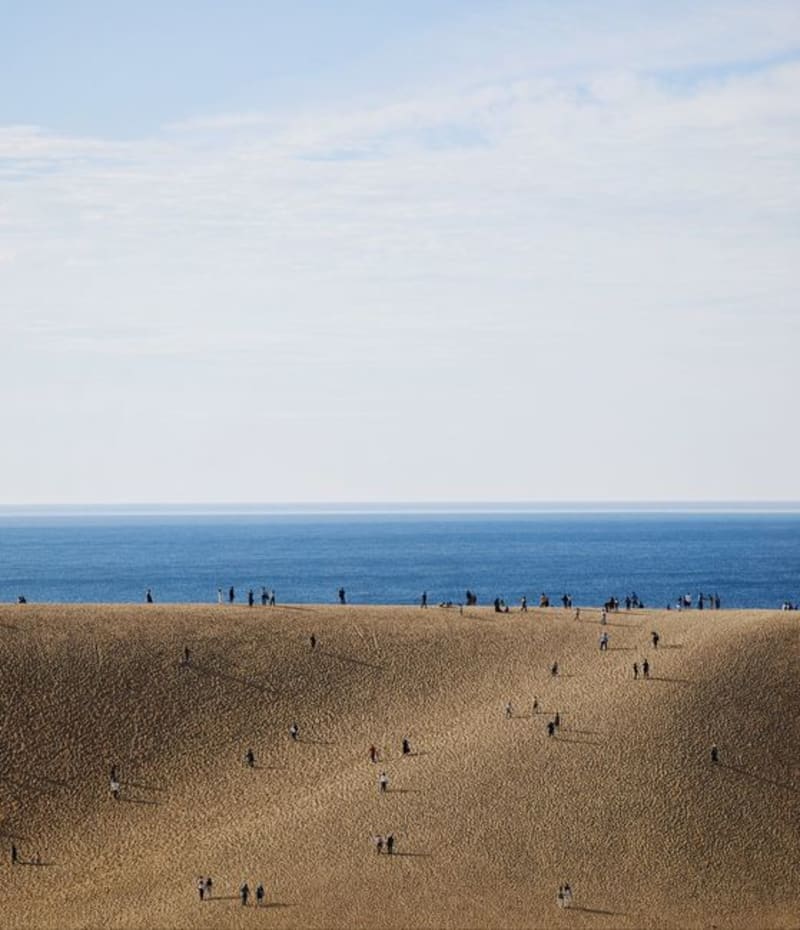 japan
japan Tottori Sand Dunes
A vast sweep of wind-carved sand along the Sea of Japan coast, Japan's largest dunes, where camels plod the ridgelines and the desert seems to run straight into the ocean. An improbable edge of the country, with a sand museum to match.
Explore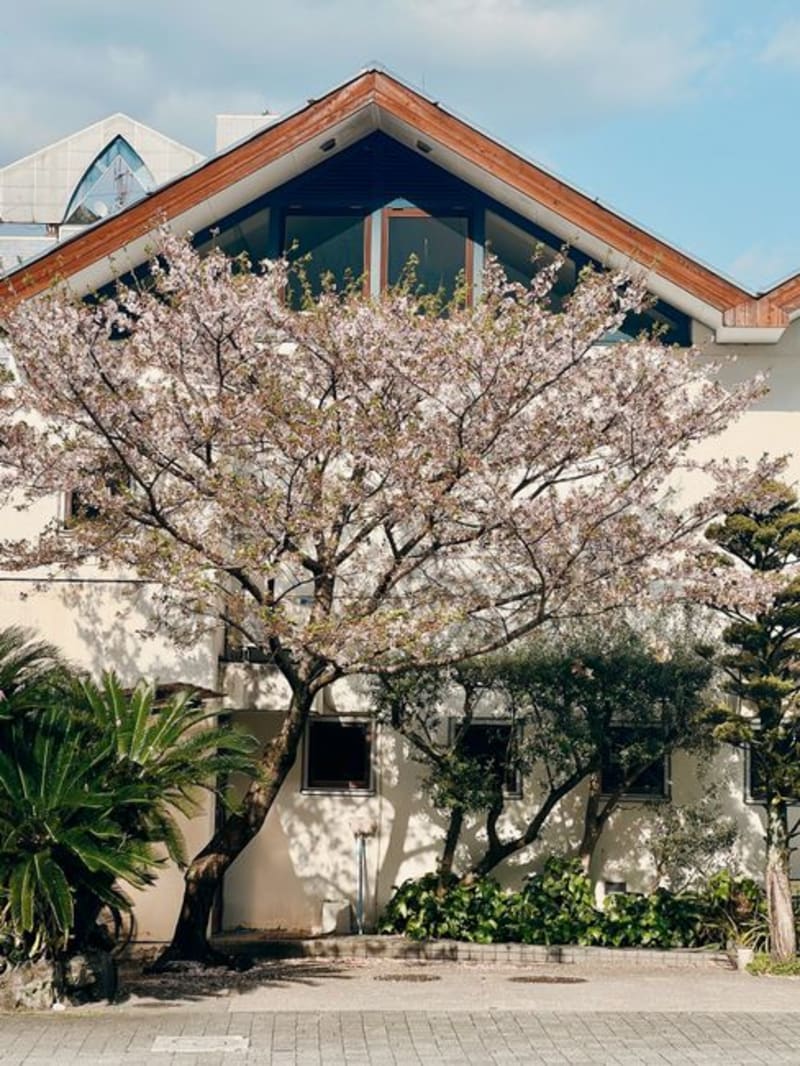 japan
japan Tsunoshima
A small island off the northern tip of Yamaguchi, reached by a bridge that arcs low across water so improbably emerald it looks retouched. The kind of place you drive to just for the crossing, and stay for the empty white beaches at the far end.
Explore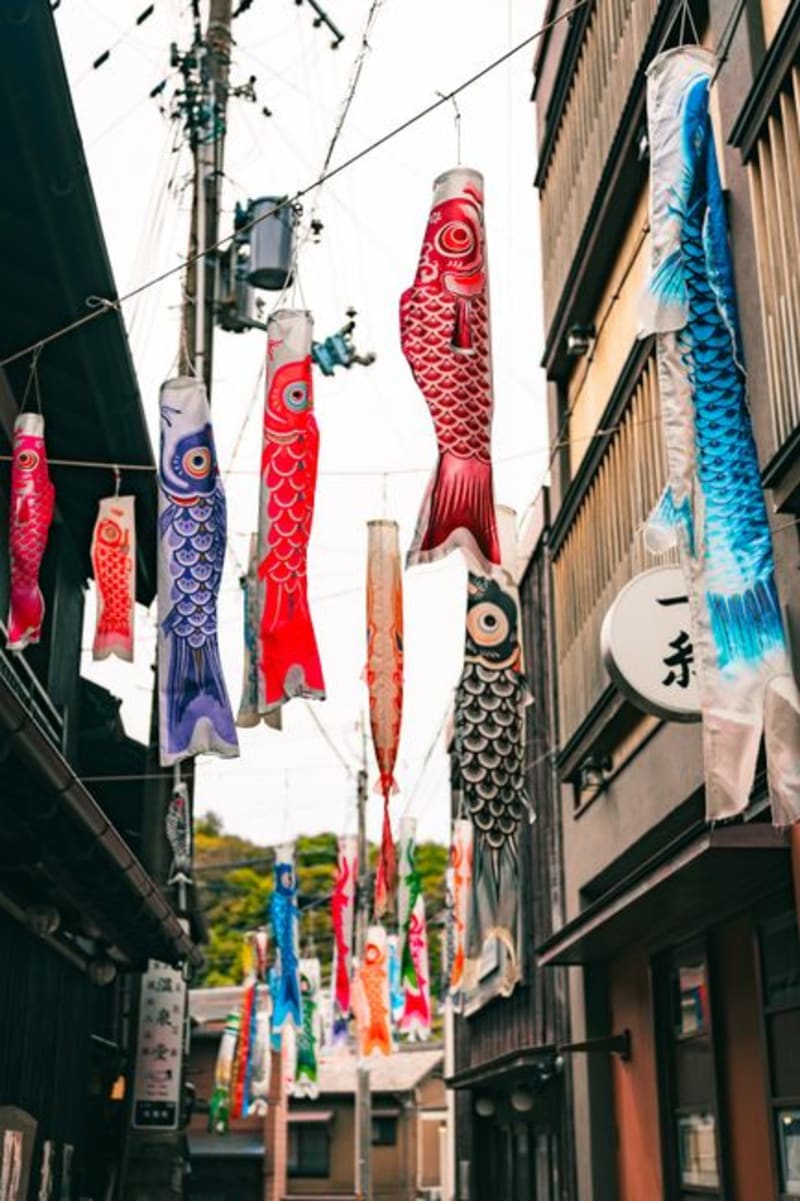 japan
japan Tsuwano
The 'little Kyoto of the San-in' — a white-walled old street tucked in a mountain valley in western Shimane, where fat koi carp swim in the roadside canals and a tunnel of a thousand red torii climbs the hillside to Taikodani Inari shrine.
Explore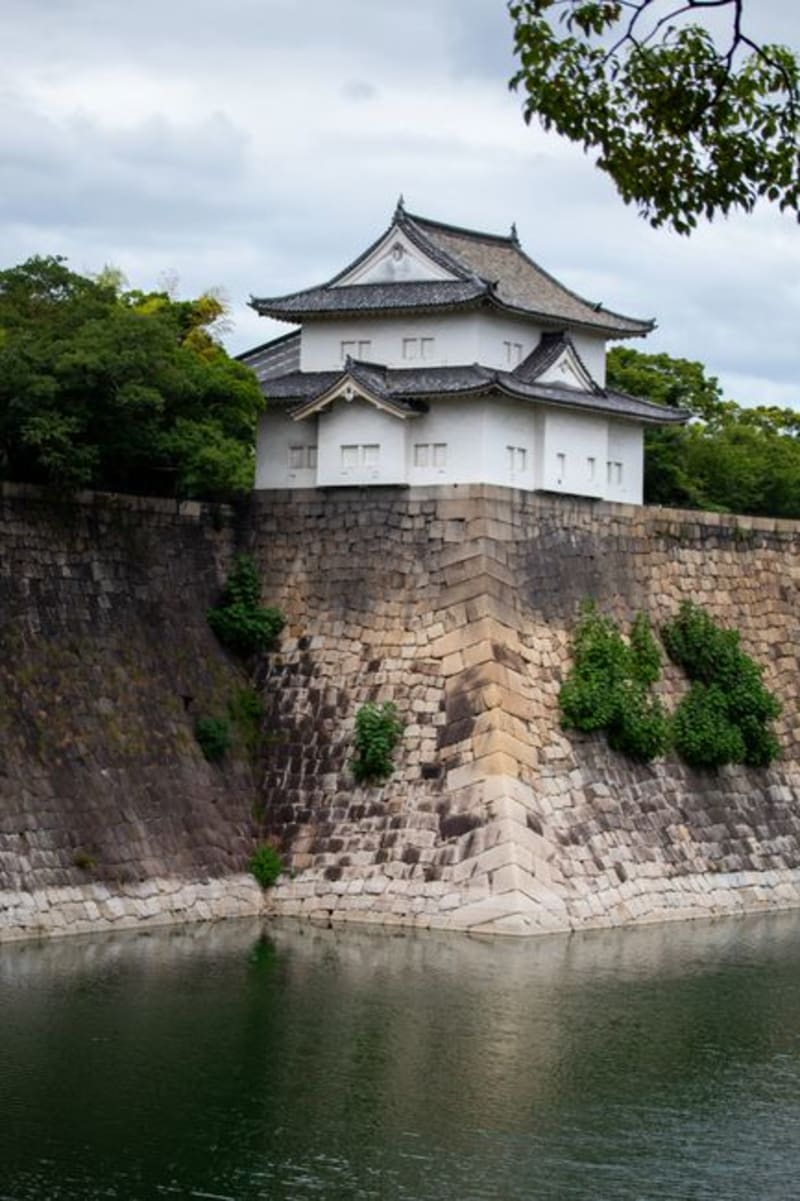 japan
japan Tsuyama
An inland Okayama castle town on the Yoshii river, where colossal stone walls climb a hill that fills with cherry blossom every spring. Add a preserved merchant quarter, a cheerfully unrefined food culture of horse meat and offal-udon, and you have one of the most underrated stops in western Japan. We ate things I couldn't have named and loved most of them.
Explore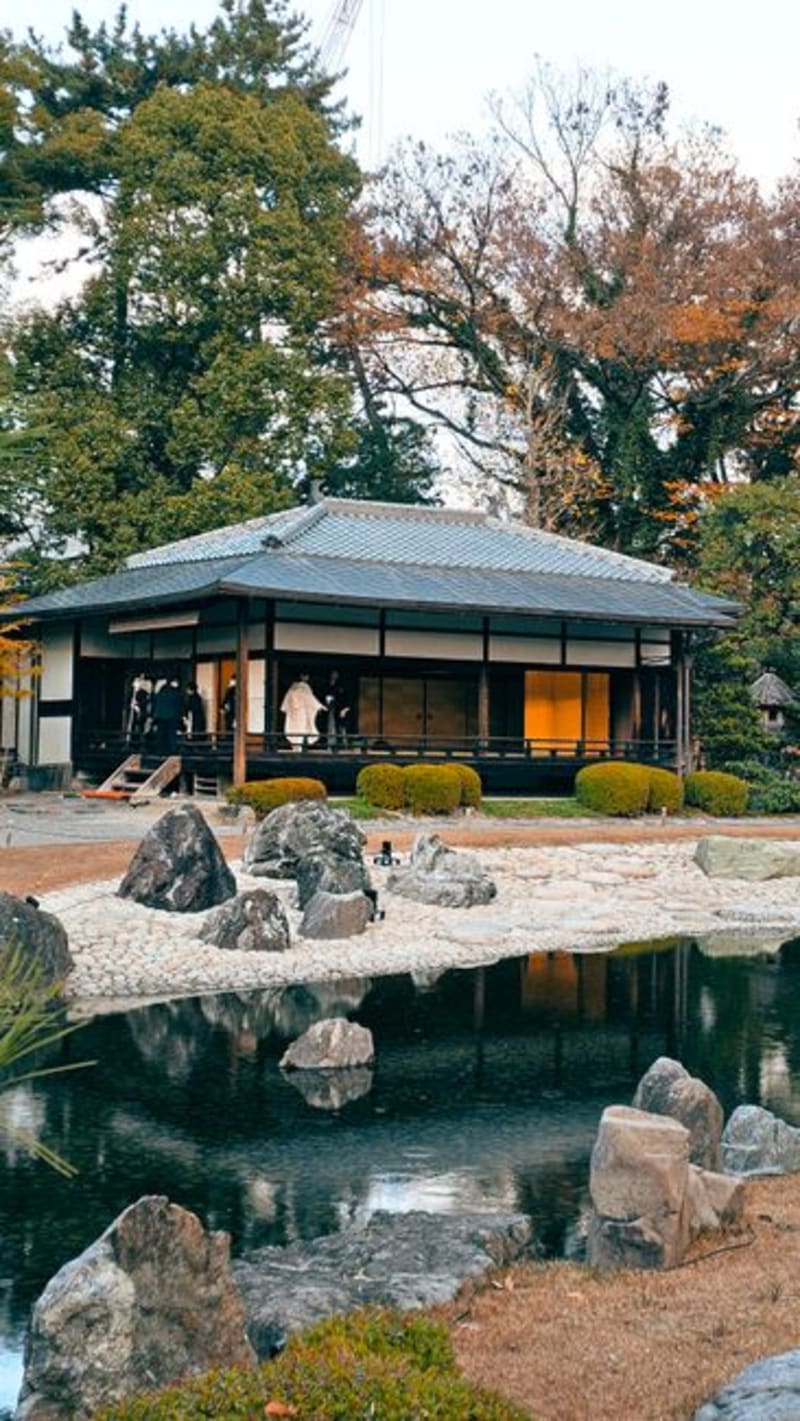 japan
japan Yamaguchi
A quietly refined city they once called the Kyoto of the West, where a five-storey pagoda stands reflected in a temple pond and history sits lightly on wide, walkable streets. A place that rewards slowness and asks nothing of you.
Explore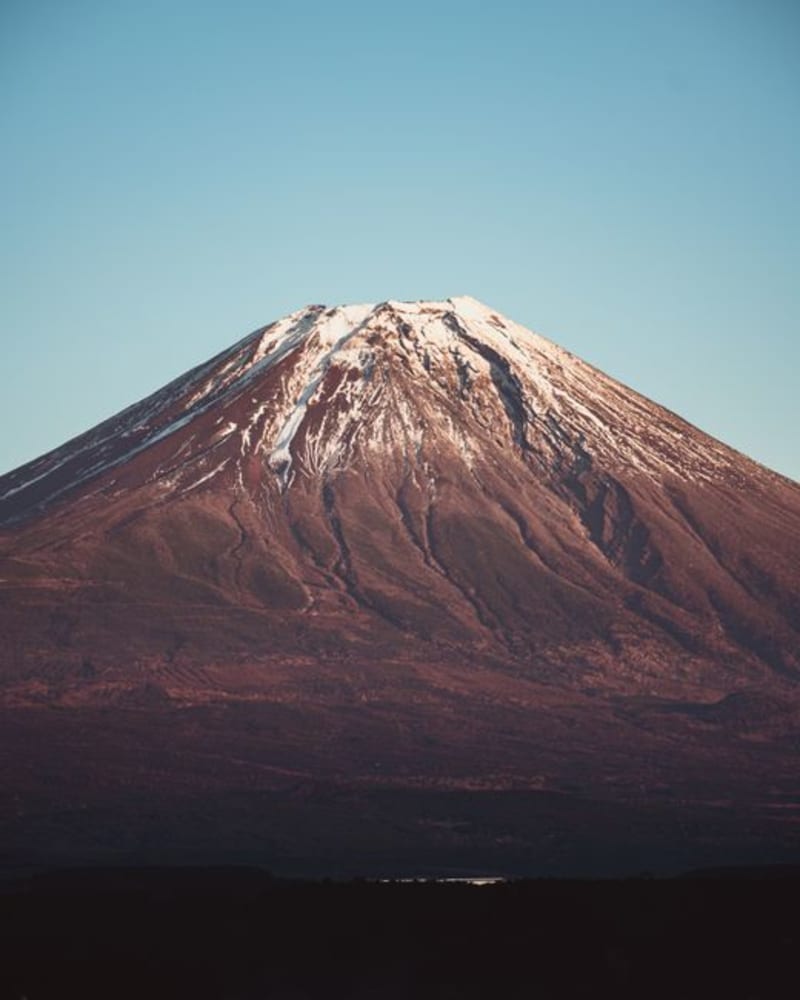 japan
japan Yonago
A friendly western-Tottori city living in the shadow of Mount Daisen, the volcano they call the Hoki Fuji. Seaside hot springs at Kaike, hiking trails up a sacred peak, and long views over the tidal lagoon of Lake Nakaumi. It became our unglamorous, deeply likeable base for the finest mountain in the region.
Explore