Hofu
"The town nobody told us to visit turned out to be the one we talked about for days."
A modest Yamaguchi town that carries an outsized piece of history: the Hofu Tenmangu, said to be the very first shrine in Japan dedicated to Sugawara no Michizane, the scholar-god of learning. Add a serene old merchant garden and streets that feel unhurried to the point of drowsy, and Hofu becomes the kind of place travellers rush past and shouldn't. We nearly did. I'm glad we didn't.
Hofu was an accident. We had a few unplanned hours before an onward train, the sort of dead time you usually surrender to a station café, and instead we walked out of Hofu Station on a whim and into a town that seemed genuinely surprised to see us. There was no tourist crush, no line of coaches, just a wide quiet street leading toward a wooded hill where, our map promised, the oldest Tenmangu in Japan was waiting. Lia has a rule she invented on this trip: when a town gives you no reason to stay, stay a little longer, because it usually means the reasons are the kind you have to find yourself. Hofu proved her right within the hour.
The first Tenmangu
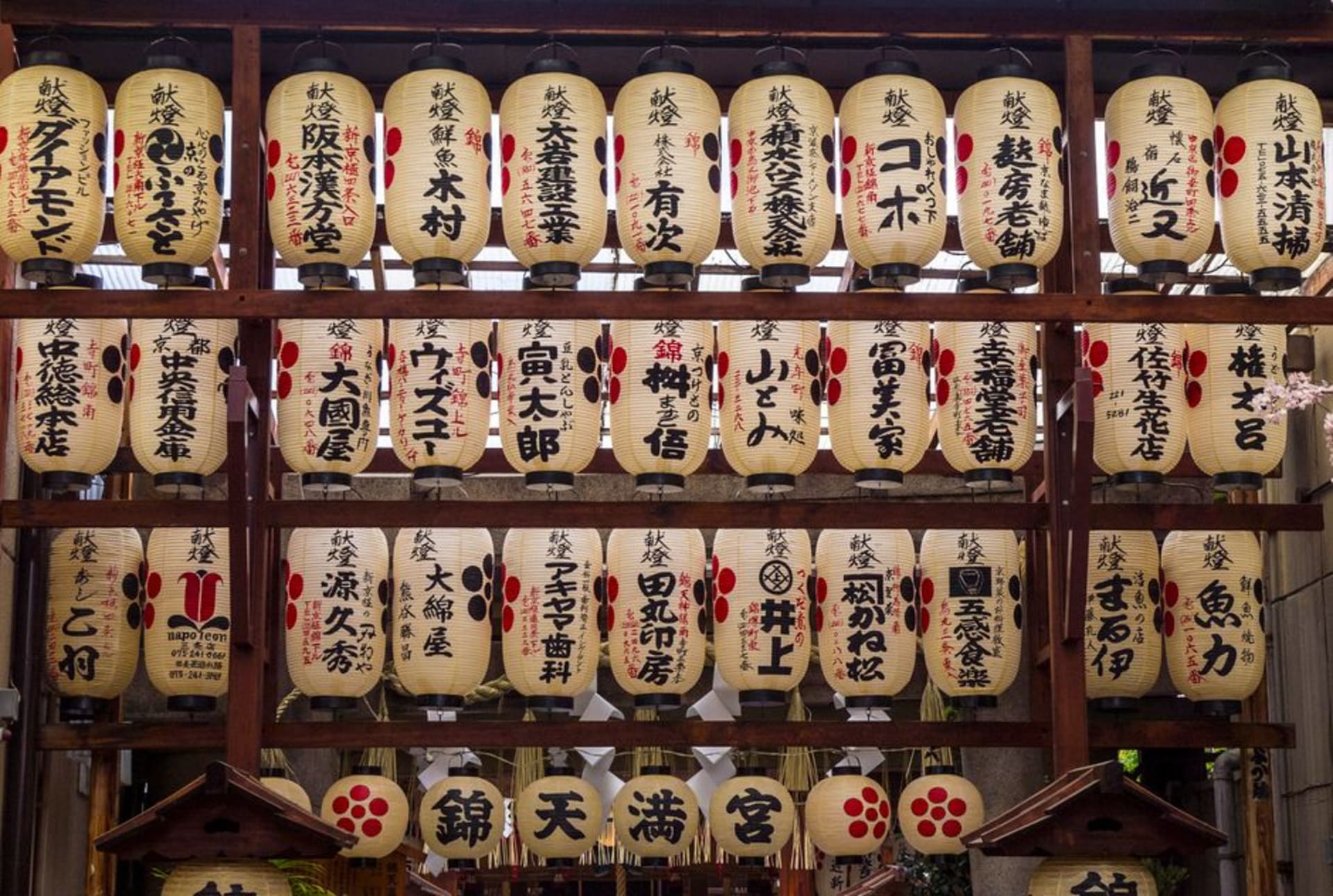
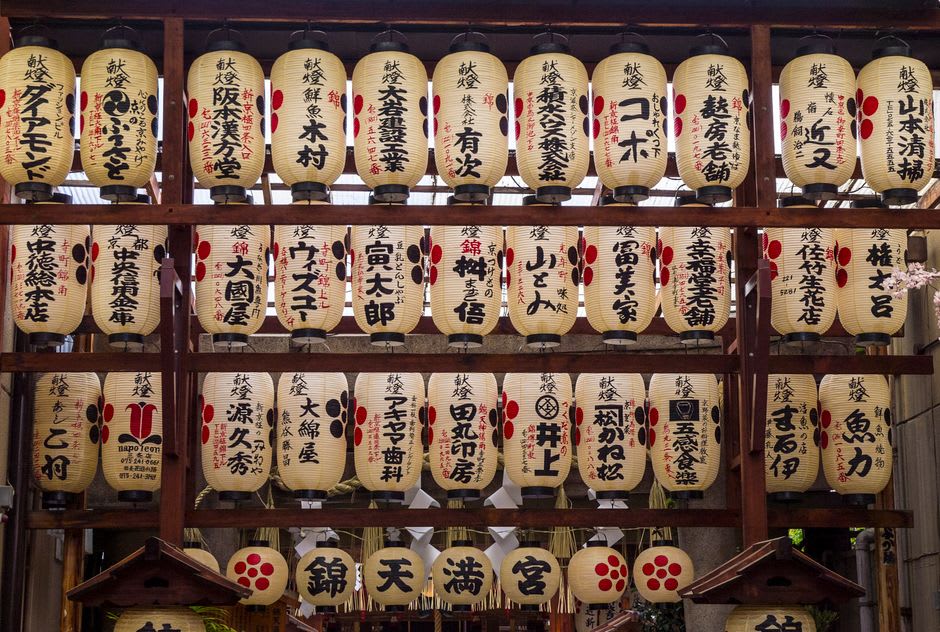
Hofu Tenmangu climbs a hillside in tiers of vermilion and grey, and its claim is a big one — the first shrine anywhere dedicated to Sugawara no Michizane, the Heian scholar exiled and later deified as the patron of learning. Students come here from all over to pray before exams, and the racks of wooden ema plaques were dense with wishes in careful handwriting, some of them heartbreaking in their earnestness. We climbed the stone steps in the flat afternoon light and turned at the top to find the whole town laid out below, roofs and river and the far glint of the Inland Sea. An old man sweeping the courtyard nodded to us as if we came every day. Lia bought an omamori charm for a friend sitting exams back home, and I watched her choose it with a care that told me the town had already got to her.
Mori Garden and the weight of old families
A short walk from the shrine sits the Mori Garden, the residence and grounds of the Mori clan, the lords who once ruled this whole domain. It is a quieter kind of grand — a stately early-twentieth-century house looking out over a formal garden of clipped pines, still water, and stone lanterns furred with moss. We more or less had it to ourselves. We sat on the wooden veranda for a long while, saying little, watching a carp turn slow circles in the pond, and I remember thinking that this was the version of Japan I had wanted and rarely found: not performed, not ticketed, just an old beautiful thing being quietly itself. A groundskeeper brought us tea we hadn’t asked for and waved off any suggestion of payment.

The slow streets and a meal we stumbled into
The rest of Hofu we simply wandered. The old approach street to the shrine, the Miyaichi, keeps a few venerable shops and a temple or two, and the whole quarter has the pleasant slackness of a place that stopped trying to impress anyone decades ago. We found a tiny lunch counter run by a couple who seemed mildly astonished to have foreign customers, and ate a set meal of local fish and pickles while the husband cooked and the wife told us, through gestures and a phone translator, which pieces to eat first. It was the kind of unremarkable, unrepeatable meal that becomes, weeks later, the thing you describe when someone asks about Japan. Lia still brings up the pickles.
Getting There
Hofu sits in eastern Yamaguchi Prefecture on the San’yo main line, which makes it easy to reach and easy to underrate. Local trains stop at Hofu Station, and the nearest Shinkansen stop is Shin-Yamaguchi, a short hop away by regular train. From the station the Hofu Tenmangu is about a twenty-minute walk or a quick bus ride, and the Mori Garden lies within an easy stroll of the shrine, so the whole town’s highlights make a comfortable half-day on foot. It is an ideal place to break a longer San’yo journey — do not do what we almost did and let the station café swallow the afternoon.
Keep exploring
More of Chūgoku