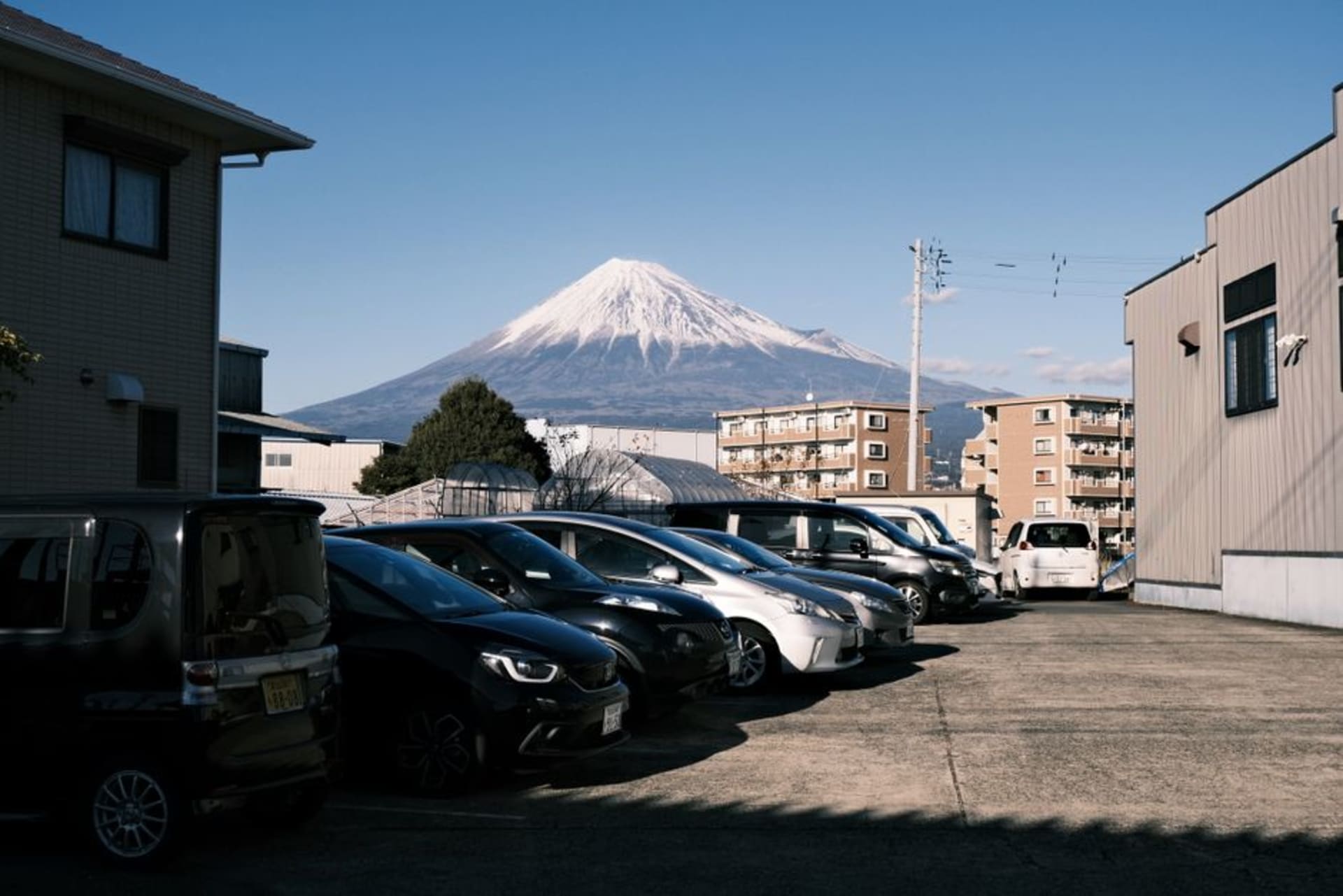
A friendly western-Tottori city living in the shadow of Mount Daisen, the volcano they call the Hoki Fuji. Seaside hot springs at Kaike, hiking trails up a sacred peak, and long views over the tidal lagoon of Lake Nakaumi. It became our unglamorous, deeply likeable base for the finest mountain in the region.
Yonago is not a city people write postcards about, and I mean that as praise. We chose it purely for its position — a rail junction and a soak of seaside onsen at the foot of Mount Daisen — and it repaid us with the easy warmth of a place that isn’t performing for anyone. Our ryokan sat at Kaike, right on the Sea of Japan, and on the first evening Lia and I walked the tideline as the sun went down behind the water, the great cone of Daisen darkening inland behind the town. An old man walking his dog stopped to tell us, in slow careful English he was plainly delighted to use, that the mountain would be clear in the morning if the wind held. It did.
Kaike Onsen and the Sea
Kaike is that rare thing, a hot spring resort set directly on a beach, the salt water of the Sea of Japan on one side and the mineral heat of the baths on the other. The water here carries a trace of the sea itself, faintly salty, and the outdoor bath on our ryokan’s roof looked straight out over the waves. I got up before dawn — unheard of for me — because the old man had promised, and I sat in the steaming water alone as the sky went from grey to rose and the mountain caught the first pink light behind the town. It was one of those cold, silent, perfect quarter-hours that justify a whole journey. Later we ate a seaside breakfast of grilled fish and miso and I told Lia I might never leave.
Climbing the Hoki Fuji
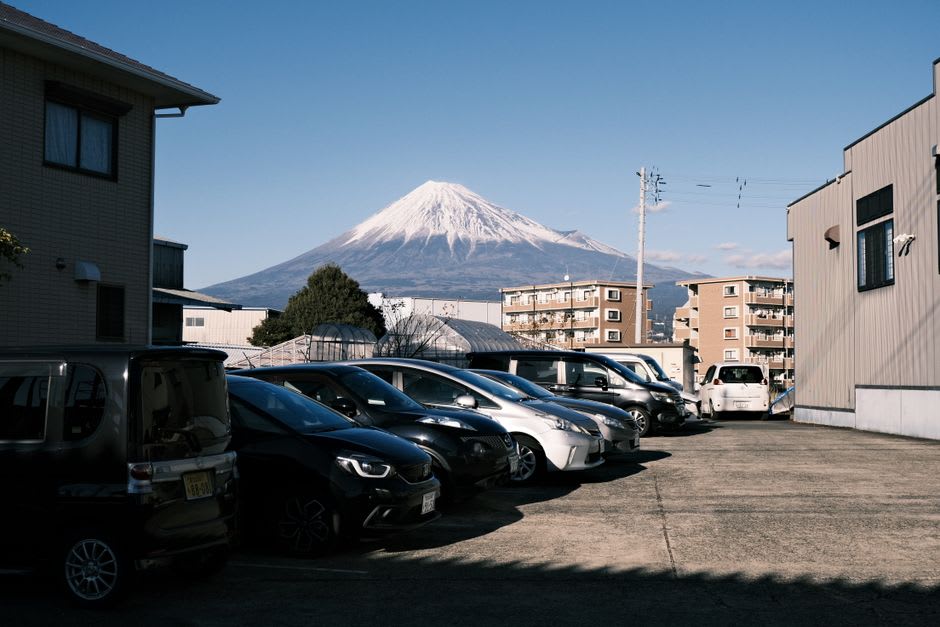
They call Mount Daisen the Hoki Fuji because from the west it rises in an almost perfect cone, though its true summit ridge is a jagged, dramatic thing once you’re up among it. It has been a sacred mountain for well over a thousand years, and the approach passes Daisen-ji, an ancient mountain temple among towering cedars, and the Ogamiyama shrine with its long stone-lantern path. We climbed the main trail on a bright, hard morning — beech forest giving way to open slopes, the whole San-in coast unrolling behind us, Lake Nakaumi and the sea glittering far below. Lia, naturally, reached the shoulder well ahead of me and was eating an onigiri and looking smug by the time I hauled up beside her. The wind at the top was fierce and clean and we could see, it felt, half of western Japan.
Lake Nakaumi and the Water Country
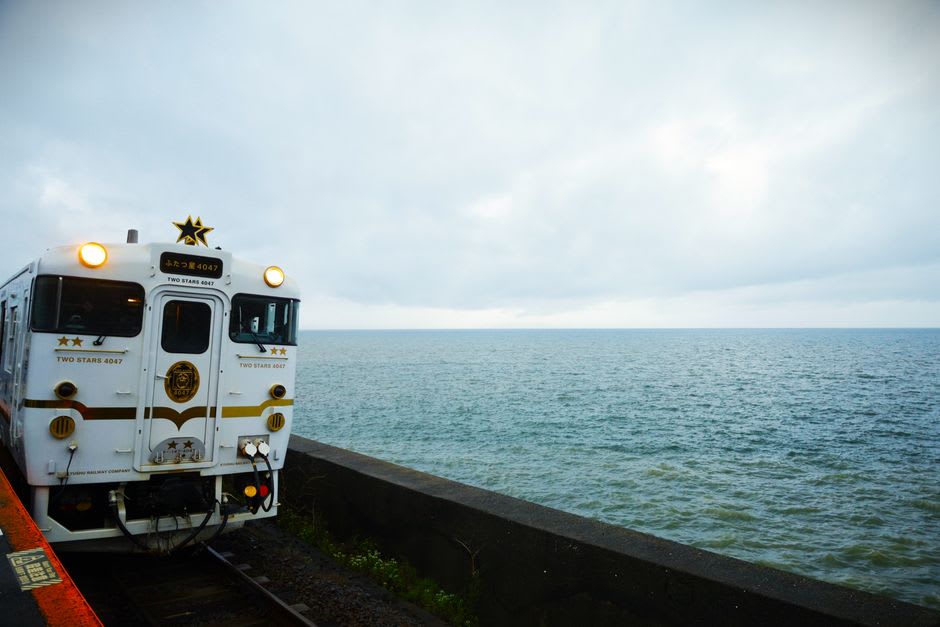
Yonago sits on a neck of land between the sea and Lake Nakaumi, a broad brackish lagoon that turns to mirror at dusk, and this water-country setting gives the whole area a soft, amphibious light. We rented bicycles one afternoon and rode out along the shore, past reed beds and small shrines and fishing boats pulled up on the mud, the mountain always there over our shoulders. Nakaumi is famous among birdwatchers for the flocks that winter here, and even to our untrained eyes the sky was busy with them. We ended the ride at a little lakeside spot for grilled eel over rice, watching the water go copper and then violet, and I remember feeling that Yonago had given us far more than its modest reputation would ever promise.
Getting There
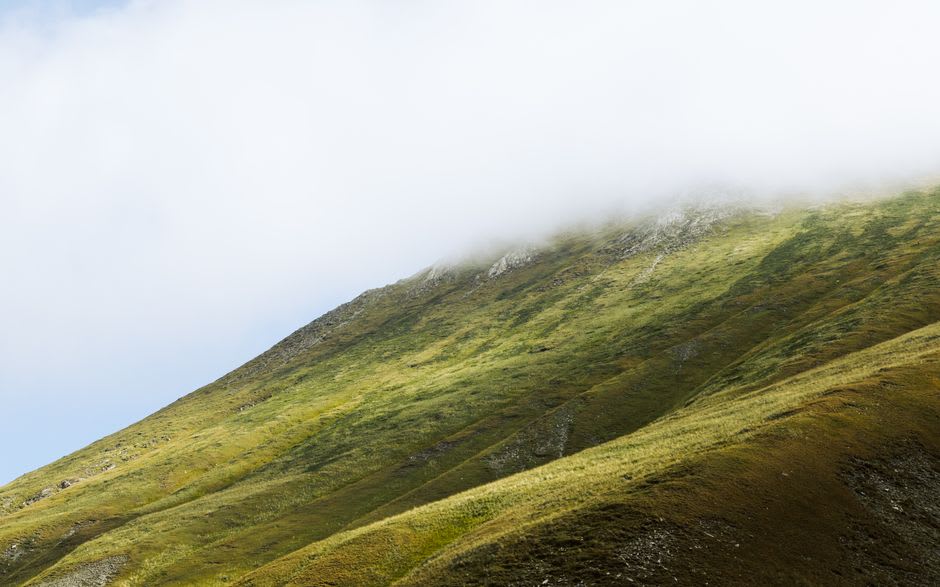
Yonago is a genuine crossroads of the San-in region. The Yakumo limited express connects it to Okayama on the Shinkansen network in about two hours and twenty minutes, making it very reachable from Osaka or Hiroshima with one change; Yonago also has its own small airport with Tokyo flights. From the city, buses run up to the Daisen trailheads and temple, and Kaike Onsen is a short ride or a long pleasant walk toward the coast. Base yourself here for a couple of nights — one for the mountain, one for the baths — and let Yonago be exactly the quiet, kindly hub it is.
Keep exploring
More of Chūgoku