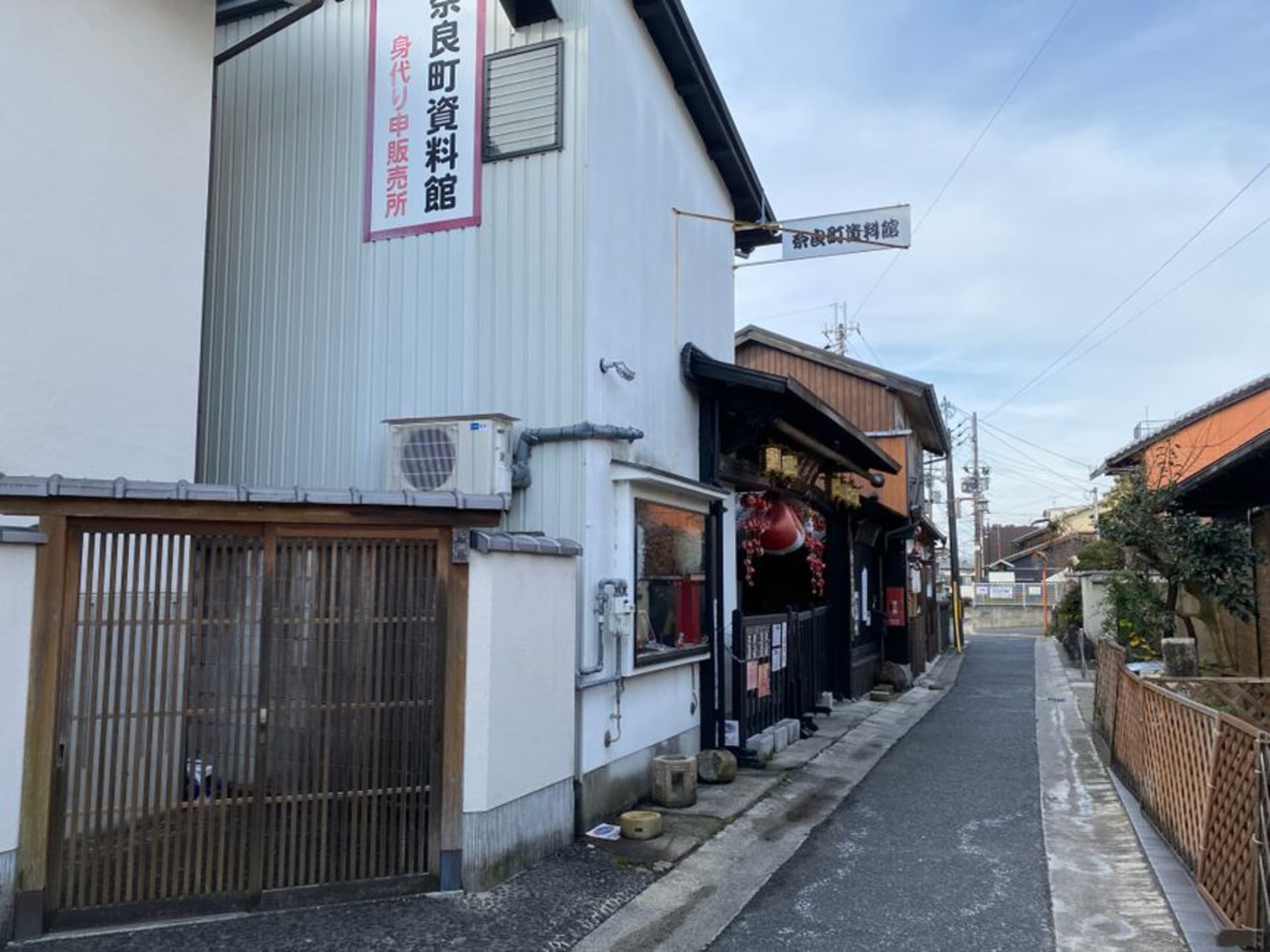
A pocket-sized 'little Kyoto' on the Inland Sea, where Edo salt merchants built lattice-fronted houses that still lean into the same quiet lanes. It sits a short hop from rabbit island and makes its own whisky. We came for a day and the day refused to end on schedule.
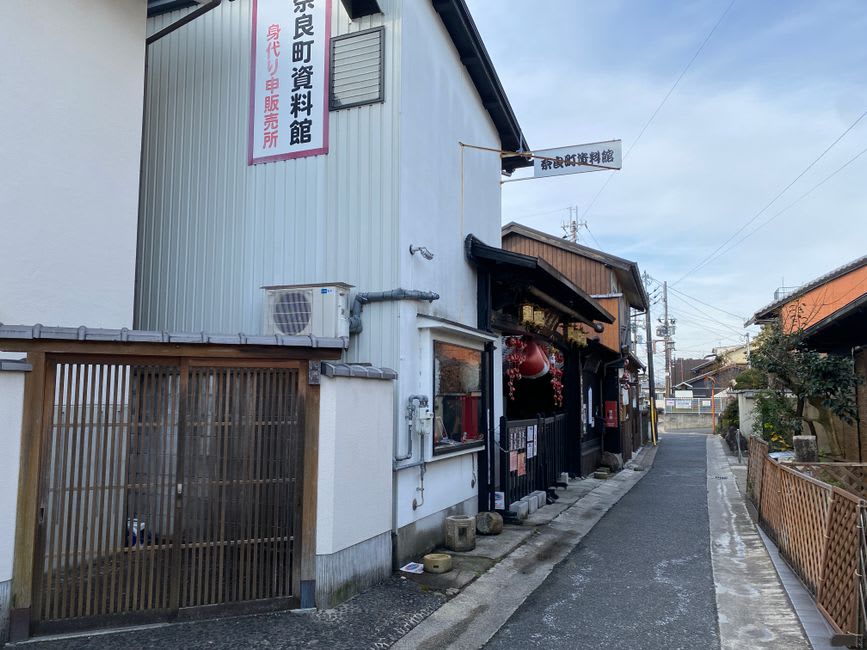
The thing that stopped me in Takehara wasn’t a temple or a view. It was the sound. Or rather the absence of it. We turned off the main road into the preserved merchant quarter and the traffic noise simply switched off, as if someone had closed a door behind us, and what rushed in to fill the space was our own footsteps on stone, a wind chime two houses down, and somewhere a radio playing an old enka song through an open kitchen window. Lia stopped walking and just stood there listening. “It’s not a museum,” she whispered, and she was right. People live here. Laundry hangs from the second floors of houses that watched salt build fortunes three hundred years ago.
Salt, Sake, and Slow Money
Takehara got rich on salt, evaporated from the shallow Inland Sea flats, and the merchants who made that money built the streets we were walking, all latticework and plaster and heavy tiled roofs. What I loved is that the wealth here was patient wealth, the kind that builds a beautiful home and expects it to outlive you by centuries. We ducked into the old Matsusaka residence with its sweeping curved roofline and I ran my hand along a bannister worn smooth by generations of palms. There is a sake brewery still working in the quarter, and the whole town has a connection to whisky through Masataka Taketsuru, the father of Japanese whisky, who was born here. We toasted him badly with a small cup of the local sake at a shop counter while the owner explained, patiently and in more detail than we could follow, why the water here matters.
The Hill Shrine and the Long Light
At the top of the old quarter, a stone stairway climbs to Saihoji temple and its striking Fumeikaku hall, a wooden pavilion jutting out on stilts over the slope, and from its veranda you look back down across the grey tiled roofs of the whole town. We climbed it in the last hour before sunset, when the light goes long and low and turns every plastered wall the color of honey. An elderly caretaker was sweeping the platform with a bamboo broom, unhurried, and he nodded at us without a word, the way you nod at people you’ll never see again but wish well anyway. Lia sat on the wooden edge with her feet dangling and we watched the town settle into evening, lights coming on one window at a time. I have paid a great deal of money for worse views. This one cost us a climb.
The Cat, the Tanuki, and Not Being Sold Anything
What makes Takehara different from the polished old towns is that nobody is working you. There’s no gauntlet of souvenir stalls, no man in period costume posing for tips. We found a single tiny cafe run out of a converted merchant house, ordered two coffees, and the owner brought them out with a small plate of local cookies she “had too many of,” then left us entirely alone with a fat ginger cat that decided Lia’s lap was public property. Down one lane there’s a modest shrine to the town’s tanuki, the raccoon-dogs of Japanese folklore, and a scattering of their statues turn up in odd corners if you look. That was the whole texture of the day: small, unforced, generous. We missed the bus we’d planned to take because we simply forgot to leave. I can’t think of higher praise.
Getting There
Takehara sits on the Inland Sea coast in Hiroshima Prefecture, and the easiest approach is by train on the Kure line to Takehara Station, from where the preserved quarter is a flat ten-minute walk inland. Coming from Hiroshima city, you can take a highway bus that’s often faster than the winding coastal train. Many people pair Takehara with Okunoshima, the rabbit island, since the ferry to it leaves from Tadanoumi, just one stop away on the Kure line; do the island in the morning and the old town in the afternoon light, which is when Takehara is at its best. Give yourself no schedule if you can help it. This is a town that punishes people in a hurry and rewards anyone willing to sit still.
Keep exploring
More of Chūgoku