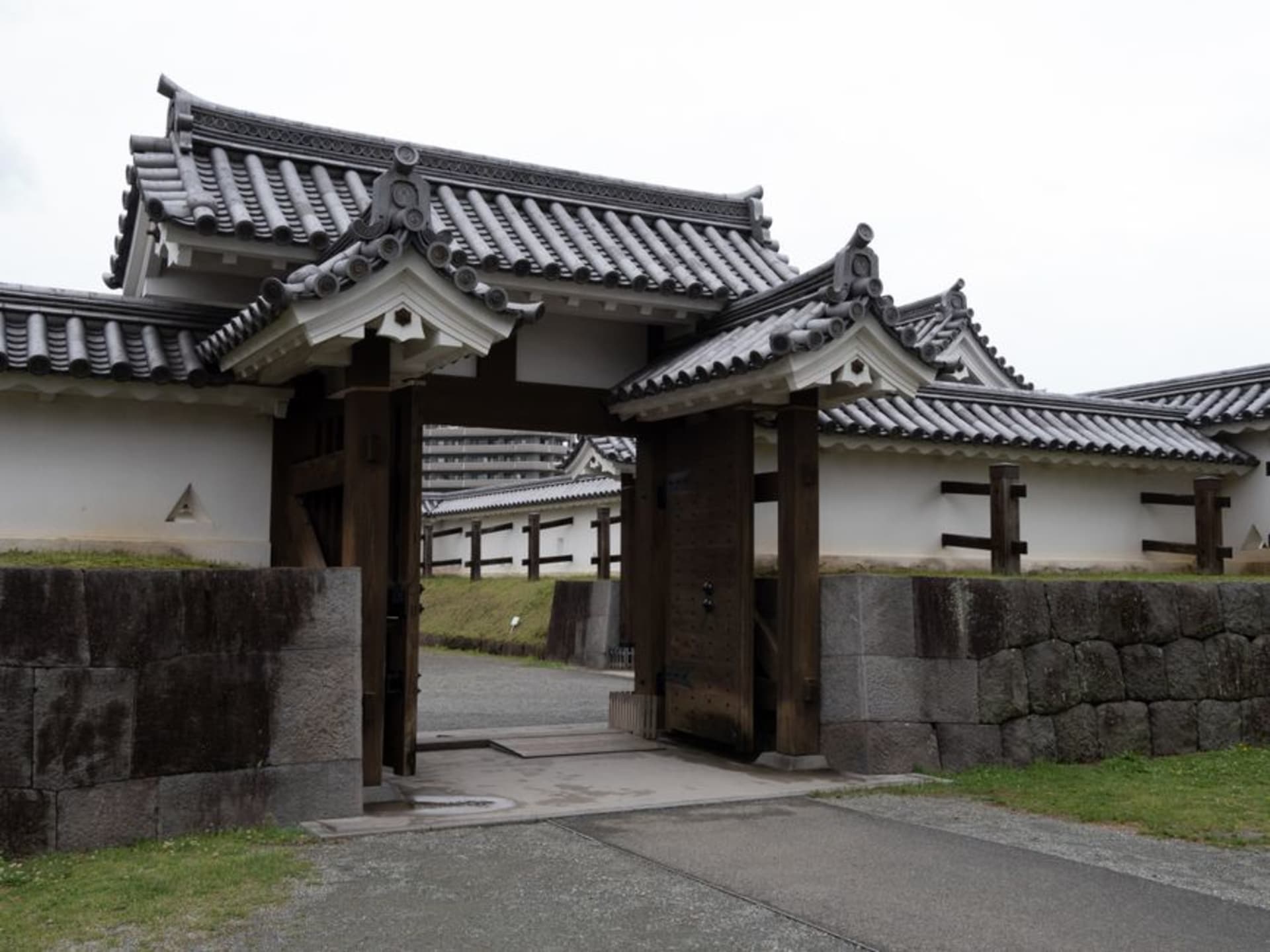
A beautifully preserved former castle town on the remote Yamaguchi coast, where white-walled samurai streets run down to the sea. We came for the pottery and the quiet and left having stumbled into the small town that helped topple the shogunate and remake modern Japan.
Hagi takes some getting to, and that’s the first thing to understand about it. Tucked on the northern coast of Yamaguchi, at the far western end of Honshū, it sits off the main lines and out of most itineraries, and the effort of the journey is repaid the moment you start walking its streets. We arrived in the late afternoon and rented rusty bicycles from our guesthouse, and within minutes we were rolling down earthen lanes between long white-plastered walls, past old samurai gates and orange trees heavy over the walls, with almost no one else about. Lia said it felt less like a preserved town and more like one that had simply been left alone, which is close to the truth. Hagi is quiet, historic, and salt-aired — and beneath that calm, it has one of the loudest stories in modern Japan.
The Samurai Streets
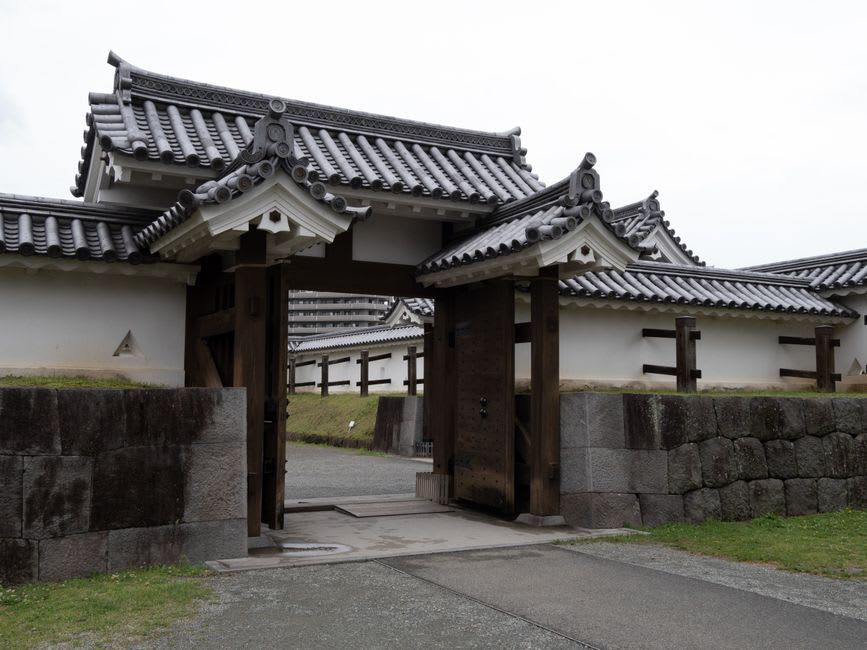
The old castle town of Hagi is remarkably intact, and best seen from a bicycle saddle at low speed. The former samurai district, Horiuchi, is a grid of narrow lanes hemmed by white walls topped with dark tile, some patterned with the round stones of old namako walls, the gateways still bearing the crests of the families who lived behind them. The castle keep itself is gone — dismantled after the Meiji Restoration — but its massive stone base and moat remain, and you can climb the hill behind for a view over the town to the sea. We drifted for hours, getting pleasantly lost, stopping at a preserved merchant house here and a citrus-shaded shrine there. There’s no rush to Hagi, and the town seems mildly surprised you’ve come at all.
Hagi-yaki Pottery
Hagi is one of the great pottery towns of Japan, and its ware — Hagi-yaki — is prized by tea people above almost all others, second only to Raku in the old ranking of tea bowls. It’s humble to look at: soft, pale, unshowy glazes over a porous clay, nothing flashy. But Hagi-yaki is famous for the way it changes with use, the glaze crazing into fine cracks that slowly take on the colour of the tea poured into it, so that a bowl becomes, over years, a record of its own life. We visited a working kiln on the edge of town, watched a potter throw a cup in a few unhurried seconds, and I bought a small tea bowl I’ve used nearly every morning since. It’s already darker than when I carried it out of the shop.
The Cradle of the Meiji Restoration
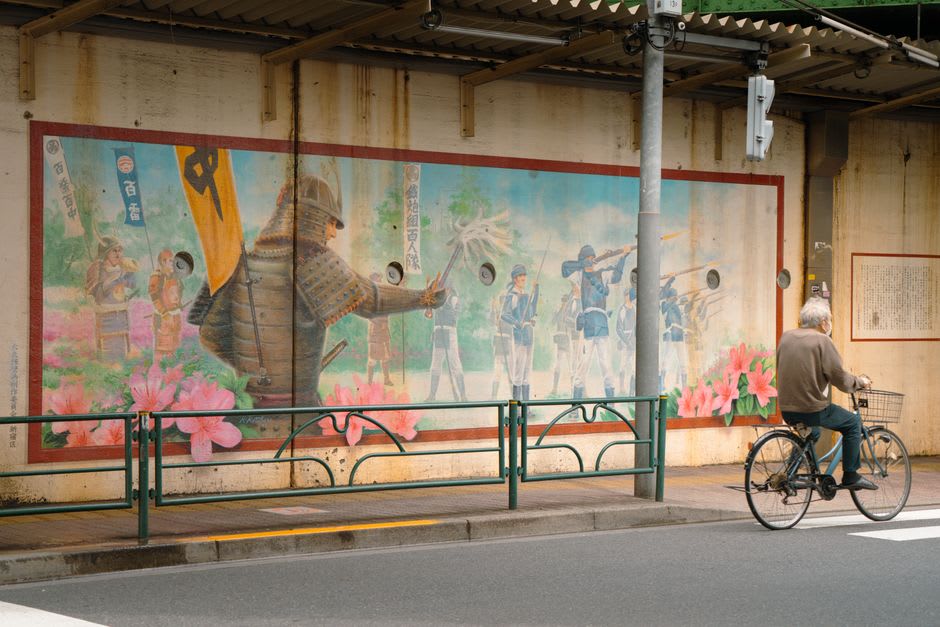
The great surprise of Hagi is how much history this small town holds. It was the castle town of the Chōshū domain, and in the mid-1800s Chōshū became one of the two great engines of the movement that overthrew the shogun and dragged Japan into the modern world. We visited the Shōka Sonjuku, a tiny wooden schoolhouse where the fiery teacher Yoshida Shōin taught a handful of young men who would go on to become the founding statesmen of modern Japan — several of them the country’s first prime ministers. Standing in that plain little room, barely bigger than a shed, it was genuinely hard to reconcile the modesty of the place with the scale of what came out of it. Hagi wears its role lightly; the schoolhouse and several other sites here are UNESCO-listed, and yet the town remains as quiet as ever.
Getting There
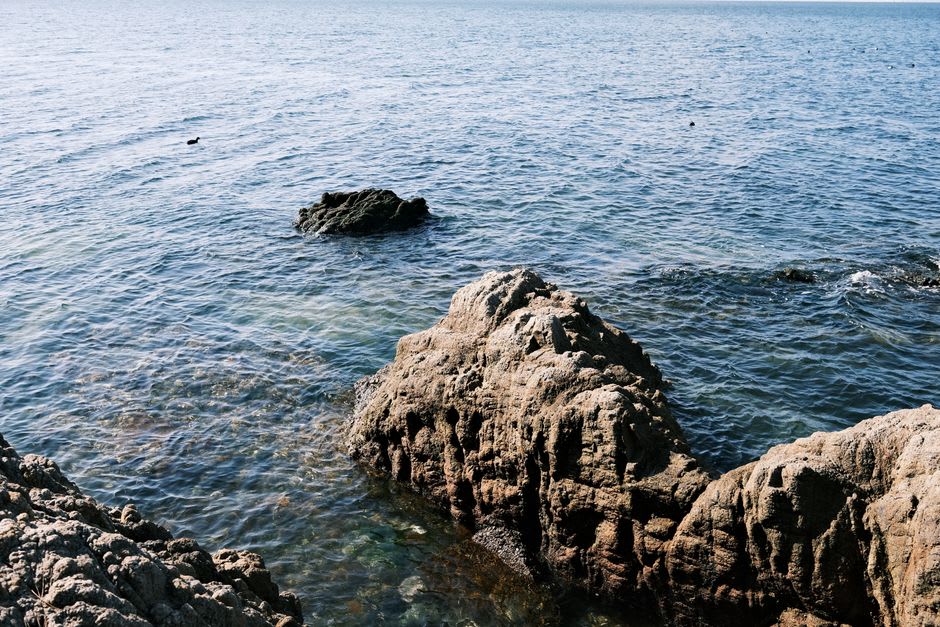
Hagi’s remoteness is real. The most common approaches are by bus or car from Shin-Yamaguchi station on the Sanyō shinkansen, around an hour and a half over the mountains, or along the coast from Masuda and the San’in line. A rental car makes the region far easier and lets you follow the coast, but the town centre itself is flat and perfect for the bicycles most guesthouses lend out. Give Hagi at least a full day and an overnight — it’s too far to rush, and the whole point of the place is the slowness. Come for the pottery, stay for the streets, and let the history sneak up on you.
Keep exploring
More of Chūgoku