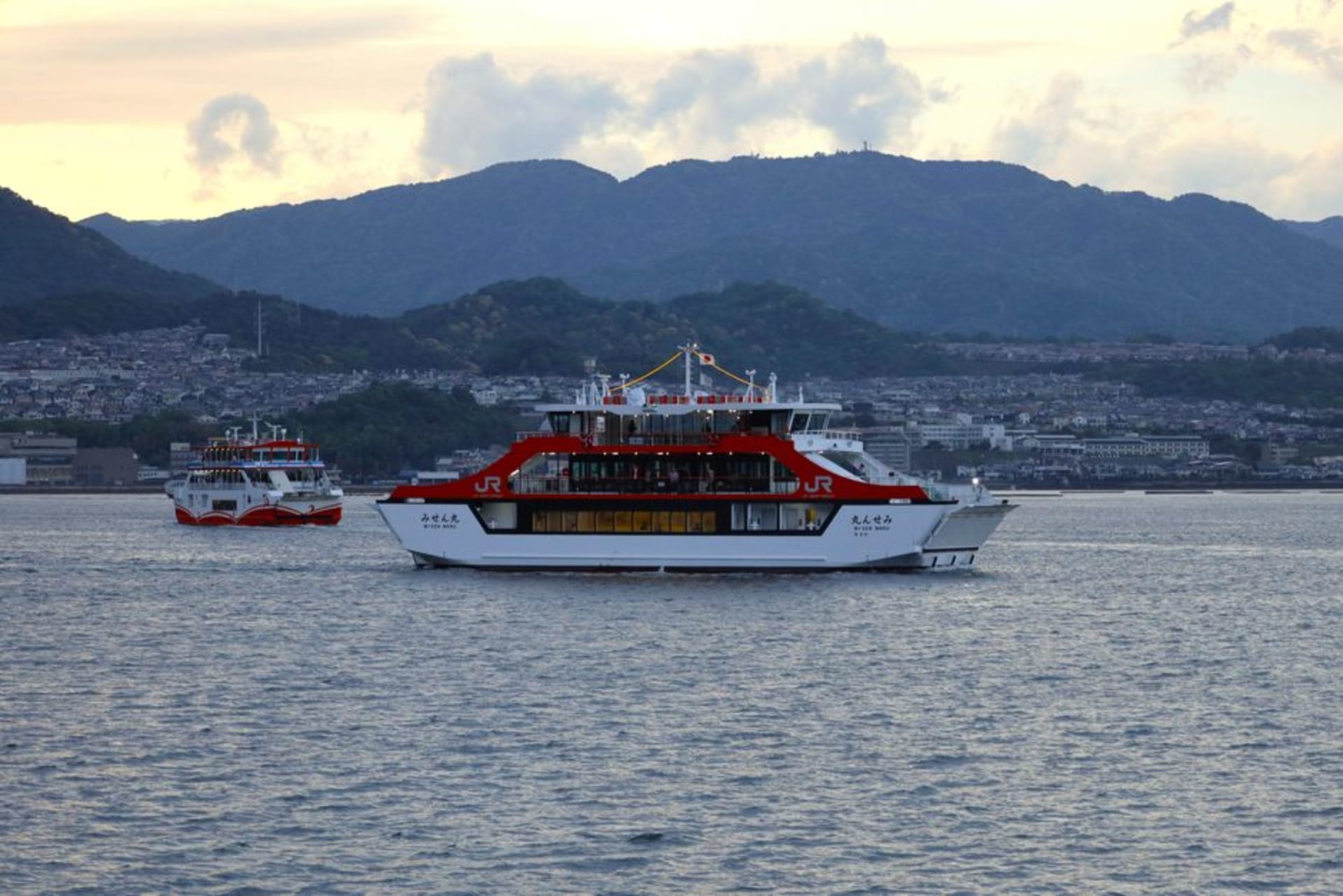
A workmanlike Hiroshima castle city that hides a softer heart of roses and a keep rebuilt stone by stone. Come for the fast-train convenience, stay for the slow ferry out to Tomonoura. Fukuyama is the door you almost walk straight through, until it makes you stop.
We had meant to change trains and keep going. That was the whole plan for Fukuyama: a name on a timetable, a place to swap one shinkansen for another. But the castle sits so absurdly close to the platform that Lia pressed her face to the window and said, “That can’t be real, it’s right there.” It was right there. We picked up our bags, walked out of the north exit, and were standing under the keep in under four minutes. I have never seen a castle abandon its dignity so cheerfully, letting the trains roar past its feet. We stayed for coffee. We stayed for three days.
The Castle That Refuses to Sulk
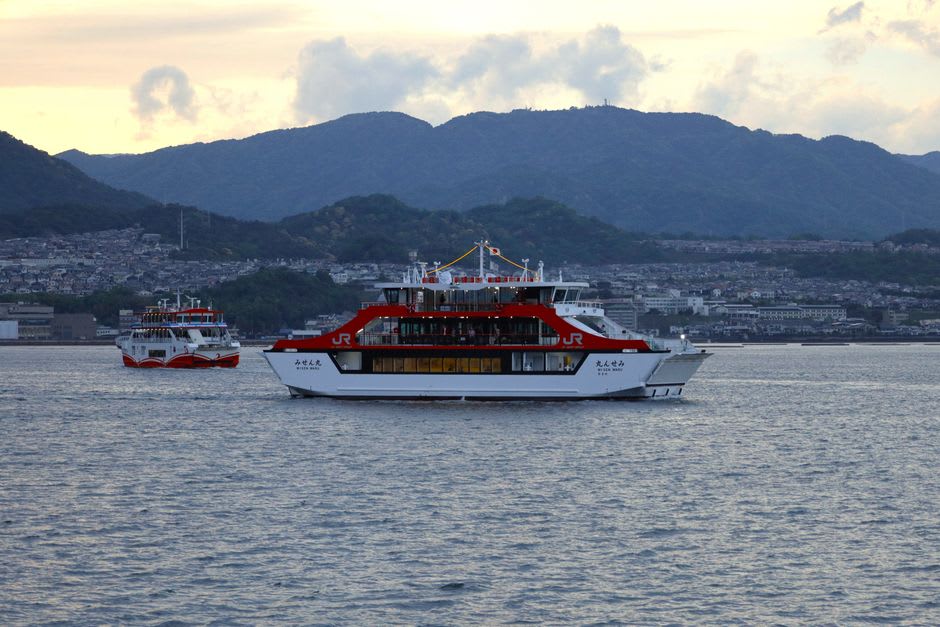
Fukuyama Castle was firebombed to nothing in 1945 and rebuilt in concrete in 1966, and I braced myself for the hollow feeling those reconstructions sometimes give me. It didn’t come. Maybe it was the black-boarded north wall, the one detail they got obsessively right, or maybe it was the old couple doing tai chi on the lawn at eight in the morning as if the keep were simply their very large garden ornament. Lia found a bench in the shade and sketched the roofline while I climbed to the top floor and looked down at the trains threading in and out. There is something honest about a castle that has made peace with the century it landed in. It doesn’t pretend the war away. It just keeps standing, close enough to touch, letting a modern city breathe around it.
A City That Smells of Roses
Fukuyama calls itself the city of roses, and I rolled my eyes at that the way you roll your eyes at any slogan, until we walked into Rose Park south of the station and I had to eat the eye-roll. The story is quietly moving: after the war levelled the place, residents planted a thousand roses to bring color back to a burnt city, and the whole civic identity grew from that one stubborn act of hope. We went in late afternoon when the light goes amber and the beds were heavy with bloom, old women deadheading spent flowers, a boy on a bicycle weaving through the perfume. Lia buried her nose in a fat cream-colored one and told me it smelled like her grandmother’s kitchen. I didn’t ask which part. Some things you just let stand.
The Ferry Everyone Forgets to Take
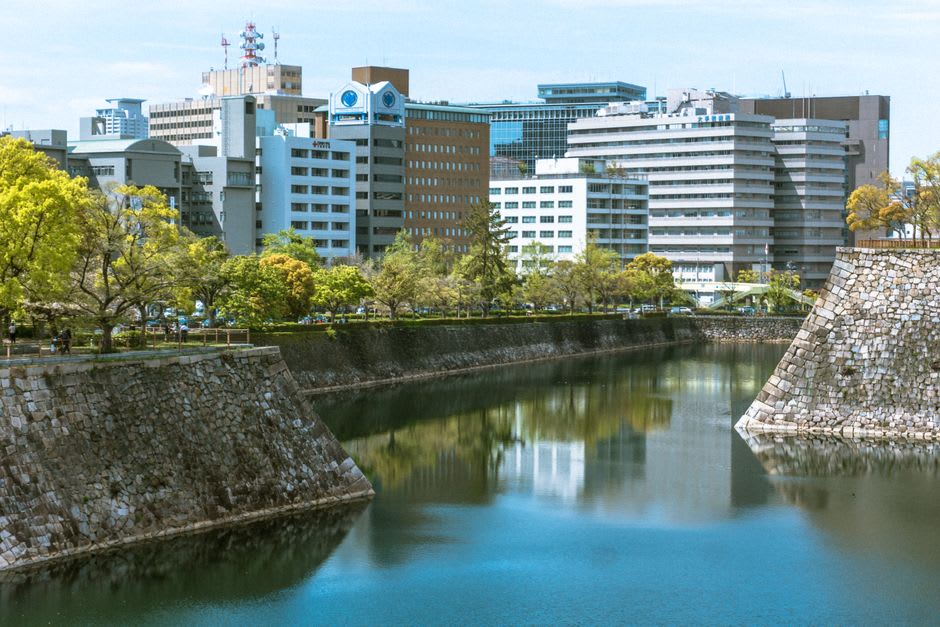
The real secret of Fukuyama is that it is the mainland end of a rope pulling you toward Tomonoura, the tiny port town half an hour south by bus, where the sea suddenly turns Edo-period and the modern world thins to almost nothing. We nearly skipped it. A woman at our guesthouse, refilling the tea urn, told us we’d regret it for the rest of our lives, and she said it so flatly, like a weather report, that we went. She was right. Tomonoura’s stone harbor with its old lighthouse-tower, the joyato, is the kind of place where you sit on a wall eating a mikan and lose an hour without noticing. But the surprise was the ride back into Fukuyama at dusk, watching the city lights come up around that stubborn little castle, and understanding that the plain workaday hub had quietly become somewhere we didn’t want to leave.
Getting There
Fukuyama could not be easier to reach, which is exactly why people underrate it. The shinkansen stops right at Fukuyama Station on the Sanyo line, roughly an hour and a half from Osaka or under half an hour from Hiroshima, and the castle is a genuine four-minute walk from the north exit, no exaggeration. For Tomonoura, catch the Tomotetsu bus from stop number two outside the station’s south side; it takes about thirty minutes and runs frequently through the day. Rose Park is a fifteen-minute walk or a short bus hop south of the station. If you can, break your journey here rather than treating it as a transfer. Give it a night. Let the last train leave without you, the way we did.
Keep exploring
More of Chūgoku