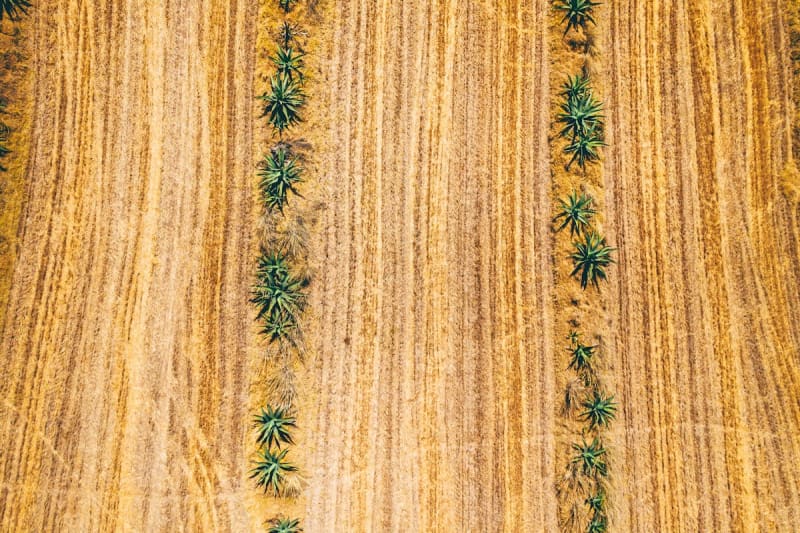
Oaxaca — The Mezcal Trail and Everything Around It
Oaxaca is having a moment, and for once, the hype is deserved. Here's how to do it without the influencer crowds.
Americas
"I moved here for three months. That was four years ago."
Far beyond the resorts — a country of staggering depth, world-class food, and landscapes that shift every hundred kilometers.

I came to Mexico in 2022 for a three-month stay. I am still here. That should tell you something about the gap between what this country is and what most people assume it to be. The resort version — Cancún, Cabo, the all-inclusive belt — is a parallel universe that has almost nothing to do with the actual country. The actual country is one of the most rewarding places I have ever lived, traveled, or eaten in.
The scale of Mexico is the first thing to understand. It is not one destination. It is a continent disguised as a country. The high desert of Oaxaca shares nothing with the cloud forests of Chiapas, which share nothing with the Caribbean coast of Quintana Roo, which shares nothing with the colonial highlands of Guanajuato. Each region has its own cuisine, its own mezcal (or tequila, or sotol, or raicilla), its own indigenous traditions, its own rhythm. You could spend a lifetime here and not exhaust it. I know because I am trying.
The food alone justifies the trip. Mexico City has more culinary range than any city I have eaten in, including Paris and Tokyo. Oaxaca’s molé tradition is one of the great achievements of world gastronomy. A roadside taco stand in Puebla can deliver more flavor in a single bite than many Michelin-starred restaurants manage in an entire tasting menu. This is not hyperbole. This is Tuesday lunch.
When to go: October through April is dry season in most regions. November is my favorite month — the Day of the Dead celebrations are extraordinary, the rainy season has ended, and the country settles into a long, warm, golden stretch.
What most guides get wrong: They focus on safety warnings to the point of paralysis. Mexico demands the same common sense as any large country. Tens of millions of tourists visit safely every year. Use judgment, ask locals, stay informed — and then get on with the business of experiencing one of the great cultures on earth.
Explore
 mexico
 The landlocked city that throws the biggest fair in Mexico every April — 22 days of bullfighting, cockfights, regional food, and free concerts that have been running continuously since 1828, plus the birthplace of José Guadalupe Posada.
Explore mexico
 A small colonial town in the Tamaulipas lowlands where orange groves and banana plantations frame an 18th-century parish and one of the most genuinely local Sunday markets in the region. Antiguo Morelos is the quiet southern gateway to the El Cielo biosphere reserve, and its tamales are among the best I have found in this part of Mexico.
Explore mexico
 The northern half of the Baja peninsula — where Tijuana's border energy, the Valle de Guadalupe wine country, and the Pacific surf breaks of Ensenada coexist in a Mediterranean climate that produces Mexico's only world-class wine region and some of its best seafood.
Explore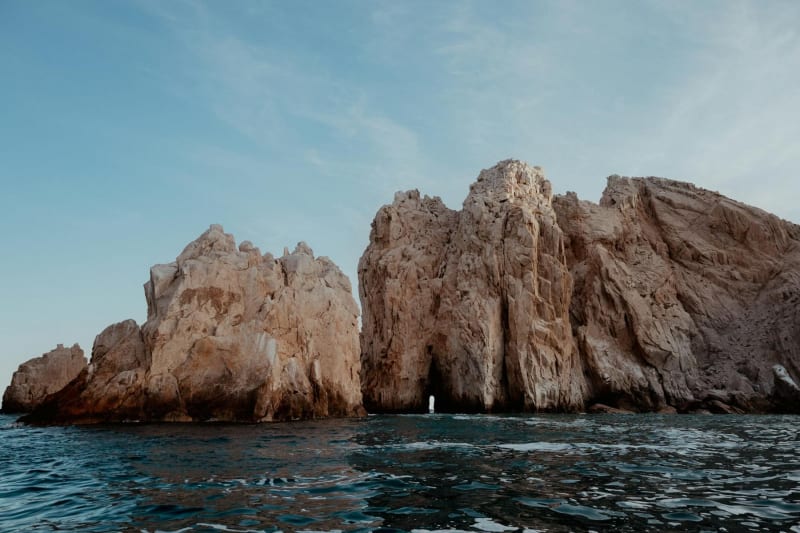 mexico
 The lower half of the 1,200-kilometer Baja Peninsula — the Sea of Cortez on the east, the Pacific on the west, the Transpeninsular Highway connecting colonial mission towns and whale lagoons and the resort lights of Los Cabos at the southern tip.
Explore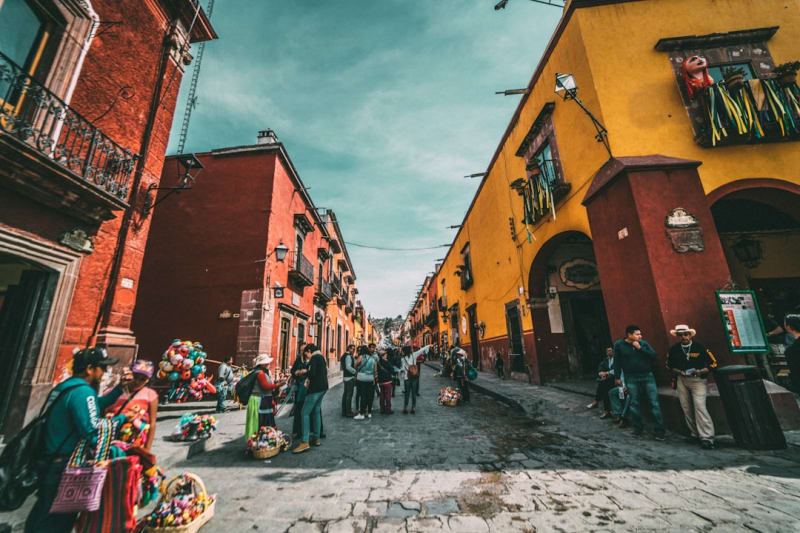 mexico
 Mexico's most intact walled colonial city on the Gulf coast — pastel-painted streets, pirate-proof bastions, extraordinary Mayan artifacts, and almost no other tourists.
Explore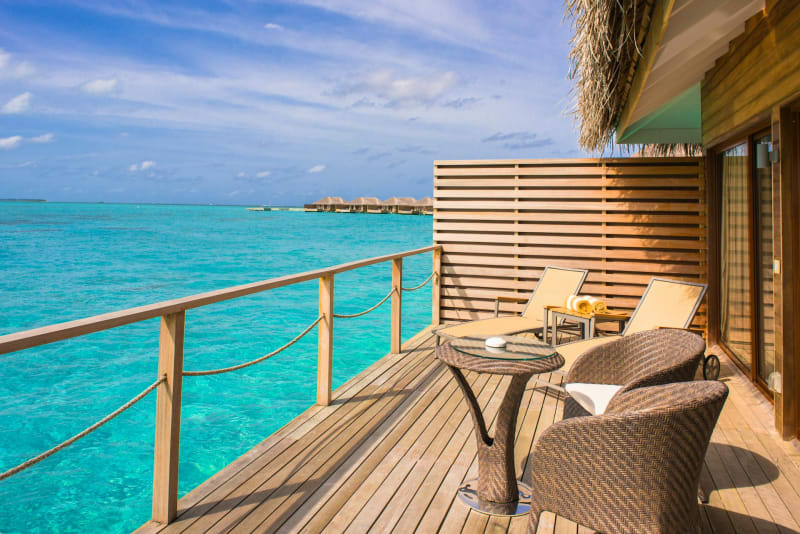 mexico
 Cloud forests, Maya ruins in the jungle, and indigenous cultures that predate the Spanish by millennia. Mexico's deepest south.
Explore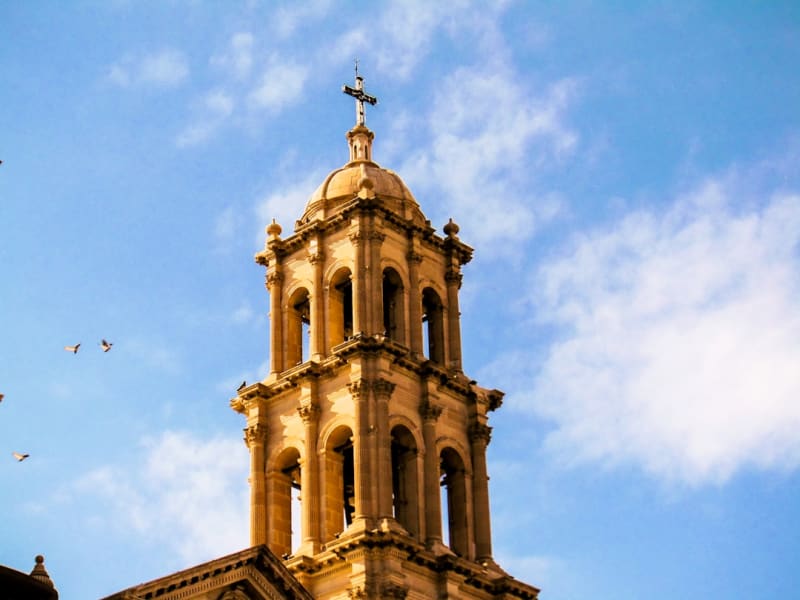 mexico
 The northern capital where Pancho Villa planned his División del Norte — a city of revolutionary history, Mennonite cheese from the surrounding plains, art nouveau architecture, and the gateway to the Sierra Tarahumara.
Explore mexico
 The capital of Tamaulipas sits in a wide green valley where the Sierra Madre Oriental begins to rise in earnest. Most travelers blow past it on the way north, but the colonial centro, Parque Bicentenario, and the cloud forests of El Cielo biosphere reserve just to the south make a compelling case for stopping — and then staying longer than planned.
Explore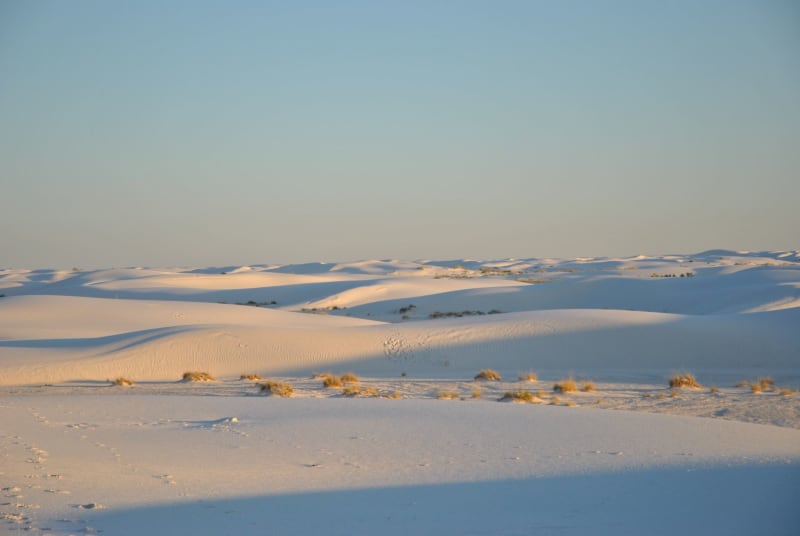 mexico
 A vast Chihuahuan Desert state where dinosaur fossils erode from the badlands, stromatolites (Earth's oldest life forms) grow in the hypersaline pools of Cuatro Ciénegas, and the cotton fields and wine valleys of the north produce the best Cabernet Sauvignon in Mexico.
Explore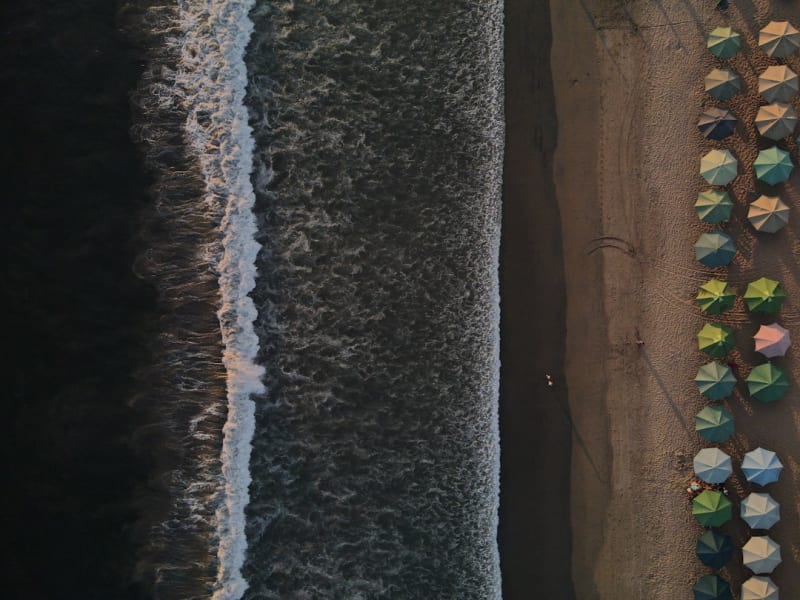 mexico
 Mexico's smallest mainland state — an active volcano that glows at night, the quiet colonial town of Comala known as the White City, the port of Manzanillo where the Pacific trade arrives, and a climate mild enough that the ancient inhabitants planted the first domesticated dogs here.
Explore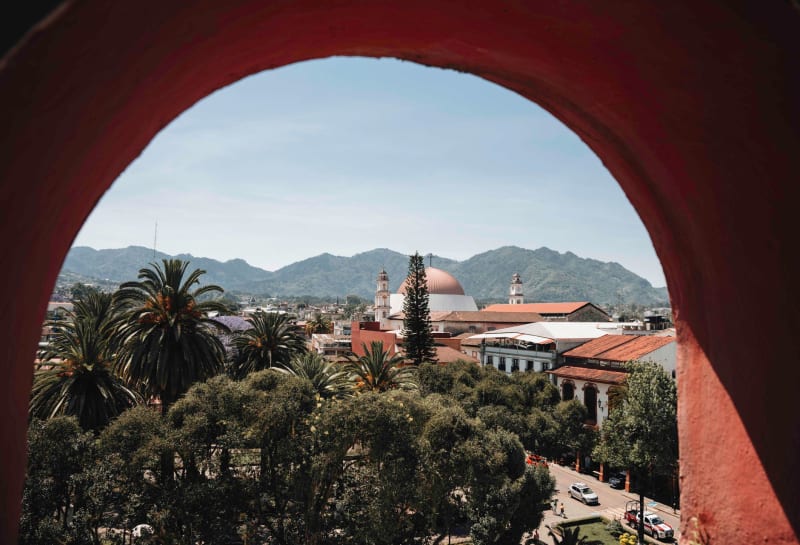 mexico
 A colonial mining capital in the Sierra Madre foothills where every major Hollywood Western was filmed between 1950 and 1990 — the terrain looked more like the American Southwest than anywhere in the US, and the light was perfect.
Explore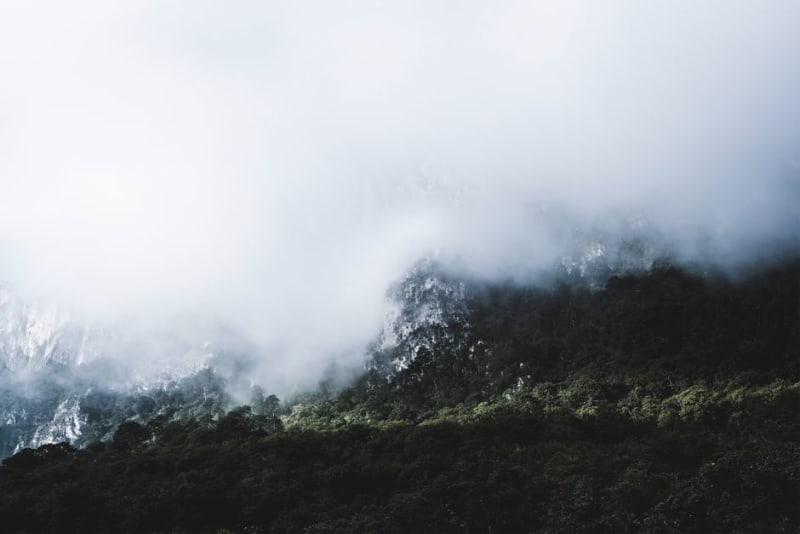 mexico
 A UNESCO biosphere reserve in the Sierra Madre Oriental where the temperate forests of North America collide with Mesoamerican tropics, producing cloud forest at a latitude nobody thinks to look for it. The village of Alta Cima is the base for trails through cedar and oak where resplendent quetzals have been recorded — in Tamaulipas, of all places.
Explore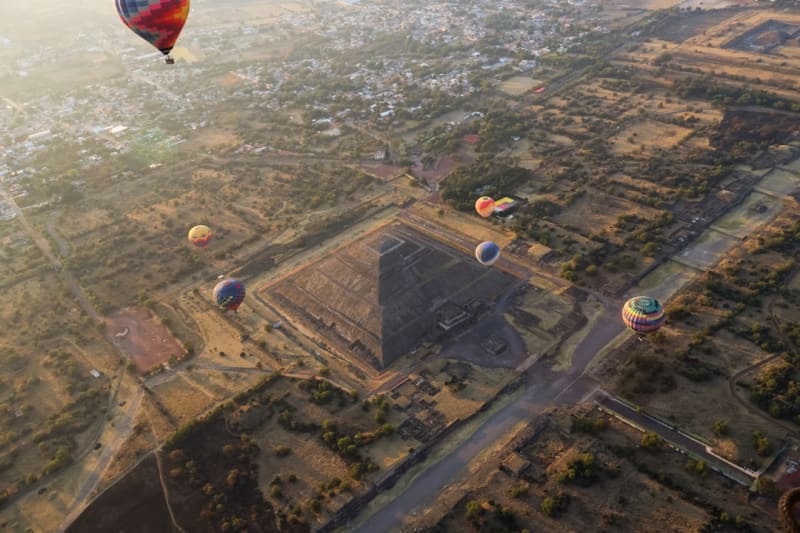 mexico
 The state that surrounds Mexico City on three sides — containing the world's largest pyramid at Cholula's neighbor Teotihuacán, the rock-carved Aztec temple at Malinalco, the sailing lake of Valle de Bravo, and the monarch butterfly forest above them all.
Explore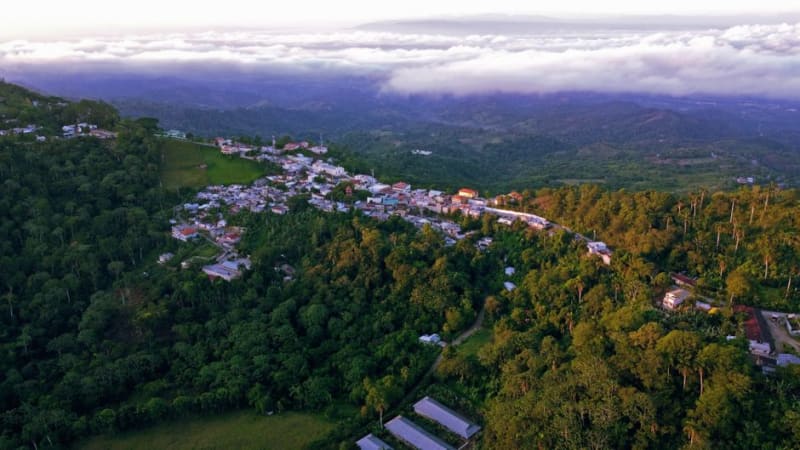 mexico
 A Huastec village at the precise altitude where Gulf lowland scrub surrenders to cloud forest, Gómez Farías is the access point for the El Cielo biosphere reserve — one of North America's northernmost quetzal habitats. The ejido guides here know these trails the way they know their own names.
Explore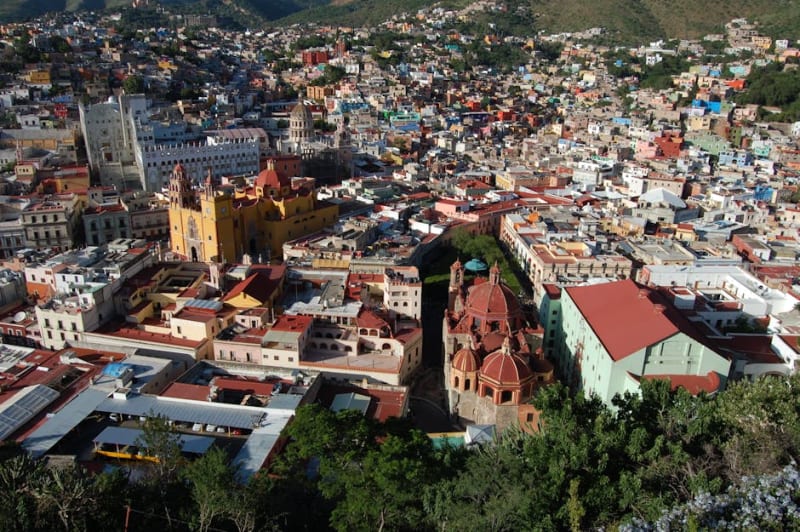 mexico
 A candy-coloured colonial city built into a ravine, with underground streets, mummy museums, and Mexico's best student-town energy.
Explore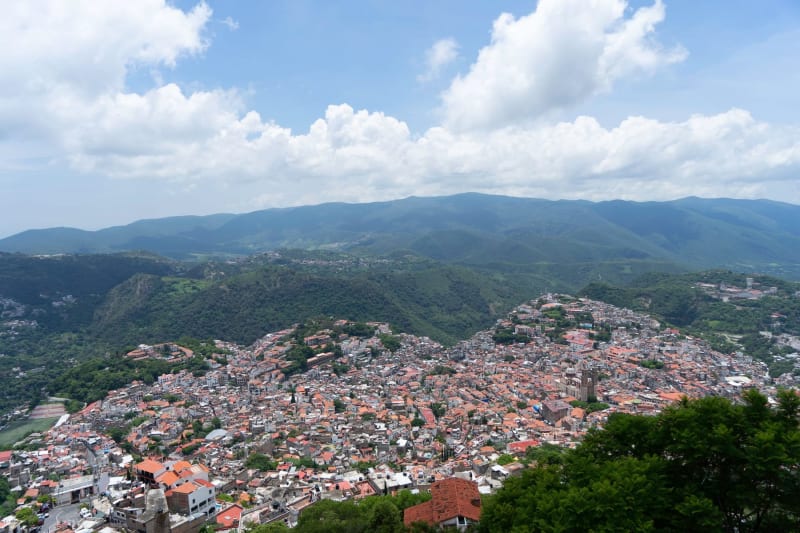 mexico
 A Pacific state that contains three of Mexico's most distinct seaside identities — Taxco's silver in the mountains, Acapulco's faded glamour and cliff divers, and Zihuatanejo's fishing village that refused to become a resort — in a geography of dramatic sierra and tropical coast.
ExploreGo deeper
Towns, temples and beaches tucked inside the regions above — the pages I'd send a friend to once they've picked a corner of the map.
Free download
A curated PDF itinerary with honest picks, real restaurants, and the details that matter — the kind you'd actually print and bring.
Download the guide