Baja California
"Valle de Guadalupe is 100 kilometers from San Diego and 1,000 kilometers from Mexican wine country as most people imagine it. The Mediterranean climate, the granite soils, and the chefs who came here for the land prices have made it Mexico's most creative food and wine destination."
The northern half of the Baja peninsula — where Tijuana's border energy, the Valle de Guadalupe wine country, and the Pacific surf breaks of Ensenada coexist in a Mediterranean climate that produces Mexico's only world-class wine region and some of its best seafood.

Baja California (the northern state, not to be confused with the southern state Baja California Sur) occupies the top third of the Baja Peninsula — from Tijuana and Mexicali at the US border south to the 28th parallel. The state has the most porous US-Mexico border in the country (the San Diego–Tijuana crossing is the busiest land border in the world by volume), the most Mediterranean climate in Mexico, and the only wine region in Mexico with international recognition.
Tijuana is one of the most misread cities in the world — most of the 50 million annual US crossings are day-trippers coming for the Avenida Revolución tourist strip, cheap pharmacies, and dental clinics, which has obscured the fact that Tijuana has become, in the last 15 years, one of the most interesting food cities in the Americas. The Mercado Hidalgo, the seafood tostadas of the Zona Norte, and the restaurants that have developed from the cross-border taco and fish taco tradition have produced a cuisine that is genuinely its own — neither Mexican nor Californian, both and neither.
Valle de Guadalupe (covered separately) — 85 kilometers south of Tijuana, 30 kilometers northeast of Ensenada — is the Mexican wine region that has gone from marginal producer to destination in 15 years. The valley’s Mediterranean climate (hot dry summers, cool nights, Pacific fog in the mornings) produces grapes well; the soil is granite and clay. The wine is uneven but improving; the restaurants built among the vineyards — operating on the cocina de baja mediterránea philosophy of local ingredients and outdoor wood-fire cooking — have become the primary draw for visitors from both sides of the border.
Ensenada — the port city 85 kilometers south of Tijuana — is the most pleasant urban destination in the northern state: a working port and fish market, a seafood restaurant scene of genuine quality, and the departure point for the Bodegas Santo Tomás winery (the oldest in Baja) and the surf breaks south of town.
Explore
Places in Baja California
 mexico
Bahía de los Ángeles
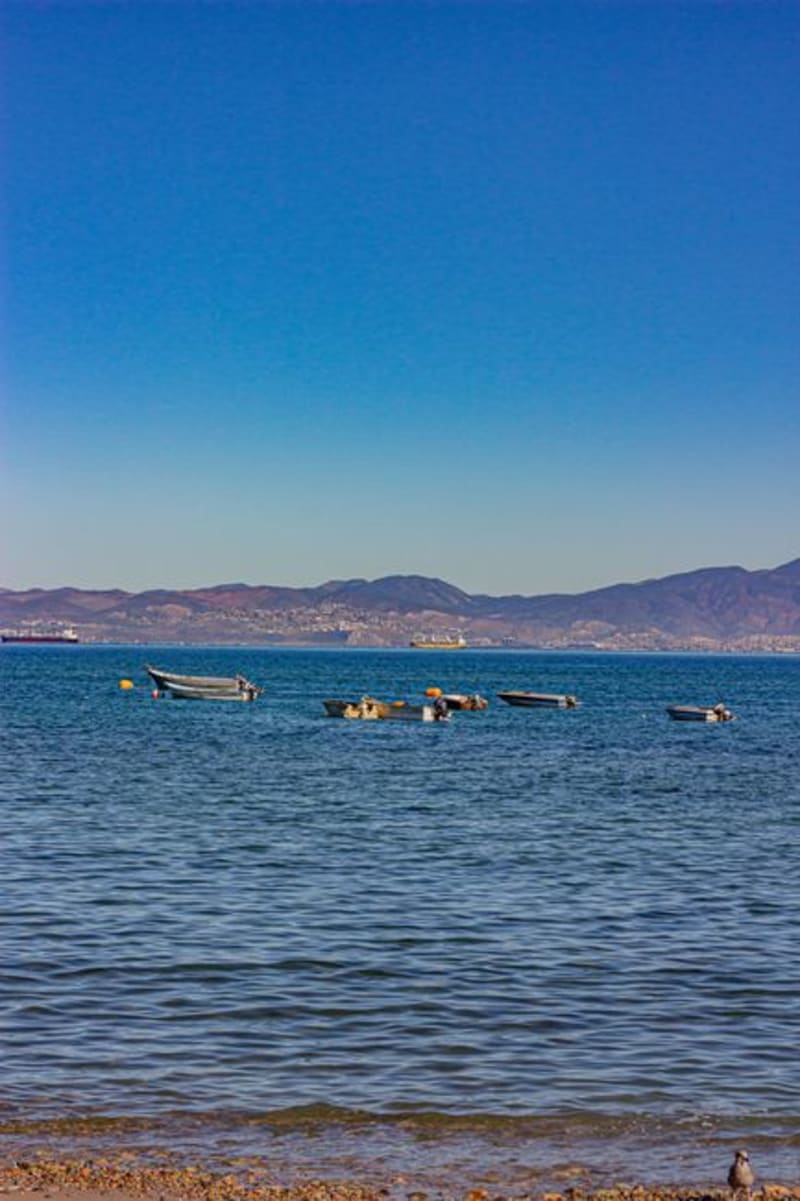
A remote bay on the Sea of Cortez where whale sharks gather each summer and the silence is so complete you can hear the pelicans landing. The two-hour detour off the Transpeninsular Highway is not an inconvenience — it is the selection mechanism that keeps this place intact.
Explore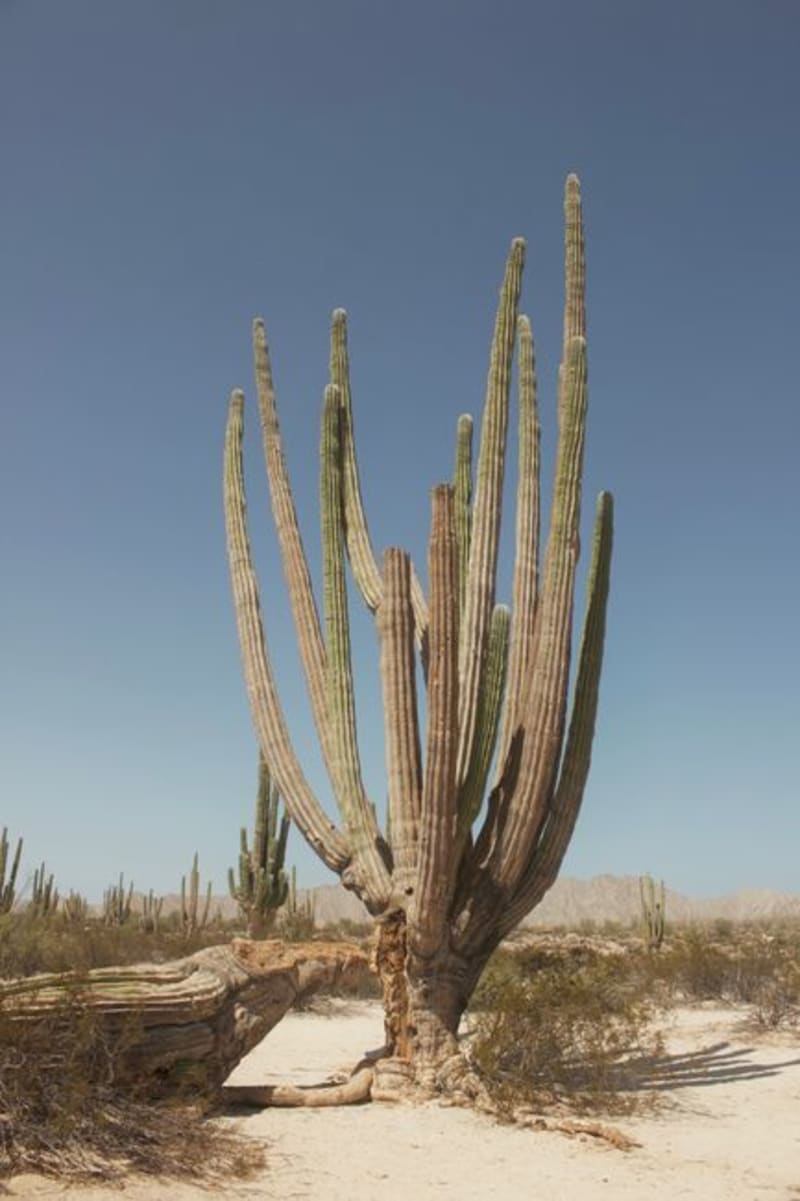 mexico
Cataviña
A remote crossroads in the Valle de los Cirios, where boojum trees rise from ancient granite boulders like organisms from a different evolutionary timeline and prehistoric cave paintings survive on the canyon walls. It sits roughly halfway down the Baja peninsula, far enough from both coasts that most people who pass through do so by accident — which is, oddly, the best way to arrive.
Explore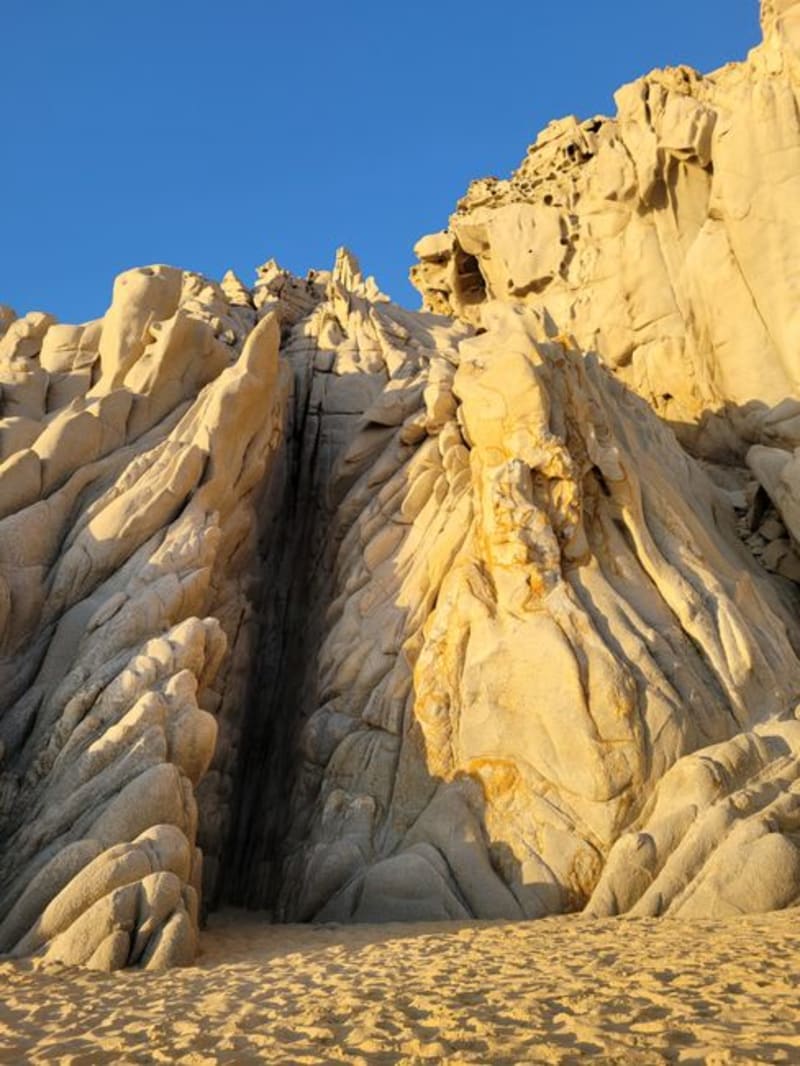 mexico
Catavina Boulder Field
In the Valle de los Cirios, Catavina piles house-sized granite boulders into improbable stacks while the endemic cirio cactus fills every gap between them. It is one of the stranger landscapes I have camped in — disorienting in the best possible way, especially under a winter sky with zero light pollution.
Explore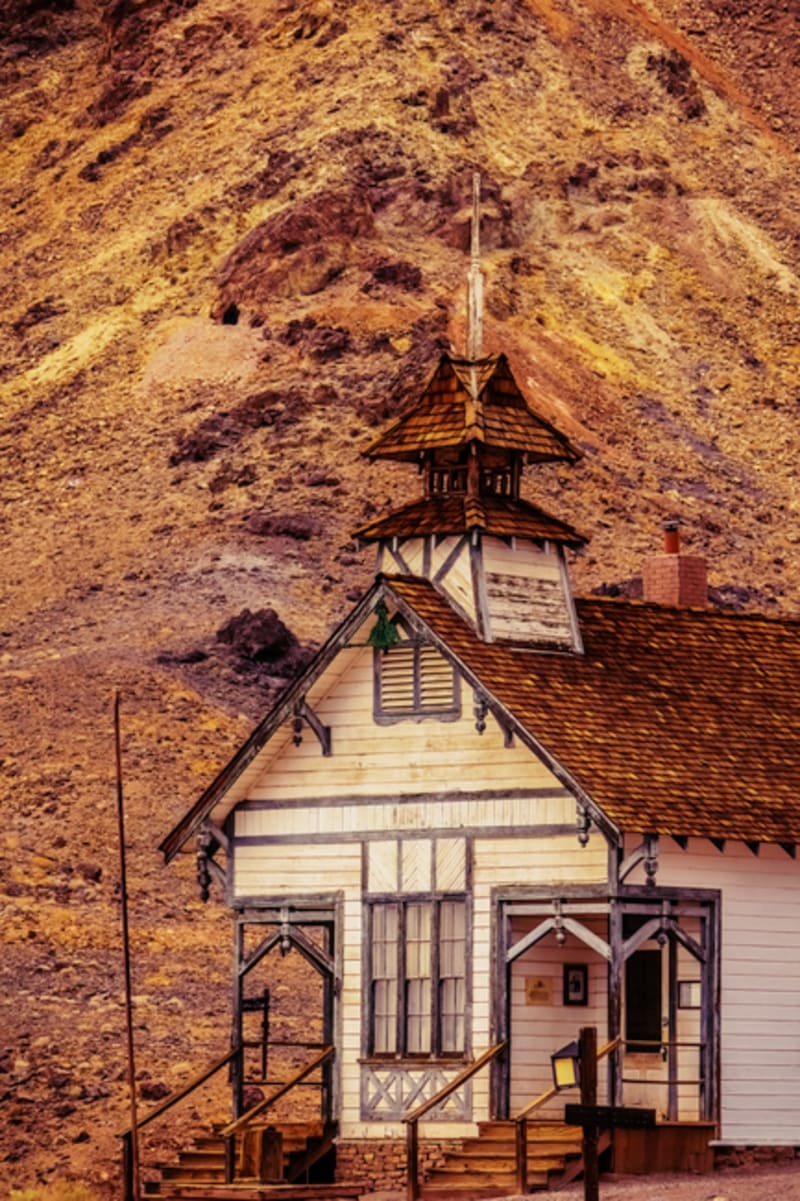 mexico
El Arco
El Arco is a ghost town at the geographic center of the Baja peninsula, a gold-rush settlement the desert swallowed whole and never gave back. Stone walls, empty doorframes, a silence so complete it rings in your ears.
Explore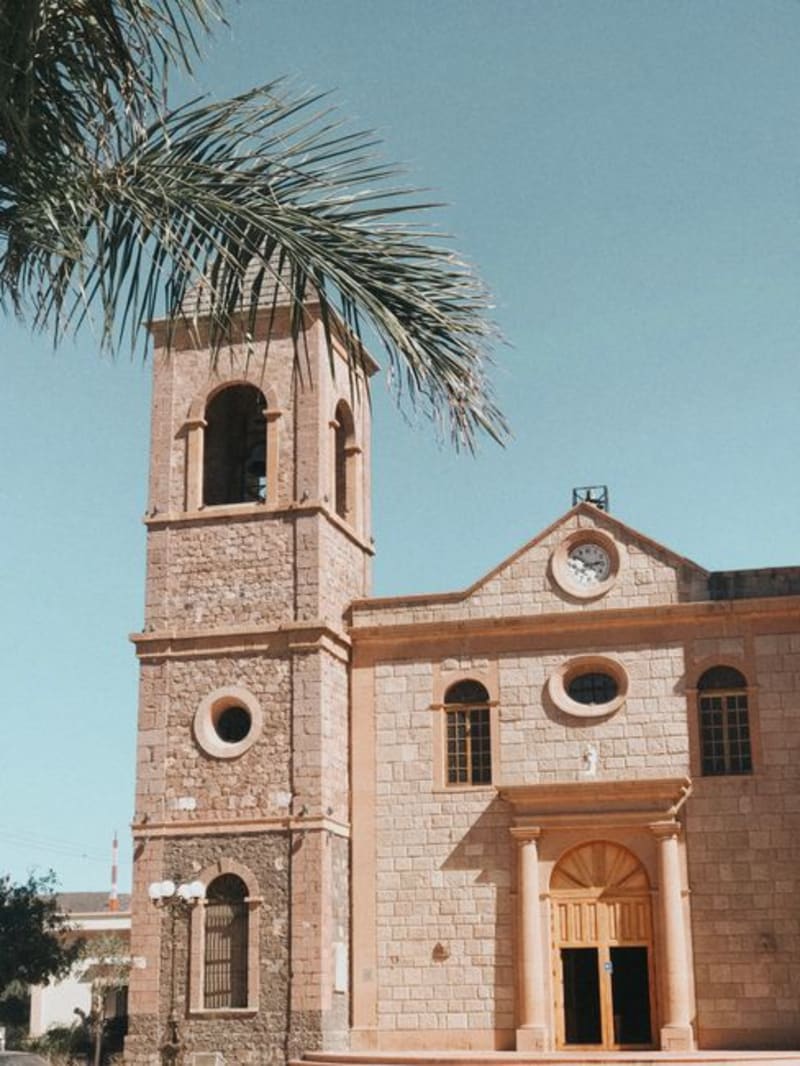 mexico
El Rosario
El Rosario sits at the point where Baja California stops pretending to be convenient. The Transpeninsular Highway narrows, the cardon forests thicken, and the peninsula's wilder, more indifferent self takes over — and Mama Espinoza's lobster burrito has been fueling that transition for decades.
Explore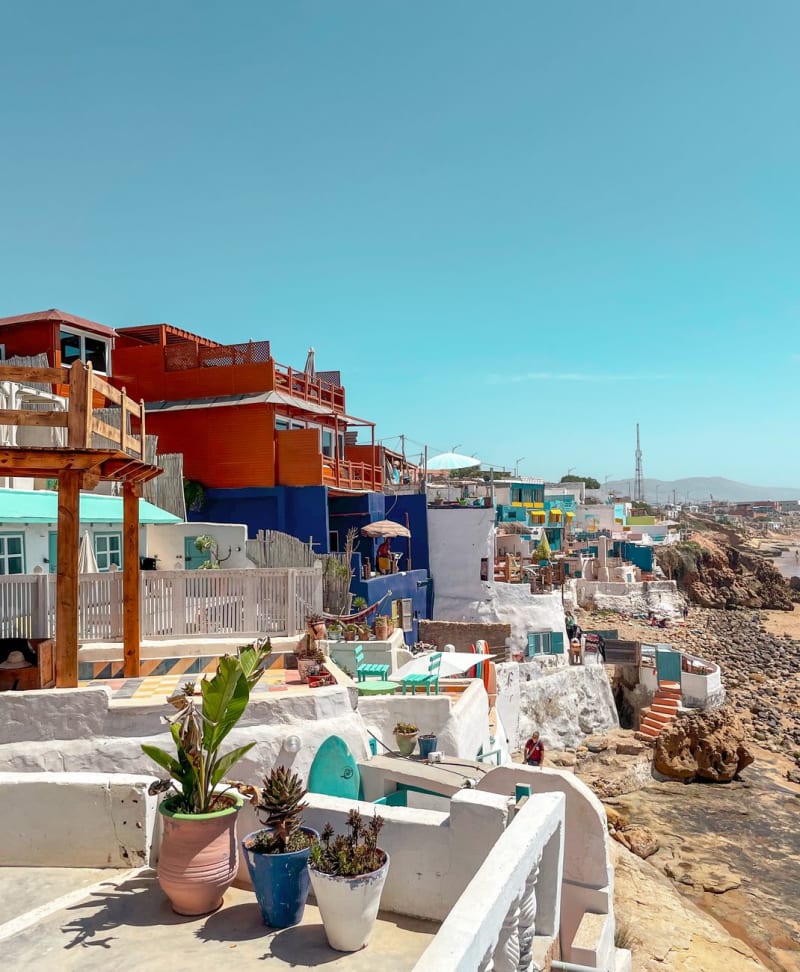 mexico
Ensenada
Ensenada is a Pacific port city ninety minutes south of Tijuana where the morning fog sits low over the harbor until ten, the fish market opens before dawn, and the road east leads into wine country that no one outside of Mexico seems to know exists. I went for the Valle de Guadalupe and ended up staying for the tostadas de mariscos eaten standing up at eight in the morning, watching pelicans work the water.
Explore mexico
La Bufadora
A marine blowhole twenty kilometres south of Ensenada that erupts every few minutes with a force you feel in your sternum — surrounded, unexpectedly, by some of the better street food on the Baja peninsula.
Explore mexico
La Rumorosa
A mountain pass in the Sierra Juárez where geology has arranged granite boulders the size of apartment buildings into formations that look staged. At 1,200 metres the wind never stops and most of the million people who drive through each year don't get out of their cars.
Explore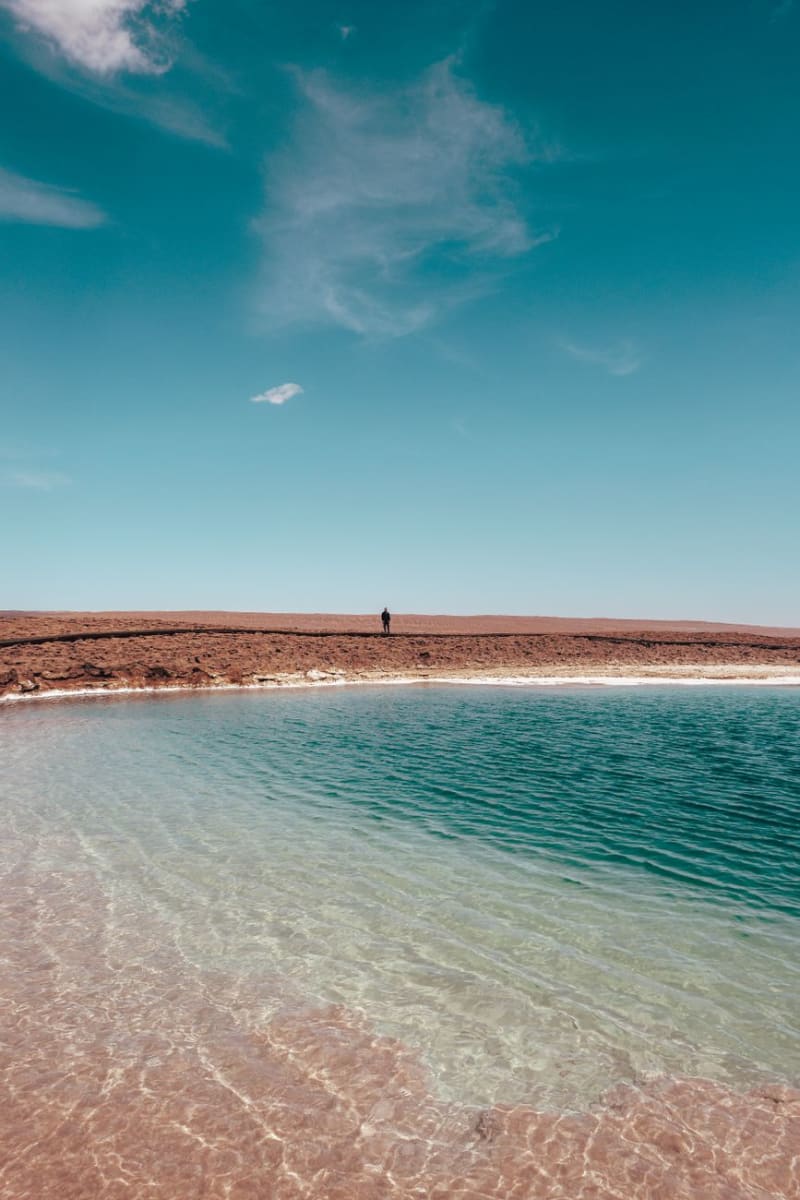 mexico
Laguna Hanson
Laguna Hanson is a high-altitude lake in the Sierra Juárez mountains of northern Baja California, reached by a rough road that climbs from coastal desert into pine-oak forest at 1,800 meters — a complete ecosystem change in under an hour of driving. The lake sits among granite boulders and Jeffrey pine, shallow and seasonal, and the night sky above it is the darkest I've encountered in Baja. I drove up from Ensenada, camped alone, and woke to cold mist on the water.
Explore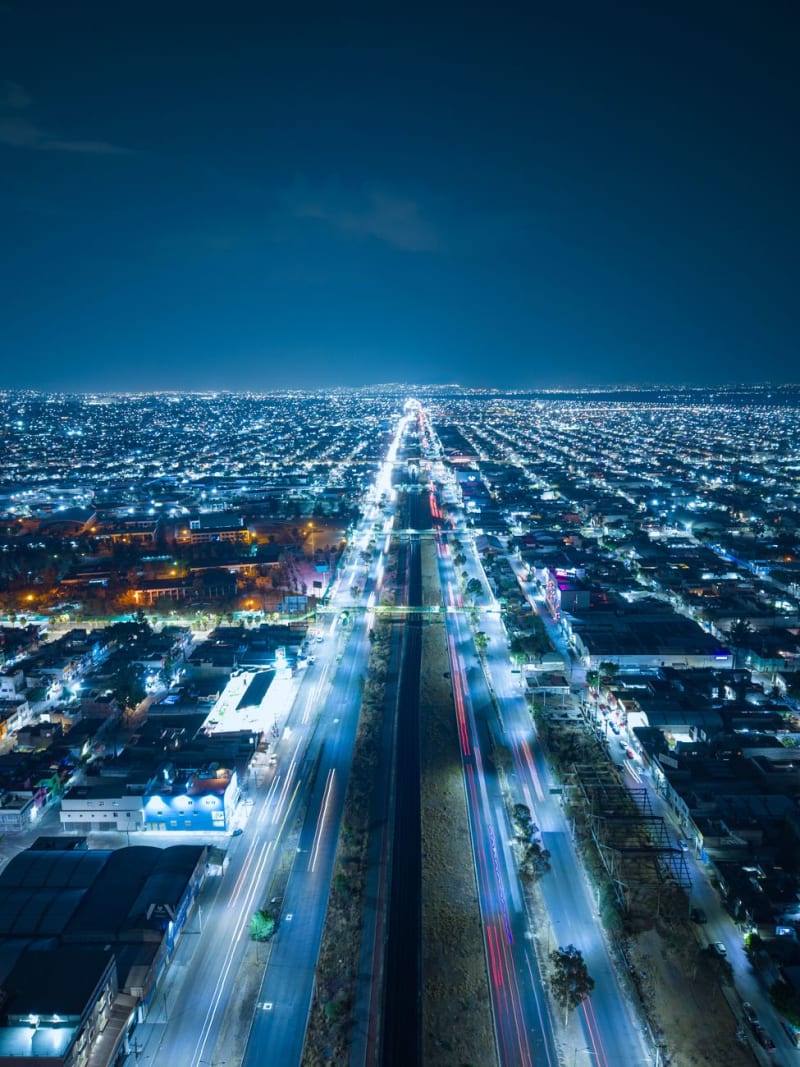 mexico
Mexicali
Mexicali is the capital of Baja California, a desert border city pressed against Calexico, California, remarkable for one thing that makes no geographic sense: the best Chinese food in Mexico, concentrated in the Chinesca district and rooted in the 20th-century Chinese labor migration to the Colorado River delta. The heat in summer is serious enough to require planning. I went for the food and ate at a restaurant that has been open since 1960 from a laminated menu that had not been updated since roughly that date.
Explore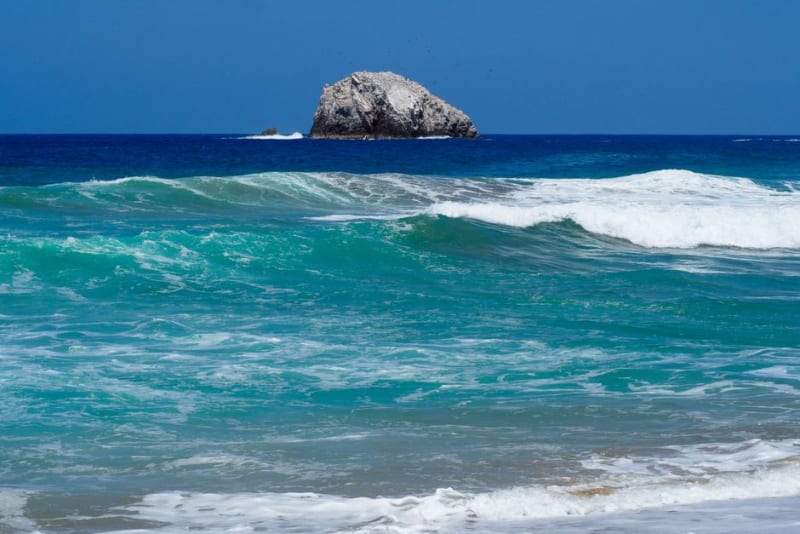 mexico
Rosarito
Rosarito sits on the Pacific coast of Baja California, thirty minutes south of Tijuana, where a long cold beach and a quietly serious food scene exist entirely on their own terms. The city was briefly famous for a Hollywood production in the 1990s and has since returned to being itself: a working coastal town with good fish tacos, consistent surf, and a malecón that looks best at dusk.
Explore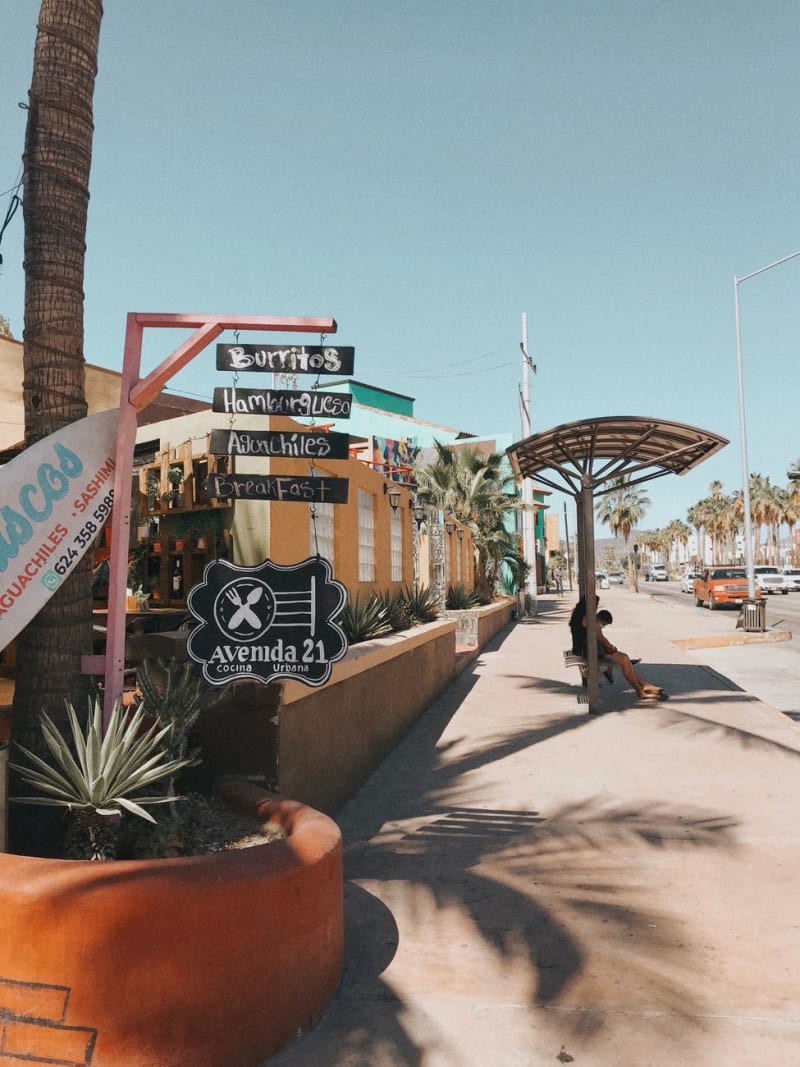 mexico
San Felipe
San Felipe is a fishing village on the Sea of Cortez where the shrimp comes off the boats each morning and ends up on tostadas at the malecón market by noon, crisp and lime-soaked and served with a habanero salsa that arrives without negotiation. The town draws families from Mexicali for weekends, has a strange tidal range of seven to nine meters that exposes an enormous intertidal flat at low tide, and sits at the northern edge of one of the most ecologically significant marine reserves in the world. I arrived expecting a resort. I found a working fish market and a seafront of pickup trucks.
Explore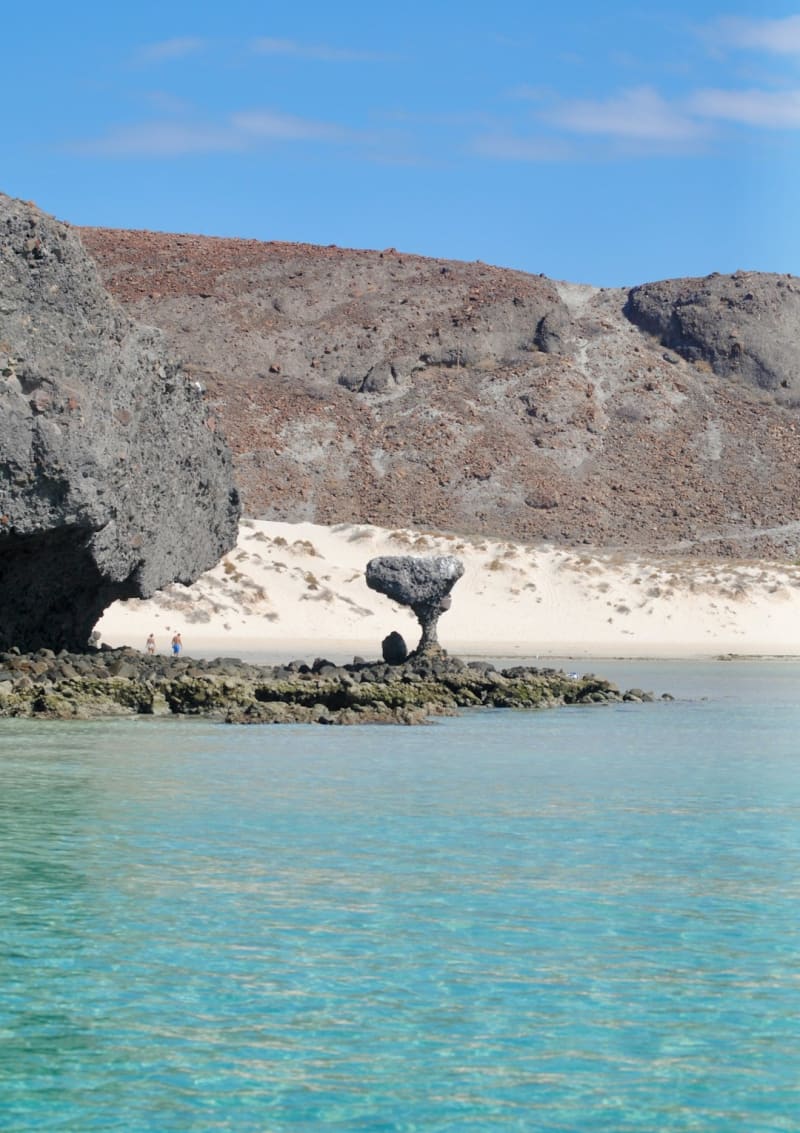 mexico
San Quintín
Four hours south of Tijuana, San Quintín is where Baja sheds its suburban sprawl and turns genuinely wild. The bay yields some of the finest oysters in Mexico, shucked roadside by the men who pulled them from the water that morning. Black-sand volcanic beaches stretch toward Punta Baja with almost no one on them.
Explore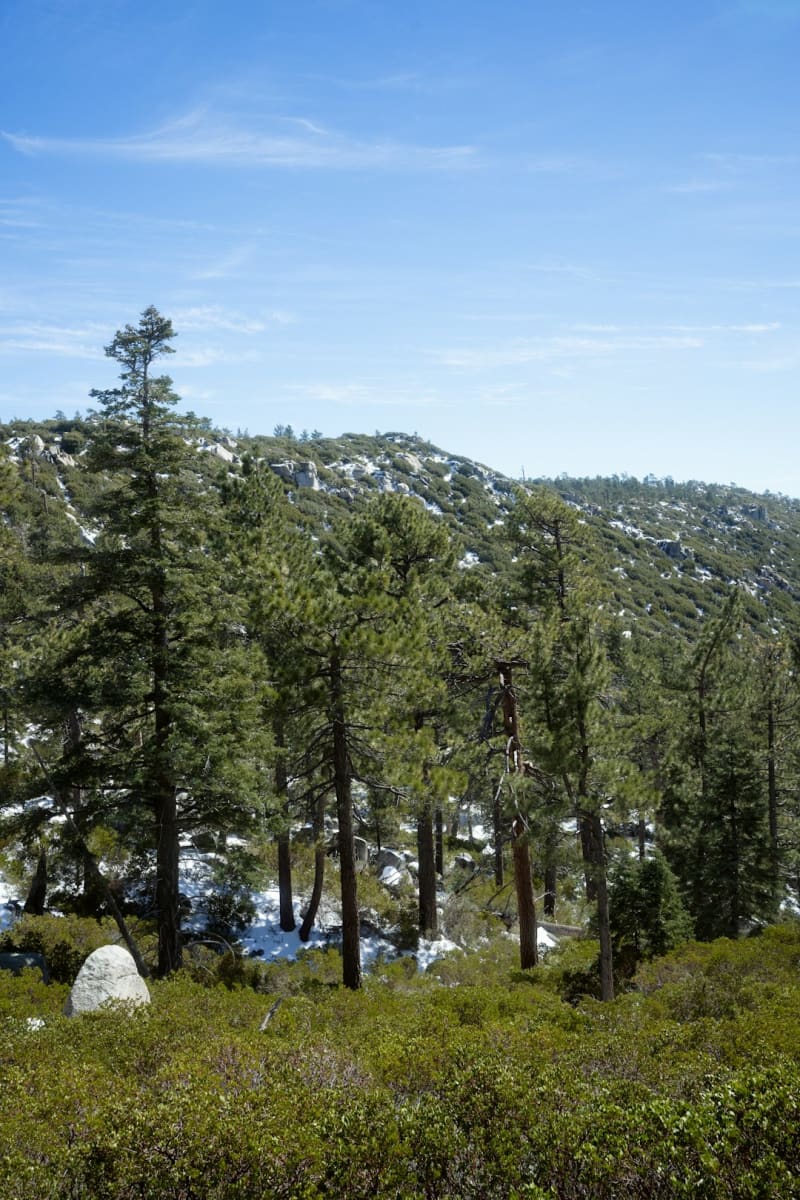 mexico
Sierra de San Pedro Mártir
A high sierra rising to nearly 3,000 meters in the middle of the Baja peninsula, where pine forests replace desert scrub, California condors ride the thermals, and Mexico's national astronomical observatory keeps watch above the clouds. Almost nobody stops here.
Explore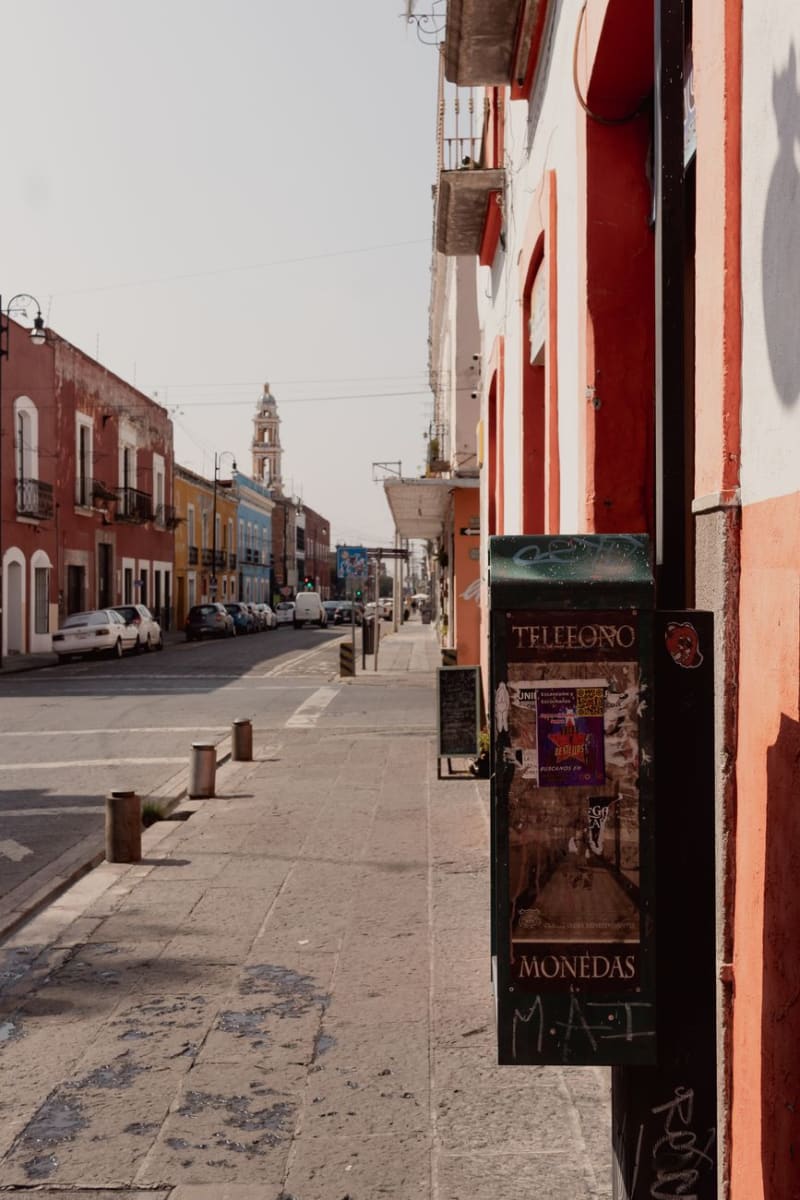 mexico
Tecate
Tecate is the quietest border crossing on the Baja California frontier, a small city that the international boundary bisects without seeming to particularly upset — the plaza runs its own rhythms, the bakery sells Pan de Tecate in the mornings, and the Tecate Brewery, which has been producing beer here since 1944, perfumes the air above the main square with a faint note of hops that you either find comforting or unsettling depending on your position on industrial beer. I crossed from the California side expecting a border town and found something much more ordinary and much more interesting.
Explore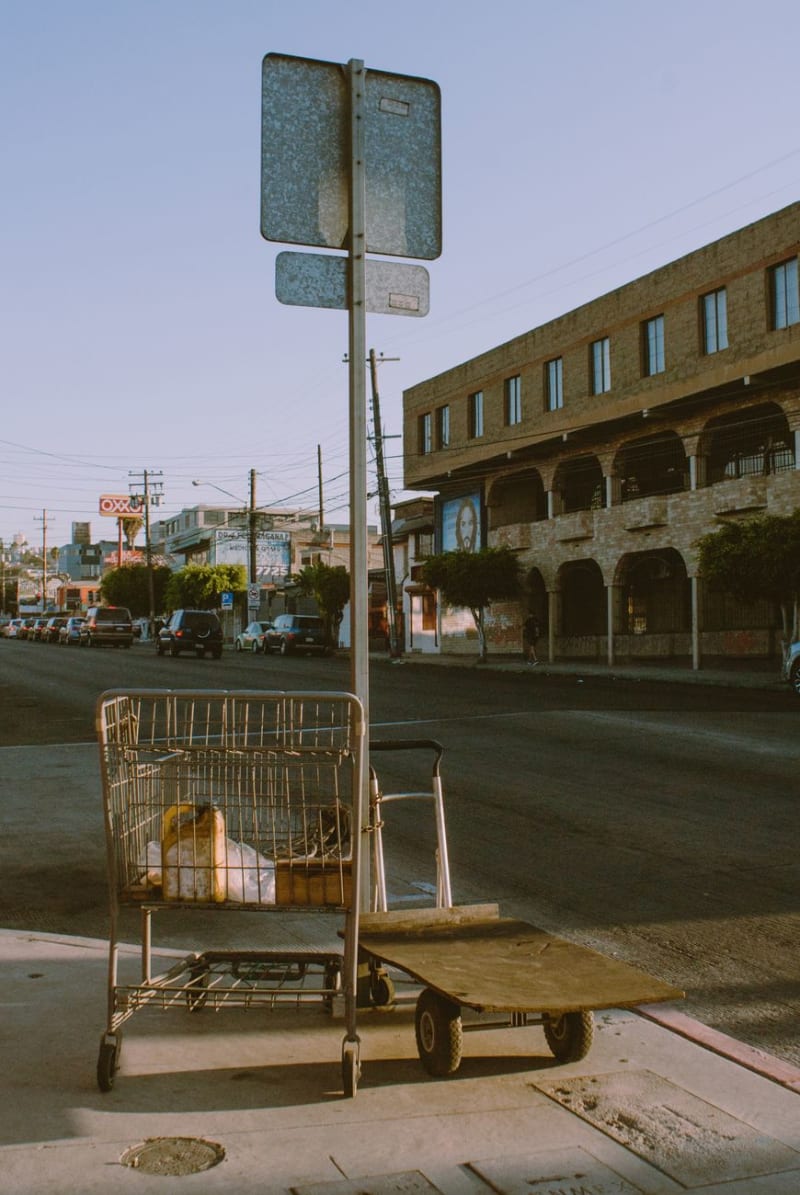 mexico
Tijuana
Tijuana is the busiest land border crossing on the planet and one of the most genuinely misunderstood cities in North America — a place that has quietly built one of Mexico's most exciting food and craft-beer scenes while the world still pictures it through the lens of a 1980s thriller. I crossed into it on foot the first time half-expecting chaos and found instead a city that seemed to be in on a very good joke.
Explore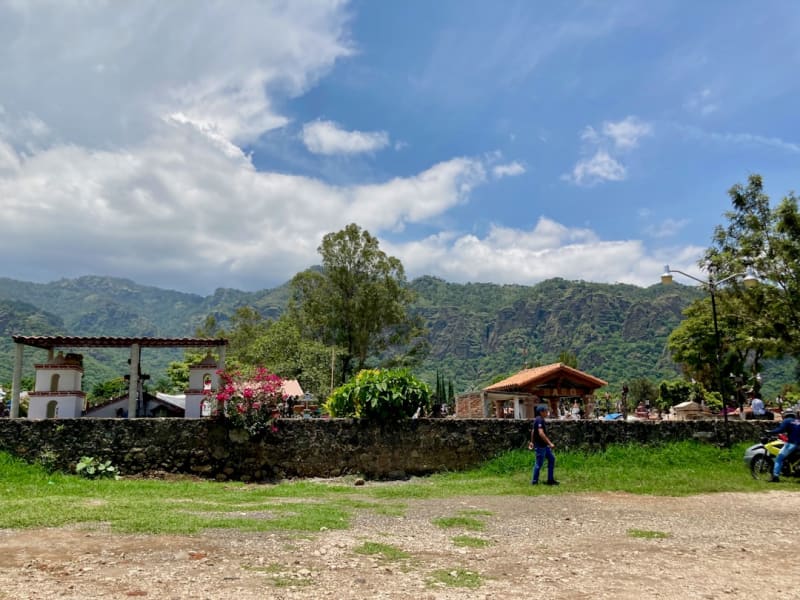 mexico
Valle de Guadalupe
Mexico's most acclaimed wine valley in northern Baja California — a dust-road circuit of boutique wineries, open-fire restaurants, and one of the best concentrations of serious food in Latin America, forty minutes from Ensenada.
Explore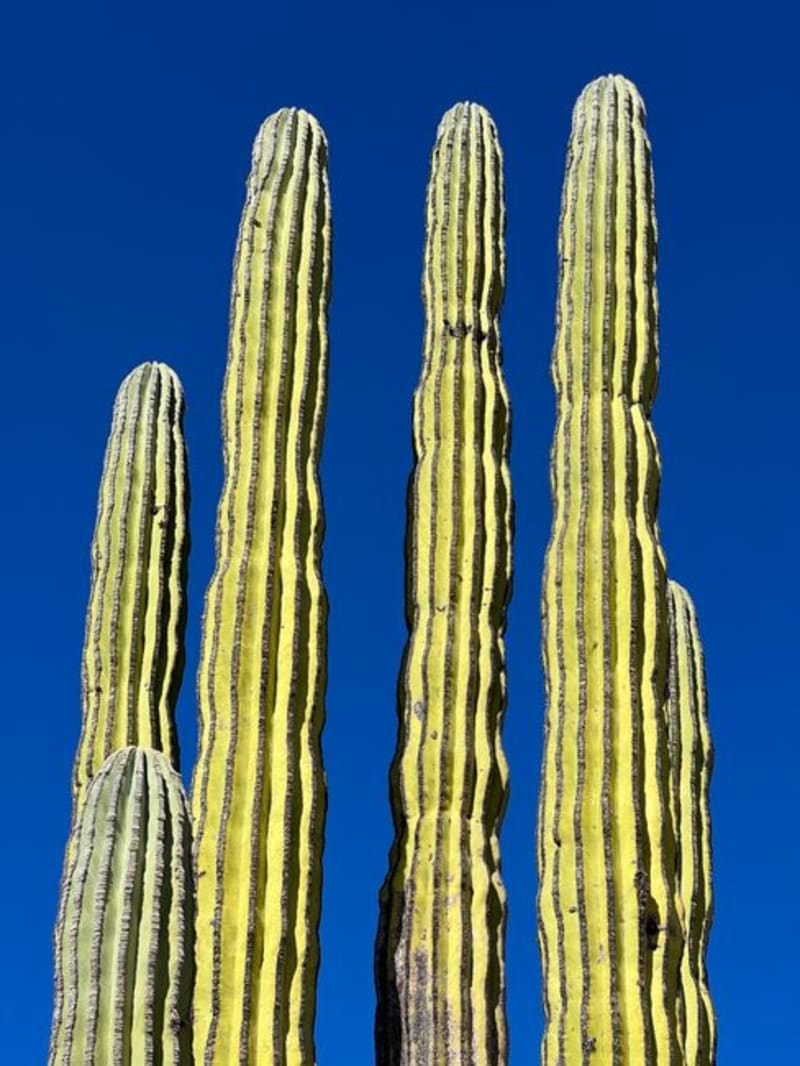 mexico
Valle de los Cirios
Stretching across the central spine of Baja California, the Valle de los Cirios is a UNESCO-protected biosphere reserve built around the boojum tree — a spiraling succulent column that looks like something a child invented and a desert made real. Driving the Transpeninsular Highway through it at dawn is one of the genuinely unrepeatable experiences of western Mexico.
ExploreKeep exploring
More from Mexico
 mexico
Baja California Sur
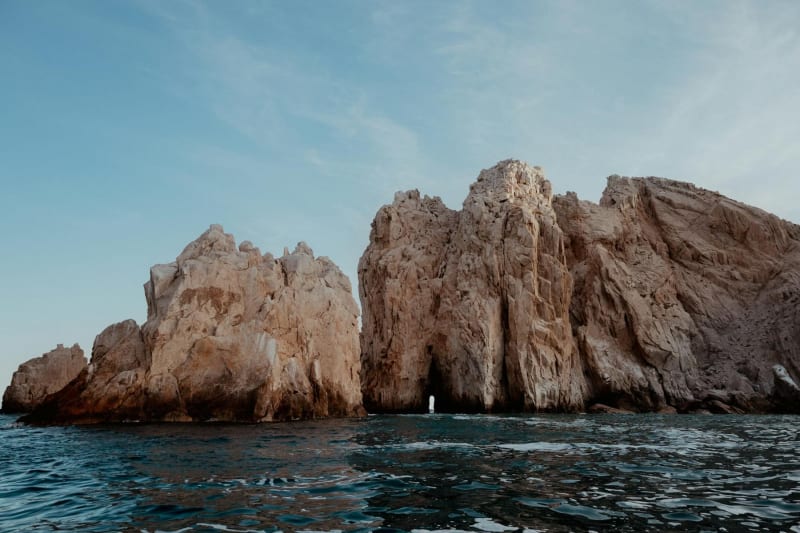
The lower half of the 1,200-kilometer Baja Peninsula — the Sea of Cortez on the east, the Pacific on the west, the Transpeninsular Highway connecting colonial mission towns and whale lagoons and the resort lights of Los Cabos at the southern tip.
Explore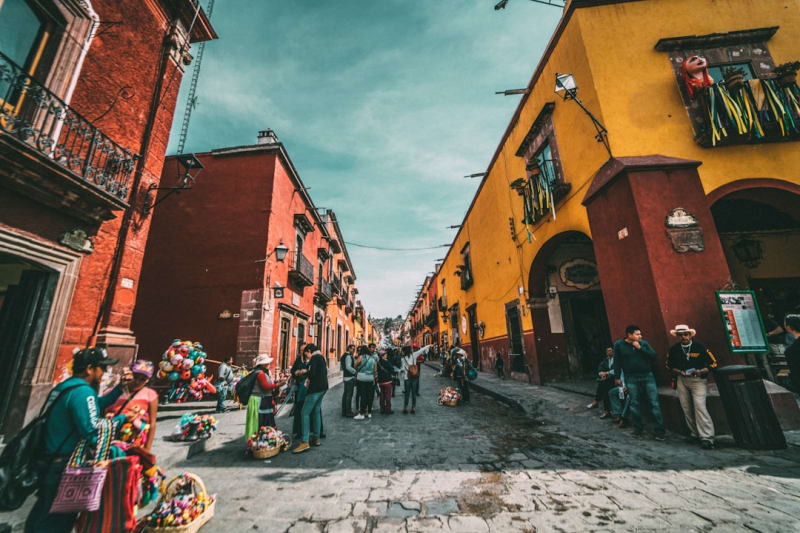 mexico
Campeche
Mexico's most intact walled colonial city on the Gulf coast — pastel-painted streets, pirate-proof bastions, extraordinary Mayan artifacts, and almost no other tourists.
Explore mexico
Chiapas
Cloud forests, Maya ruins in the jungle, and indigenous cultures that predate the Spanish by millennia. Mexico's deepest south.
Explore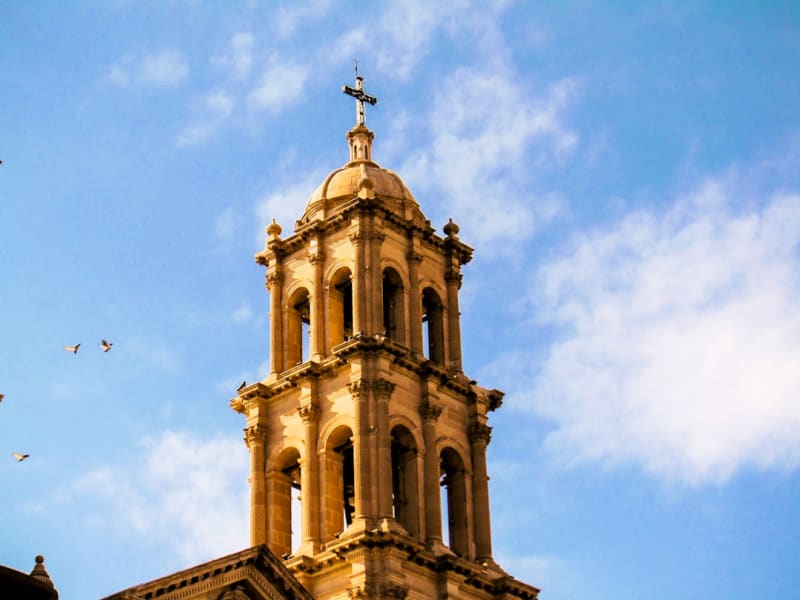 mexico
Chihuahua
The northern capital where Pancho Villa planned his División del Norte — a city of revolutionary history, Mennonite cheese from the surrounding plains, art nouveau architecture, and the gateway to the Sierra Tarahumara.
Explore mexico
Ciudad Victoria
The capital of Tamaulipas sits in a wide green valley where the Sierra Madre Oriental begins to rise in earnest. Most travelers blow past it on the way north, but the colonial centro, Parque Bicentenario, and the cloud forests of El Cielo biosphere reserve just to the south make a compelling case for stopping — and then staying longer than planned.
Explore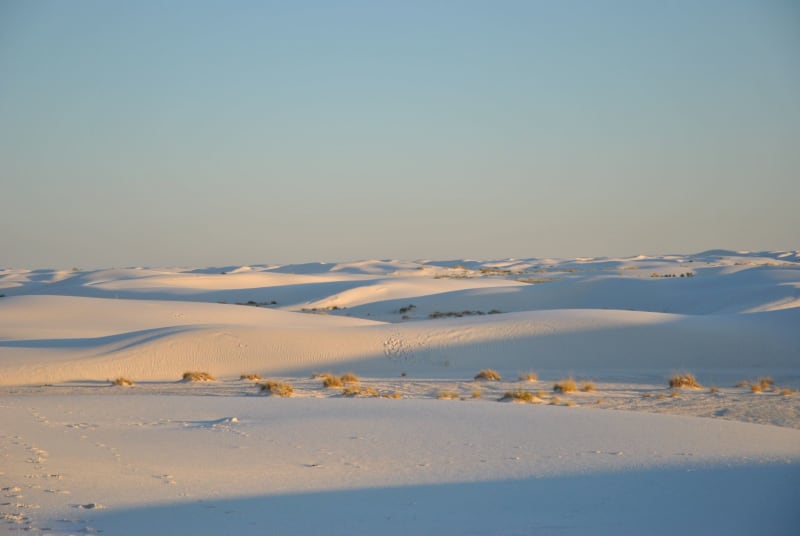 mexico
Coahuila
A vast Chihuahuan Desert state where dinosaur fossils erode from the badlands, stromatolites (Earth's oldest life forms) grow in the hypersaline pools of Cuatro Ciénegas, and the cotton fields and wine valleys of the north produce the best Cabernet Sauvignon in Mexico.
Explore