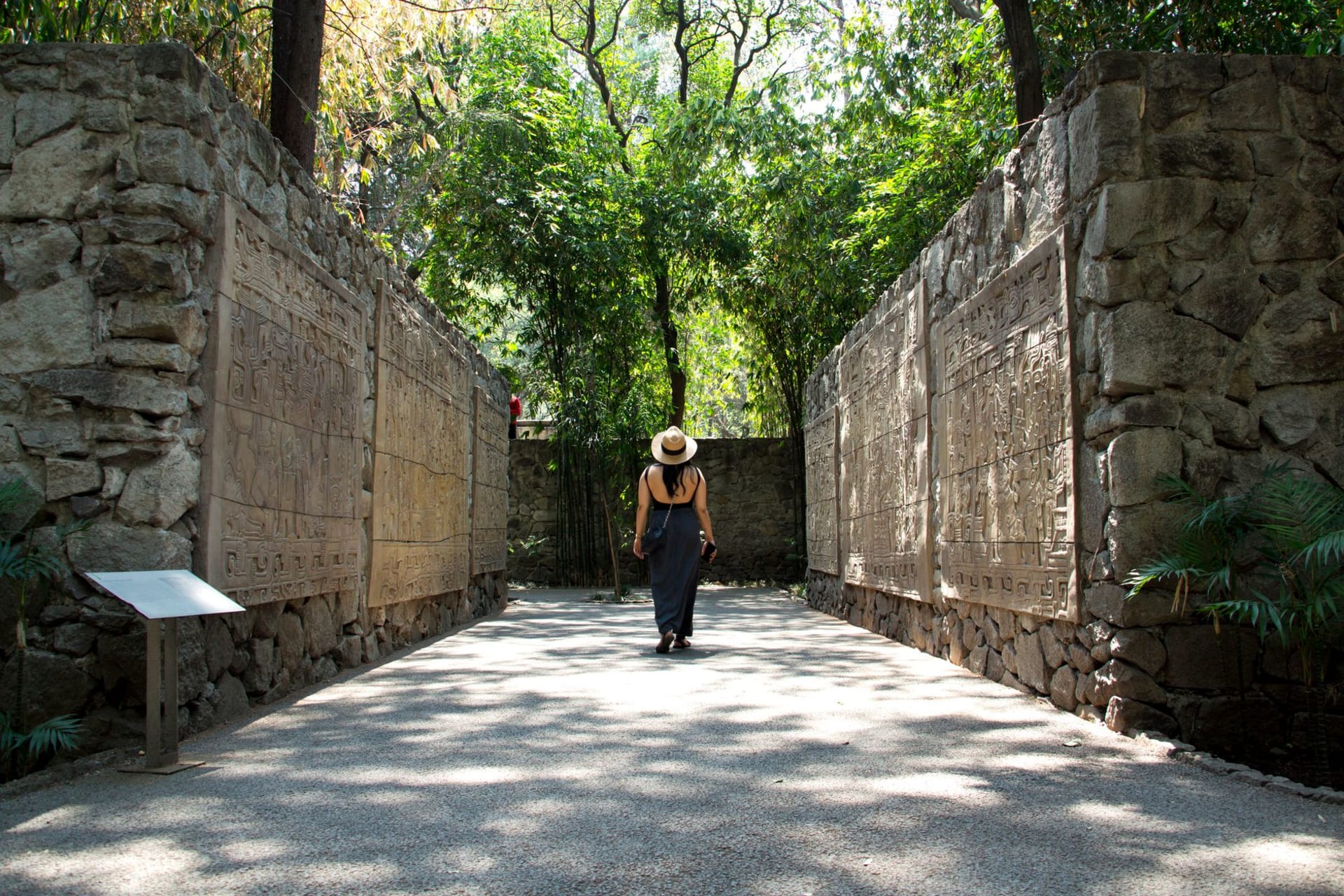
Tlapa de Comonfort
"Three hours on a mountain bus, a market where nobody spoke Spanish, a bowl of pozole that cost nothing. I was the only foreigner in the city. It was the most real place I went in Guerrero."
Tlapa de Comonfort sits at the junction of Nahua, Mixtec, and Tlapanec territories in the La Montaña highlands of Guerrero — remote, politically active, and the site of one of the most culturally dense markets in Mexico. The Tuesday and Sunday markets have been gathering indigenous communities from across the region for centuries. I took a three-hour second-class bus from Chilpancingo and was almost certainly the only foreign tourist in the city that day.

I want to be honest about Tlapa: I was not sure I should go. The La Montaña region of Guerrero has a complicated security situation that is discussed openly by the people who live there and less openly by the tourist industry, which mostly pretends the region does not exist. A friend who knows Guerrero well told me that Tlapa itself was fine but that I should understand what I was going to — not a tourist city, not a place with infrastructure for visitors, a highland indigenous market town where the primary activity is trade between communities that have been doing this for centuries without needing my presence or my camera. He said this without judgment. He said go on a Tuesday or a Sunday, take the direct bus from Chilpancingo, eat in the market, be a decent guest.
I went on a Tuesday.
The Bus and the Arrival
The second-class bus from Chilpancingo leaves from the terminal near the center and makes the journey to Tlapa in approximately three hours of mountain road. “Mountain road” in this context means serious — the bus climbs from the coastal sierra into the high Montaña through curves that require the driver to use the horn at each blind bend, not as a formality but as a genuine safety measure, because the road is single-lane in sections and the drop on one side is real. I sat on the right side and watched the landscape become progressively more dramatic: pine forest thickening, the altitude rising to 1,640 meters, the air cooling in a way that was noticeable by the time we descended into the valley where Tlapa sits.
The city announces itself with murals. Before the bus station, before the market, before any of the colonial architecture, you pass painted walls that carry political content — indigenous rights, land struggles, demands for justice in cases that the federal government has not resolved. The murals are neither subtle nor decorative. They are statements from communities that have learned, over decades, that visibility requires making yourself impossible to ignore.
I stepped off the bus and stood on the sidewalk for a moment adjusting to the altitude and the noise and the immediate impression that I was the only person here who did not have something specific to do.
The Market
The market in Tlapa is not organized the way a tourist-oriented market is organized. There is no craft section, no area designated for things a visitor might want to buy. It is a commercial and agricultural market that serves the needs of dozens of indigenous communities across a wide highland zone — Nahua, Mixtec, and Tlapanec (Me’phaa) — and its organization reflects their needs rather than mine.
What this means in practice: I navigated by smell and sound. The dried chile section — mulato, pasilla, ancho, chipotle in quantities I had not seen outside of a wholesale distributor — was identifiable from thirty meters. The herb section, selling medicinal plants that I could not name in any language, had its own dense aroma. The corn section was enormous: varieties of maíz in colors from white to deep blue-purple, sold from sacks and baskets by women in traditional Nahua dress.
I found a food area in the interior of the market, behind the vegetable stalls, where several women were cooking from clay pots over wood fires. The smoke was heavy enough that my eyes were watering within a few minutes of sitting down. I ordered pozole — the hominy corn soup with chile and pork — by pointing, since the vendor spoke Nahuatl and my Spanish was not the language being used here. She served me a bowl with a handful of dried oregano pressed into the surface, a stack of tostadas alongside, and a cup of agua de jamaica. The whole thing cost less than I could have spent on a coffee in Mexico City.

The Murals and What They Say
After the market I walked the surrounding streets, which is how I found the political murals in concentration. They cover the walls of community buildings, schools, the facades of organizations affiliated with the indigenous rights movements that are central to the political life of the Montaña. The Me’phaa (Tlapanec) community in particular has been at the center of several high-profile human rights cases in Guerrero — women who brought cases to the Inter-American Court of Human Rights and won — and their names and the cases appear on some of these walls.
I photographed the murals with permission where I could ask, and without photographing people who had not consented. There is a version of this kind of travel writing that turns the political murals of an indigenous community into aesthetic content for a foreign audience, which I am trying not to do here. The murals are not decoration. They are documentation. The people who painted them are telling you something about where they live, and the appropriate response is to read what they wrote rather than admire the composition.

Getting There
Second-class buses from Chilpancingo to Tlapa run from the main bus terminal, approximately three hours. The road is an experience in itself. Come on a Tuesday or Sunday for the full market. Tlapa has basic accommodation — search for hospedajes in the center, none of which have websites. Bring cash; ATMs exist but are not always reliable. This is not a trip for someone who needs infrastructure. It is a trip for someone who wants to see something real in a region that most foreign travelers never visit.
Keep exploring
More of Guerrero
Keep exploring
More from Guerrero
 mexico
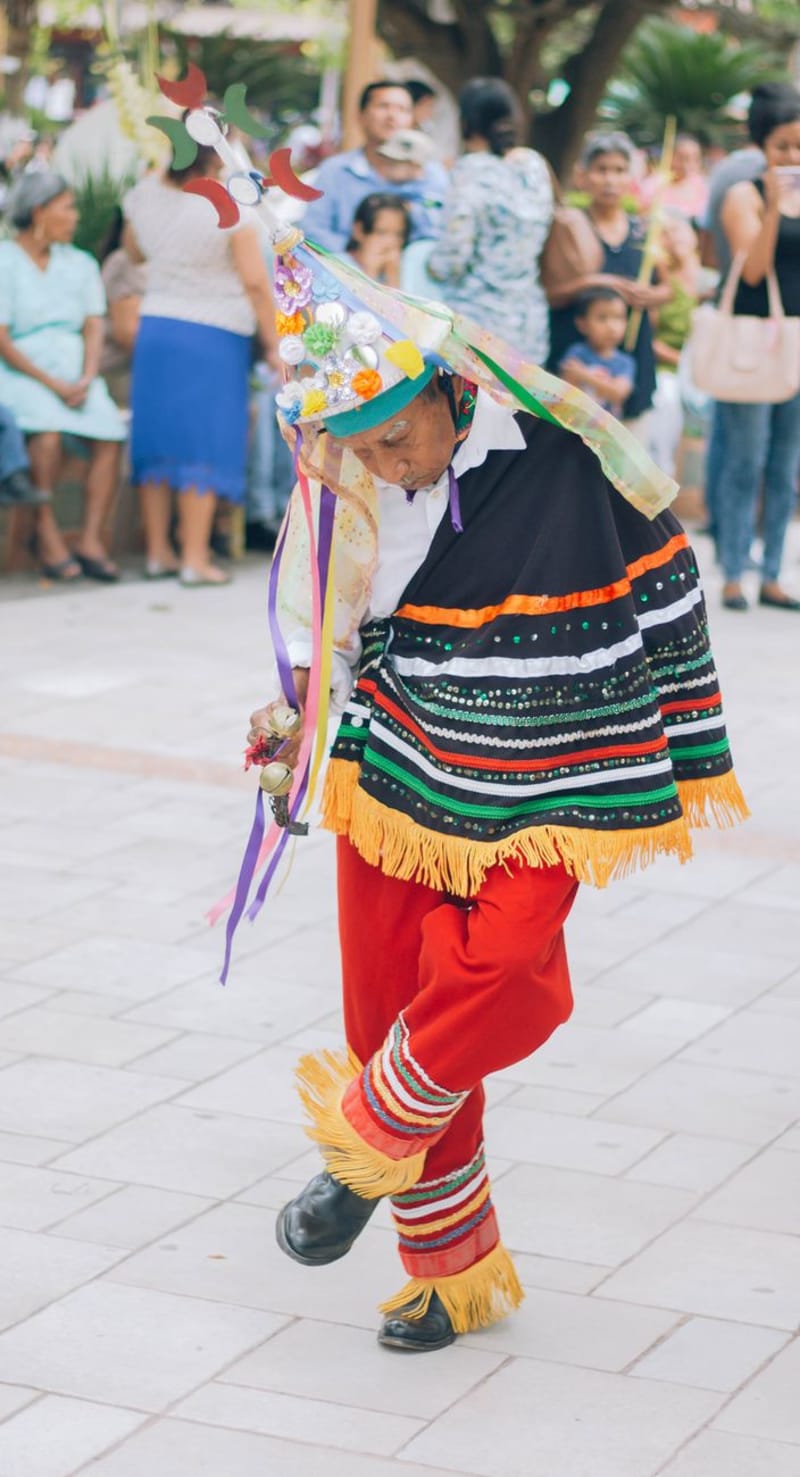
 Olinalá
A remote mountain town in northern Guerrero producing the finest lacquerware in Mexico — a technique using linaloe wood and multiple layers of mineral-pigment lacquer, scratched into geometric and floral designs with a cactus thorn, practiced here since before the Spanish arrived.
Explore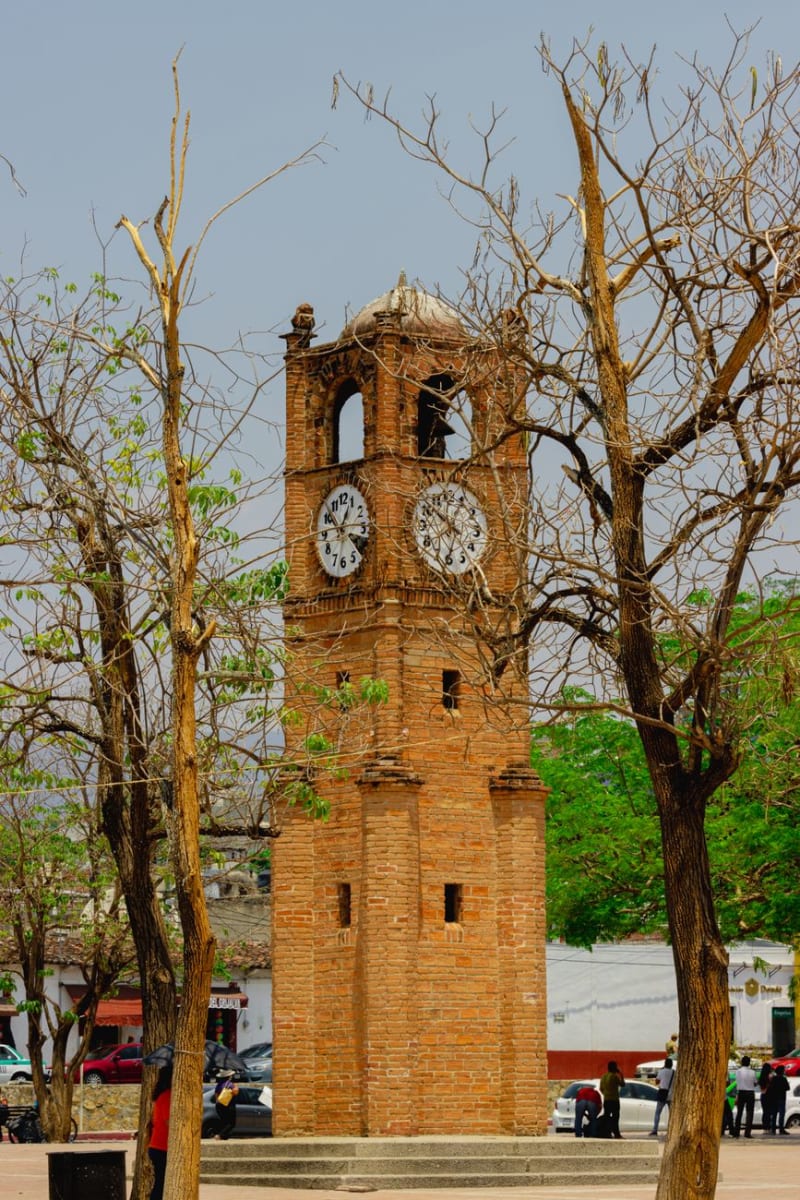 mexico
 Chilapa de Álvarez
Chilapa de Álvarez is a market city in the Montaña highlands of Guerrero where Nahua, Mixtec, and Tlapanec communities have been trading since before the colonial roads arrived. The Sunday market is one of the great indigenous markets in Mexico — basketwork, lacquerwork, hammocks, dried chiles, medicinal herbs — and the lacquered gourds made here are among the finest in the country. I got lost in it within four minutes, found the lacquerware section, bought a bowl I could not afford, and ate tamales in the shade for an hour.
Explore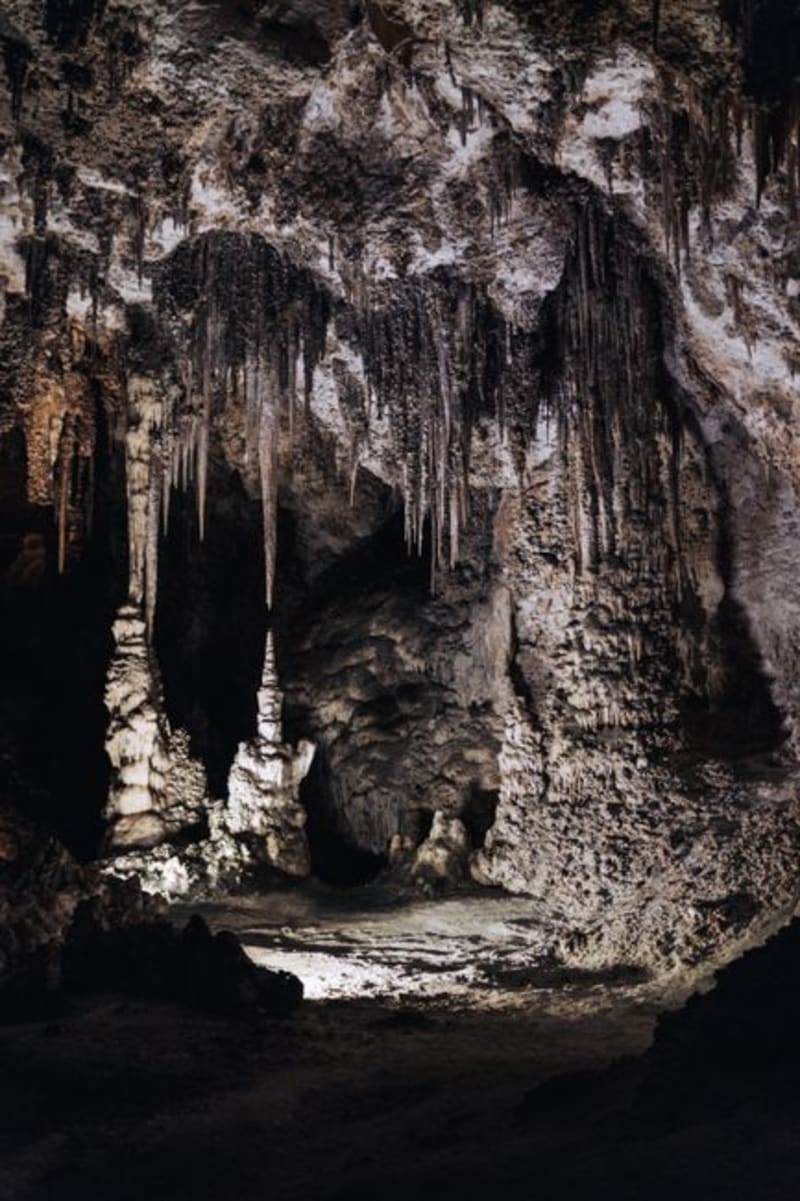 mexico
 Grutas de Juxtlahuaca
Three kilometers inside a mountain near the small town of Colotlipa, someone painted figures in red, yellow, and black roughly three thousand years ago — and they are still there. Juxtlahuaca is one of the longest cave systems in Mexico and one of the oldest known art sites in Mesoamerica, a place that takes about three hours to walk through and considerably longer to process.
Explore mexico
 Ometepec
Ometepec is the commercial center of the Mixtec coast in Guerrero, where market days draw Amuzgo and Mixtec vendors from dozens of surrounding communities. A working town with no pretense toward tourism, it rewards the early riser willing to eat barbacoa at dawn with strangers.
Explore mexico
 Marquelia
A small municipality on Guerrero's Afromexican coast where the cultural inheritance of enslaved Africans — in music, food, and language — persists with quiet, unperformed clarity. The beaches are raw and largely empty, and the chilate is unlike anything you will find further north.
Explore mexico
 Copala
Perched in the Sierra Madre above Guerrero's coast, Copala is a near-intact colonial mining village where cobblestone lanes wind between low whitewashed houses and the old church still dominates a quiet plaza. Time has been unusually kind here — the surrounding mountains have kept development at bay in a way that feels like luck rather than planning.
Explore