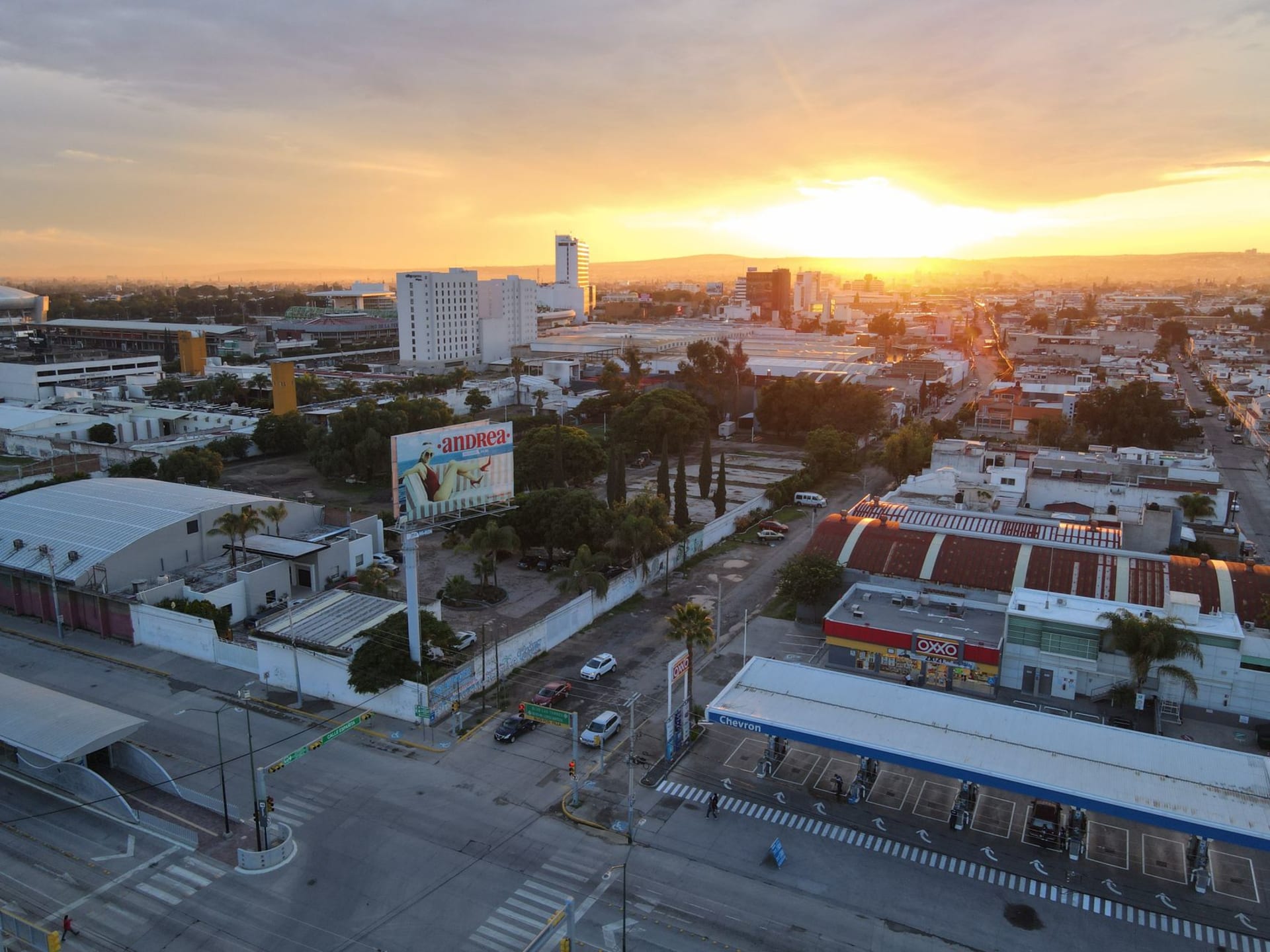
Yuriria
"The convent was built to last centuries. The town seems to have organized itself around the assumption that the convent was the permanent thing and everything else was temporary."
A small lakeside town on the shore of the Laguna de Yuriria — the largest natural lake in Guanajuato — dominated by a monumental sixteenth-century Augustinian convent-fortress that makes everything around it look provisional.

The convent of Yuriria is not proportional to the town of Yuriria. This is the first thing you understand when you arrive, and it takes a moment to fully register. The town — population around 25,000, a flat grid of streets and modest houses and a market and a plaza — is a normal-sized Mexican small town. The convent is not a normal-sized anything. It is a fortress-church complex from 1550, built by the Augustinian friars who received the concession for this part of the Bajío, and it is enormous in the way that sixteenth-century Spanish colonial religious architecture is sometimes enormous: deliberately so, built to impress, to intimidate, to demonstrate the permanence and power of the new order in a landscape that had been arranged according to very different principles for a very long time.
I came from Celaya by second-class bus, a journey of about an hour and a half through the flat agricultural Bajío, arriving in the early afternoon when the light was still harsh and the plaza was mostly empty. The convent appeared at the end of the main street as I walked from the bus station: its stone walls three stories high, the Plateresque portal — carved stone in the elaborate early-colonial mode, a dense overlay of saints, plants, and architectural ornament — facing the small atrium in front. The church tower rises above, and the whole complex, seen from the street, occupies an area that would fit a substantial city block of any European capital.
The Convent
The Augustinian convent of Yuriria — formally the Convento de San Pablo — was completed in 1550 and is considered one of the finest examples of sixteenth-century Augustinian construction in Mexico, which is a field with serious competition. The Augustinians built their earliest conventos as genuine fortresses, combining ecclesiastical function with defensive architecture: thick walls, tower-like bell structures, small high windows in the nave, crenellated rooflines. The conversion was proceeding rapidly and not without resistance; the buildings needed to be places that could be held.
The portal is the building’s most celebrated element. The Plateresque style — named after the work of silversmiths (plateros), which the stonework was thought to resemble in its density and intricacy — is essentially late Gothic ornament applied to Renaissance architectural forms, and the Yuriria version is extravagant even by the standards of the period. Saints in niches, vines climbing columns, angels in the archivolt, the whole surface carved in a grey-pink stone that takes the late afternoon light differently from the morning light, which is part of why I went back to look at it twice.
The interior is more austere, as Augustinian interiors tend to be, the nave long and high-vaulted with the simplicity that the order preferred once past the portal. The cloister behind the church is the part I found most affecting: a two-story arcaded courtyard, the stone darkened with age, the proportions creating a quality of silence that is hard to achieve in buildings. I sat in the cloister for some time. There were no other visitors. A cat slept on one of the stone benches with the absolute conviction of an animal that has been sleeping on this bench for many lifetimes.
The museum in the convent’s former cells is modest — some colonial-period paintings, liturgical objects, a display on the Augustinian order’s evangelization work in the region — but worth the circuit for the sake of walking the upper cloister, from which you can see the lake.
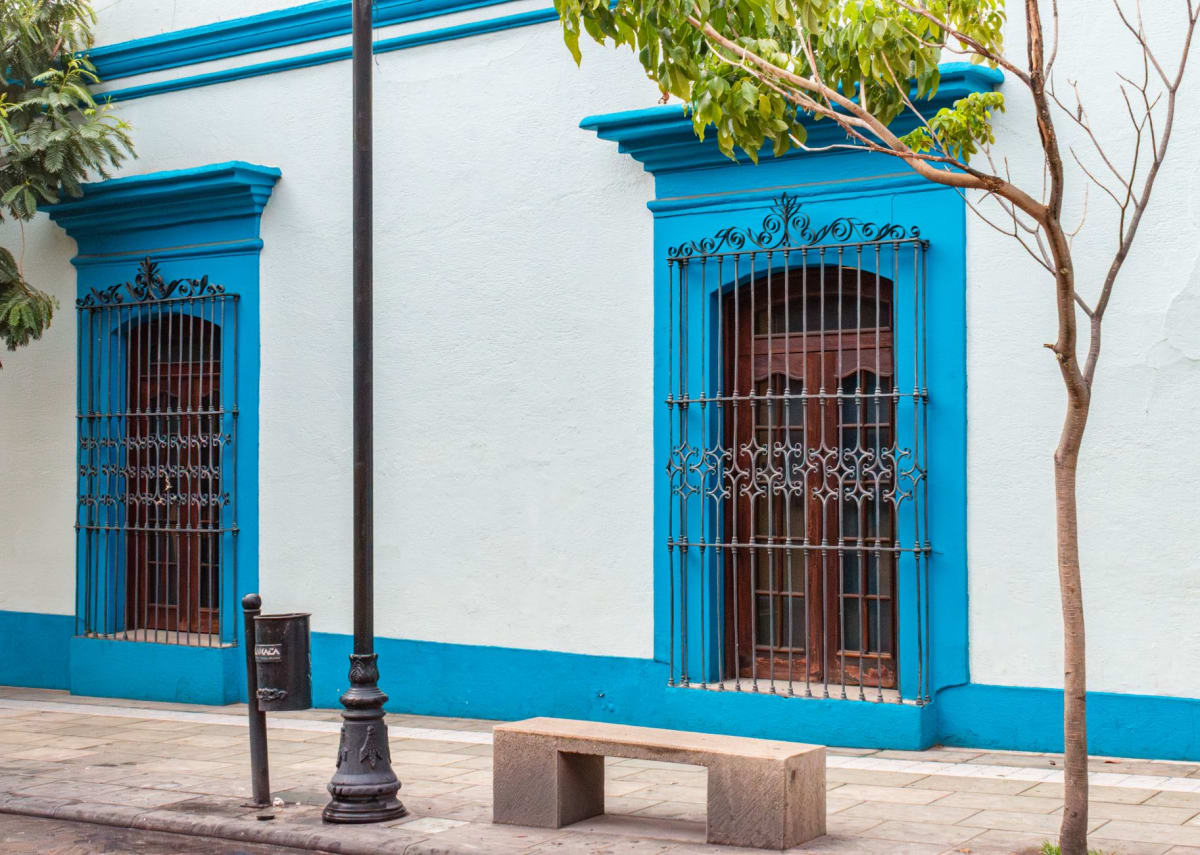
The Lake at Dusk
The Laguna de Yuriria is the largest natural lake in Guanajuato and one of those Mexican lakes that is simultaneously beautiful and ecologically complicated. The water is shallow — rarely more than three meters deep — which makes it productive for birds and fish and difficult for the water quality management that three-quarters of a century of agricultural runoff and population growth has made necessary. There are projects to restore the wetlands around the edges. The birds, in any case, have not left: the lake edges support herons, egrets, ibises, and various ducks in numbers that I did not expect from a lake of this size and situation.
I walked to the lake shore in the late afternoon, about ten minutes on foot from the convent plaza. There is a malecon of sorts — a modest promenade — and a cluster of restaurants facing the water. The light on the Bajío lake at dusk is its own thing: the sun goes down fast in central Mexico at this altitude, and the sky goes through pink and orange and then a very clear blue that holds for about twenty minutes before it goes dark. The herons — a mixed group of great blue herons and great egrets, twenty or thirty birds — came in from the north in V-formations and landed in the shallow water near the reed beds at the lake’s edge. It was like watching rush hour on a much more elegant system.
I ate at one of the lakeside restaurants: chile ancho relleno de queso, a dark dried chili stuffed with local cheese and fried in egg batter, served with rice and frijoles and a spoonful of tomato salsa that had been on the stove long enough to concentrate into something rich and almost sweet. This is Bajío cooking at its most direct — not subtle, not complicated, entirely satisfying. The woman who brought it out said the chilis came from the market that morning. The cheese was from a local dairy two kilometers away. I ordered another beer and watched the herons.
The market comedor in town (on the street one block north of the main plaza) runs the same chile ancho relleno for somewhat less money, in a setting that is plastic chairs and formica tables and a radio playing norteño, which is also fine.
Practical Notes
Yuriria is a day trip from Celaya or from Salamanca, or a pause on a circuit that includes Moroleón (known for textiles) and Valle de Santiago (near the volcanic maar lake system of the Siete Luminarias). There is one small hotel in the centro and another near the lake; neither is remarkable, but both are clean.
The lakeside restaurants are concentrated near the malecon and are best in the late afternoon when the light and the birds align. The convent is open Tuesday through Sunday; closed Mondays. The portal is lit in the evenings, which creates a different effect from the daytime — the carved stone under artificial light is theatrical in a way that the building’s architects could not have anticipated but would, I think, have appreciated.

Getting there: From Celaya, second-class buses to Yuriria run roughly hourly and take about 1h30. From Guadalajara, go to Celaya (2h30 by highway) and connect. From Guanajuato city, the most direct route goes via Salamanca or Celaya; allow 2h total. There is no direct service from Mexico City, but buses to Celaya from Terminal Poniente are frequent.
When to go: November through April for the best weather and bird activity on the lake. The lake is most alive with migratory birds from October through February. Avoid August-September when rain is persistent and the lake can flood the lower sections of the malecon. The convent is worth visiting in any season — the interior is cool and pleasant even in summer.
Keep exploring
More of Guanajuato
Keep exploring
More from Guanajuato
 mexico
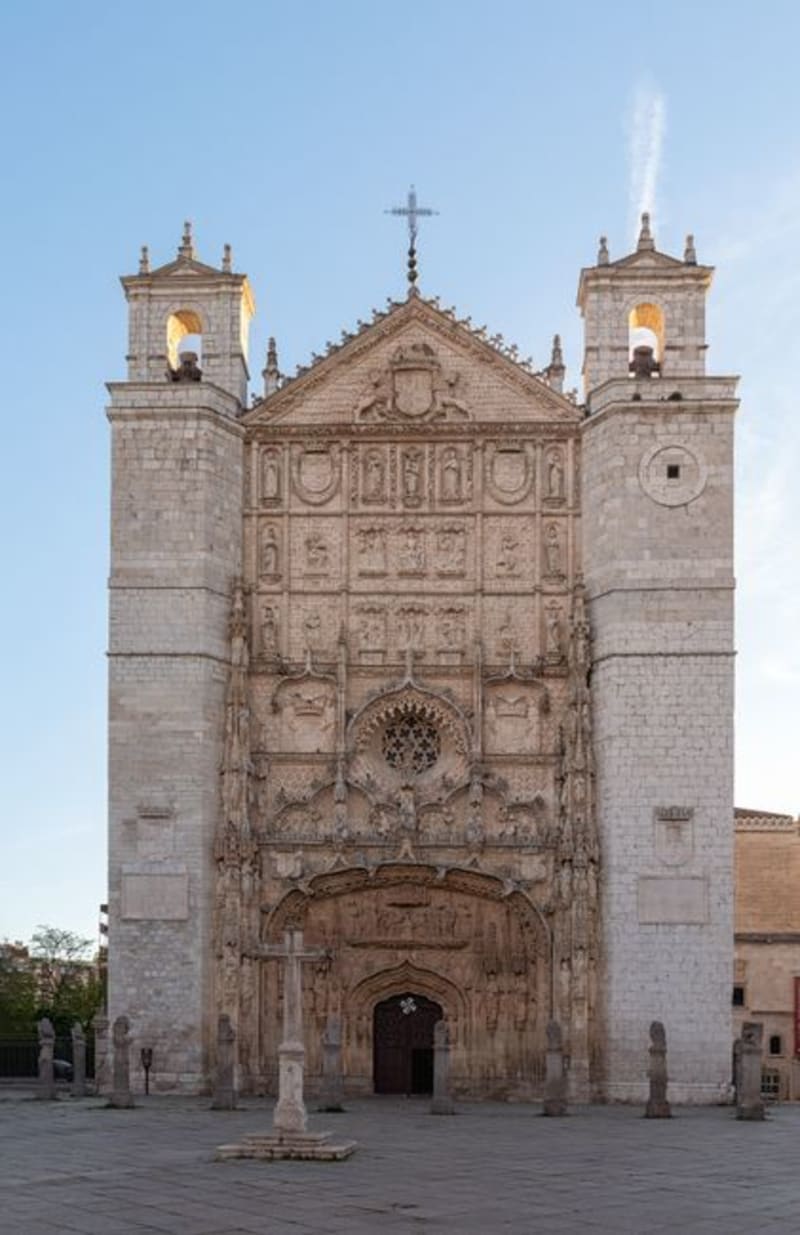
 Yuriria
Yuriria sits quietly on the edge of an artificial lake the Augustinian friars dug in 1548 — the oldest colonial reservoir in the Americas — and its ex-convent fortress-monastery dominates the plaza with a plateresque façade that was built to project imperial ambition across an entire continent. Almost no tourists come here, which makes every visit feel slightly implausible.
Explore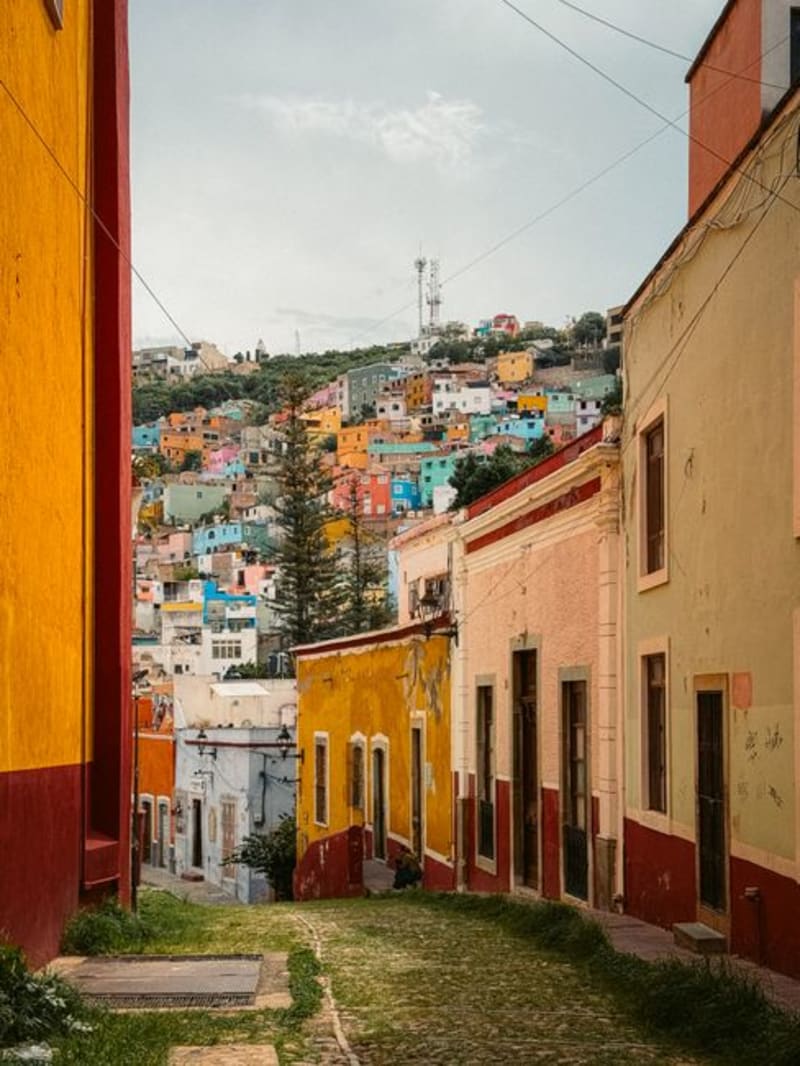 mexico
 Uriangato
A hillside town in southern Guanajuato, twin to neighboring Moroleón, famous across Mexico for its textiles and knitwear. Its streets are a wall-to-wall clothing market that pulls buyers from every state, busy and colorful and relentlessly practical. Down toward the Lake Cuitzeo country, this is a town that dresses the nation and knows it.
Explore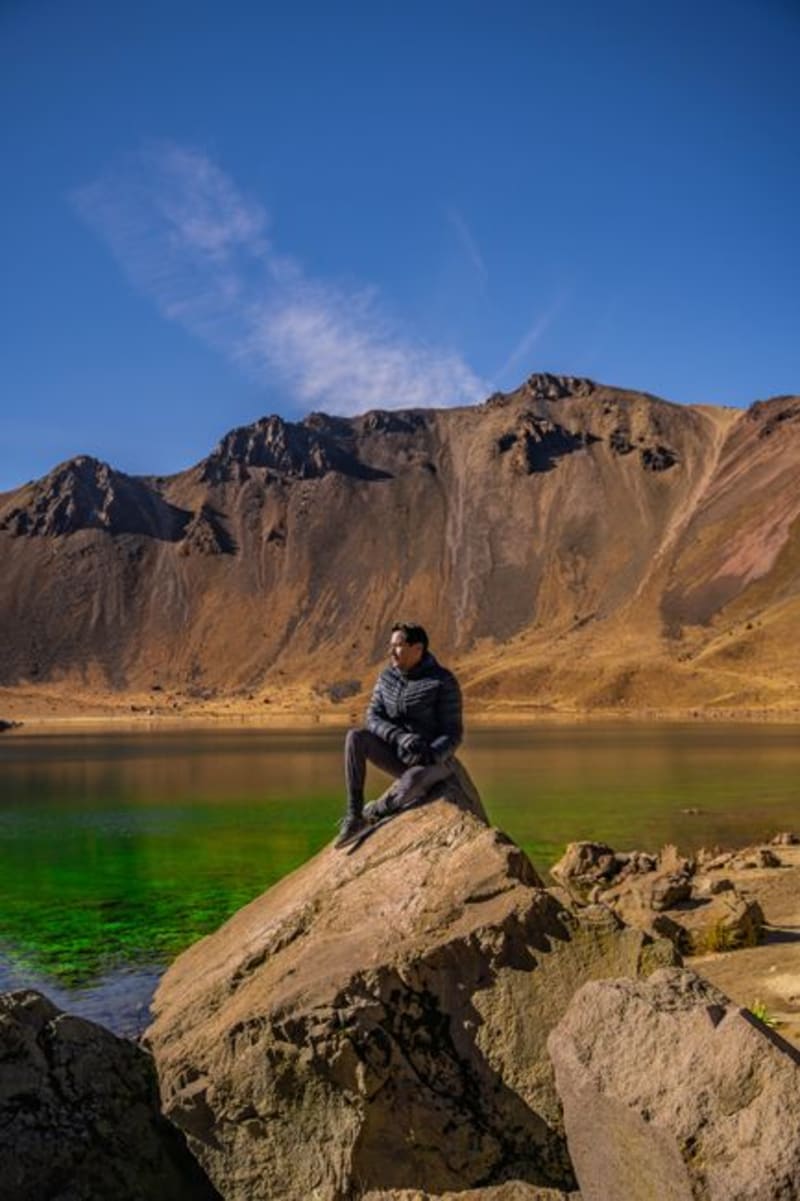 mexico
 Valle de Santiago
Seven volcanic craters dot the farmland south of the Bajío, each holding a lake tinted turquoise, emerald, or rust-red by minerals and shifting light. The Siete Luminarias are one of the quieter geological oddities in Mexico — an hour from Celaya, almost entirely off the international circuit. The town itself is a working agricultural center that has not yet learned to perform for visitors.
Explore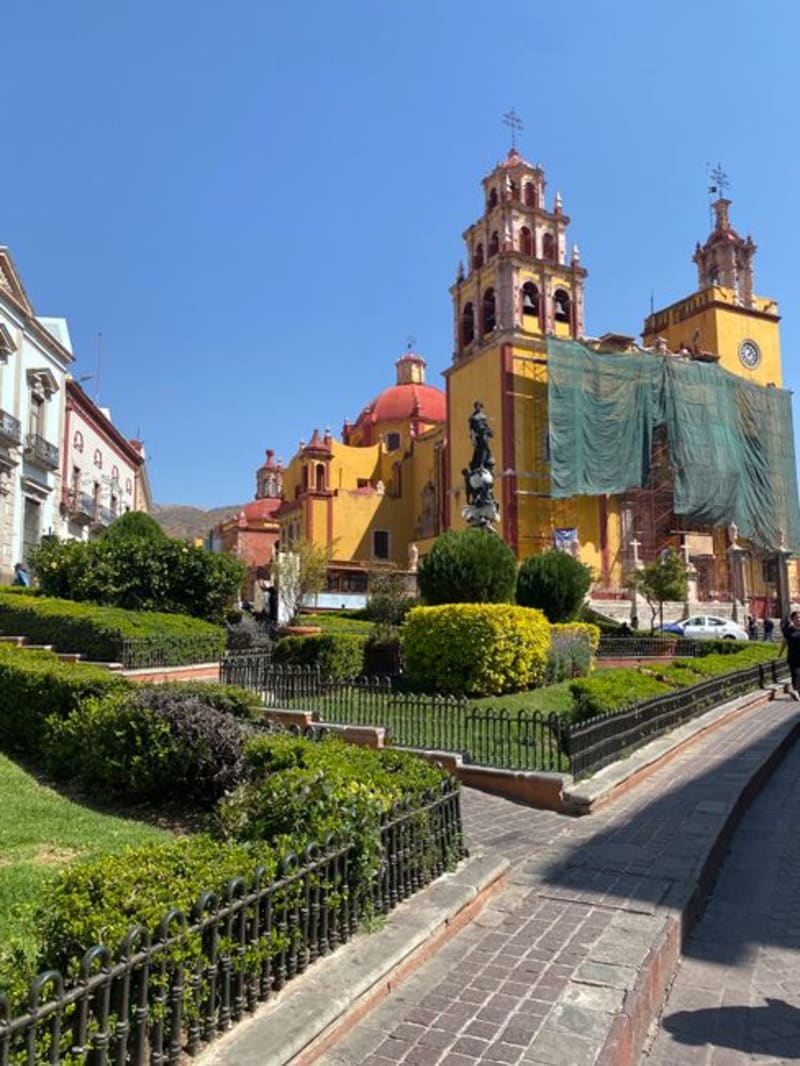 mexico
 Abasolo
Abasolo is a small colonial town in the Bajío region of Guanajuato whose entire identity revolves around the Gran Baño, an enormous thermal mineral pool that has been drawing families from across central Mexico for generations. Come on a Sunday and you will understand immediately why this town needs no other justification.
Explore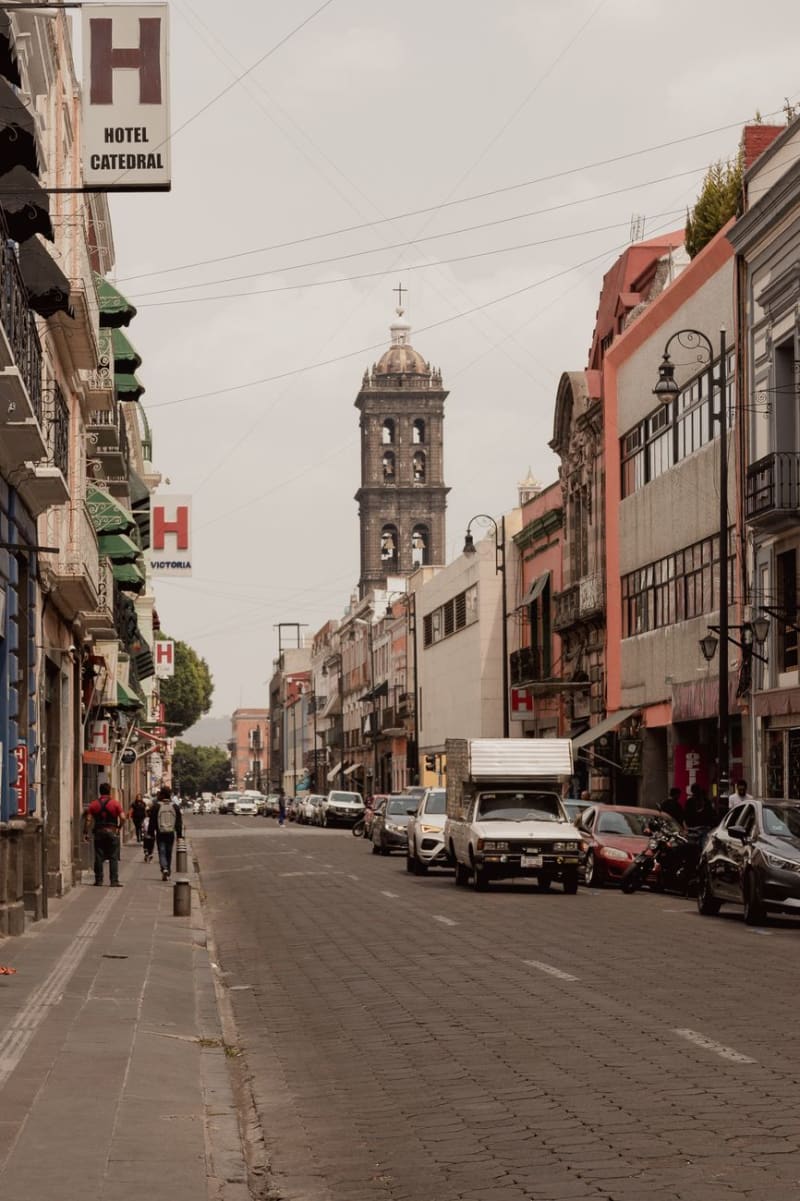 mexico
 Salvatierra
Salvatierra is a colonial town on the Laja River in southern Guanajuato, bypassed by the tourist circuit that runs between San Miguel and Guanajuato City, and better for it. A 17th-century baroque aqueduct with 43 intact stone arches runs along the edge of the centro, the Augustinian convent has faded frescoes better than most in towns with a proper tourist infrastructure, and the river in the evening reflects all of it in a way that deserves more witnesses than it currently gets. I was the only non-local I saw in four hours.
Explore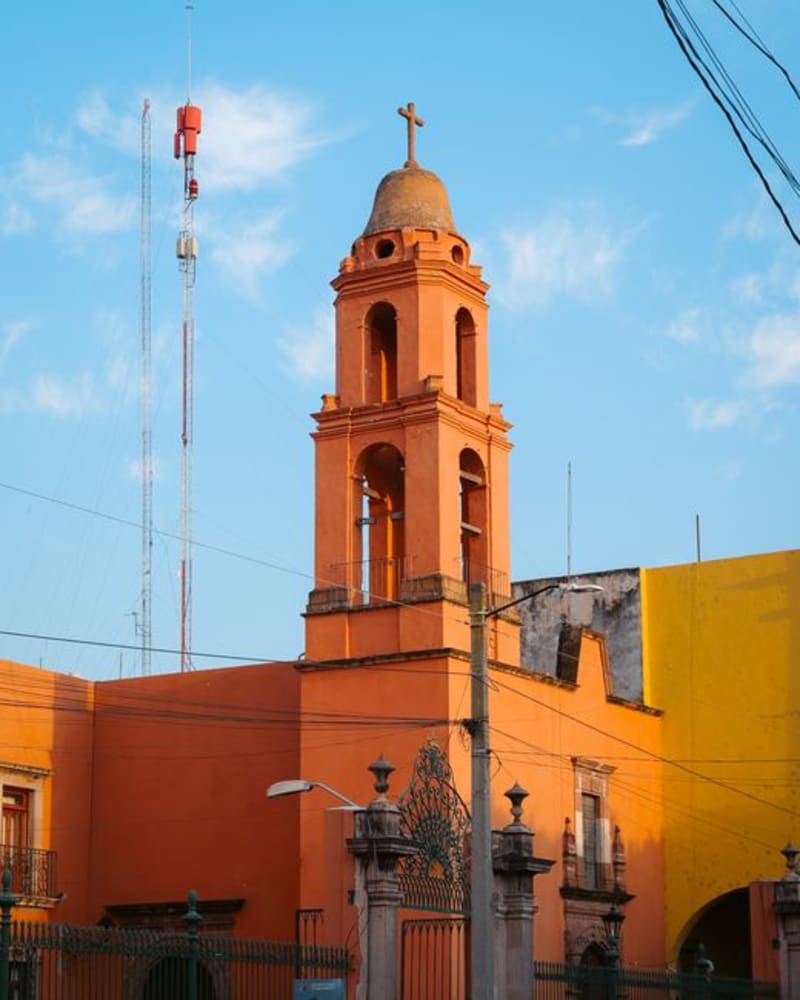 mexico
 Salvatierra
A colonial town on the Lerma River that most travelers drive past without slowing down, Salvatierra holds four convents, a remarkably intact historic center, and a Sunday market where Purépecha vendors cross from Michoacán with produce you will not find anywhere else in the Bajío. The local obsession is cajeta — goat's-milk caramel cooked in copper vats — and the town has enough of it to last you the rest of the year.
Explore