Tabasco
"Cacao is from Tabasco. The Olmec civilization — which created the first complex society in Mesoamerica, 3,000 years ago — is from Tabasco. Both of these facts receive less attention than the hot sauce from Louisiana."
A Gulf coast state of rivers, cacao, and Olmec heads — the birthplace of chocolate, the heartland of the Olmec civilization, and the state where the rivers run so full that the capital is built on stilts over the Grijalva.

Tabasco is the Gulf coast state that gets credit for the wrong thing internationally. The Tabasco sauce brand is from Louisiana, not Tabasco (the name was borrowed by the American manufacturer for its association with Mexican spice). The actual state’s contributions to human civilization are more significant: cacao (Theobroma cacao) was domesticated and first processed into beverages in the Tabasco lowlands, and the Olmec civilization — the mother culture of Mesoamerica, which developed the first complex social organization, long-distance trade networks, and monumental sculpture in the region beginning around 1500 BCE — had its heartland in the Gulf coast lowlands of Tabasco and southern Veracruz.
The state is flat, tropical, and wet — the wettest state in Mexico, receiving up to 3,000 millimeters of rain per year. The Grijalva and Usumacinta rivers cross the state on their way from the Chiapas highlands to the Gulf, making Tabasco historically a river economy. The capital Villahermosa (covered separately) is built on the confluence of these river systems; the La Venta archaeological site (where the Olmec colossal heads were discovered) is now an outdoor museum in the city.
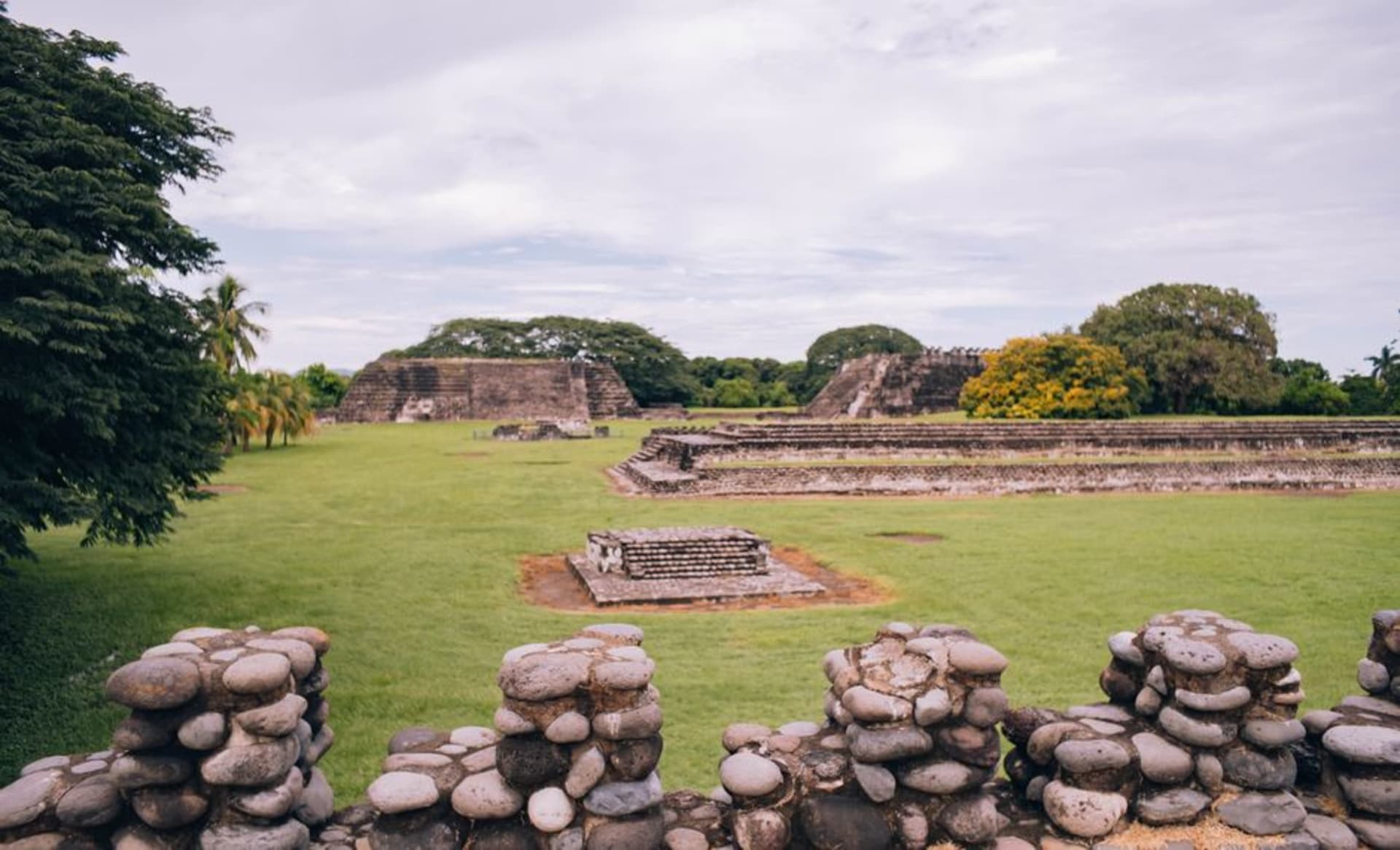
Comalcalco (covered separately) — the only Maya city built from fired brick — is in the cacao plantation country west of Villahermosa, surrounded by active cacao haciendas that produce the chocolate that the Tabasco lowlands have been producing since before written records.
Tabasco is a transit state for travelers moving between Veracruz (west), Chiapas (south), and the Yucatán Peninsula (east). Its destinations reward a slower pace than the transit suggests.
Explore
Places in Tabasco
 mexico
 Balancán
Balancán is a cattle-ranching and river-fishing town on the Usumacinta in remote eastern Tabasco, closer to Guatemala than to Villahermosa, where the floodplain ecology is still intact enough to have howler monkeys audible before dawn and herons working the bank at sunrise. There are Maya ruins nearby at Pomoná. Nobody comes here on purpose, which is most of why I liked it.
Explore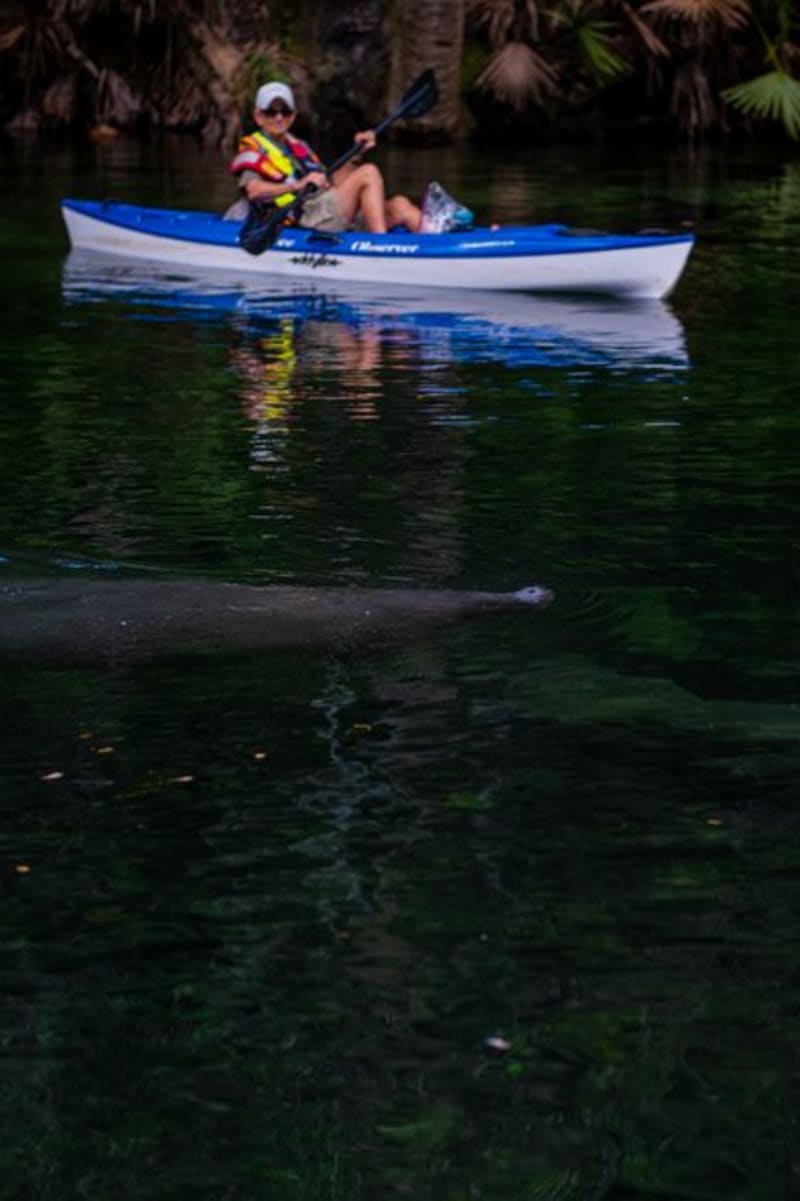 mexico
 Centla Wetlands
The Pantanos de Centla biosphere reserve is where the Usumacinta and Grijalva rivers dissolve into the Gulf — a vast deltaic labyrinth of channels, lagoons, and floating vegetation that ranks among the largest freshwater wetland systems in North America. Manatees surface here. River crocodiles watch from the banks. Dawn on the water is one of the quietest, strangest things I have done in this country.
Explore mexico
 Comalcalco
The only Maya city built from brick — the lowland Tabasco Maya who had no stone quarried clay and fired bricks instead, creating a pyramid city that looks like ancient Rome dropped into a cacao plantation.
Explore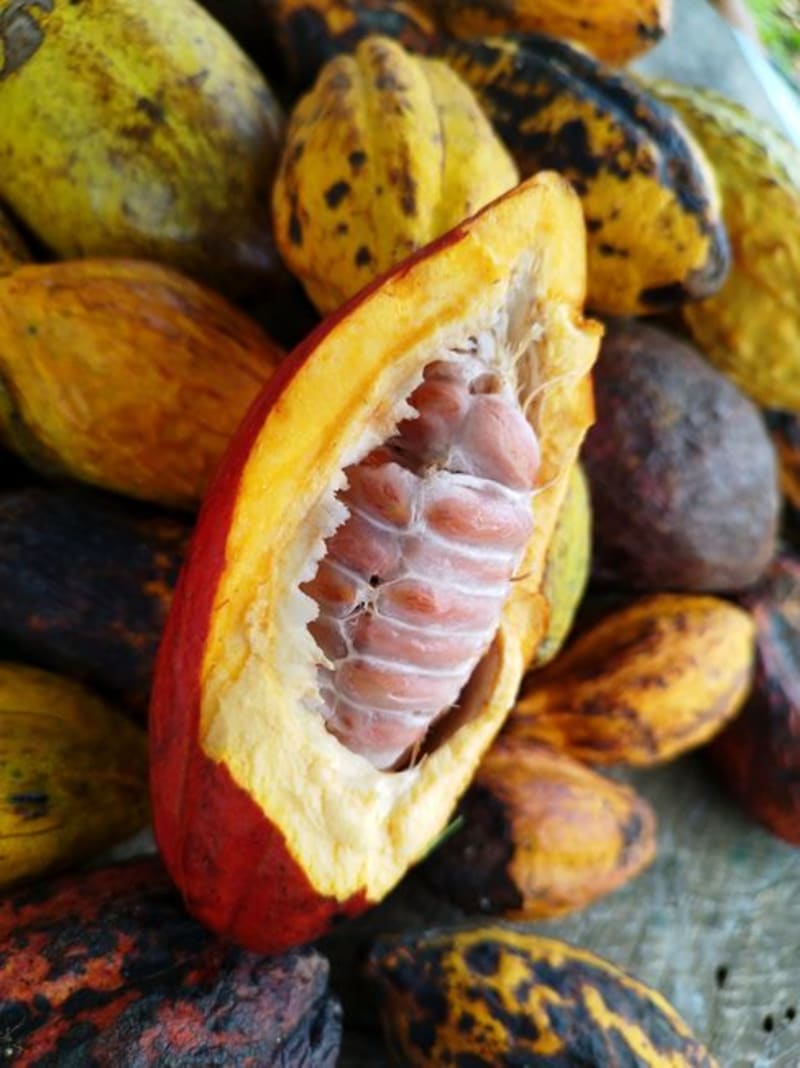 mexico
 Comalcalco
Comalcalco is the westernmost Maya city, built not from carved stone but from fired brick — the flat Tabasco plain had no limestone to offer. The ruins are rarely crowded, and the surrounding farms produce some of the finest cacao in Mexico under old-growth shade canopy.
Explore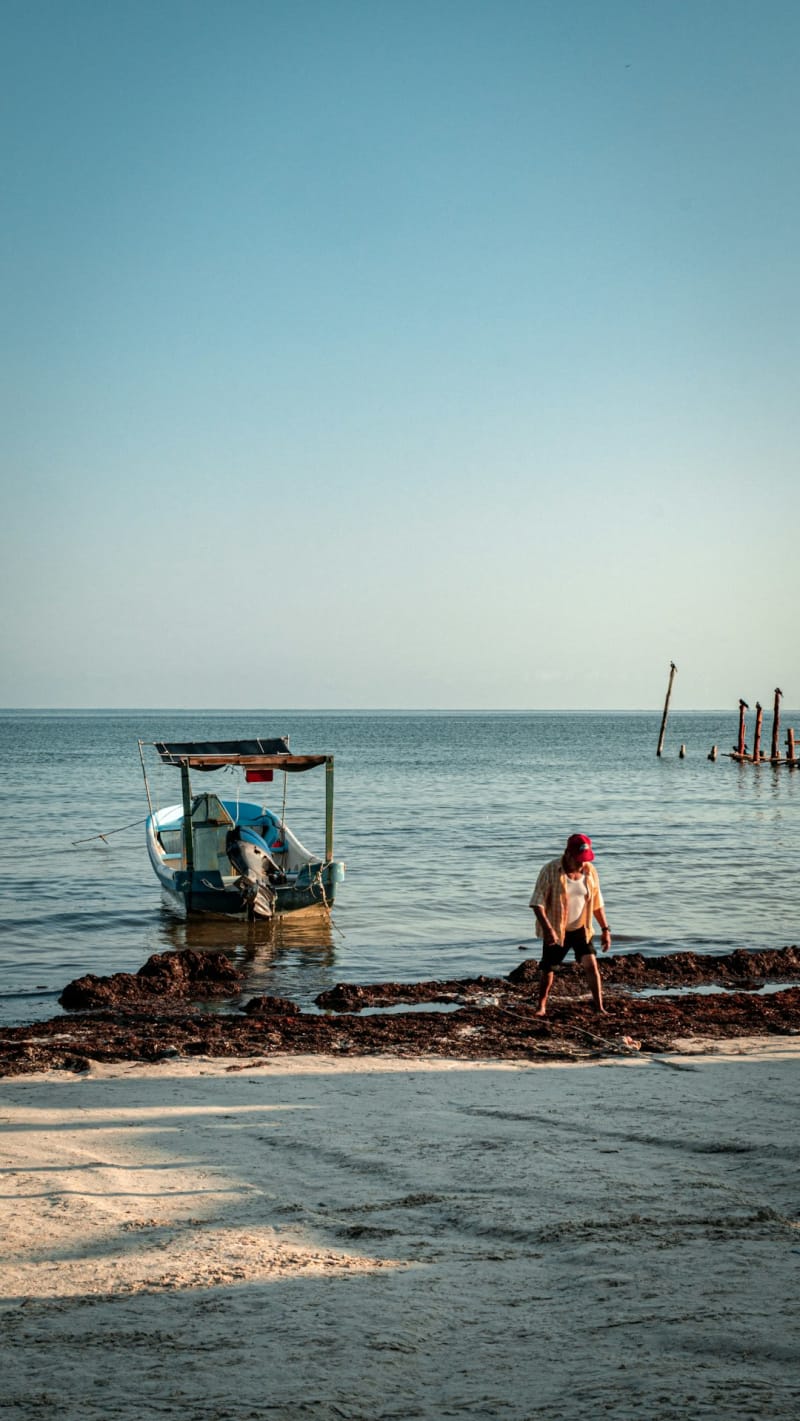 mexico
 Huimanguillo
Huimanguillo anchors the western edge of Tabasco where cacao plantations give way to a network of rivers and lagoons, and the landscape begins doing interesting things with water. It is one of the better places in southern Mexico to observe waterbirds from a lancha, and one of the few where cacao culture is woven into daily market life rather than staged for visitors.
Explore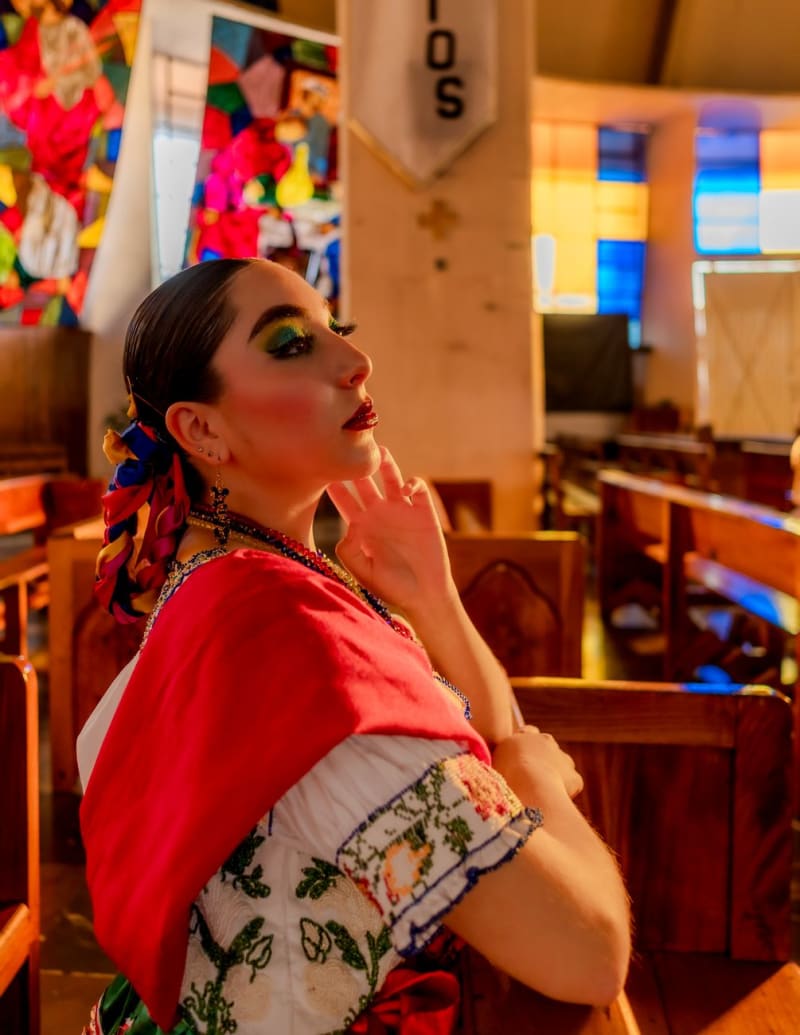 mexico
 Jonuta
A small riverside town in eastern Tabasco where the Usumacinta defines everything — the economy, the clock, the cooking. Life here moves at the river's pace, which is to say: unhurried, unpredictable, and quietly extraordinary.
Explore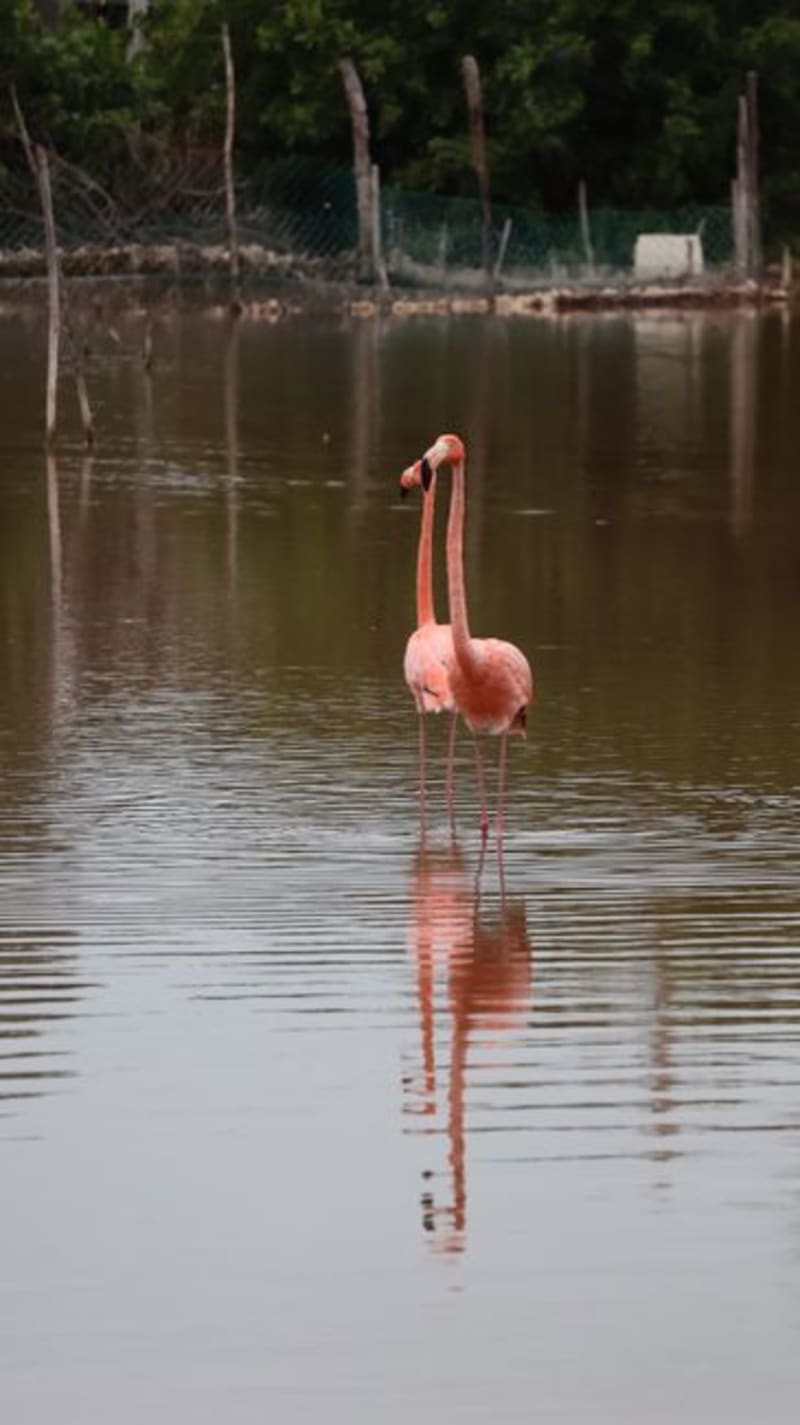 mexico
 Macuspana
Macuspana sits in deep Tabasco, far from the tourist currents, anchored by the Agua Blanca lagoon system — a chain of freshwater lakes edged by rainforest where caiman surface slowly and herons hold their poses in the reeds. It is the kind of place that does not announce itself and does not need to.
Explore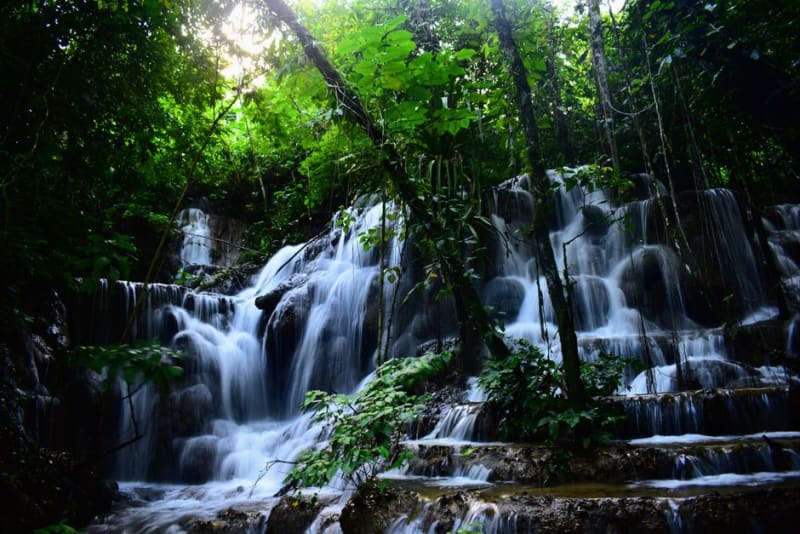 mexico
 Malpasito
In the forested foothills south of Huimanguillo, these Zoque ruins sit in a kind of comfortable obscurity: a carved ball court, ceiba-crowded platforms, and petroglyphs that still stump researchers. At the base, a stream pools into a swimming hole cold enough to constitute a personal affront on a Tabasco afternoon.
Explore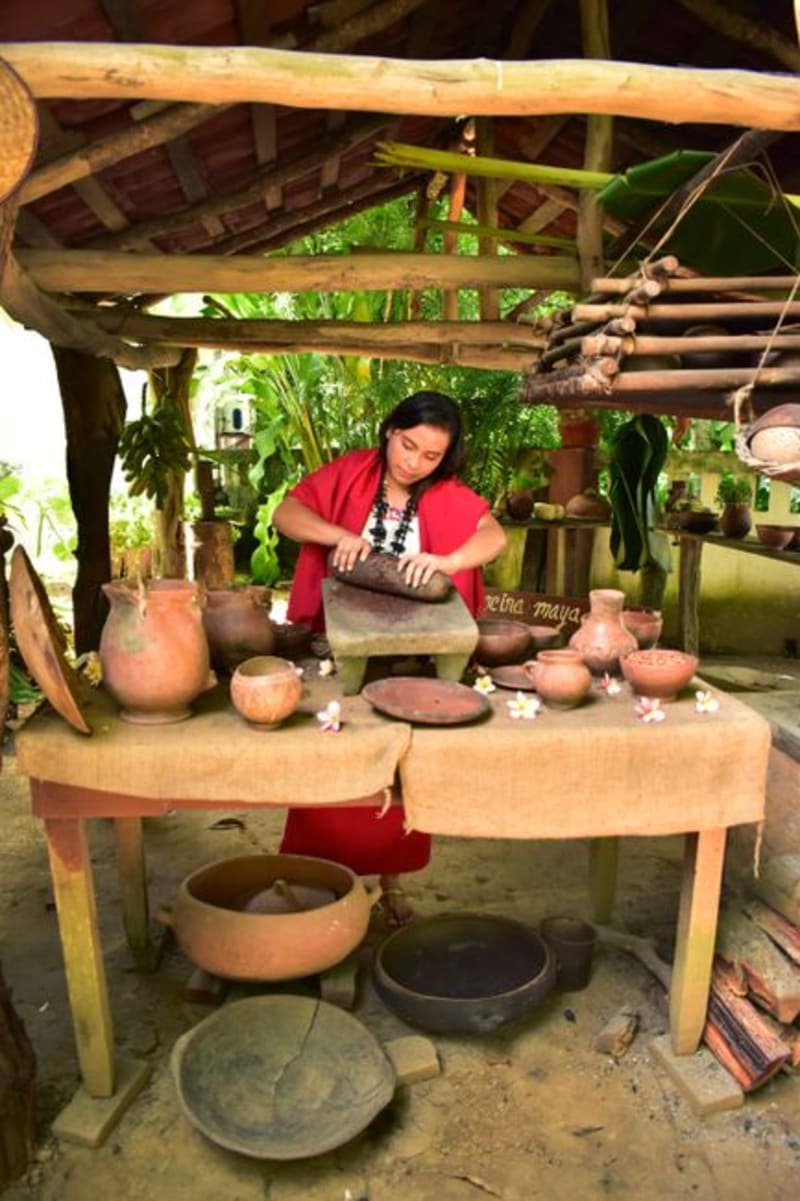 mexico
 Nacajuca
Fifteen minutes from Villahermosa and most travelers never make the turn. Nacajuca is Chontal Maya country threaded through with lagoons and canals — a municipality where flat-bottomed cayucos are still working transport, embroidery traditions run community by community, and the landscape itself sets the pace.
Explore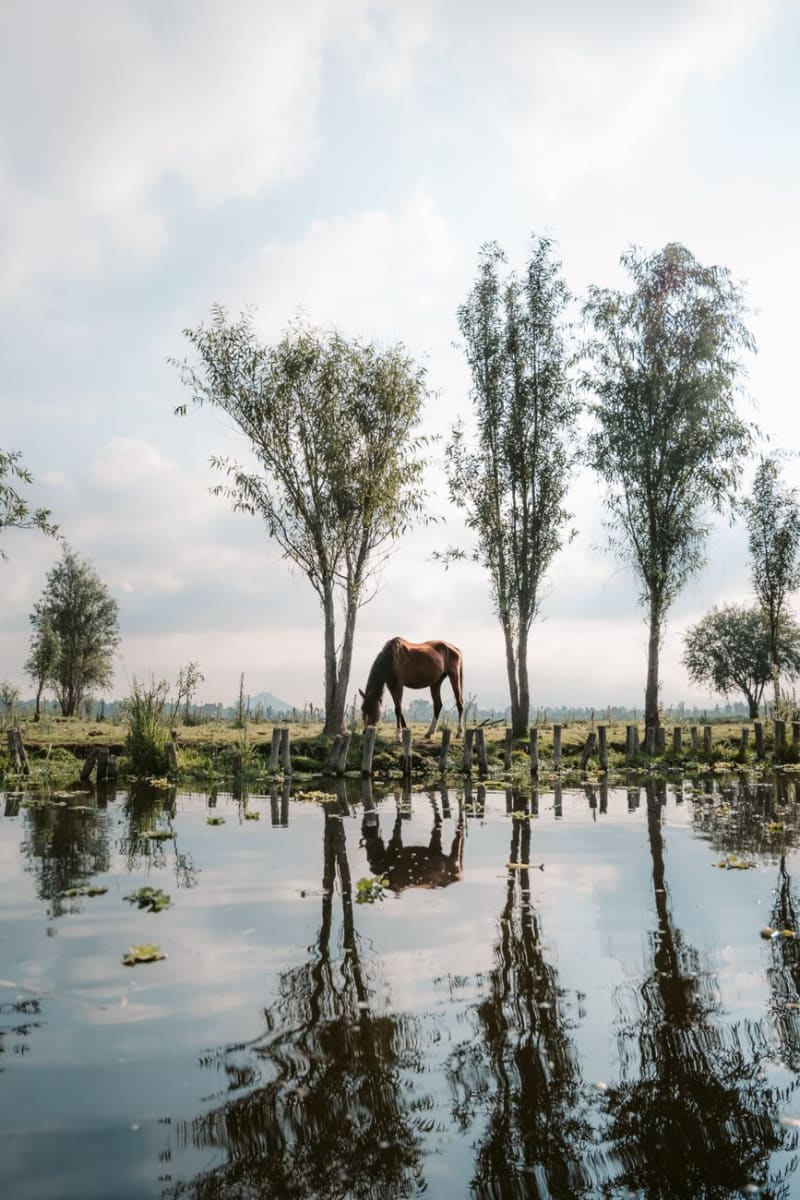 mexico
 Pantanos de Centla
The largest wetland system in Mesoamerica, where the Grijalva and Usumacinta rivers converge before entering the Gulf — a biosphere reserve of water hyacinths, manatees, crocodiles, and a bird density that resets what you thought you knew about bird density. Dawn boat tours are the only sensible way in.
Explore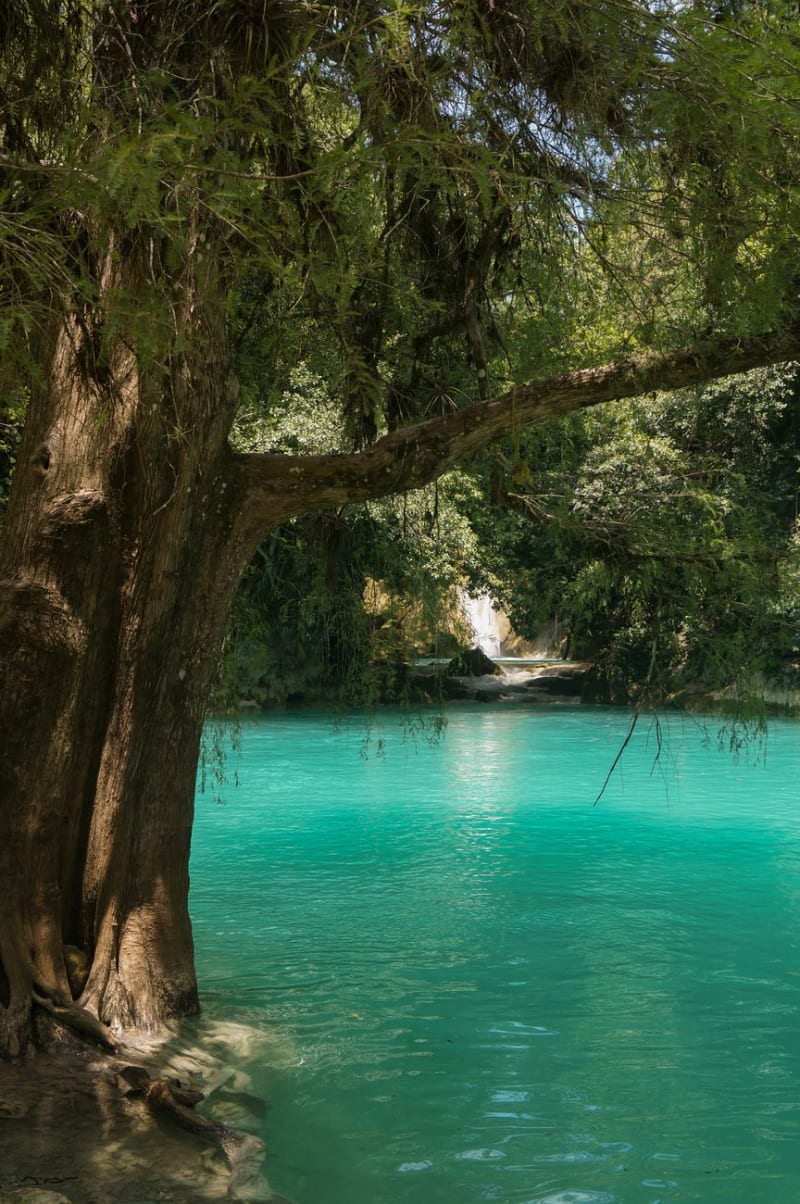 mexico
 Paraíso
Paraíso is a Gulf Coast port town in northwestern Tabasco where Tabasqueños drive on weekends to eat fresh shrimp and pejelagarto, a prehistoric armored fish found only in the Grijalva-Usumacinta river system that looks like it should have gone extinct with the dinosaurs and tastes like nothing else in Mexico. The beach is Gulf brown-green, not tropical turquoise, with working boats and coconut palms and restaurant tables full of families celebrating things.
Explore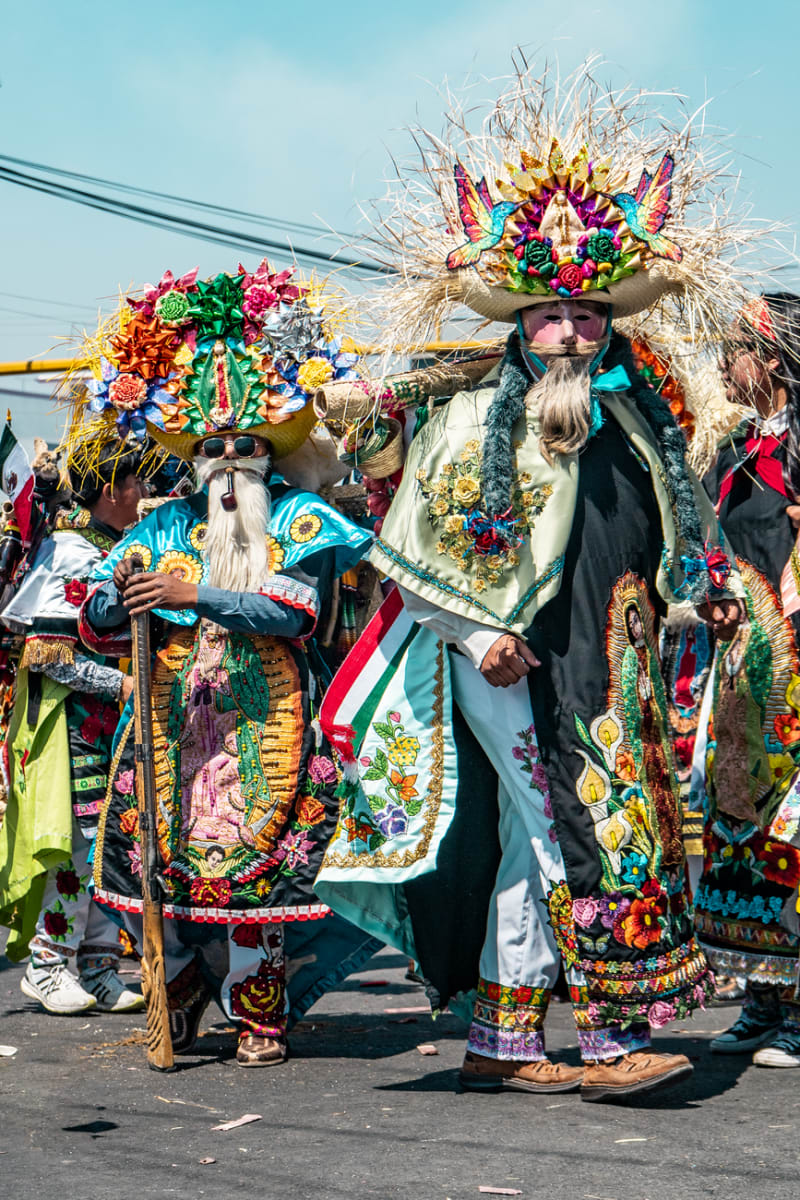 mexico
 Tacotalpa
Tacotalpa sits in the cool sierra of northern Tabasco, a world of mist, forest, and Zoque-Chontal Maya tradition that most people driving through the state never suspect exists. The town is known for its elaborate carnival masks and ceremonial dances, and the surrounding hills hold caves and rivers that feel nothing like the hot cacao lowlands an hour south.
Explore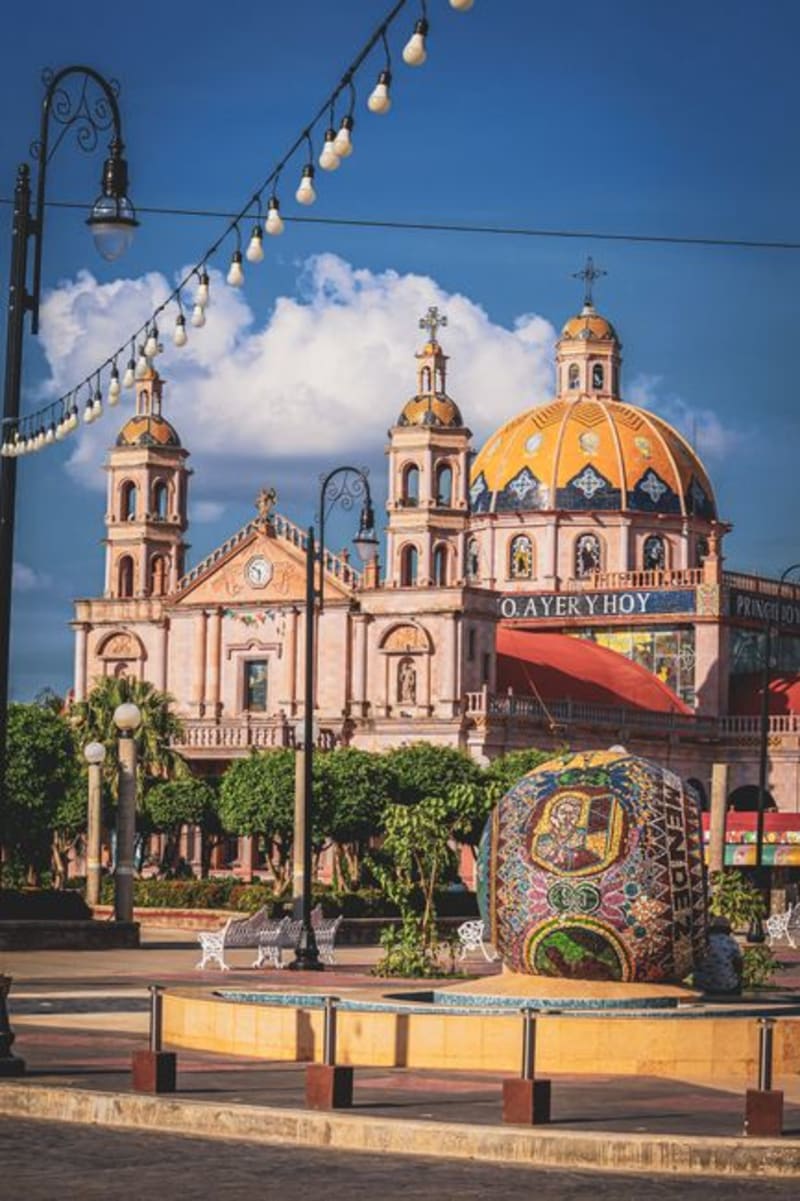 mexico
 Tapijulapa
A whitewashed Pueblo Mágico tucked into a jungle canyon where sulfurous springs feed the Villa Luz caves and a turquoise river cuts through karst limestone. Tabasco almost never makes travel lists, which is exactly why Tapijulapa stays quiet.
Explore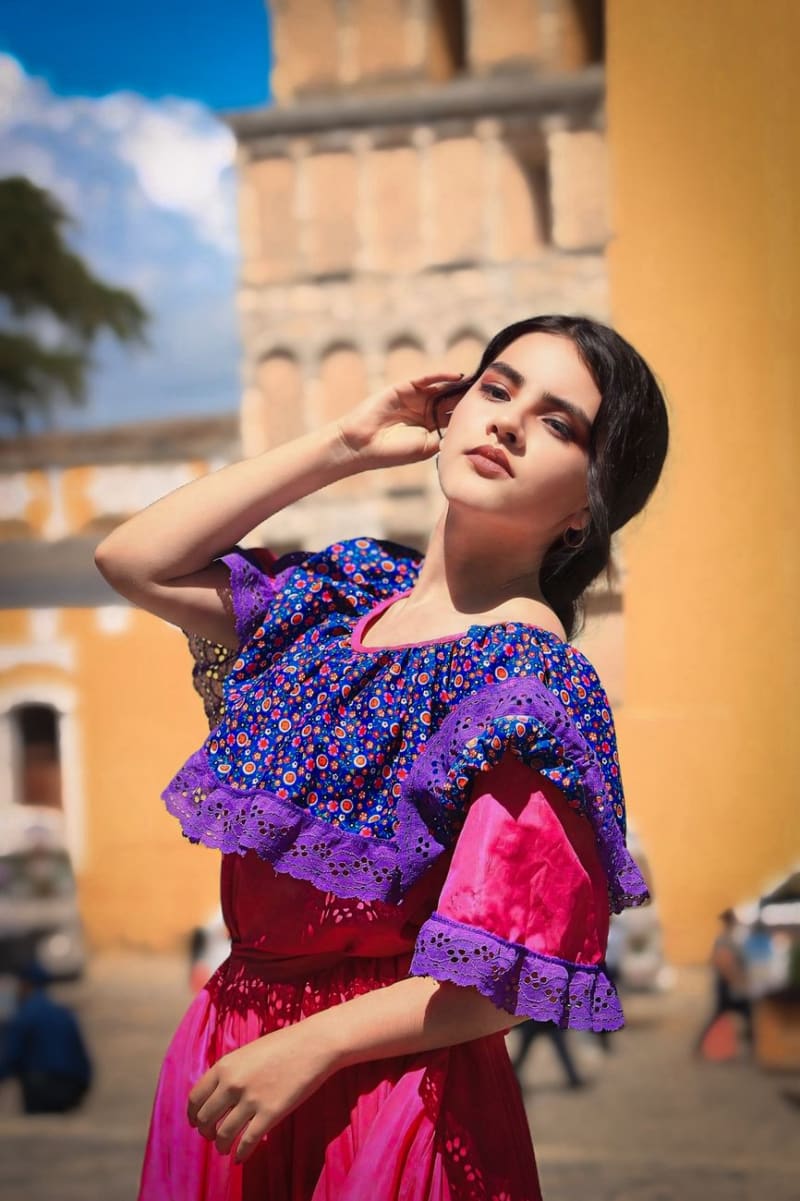 mexico
 Teapa
A sierra town in southern Tabasco where the flat coastal plain suddenly becomes hills, sulfur springs bubble warm from the earth, and a cave system 4km from the center hides a river running through the dark. Almost nobody comes here from outside Tabasco, which is precisely its logic.
Explore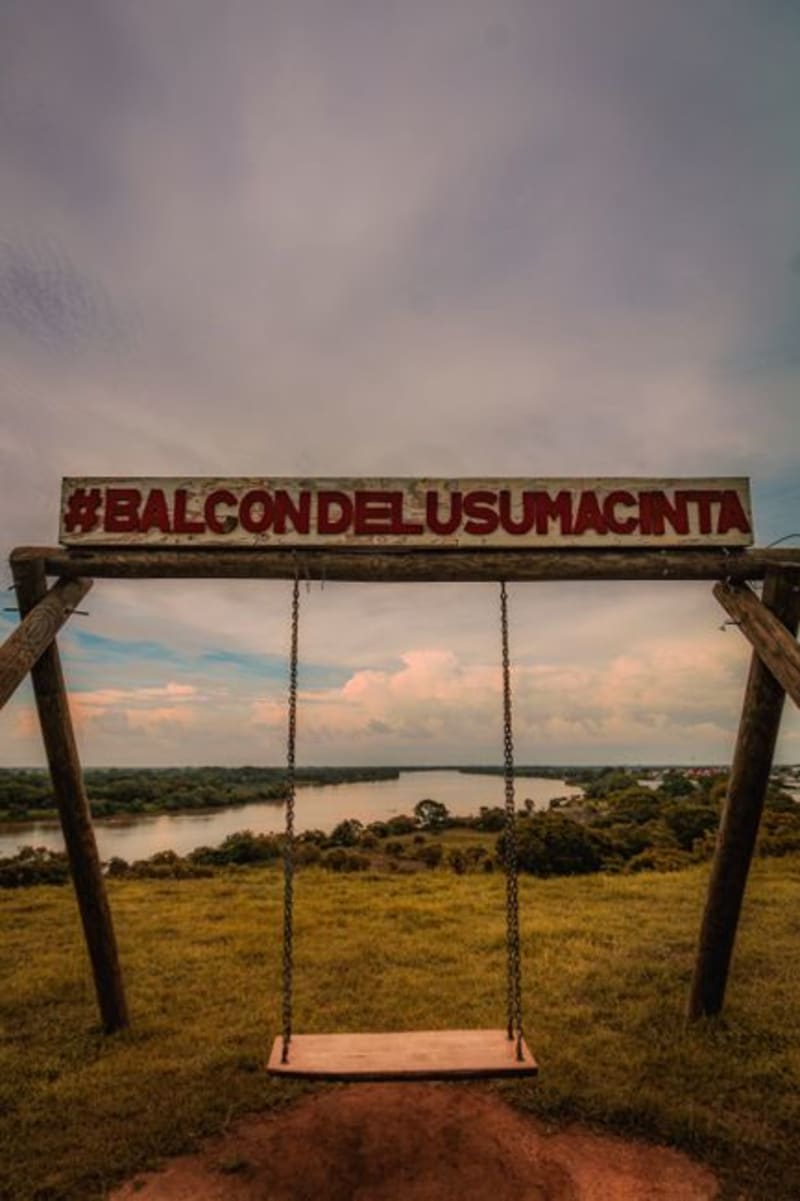 mexico
 Tenosique
Where the Usumacinta bends toward Guatemala, Tenosique guards something you will not find anywhere else in Mexico: a Carnival rooted in pre-Hispanic Maya ritual, where men in animal skins and painted wooden masks pursue devil figures through the streets. The rest of the year the town breathes at the pace of the river — slow, brown, and wide.
Explore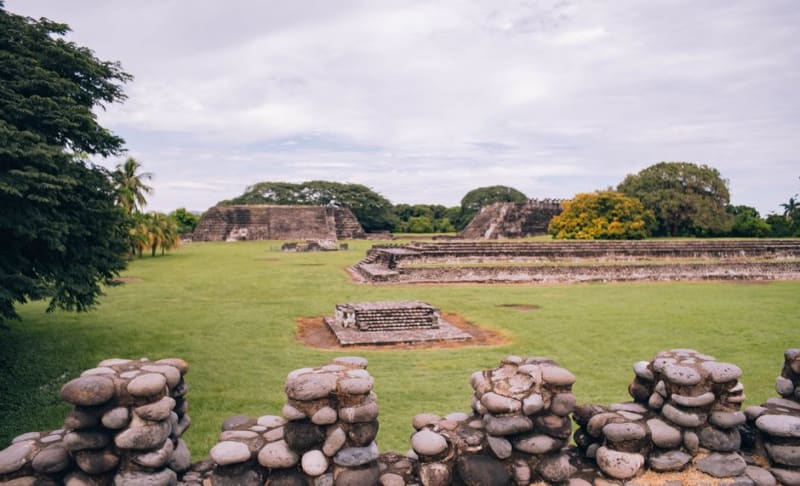 mexico
 Villahermosa
The Tabasco capital that holds the most remarkable outdoor museum in Mexico — colossal Olmec heads and monuments displayed in a tropical park at La Venta, the cradle of Mesoamerican civilization in a city built on cacao and oil.
ExploreKeep exploring
More from Mexico
 mexico
 Tampico
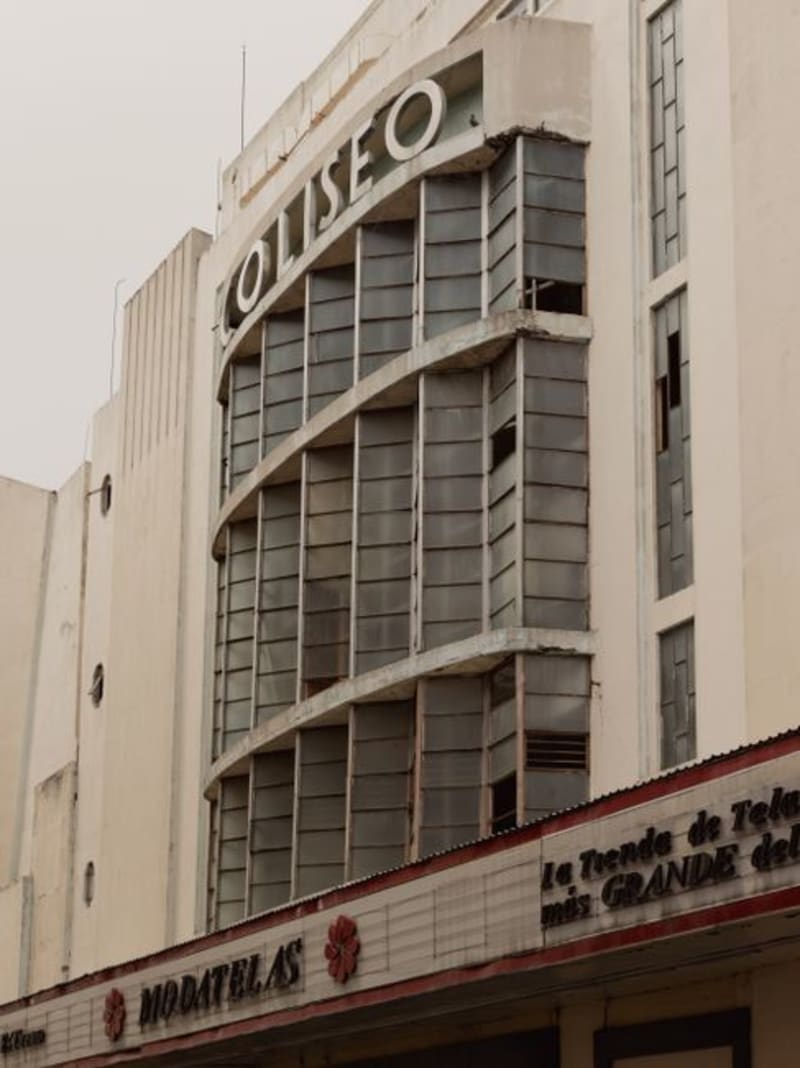
Tampico is a Gulf coast port city with a downtown full of art deco buildings from the 1930s and 1940s, a covered market that deals in zacahuil by the kilo, and a harbor history shaped by oil booms and Cuban trade. The Plaza de Armas at dusk functions as old Mexico does best — without tourism as its justification.
Explore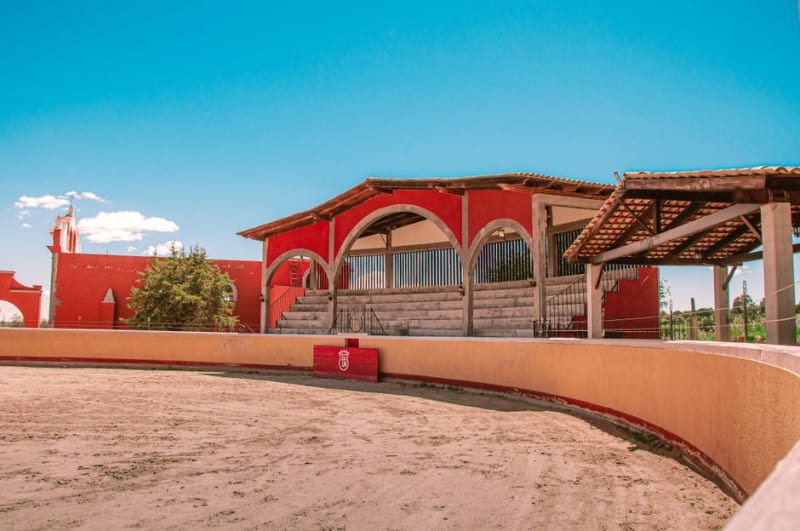 mexico
 Tlaxcala
Mexico's smallest state and its most underestimated colonial capital — a city of Moorish-influenced architecture, indigenous murals, the best pulque in the country, and an extraordinary military history that the rest of Mexico is still processing.
Explore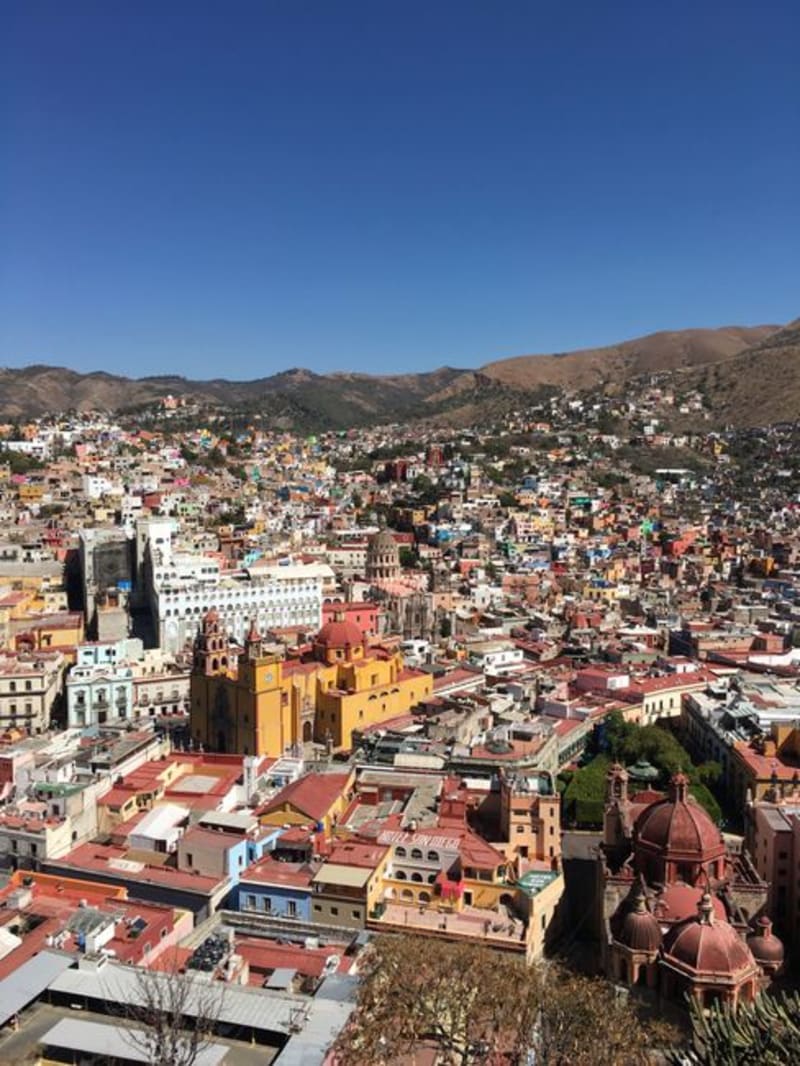 mexico
 Tula de Tamaulipas
A Franciscan mission from 1617 anchors the colonial center of this Sierra Madre valley town, where the regional market draws mountain communities every Saturday and the canyon road from the east is, on its own, worth the detour. Not to be confused with Hidalgo's Toltec Tula — though this one has the better barbacoa.
Explore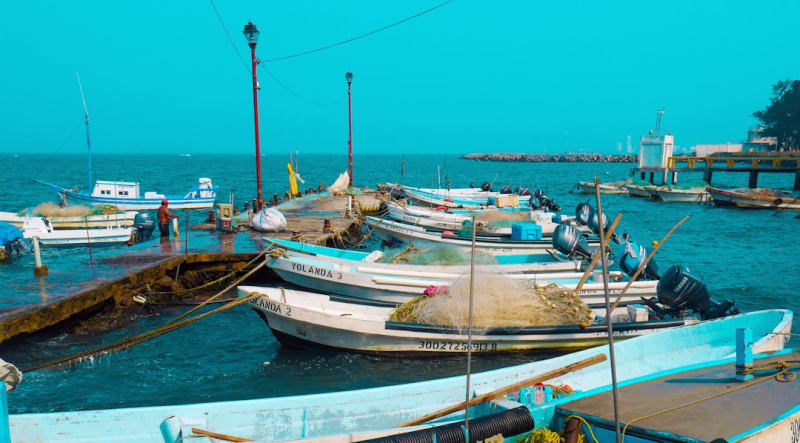 mexico
 Veracruz
Mexico's oldest port city on the Gulf coast — jarocho music, the best seafood in the country, a fortress that held off pirates for two centuries, and coffee from the sierra above the city.
Explore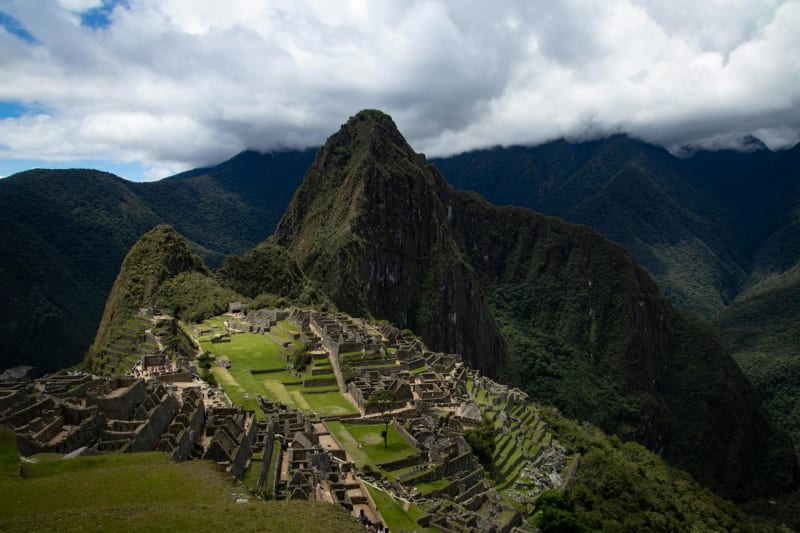 mexico
 Yucatán
Maya pyramids, sacred cenotes, and a cuisine distinct from the rest of Mexico. The Yucatán is a peninsula with its own identity.
Explore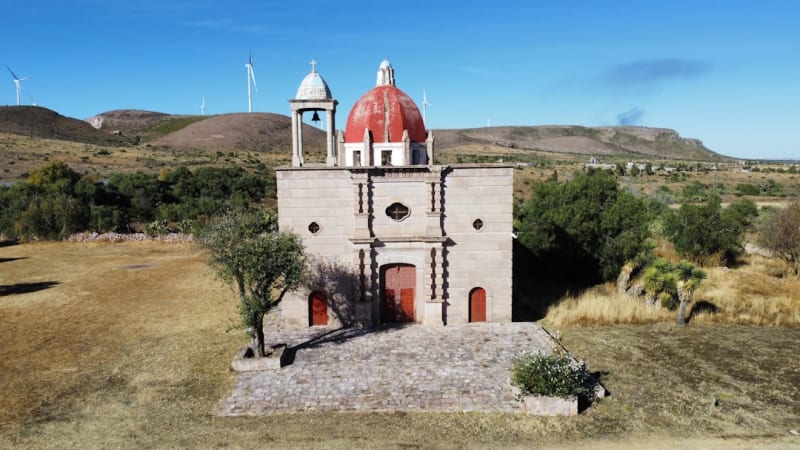 mexico
 Zacatecas
A UNESCO silver-mining city in the high desert — pink cathedral, canyon-split streets, a cable car over the rooftops, and the best collection of pre-Hispanic gold in the Americas.
Explore