Colima
"The Volcán de Colima is one of the most active volcanoes in North America. From Comala on a clear day you can watch the smoke column rise. The coffee grown on its slopes, fertilized by centuries of ash, is the best in western Mexico."
Mexico's smallest mainland state — an active volcano that glows at night, the quiet colonial town of Comala known as the White City, the port of Manzanillo where the Pacific trade arrives, and a climate mild enough that the ancient inhabitants planted the first domesticated dogs here.

Colima is Mexico’s second-smallest state (after Tlaxcala) and one of the most overlooked — a narrow strip of Pacific coast backed by mountains and dominated by the twin peaks of the Nevado de Colima (4,339 meters, dormant) and the Volcán de Colima (3,820 meters, very much not dormant — one of the most active volcanoes in North America, with major eruptions in 1991, 1998, 2005, and ongoing activity).
The state capital, also called Colima, is a colonial city of 150,000 that functions as the commercial center. But the destination that has earned Colima its literary reputation is Comala (covered separately) — the small white colonial town 10 kilometers north of the capital that sits at the edge of the coffee-growing zone on the volcano’s lower slopes. Juan Rulfo used the name Comala for the fictional town in Pedro Páramo (his 1955 novel that García Márquez credited with teaching him magical realism), and the real Comala wears this association — but the town earns its reputation on its own terms: the all-white architecture (a municipal ordinance requires white-painted buildings), the mild volcanic-highland climate, the ponche de granada in the plaza, and the coffee from the cooperatives that farm the fertile volcanic soils.
Manzanillo (covered separately) is the Pacific port and resort — Mexico’s busiest Pacific commercial port and a beach destination that managed to build a significant sailfish fishing reputation. The twin bays (Santiago and Manzanillo) are backed by mangrove lagoons that have been partly integrated into the resort zone.
Archaeological evidence from the shaft tombs of Colima (underground burial chambers dating to 300 BCE–700 CE) has produced some of the most humanistic pre-Columbian ceramic art in Mexico — the famous Colima dogs, terracotta hairless dog figurines that represent the xoloitzcuintle (Mexican hairless dog), the animal that the pre-Columbian cultures believed guided the dead through the underworld.
Explore
Places in Colima
 mexico
 Boca de Pascuales
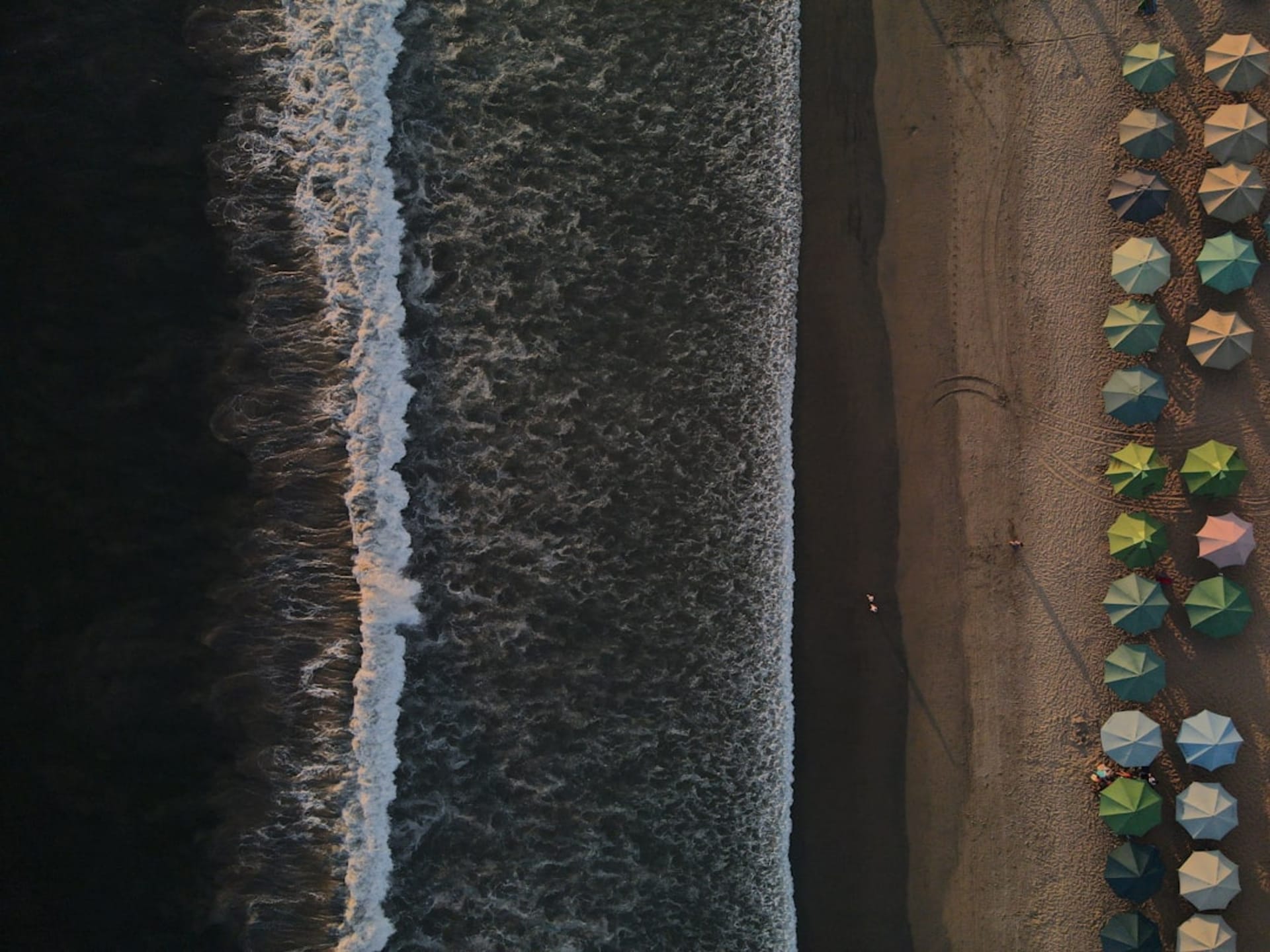
Boca de Pascuales is a Pacific fishing village in Colima state with a wave that serious big-wave surfers travel from three continents to ride, and that I watched from the beach with the expression of someone who has just seen something both beautiful and medically alarming. The general tourist infrastructure that usually follows serious surfers to a place never arrived here; what you get is dark sand, brightly painted fishing boats, palapa restaurants serving fresh catch, and a barreling shore break that closes out fast and does not forgive. I ordered ceviche, ate it facing the water, and stayed longer than I needed to.
Explore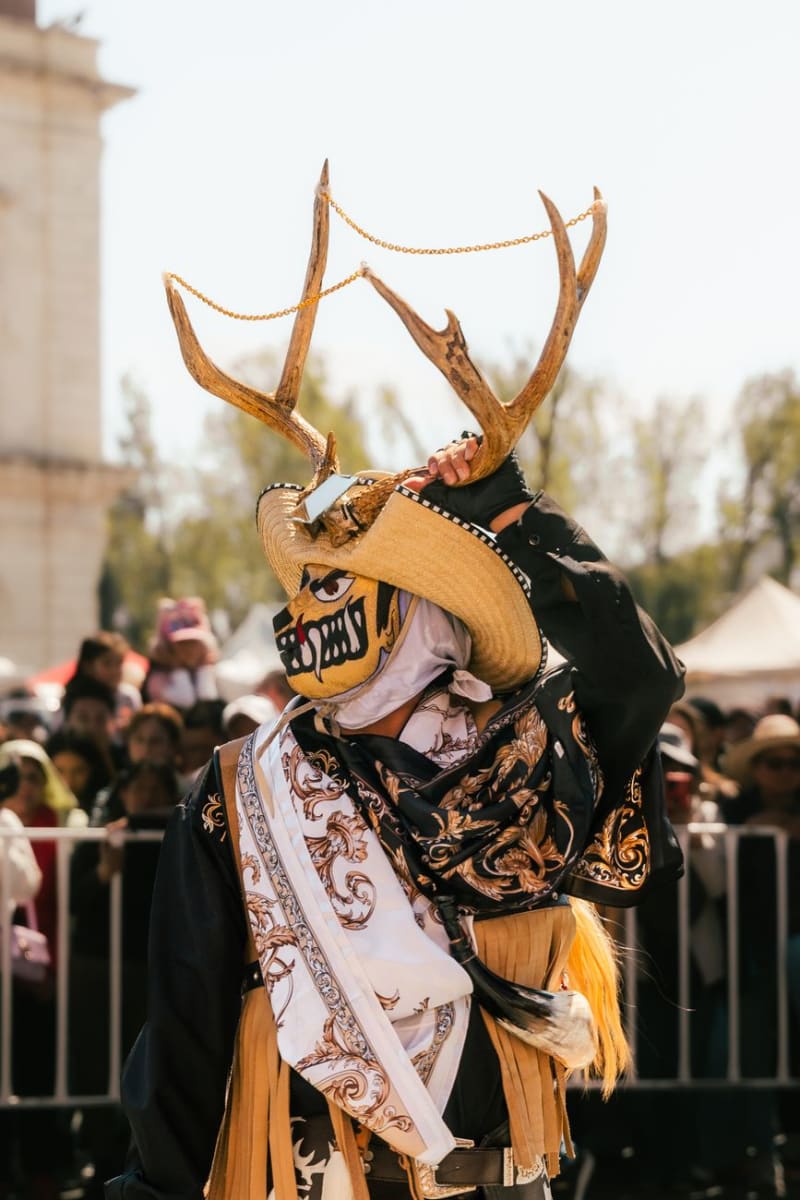 mexico
 Cofradía de Suchitlán
Cofradía de Suchitlán is a village of around three hundred people in the coffee-growing foothills of the Nevado de Colima, fifteen minutes from Comala's famous white plaza, where a small number of families have maintained a tradition of handmade wooden toys and carved masks using local wood and natural pigments. I found it by following a road sign I almost missed, arrived to find three workshops open, watched a man carve a jaguar mask from a piece of fresh wood that still smelled of sap, and bought two things I have absolutely no practical use for.
Explore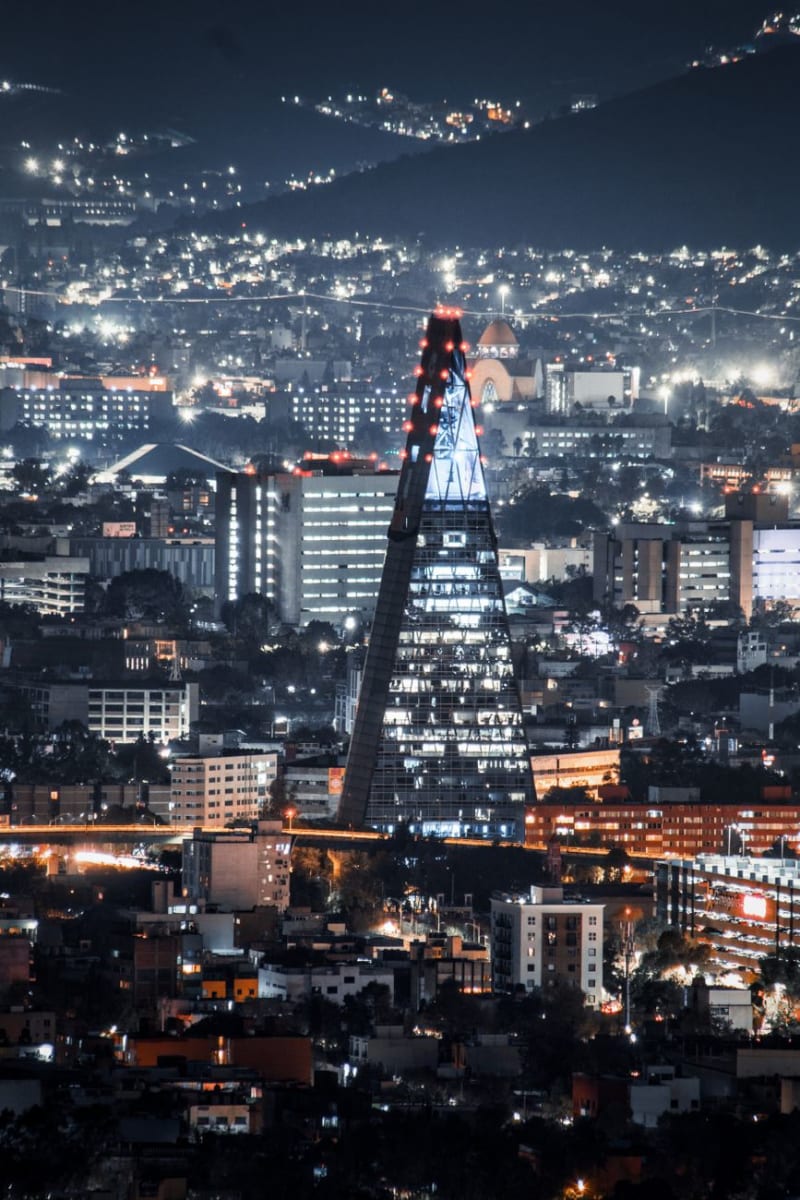 mexico
 Colima City
The calm, undervisited capital of Mexico's smallest mainland state, where a world-class collection of pre-Hispanic ceramics and the country's finest tejuino exist entirely in the shadow of the most active volcano in Mexico.
Explore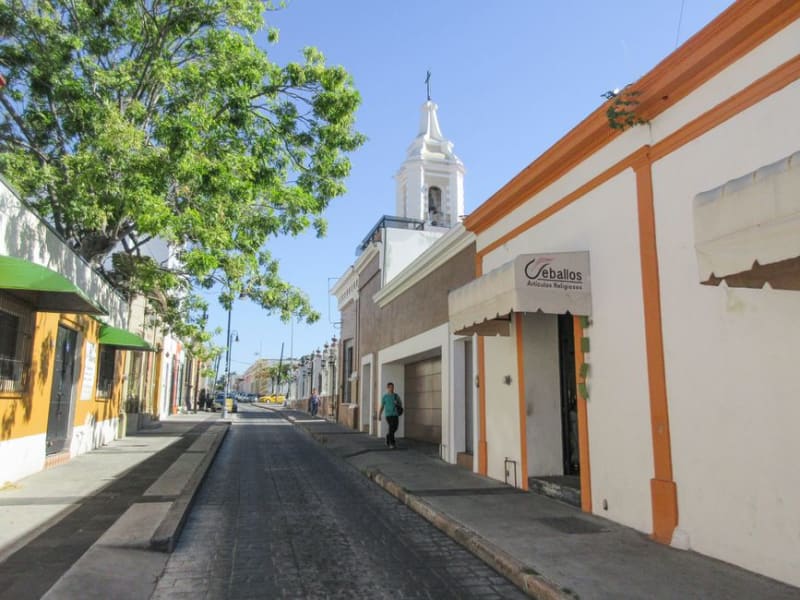 mexico
 Comala
The white village in Jalisco's Colima foothills that haunted Juan Rulfo's imagination and became Pedro Páramo — a real town of white-washed walls and bougainvillea where the cantinas serve free botanas with every drink.
Explore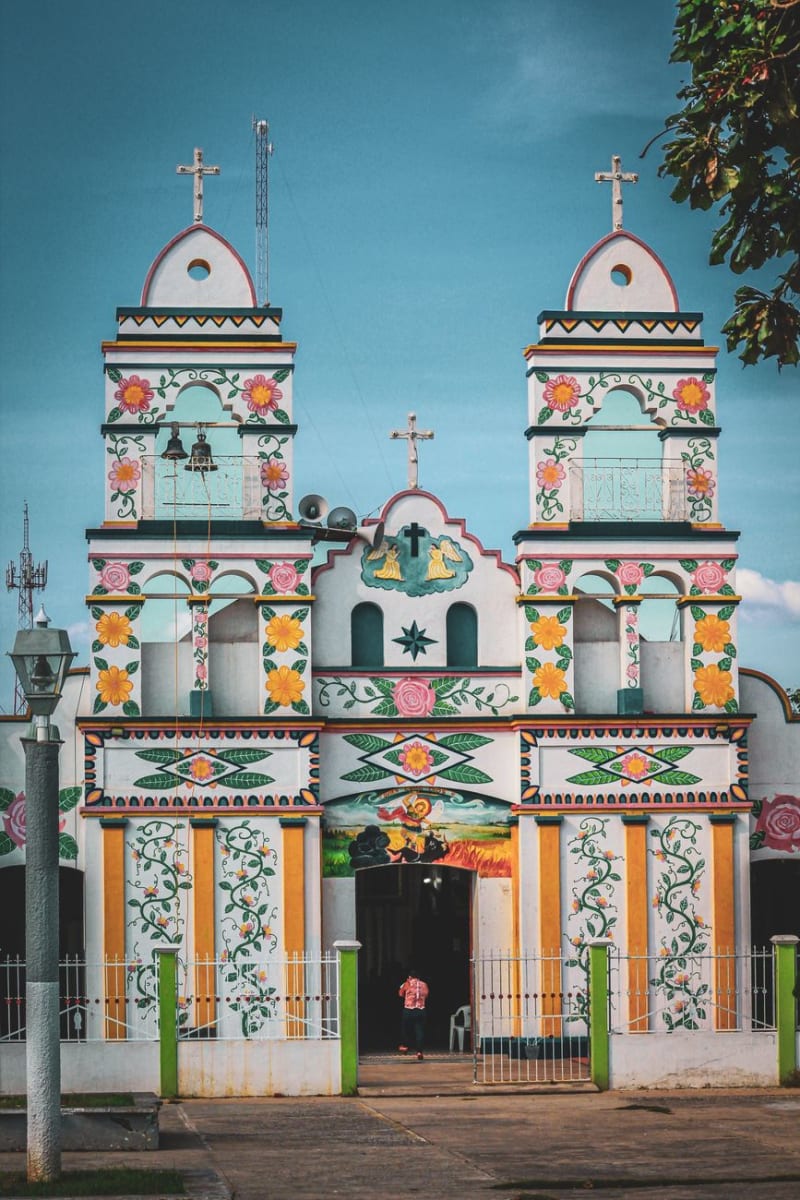 mexico
 Cuyutlán
A faded Pacific beach town south of Manzanillo where the surf glows green on summer nights — a bioluminescent phenomenon known as the Ola Verde — and a turtle sanctuary lets you wade among olive ridley hatchlings in a protected lagoon.
Explore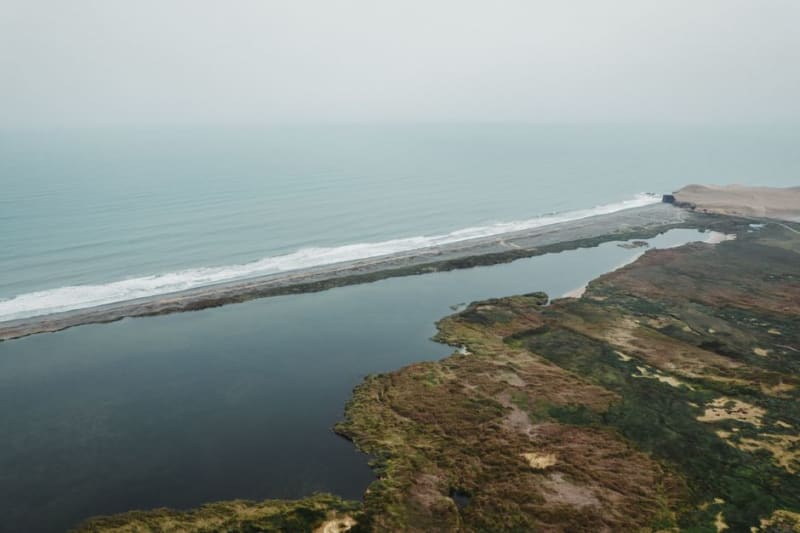 mexico
 Cuyutlán
Cuyutlán is a lagoon-side village on Colima's Pacific coast where the beach runs black from volcanic sand and the surf glows green at night. It moves slowly, looks like a faded postcard from 1974, and is completely unbothered by that fact.
Explore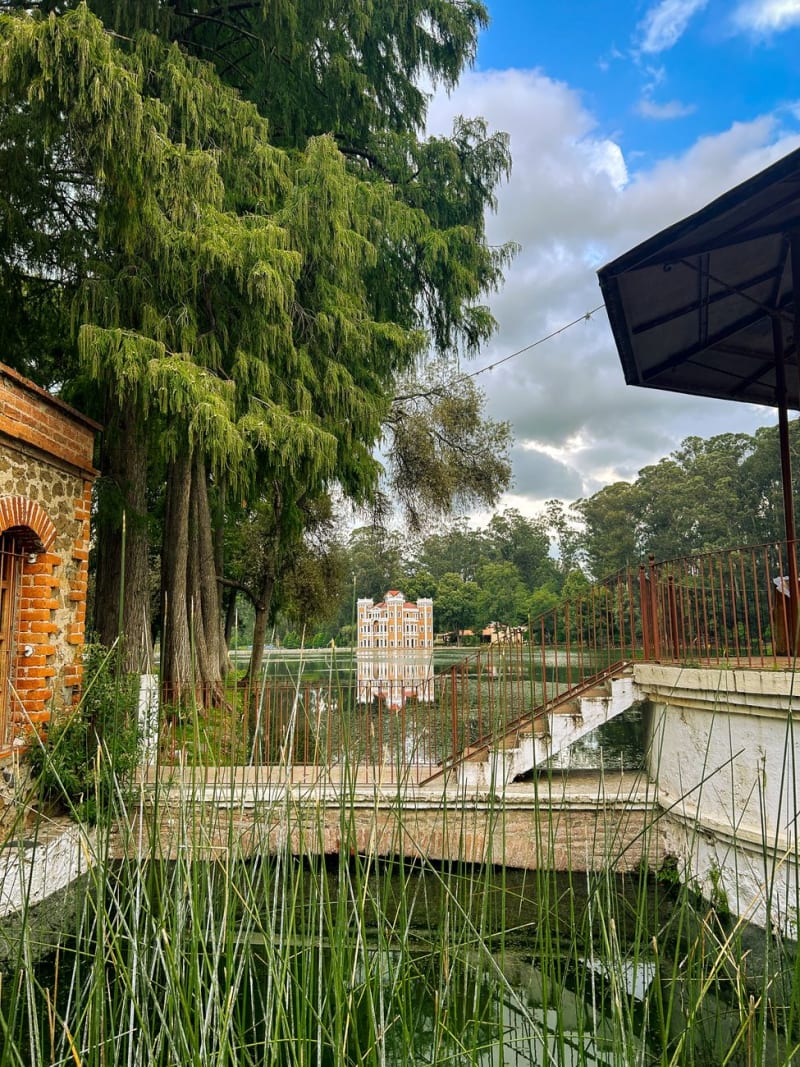 mexico
 El Chanal
El Chanal is a pre-Hispanic archaeological site on the outskirts of Colima City — close enough to reach on foot — where the Aztatlán culture built a ballcourt and ceremonial complex between 900 and 1200 CE, and buried their dead with the dog figurines that now sell in every Mexican folk art shop as reproductions. The originals were ritual objects. The site has a modest museum that explains this with clarity, almost no foreign visitors, and a guard who pointed out a feature I would have missed. I visited on a Wednesday afternoon and felt the specific satisfaction of a place that has not been organized for anyone's benefit but its own.
Explore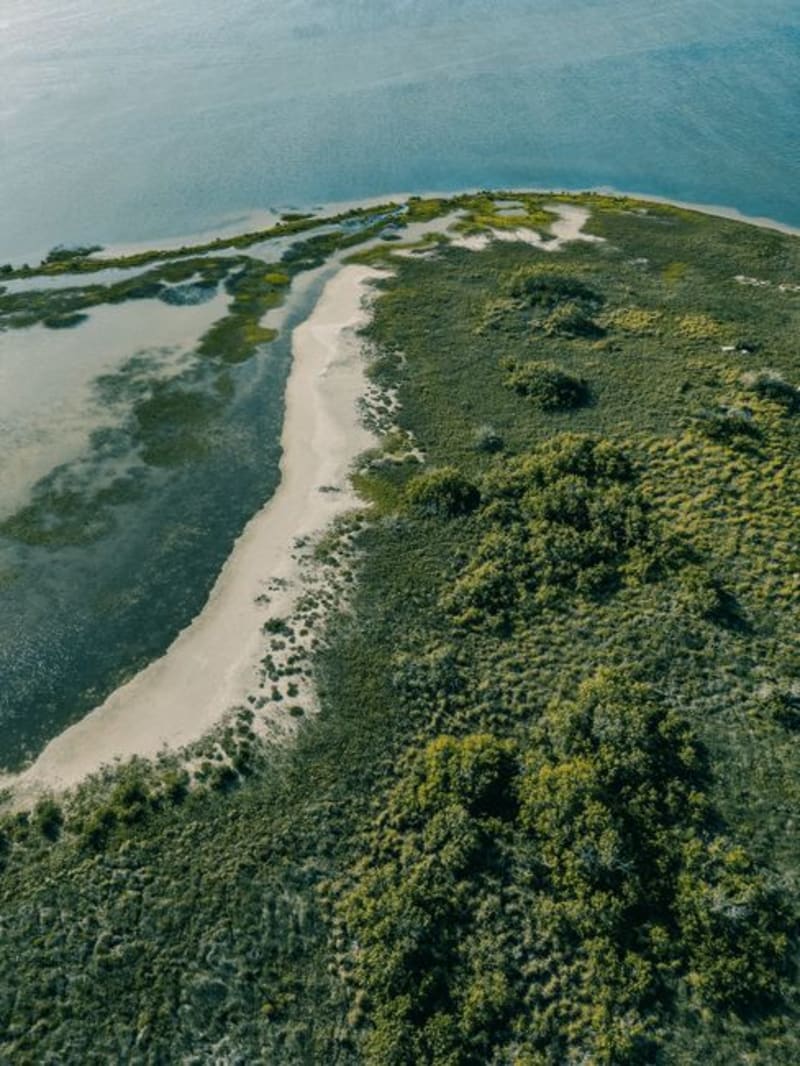 mexico
 El Paraíso
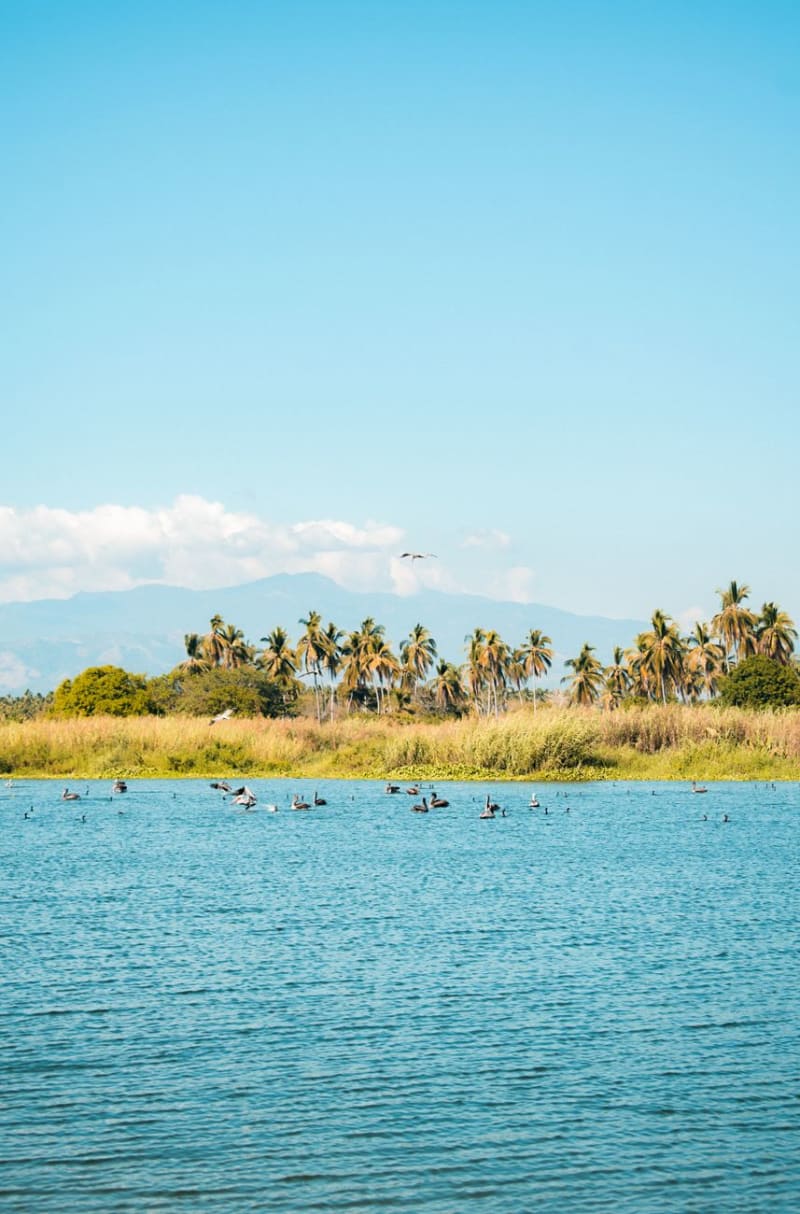
El Paraíso is a small lagoon community south of Cuyutlán, where the Pacific meets a chain of brackish shallows and the birds outnumber the people by a considerable margin. No beach clubs, no infrastructure worth naming — just fishing families, mangroves, and the particular quiet of a place that has not yet decided what it wants to be.
Explore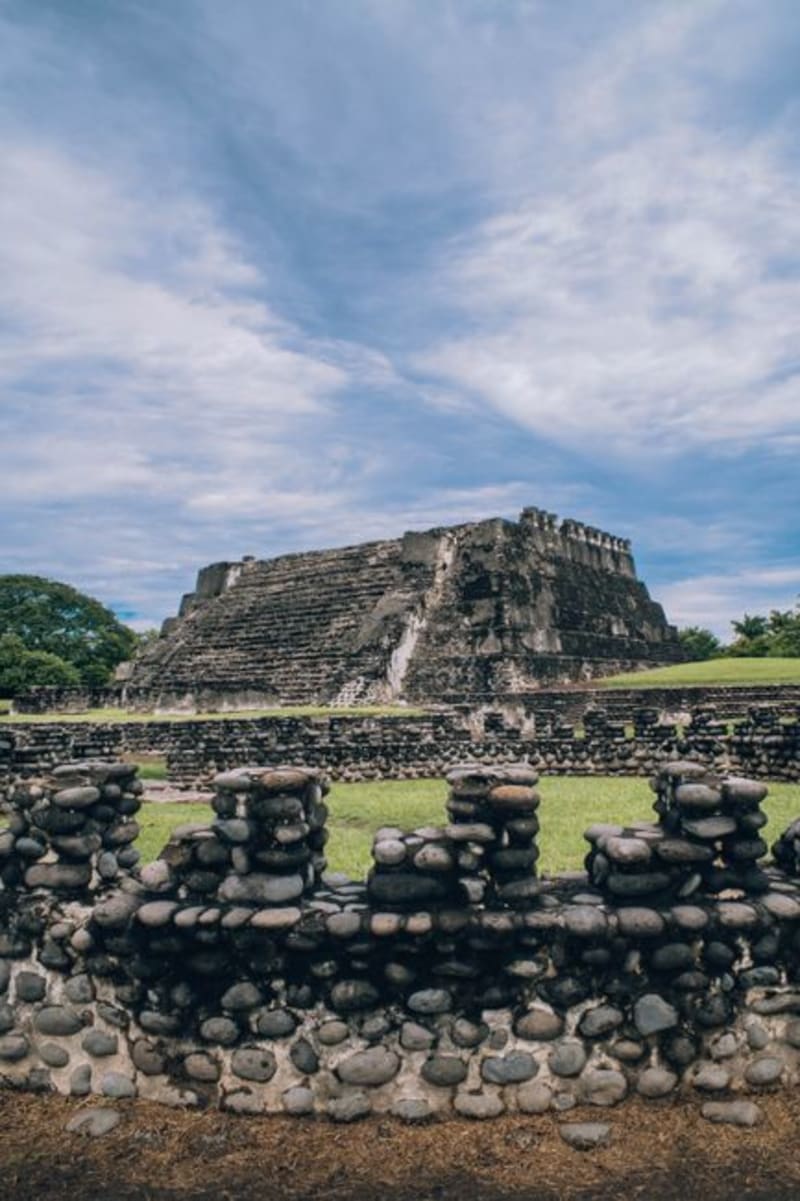 mexico
 La Campana
A shaft-tomb ceremonial center four kilometers from Colima's plaza, where the famous ceramic dogs were buried with the dead to guide them through the underworld. Almost no one visits. The site sits beneath a volcano that appears at dusk like it was placed there on purpose.
Explore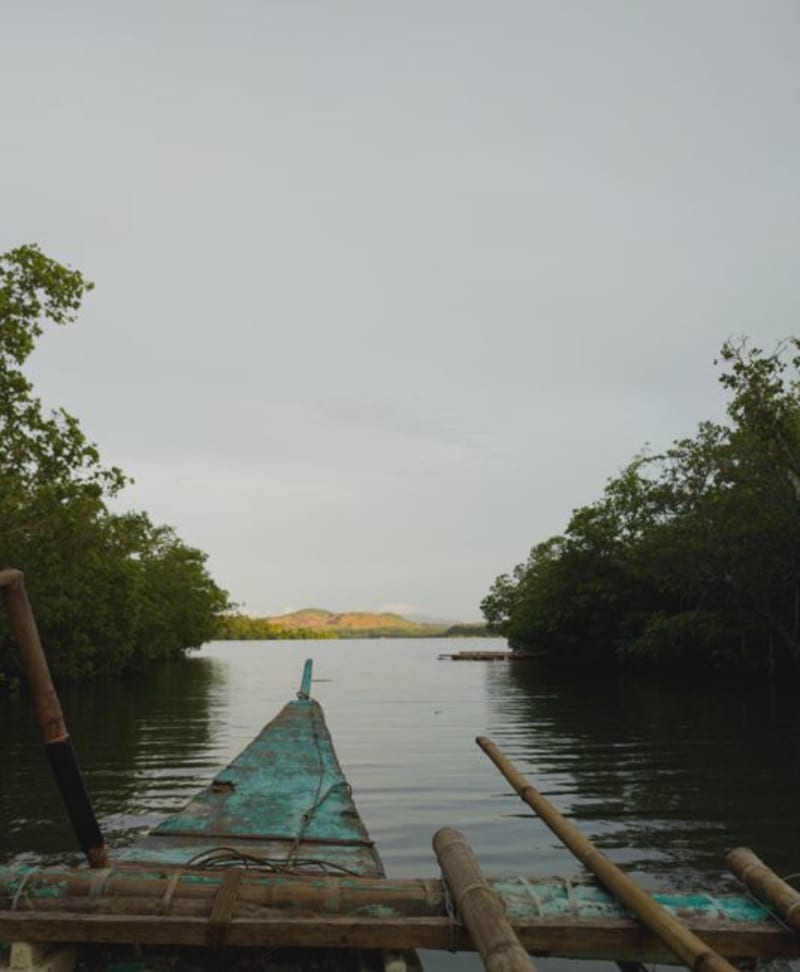 mexico
 La Salada
A brackish lagoon near Armería ringed by dense mangroves, La Salada barely registers on most maps — which suits the herons, roseate spoonbills, and resident crocodiles just fine. You get here with a local guide and a flat-bottomed boat, and the lagoon does the rest.
Explore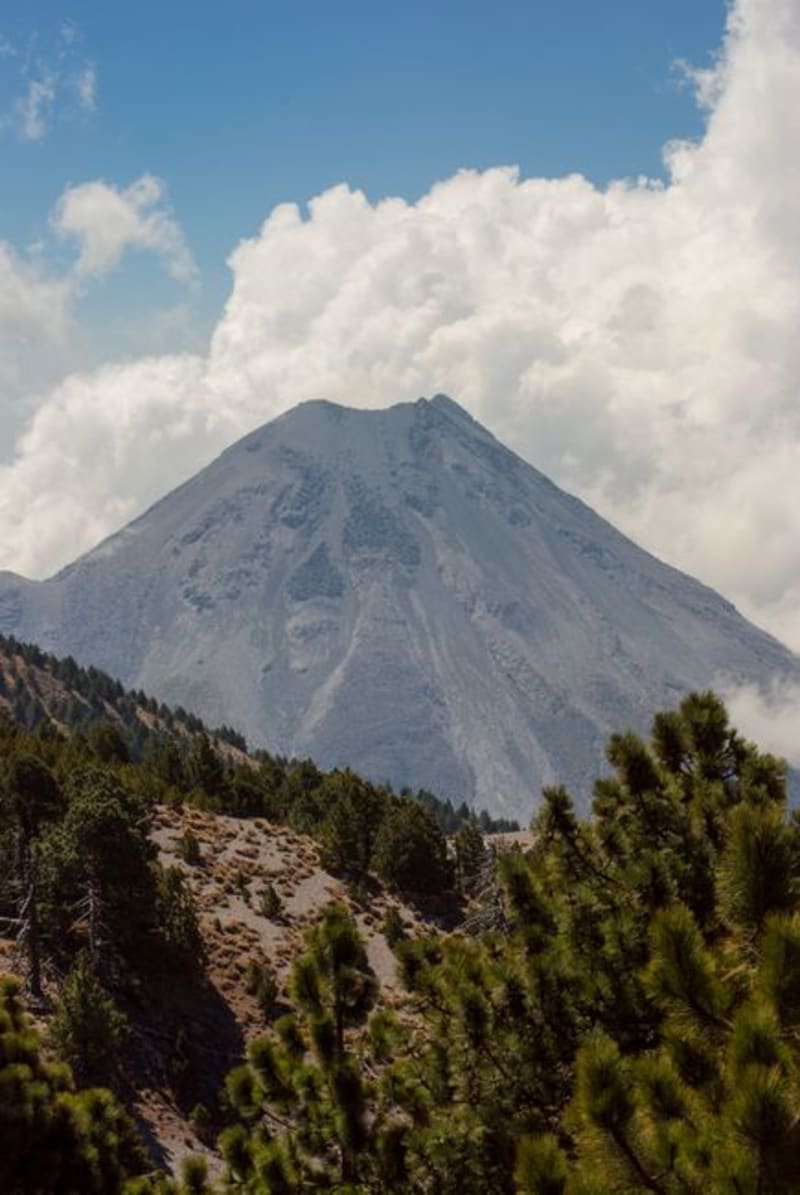 mexico
 Laguna de la María
A caldera lake folded into pine-oak forest above Comala, reachable only by unpaved track and almost never visited. Weekend fishermen share the silence, and that silence, once you have heard it, is hard to forget.
Explore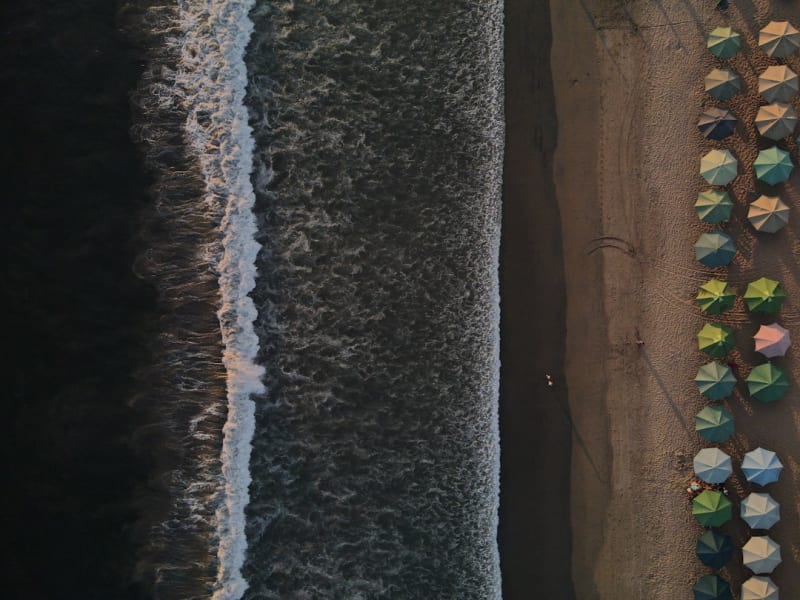 mexico
 Manzanillo
The Pacific port city of Colima with twin crescent bays, sailfish tournaments that built its international reputation, and a malecón that serves as a working commercial harbor and tourist seafront simultaneously.
Explore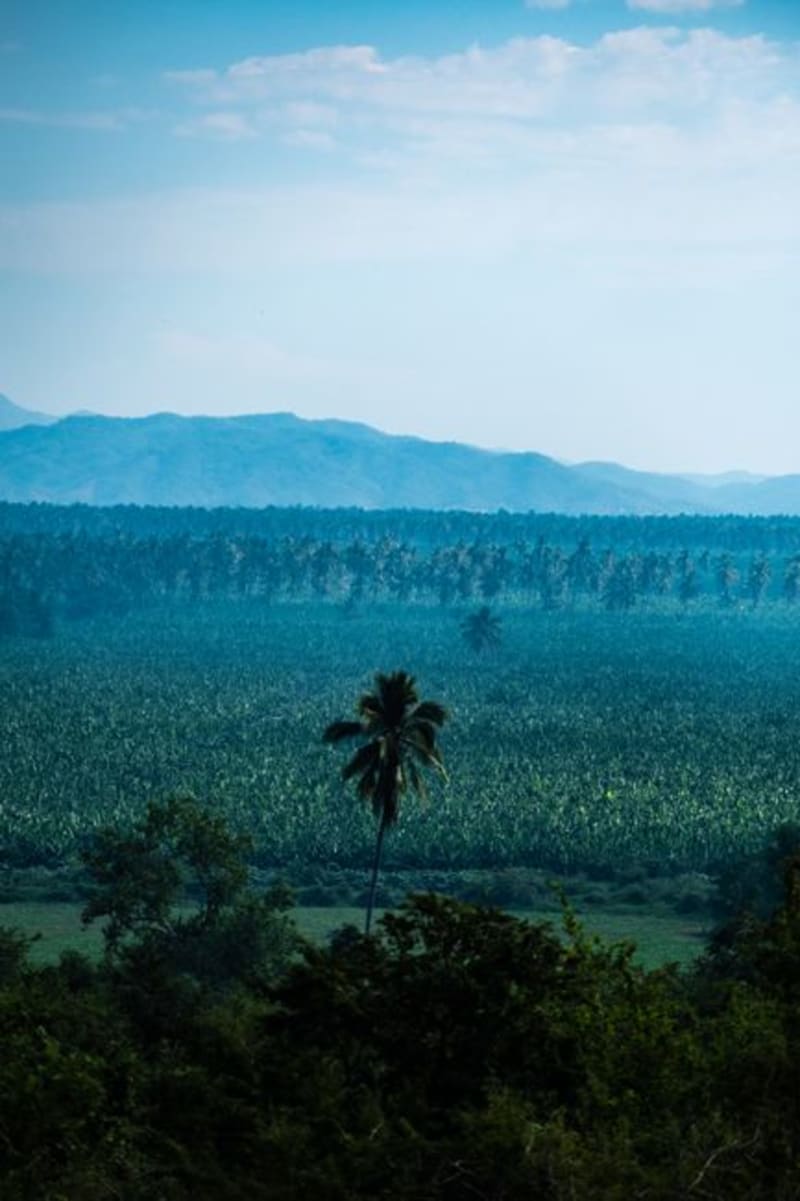 mexico
 Minatitlán
At 800 metres above sea level, Minatitlán is the unlikely gateway to the Sierra de Manantlán Biosphere Reserve, a cloud forest that shelters teocintle — the wild ancestor of cultivated maize — still growing in the hills above a town most Mexicans have never visited. The coastal heat of Colima evaporates the moment the road starts climbing.
Explore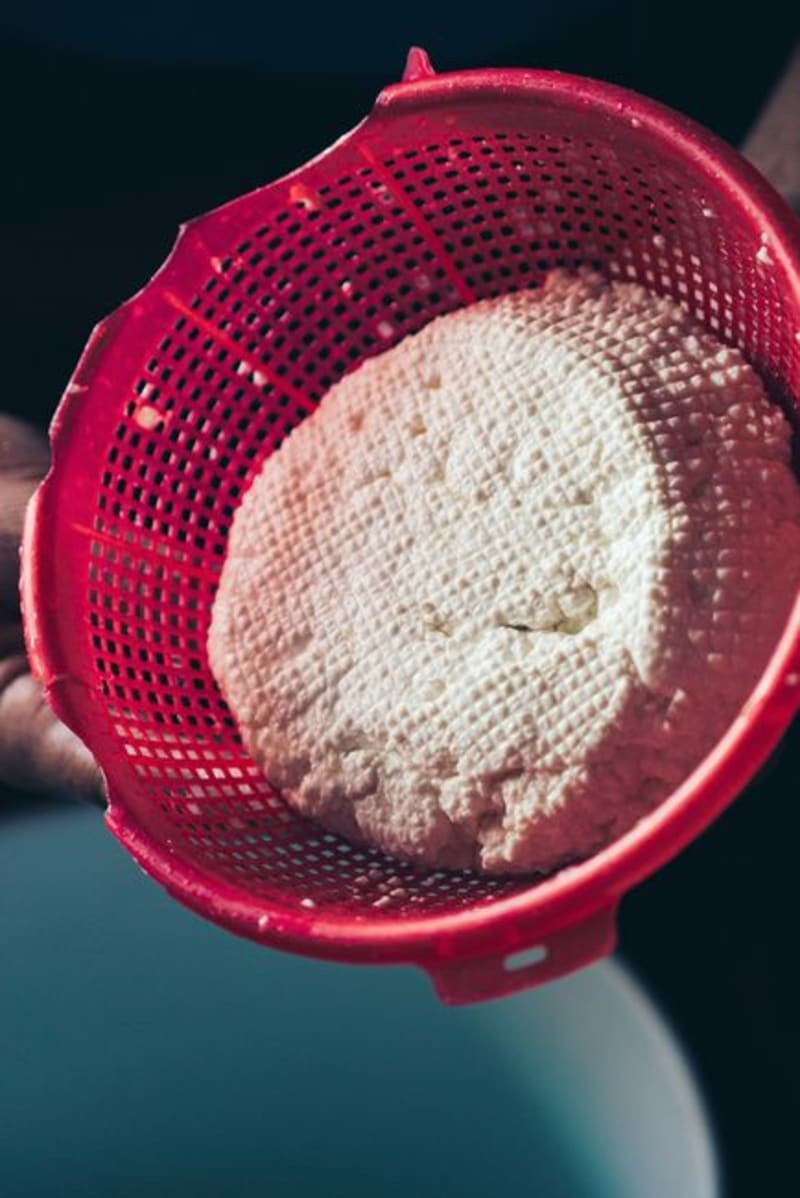 mexico
 Quesería
A foothills village at the base of Volcán de Colima where family operations have been aging ranchero cheese and pressing queso de tuna for generations. The milk comes from cattle grazing on volcanic pasture, and you can taste exactly that — mineral, slightly sweet, unlike anything sold in a supermarket.
Explore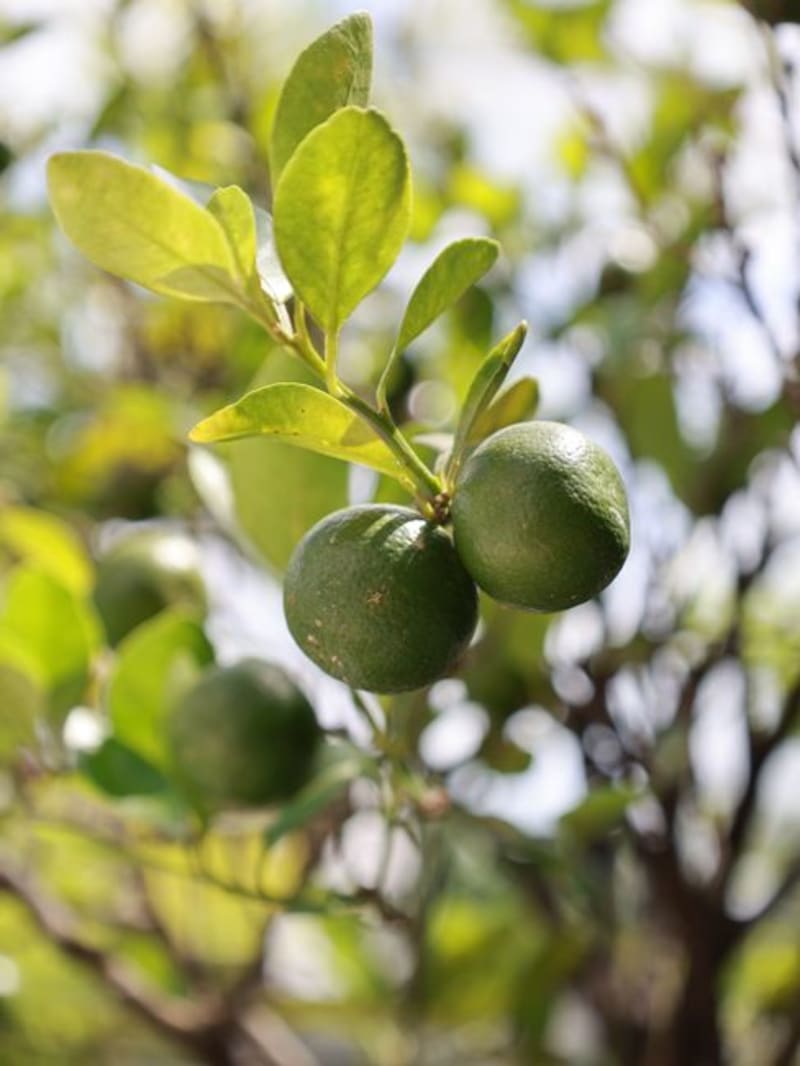 mexico
 Tecomán
Tecomán sits on the coastal plain of southern Colima, ringed by lime orchards that stretch flat to every horizon. It is Mexico's limón capital in more than name — the fruit shapes every plate, every glass, every handshake with a vendor at the market. This is not a city that performs for visitors, which is exactly what makes it worth the detour.
Explore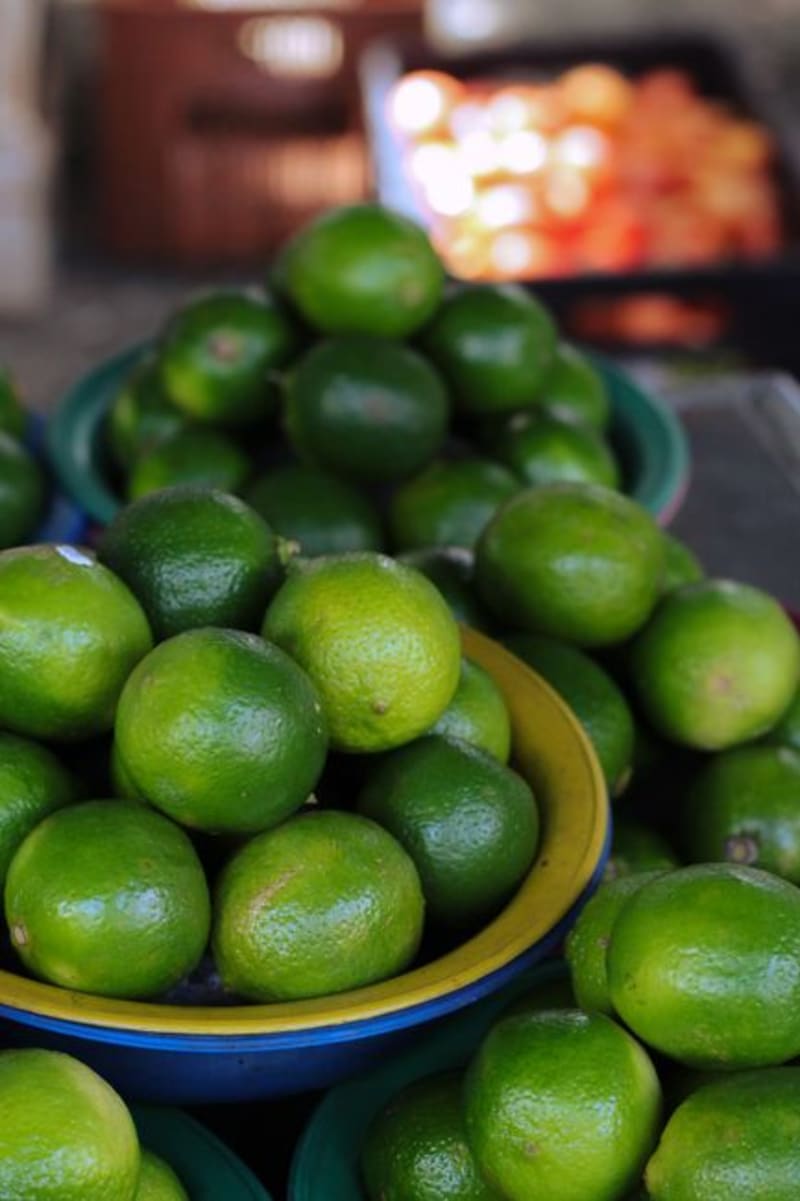 mexico
 Tecomán
Mexico's lime capital in every sense that matters — Tecomán is a working agricultural city in coastal Colima where the citrus groves run to the horizon and the seafood is the kind of honest, unreconstructed cooking that only places without tourists tend to produce. Nobody comes here on purpose, which is exactly why I did.
Explore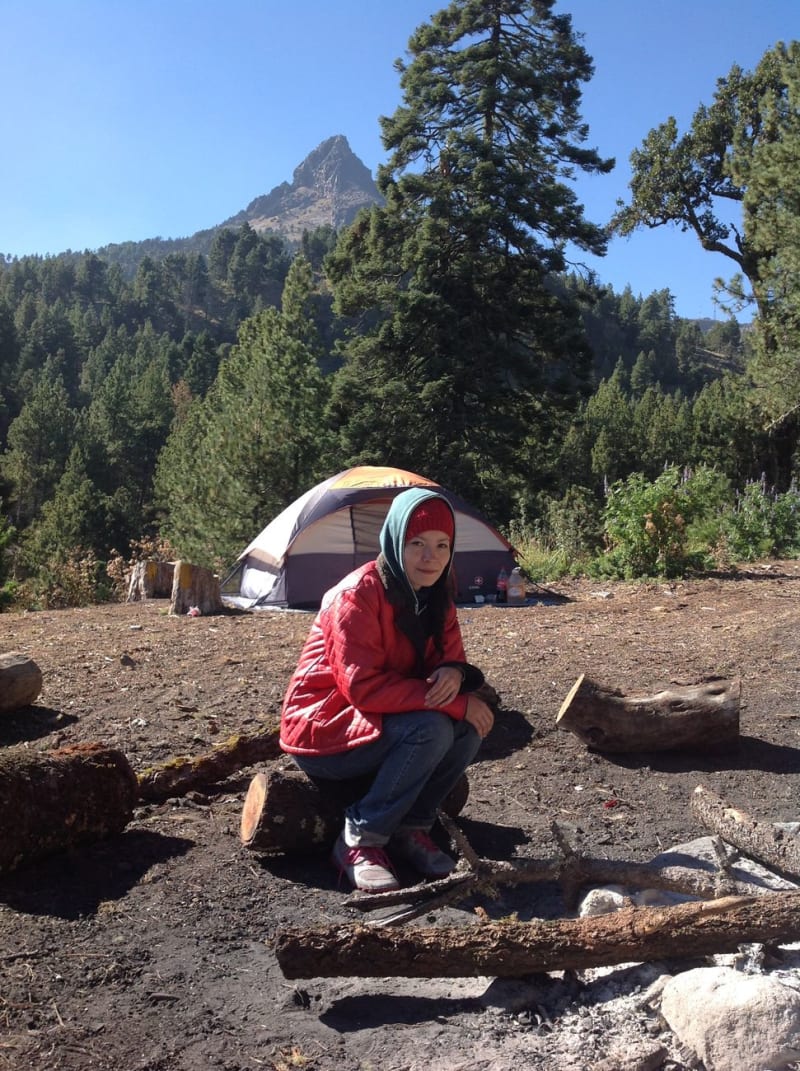 mexico
 Volcán de Colima
The Volcán de Fuego de Colima is the most active volcano in Mexico — eruptions, ash plumes, and occasional lava flows happen routinely enough that the national disaster center monitors it continuously and the surrounding state rehearses its evacuation protocols — and standing on its lower slopes on a clear morning watching steam rise from the summit while birds call in the pine forest above you is one of the more specific experiences available in this country. I did not go close to the summit. I am not an idiot.
ExploreKeep exploring
More from Mexico
 mexico
 Durango
A colonial mining capital in the Sierra Madre foothills where every major Hollywood Western was filmed between 1950 and 1990 — the terrain looked more like the American Southwest than anywhere in the US, and the light was perfect.
Explore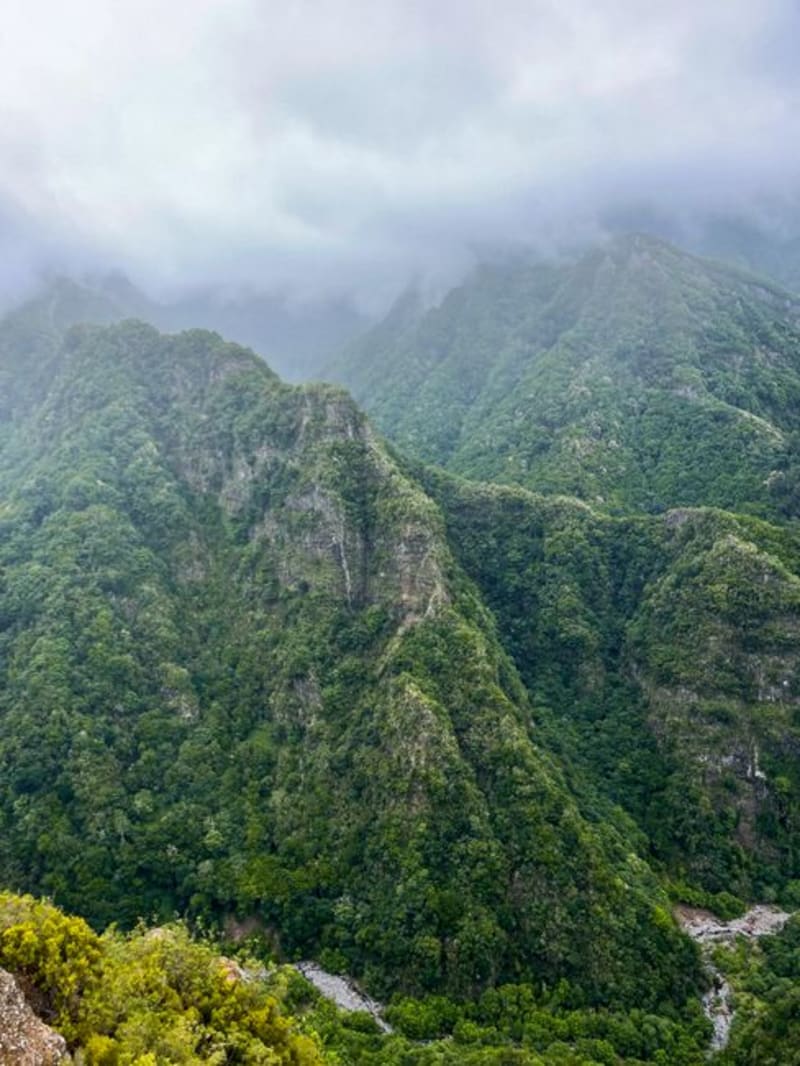 mexico
 El Cielo
A UNESCO biosphere reserve in the Sierra Madre Oriental where the temperate forests of North America collide with Mesoamerican tropics, producing cloud forest at a latitude nobody thinks to look for it. The village of Alta Cima is the base for trails through cedar and oak where resplendent quetzals have been recorded — in Tamaulipas, of all places.
Explore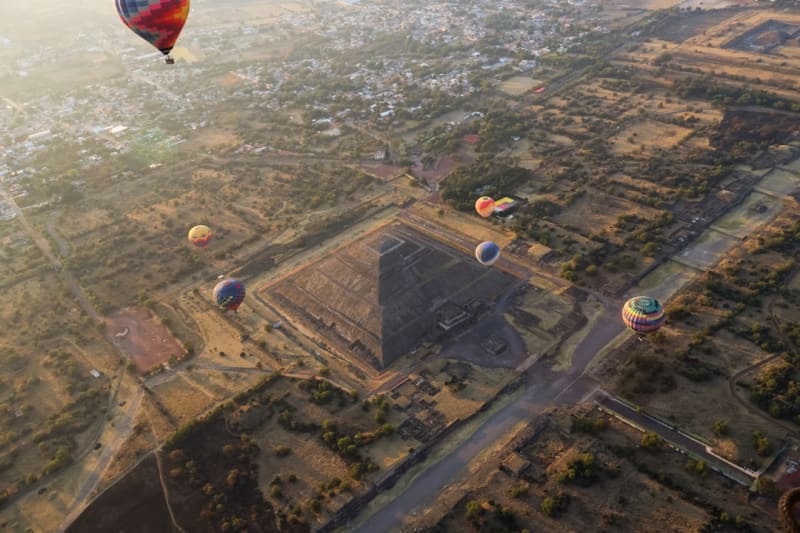 mexico
 Estado de México
The state that surrounds Mexico City on three sides — containing the world's largest pyramid at Cholula's neighbor Teotihuacán, the rock-carved Aztec temple at Malinalco, the sailing lake of Valle de Bravo, and the monarch butterfly forest above them all.
Explore mexico
 Gómez Farías
A Huastec village at the precise altitude where Gulf lowland scrub surrenders to cloud forest, Gómez Farías is the access point for the El Cielo biosphere reserve — one of North America's northernmost quetzal habitats. The ejido guides here know these trails the way they know their own names.
Explore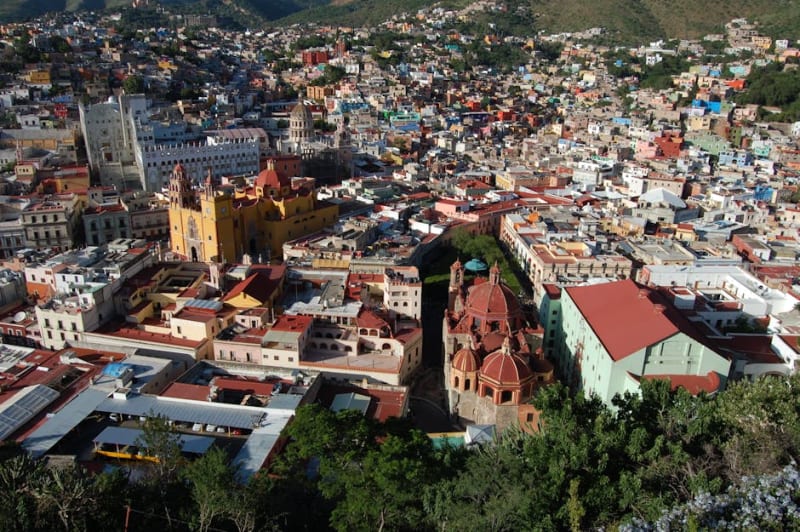 mexico
 Guanajuato
A candy-coloured colonial city built into a ravine, with underground streets, mummy museums, and Mexico's best student-town energy.
Explore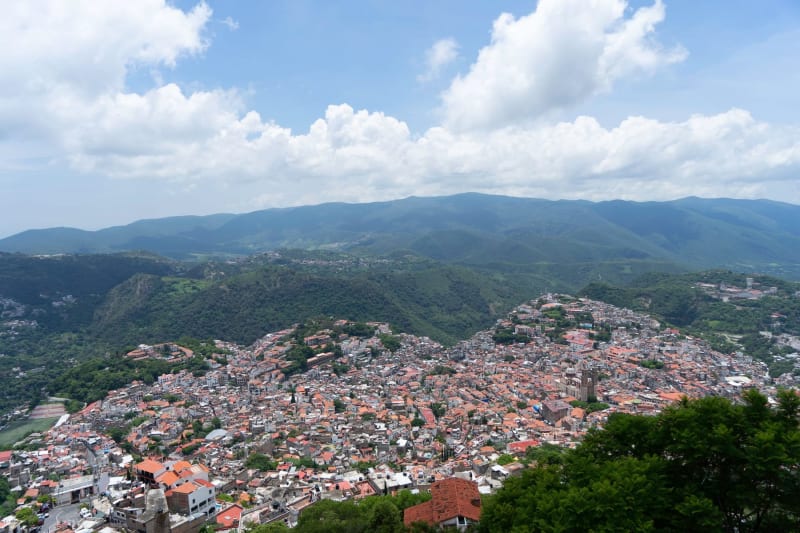 mexico
 Guerrero
A Pacific state that contains three of Mexico's most distinct seaside identities — Taxco's silver in the mountains, Acapulco's faded glamour and cliff divers, and Zihuatanejo's fishing village that refused to become a resort — in a geography of dramatic sierra and tropical coast.
Explore