Coahuila
"The pozas of Cuatro Ciénegas contain organisms that evolved in isolation for 10,000 years. NASA studies them as analogs for life on Mars. The water is the clearest blue I have ever seen in a desert."
A vast Chihuahuan Desert state where dinosaur fossils erode from the badlands, stromatolites (Earth's oldest life forms) grow in the hypersaline pools of Cuatro Ciénegas, and the cotton fields and wine valleys of the north produce the best Cabernet Sauvignon in Mexico.

Coahuila is Mexico’s third-largest state by area and one of the least visited — an enormous territory of Chihuahuan Desert, mountain ranges, cotton valleys, and one of the world’s most scientifically significant desert oases. The state borders Texas along 500 kilometers of the Rio Grande; Piedras Negras sits opposite Eagle Pass, and Ciudad Acuña opposite Del Rio.
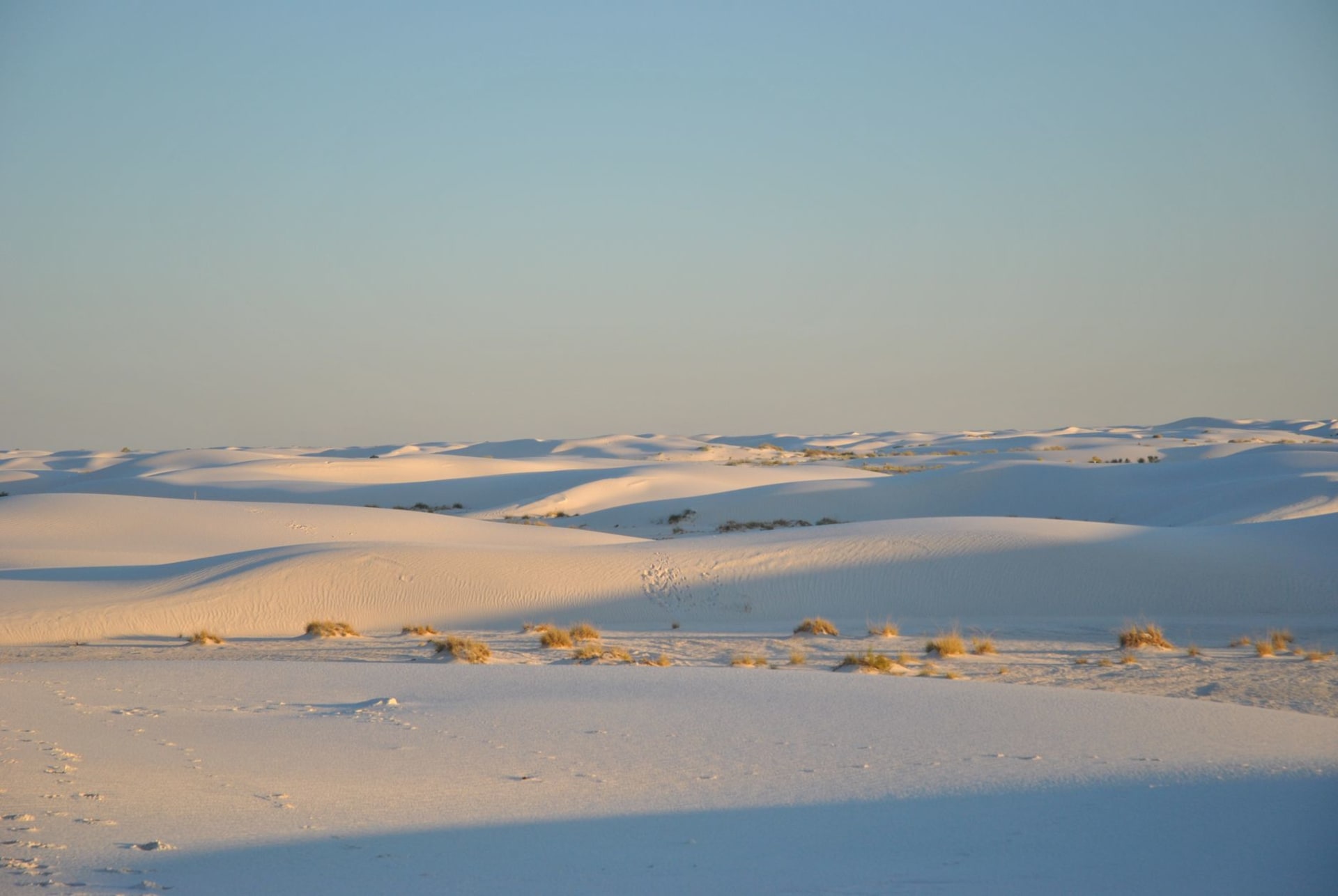
Cuatro Ciénegas (covered separately) — the desert valley in the Sierra de la Paila about 110 kilometers from the city of Saltillo — is an ecological anomaly: a series of 300 pozas (springs, pools, and small rivers) fed by an underground aquifer in the middle of the Chihuahuan Desert, each pool isolated from the others long enough to develop distinct microbial communities. The stromatolites that grow in the pozas’ hypersaline water are living descendants of the dominant life form on Earth for the first 2.5 billion years of the planet’s history; they are rare enough today that NASA studies the Cuatro Ciénegas ecosystem as an analog for early Earth conditions and for environments that might support life on other planets. The water in the pozas ranges from clear turquoise to white (gypsum-clouded) to green (algae-dominated), set against white gypsum dunes.
Saltillo, the capital, is a highland colonial city (1,600 meters altitude, cool and dry) with a strong craft tradition — the Saltillo sarape (the distinctive striped wool blanket) is one of the most recognizable Mexican textile products internationally. The state produces Cabernet Sauvignon and Malbec in the Parras de la Fuente valley — the oldest wine-producing region in the Americas, where wine has been made continuously since 1597.
The Sierra del Carmen range in the northwest is an extension of the Big Bend ecosystem (continuous with Big Bend National Park across the border) and contains one of the best-preserved desert mountain habitats in North America: black bears, golden eagles, mountain lions, and peregrine falcons.
Explore
Places in Coahuila
 mexico
 Acuña
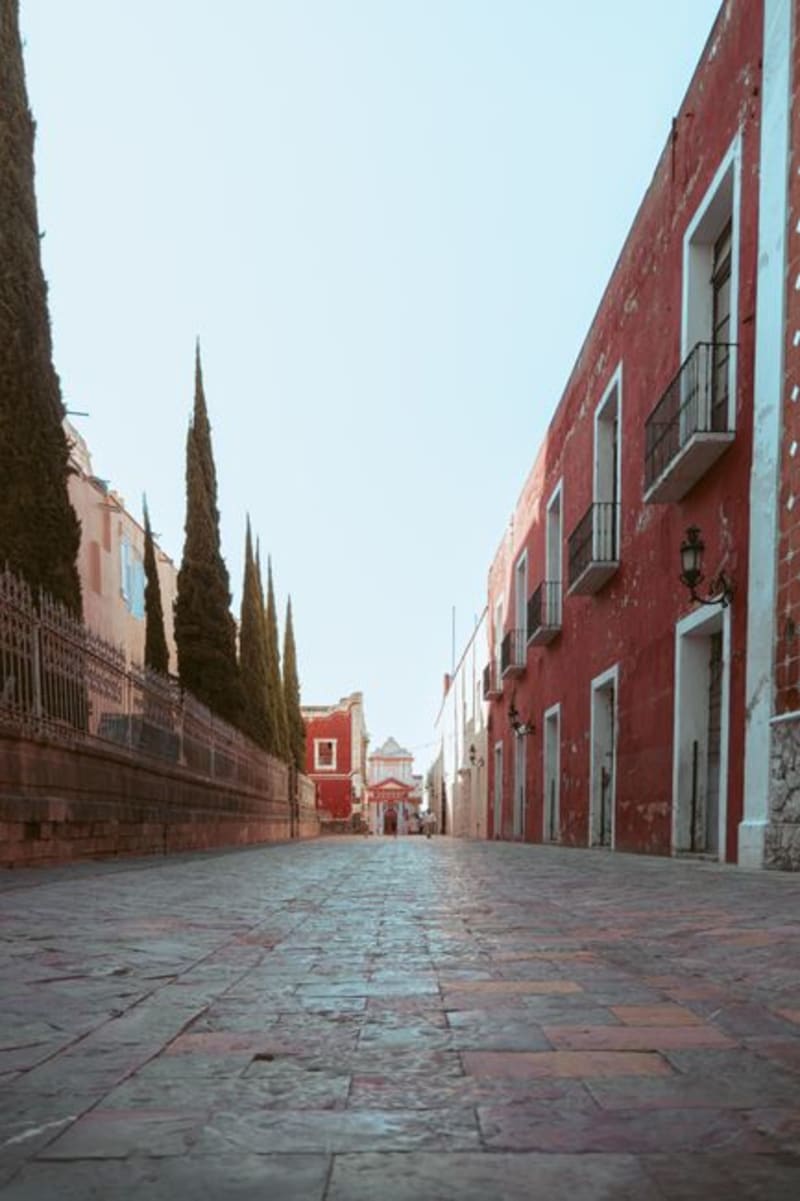
Ciudad Acuña sits across the Río Bravo from Del Río, Texas, in a border zone where the fiction of national separation dissolves into family reunions, shared music, and carne asada smoke drifting between two flags. The plaza runs on a Mexican schedule completely unbothered by what is happening on the other bank, and the scrubland stretching south toward Presa Internacional de la Amistad has an austere beauty that accumulates slowly.
Explore mexico
 Arteaga
Arteaga is a mountain town in the Sierra Madre Oriental that Mexicans call the Switzerland of Mexico, which they also call several other places, but in Arteaga's case the comparison has actual merit: the Cañón de Arteaga drops through limestone walls past apple and peach orchards into pine forest, and the temperature falls fifteen degrees between Saltillo and the canyon floor. I drove the canyon road in November when the apple trees had gone yellow, bought a liter of cider from a roadside stand, and sat on the hood of the car for longer than I planned.
Explore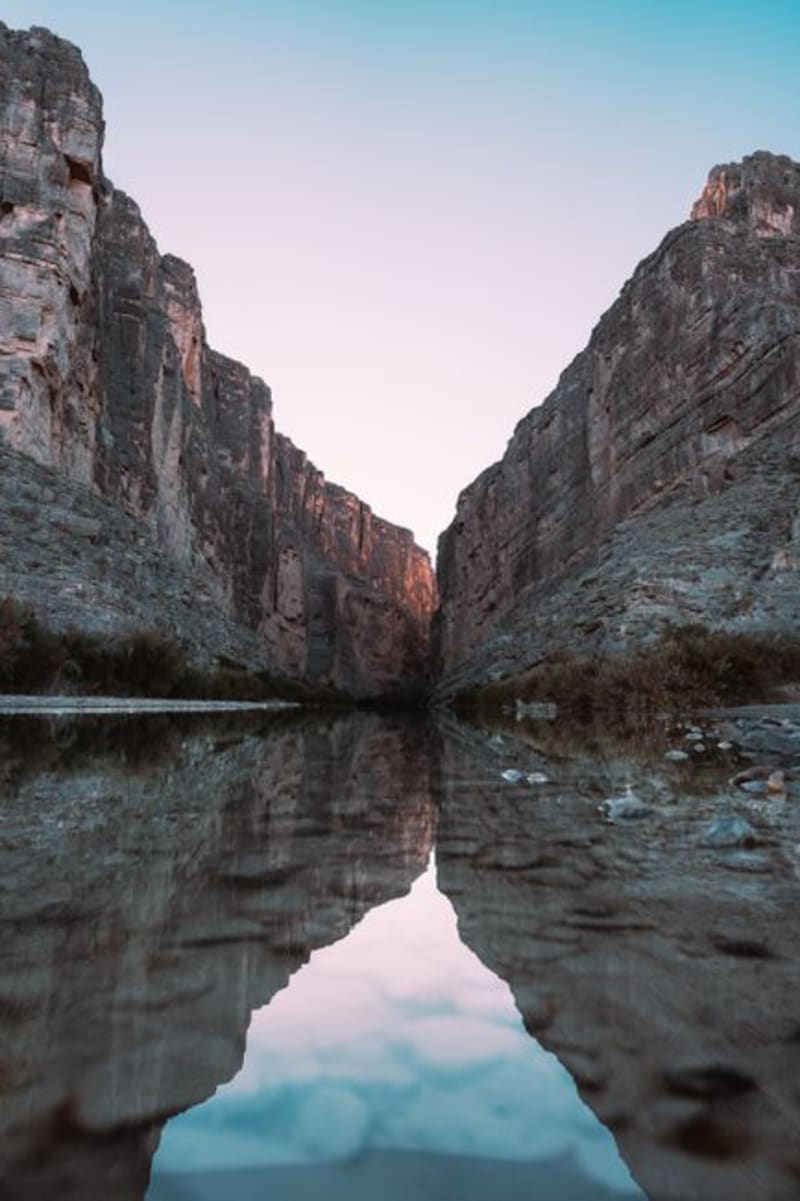 mexico
 Boquillas del Carmen
Boquillas del Carmen is a village of roughly 200 people at the far end of a dirt road through the Coahuila desert, and the smallest official border crossing between Mexico and the United States — one you make by wooden rowboat over the Rio Grande. Villagers sell handmade wire sculptures and embroidered goods on the American bank on an honor-payment system, and the Sierra del Carmen canyon walls cut off afternoon sunlight by three o'clock.
Explore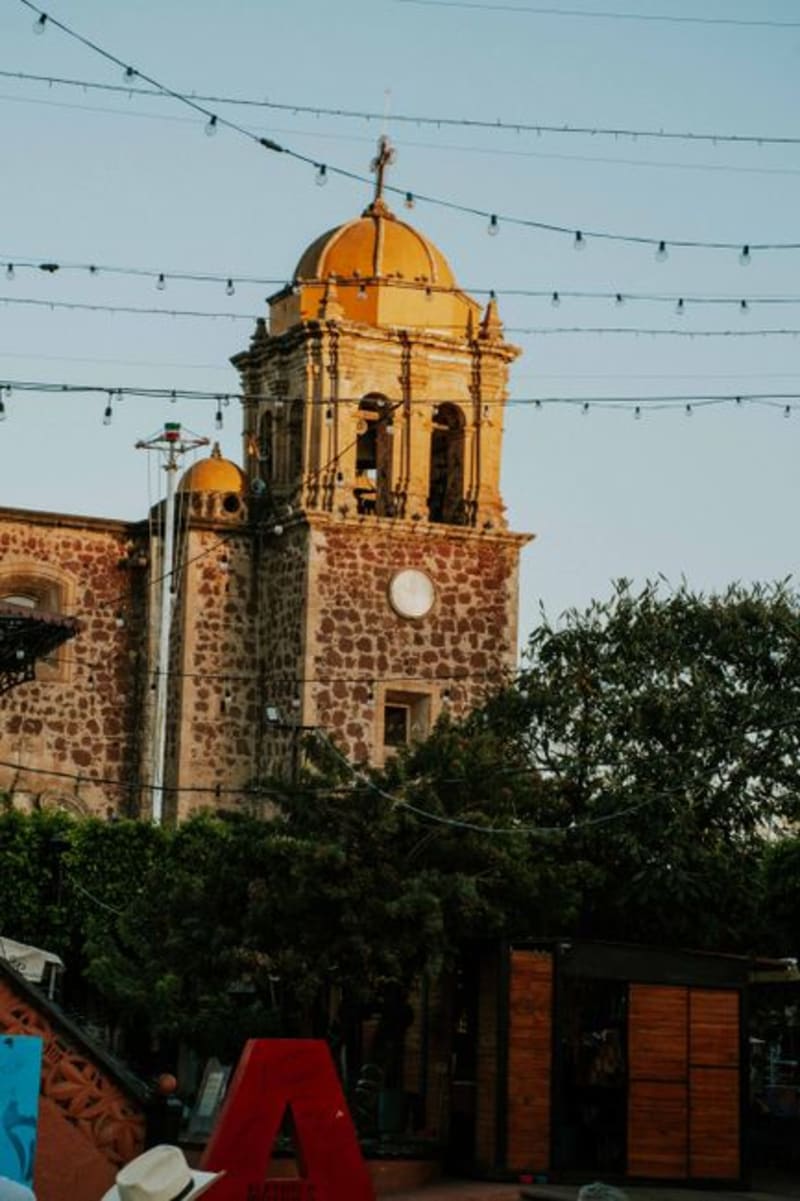 mexico
 Candela
A Pueblo Mágico folded into the Sierra Madre foothills an hour north of Monterrey, Candela earns its designation without ceremony: a 17th-century baroque church anchoring a colonial plaza, and geothermal springs that push water up at 40°C through a landscape that has no business being this lush. Come on a weekday and the balneario is effectively yours.
Explore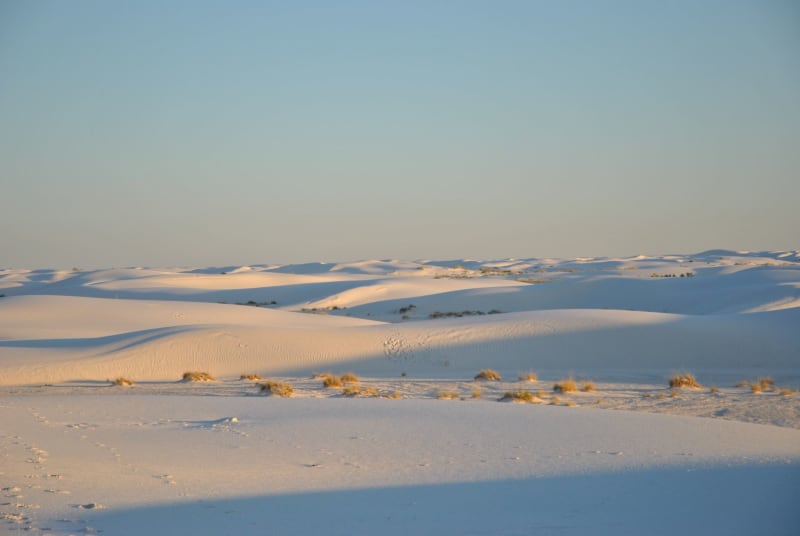 mexico
 Cuatro Ciénegas
A Coahuila desert valley with more endemic species per square kilometer than the Galápagos — gypsum dunes, turquoise pools fed by ancient aquifers, stromatolites (living fossils that oxygenated Earth's atmosphere 3 billion years ago), and almost nobody.
Explore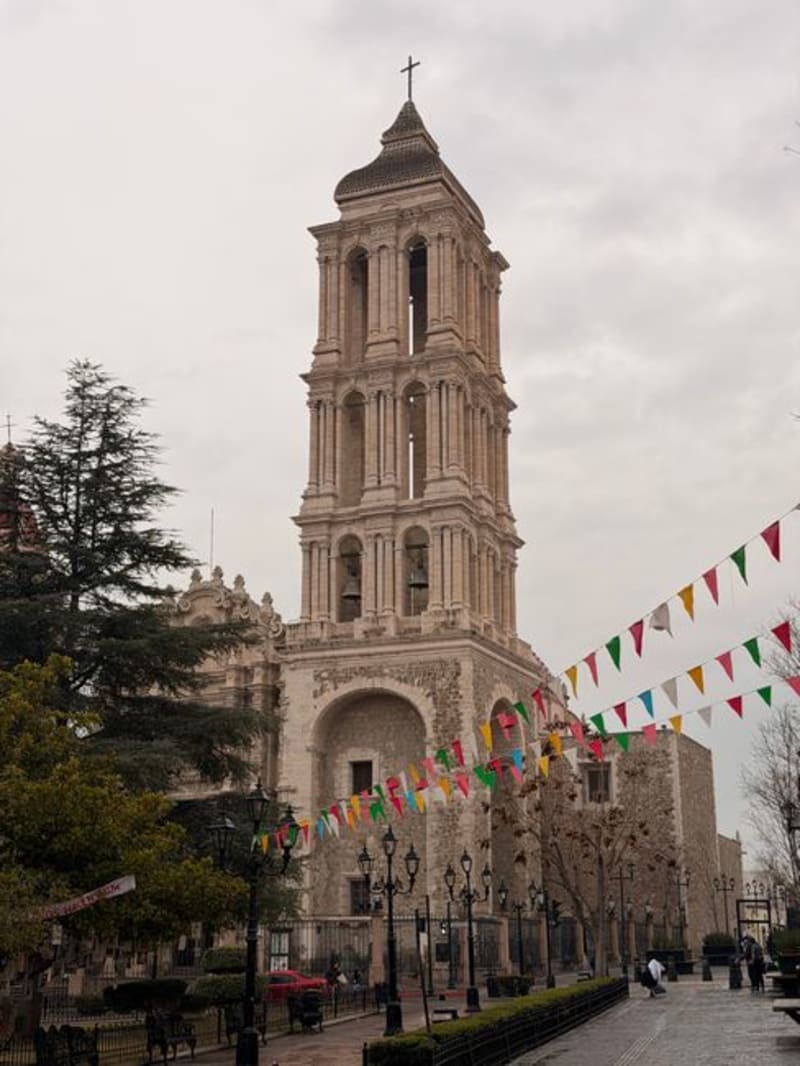 mexico
 General Cepeda
A quiet agricultural town ninety kilometers from Saltillo that sits, with remarkable casualness, atop one of Mexico's richest dinosaur fossil beds. The small paleontology museum holds hadrosaur bones and titanosaur casts from decades of patient excavation in the surrounding cerros. Outside town, the Lomas Blancas — white silica dunes rising from red-rock badlands — make for completely solitary hiking through a landscape that looks borrowed from somewhere else entirely.
Explore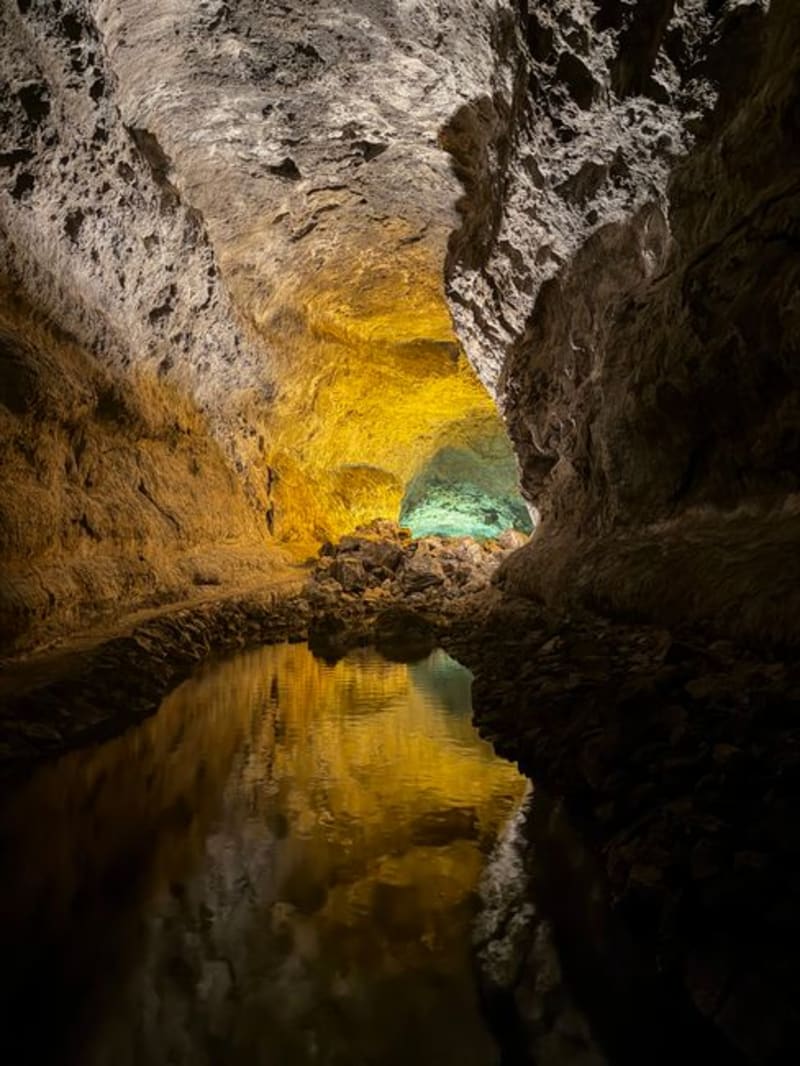 mexico
 Monclova
Monclova is Mexico's steel capital — smokestacks, industry, northern pragmatism. Twenty minutes outside the city, the Cueva de la Candelaria holds around 200 pre-Hispanic mummies still wearing their original textiles, making it one of the most quietly astonishing archaeological sites in the country.
Explore mexico
 Múzquiz
Múzquiz is a coal mining town in northern Coahuila near the Chihuahua border whose surrounding desert landscape starts to look like West Texas in the specific way that borders make territories resemble each other. The Kickapoo — originally Great Plains people who migrated south to Mexico in the nineteenth century — have a reserve near the town of El Nacimiento, and at the Nacimientos del Río San Antonio hot springs rise from the desert floor into natural pools in a limestone canyon. I visited the springs in winter, when the steam rises from the water against the cold desert air, and there was almost no one there.
Explore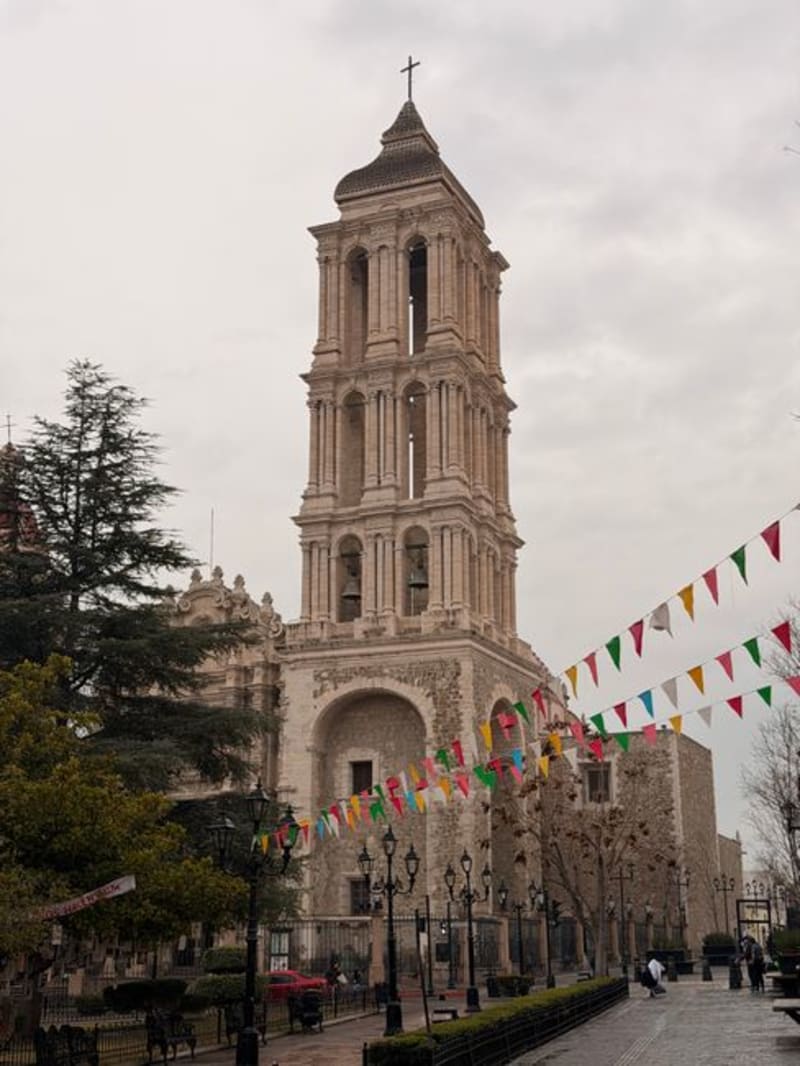 mexico
 Muzquiz
Deep in northern Coahuila, Muzquiz is the traditional homeland of the Kikapoo people and the gateway to the Sierra del Burro — a semi-desert landscape of extraordinary silence that almost no one visits. Coal country on the surface, something far older underneath.
Explore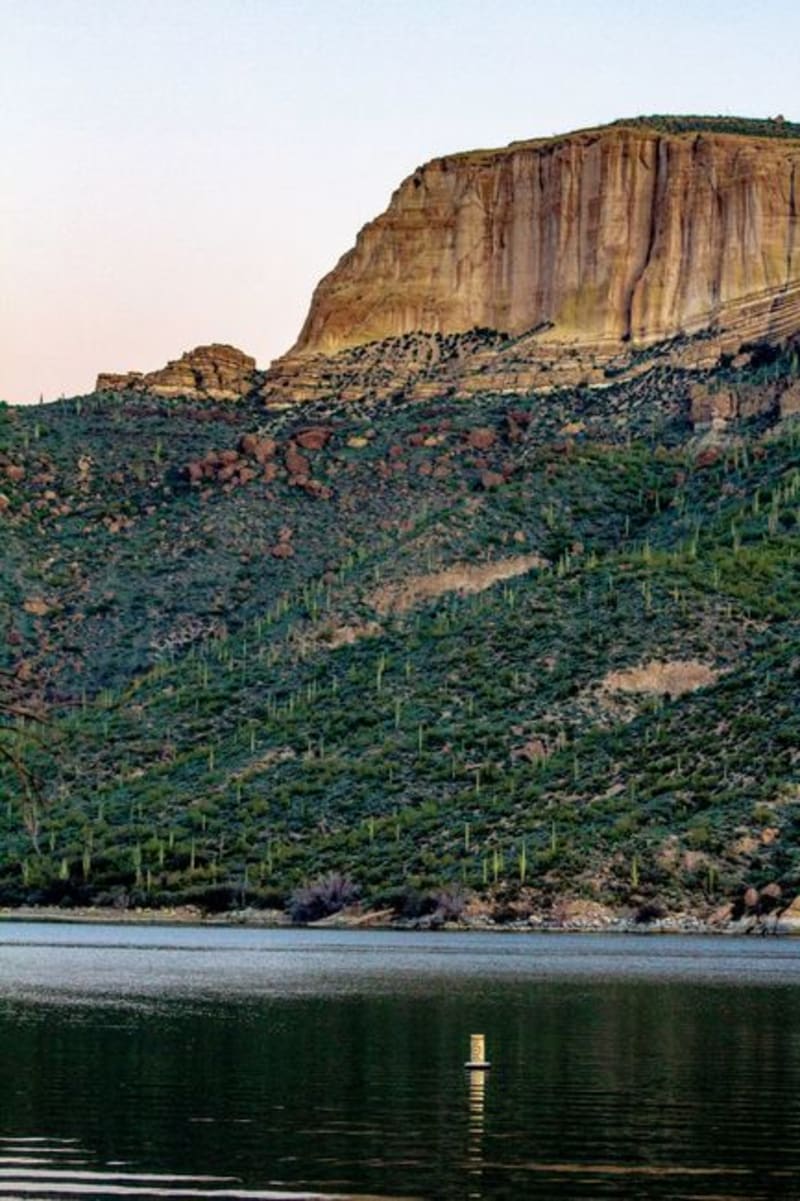 mexico
 Nava
Nava is a quiet Coahuila border town best known as the gateway to Presa Internacional Falcón, a vast binational reservoir shared with Texas and thick with largemouth bass and migratory waterfowl. The town itself asks nothing of you. The reservoir at first light asks everything.
Explore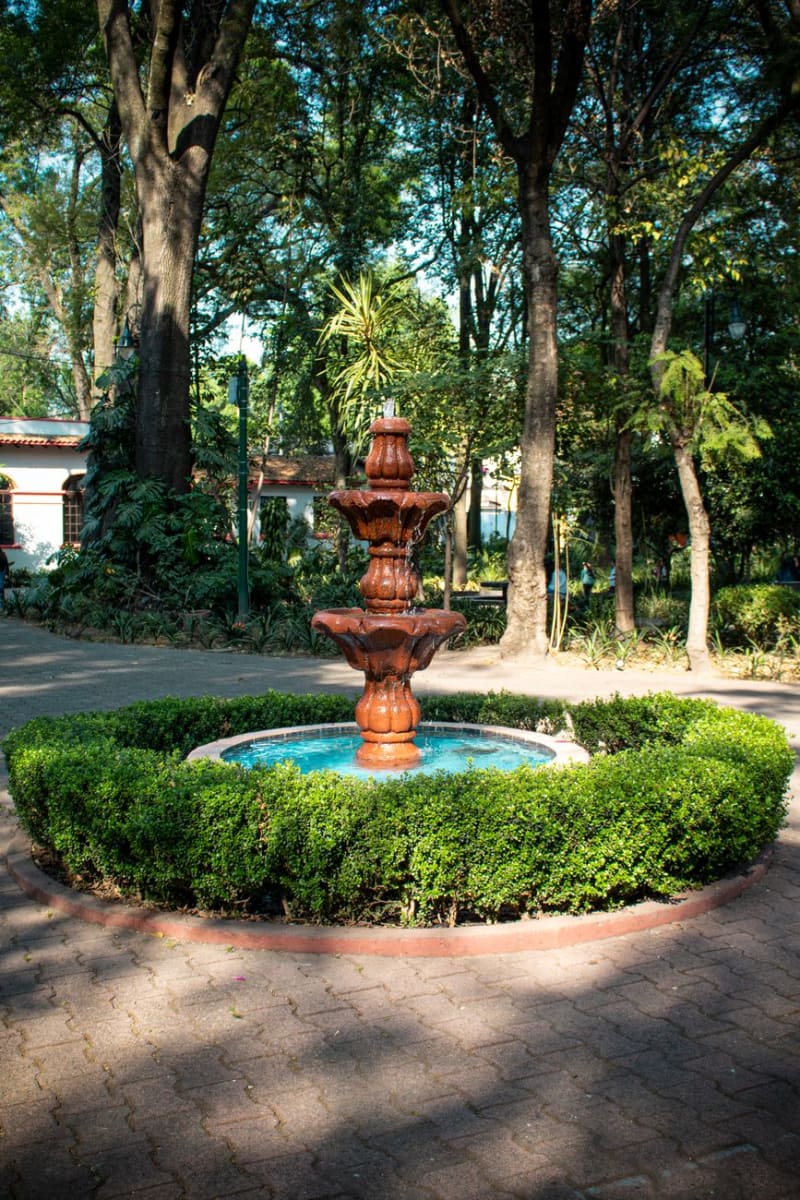 mexico
 Parras de la Fuente
The site of the oldest winery in the Americas — Casa Madero, founded 1597 — a colonial desert town in southern Coahuila where an underground spring feeds four-hundred-year-old vineyards, pecan groves shade the streets, and the wine is genuinely, unexpectedly good.
Explore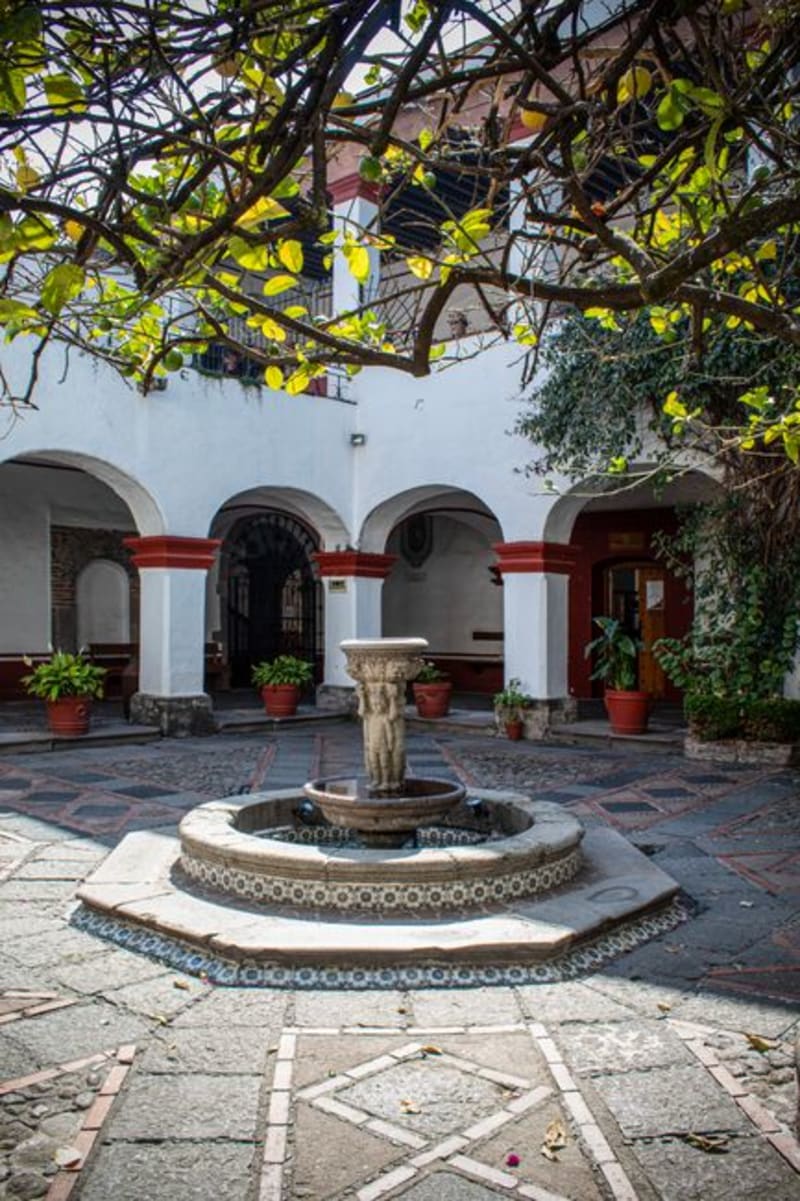 mexico
 Parras de la Fuente
The oldest wine-producing town in the Americas sits in the middle of the Coahuilan desert, shaded by ancient vines and fed by a spring-fed lagoon that makes the whole thing feel slightly impossible. Casa Madero has been making wine here since 1597. The hacienda architecture, the cool water, and the surprisingly good Cabernet make Parras one of northern Mexico's most disarming places.
Explore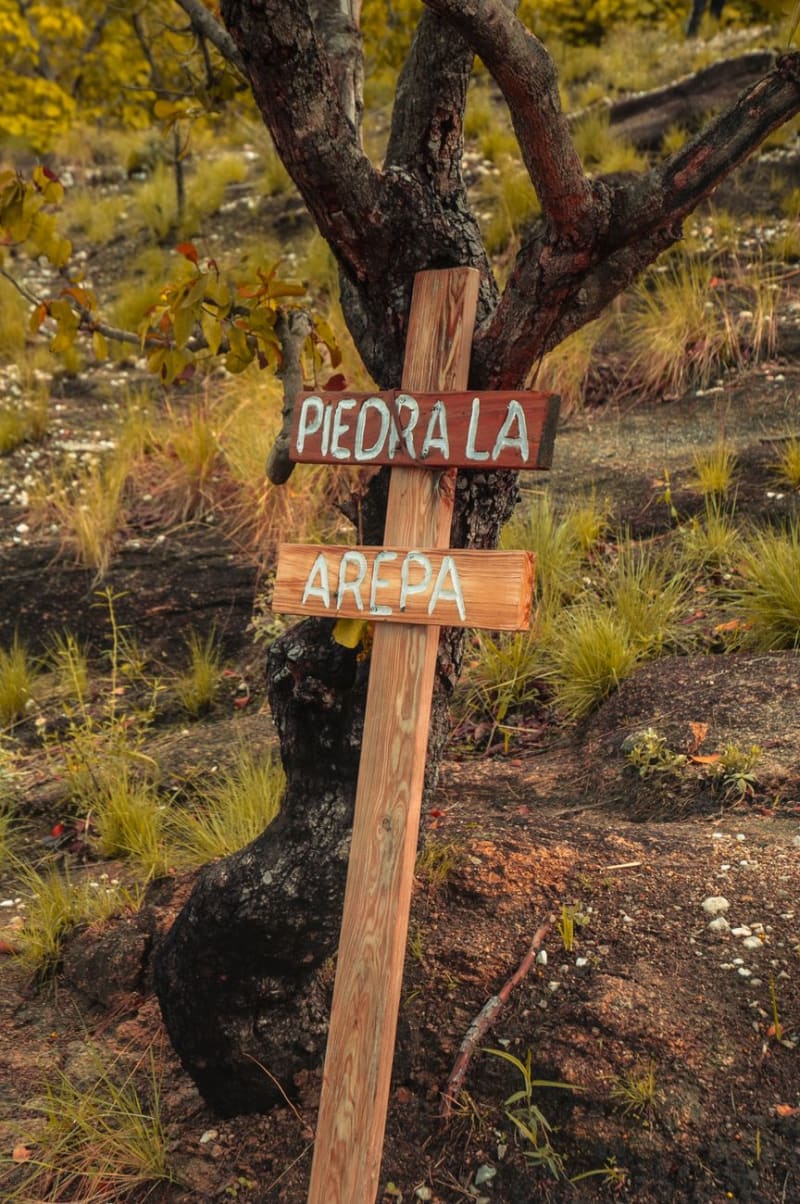 mexico
 Piedras Negras
Piedras Negras is a border city opposite Eagle Pass, Texas, with a disputed but persistent claim to the invention of the nacho — the story involves a maitre d' named Ignacio Anaya, a group of US military wives, and the specific resourcefulness of someone whose kitchen had run out of options in 1943. There is a monument in the city commemorating this. I ate nachos in the city where nachos were invented. They were fine.
Explore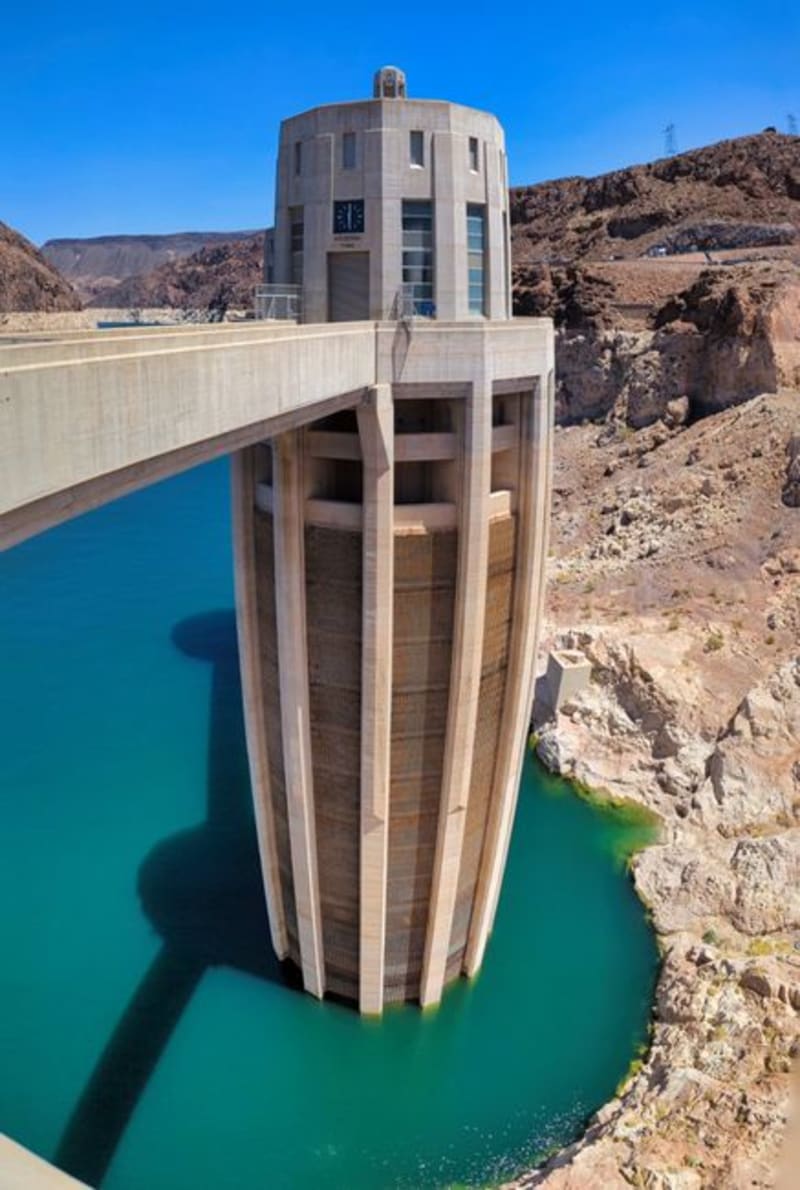 mexico
 Presa de la Amistad
A vast reservoir straddling the Coahuila-Texas border, where the Rio Bravo was dammed and drowned a system of limestone canyons still visible beneath the surface on clear days. Bass fishermen drive six hours from San Antonio for the privilege of being here. The landscape — red canyon walls, creosote flats running to turquoise water — belongs equally to two countries and entirely to neither.
Explore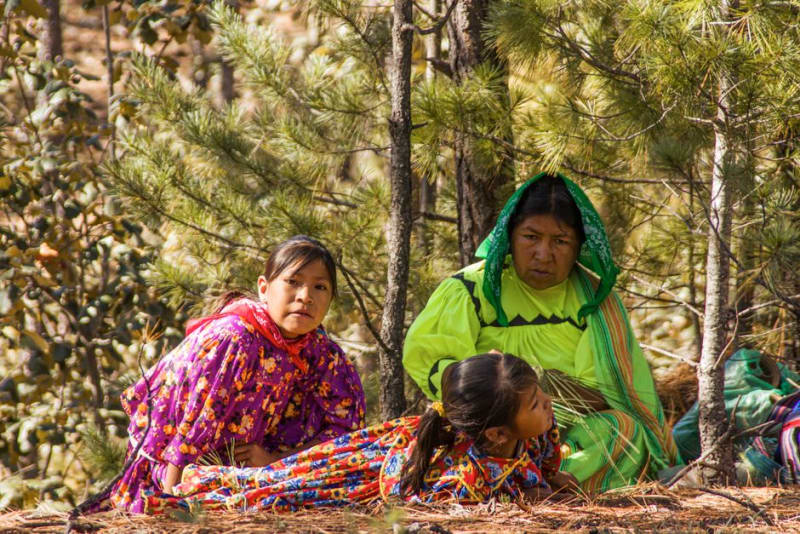 mexico
 Sabinas
Sabinas is a coal town that does not pretend otherwise, but ninety minutes southwest lies El Nacimiento, home to the Kickapoo — a Great Lakes tribe whose forced migrations brought them to the Coahuilan desert two centuries ago. The Río Sabinas running through town is, despite everything, surprisingly lovely.
Explore mexico
 Saltillo
The cool capital of Coahuila at 1,600 meters — origin of the serape and, arguably, of the northern flour tortilla tradition that became the burrito — with a baroque cathedral, a desert natural history museum that is better than it has any right to be, and a proper centro histórico that has been neither touristically packaged nor left to deteriorate.
Explore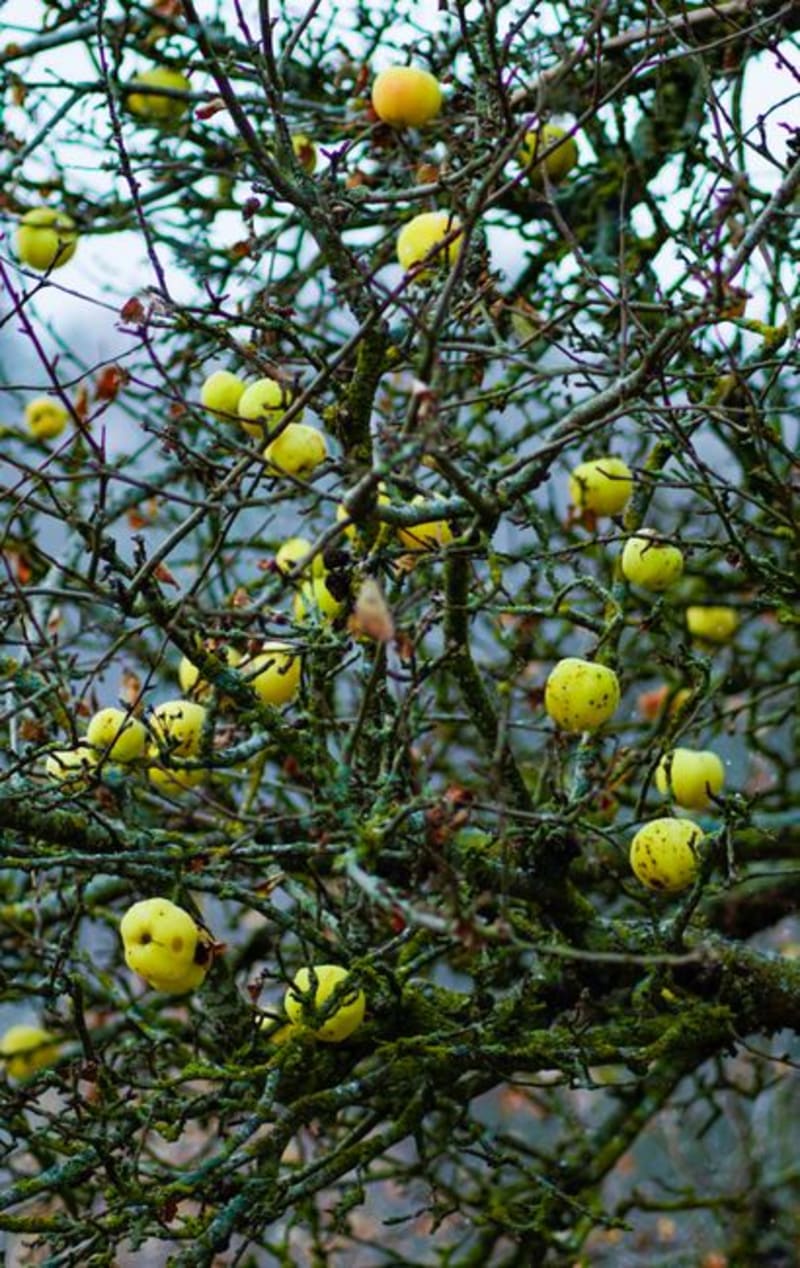 mexico
 Sierra de Arteaga
A high sierra south of Saltillo where apple orchards, canyon trails, and the only ski resort in Mexico share the same mountain air. Villa de Arteaga in October looks implausibly European — red-leafed orchards, stone walls, cold mornings — and the Monterrey weekend crowd that has found it mostly keeps quiet about it.
Explore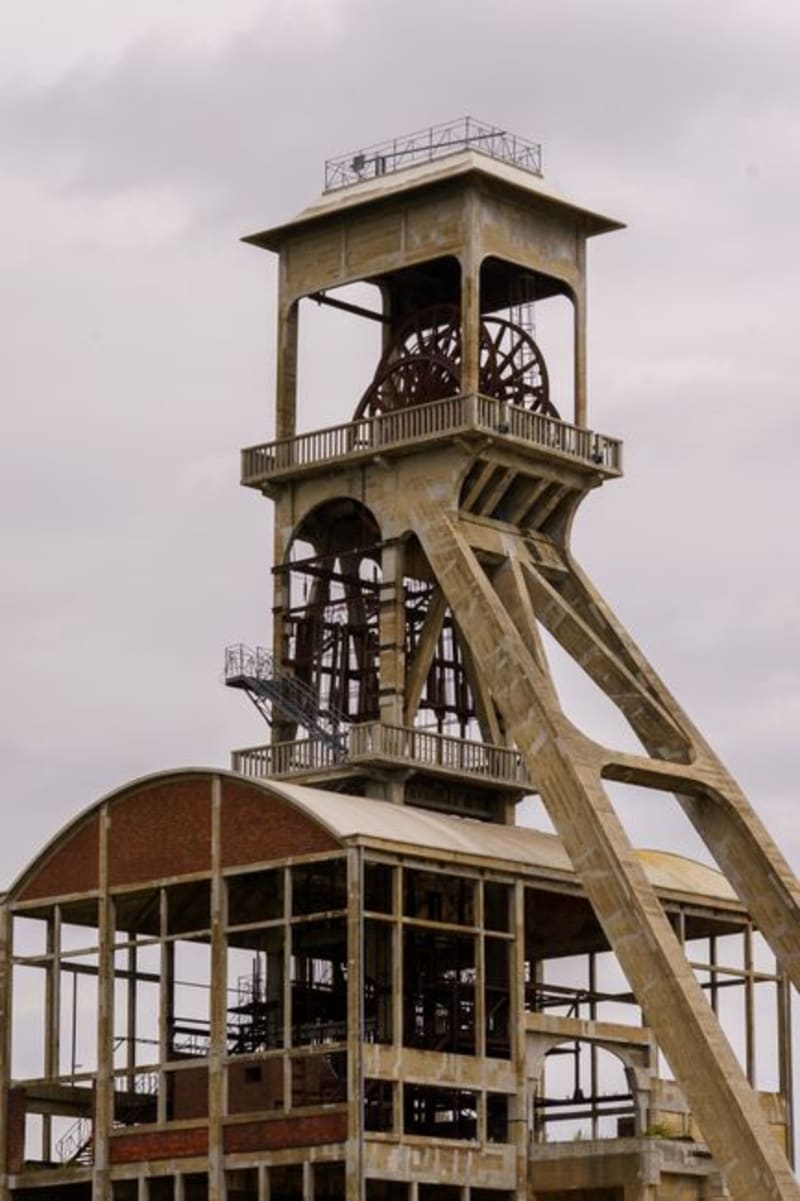 mexico
 Sierra Mojada
Sierra Mojada is a former silver, lead, and zinc mining town at 2,000 metres in the Coahuila desert, its 19th-century stone architecture still standing with quiet, unrestored dignity. Crystal caves a short drive into the sierra hold selenite formations that feel geological and impossible in the same breath. Come for the silence; the place earns it.
Explore mexico
 Torreón
The Laguna region's industrial capital keeps its best qualities quietly — a covered market that rivals any in the north, a centro histórico stacked with early-20th-century ambition in concrete and tile, and vineyards close enough for a half-day escape. Most people pass through on the way to somewhere else. That's the mistake.
Explore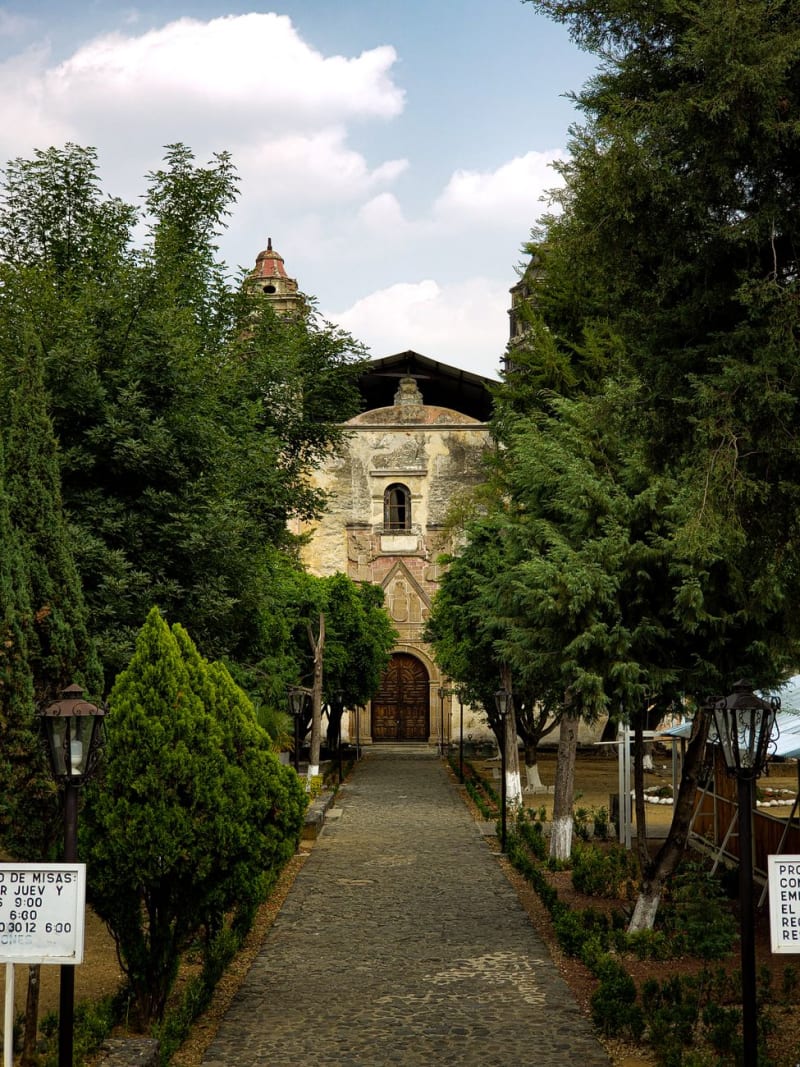 mexico
 Viesca
Viesca is a semi-ghost town in the Coahuilan desert, a hundred and fifty kilometers west of Torreón, where the water table dropped in the twentieth century, the salt industry declined, and perhaps a third of the original buildings were abandoned in place — their walls still standing, roofless, with desert scrub growing through the floors. The remaining residents, a few hundred of them, carry on with an active plaza and a school with children in it, and the abandoned buildings press directly against the occupied ones in a way that concentrates the mind considerably.
Explore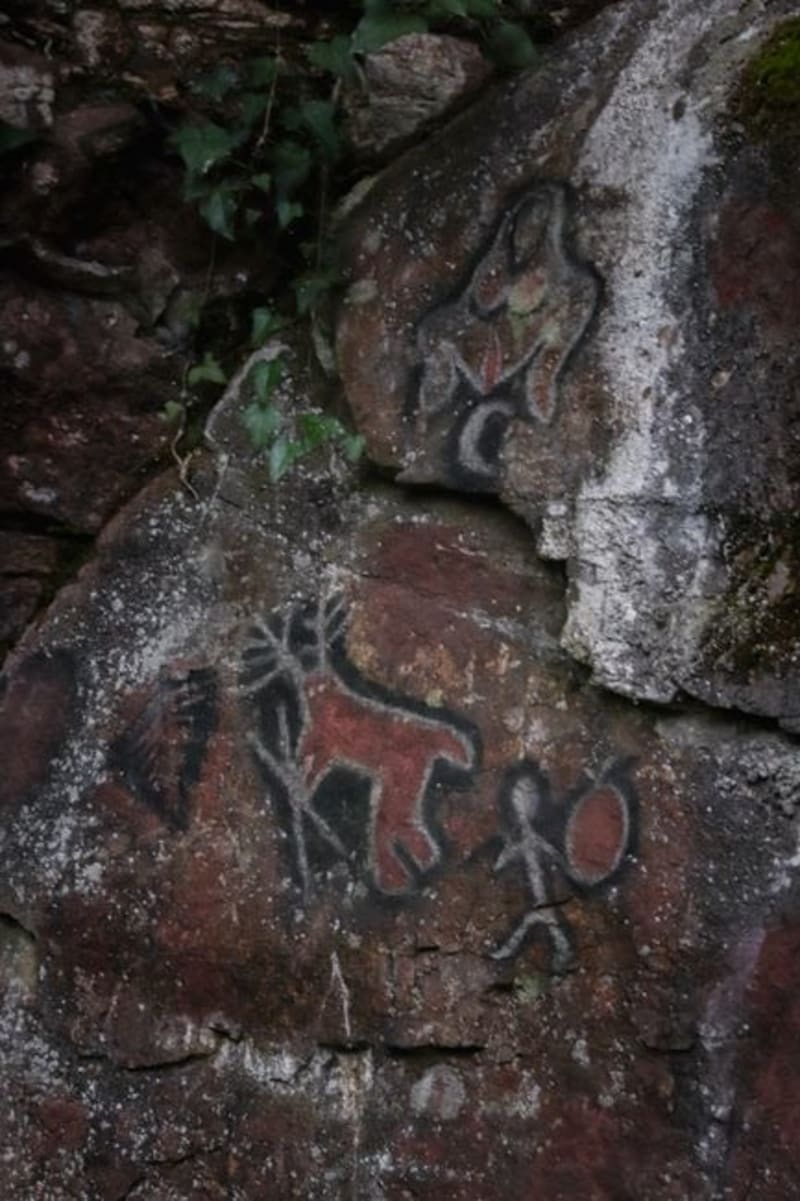 mexico
 Zaragoza Archaeological Zone
In the foothills of Coahuila's Sierra de la Gloria, a remote rock shelter preserves hundreds of prehistoric paintings — hunters, deer, abstract symbols — in shades of red and ochre that have outlasted every civilization since. Among the least-visited significant archaeological sites in northern Mexico, it rewards the rare traveler willing to make the drive.
ExploreKeep exploring
More from Mexico
 mexico
 Colima
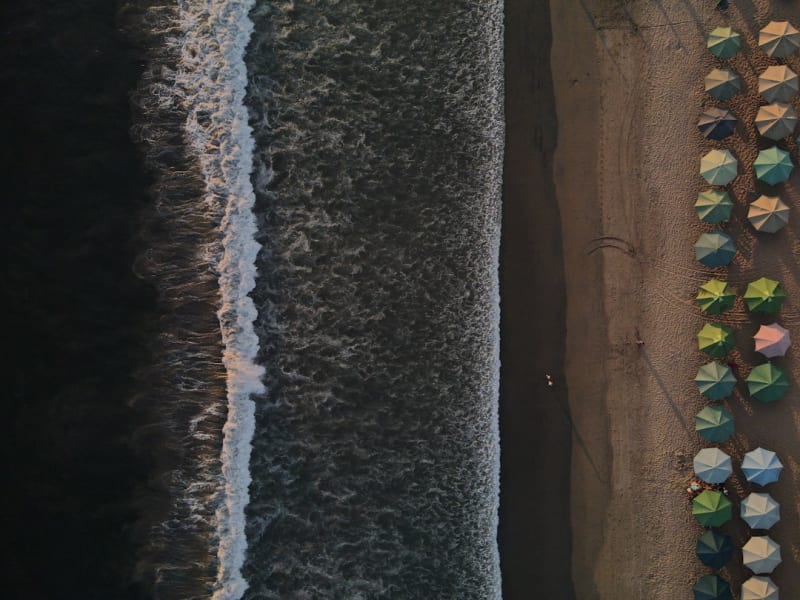
Mexico's smallest mainland state — an active volcano that glows at night, the quiet colonial town of Comala known as the White City, the port of Manzanillo where the Pacific trade arrives, and a climate mild enough that the ancient inhabitants planted the first domesticated dogs here.
Explore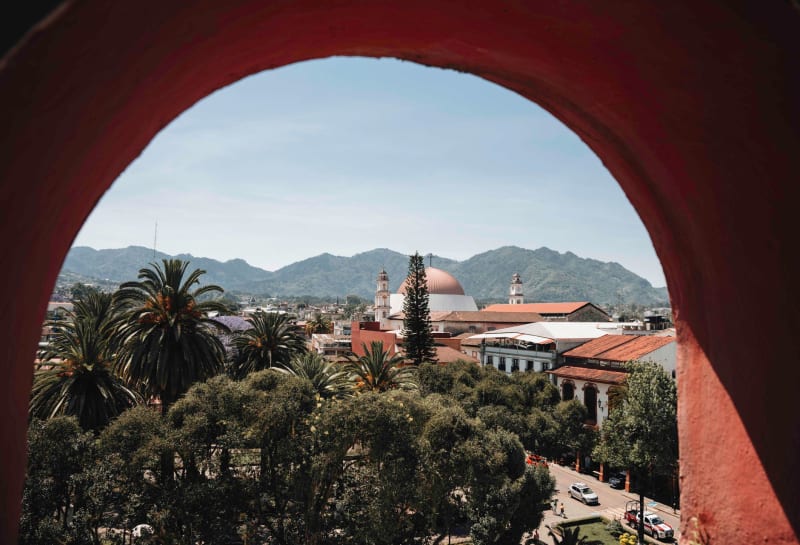 mexico
 Durango
A colonial mining capital in the Sierra Madre foothills where every major Hollywood Western was filmed between 1950 and 1990 — the terrain looked more like the American Southwest than anywhere in the US, and the light was perfect.
Explore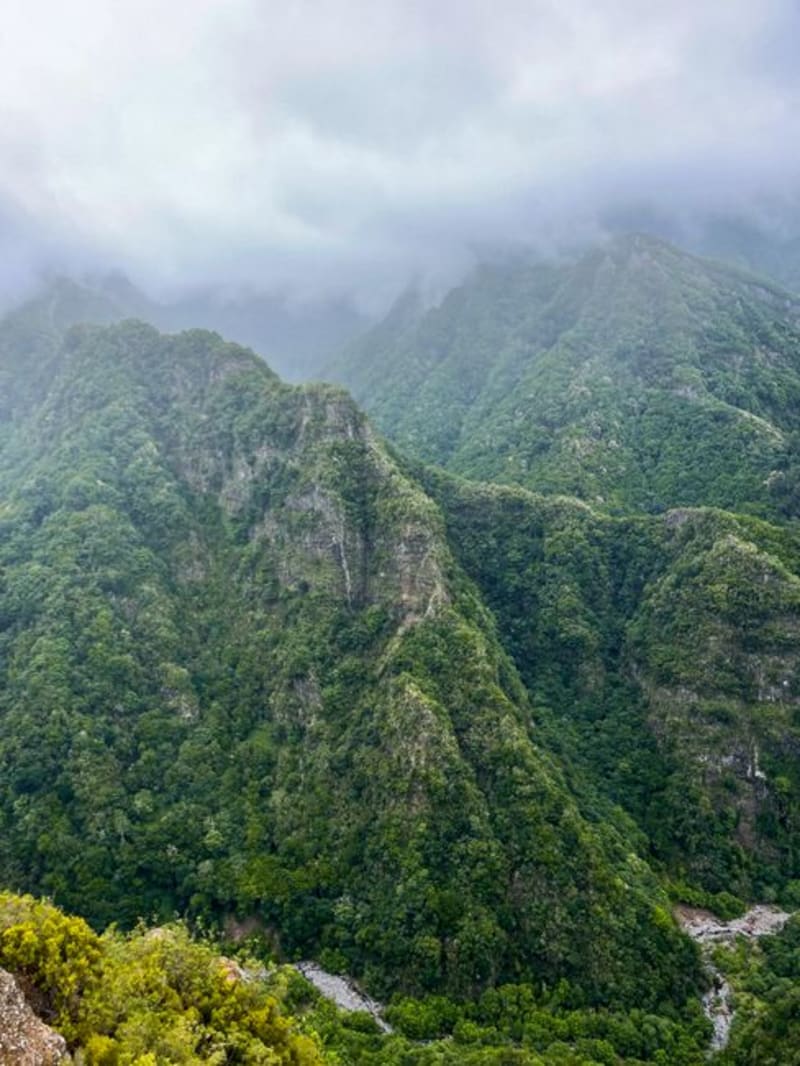 mexico
 El Cielo
A UNESCO biosphere reserve in the Sierra Madre Oriental where the temperate forests of North America collide with Mesoamerican tropics, producing cloud forest at a latitude nobody thinks to look for it. The village of Alta Cima is the base for trails through cedar and oak where resplendent quetzals have been recorded — in Tamaulipas, of all places.
Explore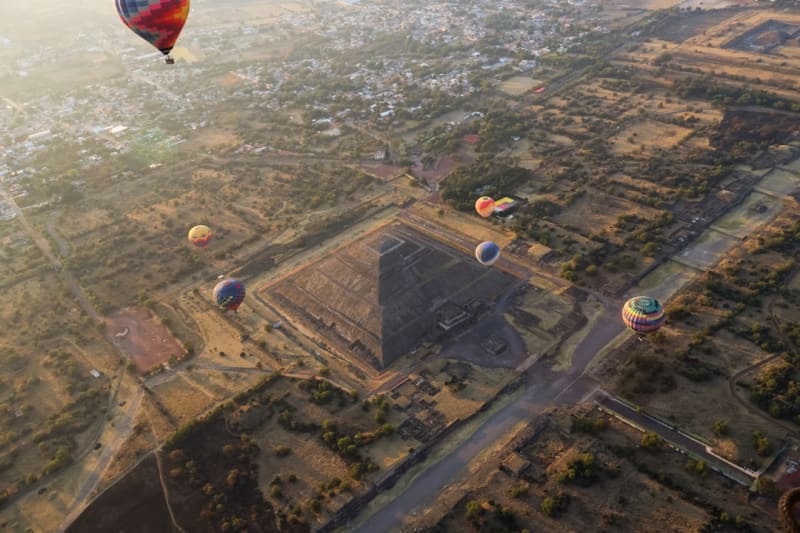 mexico
 Estado de México
The state that surrounds Mexico City on three sides — containing the world's largest pyramid at Cholula's neighbor Teotihuacán, the rock-carved Aztec temple at Malinalco, the sailing lake of Valle de Bravo, and the monarch butterfly forest above them all.
Explore mexico
 Gómez Farías
A Huastec village at the precise altitude where Gulf lowland scrub surrenders to cloud forest, Gómez Farías is the access point for the El Cielo biosphere reserve — one of North America's northernmost quetzal habitats. The ejido guides here know these trails the way they know their own names.
Explore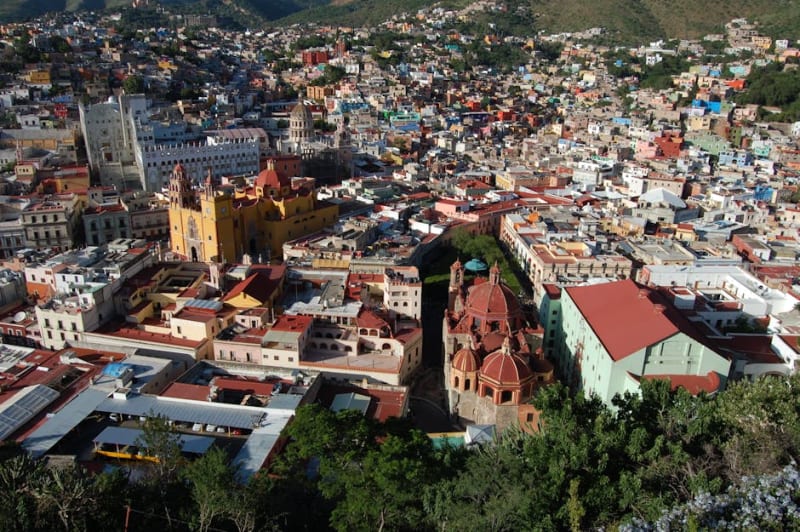 mexico
 Guanajuato
A candy-coloured colonial city built into a ravine, with underground streets, mummy museums, and Mexico's best student-town energy.
Explore