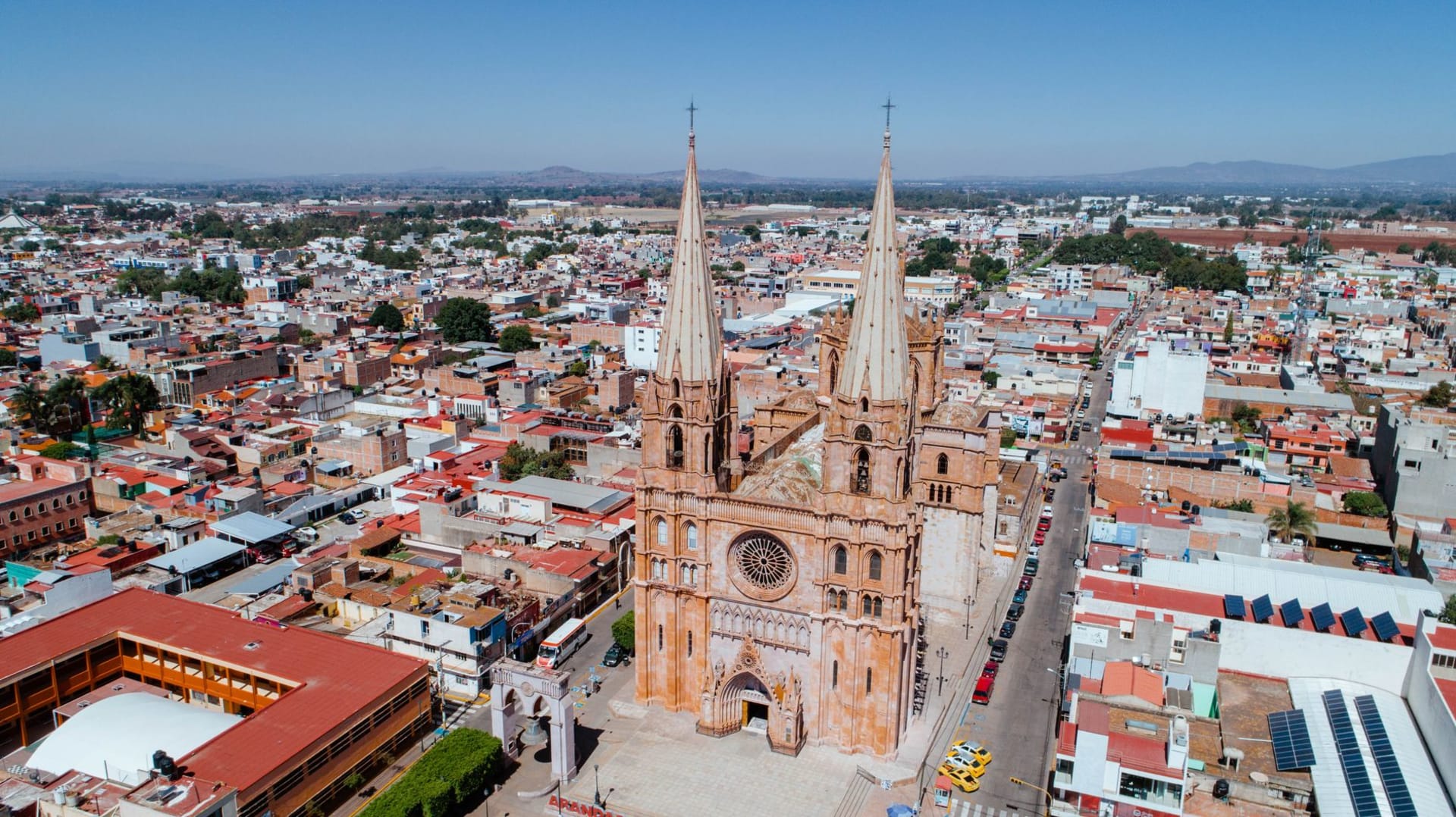
Molango
"Two hours of road and two thousand meters of altitude, and I stepped out of the car into heat I had almost forgotten existed."
Molango is a Pueblo Mágico on a ridge in the Huasteca Hidalguense, looking out over a valley so green it seems to belong to a different country than the dry plateau of central Hidalgo. The sixteenth-century Augustinian ex-convent anchors the colonial center, and the surrounding sierra is vanilla country — the vines grow here as they do in Veracruz, in the shade of taller trees. The drive down from Pachuca alone justifies the trip: two hours of road that drops through four ecological zones without stopping.

I drove from Pachuca to Molango in March, which means I drove from the cold dry plateau into the tropics in about two hours, which is the kind of thing Mexico does that still catches me off guard after years here. You leave Pachuca at 2,400 meters in the scrub — the landscape of maguey and grey rock and the particular austerity of the high Hidalgo plain — and you begin descending through dry forest that gradually becomes less dry, then into a zone where cloud appears at road level, and then the vegetation shifts to something tropical and aggressive, the trees getting bigger and more various, epiphytes appearing on the branches, and by the time you reach Molango at around 800 meters you are in a completely different ecosystem from the one you left two hours ago.
This is one of the great drives in the Mexican republic. I want to be specific about that. It is not scenic in the postcard sense — there are no dramatic cliffs or photogenic ruins. It is something better: a complete ecological biography of a mountain range, descending from the highland plateau through the pine belt into cloud forest into tropical sierra without stopping. I have done it twice now and I take it differently each time.
The Town on the Ridge
Molango sits on a ridge above the Río Malila valley with views across a deep green landscape that has no winter — the trees are always this green, the valley always this hazy with humidity. The town is small, a few thousand people, organized around the main plaza in the way that Mexican towns organize themselves, with the sixteenth-century Augustinian ex-convent occupying the dominant position.
The ex-convent is large for a town this size, which is a characteristic of Augustinian missions in general — the order built big in Mexico, partly from conviction and partly from competition with the Dominicans and Franciscans who were doing the same thing in adjacent territories. The stone facade is weathered in the specific way that humid mountain stone weathers: mossy at the joins, the ornamental carved work softened by four centuries of cloud. The cloister inside is in partial restoration and you can walk through the open sections, getting a sense of the scale the Augustinians were working at.
I arrived in March and the jacaranda in the plaza was at peak bloom — the specific purple that makes your eyes do something unexpected, that blue-violet range that doesn’t occur much in nature at that intensity. Against the green of the valley visible below and the stone grey of the convent, it was a combination I couldn’t quite file away as ordinary. I stood in the plaza longer than was strictly necessary and felt no guilt about it.

Vanilla Country and the Weekend Market
The Huasteca Hidalguense is part of Mexico’s vanilla-growing region — vanilla is native to Mexico, and while Veracruz gets most of the attention as the production center, Hidalgo’s humid sierra is part of the same agricultural zone. The vanilla orchid grows as a vine in the shade of larger trees, the pods taking nine months to develop after flowering.
I did not know this about Molango before I arrived. I learned it from a woman at the weekend market who sold me a bundle of dried vanilla pods for a price that made me aware of how much markup exists between here and the spice aisle of a French supermarket. She explained the cultivation in terms that assumed I knew nothing about botany, which was accurate, and I came away with three bundles of pods and a partial education.
The market runs on Saturday mornings in the plaza and on the surrounding streets — produce from the surrounding slopes, chiles from the Huasteca lowlands, the herbs and fruits of the tropical sierra. At a food stall I ate zacahuil, the enormous tamal of the Huasteca: a large communal thing cooked overnight in a pit, served in pieces wrapped in banana leaf, the masa colored red from chile and the filling as tender as anything slow-cooked deserves to be. It is not a delicate dish. I ate it standing up at a market table at nine in the morning and it was entirely the right choice.
Getting There and the Descent
The bus from Pachuca takes about two and a half hours and runs several times a day. If you are driving, leave Pachuca in the morning so you descend with the light improving — the valley below Molango is at its most dramatic in the hours before noon, when the mist begins to burn off and the green deepens into something that photographs cannot quite reproduce.
Molango repays a night rather than a day trip. The evenings are warm in a way the high plateau is not, and sitting at the edge of the ridge after dark with the valley invisible below you and the temperature something subtropical is a specific experience worth having. The town has small hotels and guesthouses sufficient for this purpose. None of them are expensive; none of them are attempting to be boutique.
The return drive to Pachuca — the same road in reverse, now climbing — is, if anything, more dramatic than the descent, because you watch the vegetation change in the direction of increasing austerity, the tropical abundance contracting back into the dry plateau you started from.

Keep exploring
More of Hidalgo
Keep exploring
More from Hidalgo
 mexico
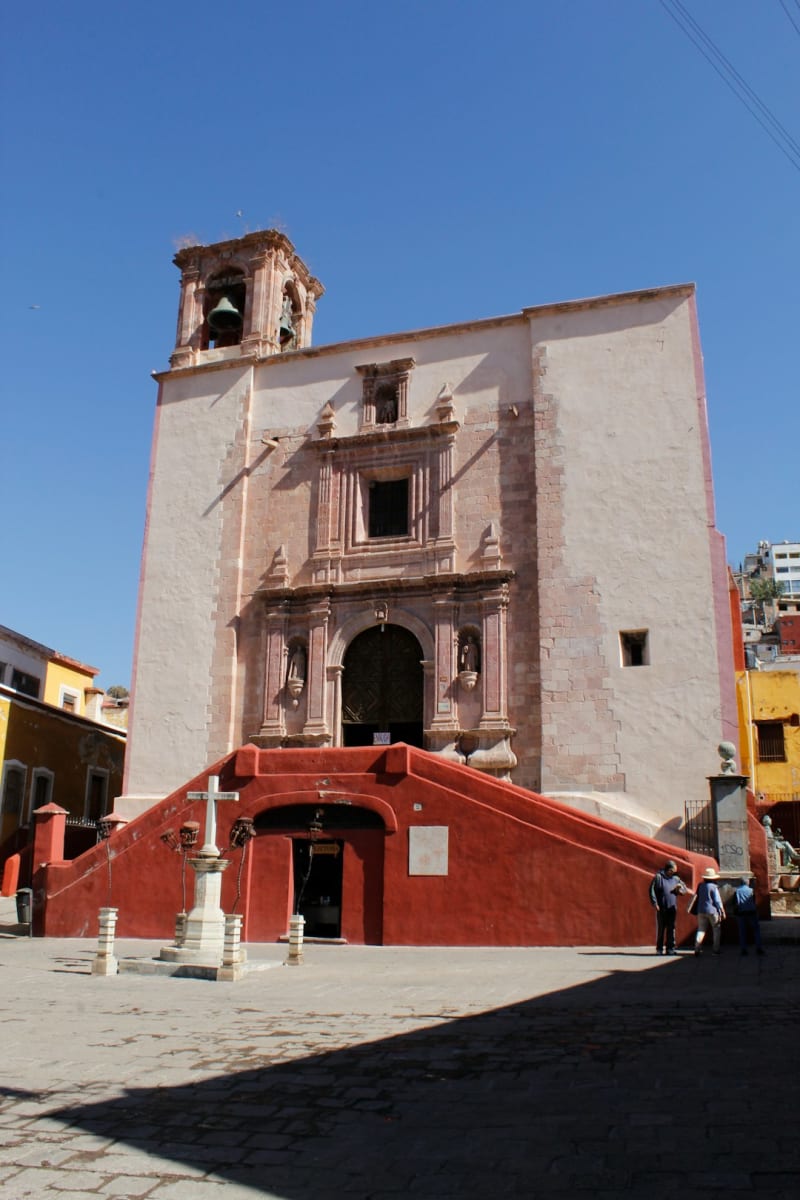
 Zacualtipán
A furniture-making town riding the misty ridgelines of Hidalgo's Sierra Alta, where woodsmoke drifts between workshops and the pine forest gives way to the first green plunge toward the Huasteca. Cool, working, unhurried.
Explore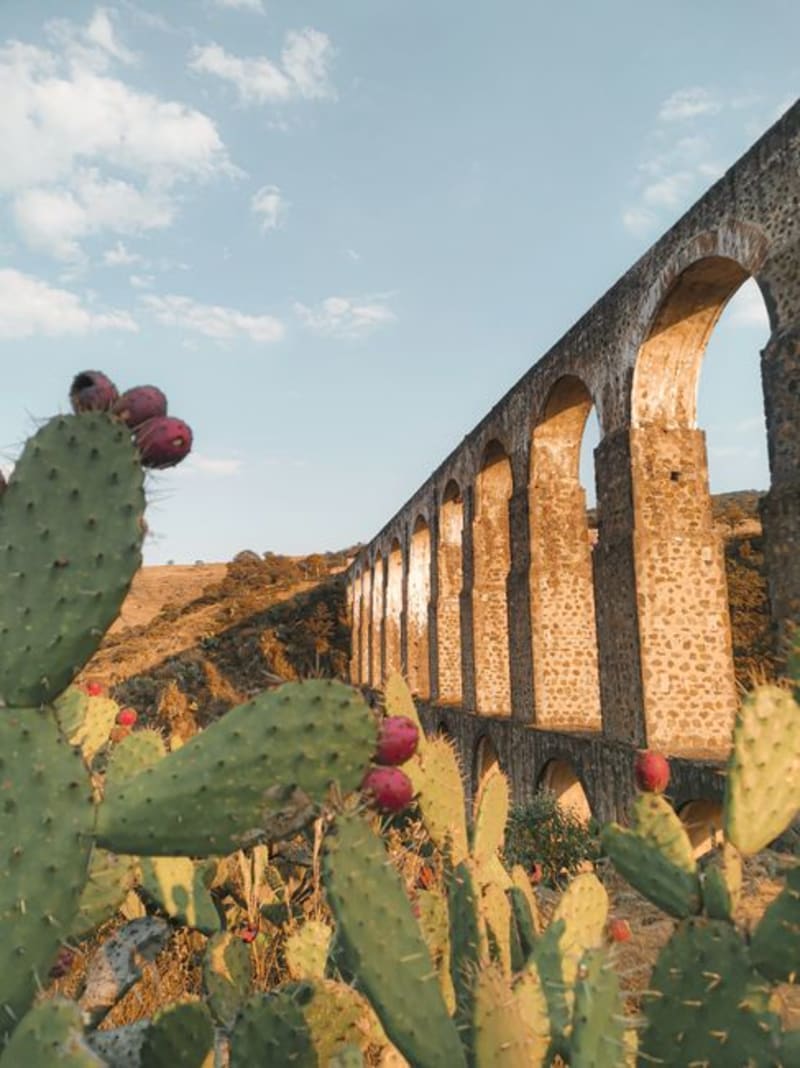 mexico
 Metztitlán
A sixteenth-century Augustinian monastery sits at the floor of one of Hidalgo's most dramatic canyons, inside a biosphere reserve that almost nobody visits. The contrast between the pale stone convent and the sheer rock walls dropping hundreds of metres around it is the kind of thing that stops conversation mid-sentence.
Explore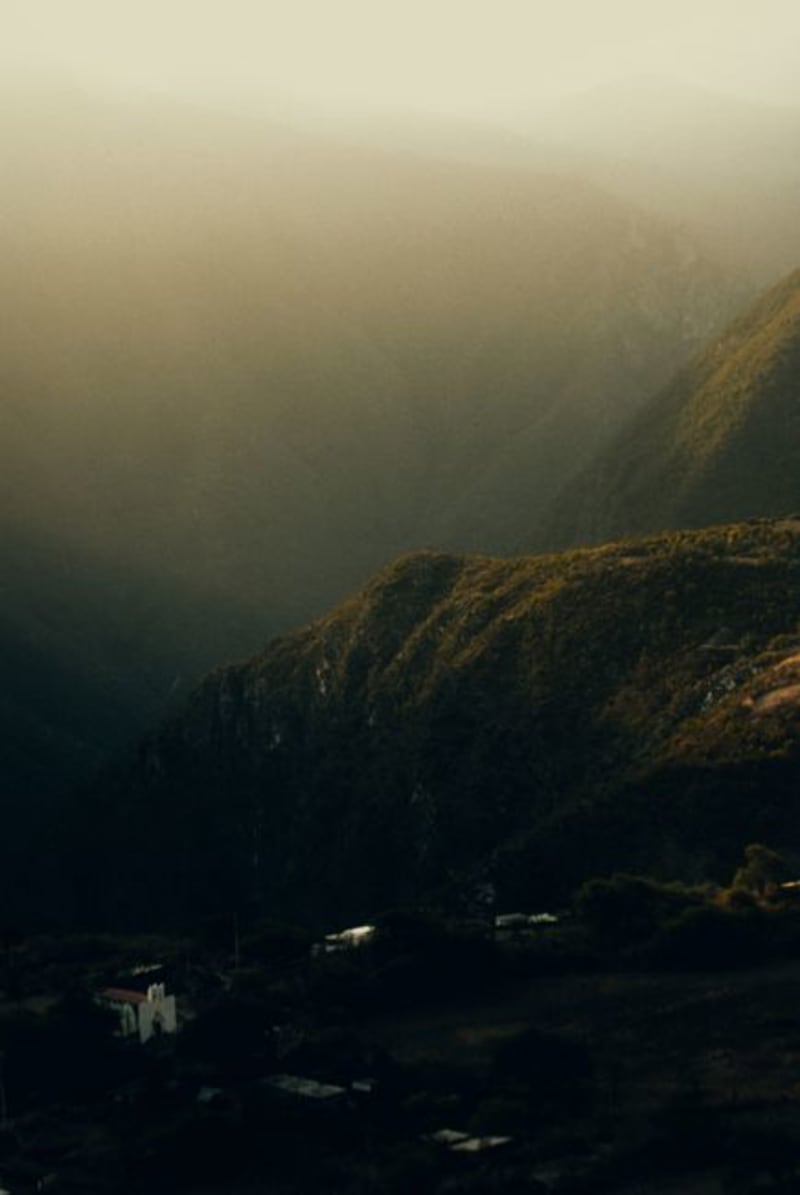 mexico
 Tlanchinol
A cloud-drenched mountain town on the edge of the Huasteca Hidalguense, wrapped almost permanently in mist, where the forest drips with ferns and the birdsong at dawn is almost too much to believe. One of the greenest corners of Mexico.
Explore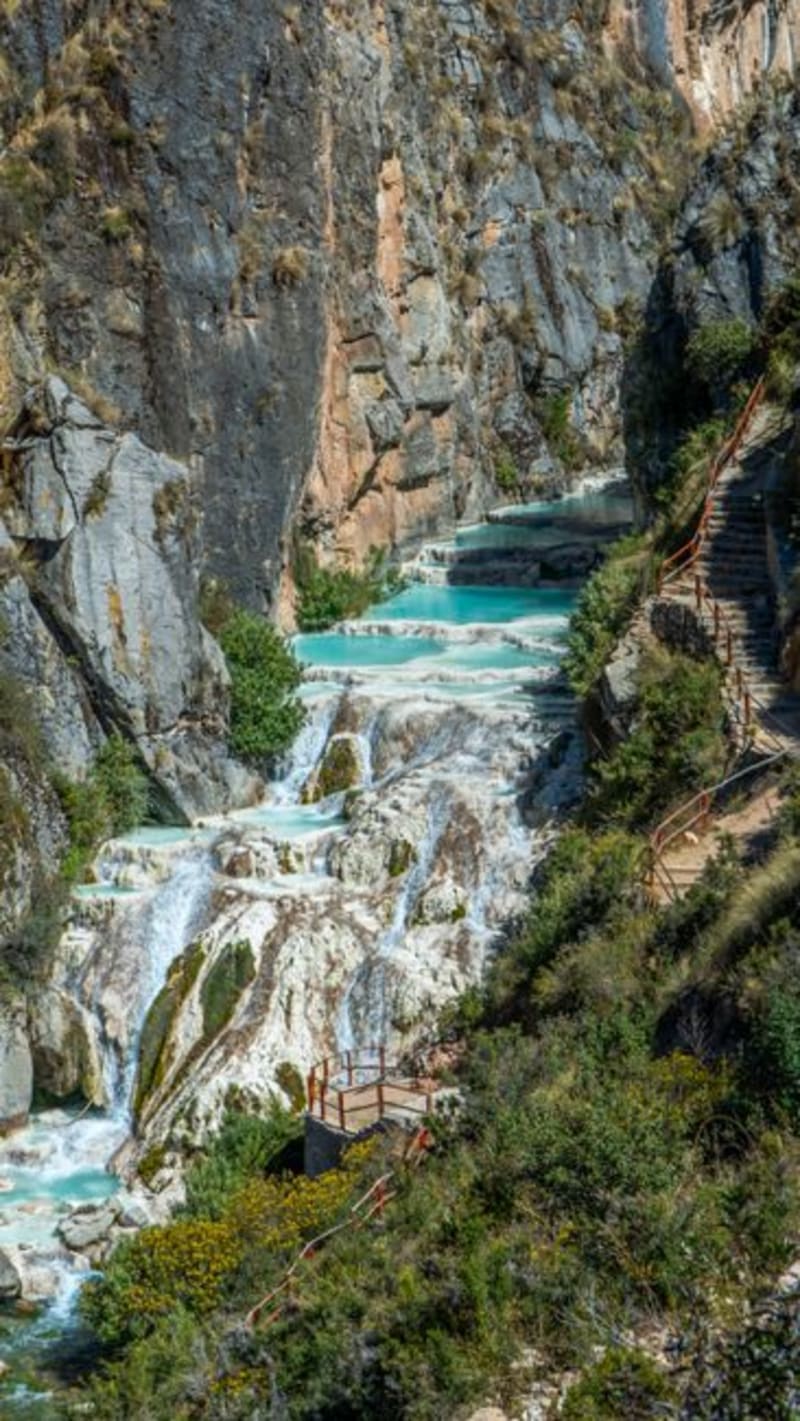 mexico
 Grutas de Tolantongo
A narrow canyon in the sierra of Hidalgo where thermal turquoise water pours from cave mouths into tiered pools descending the cliff face, while the Tolantongo River cuts cold through the gorge below. The canyon walls steam and drip. The water is impossibly blue.
Explore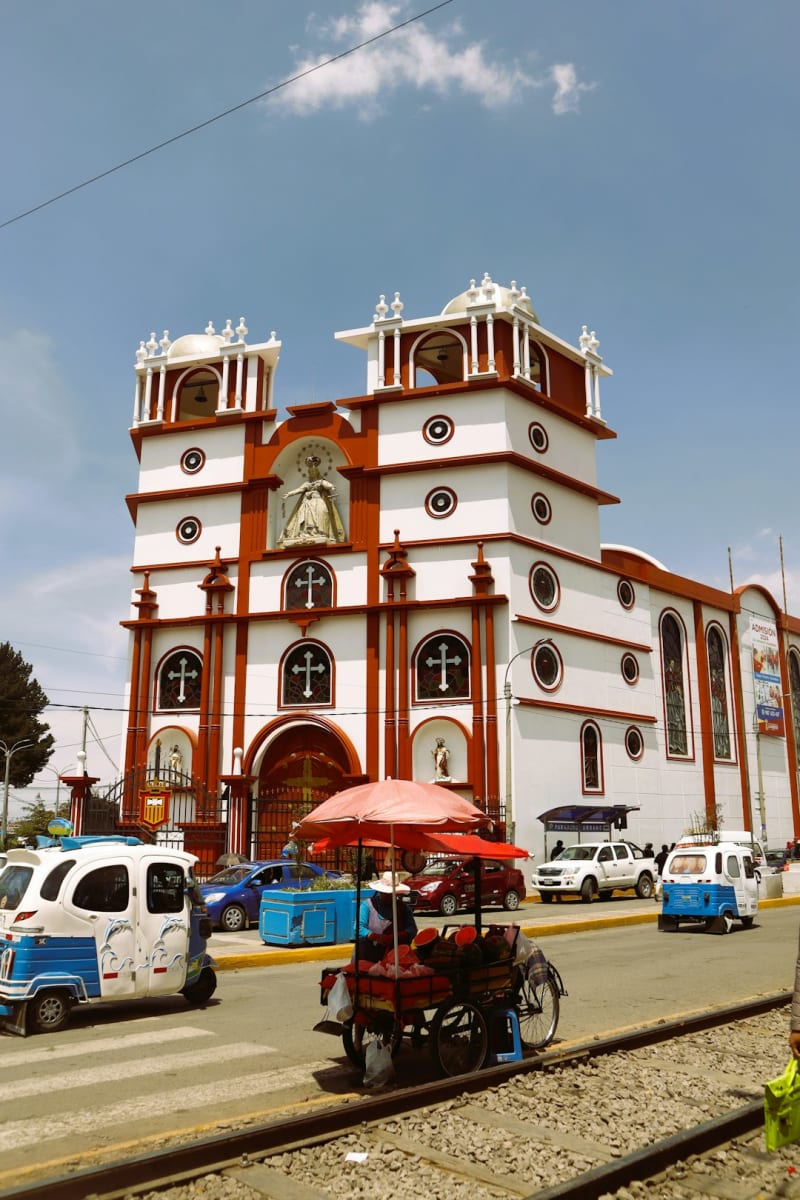 mexico
 Chapulhuacán
A hillside town where the cold highlands of Hidalgo tumble down into the green subtropical Huasteca. Citrus and coffee, waterfalls and rivers, and a road that changes worlds on you in the space of an hour.
Explore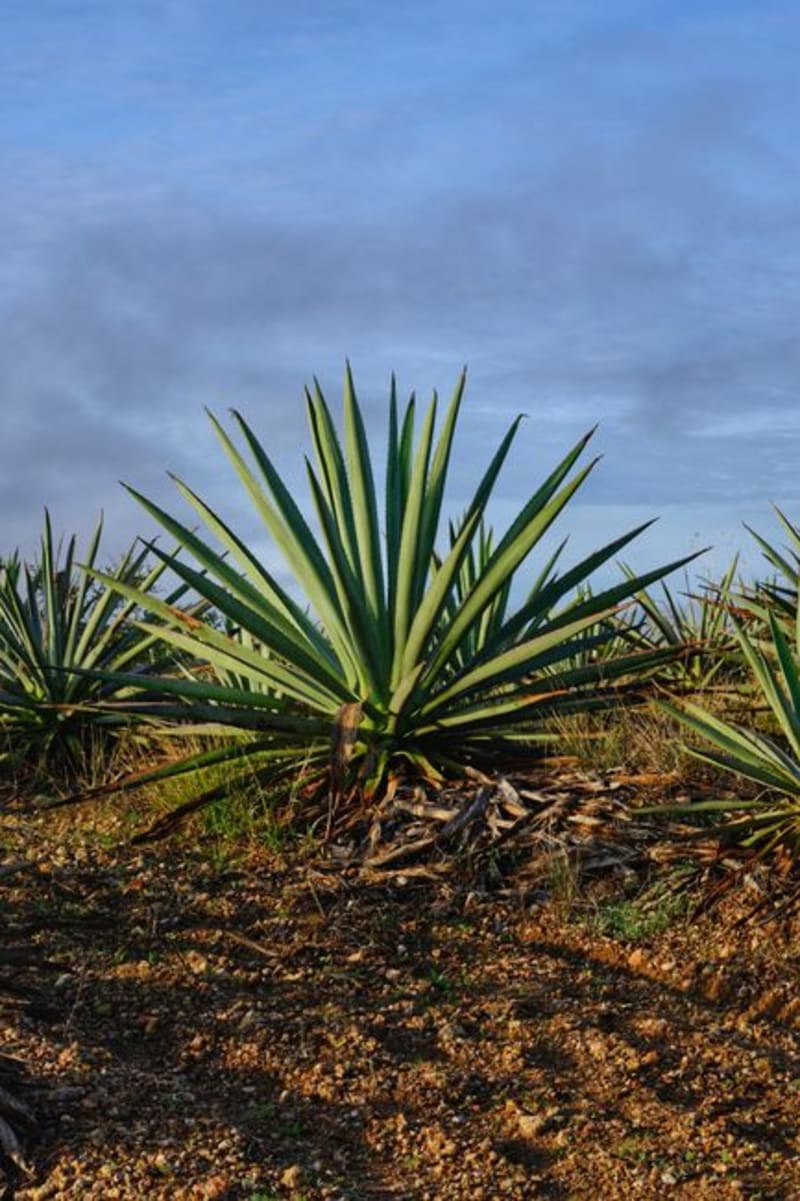 mexico
 Atotonilco el Grande
A sixteenth-century Augustinian fortress-convent anchors one of Hidalgo's most underappreciated colonial towns, perched at the edge of the Barranca de Metztitlán. It draws a fraction of the visitors that nearby Huasca de Ocampo receives, despite being architecturally more ambitious — the open chapel alone justifies the detour.
Explore