Guerrero
"Guerrero is the state that never got the tourist infrastructure its landscape deserved. The sierra is extraordinary, the coast is beautiful, and the violence has kept the investment out. For better and worse."
A Pacific state that contains three of Mexico's most distinct seaside identities — Taxco's silver in the mountains, Acapulco's faded glamour and cliff divers, and Zihuatanejo's fishing village that refused to become a resort — in a geography of dramatic sierra and tropical coast.

Guerrero is Mexico’s most topographically dramatic state and one of its most politically complex. The Sierra Madre del Sur runs through the interior at altitudes to 3,500 meters before dropping to the Pacific in one of the steepest coastal escarpments in North America — the highway from Chilpancingo (the state capital) to Acapulco descends 2,000 meters in 80 kilometers. This geography of extreme relief, combined with the poverty of the sierra communities and the transit geography that makes the coastline useful for narcotics movement, has created the persistent security challenges that make Guerrero consistently among the most complex states in Mexico for travelers.
The three Guerrero destinations that appear in this collection are functionally separate from each other and from the state’s security situation: Taxco (the silver city in the northern sierra, connected to Mexico City more than to coastal Guerrero), Acapulco (the former international resort on the Pacific, with its own internal geography of tourist-safe and not), and Zihuatanejo (the Pacific fishing village in the northwest of the state, which has maintained a different character from Acapulco for its entire resort history).
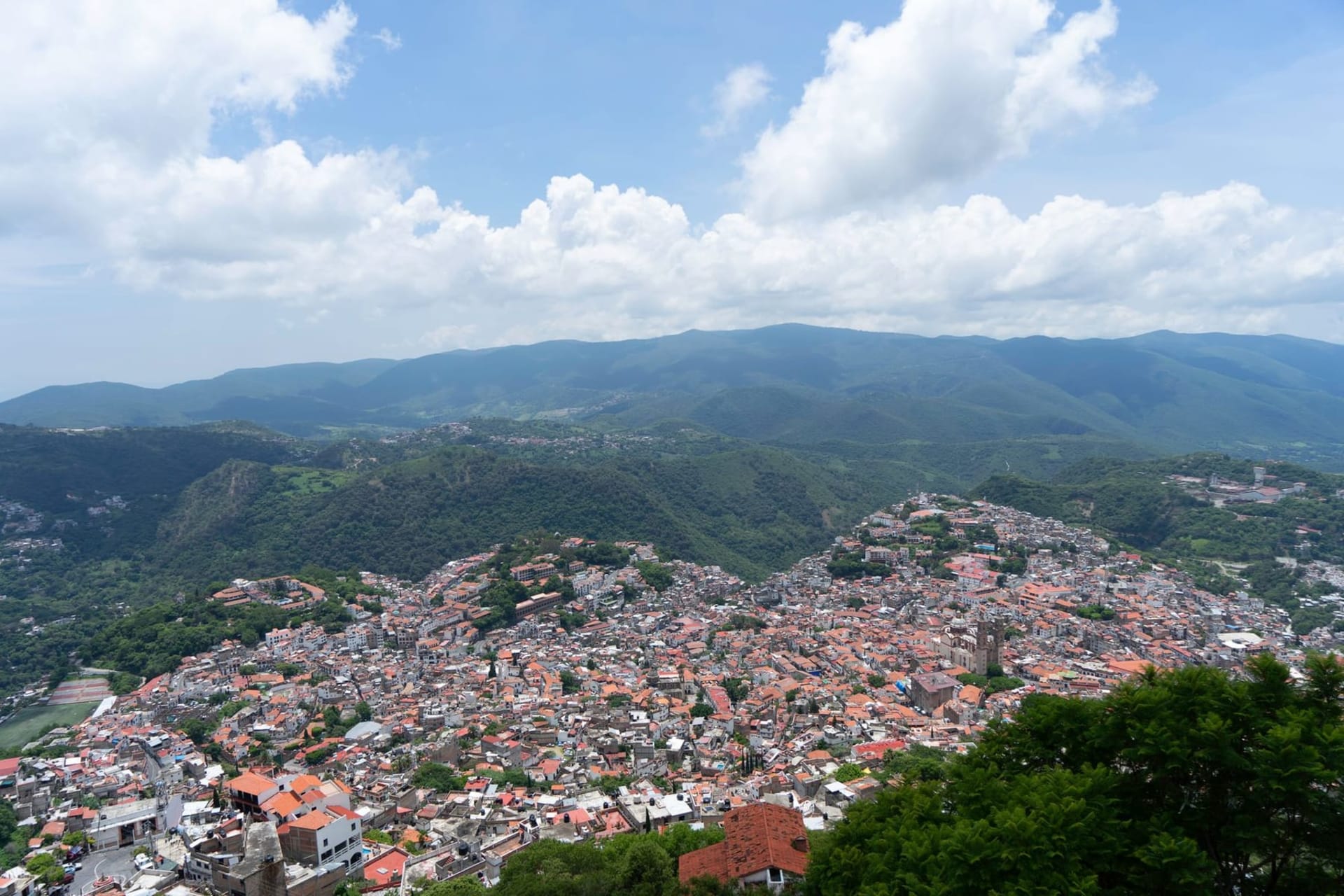
Taxco de Alarcón — at 1,800 meters in the northern sierra, connected to Mexico City (3 hours north) and Cuernavaca — is the silver jewelry capital of Mexico: white colonial buildings on steep hillsides, the 18th-century Baroque Iglesia de Santa Prisca funded by the French mining entrepreneur José de la Borda, and the silversmith tradition that employs most of the working population. The silver comes from mines that have been active since before the Spanish arrived, and the jewelry market in Taxco is the largest concentration of silver craft production in Mexico.
The coast — from Zihuatanejo in the west to Acapulco in the east to the Costa Chica (the Afro-Mexican coast) further south — is Pacific: big waves, dark sand in many sections, fishing communities of deep history.
Explore
Places in Guerrero
 mexico
 Acapulco
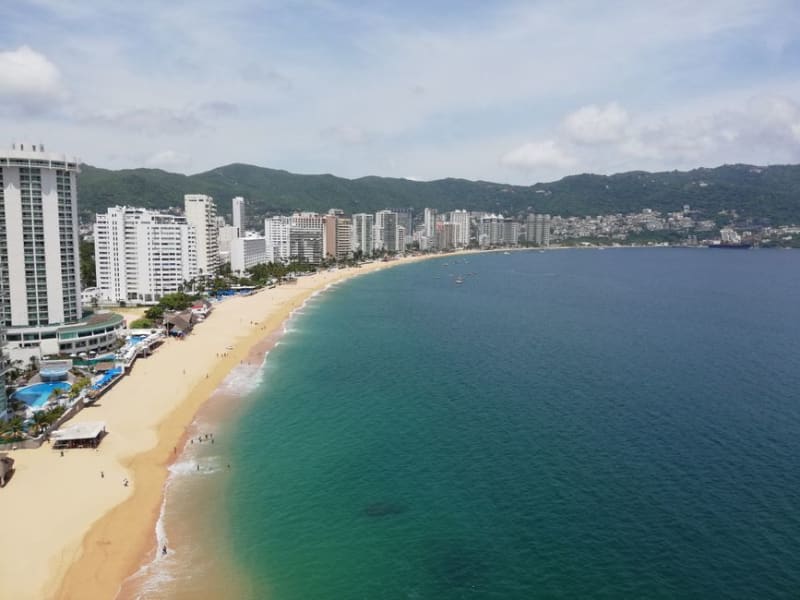
The original Mexican resort — a horseshoe bay backed by green mountains where the cliff divers of La Quebrada have been launching themselves into a narrow Pacific inlet since 1934, and the city that invented the Mexican beach vacation.
Explore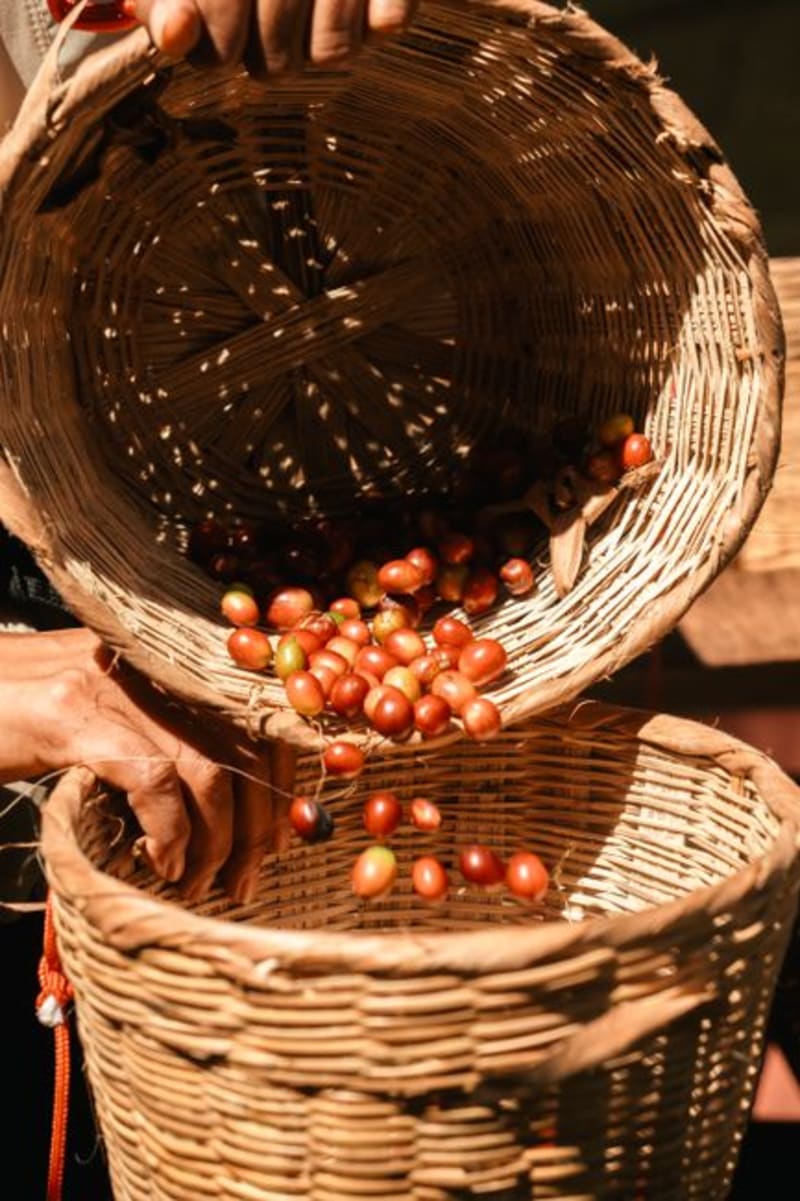 mexico
 Atoyac de Álvarez
Tucked into the Sierra Madre del Sur above Guerrero's Costa Grande, Atoyac is Mexico's coffee country at its most unvarnished — arabica farms climbing steep slopes, a cooperative born from political struggle, and a town that carries its complicated history with unusual candor.
Explore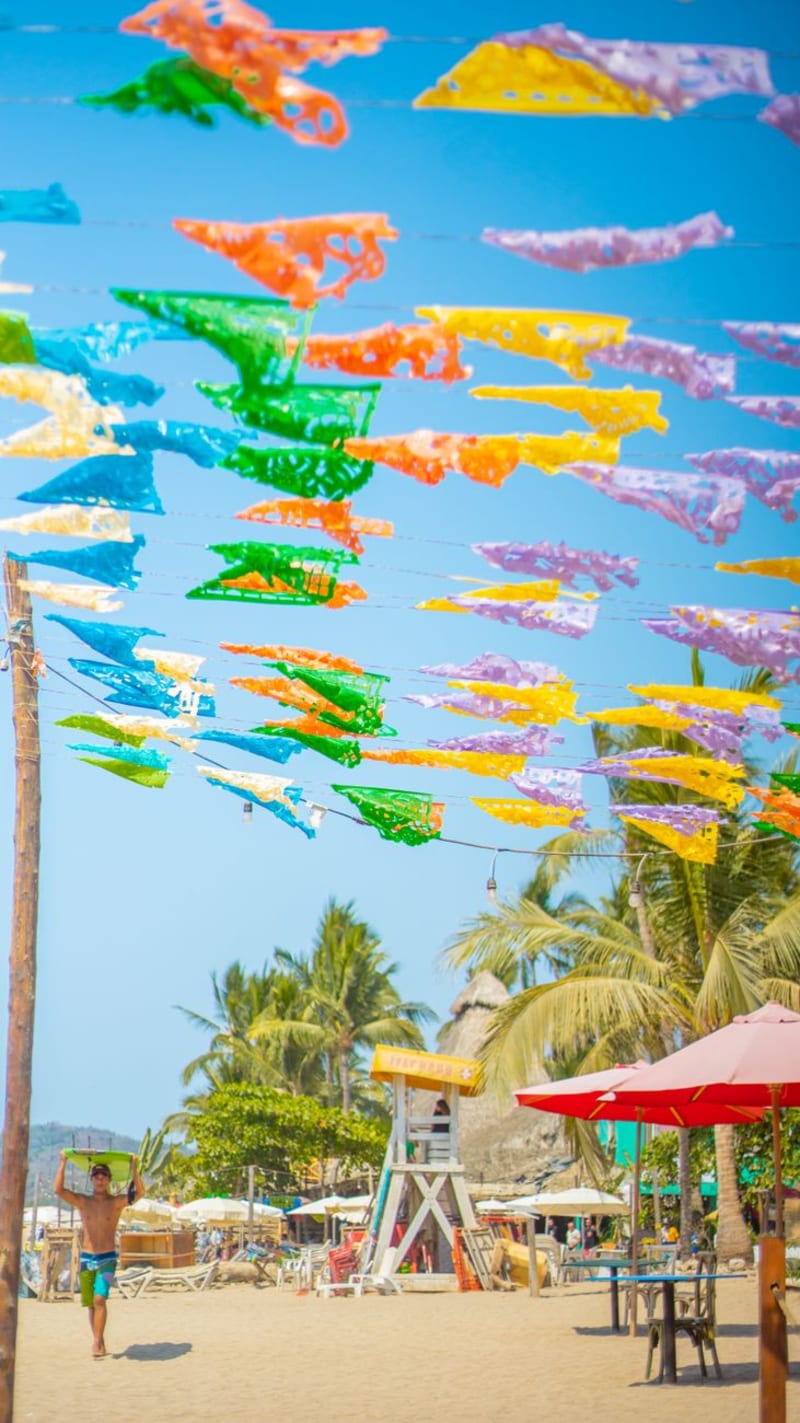 mexico
 Barra de Potosí
Barra de Potosí is a fishing village 45 minutes south of Zihuatanejo where the Río Potosí meets the Pacific, forming a protected estuary lagoon edged with mangroves and full of herons, frigatebirds, and excellent fishing. Olive ridley turtles come to nest on the adjacent beach from June through November. The palapa restaurants serve what the boats brought in that morning and the tourism infrastructure is minimal enough that the place functions as it has for decades. I came expecting a beach and found a lagoon full of birds and a fishing family with a boat.
Explore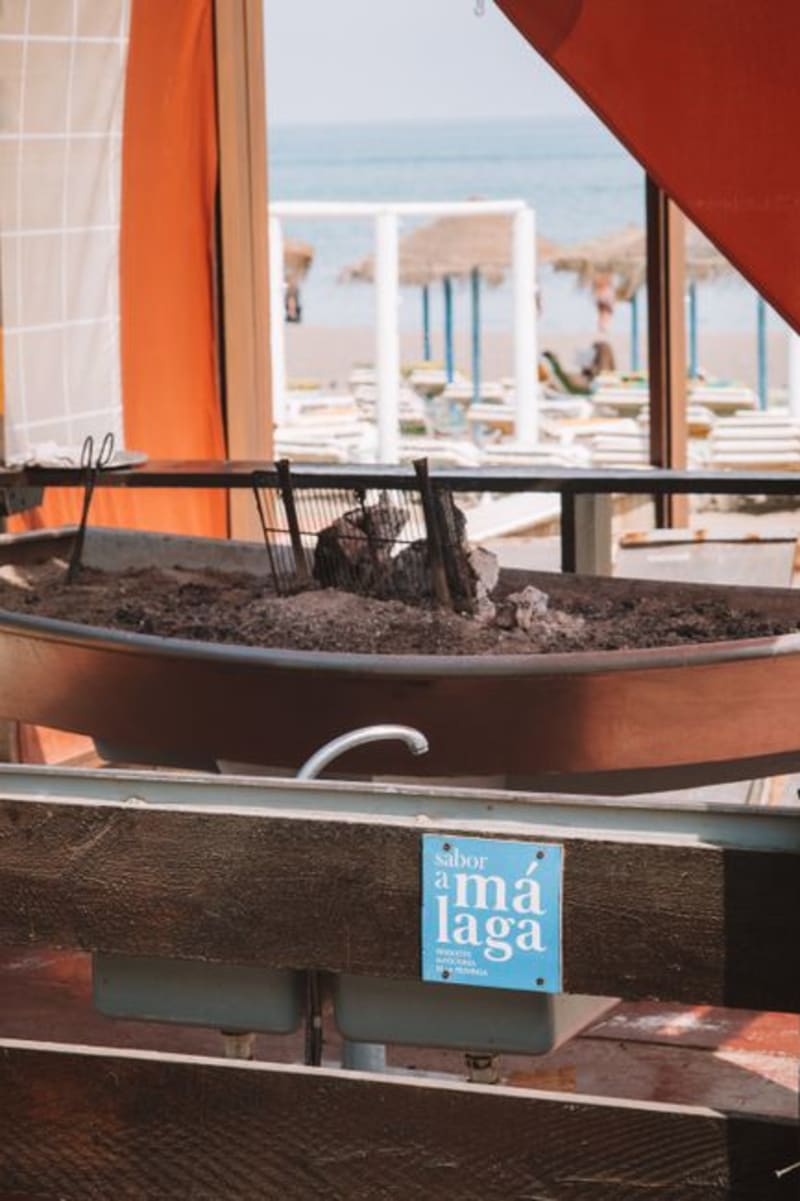 mexico
 Barra Vieja
Barra Vieja is a long strip of palapa restaurants strung between Laguna de Tres Palos and the Pacific, thirty-five kilometers east of Acapulco, where fish arrives by boat before the kitchens open and the chairs face the water as a matter of principle.
Explore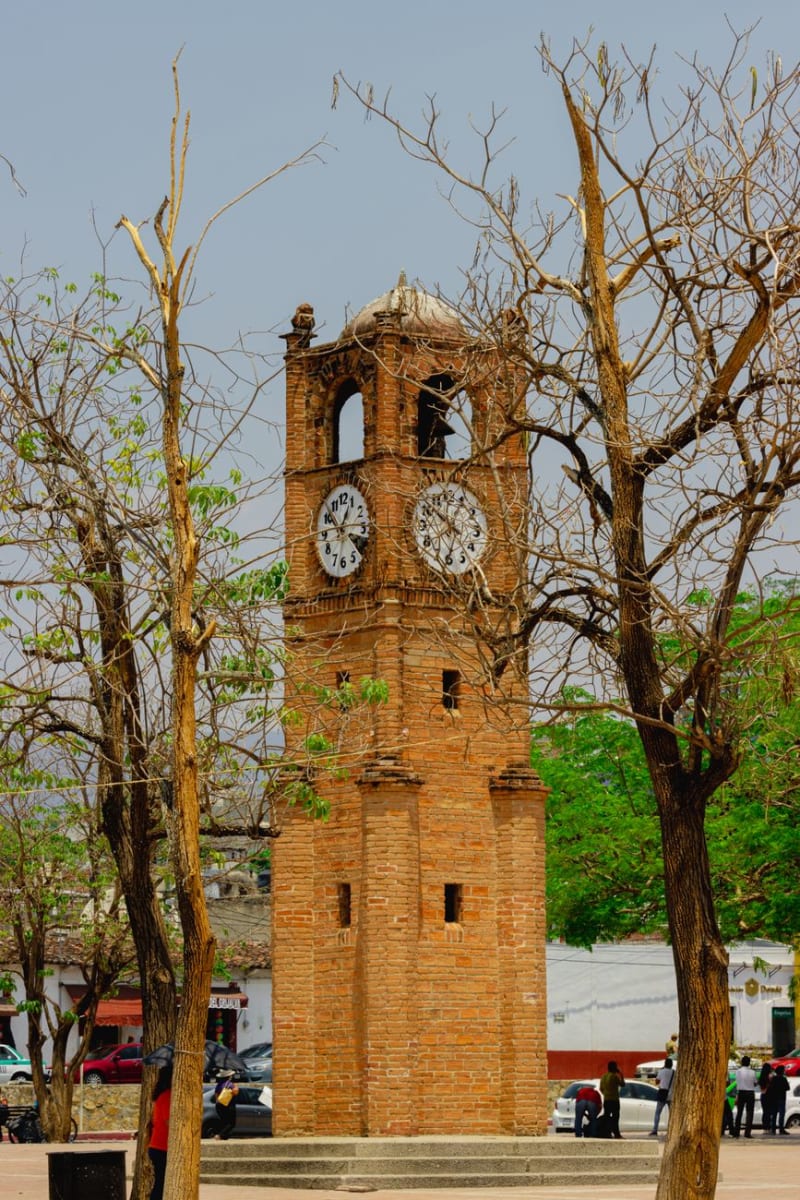 mexico
 Chilapa de Álvarez
Chilapa de Álvarez is a market city in the Montaña highlands of Guerrero where Nahua, Mixtec, and Tlapanec communities have been trading since before the colonial roads arrived. The Sunday market is one of the great indigenous markets in Mexico — basketwork, lacquerwork, hammocks, dried chiles, medicinal herbs — and the lacquered gourds made here are among the finest in the country. I got lost in it within four minutes, found the lacquerware section, bought a bowl I could not afford, and ate tamales in the shade for an hour.
Explore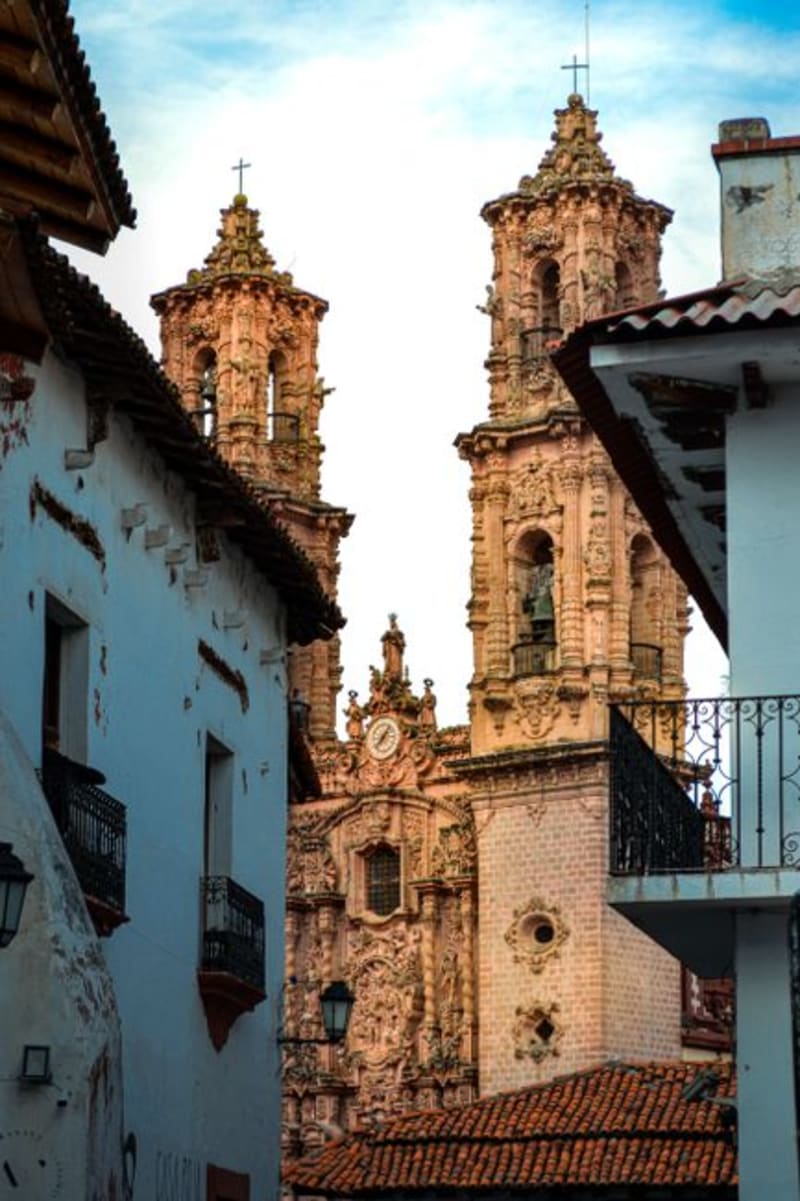 mexico
 Copala
Perched in the Sierra Madre above Guerrero's coast, Copala is a near-intact colonial mining village where cobblestone lanes wind between low whitewashed houses and the old church still dominates a quiet plaza. Time has been unusually kind here — the surrounding mountains have kept development at bay in a way that feels like luck rather than planning.
Explore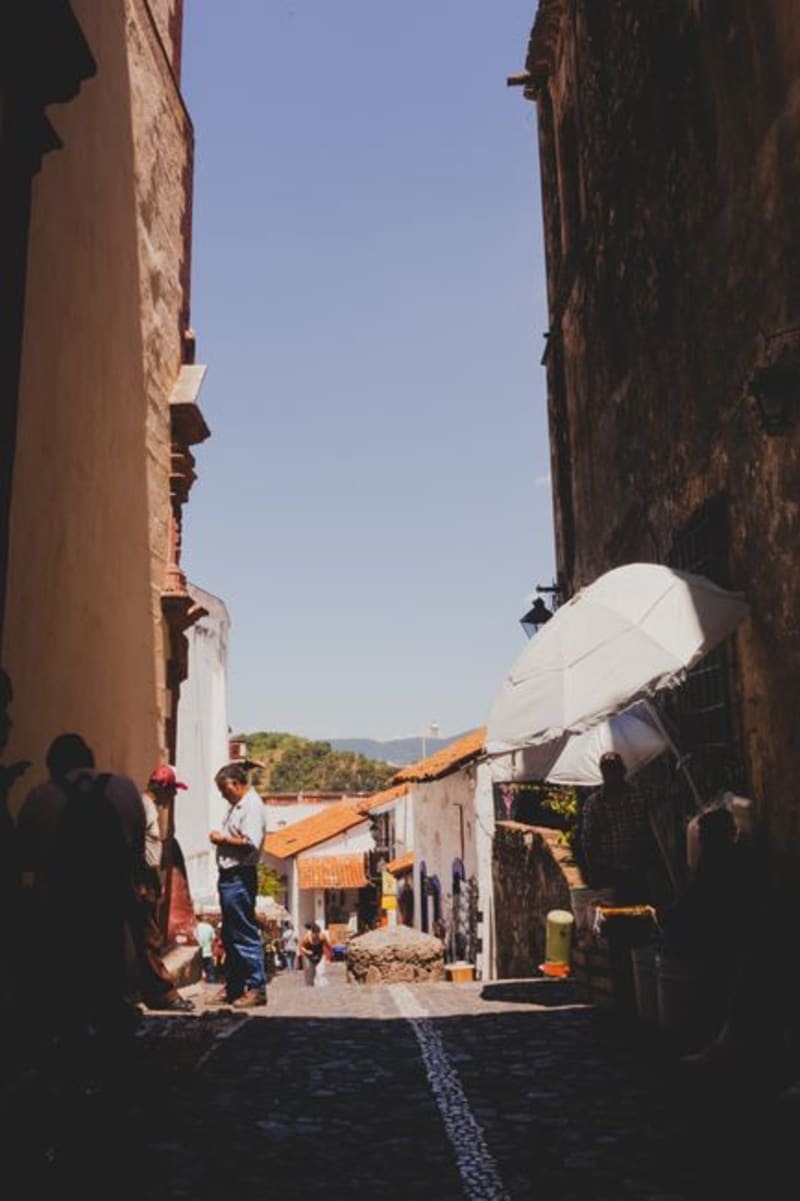 mexico
 Cuajinicuilapa
A small town on Guerrero's Costa Chica where one of the only museums in Mexico dedicated entirely to Afro-Mexican heritage sits a short walk from the plaza, largely unvisited. The people here descend from African cimarrones who built autonomous communities on this coast centuries before the Mexican state acknowledged they existed.
Explore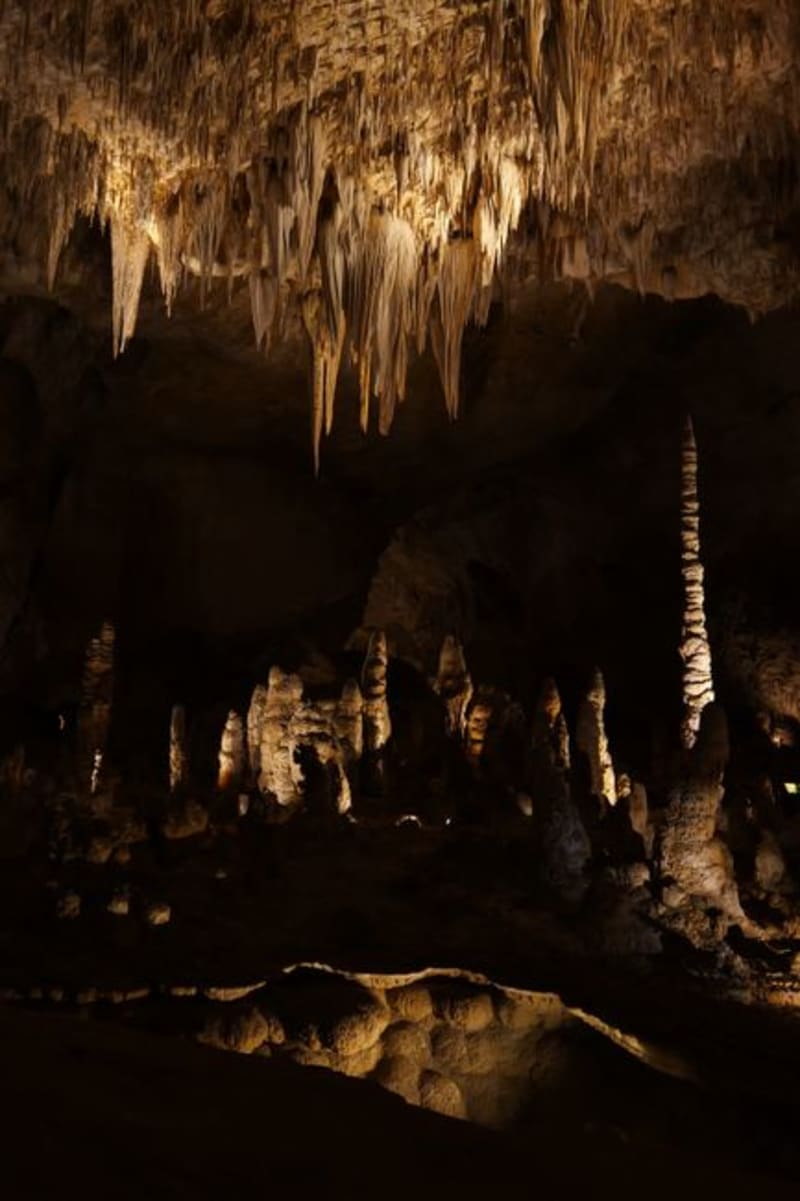 mexico
 Grutas de Cacahuamilpa
One of the largest cave systems in the world sits an hour north of Taxco, in the dry sierra of Guerrero — fourteen linked chambers reaching eighty metres overhead, a subterranean scale that makes human architecture feel approximate. Visited by a fraction of the people who walk Taxco's silver market that same day.
Explore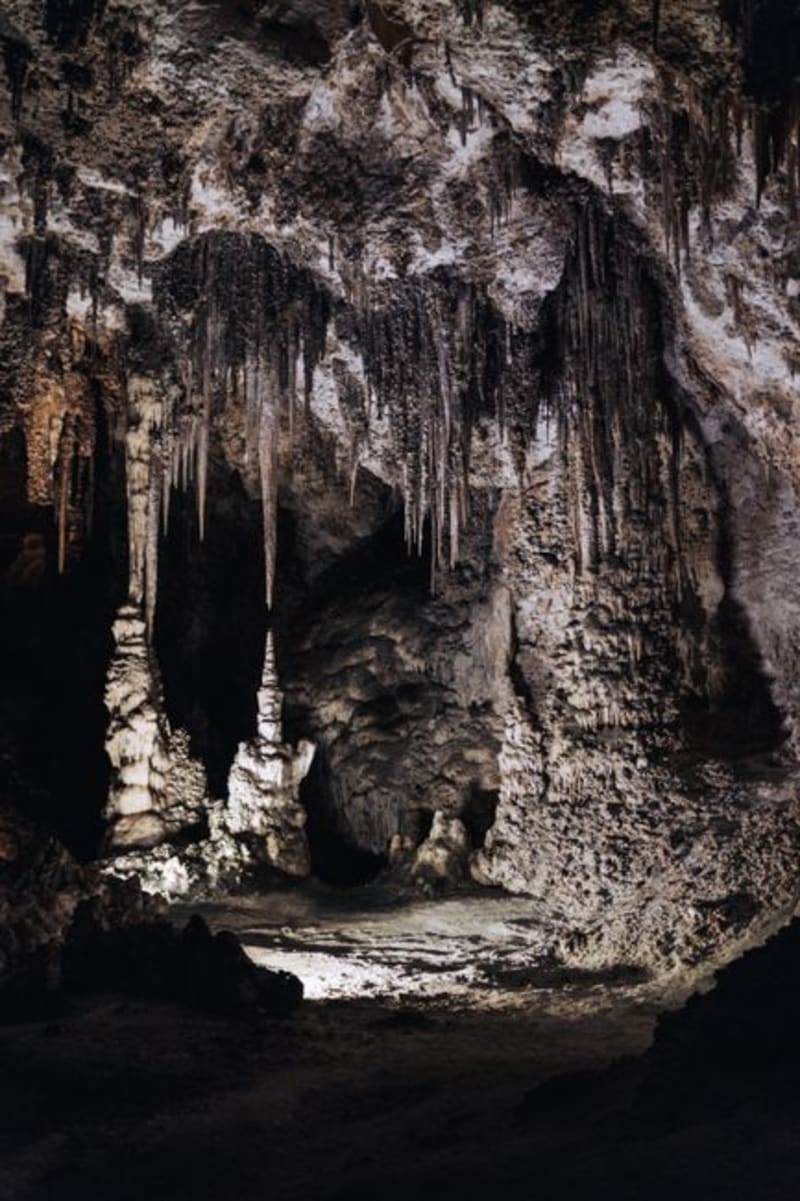 mexico
 Grutas de Juxtlahuaca
Three kilometers inside a mountain near the small town of Colotlipa, someone painted figures in red, yellow, and black roughly three thousand years ago — and they are still there. Juxtlahuaca is one of the longest cave systems in Mexico and one of the oldest known art sites in Mesoamerica, a place that takes about three hours to walk through and considerably longer to process.
Explore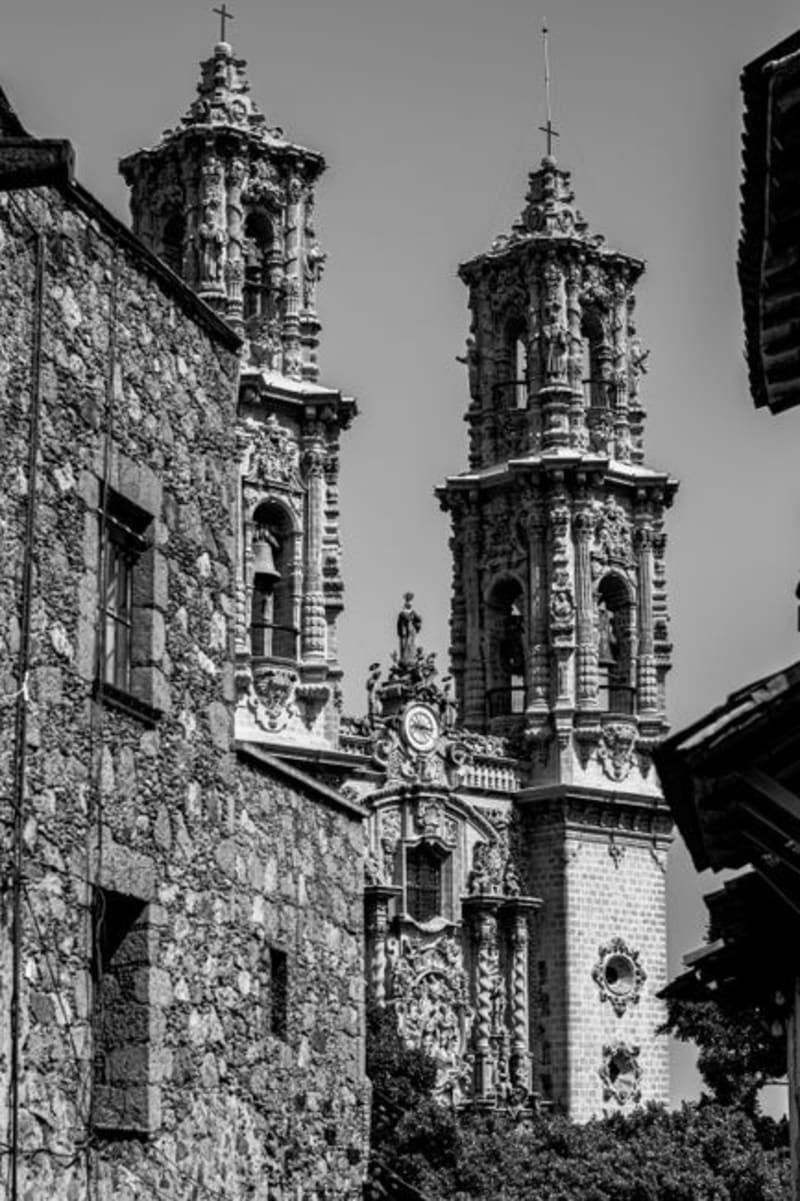 mexico
 Iguala de la Independencia
Iguala is where Mexico was officially born — on February 24, 1821, Agustín de Iturbide and Vicente Guerrero proclaimed the Plan de Iguala here and raised the first tricolor flag, ending three centuries of colonial rule. Most travelers on the Autopista del Sol pass straight through toward Acapulco without stopping, which keeps the colonial center quiet and the enormous Monumento a la Bandera largely to itself.
Explore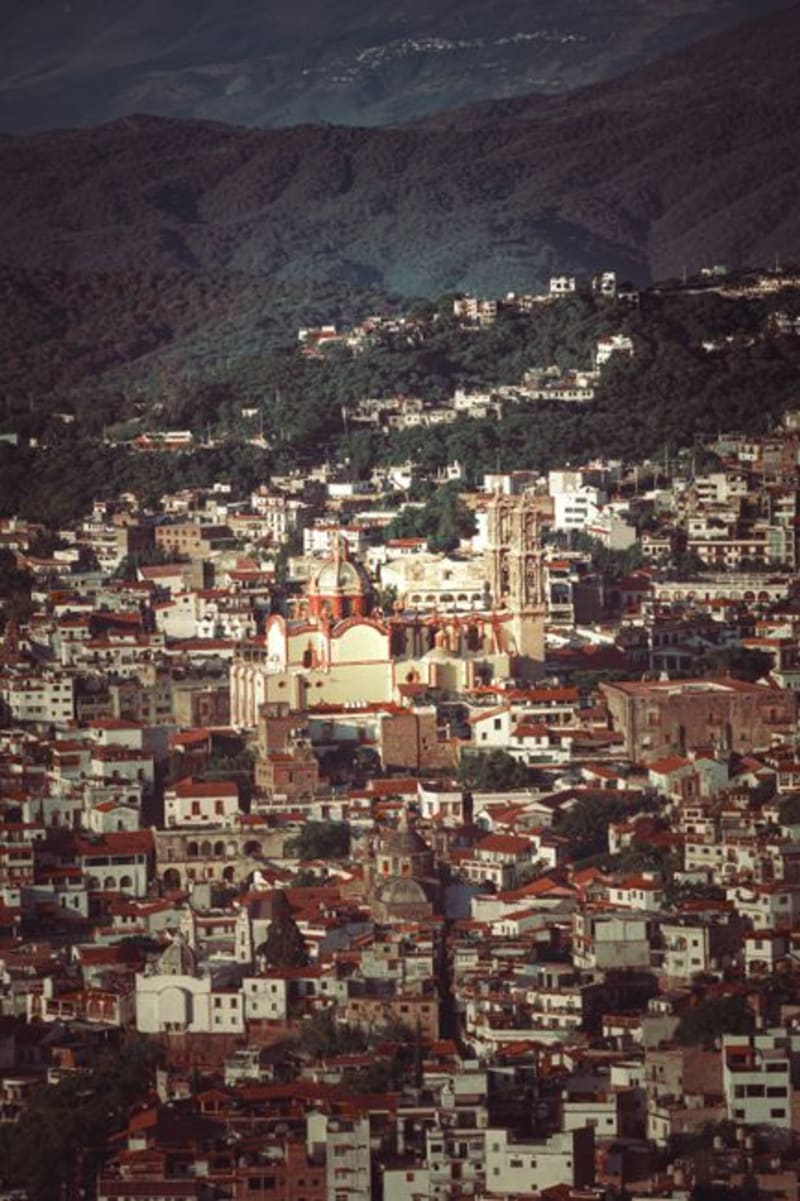 mexico
 Ixcateopan de Cuauhtémoc
A whitewashed sierra town whose colonial church holds — or is claimed to hold — the bones of Cuauhtémoc, the last Aztec emperor. The 1949 discovery has never been confirmed or disproved, and the town carries that unresolved weight with quiet dignity and almost no visitors.
Explore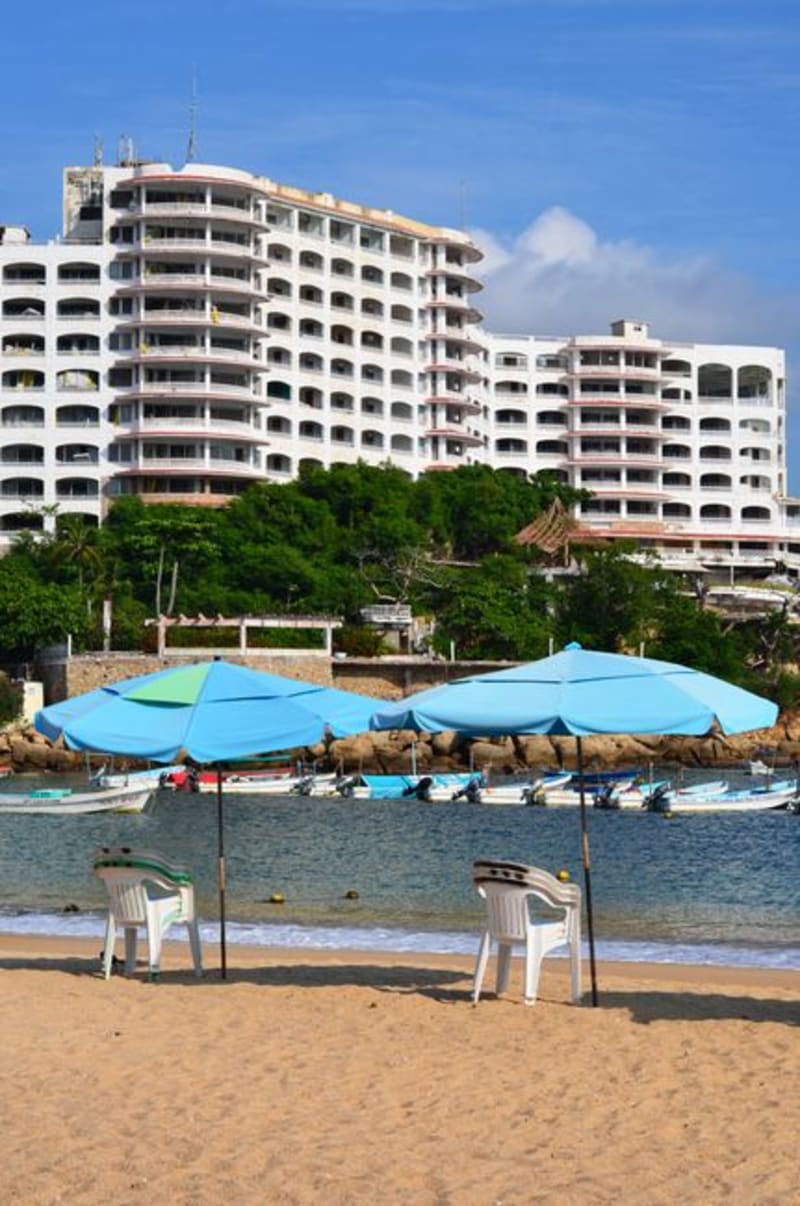 mexico
 Ixtapa
Ixtapa is a FONATUR resort town that materialized on the Guerrero coast in the 1970s with a blueprint for Cancun-style tourism and ended up being something more Mexican and more useful than that. The beaches are wide and calm, the water taxi to Isla Ixtapa runs all day, and the snorkeling around the rocks is better than anyone tells you.
Explore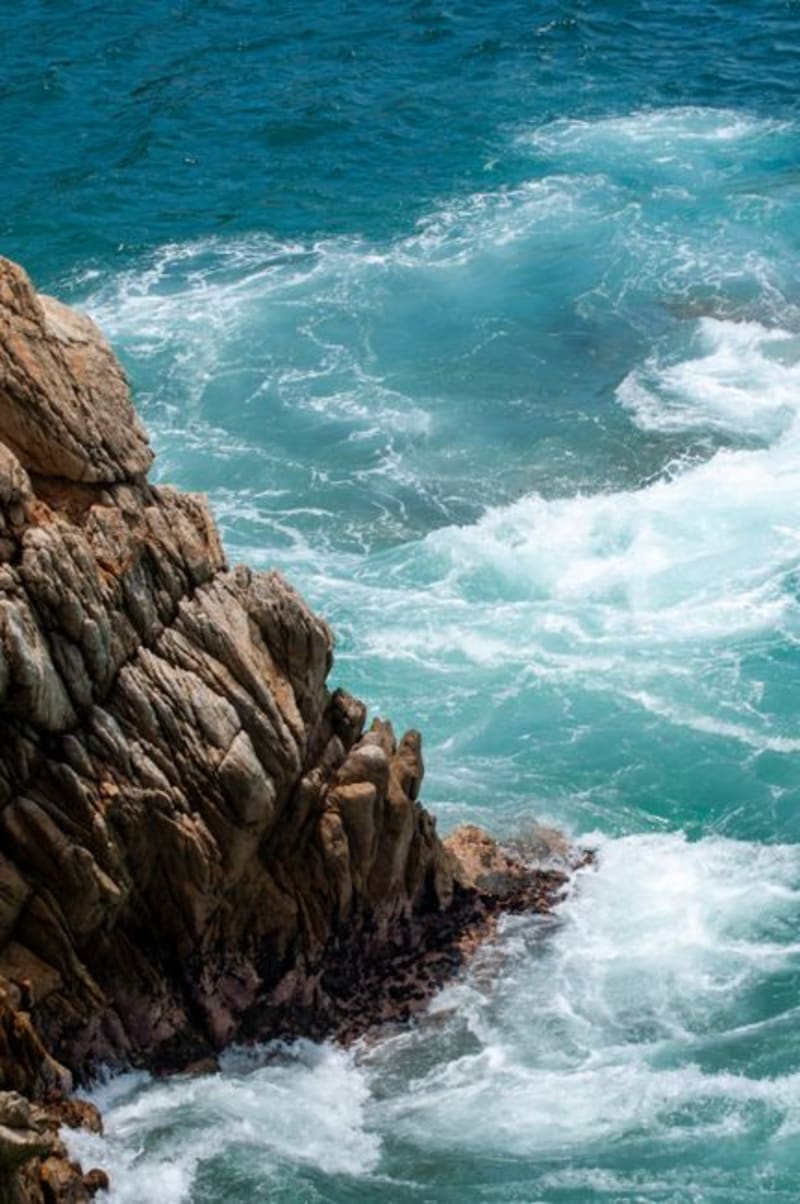 mexico
 Isla La Roqueta
La Roqueta is the small island visible from every beach in Acapulco that most tourists never actually cross to, which works out well for those who do. The ocean-facing side has calm, clear water and a submerged Virgin de Guadalupe statue that local divers treat as a quiet underwater pilgrimage site. A forty-peso boat ticket from Playa Caleta buys twelve minutes of transit and an afternoon that feels entirely elsewhere.
Explore mexico
 Marquelia
A small municipality on Guerrero's Afromexican coast where the cultural inheritance of enslaved Africans — in music, food, and language — persists with quiet, unperformed clarity. The beaches are raw and largely empty, and the chilate is unlike anything you will find further north.
Explore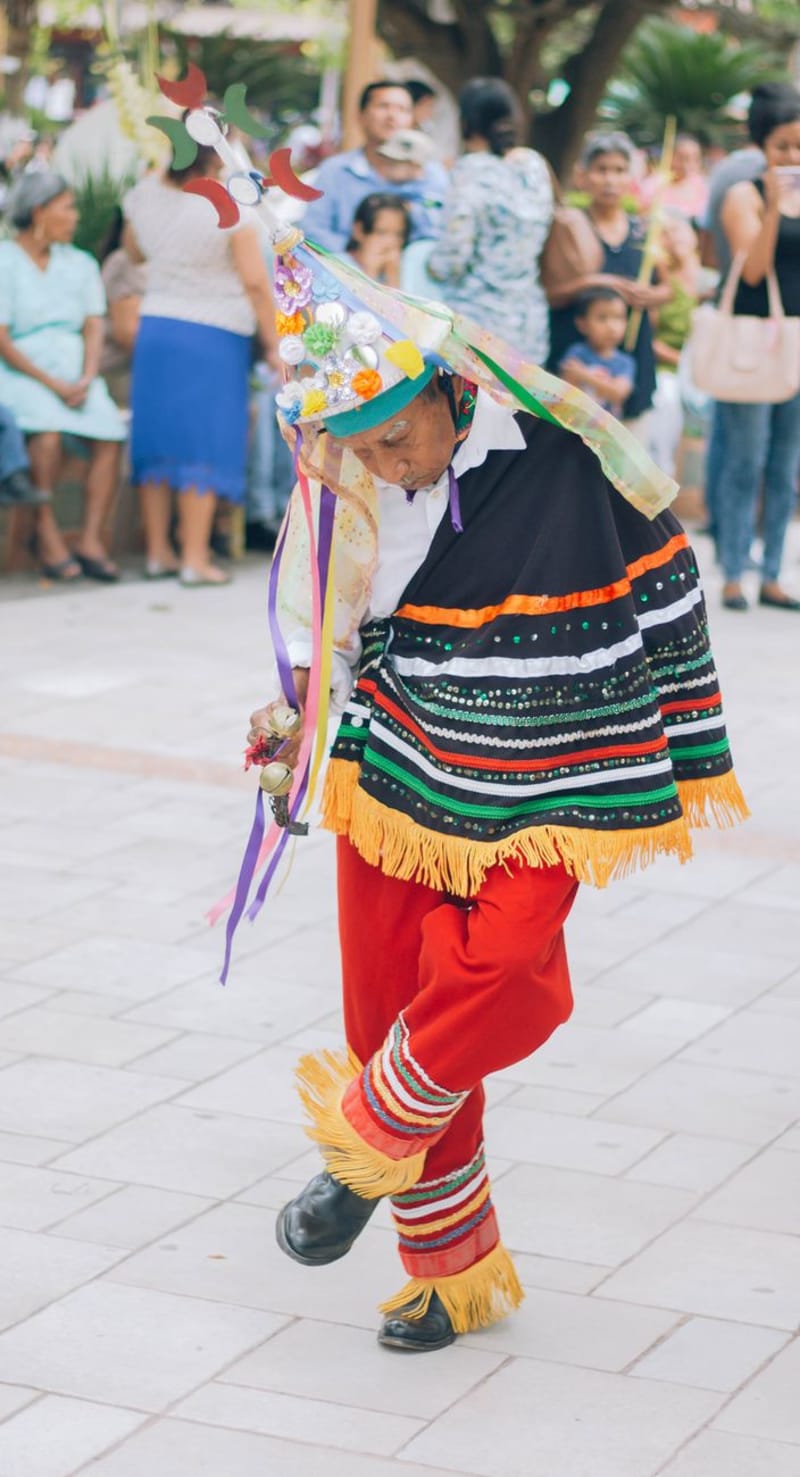 mexico
 Olinalá
A remote mountain town in northern Guerrero producing the finest lacquerware in Mexico — a technique using linaloe wood and multiple layers of mineral-pigment lacquer, scratched into geometric and floral designs with a cactus thorn, practiced here since before the Spanish arrived.
Explore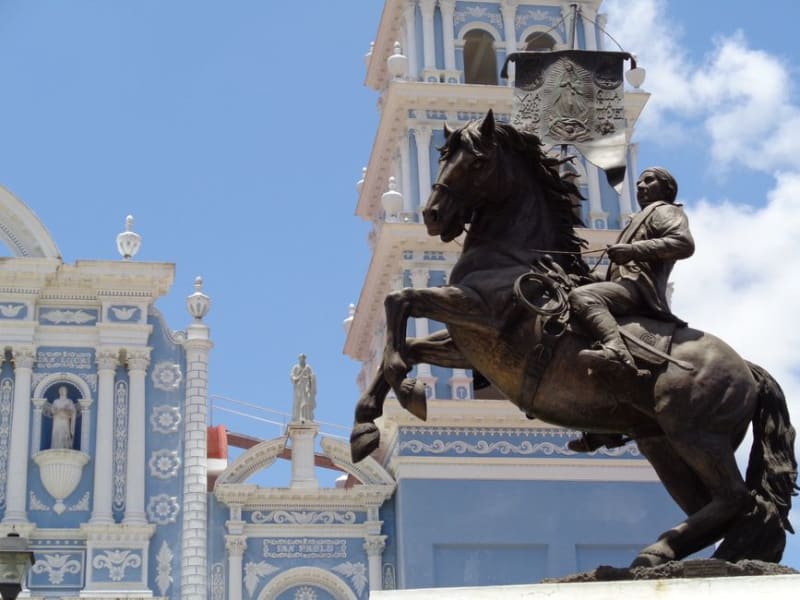 mexico
 Ometepec
Ometepec is the commercial center of the Mixtec coast in Guerrero, where market days draw Amuzgo and Mixtec vendors from dozens of surrounding communities. A working town with no pretense toward tourism, it rewards the early riser willing to eat barbacoa at dawn with strangers.
Explore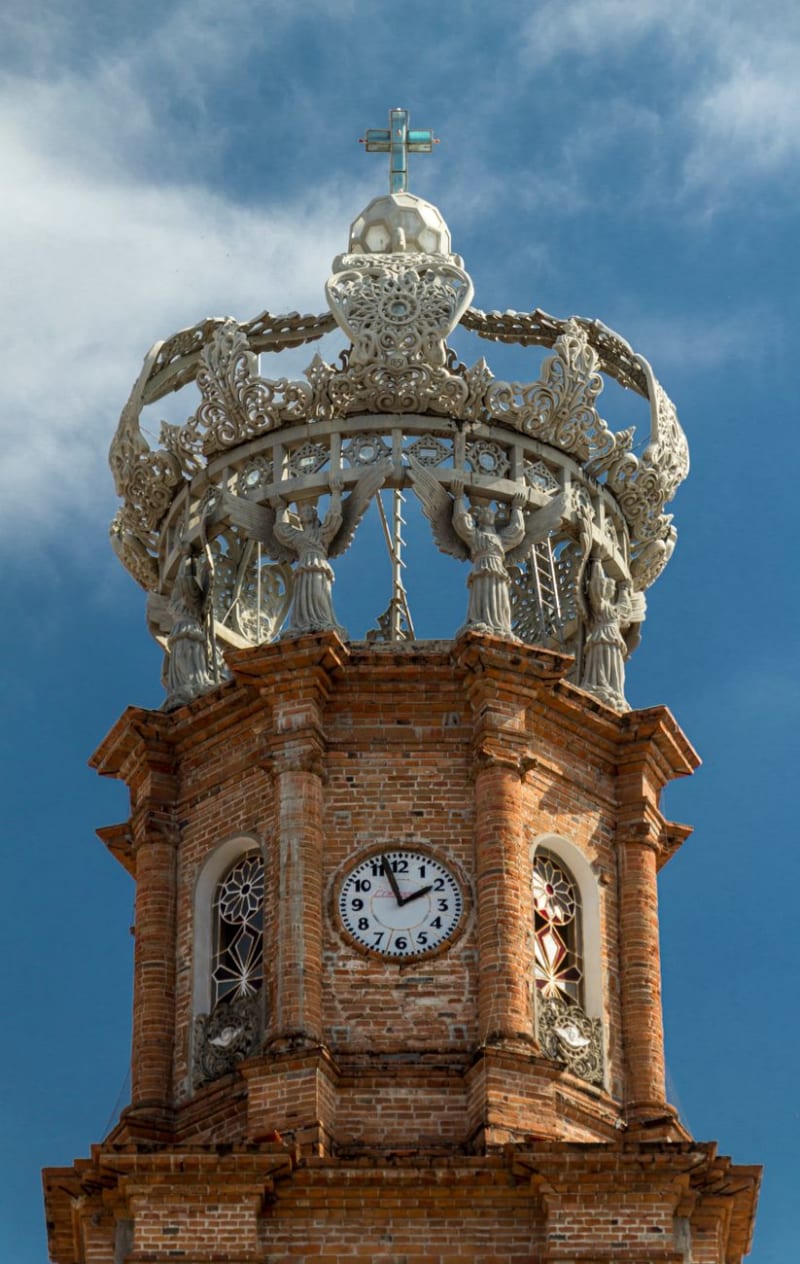 mexico
 Petatlán
Petatlán is a small town on the Costa Grande of Guerrero, not touristed, not particularly visited, with a pilgrimage church whose interior is unlike anything else I have encountered in Mexico. The walls and ceiling of the Santuario de la Virgen de Petatlán are covered from floor to vault with gold ex-votos — small painted tablets left by pilgrims as thanks for miracles — stacked and overlapping in such density that the architecture disappears beneath them. It is an entire interior surface of individual human stories, and I sat in it for an hour.
Explore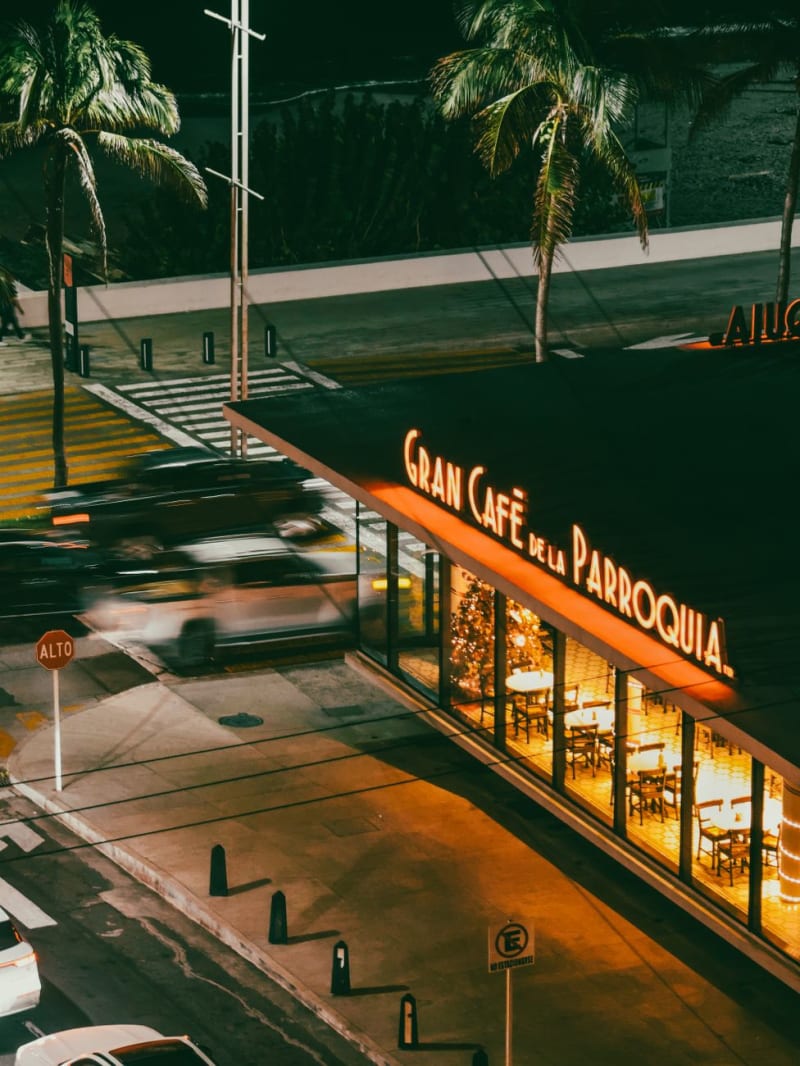 mexico
 Pie de la Cuesta
A narrow strip of land ten kilometers northwest of Acapulco, caught between the Pacific surf and the vast Laguna Coyuca — a freshwater lagoon with boat tours, pelicans, and a fishing village atmosphere that feels entirely separate from the resort city nearby.
Explore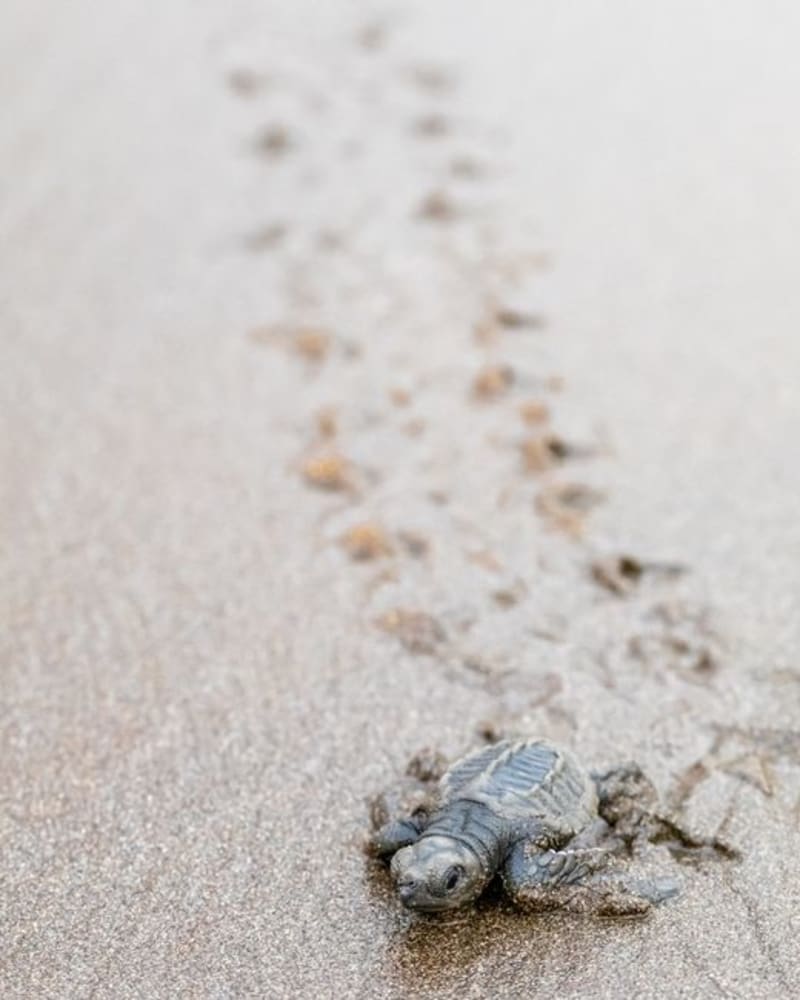 mexico
 Playa Ventura
A black-sand beach in the Copala region of Guerrero where fishing pangas outnumber tourists most of the year and olive ridley sea turtles come ashore from July through December to nest. Four hours from anything significant, and content to stay that way.
Explore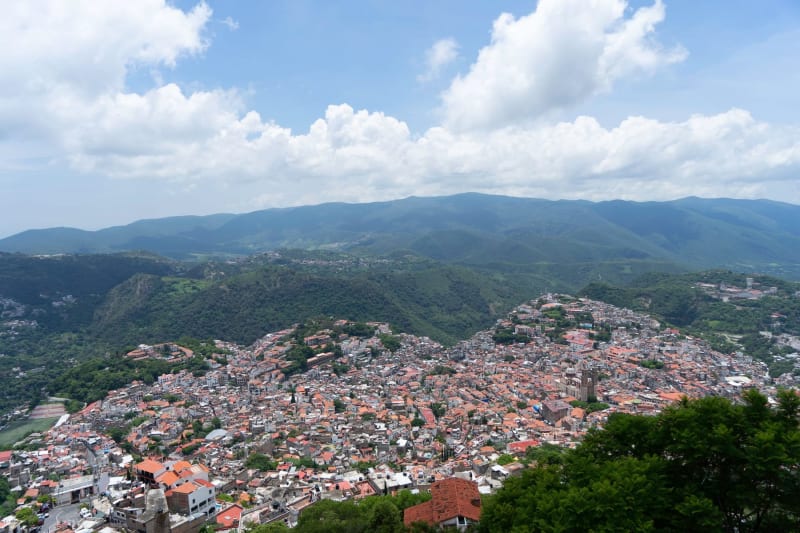 mexico
 Taxco
Mexico's silver city — a steep baroque hillside in Guerrero where artisan workshops, colonial callejones, and the best silverwork in the Americas share every cobblestone street.
Explore mexico
 Tlapa de Comonfort
Tlapa de Comonfort sits at the junction of Nahua, Mixtec, and Tlapanec territories in the La Montaña highlands of Guerrero — remote, politically active, and the site of one of the most culturally dense markets in Mexico. The Tuesday and Sunday markets have been gathering indigenous communities from across the region for centuries. I took a three-hour second-class bus from Chilpancingo and was almost certainly the only foreign tourist in the city that day.
Explore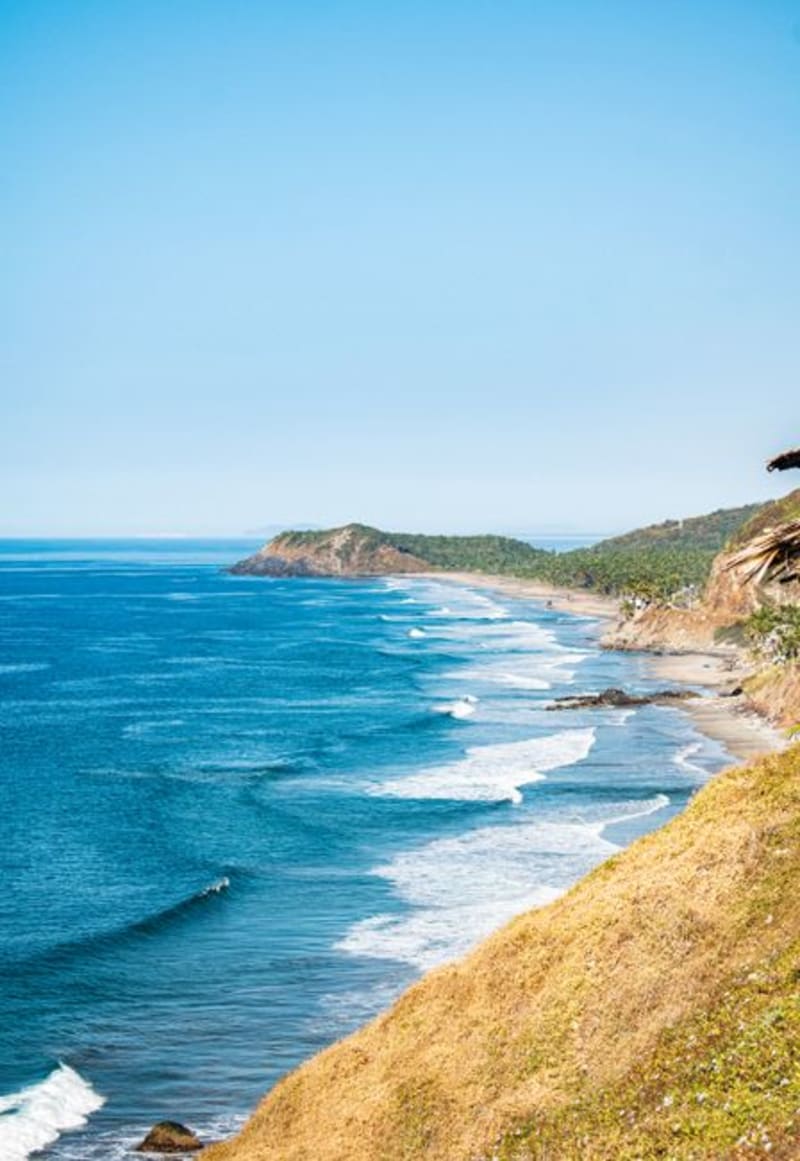 mexico
 Troncones
Thirty kilometers north of Ixtapa, Troncones is two kilometers of Pacific beach, a consistent surf break, and nothing resembling a resort — exactly what this coast looked like before anyone thought to improve it.
Explore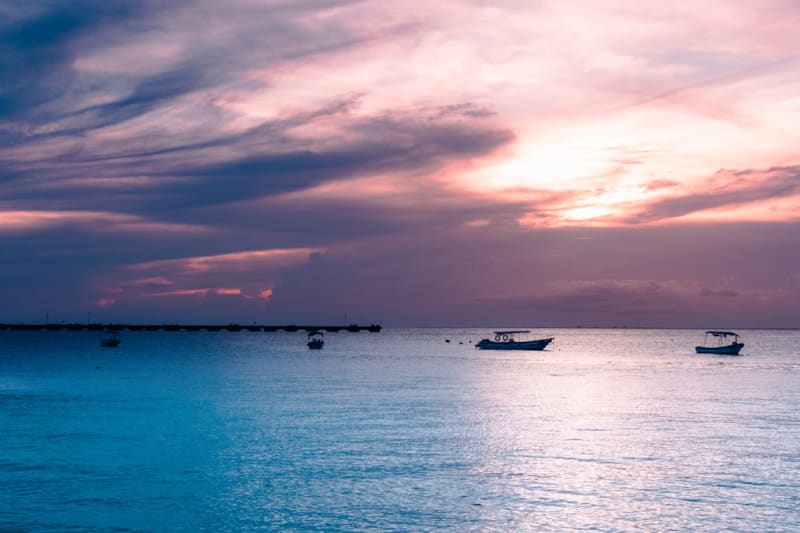 mexico
 Zihuatanejo
The fishing village on Guerrero's Pacific coast that has remained a fishing village despite fifty years of trying to become something else — a deep bay of calm water, excellent snapper, and the specific atmosphere of a place that refuses to perform.
ExploreKeep exploring
More from Mexico
 mexico
 Hidalgo
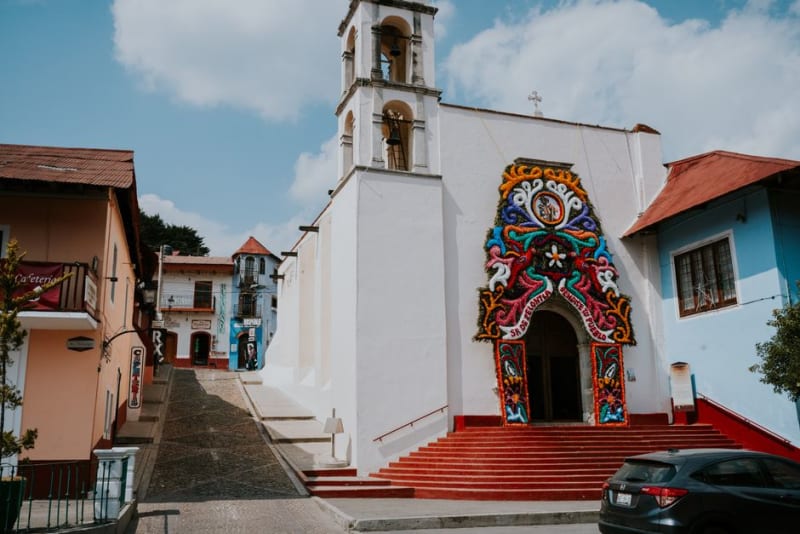
A small central Mexico state with Cornish miners buried in Real del Monte, hexagonal basalt columns at Huasca de Ocampo, the Toltec warrior columns at Tula, and a highland landscape that connects the Valley of Mexico to the Gulf coast through a series of valleys and gorges.
Explore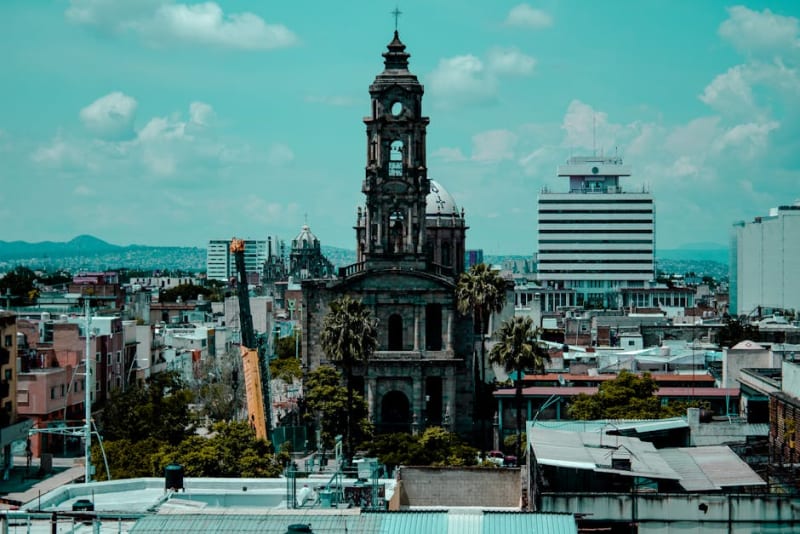 mexico
 Jalisco
Mexico's most recognizable cultural exports — tequila, mariachi, and the charreada — come from a state that stretches from the Pacific coast to the dry highlands, with Guadalajara as its urban anchor and a coastline that runs from resort to remote.
Explore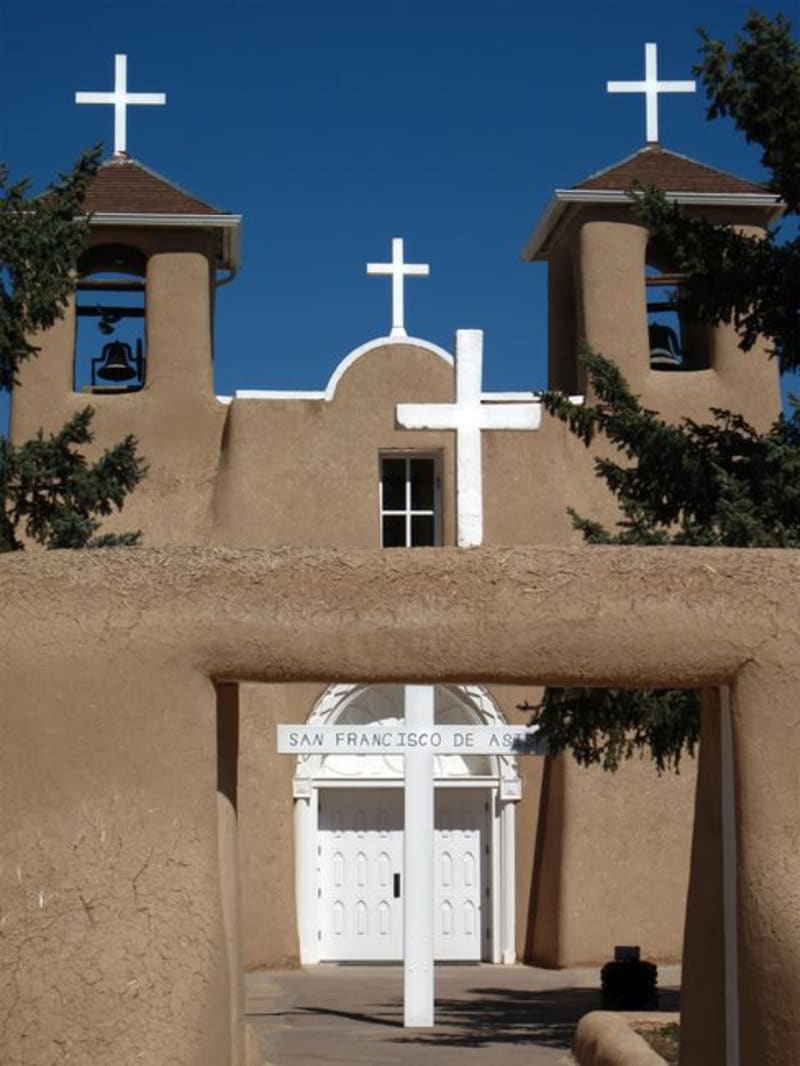 mexico
 Jaumave
A Franciscan mission town set in a high valley of the Sierra Madre Oriental, Jaumave sits inside one of the most dramatic cactus landscapes in Mexico — organ pipe forests and cardón columns rising from pale limestone on every slope. The road in from Ciudad Victoria through Ocampo is, mile for mile, one of the finest drives in the republic.
Explore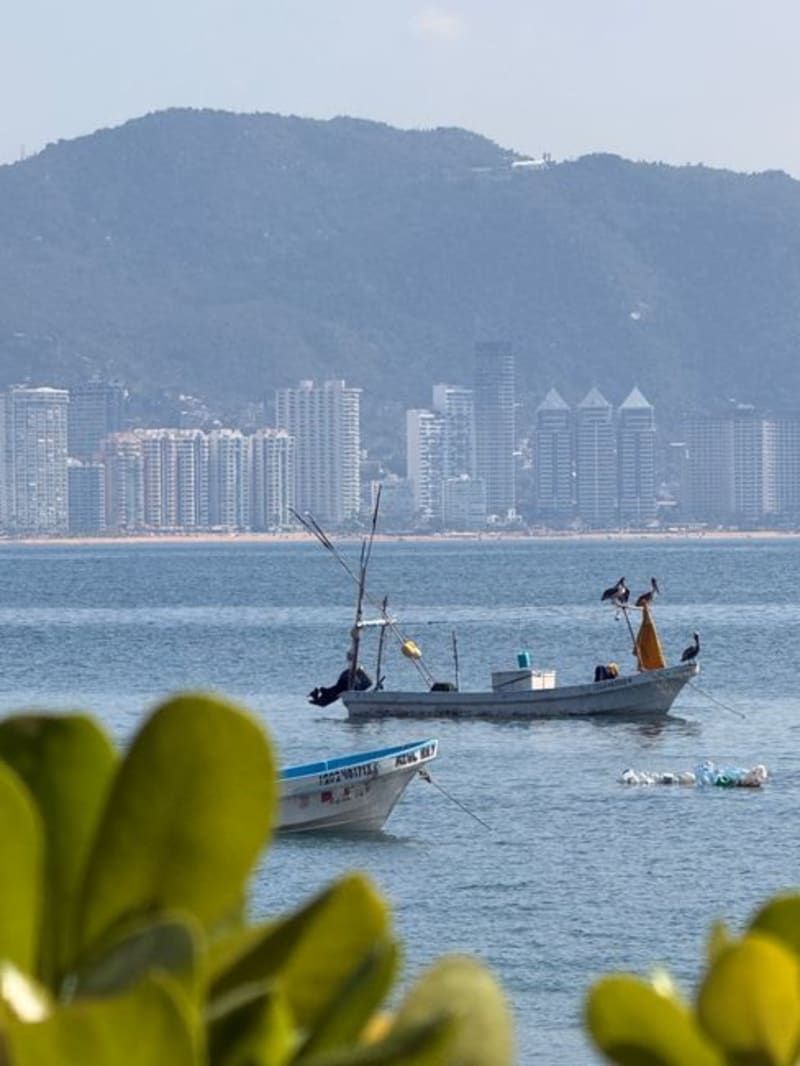 mexico
 La Pesca
La Pesca is a narrow strip of Gulf Coast where the Río Soto la Marina empties into the sea — a place so overlooked by tourism that it has been left entirely to itself: the pelicans, the tarpon fishermen, and a silence that arrives almost the moment you park the car.
Explore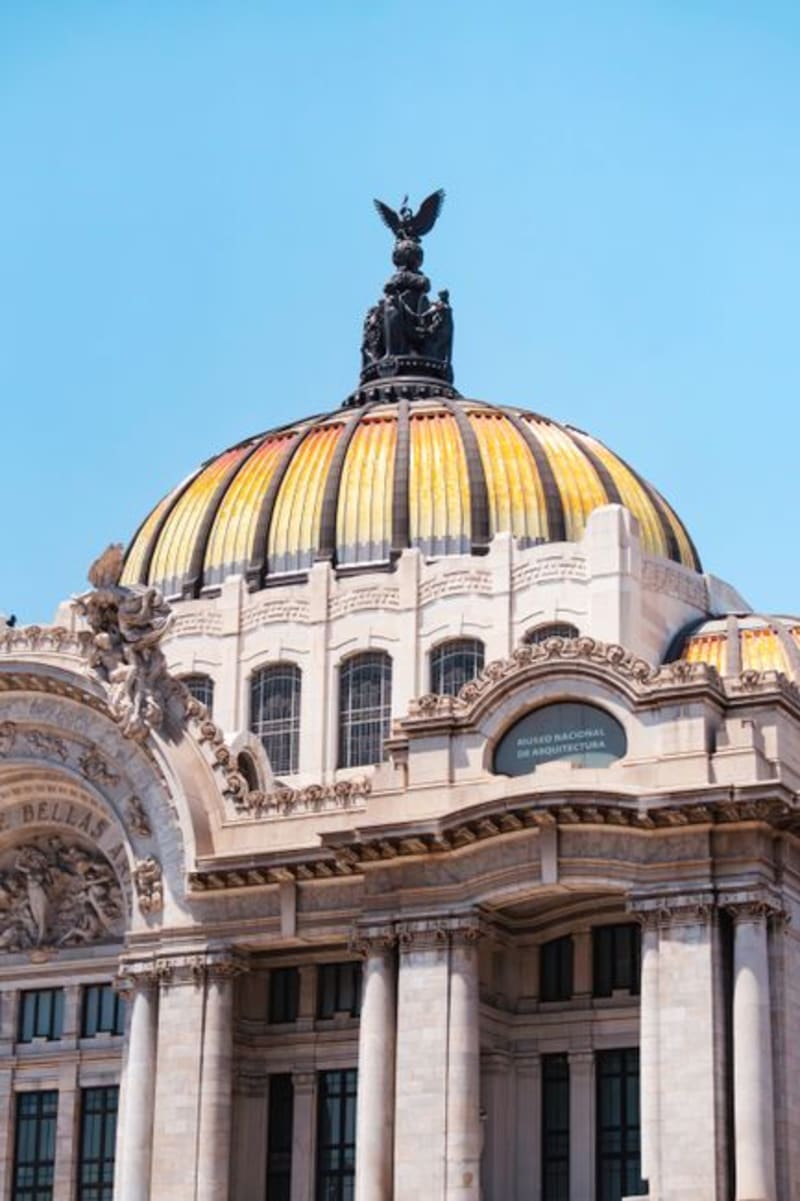 mexico
 Matamoros
A border city that has been chronically underestimated, Matamoros preserves one of the most coherent art deco and neoclassical downtowns in northern Mexico — the Teatro de la Reforma, the arcaded old market, wrought-iron balconies along the Zona Rosa — alongside a pandería scene that reflects a century of living between two countries and two culinary traditions.
Explore mexico
 Mexico City
Twenty-two million people, more museums than any city in the Americas, and a food scene that rivals Paris and Tokyo.
Explore