Chihuahua
"Pancho Villa kept his car in a garage here. His car was shot full of holes in 1923. The garage is now a museum. The holes are still in the car."
The northern capital where Pancho Villa planned his División del Norte — a city of revolutionary history, Mennonite cheese from the surrounding plains, art nouveau architecture, and the gateway to the Sierra Tarahumara.

Chihuahua is the capital of Mexico’s largest state — a state bigger than the United Kingdom — and a city whose 20th-century history is the history of the Mexican Revolution made domestic. Pancho Villa organized and commanded the División del Norte from Chihuahua; his military campaigns that pushed south from here broke the Díaz regime and later the Huerta government and made Villa briefly the most powerful military figure in Mexico. The city’s relationship with this history is intimate and proud and still contested in the ways that revolutionary history always is.
The city is also, in 2026, a working industrial capital of northern Mexico — manufacturing, aerospace, agriculture — with a colonial downtown that carries the weight of its history more gracefully than many Mexican cities four times its size.
The Pancho Villa Museum
The Quinta Luz — the mansion where Villa lived with his last wife, Luz Corral, in the years between the end of the revolution and his assassination in 1923 — is now the Museo de la Revolución Mexicana and contains one of the most affecting single objects in any Mexican museum: Villa’s 1919 Dodge touring car, with the bullet holes from the ambush at Parral still in the body. Villa was killed in that car on July 20, 1923. The car has been in the museum since 1976.
The museum also contains Villa’s personal weapons collection (including his favored pistols), his military campaign maps, photographs from the División del Norte campaigns (many of them taken by the Mutual Film Company, which paid Villa for exclusive filming rights in 1914), and documentation of the complex political negotiations that were Villa’s actual strategic instrument alongside his military campaigns.
The mansion itself is a period document: the room where Luz Corral continued living until her death in 1981, the stables where Villa kept his horses, the garage where the Dodge was maintained. The scale is that of a successful rancher’s house, not a warlord’s palace — Villa’s legend has always been partially the legend of a man who could have been much more powerful than he chose to be.

The Cathedral and the Centro
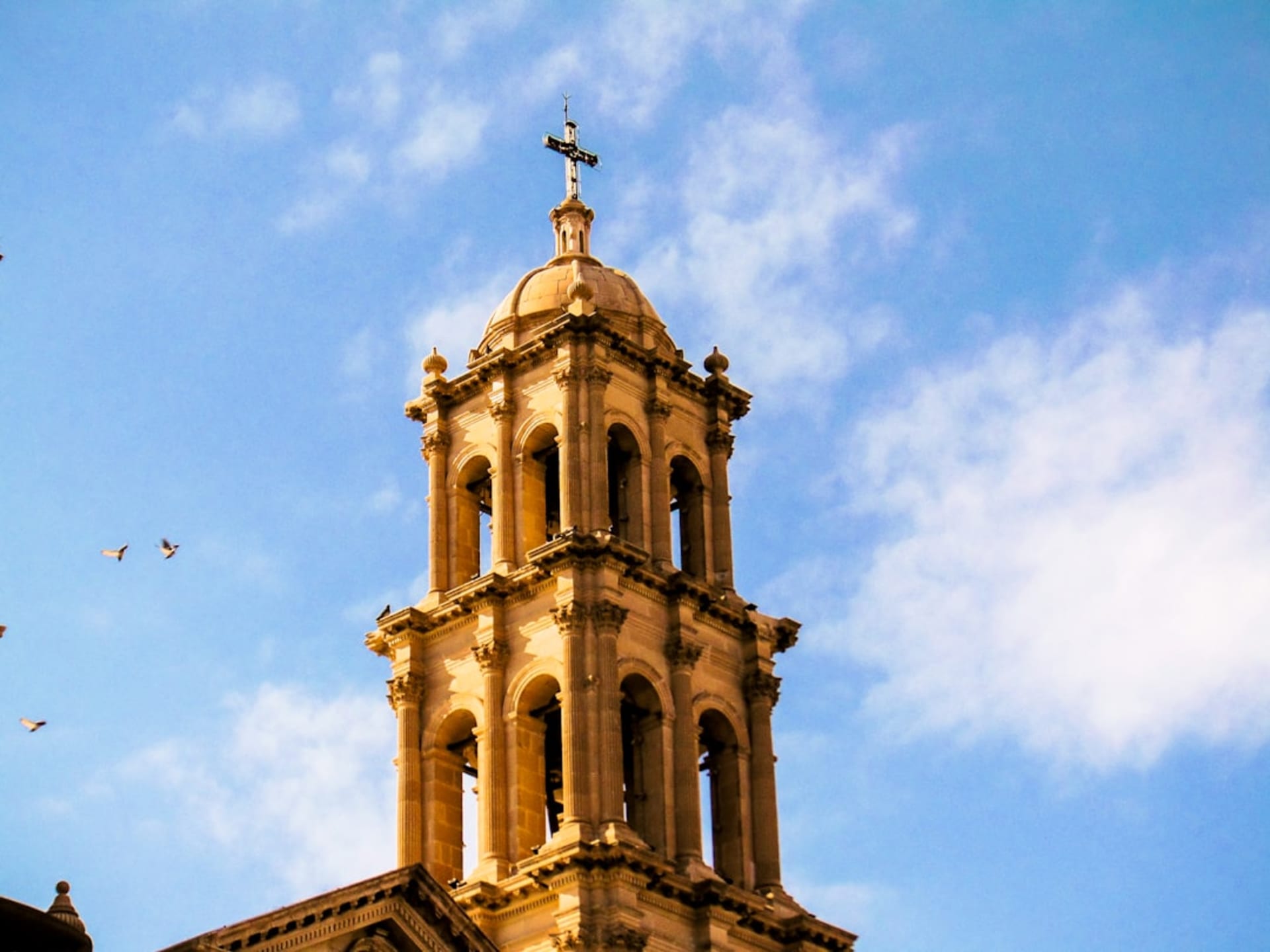
The Cathedral of Chihuahua on the Plaza de Armas is the baroque showpiece of the city: an 18th-century church with two towers of unequal height (one was finished in 1750, the other not until 1826) and a facade of carved cantera stone that is less ornate than the Churrigueresque churches of central Mexico but has a severity appropriate to the north. The interior has been heavily modified but the main altar is significant.
The Palacio de Gobierno — the state capitol — contains Aarón Piña Mora’s murals depicting Chihuahua history from pre-Columbian times through the revolution. The Cuauhtémoc cell in the basement (where the last Aztec emperor was reportedly tortured before his execution during the conquest period — a historical event that happened 500 kilometers away but that the Chihuahua murals claim with regional authority) is the most visited room.
The Palacio Federal — an art nouveau building from 1910 — and the adjacent streets of the historic center carry some of the most interesting 19th and early 20th-century commercial architecture in northern Mexico. The Chihuahua prosperity of the Porfiriato (the Díaz era of infrastructure and foreign investment) left buildings that the revolution interrupted and that have been slowly restored since.
The Mennonite Country
Two hours west of Chihuahua, the agricultural plains of the Cuauhtémoc region are the homeland of the Mennonite communities that settled here in the 1920s, fleeing restrictions on their religious practice in Canada. The communities now number around 100,000 people — Low German speakers who maintain traditional Mennonite practice while operating successful dairy farms, cheese factories, and apple orchards.
The queso menonita — a mild, semi-firm yellow cheese in the Dutch-influenced style — is the best-known product and appears in every northern Mexican market and restaurant. The version bought from the farms around Cuauhtémoc, sold in large wheels from roadside stands, is different from the industrial version distributed nationally. The apple orchards produce the only significant commercial apple crop in Mexico; the apple cider from Cuauhtémoc is available in Chihuahua markets in the fall.

Getting there: Direct flights from Mexico City, Guadalajara, Monterrey, and US border cities. Bus from Ciudad Juárez (4h) or Hermosillo (8h). The Chihuahua al Pacífico railway (El Chepe) runs from Chihuahua into the Copper Canyon — the standard starting point for the train journey through the sierra.
When to go: April through June and September through November for best weather. July-August brings monsoon rains (often dramatic lightning storms over the sierra that are worth seeing). The Chihuahua winter (December-February) is genuinely cold by Mexican standards.
Explore
Places in Chihuahua
 mexico
 Balleza
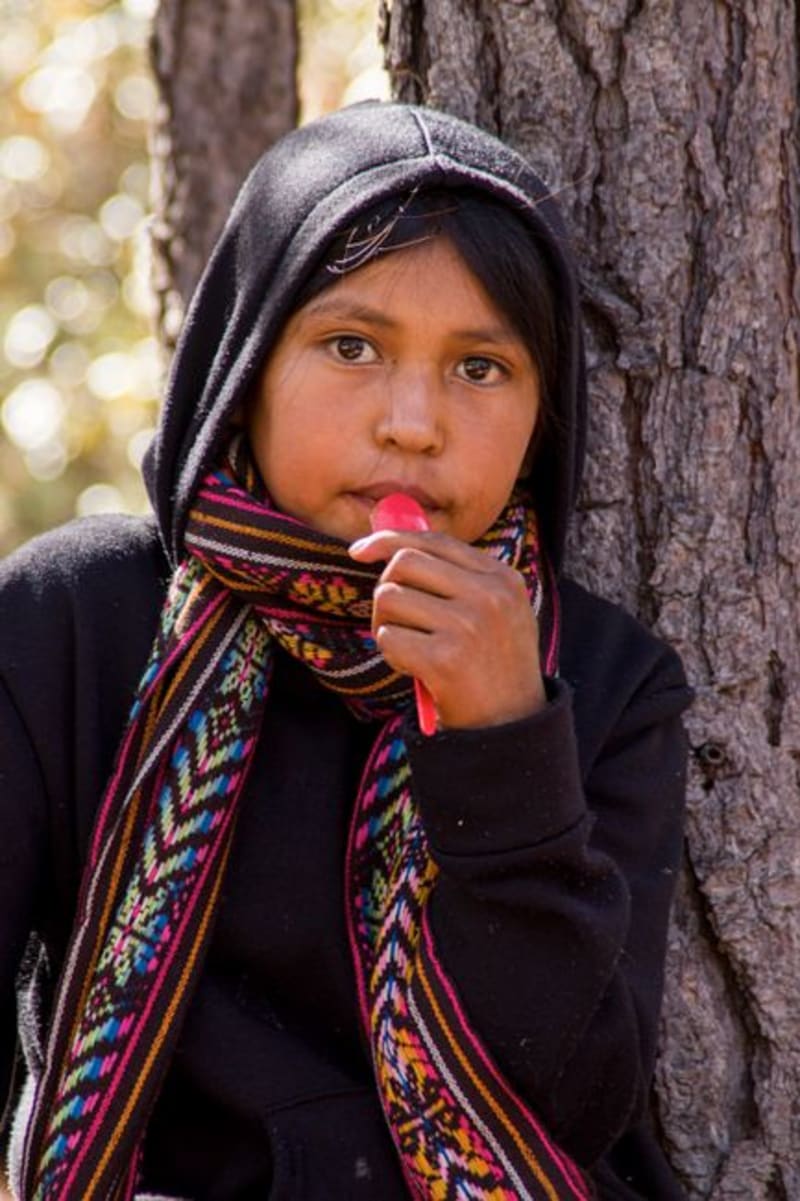
Valle de Balleza is a wide agricultural valley at the foot of the Sierra Tarahumara, the quiet departure point for the Barranca de Balleza — a canyon system that rivals Copper Canyon in depth but draws almost none of its crowds. The Rarámuri communities here have had far less contact with outside visitors, which makes every interaction carry more weight.
Explore mexico
 Batopilas
A colonial silver village at the bottom of one of the Copper Canyon's deepest barrancas, reachable only by a three-hour dirt road that drops two thousand meters through the Sierra Madre — and then, impossibly, mango trees. The Río Batopilas runs green and cold through the canyon floor past the ruins of a silver baron's hacienda, and the silence is so complete that you stop reaching for your phone after about two hours.
Explore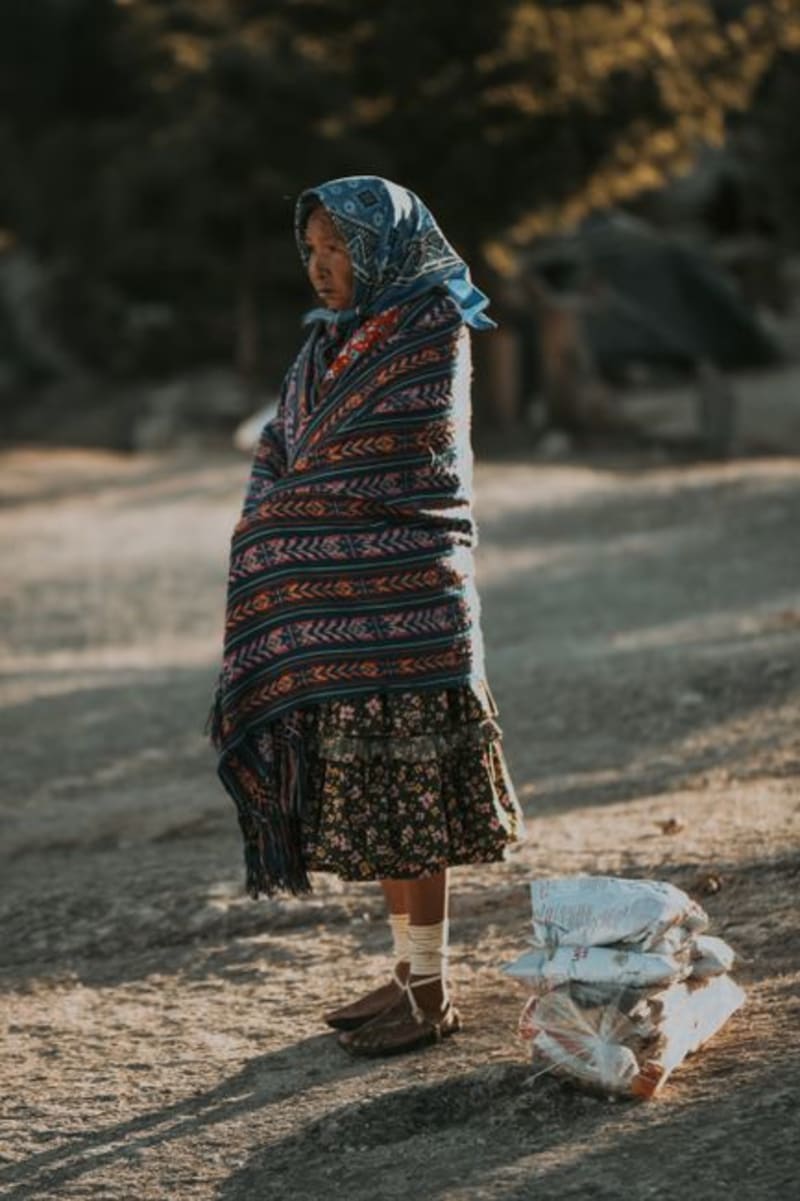 mexico
 Bocoyna
Bocoyna sits high in the Sierra Tarahumara at the edge of the Copper Canyon country, where the pines close in and the air carries real cold even in summer. It is a working town, not a curated one — the weekend Tarahumara market runs on its own schedule, and the canyon views from the surrounding ridges arrive without preamble.
Explore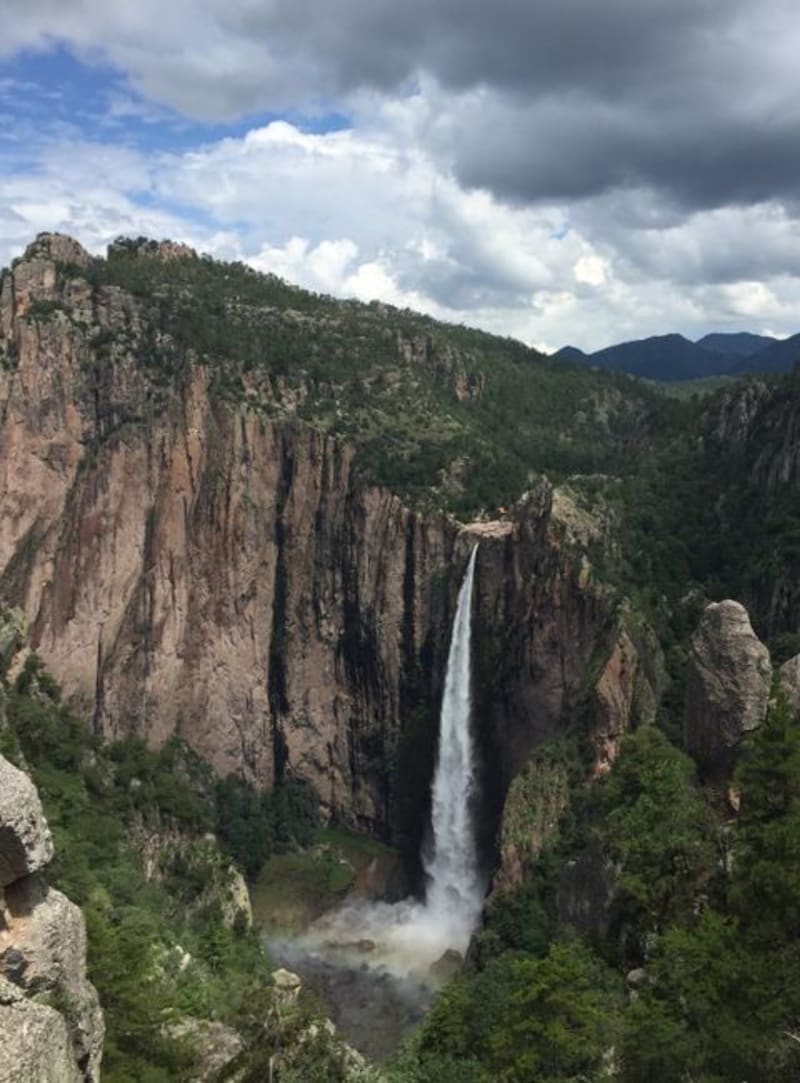 mexico
 Cascada de Basaseachi
At 246 metres, Basaseachi is the longest single-drop waterfall in Mexico, plunging into a canyon so deep the mist barely reaches the rim where you stand. The surrounding Sierra Tarahumara feels wilder and less trafficked than Copper Canyon proper, which is part of why the hike down to the pool — steep, loose-scree, unforgettable — rewards the effort.
Explore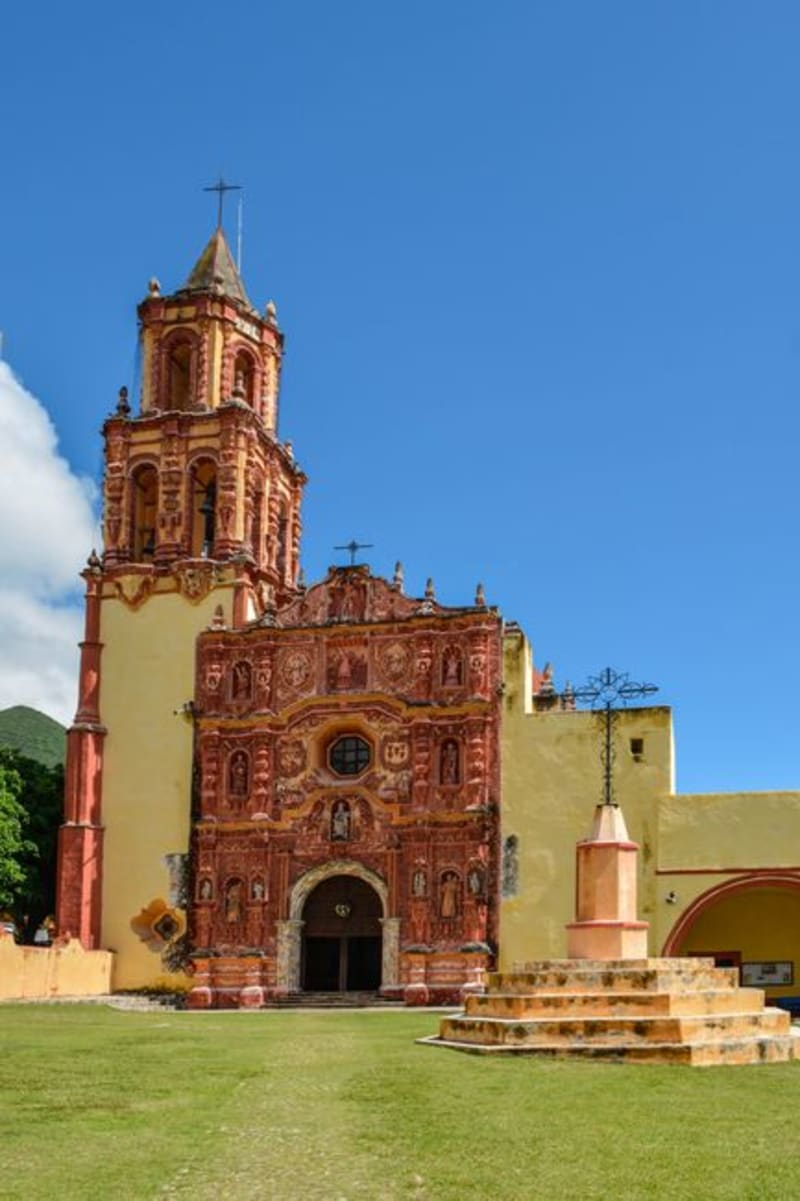 mexico
 Cerocahui
A Jesuit mission village tucked into a pine-forested valley of the Sierra Tarahumara, reached by a rough dirt road from the Copper Canyon train. Most passengers stay on board. That is precisely the point.
Explore mexico
 Chihuahua City
The state capital and northern terminus of the Copper Canyon railway — a big, loud, working city where people wear cowboy boots without irony, Pancho Villa's bullet-riddled Dodge sits in a museum that feels like a cathedral, and the discada at the night market will recalibrate your understanding of what northern Mexican food can be.
Explore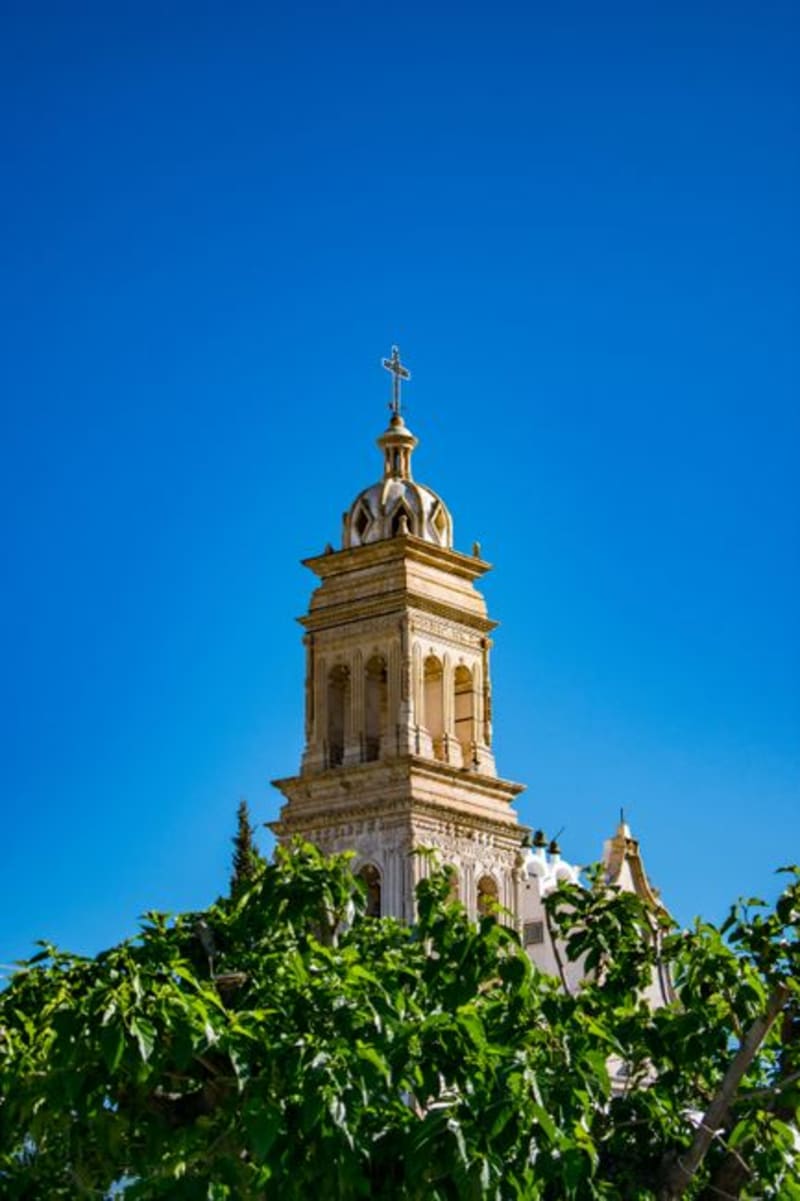 mexico
 Chínipas
At the bottom of one of the deepest canyons in the Sierra Madre Occidental, Chínipas sits in a climate that has no business existing this far north — mango trees, subtropical heat, and colonial silence. Getting there is the first commitment. Staying longer than you planned is the second.
Explore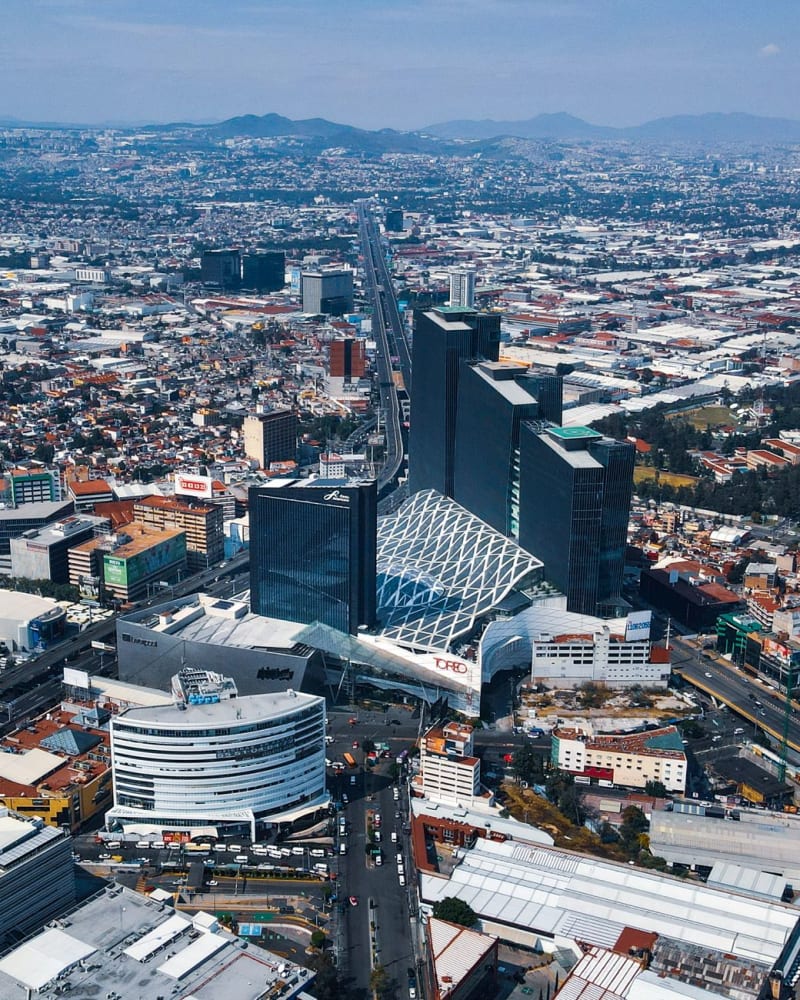 mexico
 Ciudad Juárez
Ciudad Juárez is the US-Mexico border made material: a city of two million people that was, around 2010, the most violent in the world, and that has rebuilt itself since then with a stubbornness that demands a more honest accounting than either the old fear narrative or the new redemption one. The flour tortilla burrito was invented here, and the corrido music that documents the cartel years has more intellectual honesty than almost anything written about the same period by outsiders. I crossed from El Paso for lunch and stayed longer than I planned.
Explore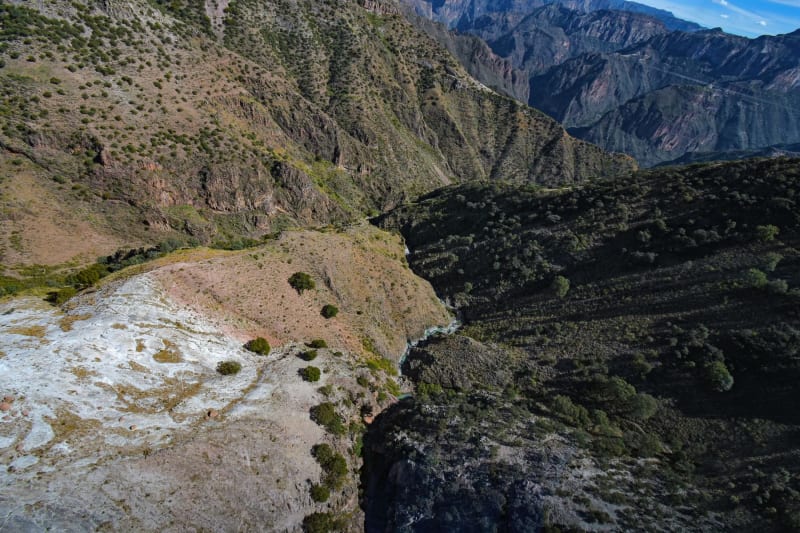 mexico
 Copper Canyon
Four times the size of the Grand Canyon, this Chihuahuan labyrinth is traversed by one of the world's great train rides.
Explore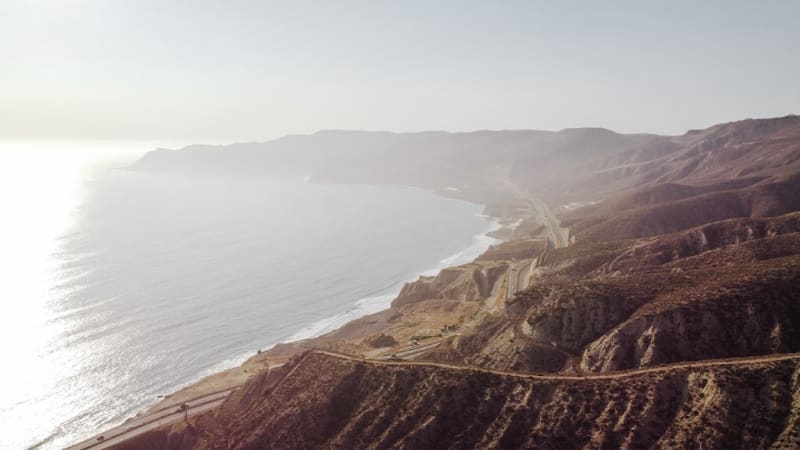 mexico
 Creel
The mountain town gateway to the Copper Canyon — four canyons larger and deeper than the Grand Canyon, the Rarámuri people who run ultramarathons barefoot, and a train journey through the Sierra Tarahumara that is one of the great engineering feats of 20th-century Mexico.
Explore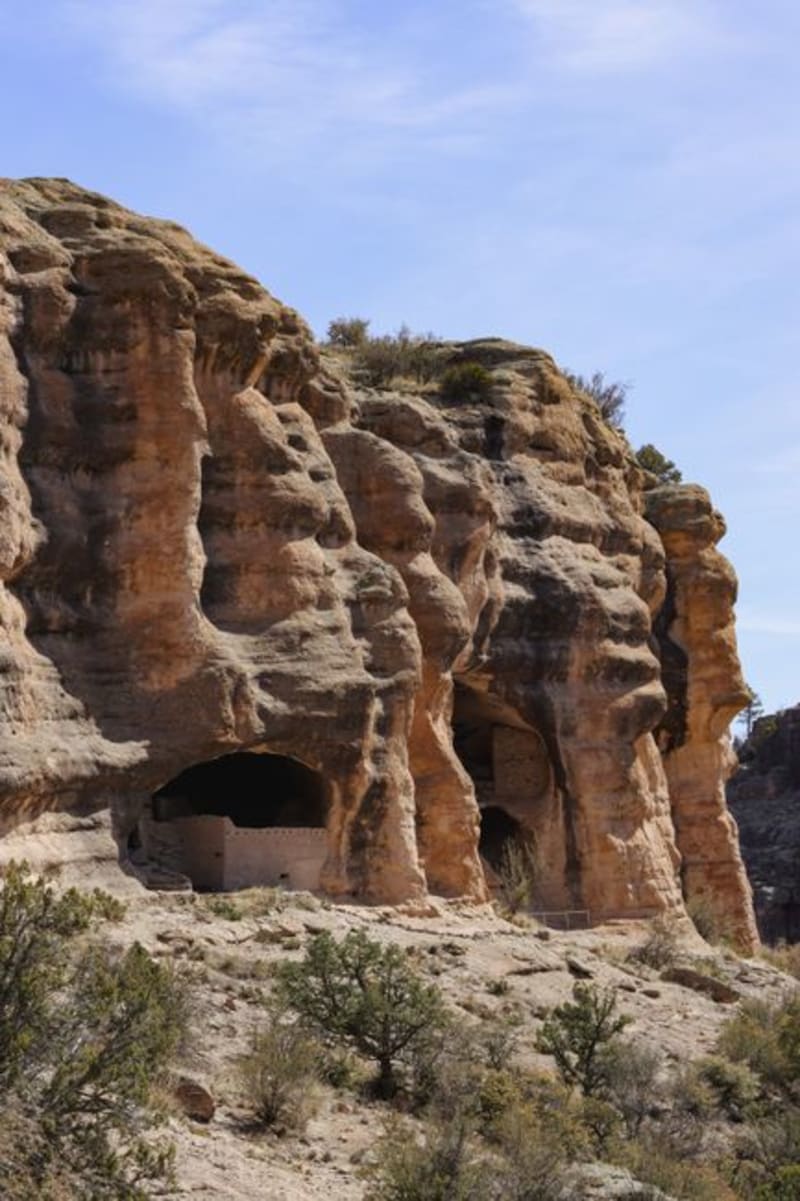 mexico
 Cuarenta Casas
Ancient cliff dwellings set into the sheer walls of Cañón de la Huapoca near the logging town of Madera, built by the Mogollon culture between roughly 900 and 1200 CE. Mexico's answer to Mesa Verde, visited by almost no one.
Explore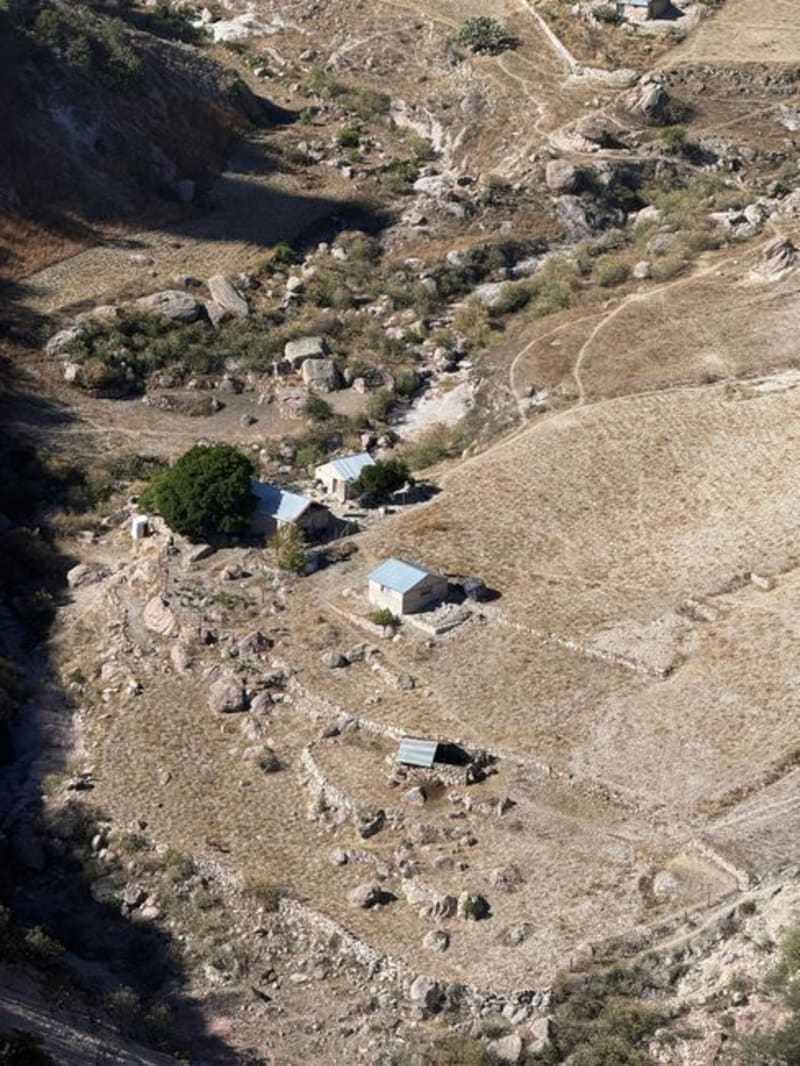 mexico
 Cuauhtémoc
Cuauhtémoc sits at 2,100 metres in a high-desert valley of Chihuahua, surrounded by apple orchards and dairy farms built by Old Colony Mennonites who arrived here in the 1920s. Their Friday market — bonnets, Plautdietsch, fresh queso and apple cake — is one of the stranger and more quietly wonderful hours you can spend in this country.
Explore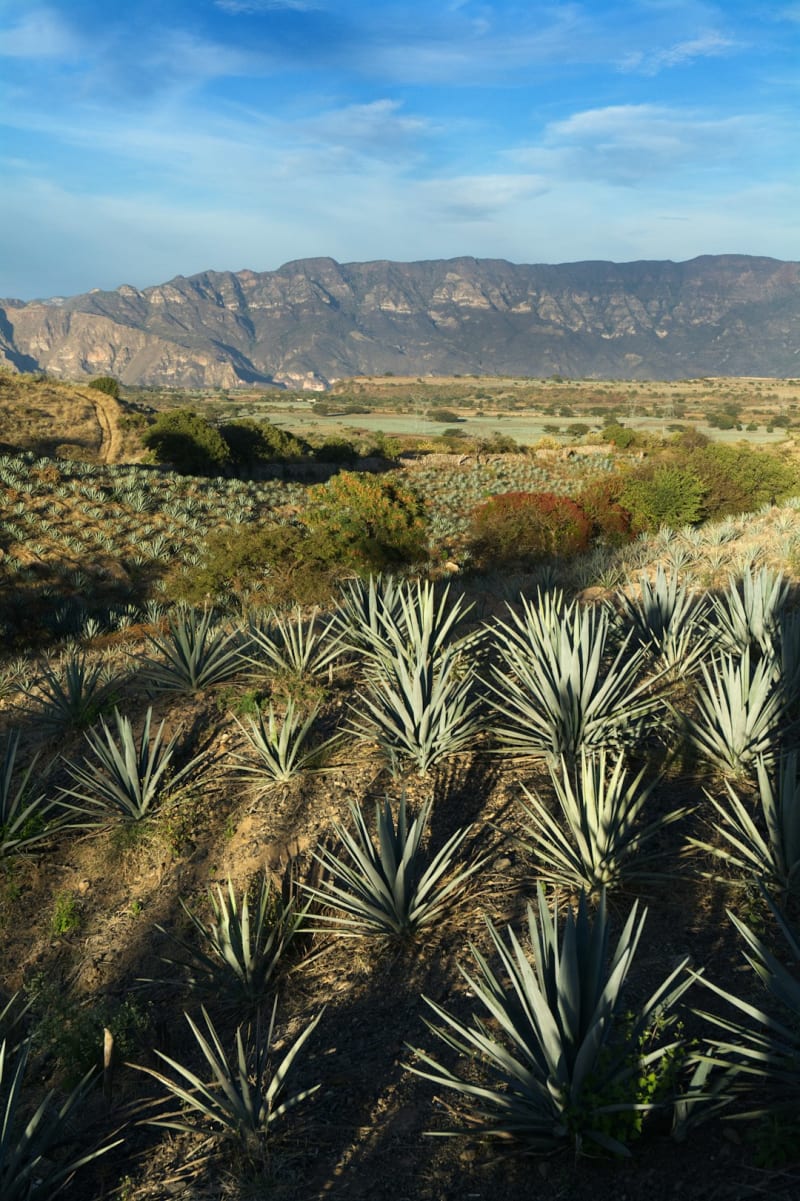 mexico
 Divisadero
Divisadero is where the Chepe train pauses at the rim of the Copper Canyon system — a geology so vast it makes the word canyon feel insufficient. Most passengers photograph it and reboard. The ones who stay find something the train window cannot show.
Explore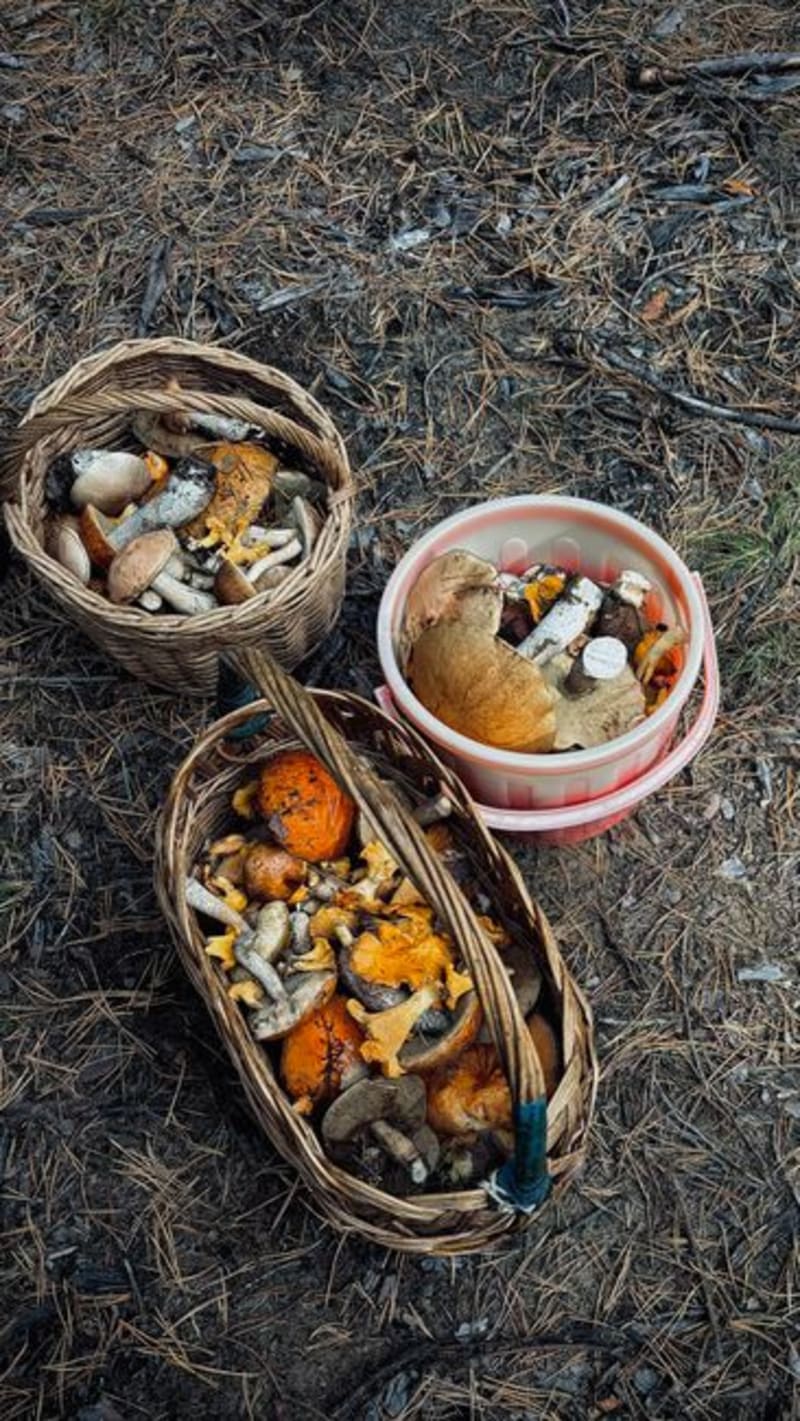 mexico
 El Vergel
Tucked into the pine-and-oak highlands near Madera at around 2,400 meters, El Vergel draws foragers from across northern Mexico every October when the forest floor erupts with ceps, chanterelles, and dozens of species that resist easy classification. The cold, resin-sharp air and the silence between the trees make it feel like a different country entirely.
Explore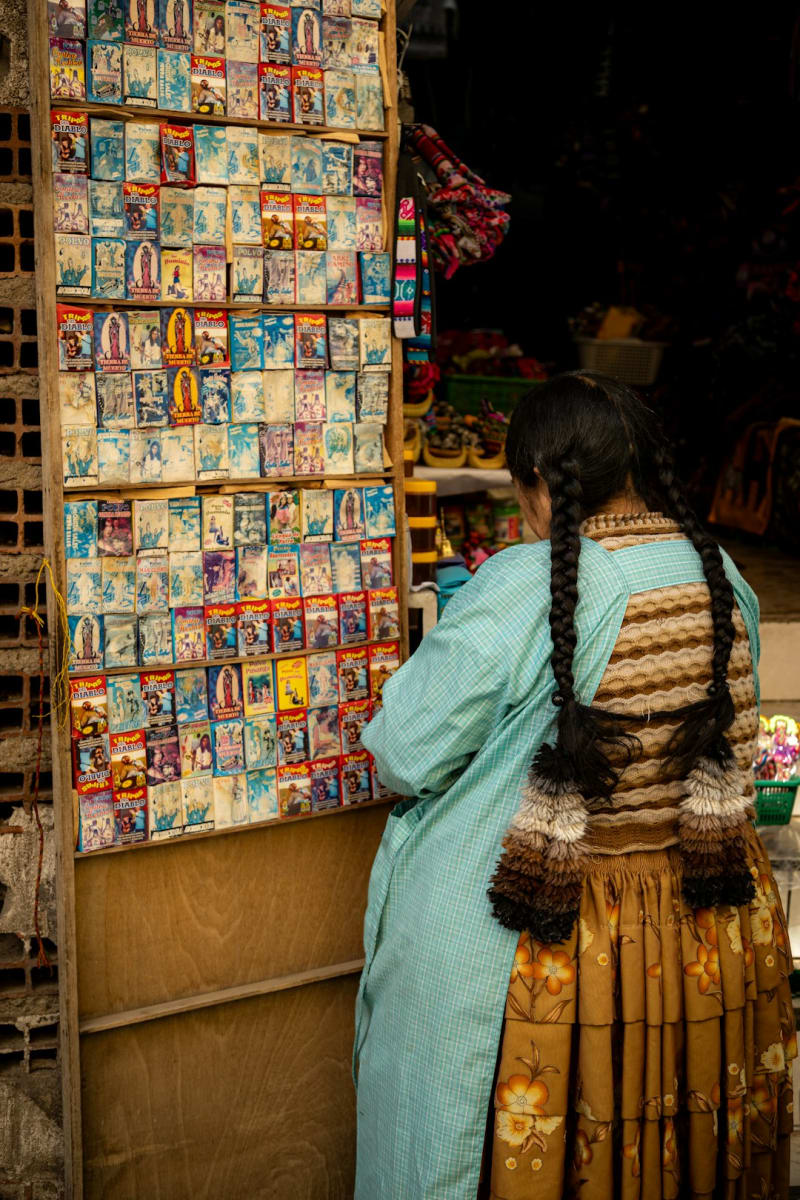 mexico
 Guachochi
Guachochi sits at the rim of the Barranca de Sinforosa, a canyon that rivals Copper Canyon in depth and scale and sees a fraction of its visitors. This is Rarámuri territory in the truest sense — market days bring Tarahumara women down from the sierra in layered skirts, and the runners moving through town on weekend mornings are training for distances that would finish most athletes by the second day.
Explore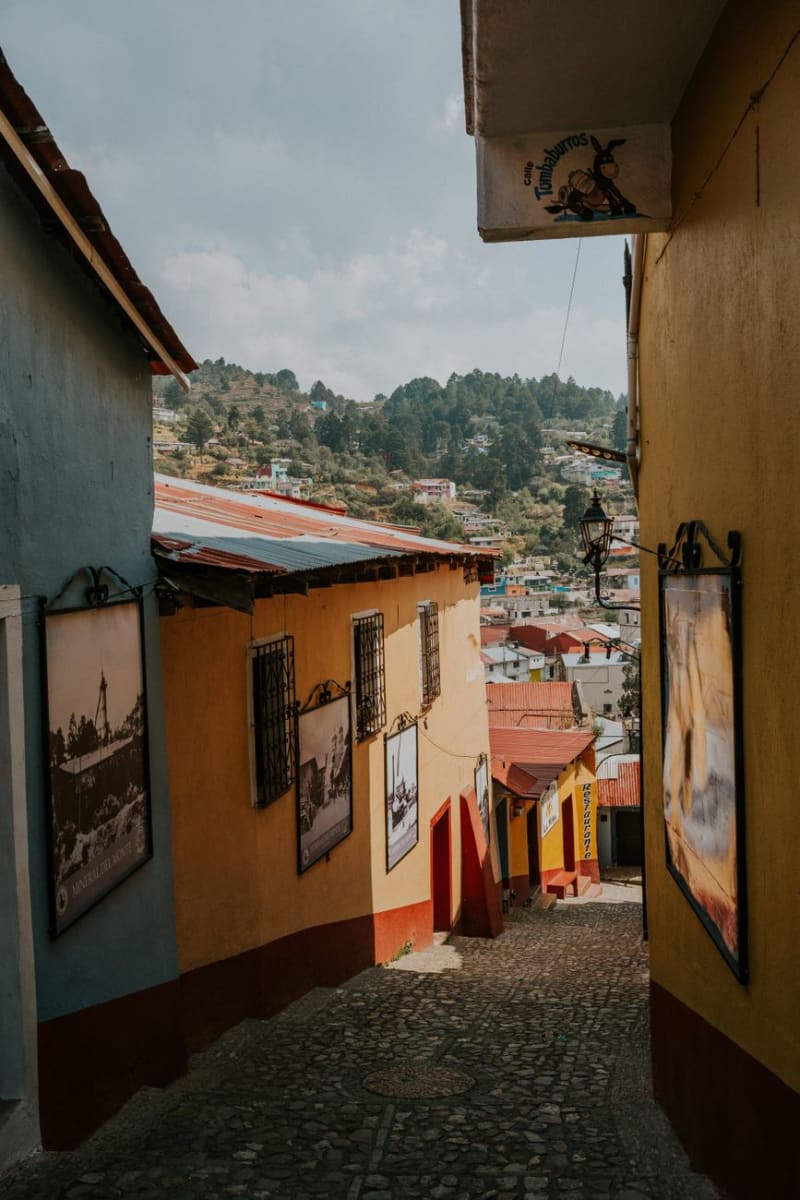 mexico
 Hidalgo del Parral
Parral is a working silver-mining city in southern Chihuahua where Pancho Villa was assassinated in 1923, and the locals have kept the wound open — deliberately, lovingly — ever since. The baroque centro hides churches and mansions built on mine wealth, and the city functions like a real place rather than a managed experience.
Explore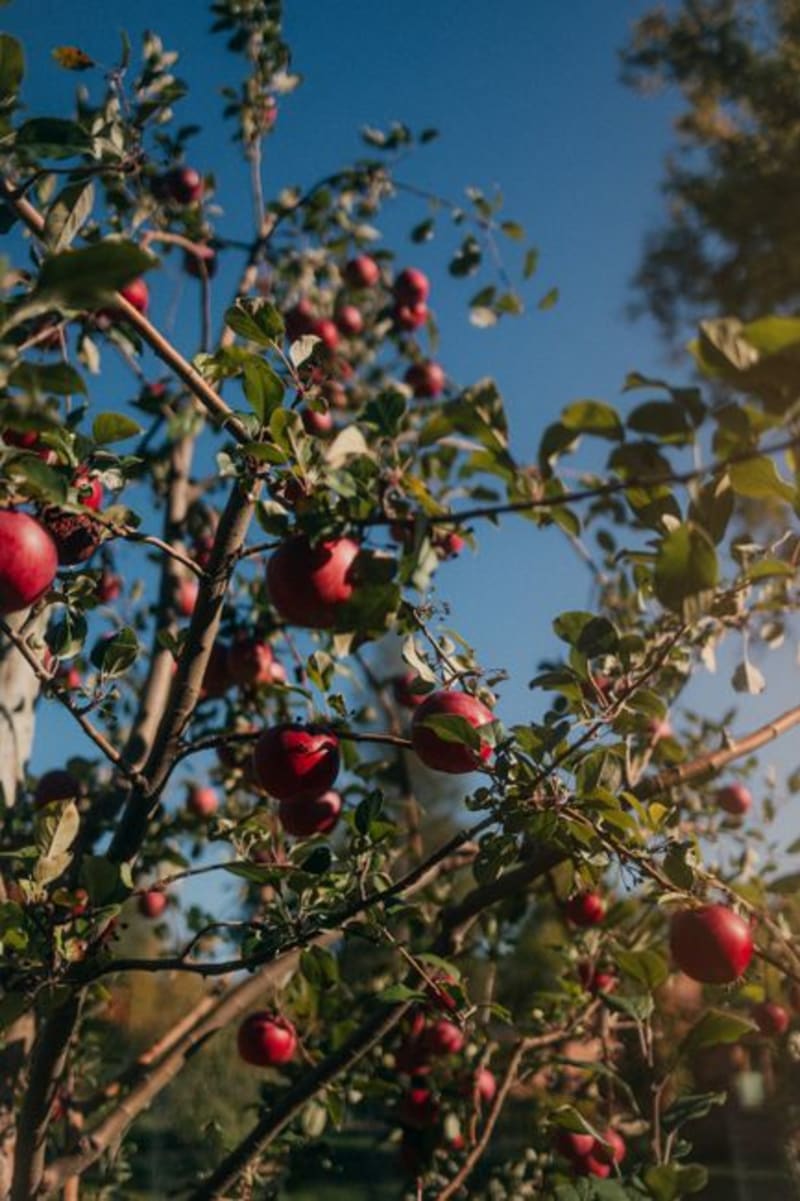 mexico
 Madera
Madera sits at the edge of Chihuahua's apple country, where pine-covered sierras open into canyons hiding entire pre-Hispanic towns built into cliff faces. The Cueva de los Portales and Cueva de la Guacamaya rival anything at Paquimé — and in October, the orchards surrounding town smell like something I keep trying to describe and cannot.
Explore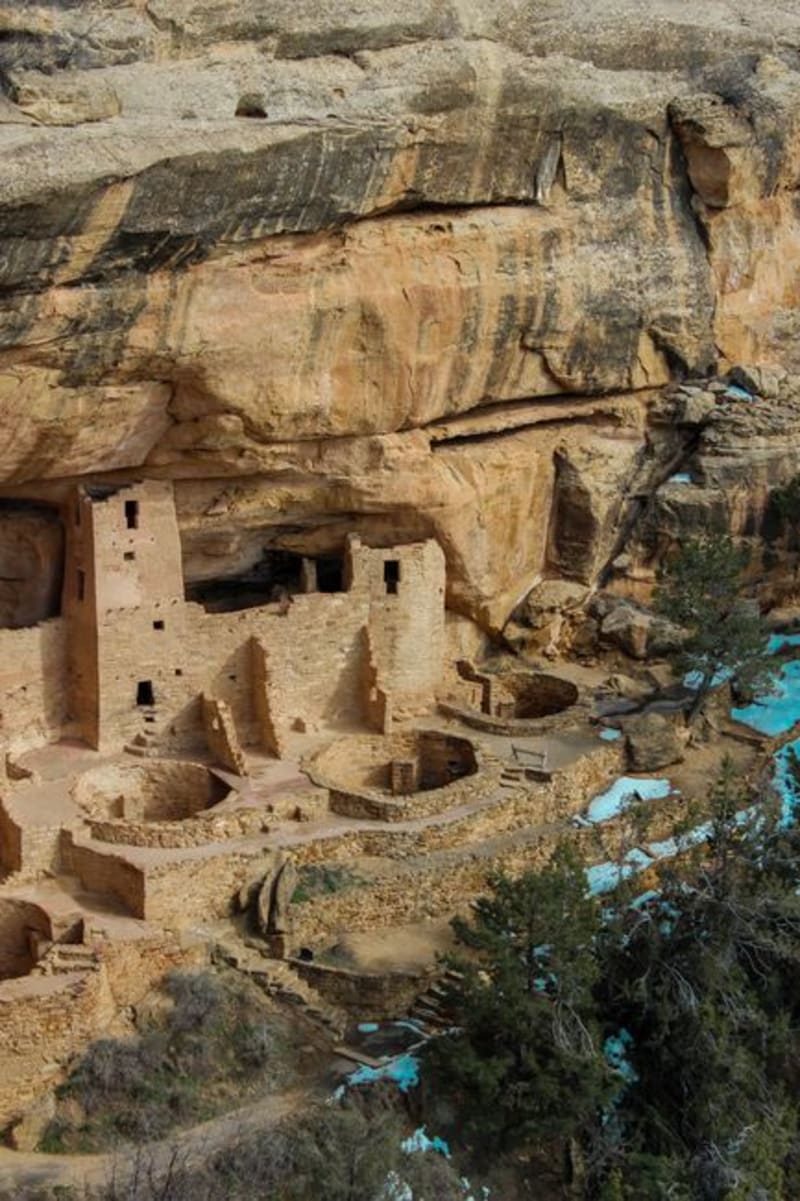 mexico
 Madera Cliff Dwellings
The Cuarenta Casas cliff dwellings near Madera are pre-Hispanic adobe structures wedged into volcanic cliffs at nearly 2,200 meters — the Chihuahuan answer to Mesa Verde, and almost nobody knows they exist. The town of Madera, with its apple orchards and logging-camp DNA, makes a quiet, unhurried base.
Explore mexico
 Mata Ortiz
Mata Ortiz is a pottery village of two thousand people in the Casas Grandes valley of northwestern Chihuahua where three hundred practicing potters make hand-coiled, hand-painted ceramic vessels using a pre-Columbian technique that was essentially extinct until a local woodcutter named Juan Quezada reverse-engineered it from ancient shards found in the surrounding fields in the 1970s. The work gets sold to collectors in the US, Japan, and Europe, and watching it being made — the coiling, the slip, the geometric lines painted freehand at a precision I cannot explain — is one of the more humbling things I have done in Mexico.
Explore mexico
 Moris
Moris sits in the foothills where Chihuahua dissolves into Sonora, a small town that most Mexicans have never heard of and almost no foreigner has thought to visit. The reason to come is a waterfall that drops into a swimming hole of cold, crystalline water so clear it looks edited. Getting there requires forty-five minutes of dirt road and a car that you are not too attached to.
Explore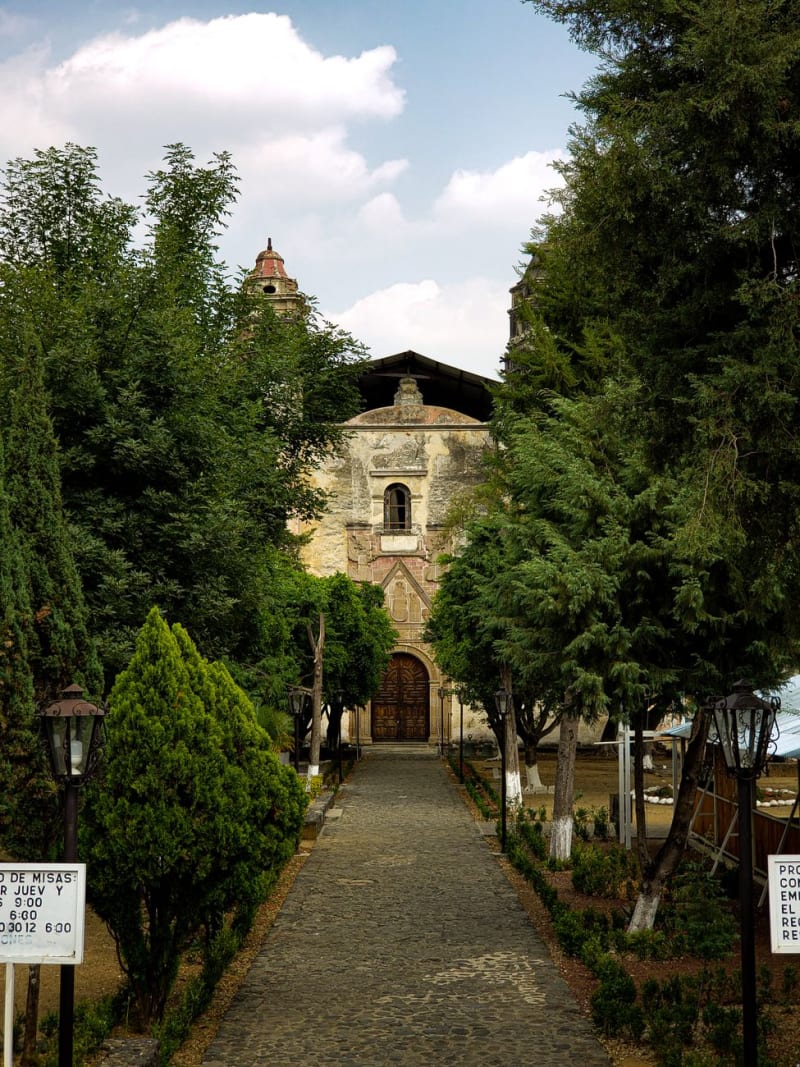 mexico
 Ojinaga
Ojinaga is a border town at the confluence of the Río Conchos and the Río Bravo, directly across from Presidio, Texas, at the edge of the Chihuahuan Desert where the gravel bajadas run flat and sotol and ocotillo are the only vertical elements for long distances. It is one of the few places in Mexico where you can look directly across the river into the Big Bend wilderness, and I sat at the side of the road south of town for a while doing nothing in particular except looking at it, which seemed like the correct response.
Explore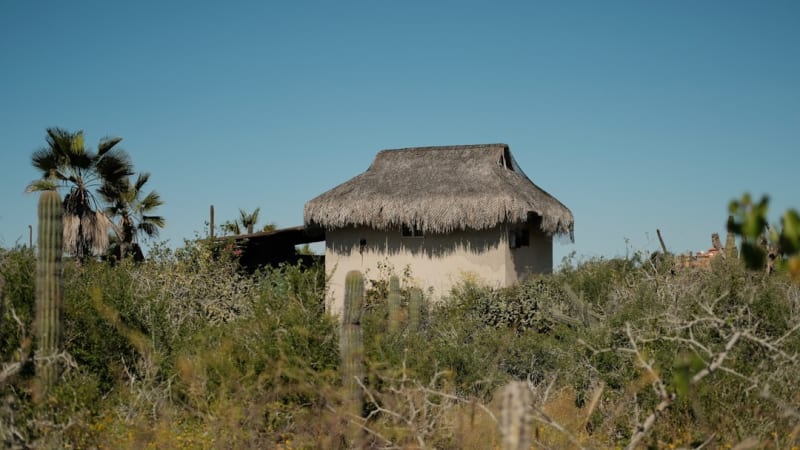 mexico
 Paquimé
The most mysterious city in northern Mexico — a Mogollon adobe metropolis in the Chihuahuan desert that traded macaws and copper bells between the Mississippi civilizations and Mesoamerica, then vanished completely around 1450.
Explore mexico
 Témoris
Témoris is not a destination so much as a phenomenon — a place the Chepe train visits three times at three different altitudes, threading the same canyon through loops and tunnels until the valley stops making geometric sense. The village at the bottom asks nothing of you, which turns out to be exactly what you needed.
Explore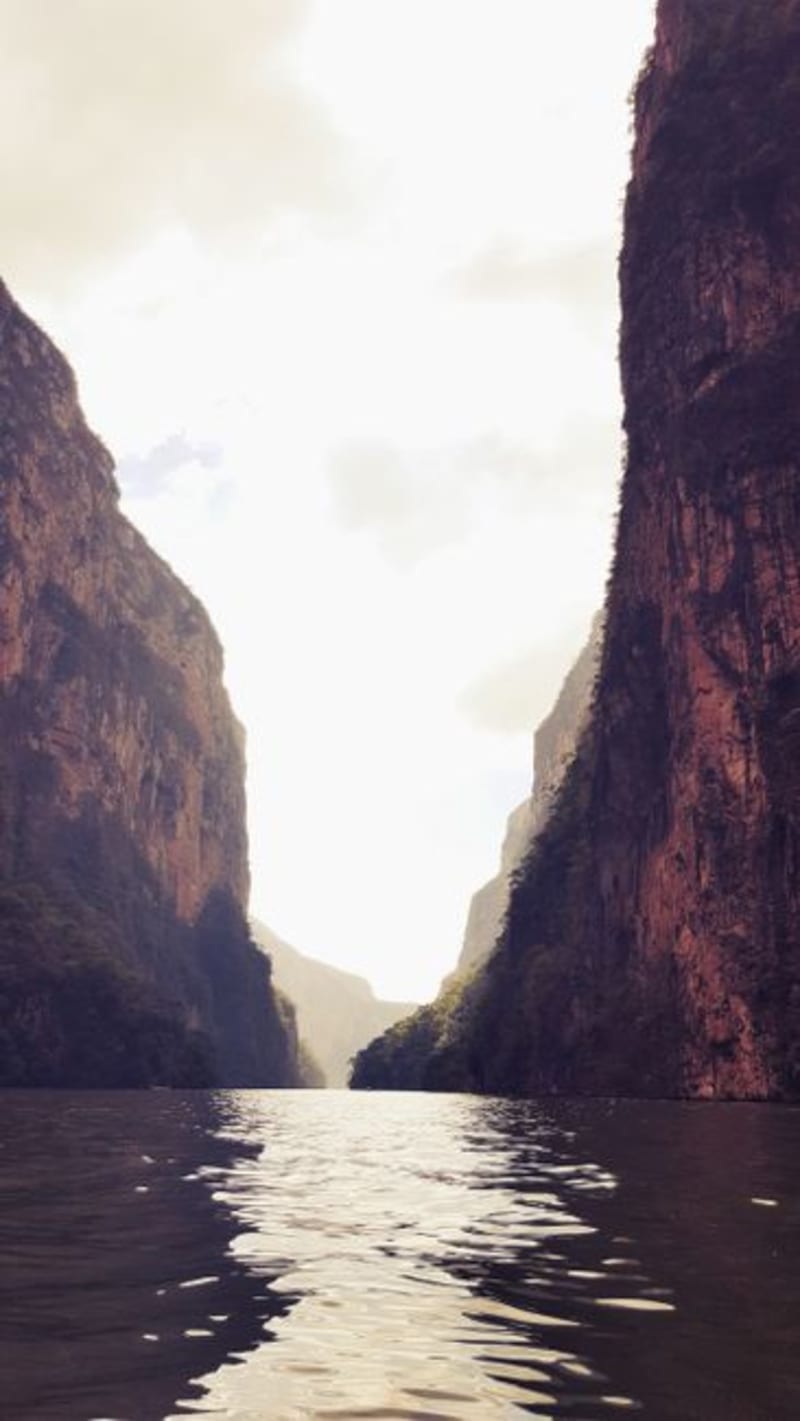 mexico
 Urique
Urique sits at the floor of a canyon deeper than the Grand Canyon, reachable only by two hours of switchback road that drops a vertical kilometer into relentless heat. It is where the Rarámuri have been running impossibly long distances for centuries, and where the canyon walls close in tight enough to make you feel, genuinely, that the rest of the world has ceased to exist.
ExploreKeep exploring
More from Mexico
 mexico
 Ciudad Victoria
The capital of Tamaulipas sits in a wide green valley where the Sierra Madre Oriental begins to rise in earnest. Most travelers blow past it on the way north, but the colonial centro, Parque Bicentenario, and the cloud forests of El Cielo biosphere reserve just to the south make a compelling case for stopping — and then staying longer than planned.
Explore mexico
 Coahuila
A vast Chihuahuan Desert state where dinosaur fossils erode from the badlands, stromatolites (Earth's oldest life forms) grow in the hypersaline pools of Cuatro Ciénegas, and the cotton fields and wine valleys of the north produce the best Cabernet Sauvignon in Mexico.
Explore mexico
 Colima
Mexico's smallest mainland state — an active volcano that glows at night, the quiet colonial town of Comala known as the White City, the port of Manzanillo where the Pacific trade arrives, and a climate mild enough that the ancient inhabitants planted the first domesticated dogs here.
Explore mexico
 Durango
A colonial mining capital in the Sierra Madre foothills where every major Hollywood Western was filmed between 1950 and 1990 — the terrain looked more like the American Southwest than anywhere in the US, and the light was perfect.
Explore mexico
 El Cielo
A UNESCO biosphere reserve in the Sierra Madre Oriental where the temperate forests of North America collide with Mesoamerican tropics, producing cloud forest at a latitude nobody thinks to look for it. The village of Alta Cima is the base for trails through cedar and oak where resplendent quetzals have been recorded — in Tamaulipas, of all places.
Explore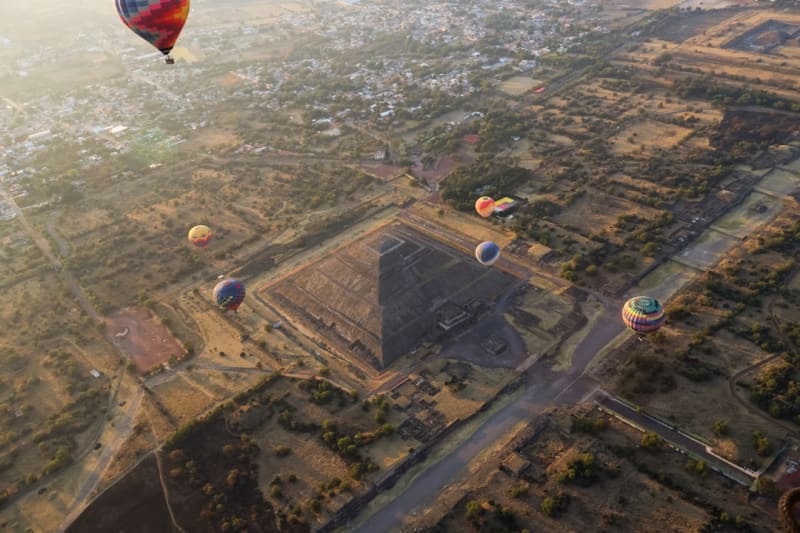 mexico
 Estado de México
The state that surrounds Mexico City on three sides — containing the world's largest pyramid at Cholula's neighbor Teotihuacán, the rock-carved Aztec temple at Malinalco, the sailing lake of Valle de Bravo, and the monarch butterfly forest above them all.
Explore