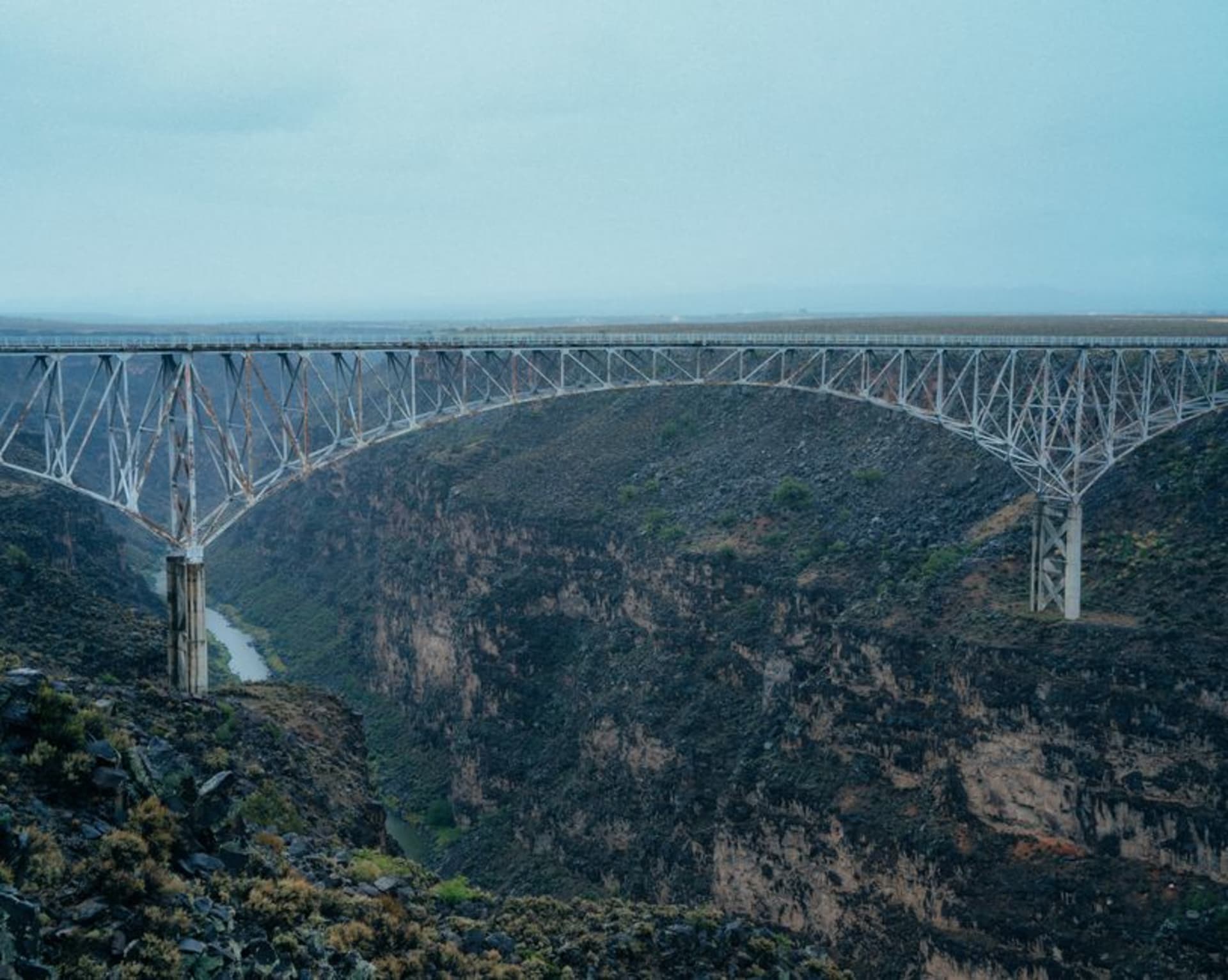
Nuevo Laredo
"The border does not divide here — it blurs into something neither side fully owns."
The busiest land border crossing in the Western Hemisphere, Nuevo Laredo is neither fully Mexican nor American but some third thing entirely — a city shaped by a century of trade, transit, and the particular culture of people who have learned to live between two countries. The Mercado Maclovio Herrera, the bridge crowds, the norteño accordion drifting from taco stands at midnight: all of it is genuine, and most travel guides are too nervous to say so.

I crossed from the Texas side on foot, which is the only way to arrive at a border city and actually understand it. By the time I reached the Mexican customs booth, I had already heard three languages, seen two currencies change hands, and watched a man carrying a flat-screen television in a rolling suitcase move through the crowd with the practiced ease of someone who does this every Tuesday. Nuevo Laredo begins before you reach it. The city starts on the bridge.
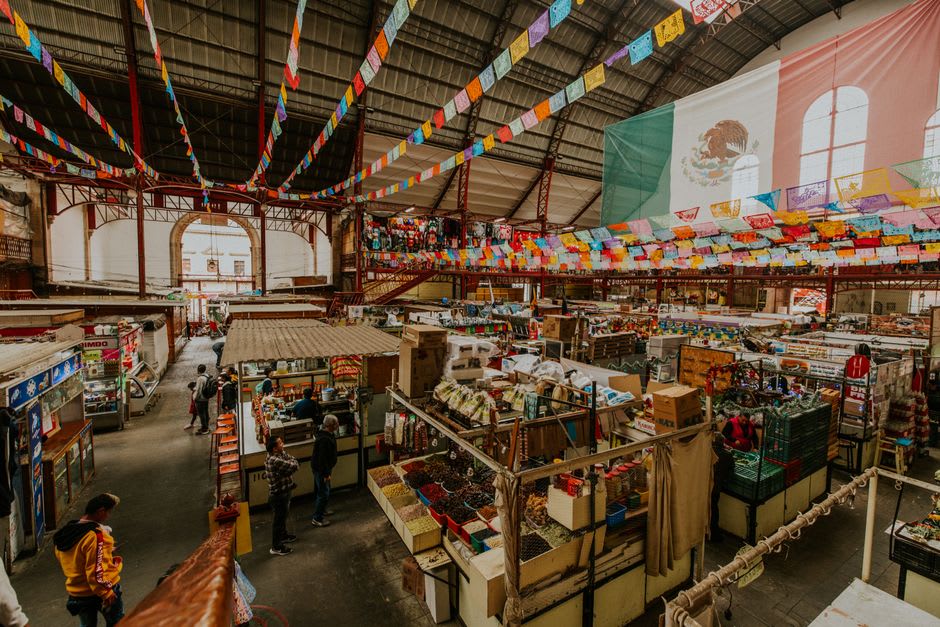
Mercado Maclovio Herrera and the Logic of the Border Economy
The Mercado Maclovio Herrera sits a few blocks south of the Puente Internacional Número 1, and if you walk there directly from customs — which I did, sweating in June heat — you understand within ten minutes that this city runs on a commercial logic all its own. Stalls sell American-brand sneakers next to dried chiles, cowboy boots next to phone cases, dulce de leche next to off-brand energy drinks. The vendors know prices in both currencies without pausing to think, and they will quote you whichever one seems advantageous.
I spent an hour at a small lunch counter inside the market eating gorditas de chicharrón — thick, hand-pressed, filled with crackling pork and salsa verde that left my fingers orange — and drinking jamaica from a styrofoam cup. The woman running the counter asked where I was from, and when I said France she laughed and said she had a cousin in Dallas. This is a border city. Everyone has a cousin somewhere on the other side.
Tacos at the Bridge, Norteño After Dark
Border tacos are their own category. At the stands clustered along Avenida Guerrero near the international crossing, the trompo turns all day — al pastor with a Tamaulipas accent, slightly less sweet than what I know from Mexico City, heavier on the dried chile. I ate three standing at a counter while a man beside me ate five without looking up from his phone. The tortillas are flour here, not corn, because this is the north, and norteños will politely tell you so if you seem surprised.
After eight in the evening, the restaurants along Avenida Dr. Mier fill up and someone inevitably has a norteño band, or at least a speaker playing one. The accordion sits on top of everything — over the conversation, over the traffic noise from the bridge, over the trucks idling at the commercial crossing a few kilometers east. It is loud and it is specific to this latitude and I found it, unexpectedly, very good.
The Bridge as Destination
Most visitors treat the international bridges as infrastructure. I walked back across Puente 1 on my second evening just to be on it — to stand at the midpoint over the Rio Grande, which is narrower and browner than its mythology suggests, and watch both cities exist simultaneously. On one bank, the Texan skyline of Laredo. On the other, the church towers and water tanks of Nuevo Laredo. The border does not feel like a wall from here. It feels like a seam.
Getting There
Nuevo Laredo’s bus terminal connects to Monterrey (roughly three hours), which has the nearest major airport. From Monterrey, direct buses run frequently throughout the day. Crossing on foot from Laredo, Texas is straightforward — keep your FMM tourist card and passport accessible. The pedestrian crossing at Puente Internacional Número 1 is the most central and easiest to navigate on foot.
Keep exploring
More from Mexico
 mexico
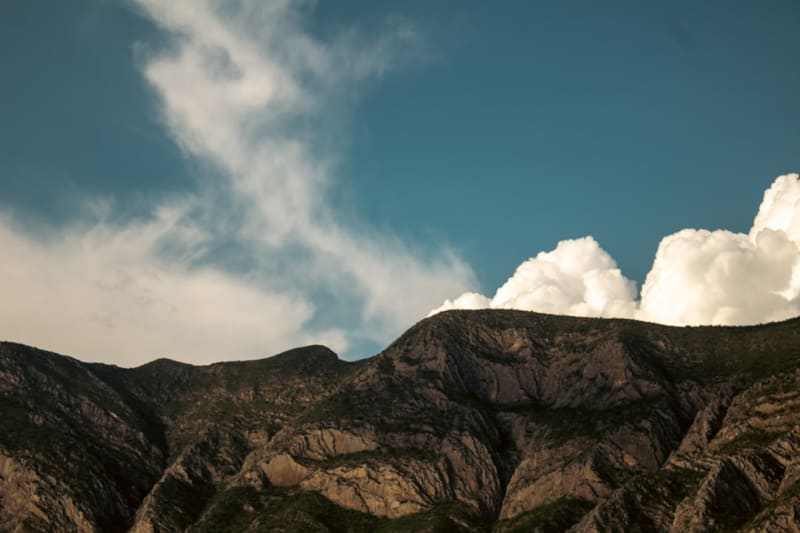
Nuevo León
Mexico's industrial powerhouse and third-largest economy — where Monterrey's steel and glass towers rise against the Sierra Madre, the Barragán-designed Cuauhtémoc brewery stands in the city center, and an hour south you're in a canyon system deeper than the Grand Canyon.
Explore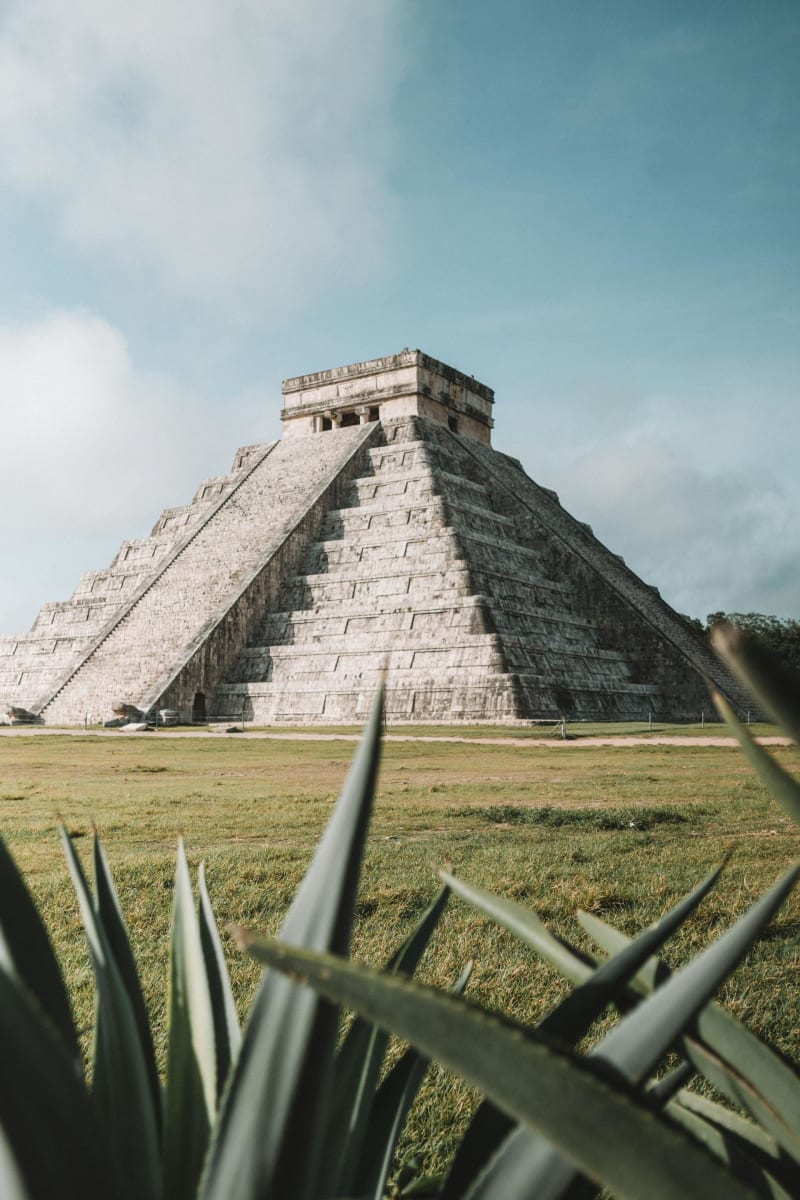 mexico
Oaxaca
The mezcal capital, the molé motherland, and the most culturally rich state in Mexico. Oaxaca is a world unto itself.
Explore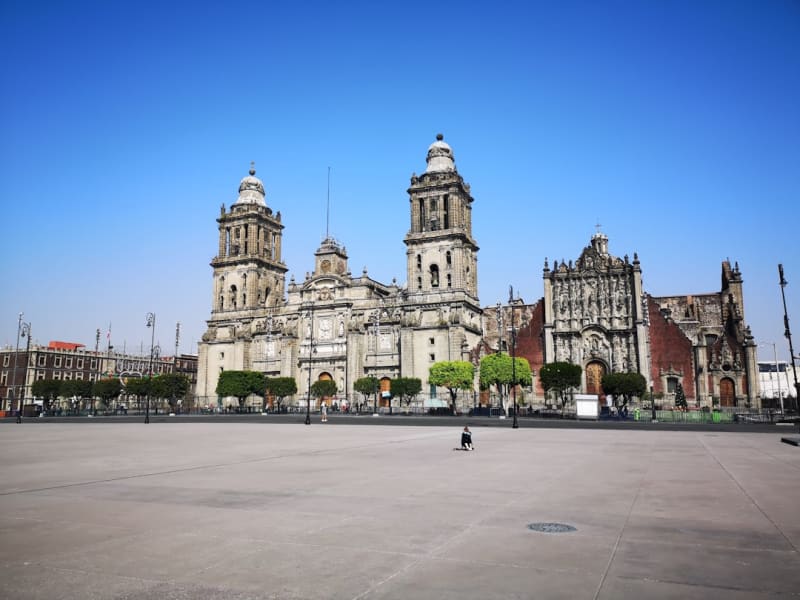 mexico
Puebla
Mexico's baroque capital — a city of 365 churches, Talavera tiles, mole poblano, and the most ornate interiors of any colonial city in the Americas.
Explore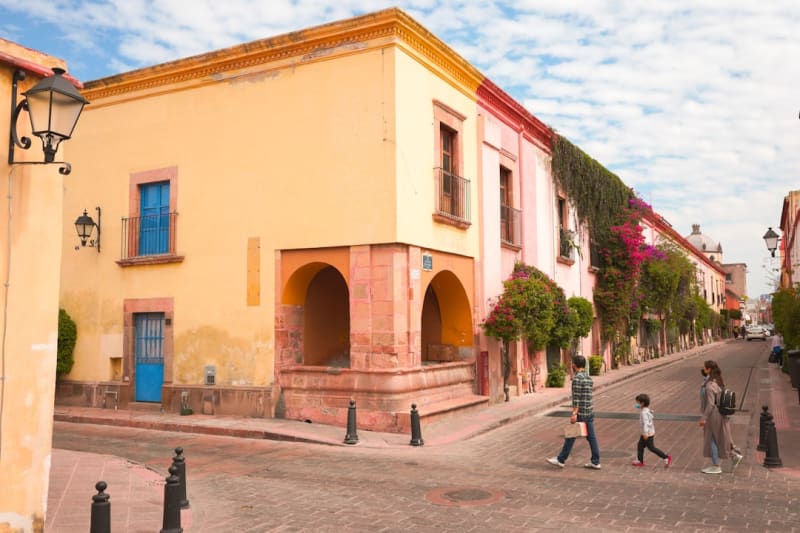 mexico
Querétaro
A UNESCO colonial city where Mexico's independence was born — 18th-century aqueducts, the best wine region in the country two hours north, and Sierra Gorda biosphere with the most extraordinary baroque missions outside of Oaxaca.
Explore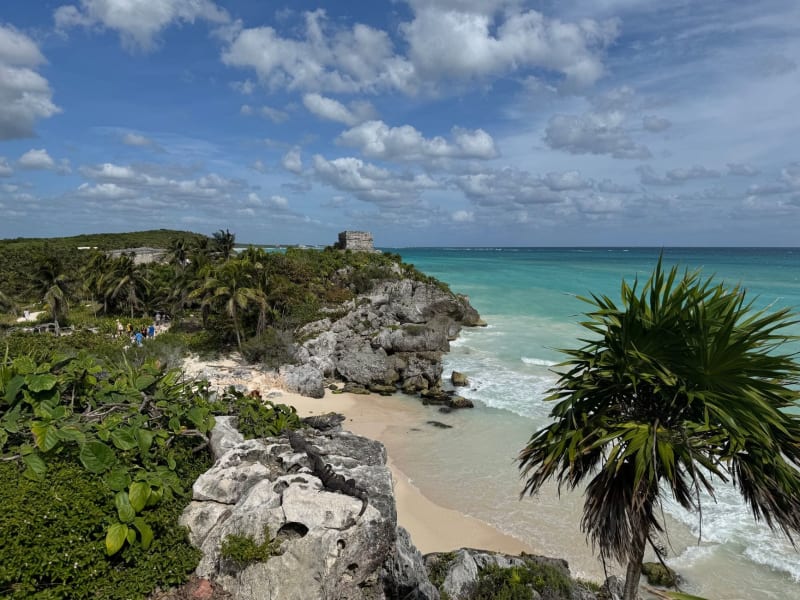 mexico
Quintana Roo
The Caribbean coast of Mexico — from the Cancún hotel zone to the last village before Belize, the Mesoamerican Barrier Reef running parallel to the coast, Maya ruins in the jungle above the turquoise water, and a spectrum from world-famous to entirely unknown within 400 kilometers.
Explore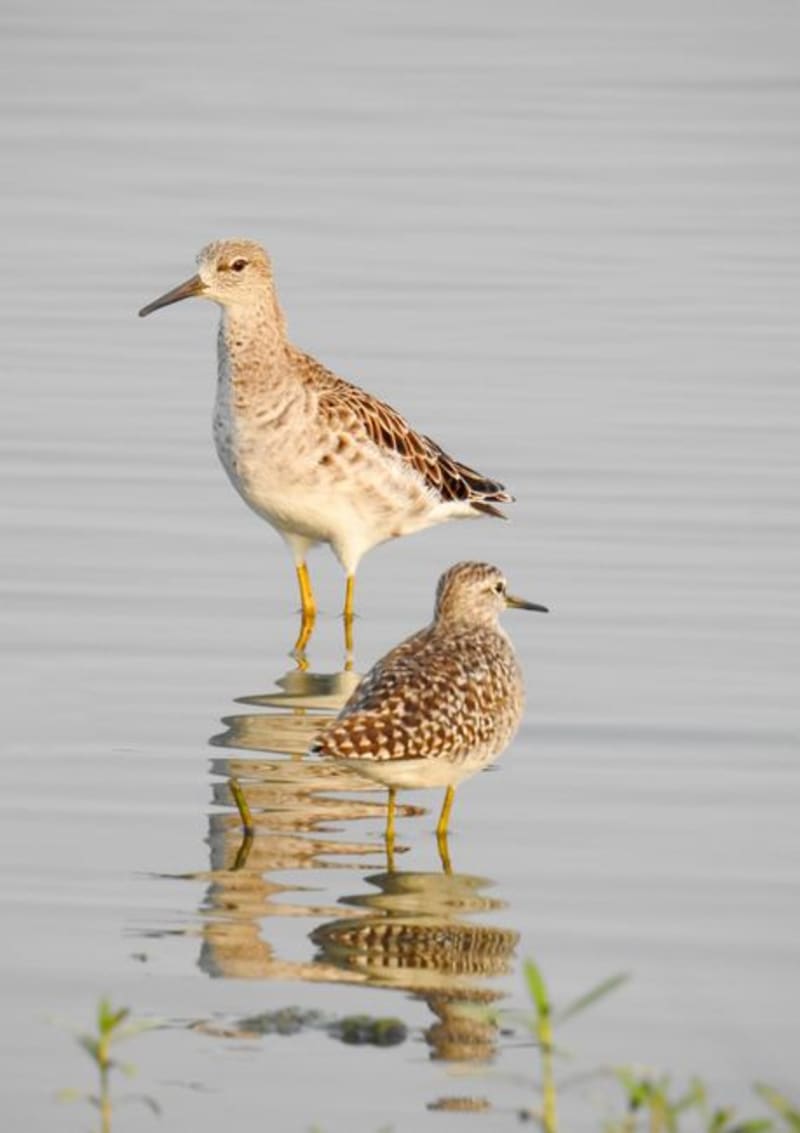 mexico
San Fernando Tamaulipas
San Fernando is a ranching and fishing town on the Tamaulipas coast, unremarkable by most travel standards and extraordinary if you know where to look. Behind Padre Island lies the Laguna Madre, a hypersaline lagoon that shelters the largest wintering concentration of redhead ducks on the planet — a million birds in a landscape that still looks like it did before anyone thought to develop it.
Explore