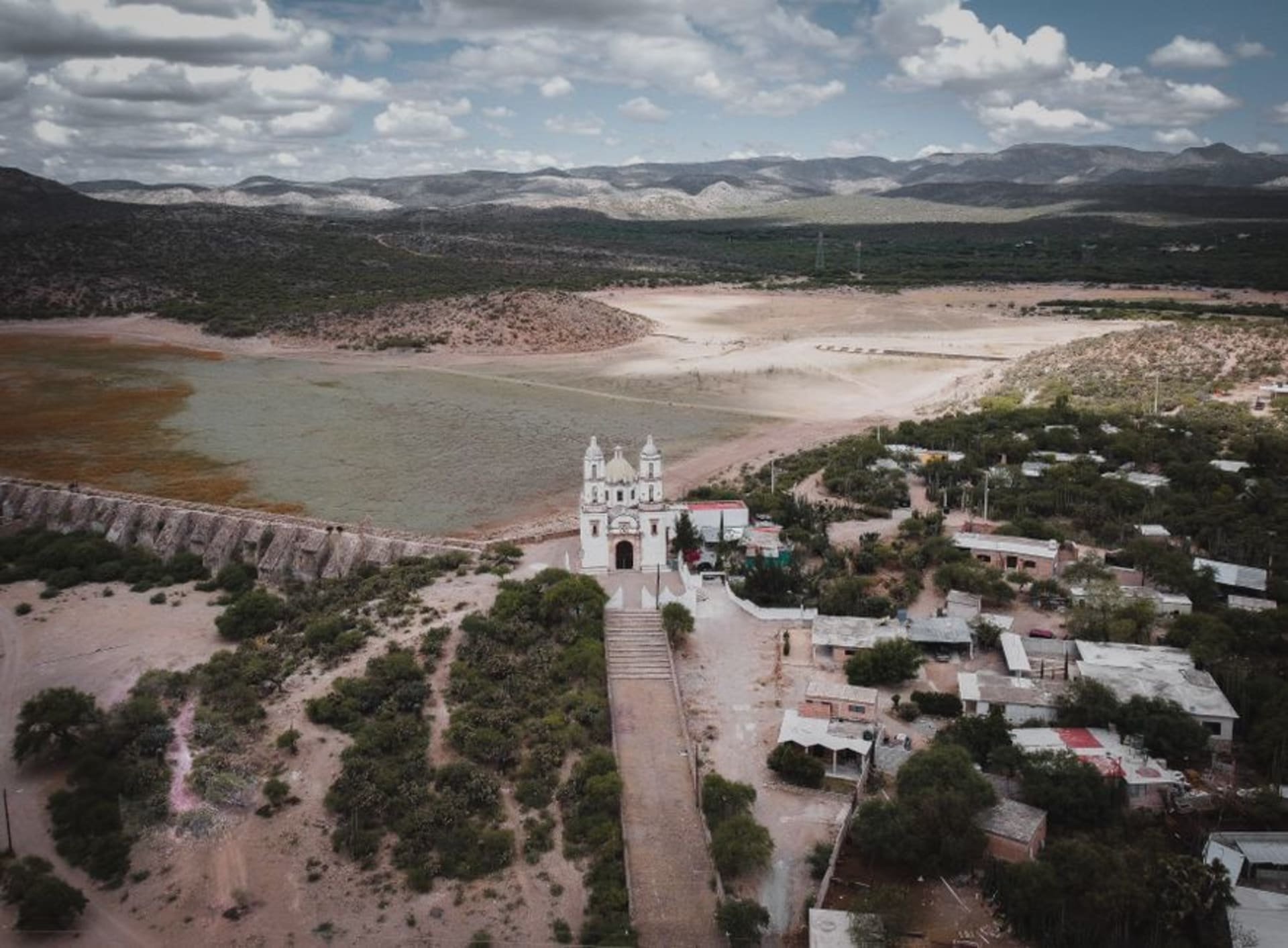
Sonora
"Álamos was one of the wealthiest cities in New Spain when silver was coming out of the mines. The mines closed in 1910. The town stopped. Fifty years later, American retirees bought the colonial mansions for nothing and restored them. The result is the best-preserved colonial town in northwestern Mexico."
Mexico's second-largest state — a vast territory of Sonoran Desert, the Sea of Cortez coast, the Yaqui and Mayo indigenous civilizations, the colonial silver town of Álamos, and the best beef in Mexico from cattle that graze the grasslands of the sierra.

Sonora is Mexico’s second-largest state (after Chihuahua) and one of the most undercharacterized — a territory the size of Washington State plus Oregon that contains three distinct ecosystems (the Sonoran Desert, the Sierra Madre Occidental, and the Sea of Cortez coast), two major indigenous civilizations (the Yaqui and the Mayo, who maintained military resistance to the Mexican state into the 20th century), the most productive wheat and cattle economy in Mexico, and some of the most dramatic marine environments in the Gulf of California.
The Sonoran Desert — the “green desert,” characterized by its saguaro cactus forests, its diverse shrub layer, and its two rainy seasons — covers most of the western and northern state. The saguaro (Carnegiea gigantea), the giant columnar cactus that defines the Sonoran landscape, grows only in the Sonoran Desert (Sonora and Arizona); the largest specimens are over 150 years old.
The Sea of Cortez coast — running 650 kilometers from the Arizona border to the tip of the Baja peninsula — is the richest marine environment in the Gulf of California. The Sonora coast includes the Islas del Golfo de California (UNESCO World Heritage, the “Galápagos of North America”) and the fishing town of Puerto Peñasco (Rocky Point) at the head of the Gulf.
Álamos (covered separately) — the silver mining colonial town in the foothills of the Sierra Madre 340 kilometers southeast of Hermosillo — is the destination that represents what Sonora was in the colonial economy: a silver-extraction machine that produced one of the most architecturally refined colonial cities in northwestern Mexico. The silver ran out; the town preserved itself in amber. The tropic of Cancer runs through the municipality; the flora transitions from Sonoran Desert to tropical deciduous forest in the canyon below the town.
Hermosillo, the capital, is a modern desert city of 800,000 with serious food culture — the Sonoran hot dog (a bacon-wrapped frankfurter in a bolillo bun with beans, tomatoes, onion, mayo, and mustard) was invented here and has spread across the border to Tucson and Phoenix. The cattle culture of Sonora produces the beef for these hot dogs and for the carne asada tradition that defines northern Mexican cuisine.
Explore
Places in Sonora
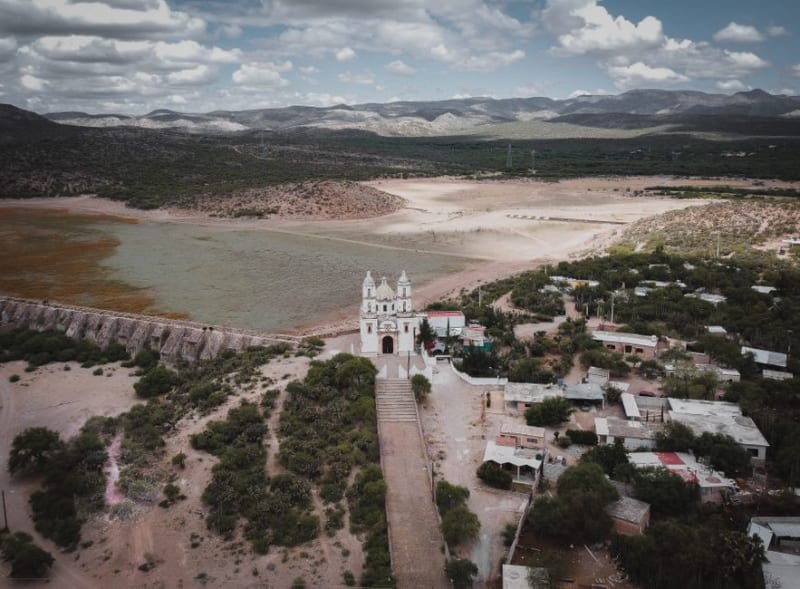 mexico
 Álamos
A colonial silver town hidden in the Sonoran thorn forest — the most remote UNESCO heritage town in Mexico, world-class winter birding in the tropical dry forest, and a village so beautiful that a wave of American artists moved there in the 1940s and never left.
Explore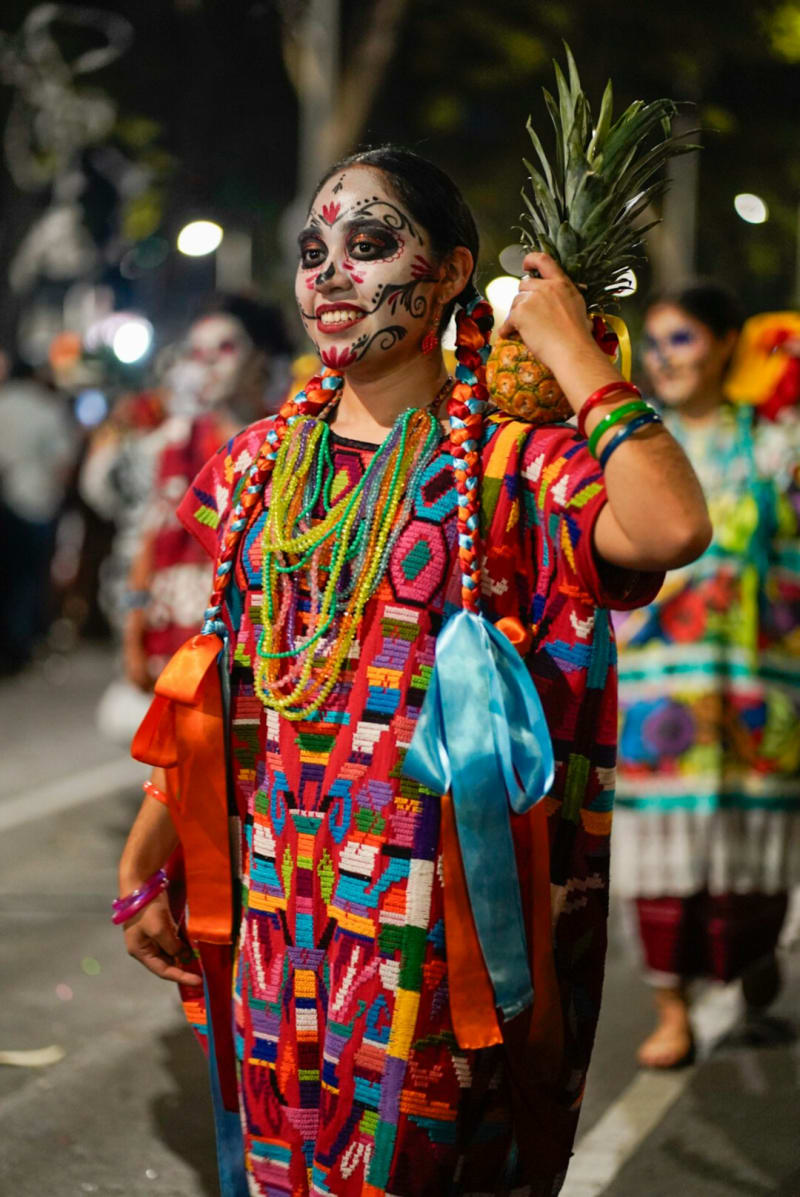 mexico
 Álvaro Obregón
Ciudad Obregón does not try to charm you, and that is its integrity. Built on the agricultural wealth of the Valle del Yaqui and shaped by the Yaqui people who have lived along this river for centuries, it is one of those places where real life moves without any audience in mind — ceremonies that predate Mexico, food that comes from the earth five kilometers away, a monument to a one-armed general who earned his name.
Explore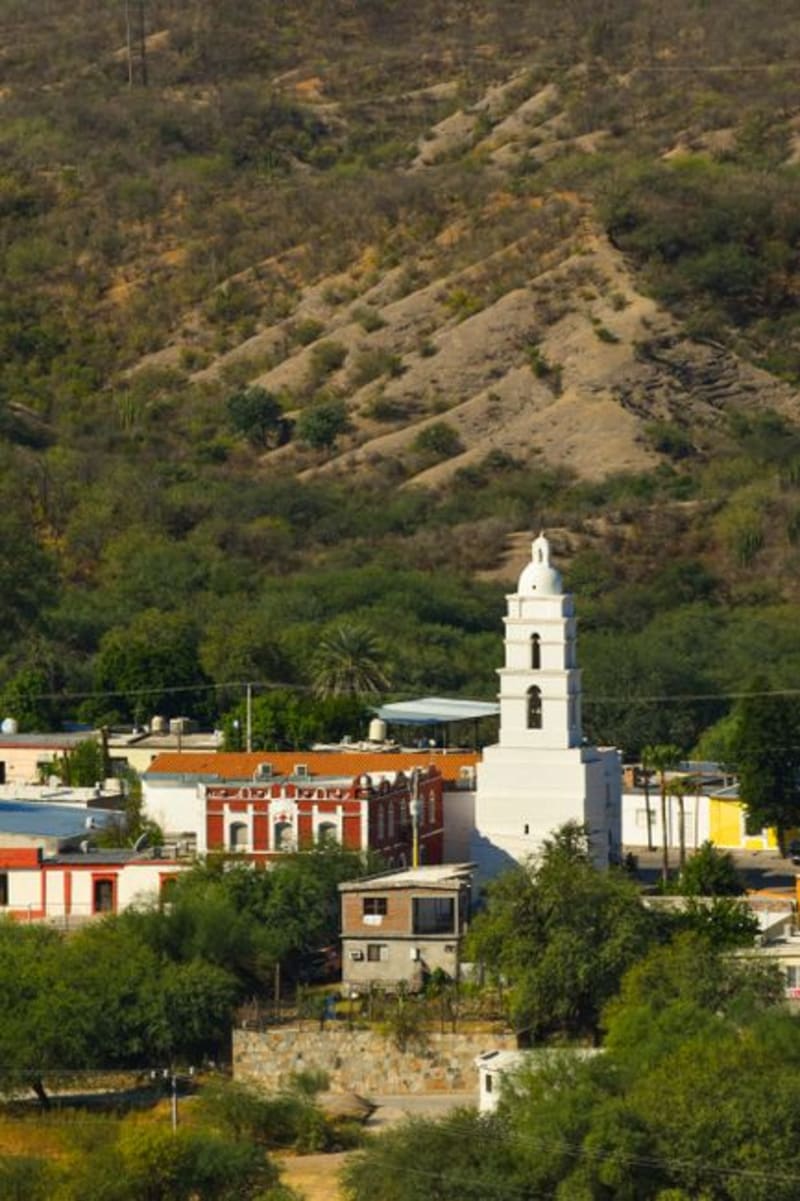 mexico
 Arizpe
Arizpe is a canyon town of three thousand people on the Río Sonora, once the seat of the Comandancia General de las Provincias Internas — an 18th-century capital governing territory that stretched from California to Texas. Its colonial church holds the remains of Juan Bautista de Anza, the man who founded San Francisco but died here, far from anything named after him. The gap between that monumental past and the goats-crossing-the-plaza present is what makes Arizpe unlike anywhere else in Sonora.
Explore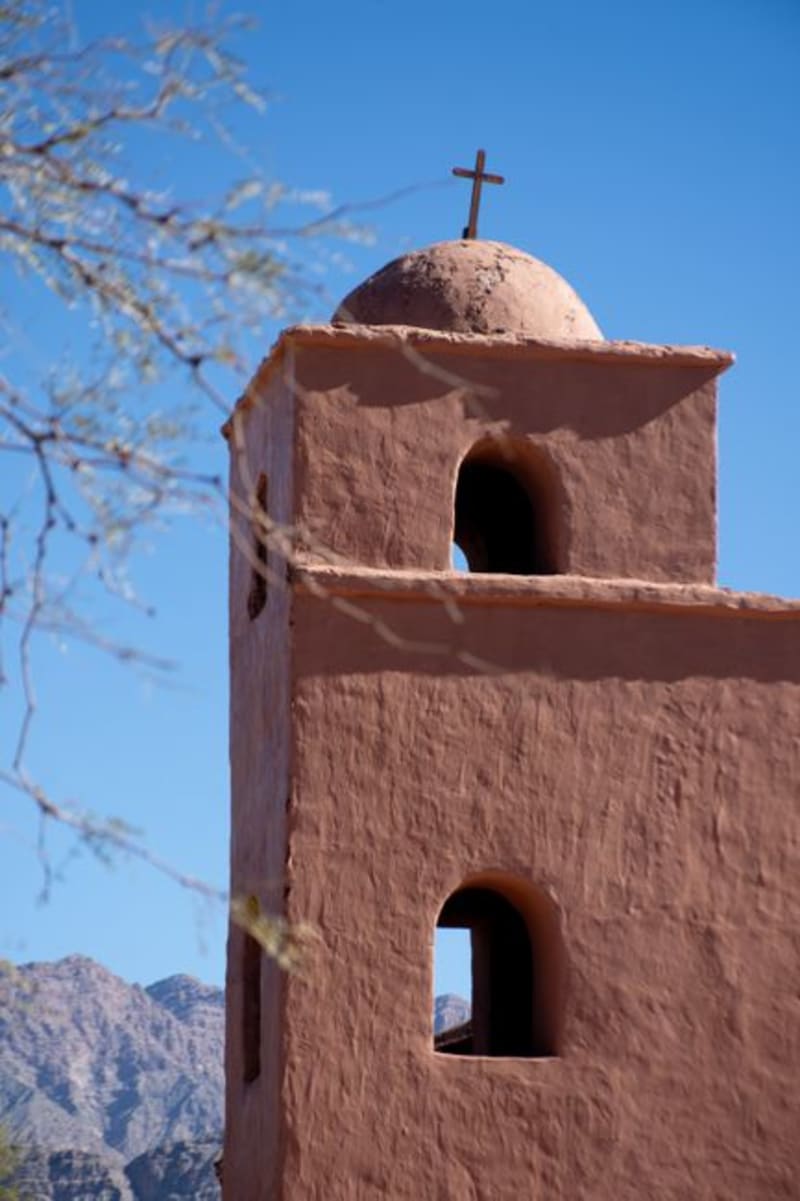 mexico
 Átil
Átil is a mission town of maybe 300 souls in the Altar Valley, most of them happy to leave you alone with their 18th-century Jesuit church. The facade has survived two and a half centuries of Sonoran desert without flinching. The dog who adopts you at the plaza edge has survived considerably less time but is equally steadfast.
Explore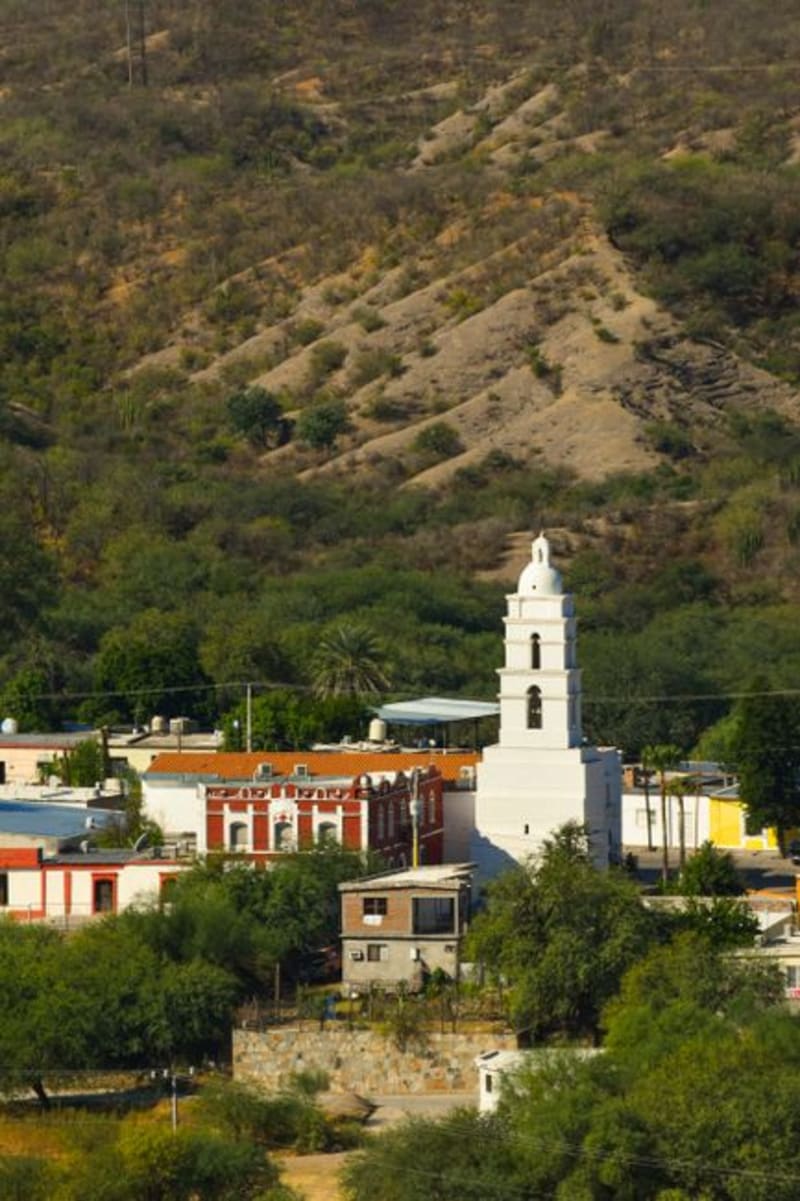 mexico
 Bacadéhuachi
A ranching village at the literal end of the road in the eastern Sierra of Sonora, built around one of the oldest mission churches in the northern mountains. Adobe houses, oak-and-pine ridgelines, a river below town, and the kind of quiet that only arrives when the pavement finally gives up.
Explore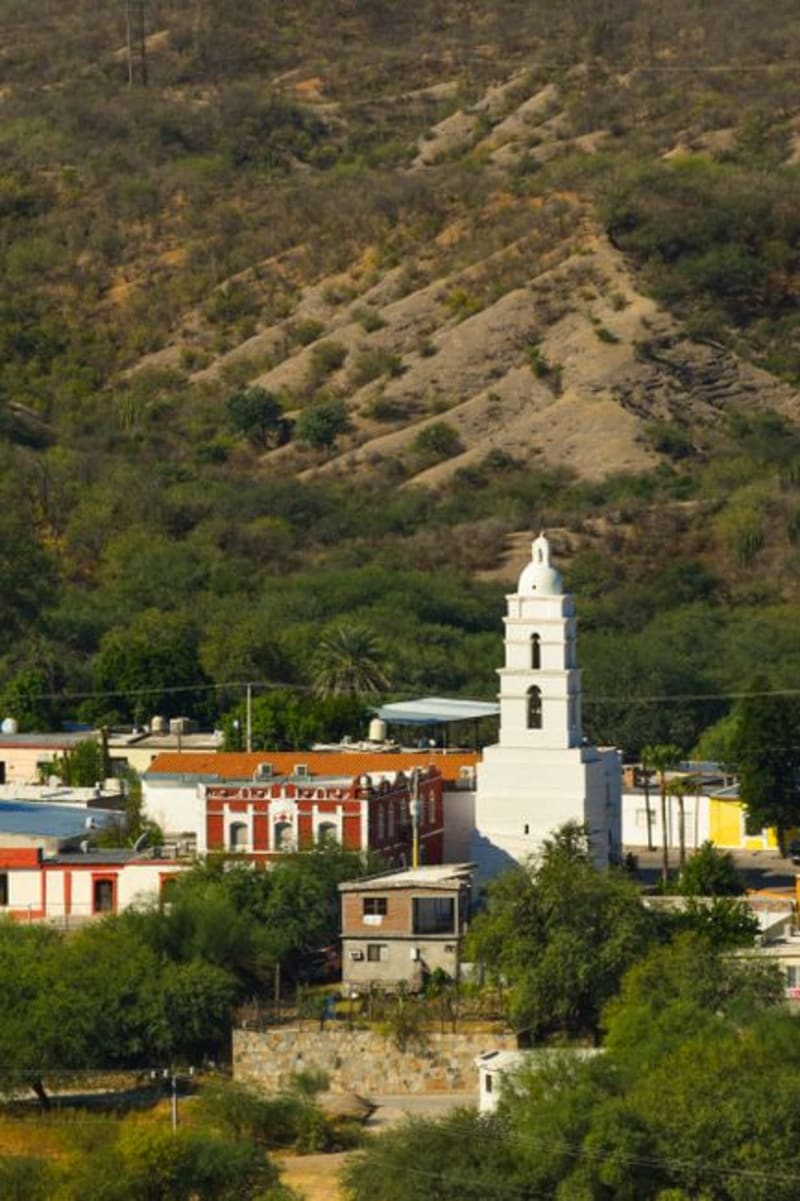 mexico
 Bacerac
A small village in the Río Bavispe valley of Sonora's Sierra Alta — an old mission church above a river lined with cottonwoods, irrigated fields hemmed in by mountains, and the particular quiet of a place that ranching has kept and tourism has never found. Neighbor to Huachinera and Bavispe, at the far eastern edge of the state.
Explore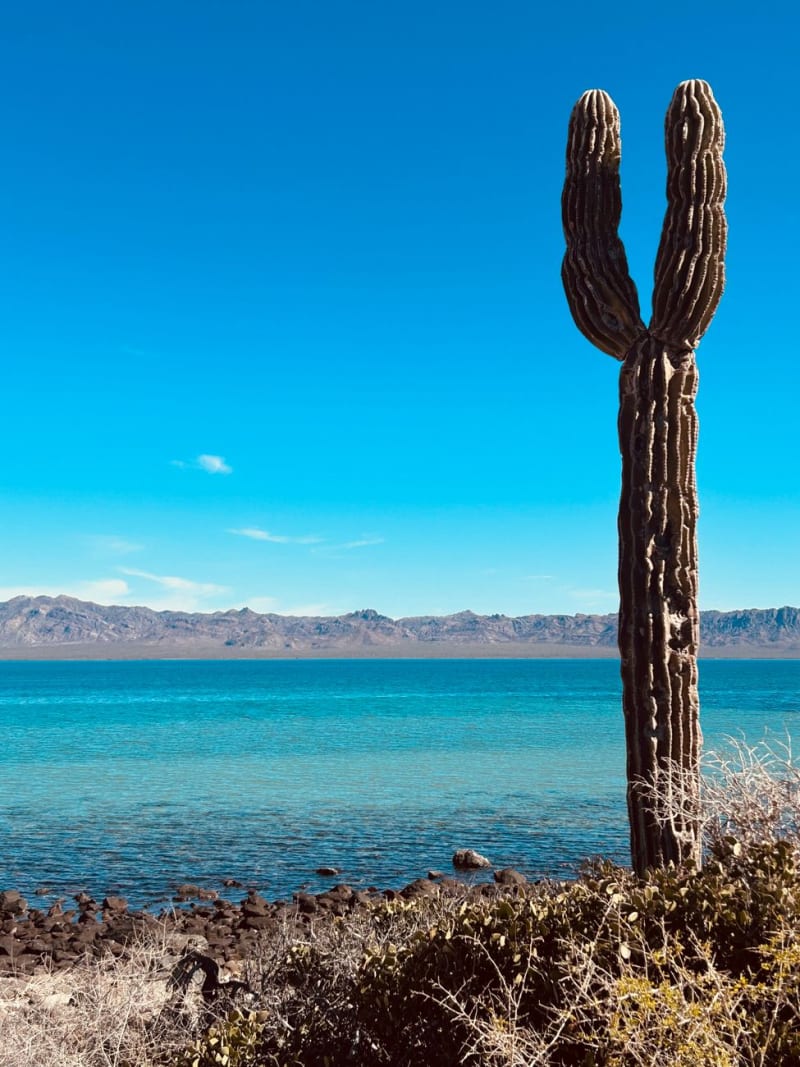 mexico
 Bahía de Kino
A Sea of Cortés beach town split between a fishing village and a gringo retirement strip, home to the Seri (Comcáac) people — the last indigenous group in Mexico to resist Spanish conquest — and a light on the water that is unlike anything else on that coast.
Explore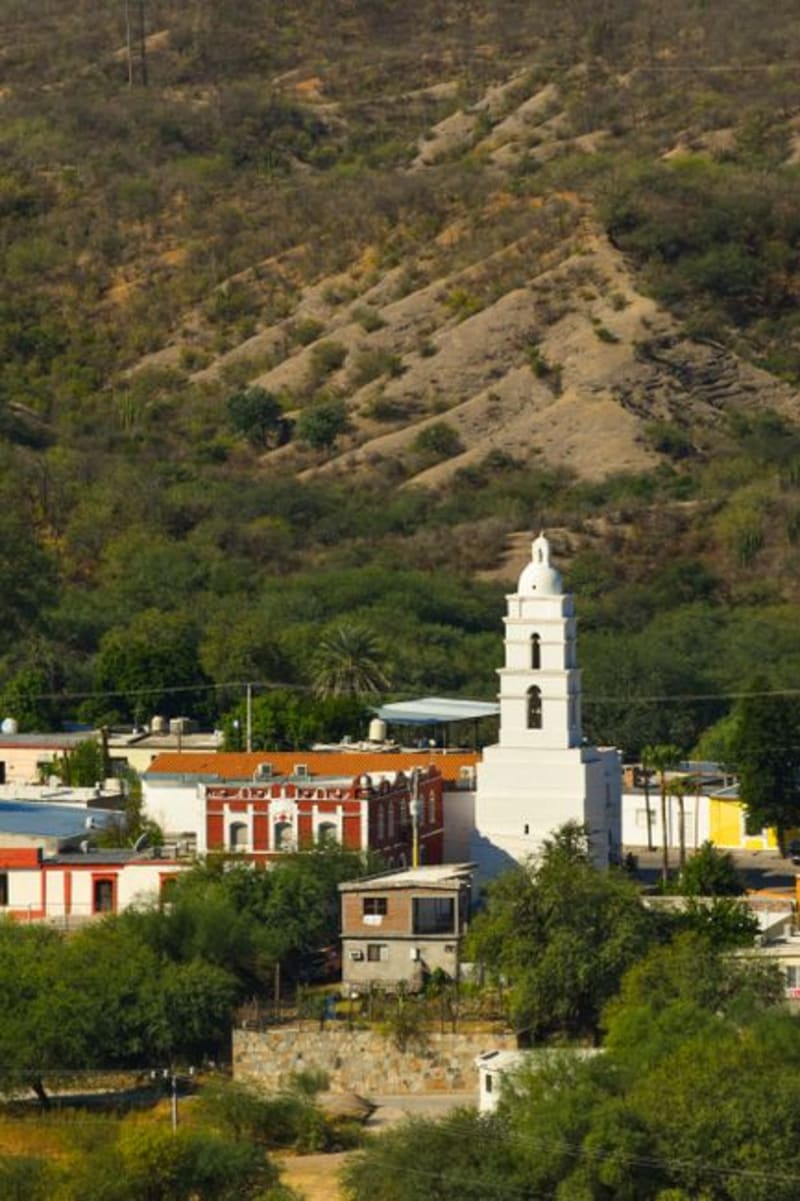 mexico
 Banámichi
A colonial village in the Río Sonora valley where orchards of quince and pomegranate line both banks of the river and the pink facade of La Purísima glows at dusk without a tourist in sight. The cheese is pressed in family courtyards, the mezcal arrives without a label, and the Ruta del Río Sonora passes through without quite disturbing any of it.
Explore mexico
 Baviacora
Strung along the Rio Sonora between Ures and Banamichi, Baviacora is a small colonial town that seems to have quietly opted out of the last century. The cottonwood-lined river canyon makes it one of the most photographically unfair places on the Ruta Rio Sonora — a drive that remains, bafflingly, one of the least-visited good routes in the country.
Explore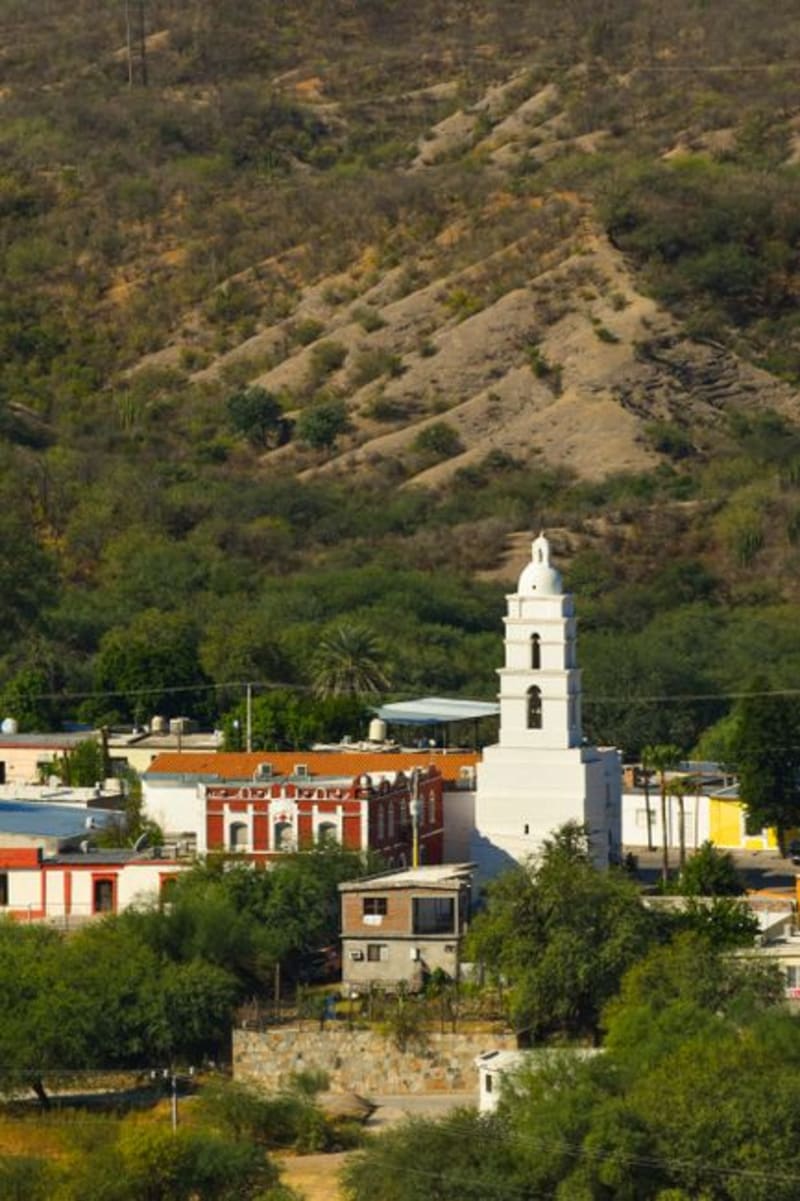 mexico
 Bavispe
A historic mountain village on the Río Bavispe in far eastern Sonora — a former colonial presidio and mission town ringed by the Sierra Madre, and the place the great 1887 earthquake nearly erased. Remote ranch country where the memory of that morning is still, in a real sense, the town's founding story.
Explore mexico
 Cananea
In 1906, copper miners in Cananea walked off the job and lit one of the fuses that became the Mexican Revolution. The murals covering the city centre still commemorate that moment with a raw intensity no history textbook can replicate. The open-pit mine next door — one of the world's largest — ensures the city has never had the luxury of forgetting where it came from.
Explore mexico
 Cucurpe
At the northern tip of the Ruta Rio Sonora, Cucurpe is the smallest and most remote of the river towns, pressed into a sierra fold where the road more or less gives up. The Jesuit mission is partly ruined, the streets are unpaved, and the silence arrives quickly.
Explore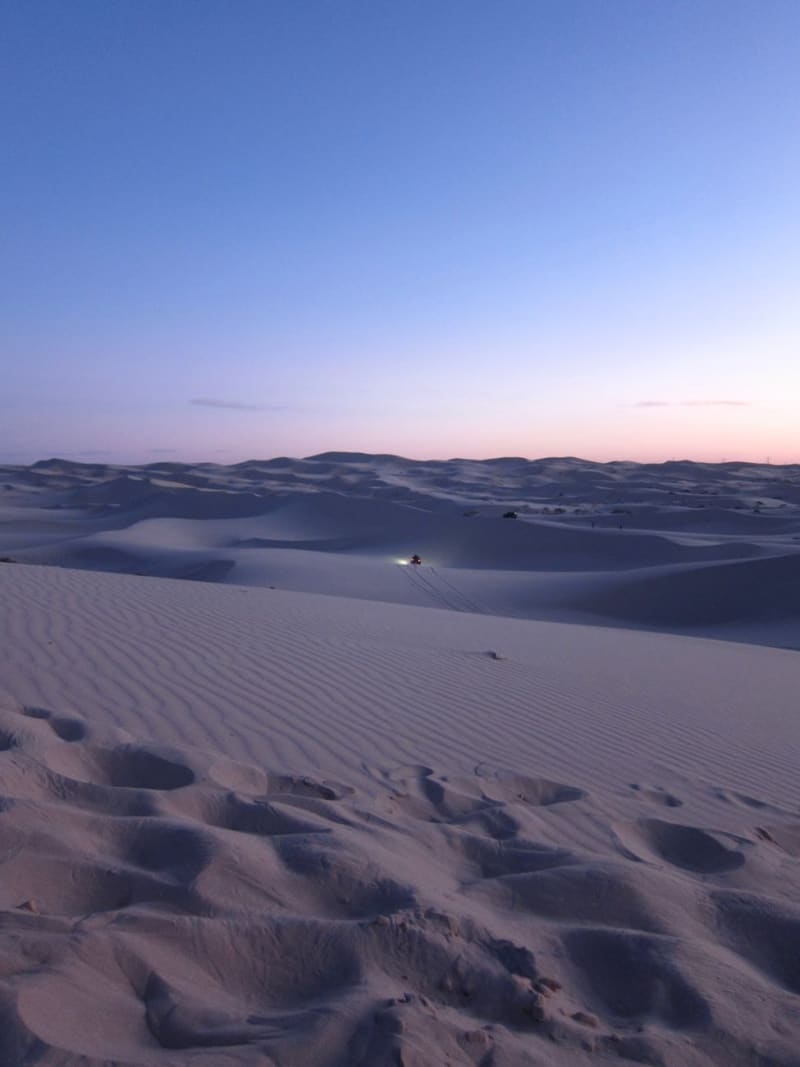 mexico
 El Pinacate
El Pinacate is a UNESCO World Heritage biosphere reserve in northwest Sonora — a volcanic shield of black basalt lava flows, cinder cones, and enormous maar craters that NASA used to train Apollo astronauts because the terrain resembles the moon. Adjacent to it, the Gran Desierto de Altar holds the largest active sand dune field in North America. I drove in at dawn and stood on the rim of the Santa Clara maar for a long time without speaking.
Explore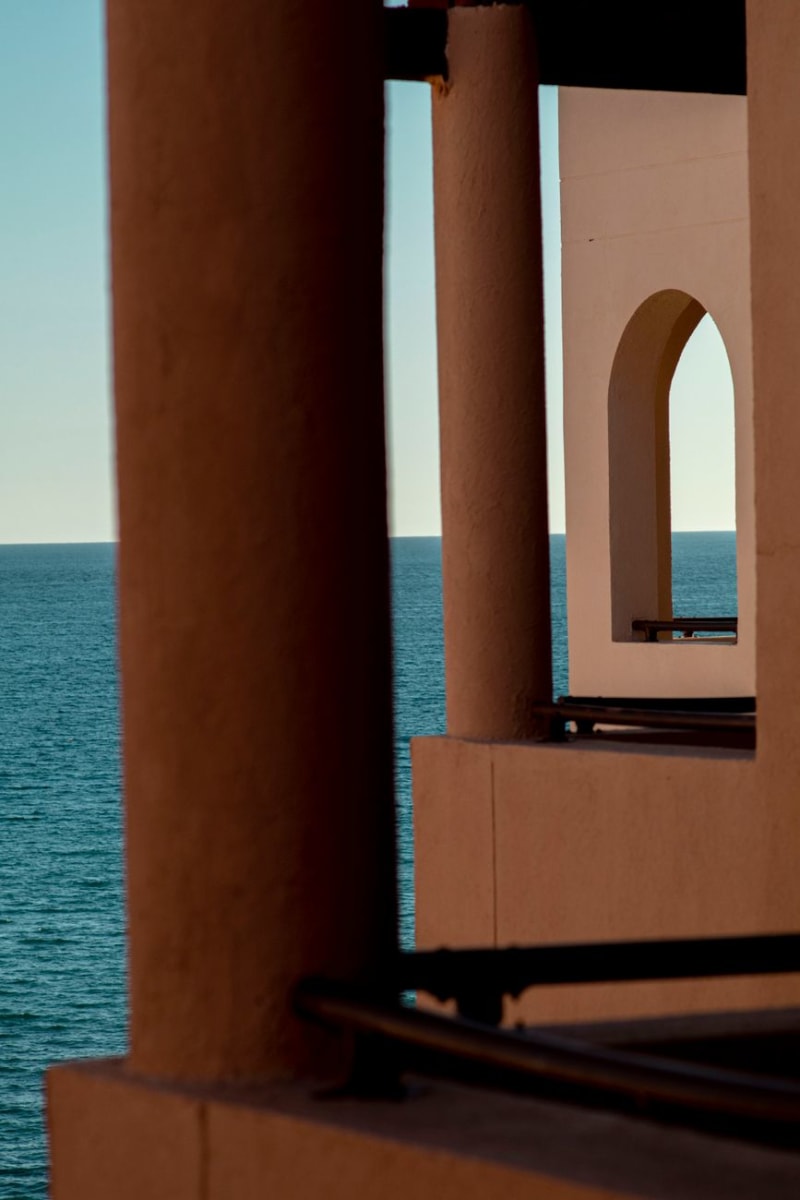 mexico
 Guaymas
Guaymas is a working port on the Sea of Cortez in central Sonora — a shrimp fleet in the harbor, a colonial center that survives the resort development twenty kilometers up the coast, and a specific large sweet shrimp from Cortez waters that I am still thinking about.
Explore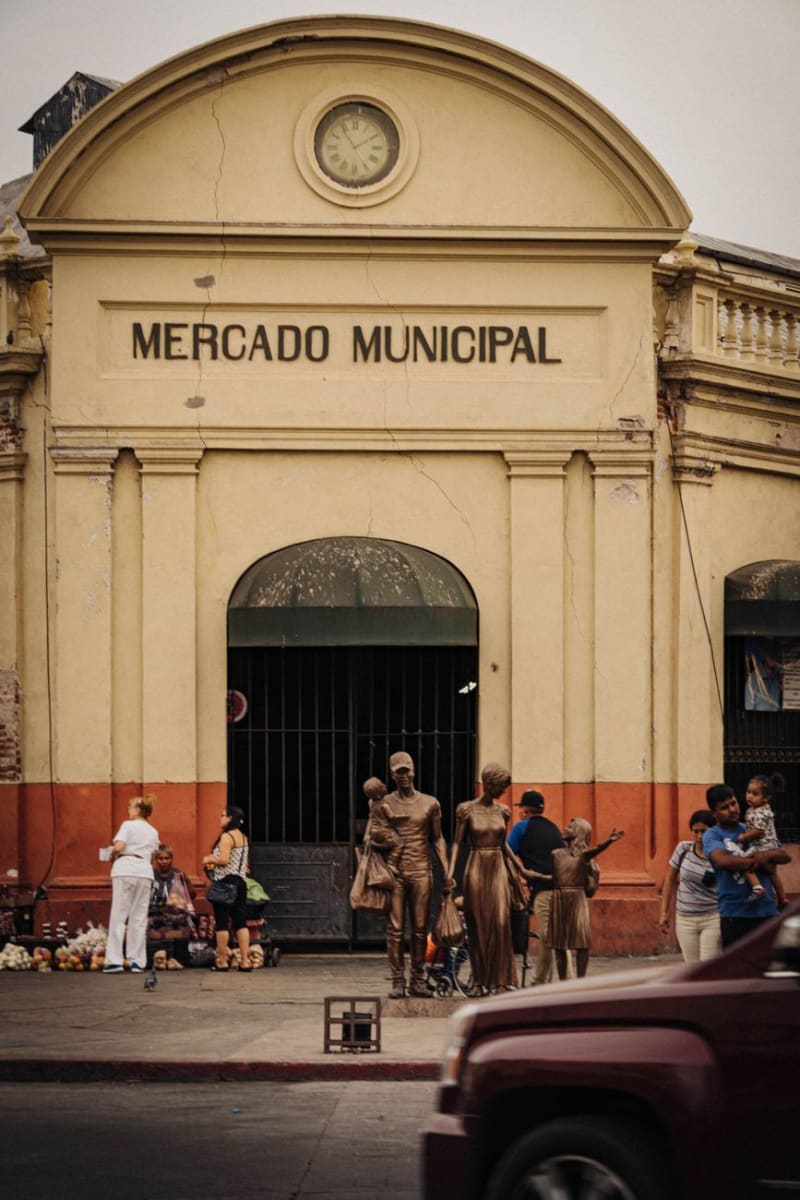 mexico
 Hermosillo
Hermosillo is the state capital of Sonora and the city most travelers drive through on their way somewhere else, which is a mistake I made twice before finally stopping. It has a genuine contemporary art scene, a university cultural center worth an afternoon, and the best carne asada taco I have eaten in four years of eating in Mexico, from a street cart at eleven o'clock at night on a March evening when the temperature had finally dropped to something human.
Explore mexico
 Hermosillo
Sonora's capital gets dismissed as a transit city, which turns out to be its quiet advantage. The cattle-country food scene is serious, the Cerro de la Campana offers a decent excuse to sweat, and the regional museum is one of the more honest accounts of northern Mexico I've encountered.
Explore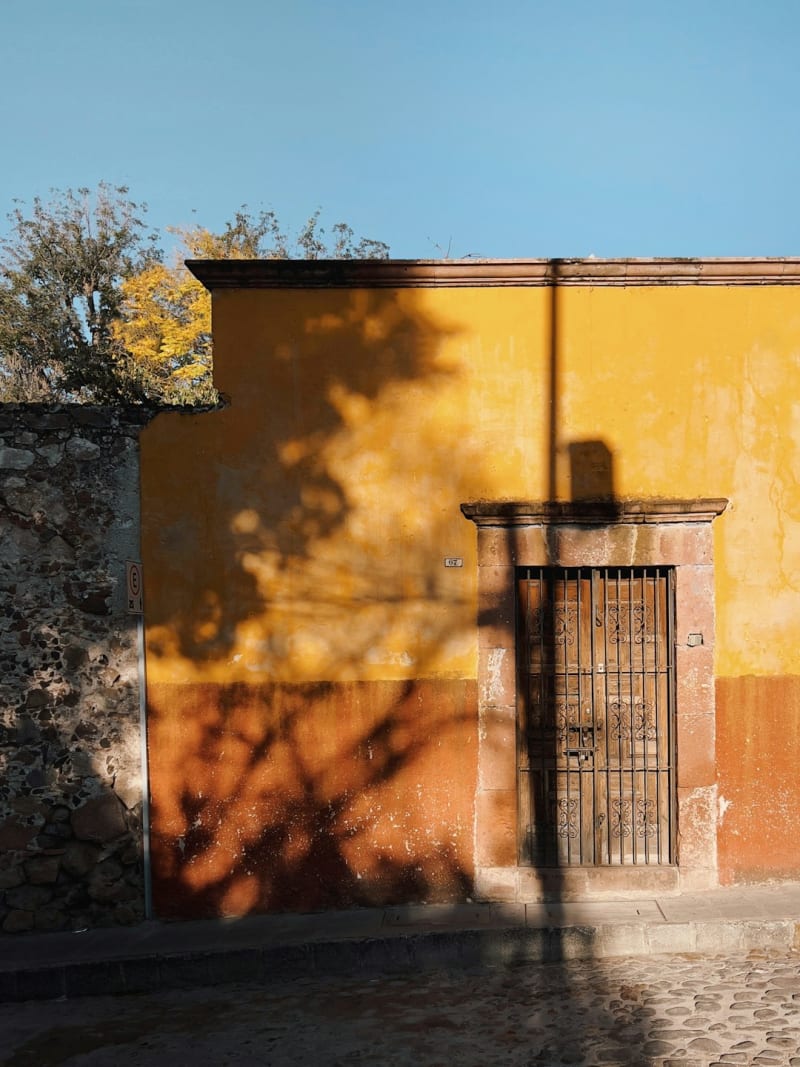 mexico
 Huachinera
A remote ranching village in the Sierra Alta of eastern Sonora, in the Río Bavispe valley near the Chihuahua border. Adobe houses and a mission-era church, cottonwoods along the river, huge silent mountains, and the weight of Apache history — this was Gerónimo's homeland.
Explore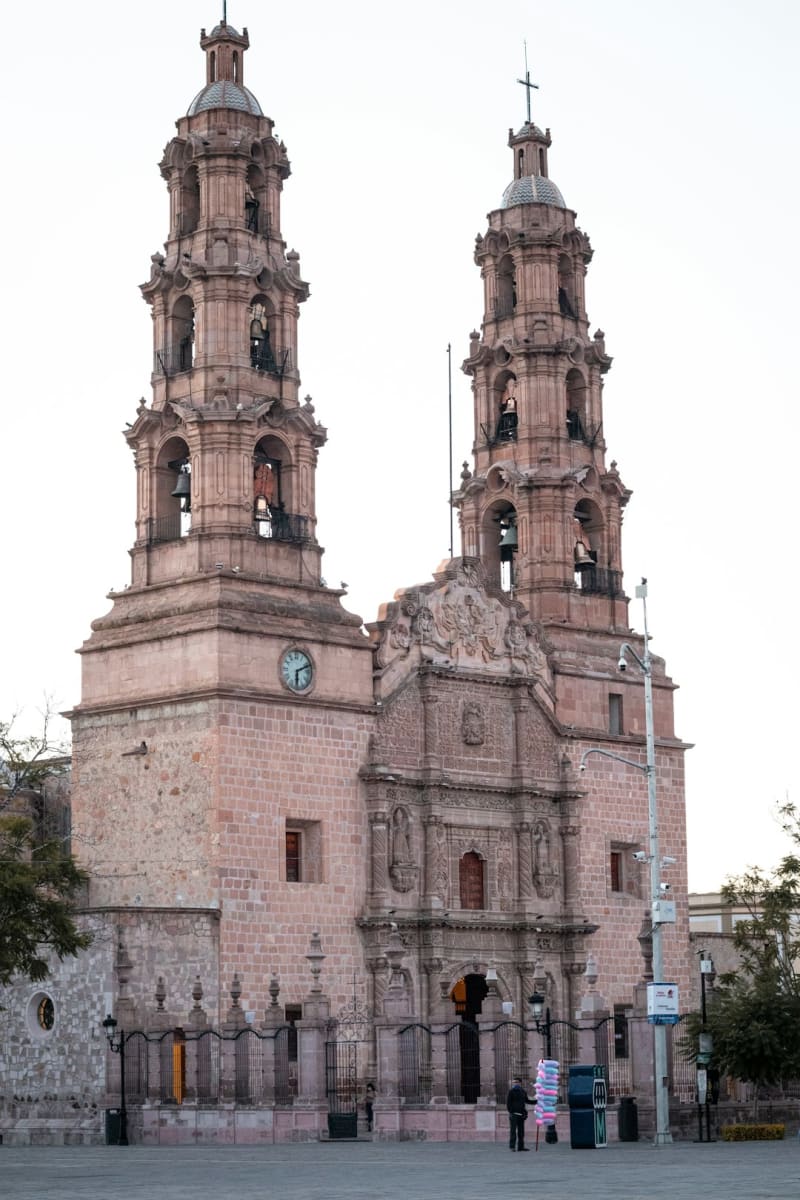 mexico
 Huépac
Huépac is a seventeenth-century Jesuit mission town folded into the Sonora River valley so quietly that the highway barely acknowledges it. A whitewashed church, a shaded plaza, old men playing cards under fig trees — the kind of place that asks nothing of you except that you slow down.
Explore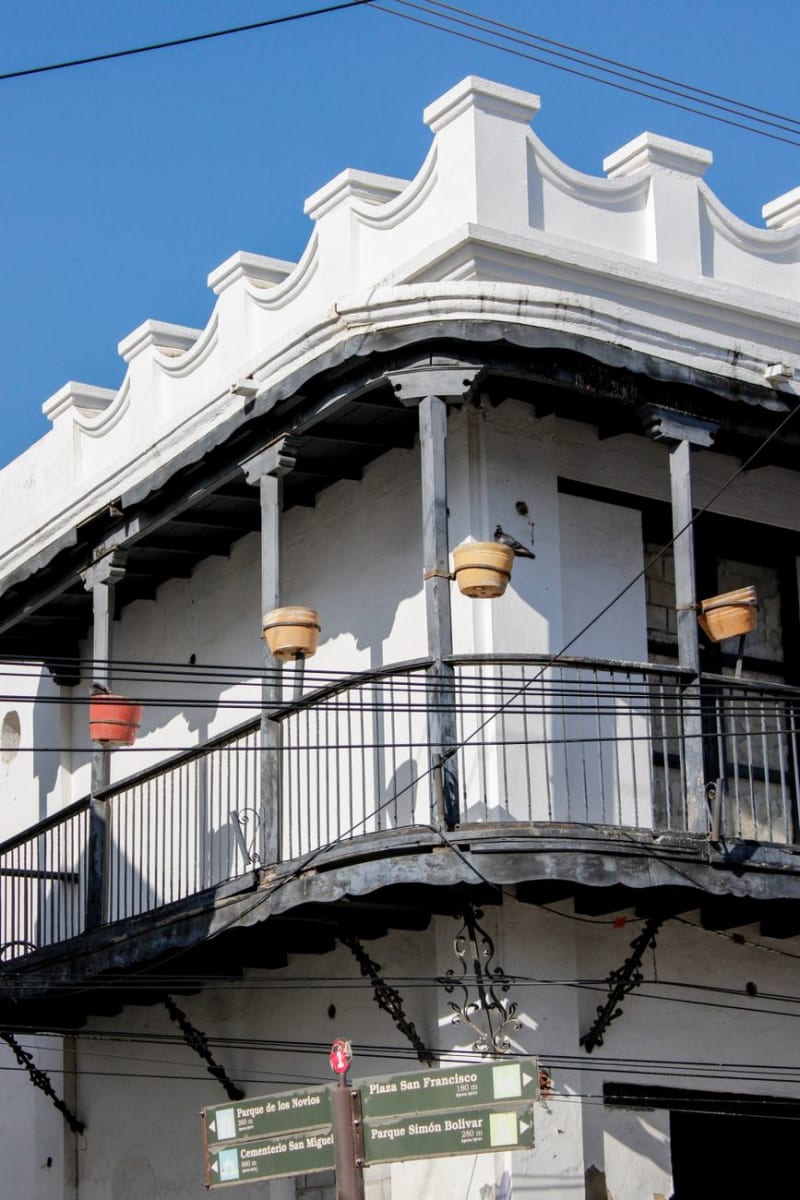 mexico
 Magdalena de Kino
A quiet Sonoran town where a 300-year-old Jesuit missionary lies beneath a glass floor in the central plaza — and every October, a hundred thousand pilgrims arrive to remind you this place is anything but ordinary.
Explore mexico
 Moctezuma
On the sierra-facing edge of Sonora, where desert flats give way to oak-and-pine foothills, Moctezuma has been quietly minding its own business for four centuries. Its mission church and portaled plaza sit largely undisturbed by the pace of the rest of the state, while thermal pools and exceptional birding wait in the canyons beyond town.
Explore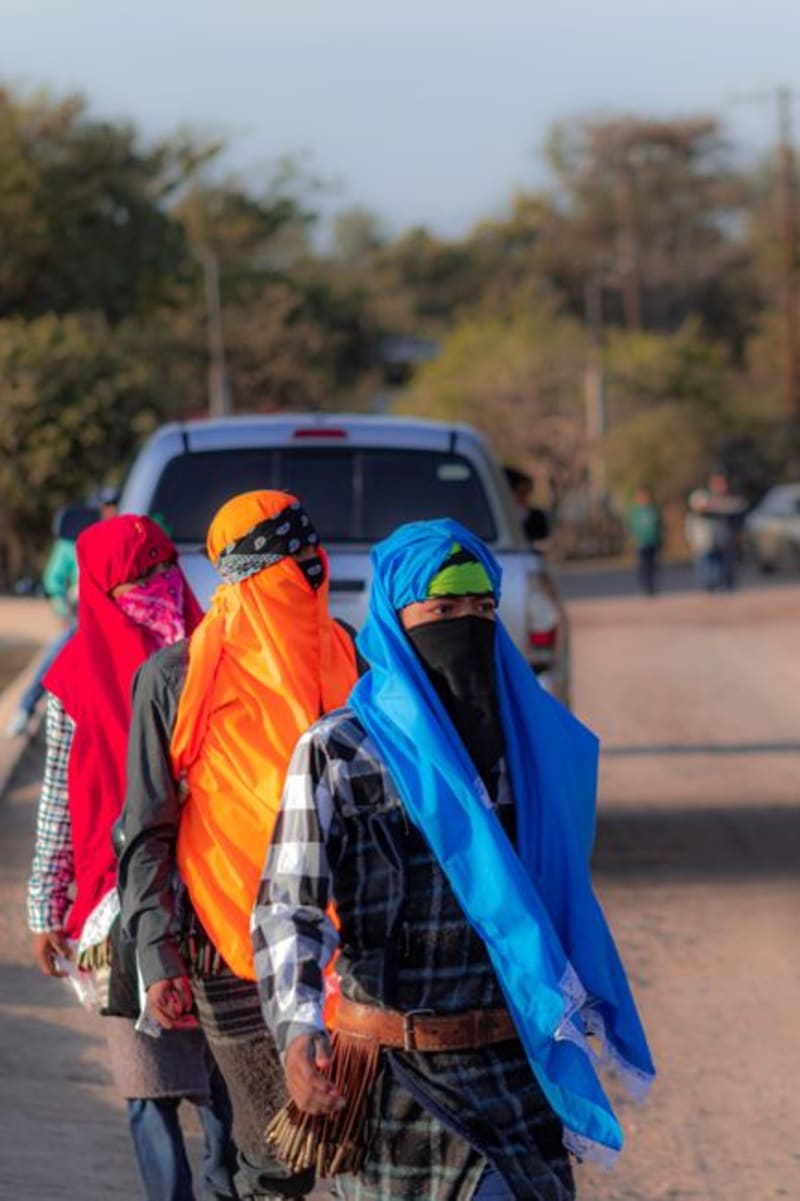 mexico
 Navojoa
Navojoa is a working agricultural hub in southern Sonora where the Mayo people have been farming the river valley for centuries. The city itself is plain and purposeful, but the surrounding pueblos hold one of the most compelling ceremonial calendars in northern Mexico, including the deer dance that unfolds each Semana Santa.
Explore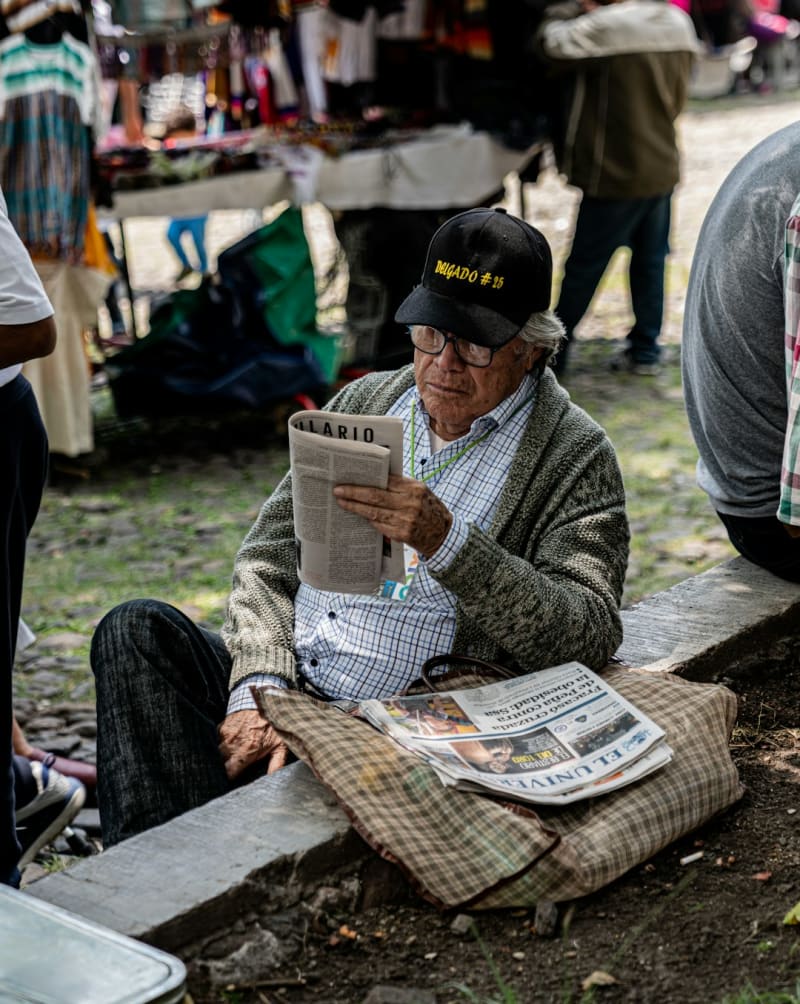 mexico
 Nogales
Nogales is two cities sharing a fence, and the contrast between the Sonoran and Arizonan sides makes every street corner feel like a sociology experiment. The doguitos — Sonoran hot dogs wrapped in bacon, beans, and mayo — are not optional. Neither is the Mercado Municipal, where the border economy shows itself in plain sight.
Explore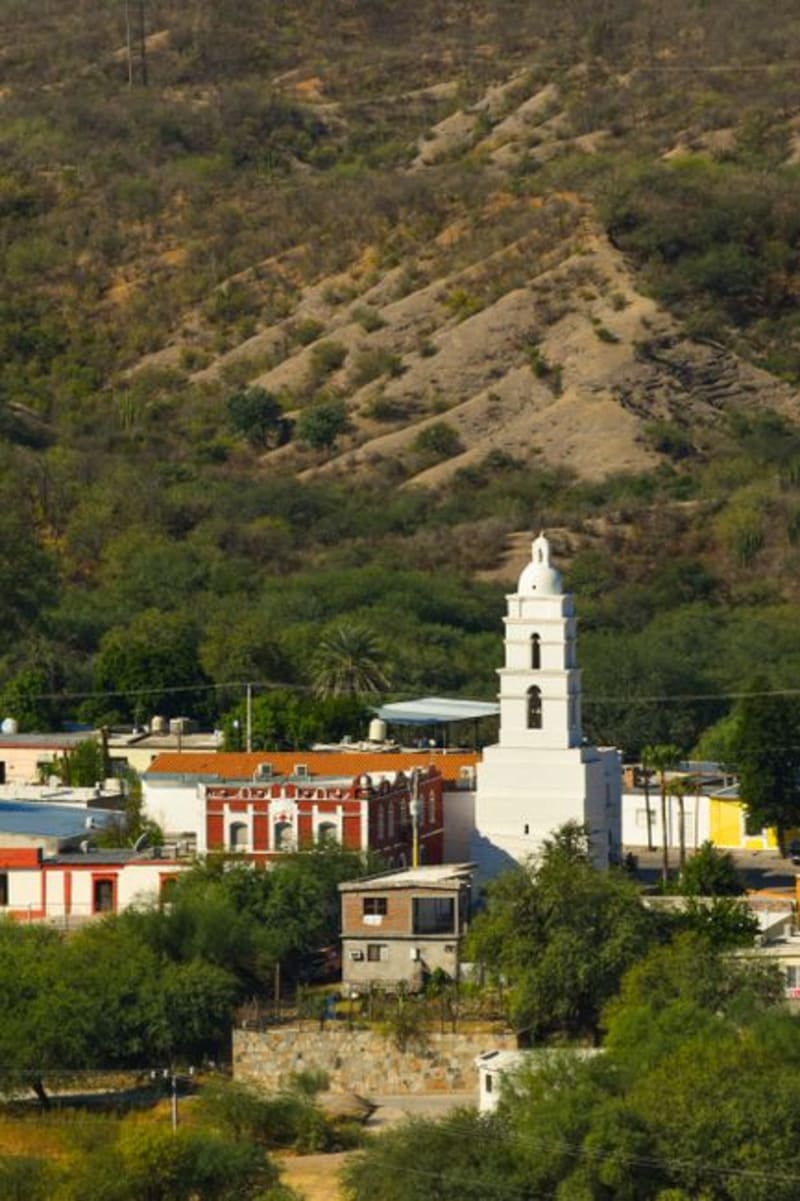 mexico
 Onavas
Onavas is the smallest Pueblo Mágico in Mexico, a settlement of fewer than 500 people tucked into the Yaqui River canyon in eastern Sonora. The drive in alone justifies the detour, and the Semana Santa rituals here — where Yaqui ceremony and Catholic tradition have been fusing for centuries — are unlike anything I have seen anywhere else in the north.
Explore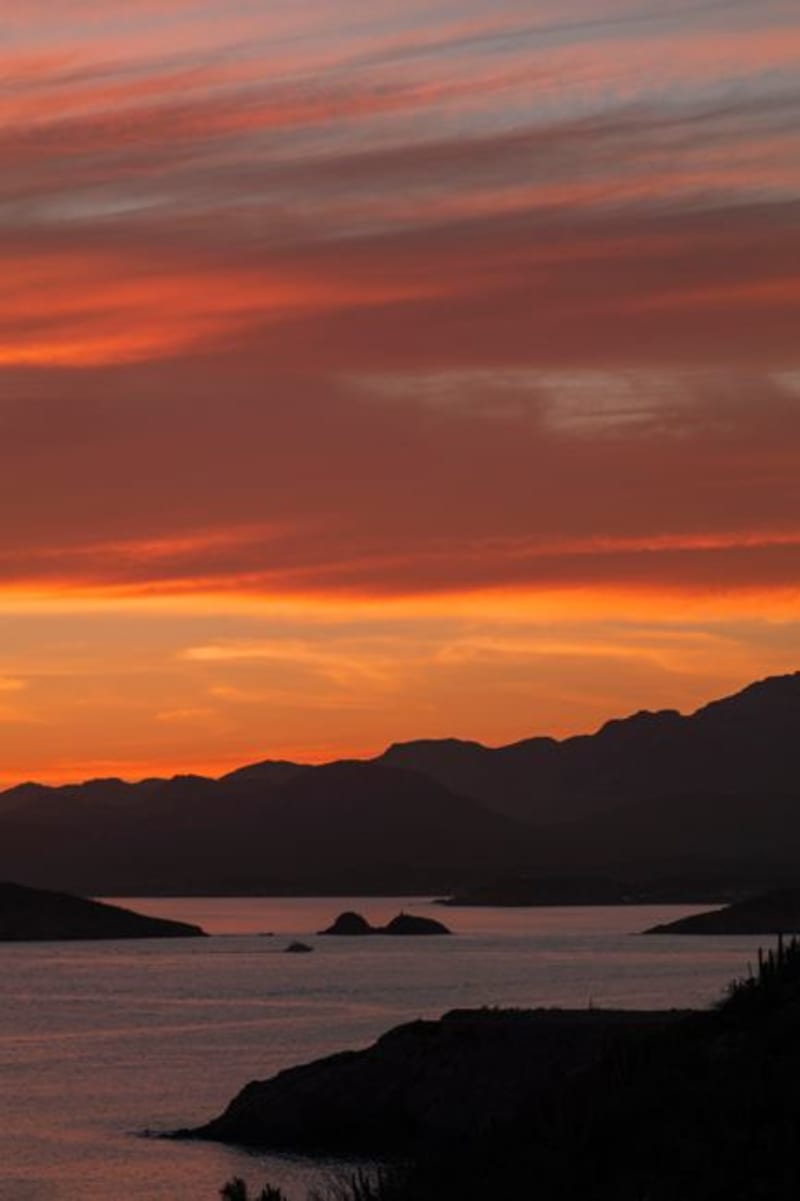 mexico
 Puerto Peñasco
Puerto Peñasco sits at the end of a highway from Phoenix, which is why it became the beach town that Arizona technically does not have. The fish market still opens before dawn on its own schedule, indifferent to the spring break economy around it, and the tide pools at the rocky edge of the bay hold more life than anything behind glass.
Explore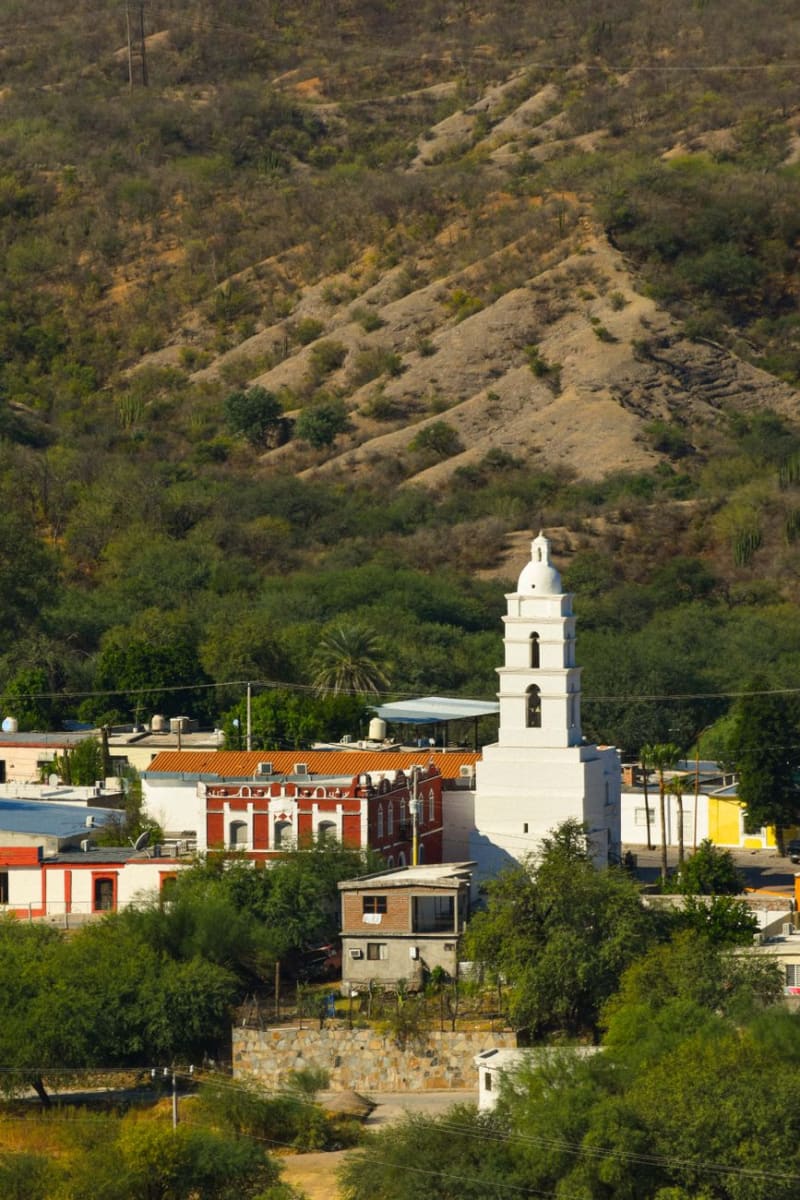 mexico
 San Carlos Sonora
A dry, dramatic bay on the Sea of Cortés where black volcanic rock meets turquoise water and the Tetakawi peak rises directly above the shoreline. The snorkeling is a biology lesson in Cortés marine ecology rather than a Caribbean postcard.
Explore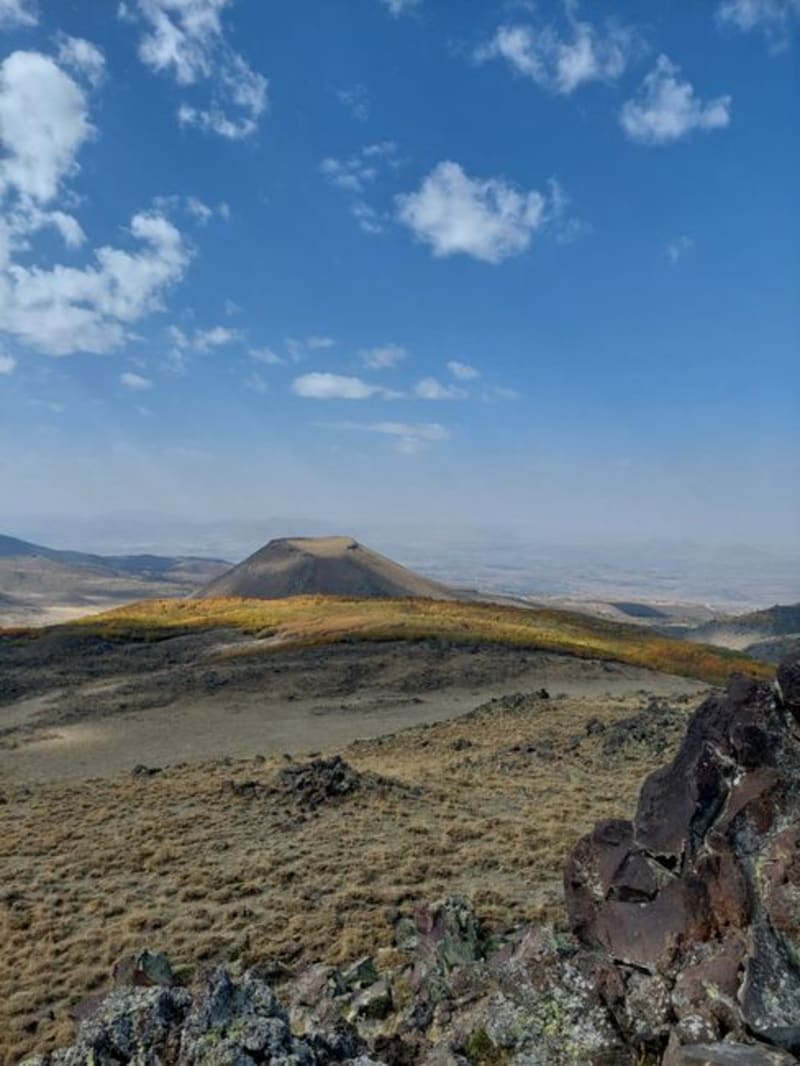 mexico
 Sonoyta
Sonoyta sits at the Arizona border, unremarkable on its face — until you drive twenty minutes south into the Pinacate Biosphere Reserve and find yourself standing on a lava field so alien that NASA sent Apollo astronauts here to practice. The contrast between the Oxxo by the crossing and the volcanic craters beyond it is one of the more quietly disorienting things I have experienced in Mexico.
Explore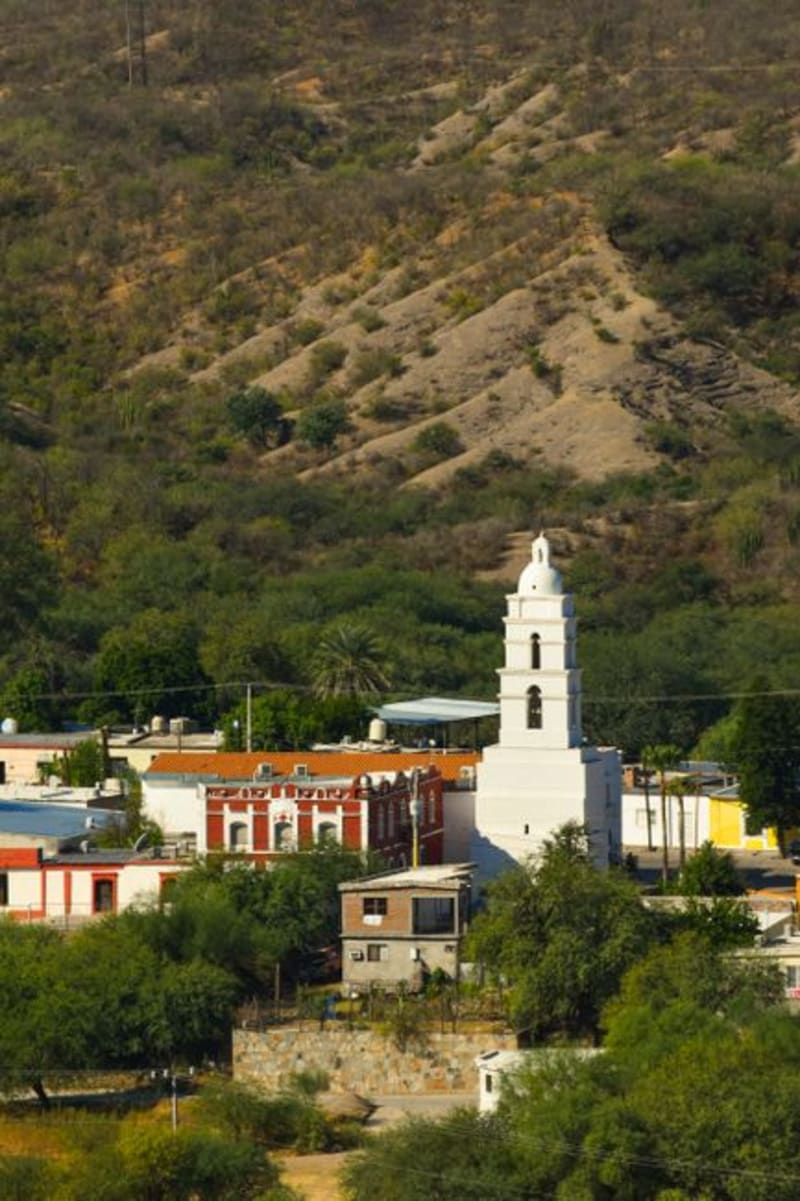 mexico
 Ures
The former capital of Sonora spent four decades at the center of the state's political life, and the cathedral and main plaza still carry that institutional weight — even now that the highway bypasses it and the orange groves along the Sonora River have long outlasted the bureaucrats.
Explore mexico
 Yécora
At 1,800 meters in the Sierra Madre Occidental, Yécora is the Sonora nobody imagines: pine-oak forests, cold summer mornings, and the smell of resin where you expected desert dust. The drive up from Ciudad Obregón is long and the town is small, but the air alone justifies the climb.
ExploreKeep exploring
More from Mexico
 mexico
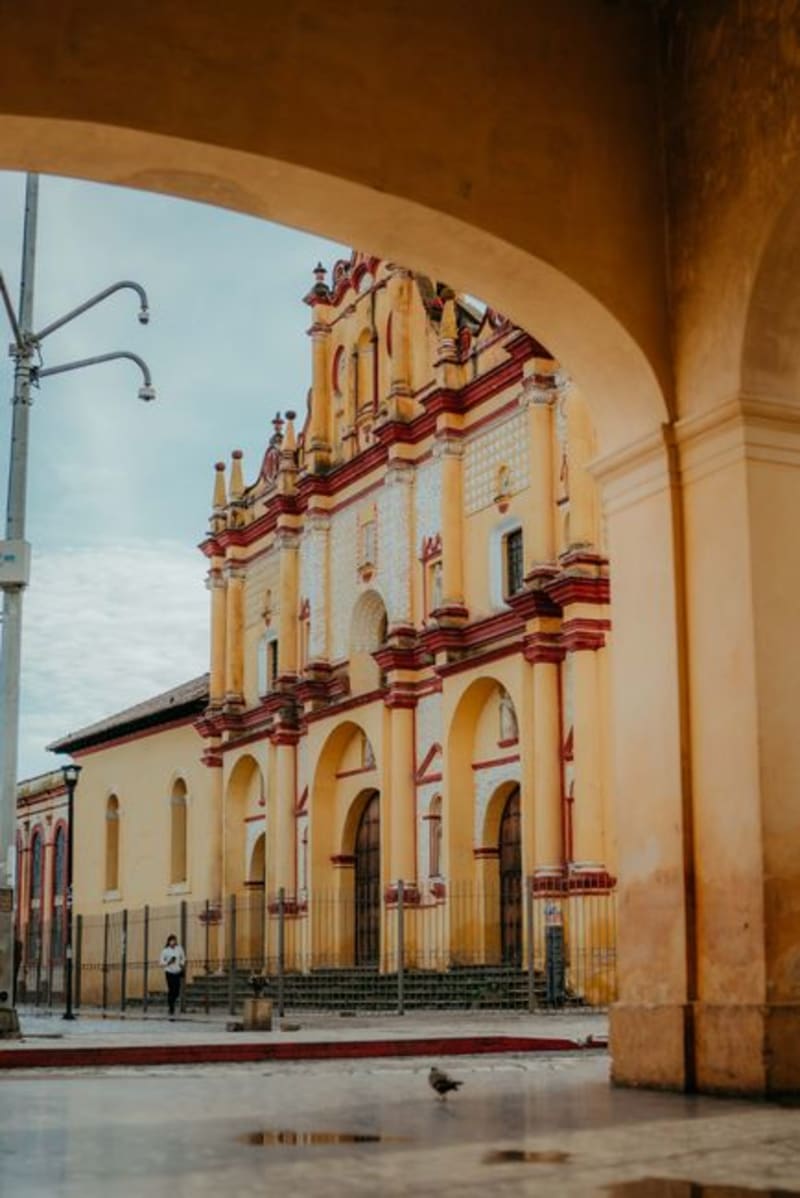
 Soto la Marina
A working river town on the Río Soto la Marina where colonial history — it was the landing point of Spain's last failed attempt to reconquer Mexico in 1829 — lives alongside fishing boats and citrus groves. The river mouth opens onto a Gulf coastline of barrier islands and shallow lagoons that almost nobody has thought to visit.
Explore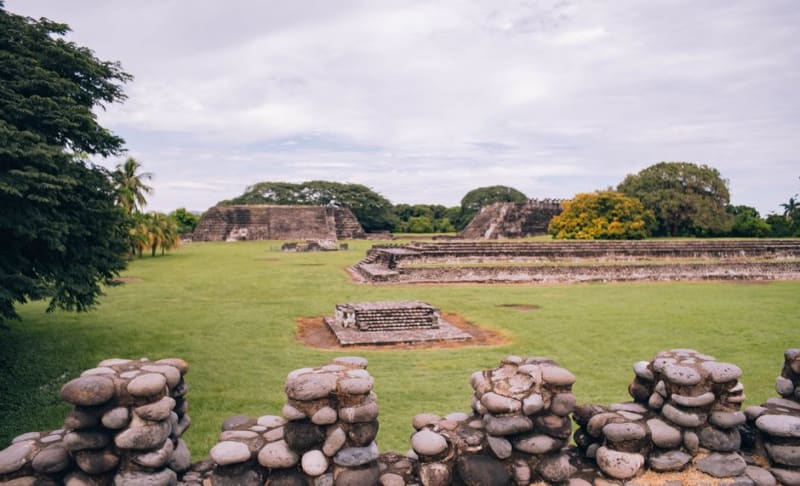 mexico
 Tabasco
A Gulf coast state of rivers, cacao, and Olmec heads — the birthplace of chocolate, the heartland of the Olmec civilization, and the state where the rivers run so full that the capital is built on stilts over the Grijalva.
Explore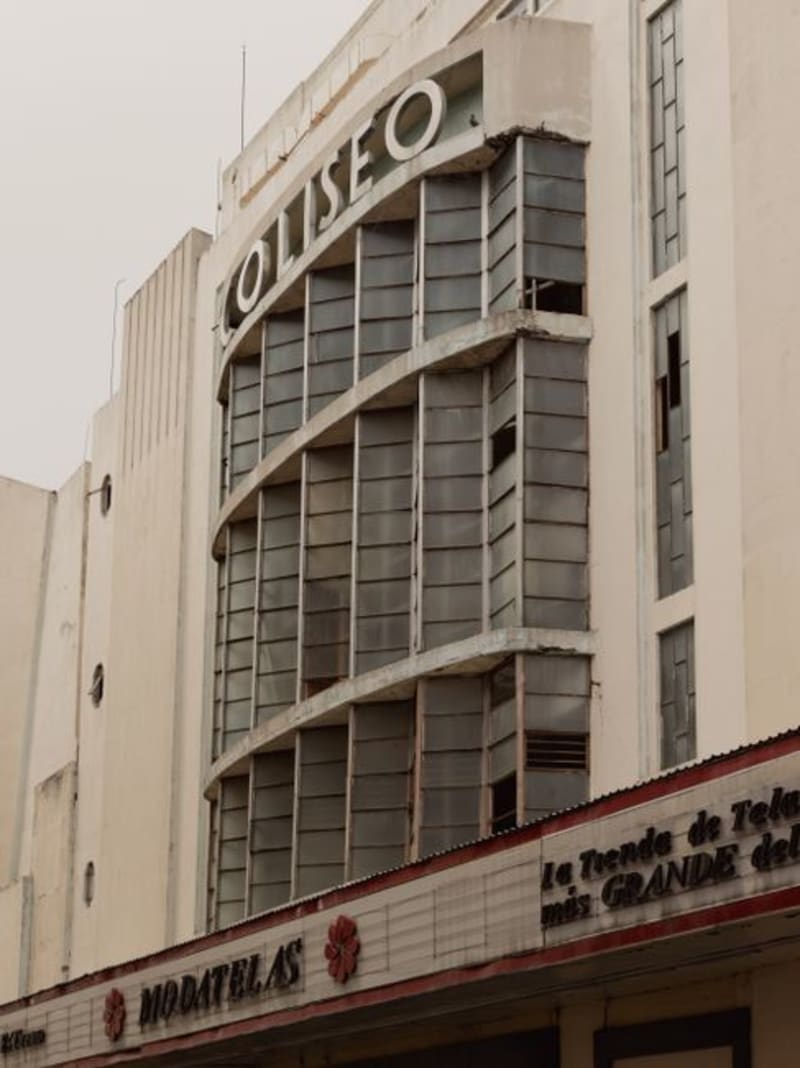 mexico
 Tampico
Tampico is a Gulf coast port city with a downtown full of art deco buildings from the 1930s and 1940s, a covered market that deals in zacahuil by the kilo, and a harbor history shaped by oil booms and Cuban trade. The Plaza de Armas at dusk functions as old Mexico does best — without tourism as its justification.
Explore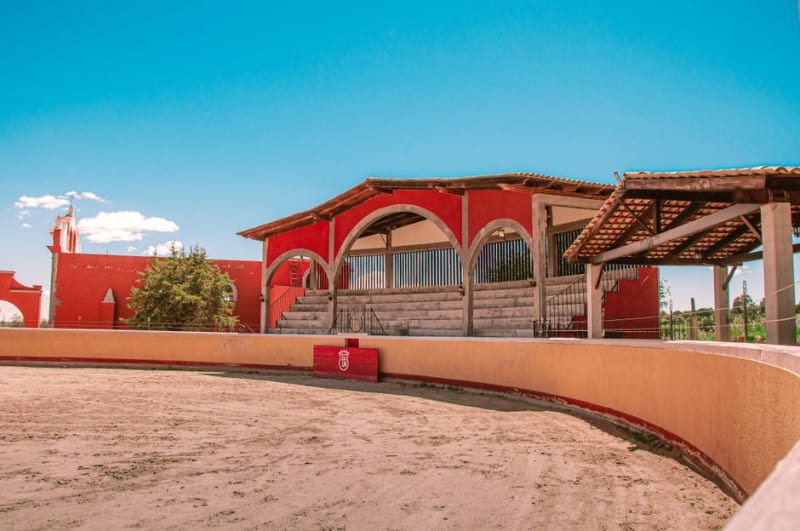 mexico
 Tlaxcala
Mexico's smallest state and its most underestimated colonial capital — a city of Moorish-influenced architecture, indigenous murals, the best pulque in the country, and an extraordinary military history that the rest of Mexico is still processing.
Explore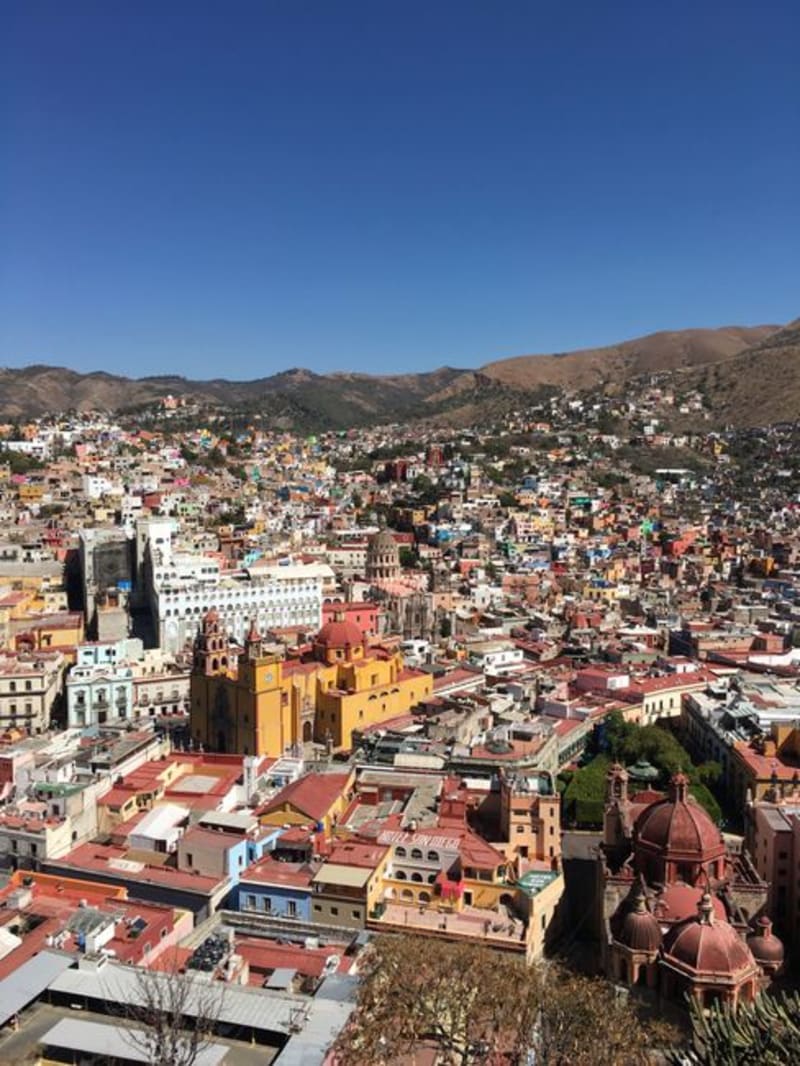 mexico
 Tula de Tamaulipas
A Franciscan mission from 1617 anchors the colonial center of this Sierra Madre valley town, where the regional market draws mountain communities every Saturday and the canyon road from the east is, on its own, worth the detour. Not to be confused with Hidalgo's Toltec Tula — though this one has the better barbacoa.
Explore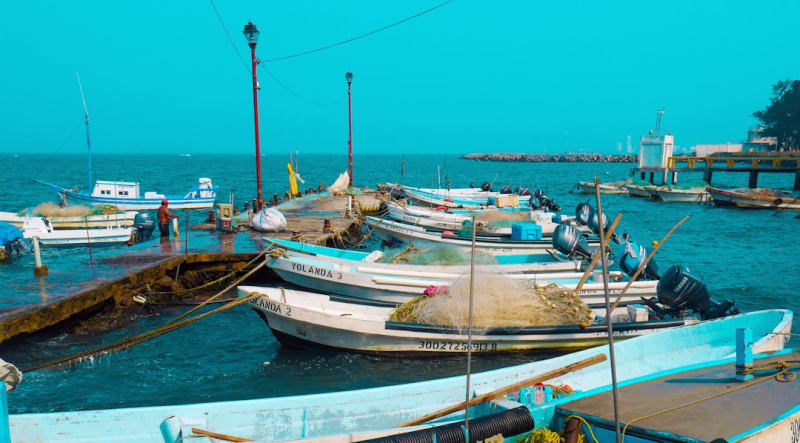 mexico
 Veracruz
Mexico's oldest port city on the Gulf coast — jarocho music, the best seafood in the country, a fortress that held off pirates for two centuries, and coffee from the sierra above the city.
Explore