Morelos
"Tepoztlán is 80 kilometers from Mexico City. The drive takes two hours. The altitude drops 1,200 meters. The temperature rises 10 degrees. The pyramid above the town takes 45 minutes to climb and has been a place of pilgrimage for 3,000 years."
Mexico's second-smallest state — a warm valley south of Mexico City where Aztec gardens, Zapata's revolution, and the magical pyramid of Tepoztlán coexist in a climate mild enough that the Aztec emperors came here to escape the capital's cold.

Morelos is the warm valley south of Mexico City — 80 kilometers from the capital but 1,200 meters lower in altitude, which means a climate that feels like another country: 24 degrees in January, 30 in May, the sugarcane and mango and avocado growing at the elevation where the capital grows only corn. The Aztec emperors built their vacation palaces here (the ruins of Oaxtepec, the botanical garden complex at Huaxtepec), and contemporary Mexico City residents continue the tradition by maintaining weekend houses in the valley.
The state is named for José María Morelos — the mestizo priest who took over the Mexican independence movement after Hidalgo’s execution in 1811 and ran it for the next four years with considerably more military competence. The state’s revolutionary identity is dual: Morelos gave the independence movement its only sustained military success, and a century later Emiliano Zapata — born in Anenecuilco, Morelos, in 1879 — gave the Mexican Revolution its most radical agrarian demand (Tierra y Libertad, Land and Liberty) and his state its most enduring political identity. Zapatista murals are still common in Morelos villages.
Tepoztlán (covered separately) — the pyramid-above-the-town destination 30 kilometers south of Cuernavaca — is the state’s primary destination for visitors arriving from Mexico City. The Tepozteco pyramid sits at 2,300 meters on a cliff above the colonial town; getting there requires a 45-minute uphill hike on a stone path. The town below has a large organic market on weekends, a 16th-century Dominican convent, and a permanent population of Mexico City artists and writers who moved there for the climate and the relative quiet.
Cuernavaca — the state capital, called “the city of eternal spring” for its 18th-century weather — has the Diego Rivera murals in the Cortés Palace, the Jardín Borda (the lavish 18th-century botanical garden that Maximilian and Carlota used as their weekend palace), and the only functioning Buddhist temple complex in Mexico (Nippon Bodaiji).
Explore
Places in Morelos
 mexico
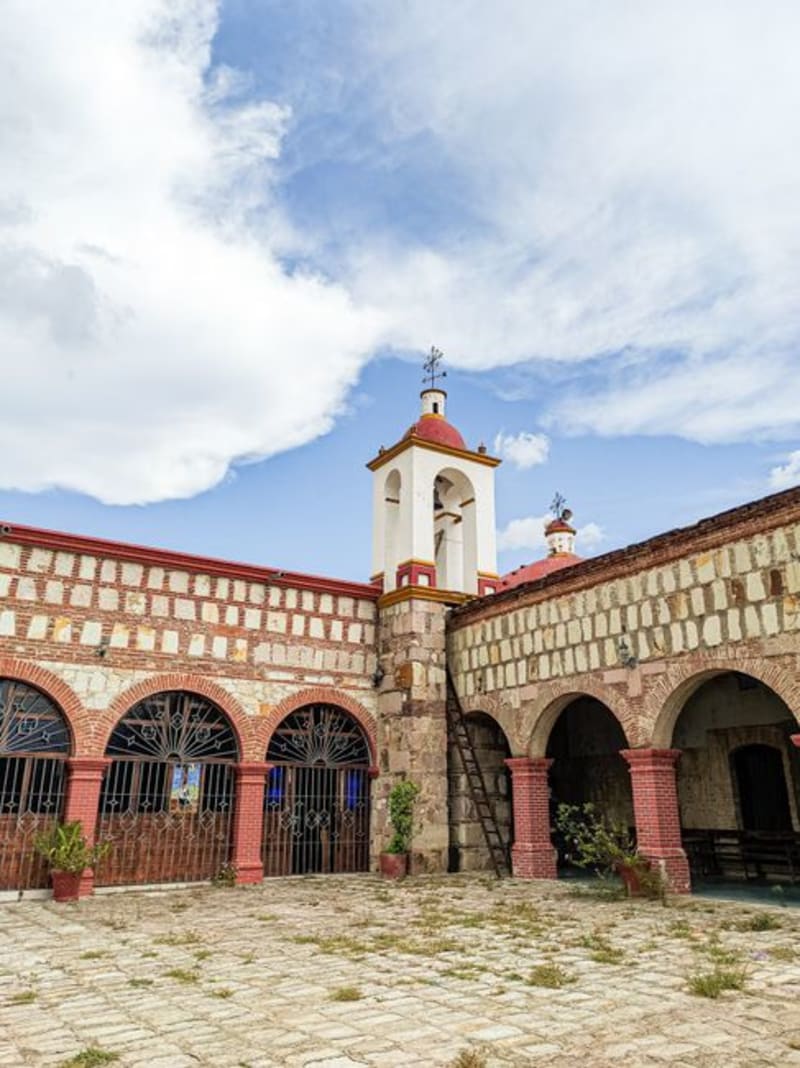
 Amacuzac
A warm river town in the far southwestern corner of Morelos, where the Amacuzac cuts green through tropical lowland and the pace slows to match the heat. Spring-fed swimming holes, hot-country afternoons, and the last easy breath before the Guerrero line.
Explore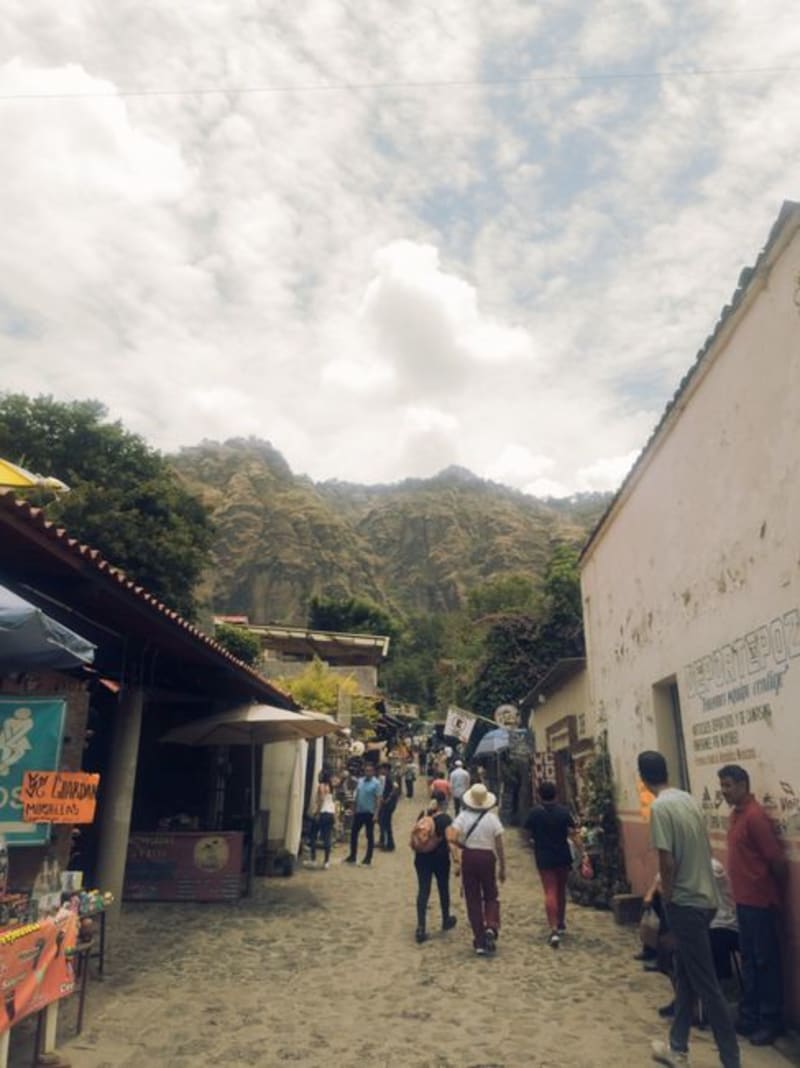 mexico
 Axochiapan
Axochiapan sits in the hot, flat sugarcane country of eastern Morelos — a town most people drive through without slowing down and that rewards those who stop with ex-hacienda ruins, a market untouched by tourism, and mezcal made in the surrounding hills in quantities too small to ever leave the region.
Explore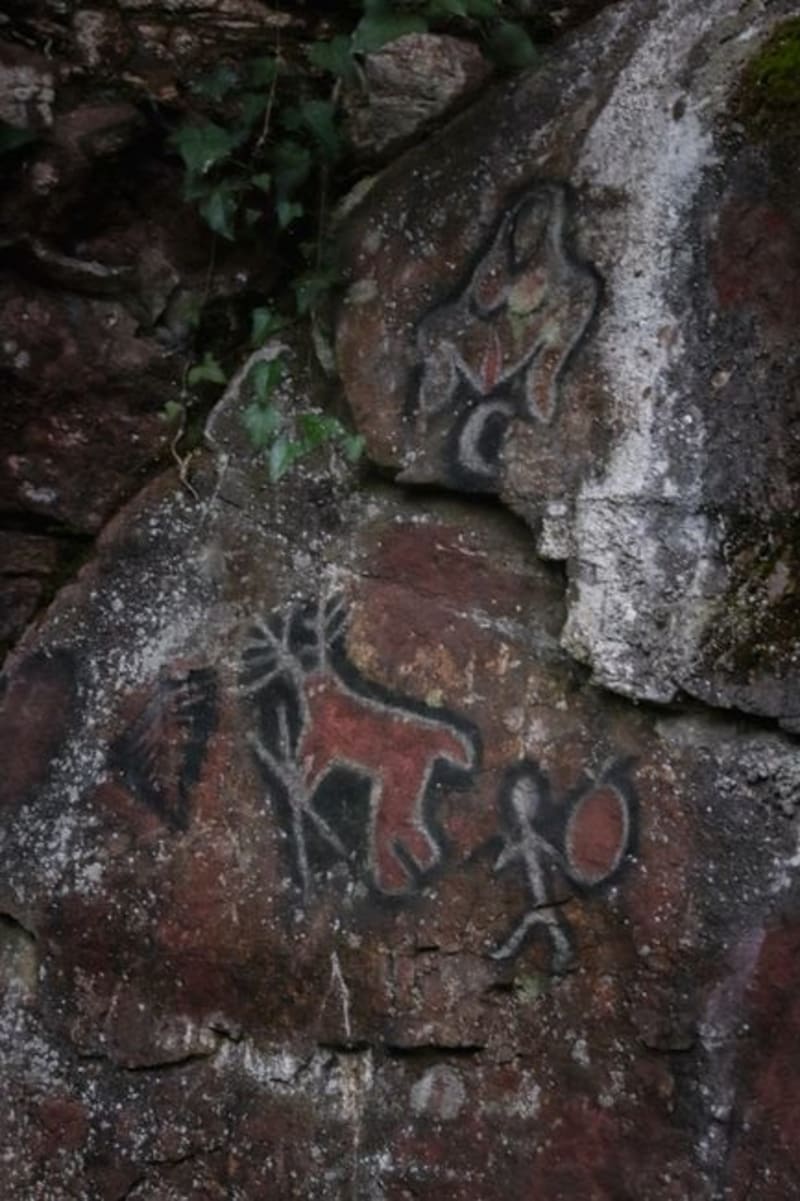 mexico
 Chalcatzingo
Chalcatzingo is an Olmec-influenced ceremonial site in eastern Morelos where bas-relief carvings — rain deities, seated rulers, supernatural jaguars, figures emerging from cave mouths — are cut directly into hillside boulders of dark basalt. It is one of the most significant Middle Formative sites in central Mexico and almost nobody visits, which means you will likely have the carvings to yourself in a way that Teotihuacan and Monte Albán can no longer offer.
Explore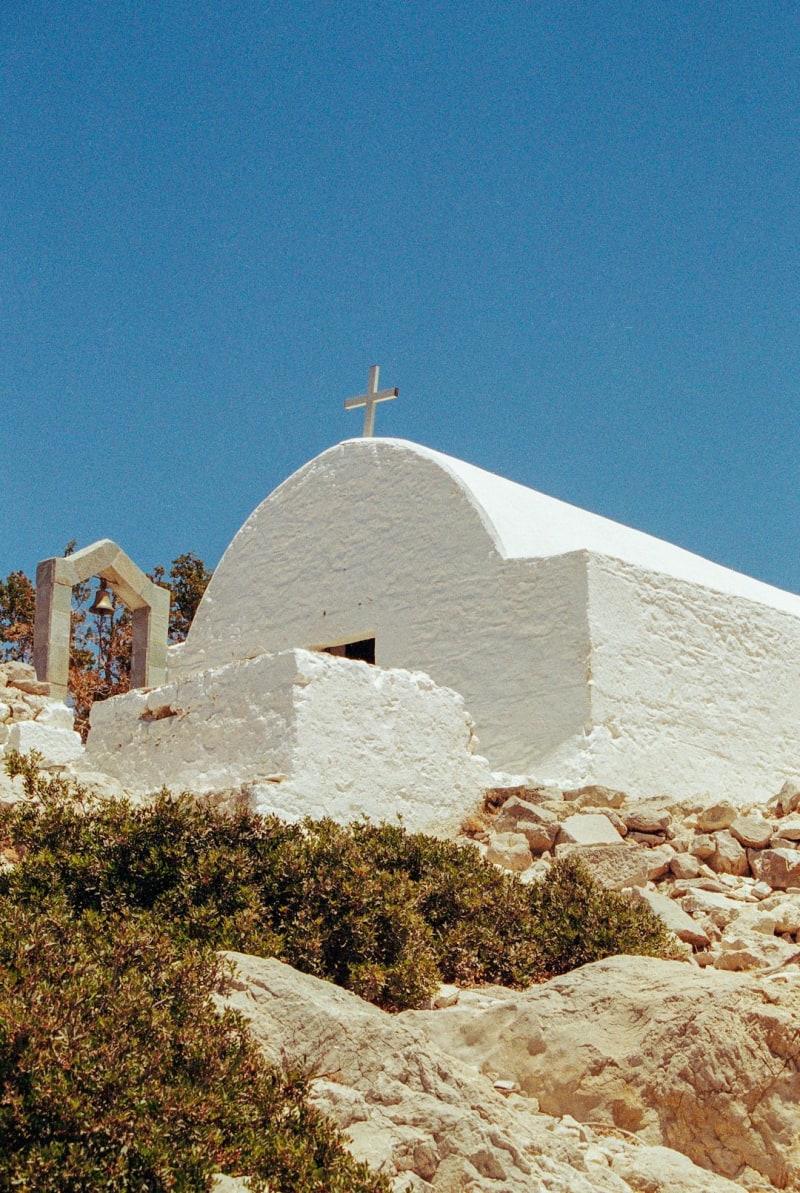 mexico
 Coatlán del Río
A warm river-valley town in southwestern Morelos where sugarcane and fruit ripen in the heat, spring-fed balnearios run cool and clear, and the pace slows to match the water. Green, hot, and gloriously unhurried.
Explore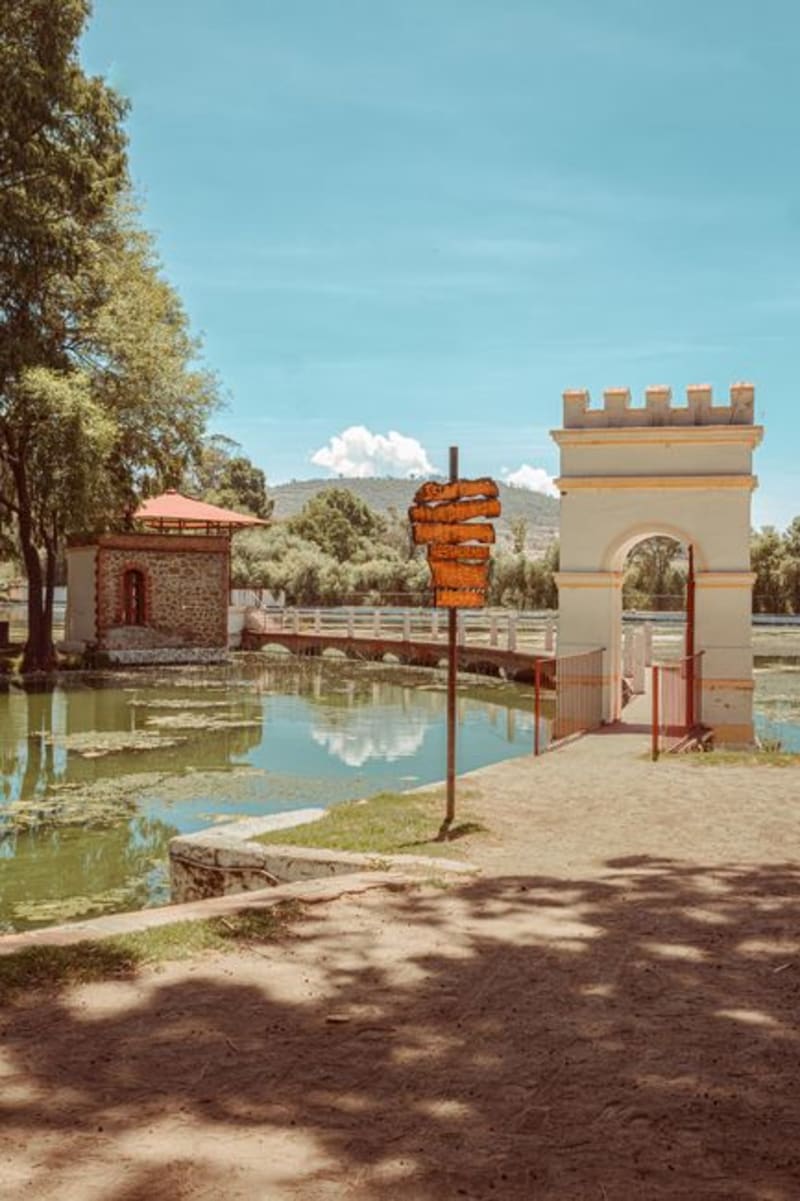 mexico
 Cocoyoc
The Ex-Hacienda de Cocoyoc is a 16th-century sugar hacienda that never became a ruin — it became a hotel instead, and the conversion is extraordinary. Stone aqueduct arches, former processing halls, and colonial courtyards now hold swimming pools, restaurants, and guest rooms. Even without a reservation, the grounds repay an afternoon.
Explore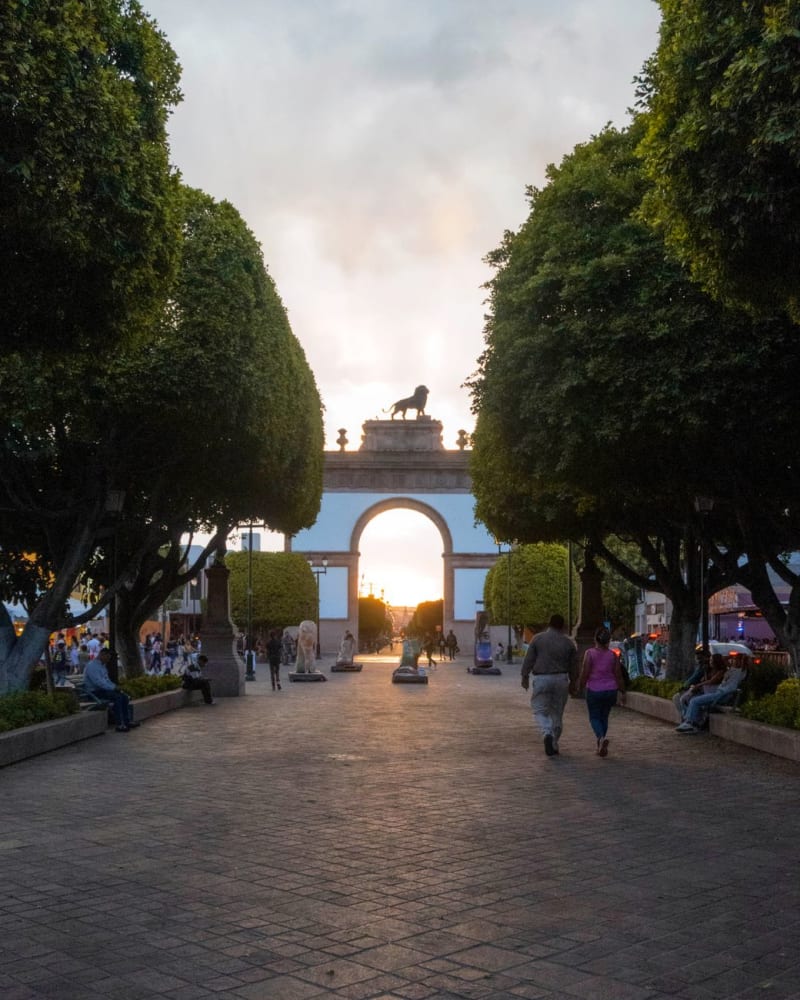 mexico
 Cuautla
Morelos's second city sits lower and warmer than Cuernavaca, built around a culture of thermal balnearios fed by the volcanic springs of the Popocatépetl flank. On any given Sunday, entire Mexican families spend hours in pools of warm mineral water, eating carnitas, and going nowhere in particular.
Explore mexico
 Cuernavaca
Mexico City's weekend exhalation — a city of gardens and near-perfect climate 75km south, with a collector's house-museum of extraordinary depth that almost nobody outside Mexico knows exists and Diego Rivera murals in the palace Cortés built.
Explore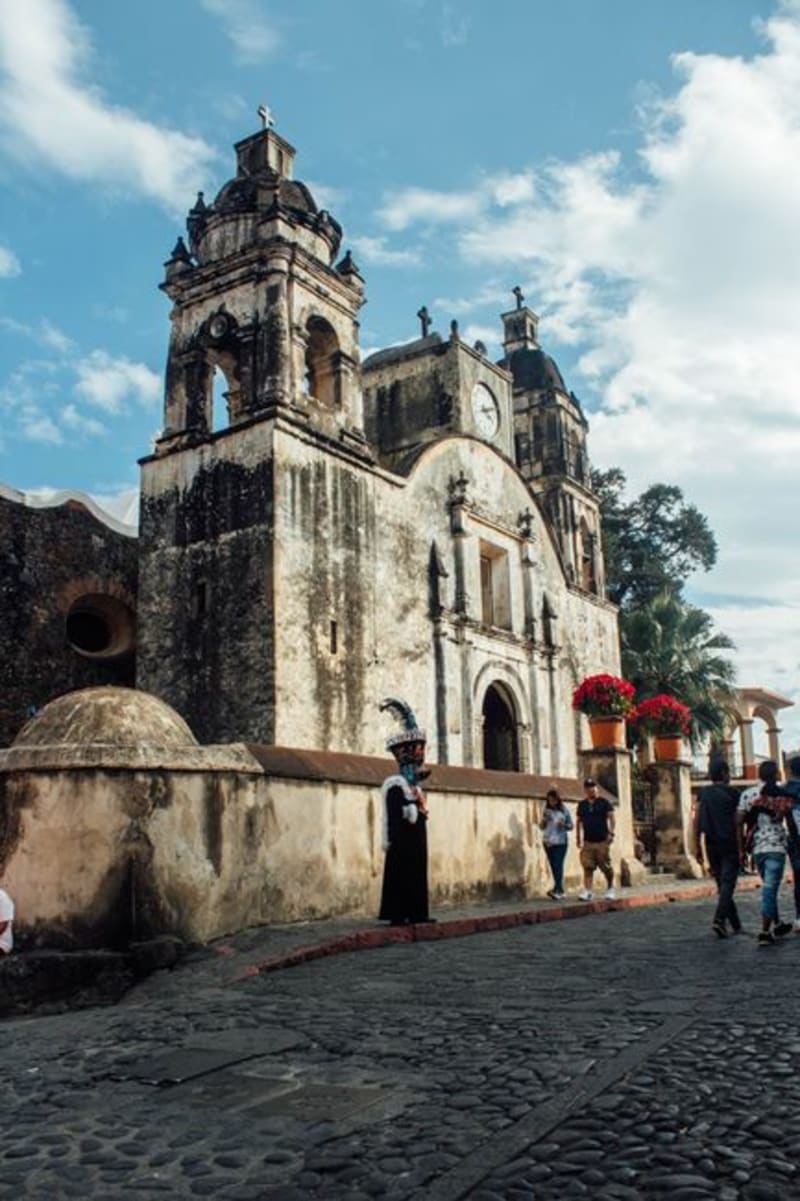 mexico
 Hueyapan
A Nahua weaving village high on the cold green slopes of Popocatépetl, where wool comes off backstrap looms in earth colors, the temazcal steams at dusk, and mist moves through apple trees. Deeply indigenous, unhurried, and worth the climb into the fog.
Explore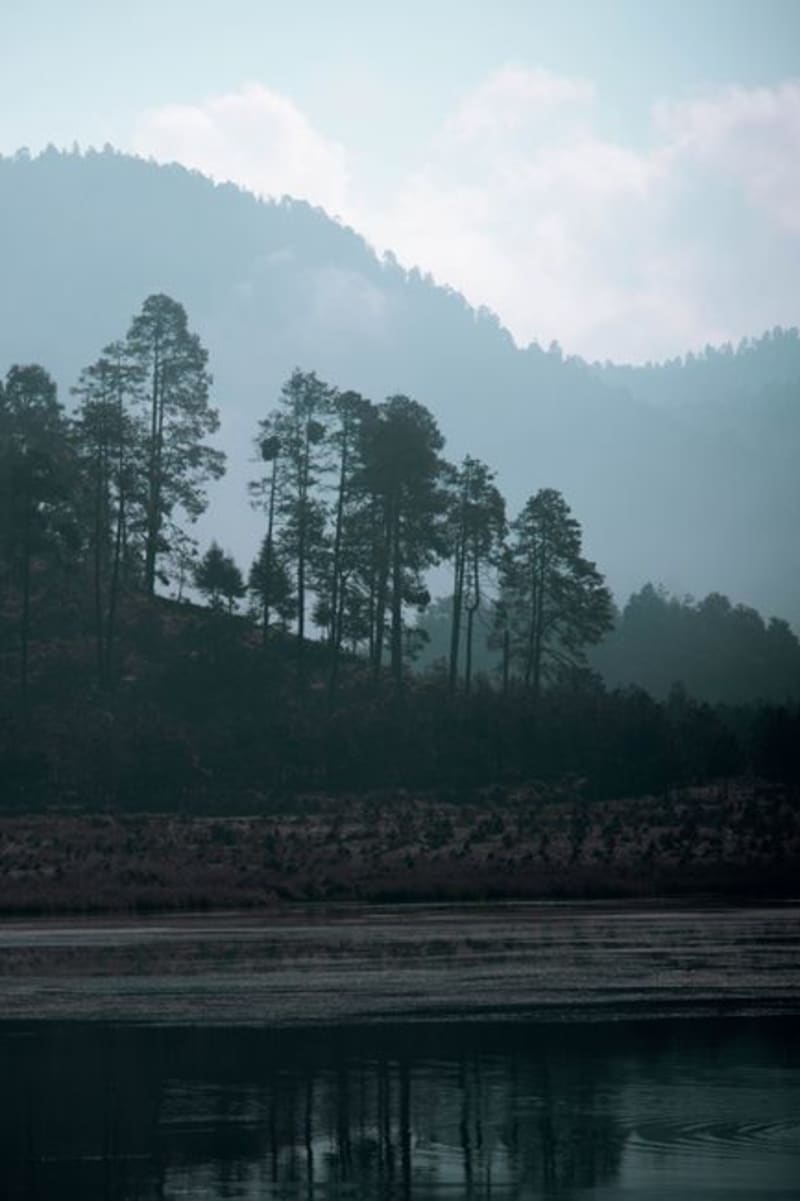 mexico
 Huitzilac
At 2,800 meters on Morelos's northern edge, Huitzilac trades the state's signature tropical heat for pine-oak forest, cold fog, and the high-altitude lakes of Zempoala. Most people pass through without stopping. That is their mistake.
Explore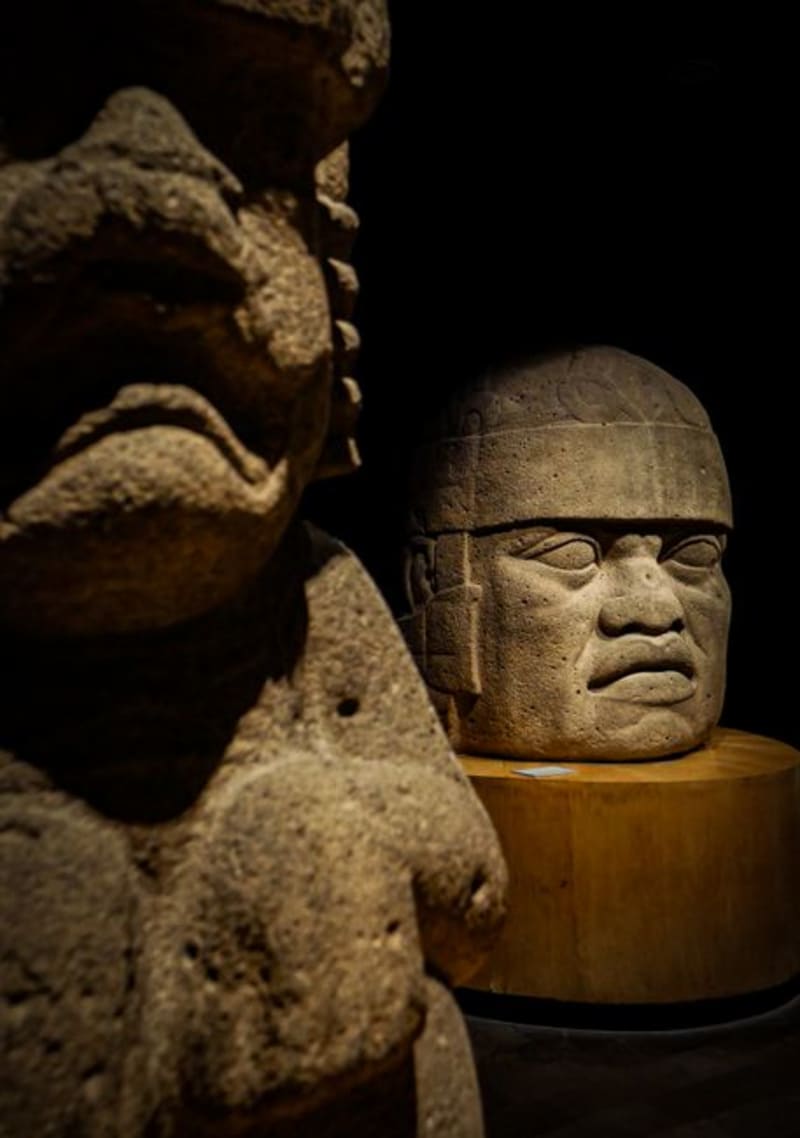 mexico
 Jantetelco
A semi-arid Morelos town at the base of the Sierra de Jantetelco, where pre-Columbian rock carvings sit unannounced on boulders in the surrounding fields and a small community ecotourism project has quietly organized itself around the dry forest most visitors to Morelos never bother reaching.
Explore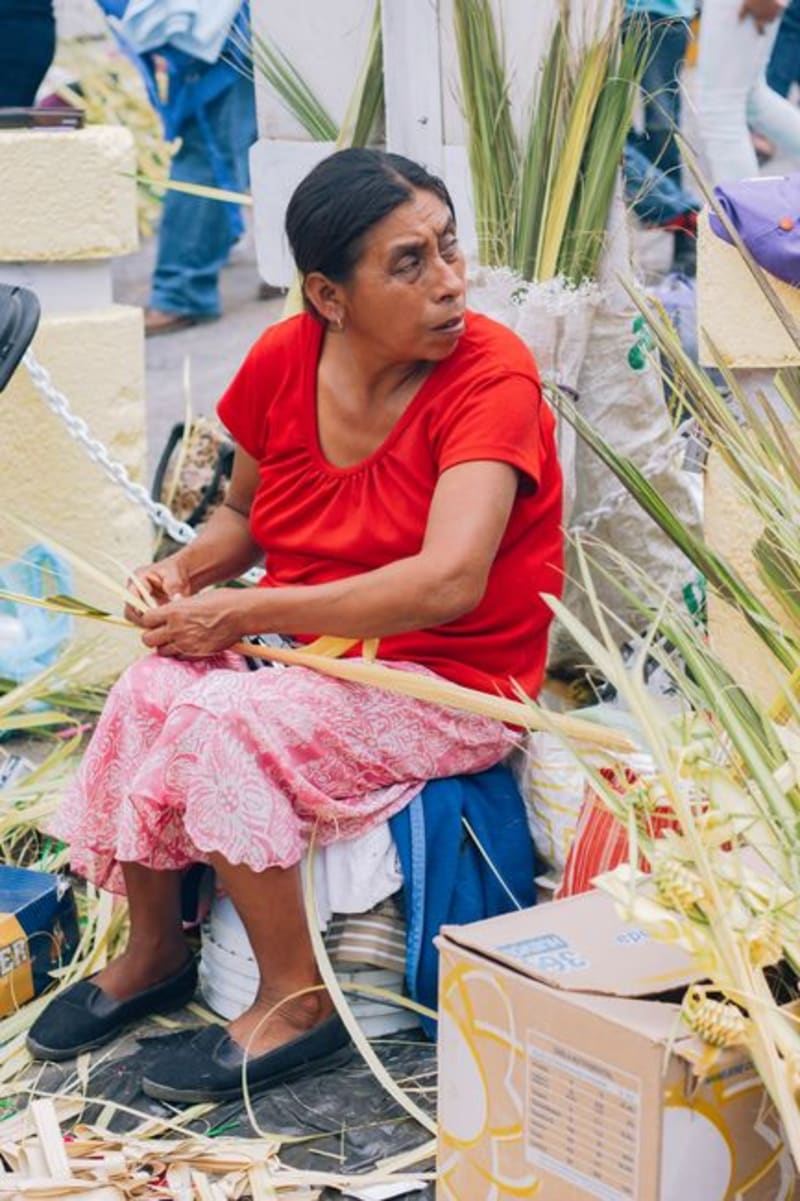 mexico
 Jojutla
Jojutla bakes in the Tierra Caliente heat and does not apologize for it. A regional market institution, prized arroz cultivated in the surrounding lowlands, and some of the finest palm-woven petates in central Mexico — this is a town that has never needed an audience.
Explore mexico
 Jonacatepec
Jonacatepec sits in the semi-arid eastern lowlands of Morelos near the Puebla border, a town that functions at its own dry, unhurried pace with maguey plants on the hillsides and a baroque parish church of disproportionate grandeur for a place this size. I spent two hours here in November and left understanding Morelos better than I had when I arrived.
Explore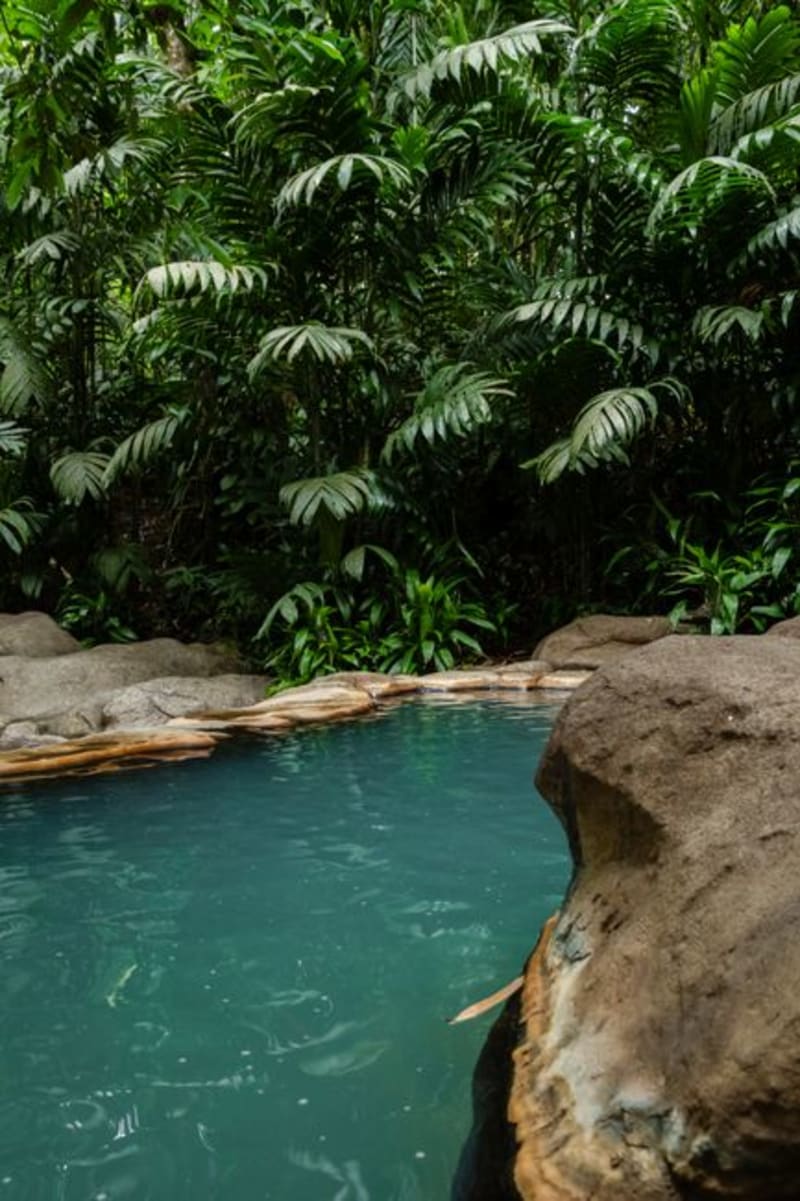 mexico
 Mazatepec
A village in the warm lowlands of western Morelos where ex-haciendas with thermal pools sit among mango and guava orchards. Mazatepec operates at a pace that makes Cuernavaca feel rushed — it rewards visitors who arrive with nothing planned.
Explore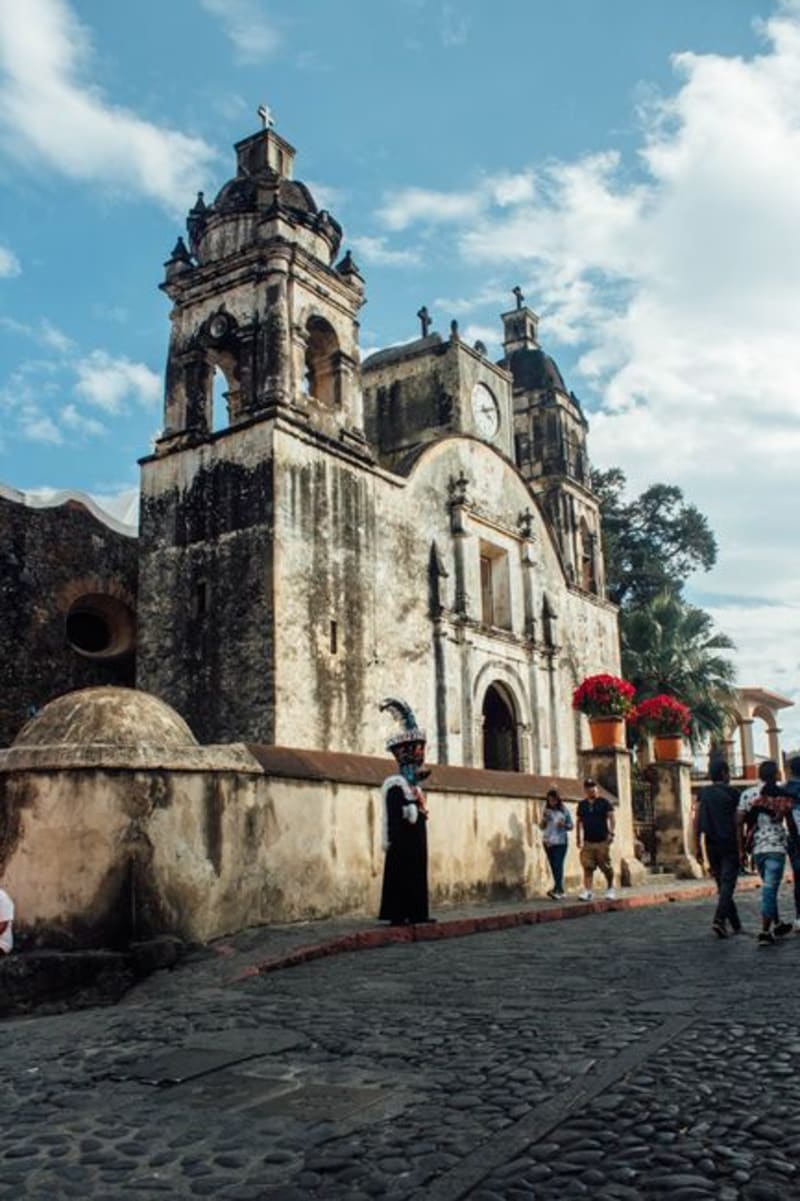 mexico
 Oaxtepec
Oaxtepec was a royal botanical garden before it was a Dominican convent, and a Dominican convent before it became a state resort complex. The thermal springs that Motecuhzoma I valued enough to import plants from across the empire are still running. The sixteenth-century cloister is still standing, quietly, at the back of a parking lot.
Explore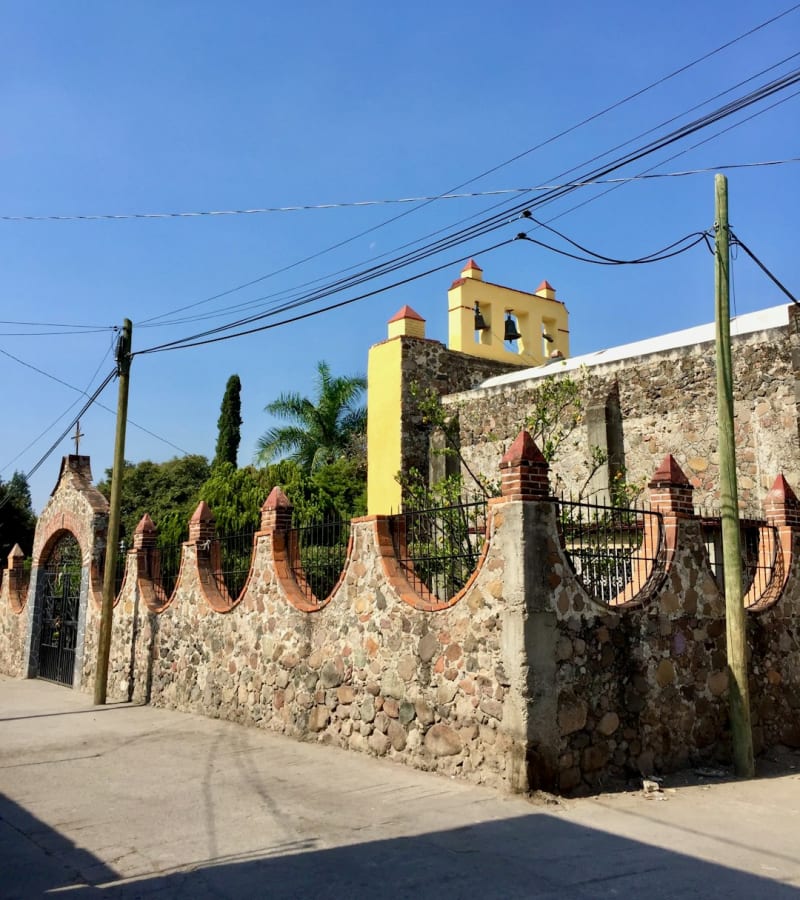 mexico
 Ocuituco
A quiet town on the green lower skirts of Popocatépetl, where a stern Augustinian ex-convent guards one of the oldest stone fountains in the Americas and the air smells of cut grass and cold volcano. Fruit orchards, old walls, and a silence that feels deliberate.
Explore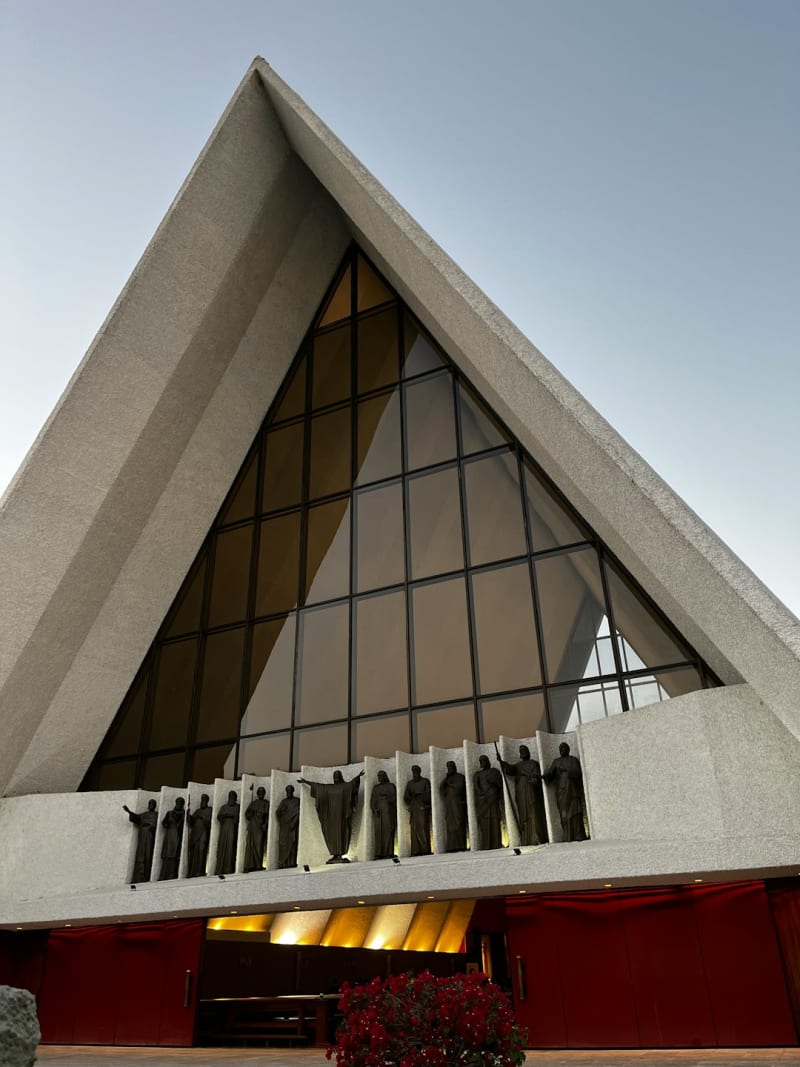 mexico
 Tepalcingo
A warm, dusty town on the dry plains of southeastern Morelos that swells once a year for one of the great pilgrimage fairs of central Mexico, drawn to a sanctuary whose façade is worked in astonishing sculpted detail. Quiet most days, overwhelming on the third Friday of Lent.
Explore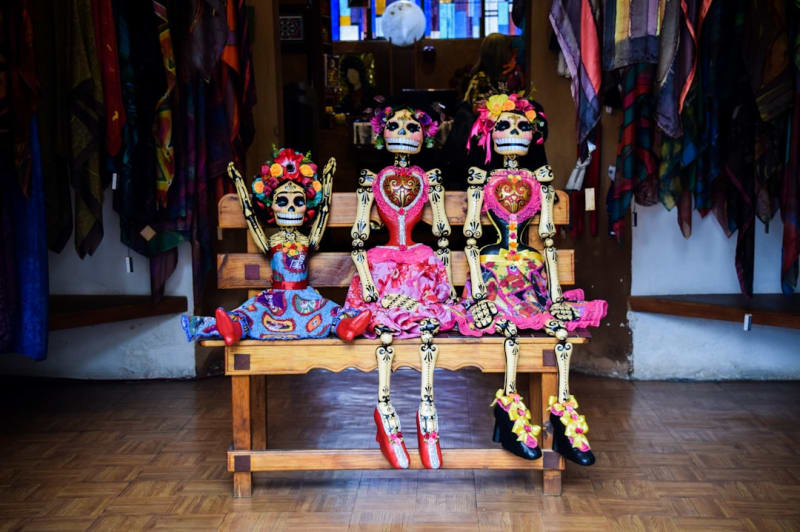 mexico
 Tepoztlán
A village of volcanic cliffs, a Nahua pyramid, and an agave deity — 75 kilometers from Mexico City and centuries away from it.
Explore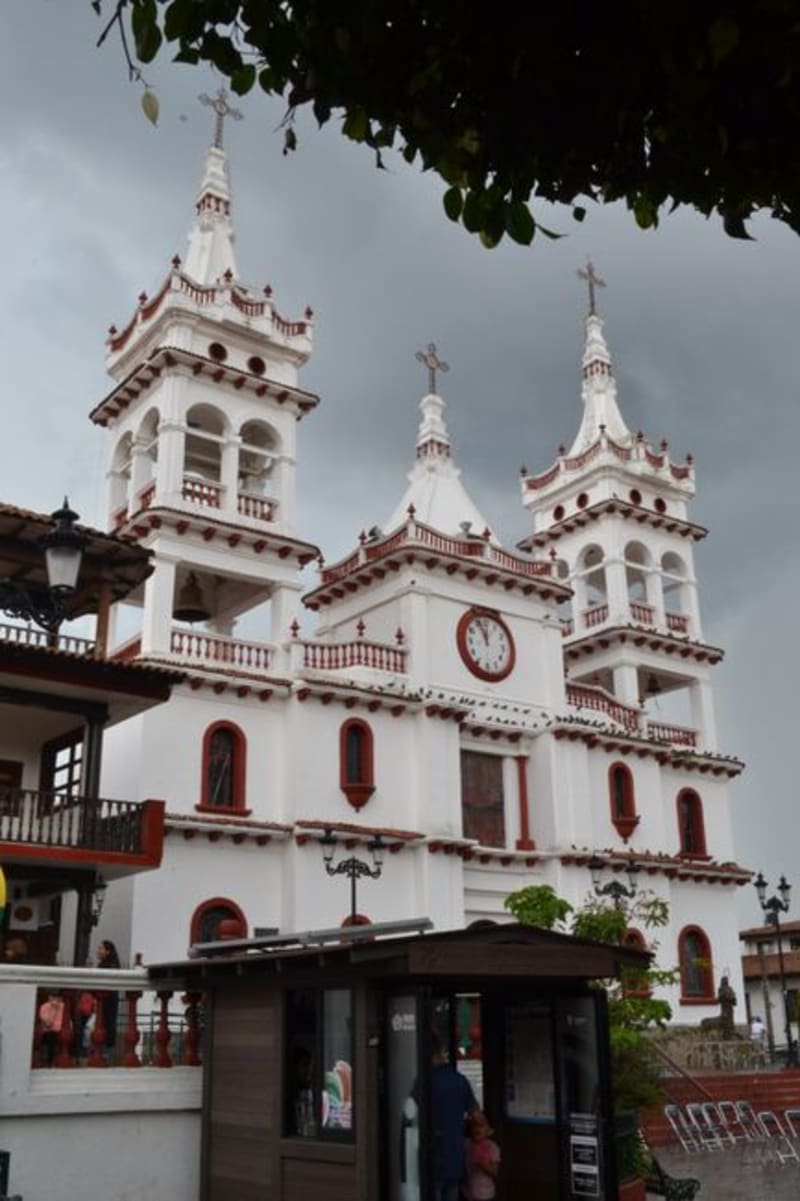 mexico
 Tetecala
Tetecala is one of Morelos' quietest Pueblos Mágicos — a warm-country town where mango orchards line the roads and a clear river has served as the local swimming hole for generations. The colonial church presides over an unhurried plaza, and the tourists have yet to find it.
Explore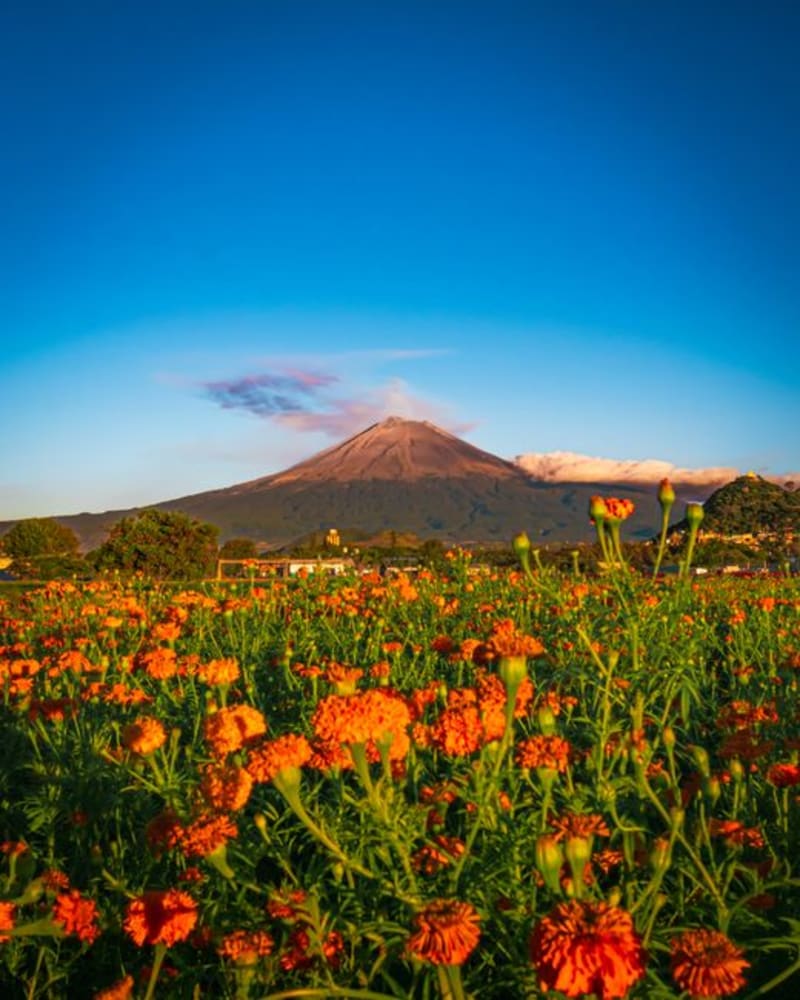 mexico
 Tetela del Volcán
Tetela del Volcán sits on the eastern flank of Popocatépetl at around 1,700 meters, where apple orchards line the road up and the colonial church of San Juan Bautista frames the volcano on clear mornings. The air smells of pine resin and wood smoke, the Sunday market winds through a stone plaza, and the thermal pools at nearby Atzompa are used almost exclusively by families driving up from Cuautla on weekends. It is a town that rewards arriving before noon and staying two nights longer than you planned.
Explore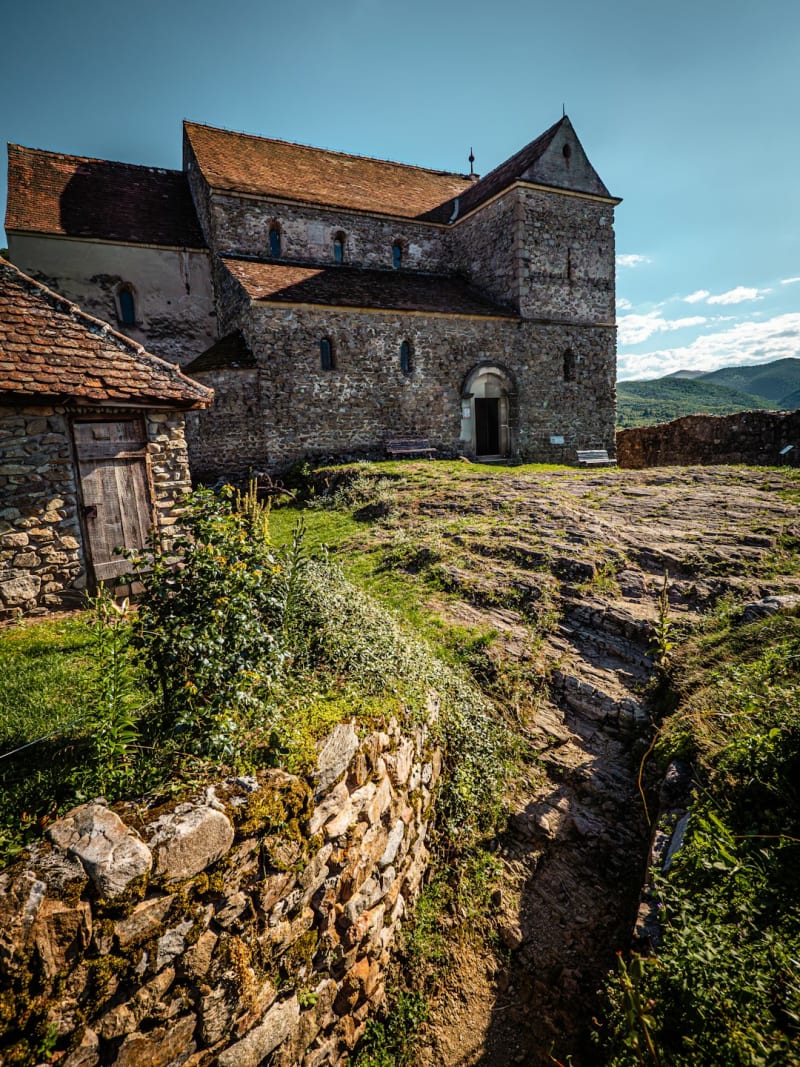 mexico
 Tlalnepantla
A humble municipality in the rocky highland hills of northern Morelos, where whole hillsides are planted in nopal and the cactus paddle is not garnish but livelihood. Rock outcrops, cool edges, and the honest rhythm of an agricultural town.
Explore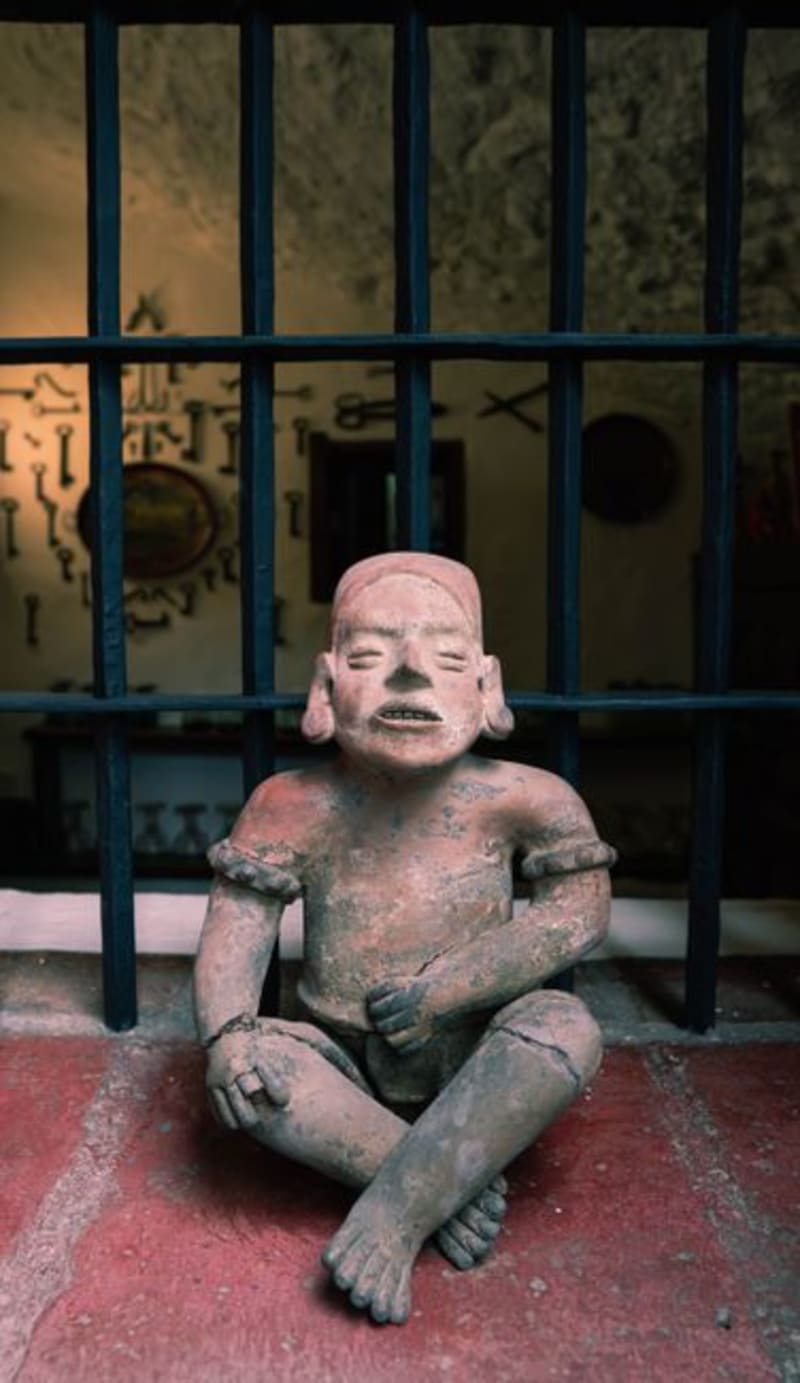 mexico
 Tlaltizapán
Emiliano Zapata made this sugar-cane town in the Tierra Caliente of Morelos his operational headquarters during the Revolution, and the hacienda where he planned land reform is now a quiet museum at the center of a town that has remained exactly as unhurried as it probably was a century ago.
Explore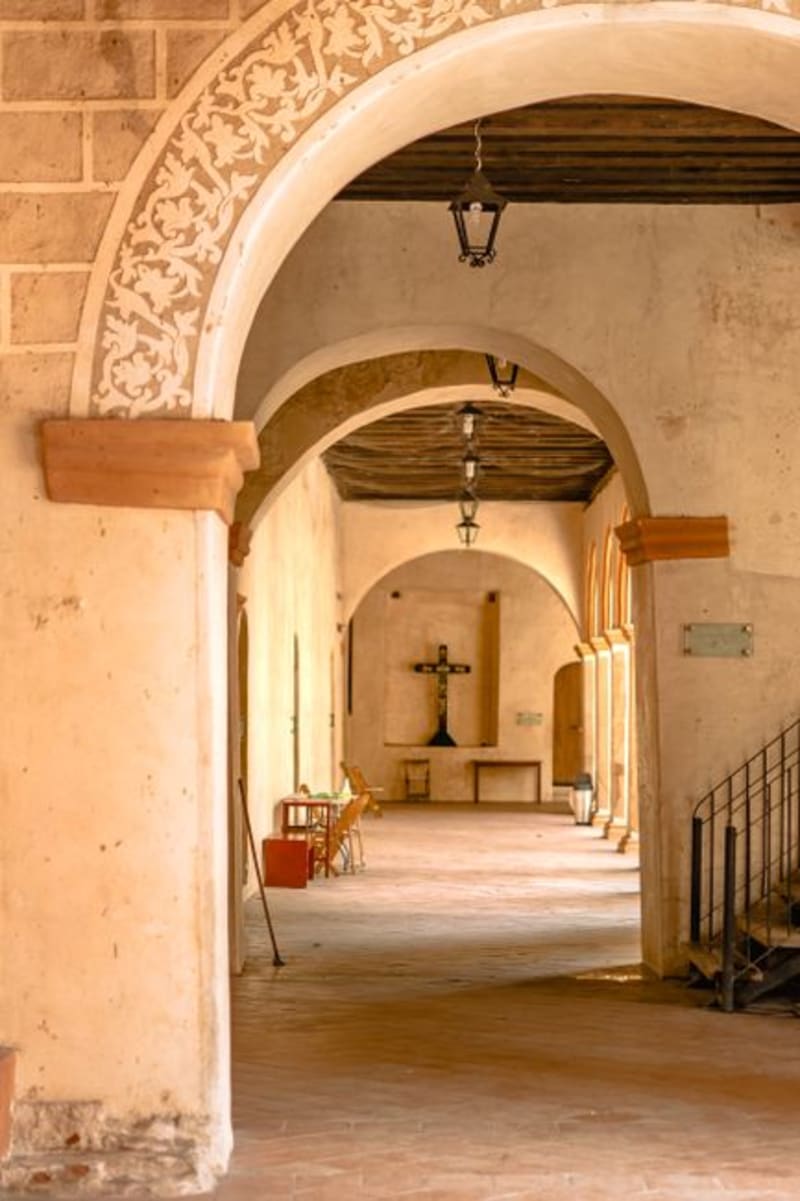 mexico
 Tlaquiltenango
Tlaquiltenango holds one of the most intact early colonial monasteries in Mexico, a sixteenth-century Augustinian complex with an open-air chapel built for mass conversions in the dry foothills of Morelos. It is part of the UNESCO cluster of monasteries on the slopes of Popocatépetl, and almost nobody comes.
Explore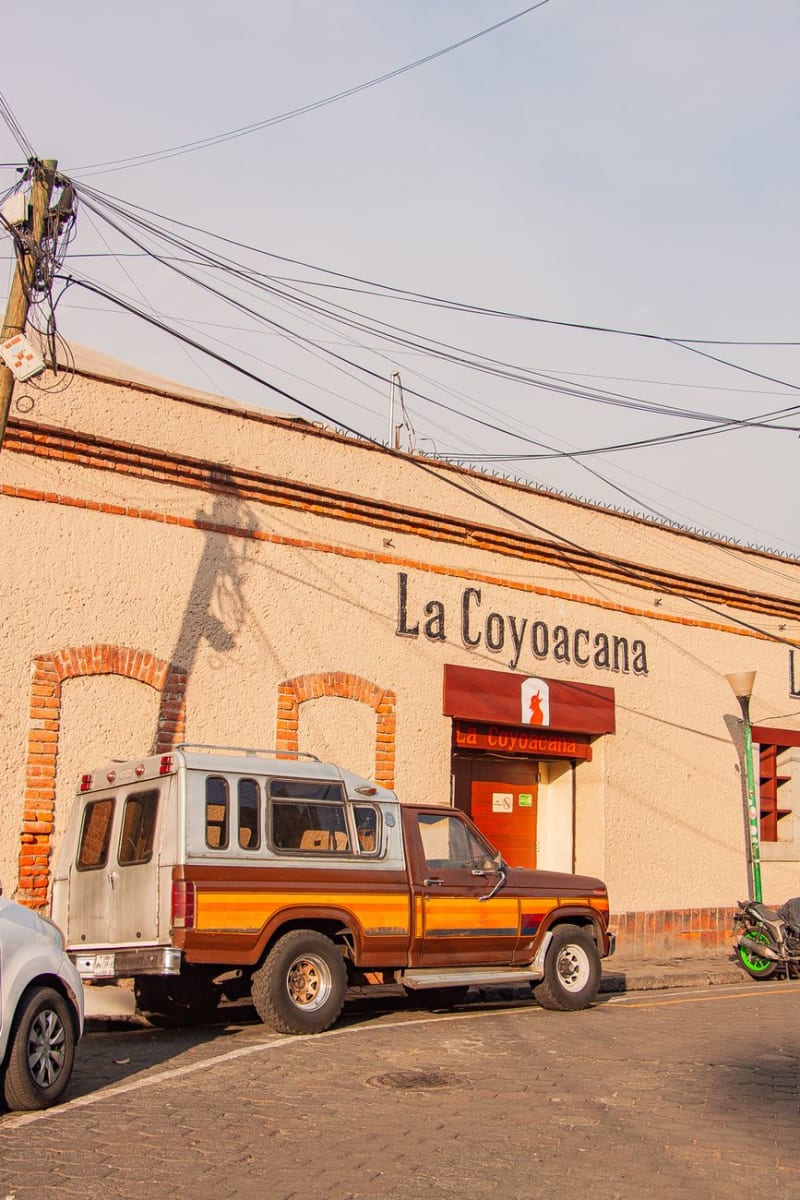 mexico
 Tlayacapan
Tlayacapan is a Pueblo Mágico in the Morelos highlands whose 16th-century Augustinian convent still stands more or less intact, open chapel and all, at the edge of a market square where vendors set up in its shadow on weekday mornings. The pulquerías here are old and local — not the hipster mezcal bars of Oaxaca or Mexico City, but actual pulque culture, maguey country, the slightly viscous fermented sap of the agave plant served in clay cups to regulars who have been drinking here for decades. In February, for the Carnival, the chinelo dancers come out in feather headdresses so elaborate they seem structurally implausible.
Explore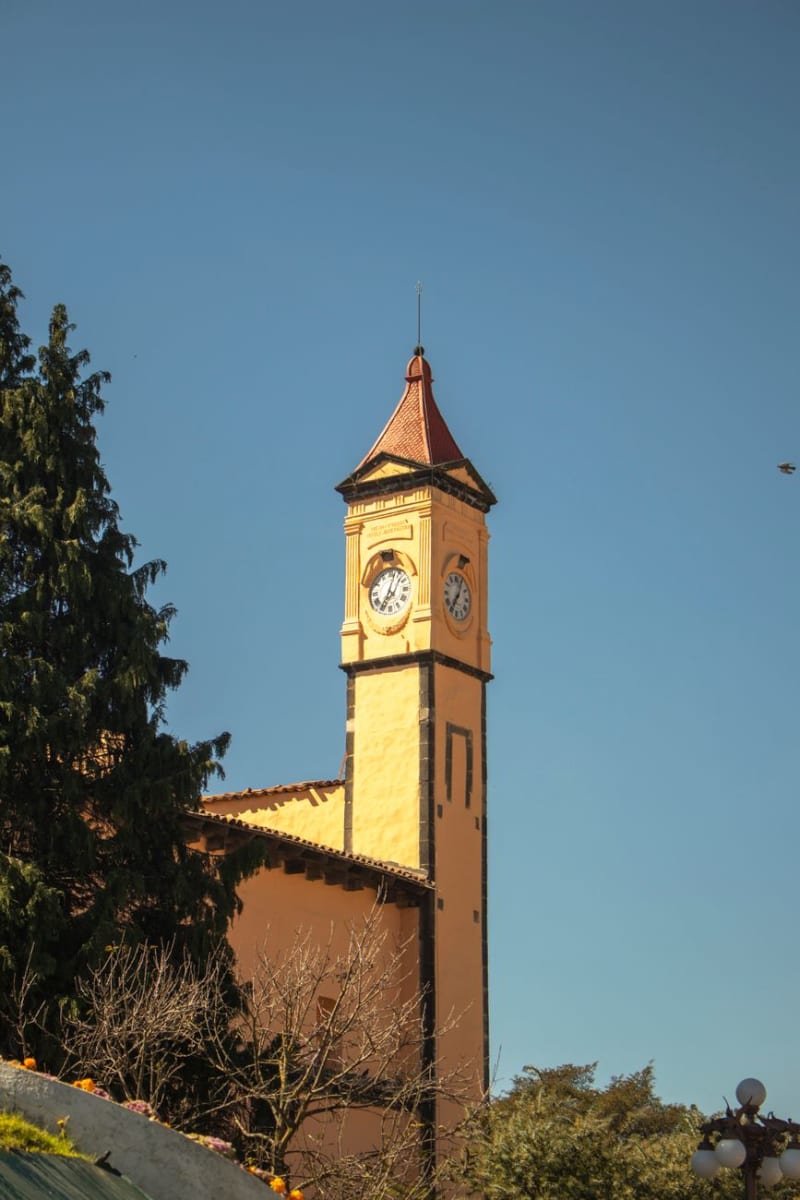 mexico
 Totolapan
Totolapan is a mountain town in the Sierra de Tepoztlán at 1,800 meters, reached by a road that climbs steeply through dry forest above Cuautla. Its 16th-century Augustinian convent has a cloister full of murals painted by Nahua artists that bear a specificity — the faces, the details — that tells you the painters were not simply following instructions.
Explore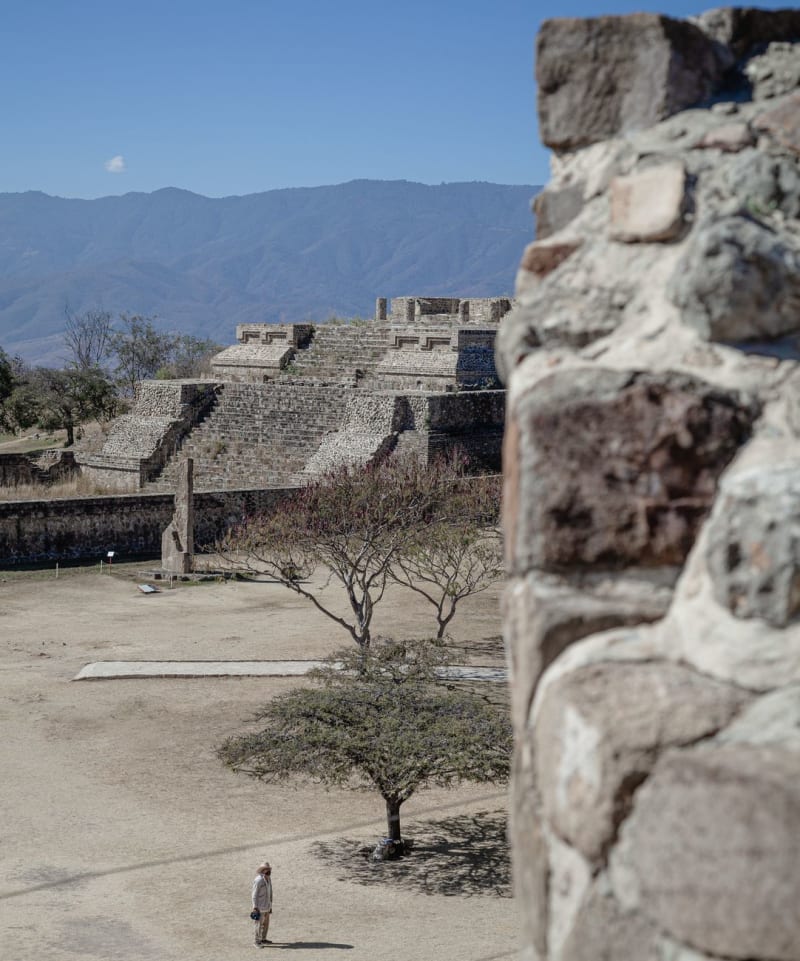 mexico
 Xochicalco
A hilltop pre-Hispanic city in the Morelos valley where a civilization of astronomers built one of the most sophisticated observatories in the Americas — including an underground cave where a column of light marks the exact zenith passage of the sun.
Explore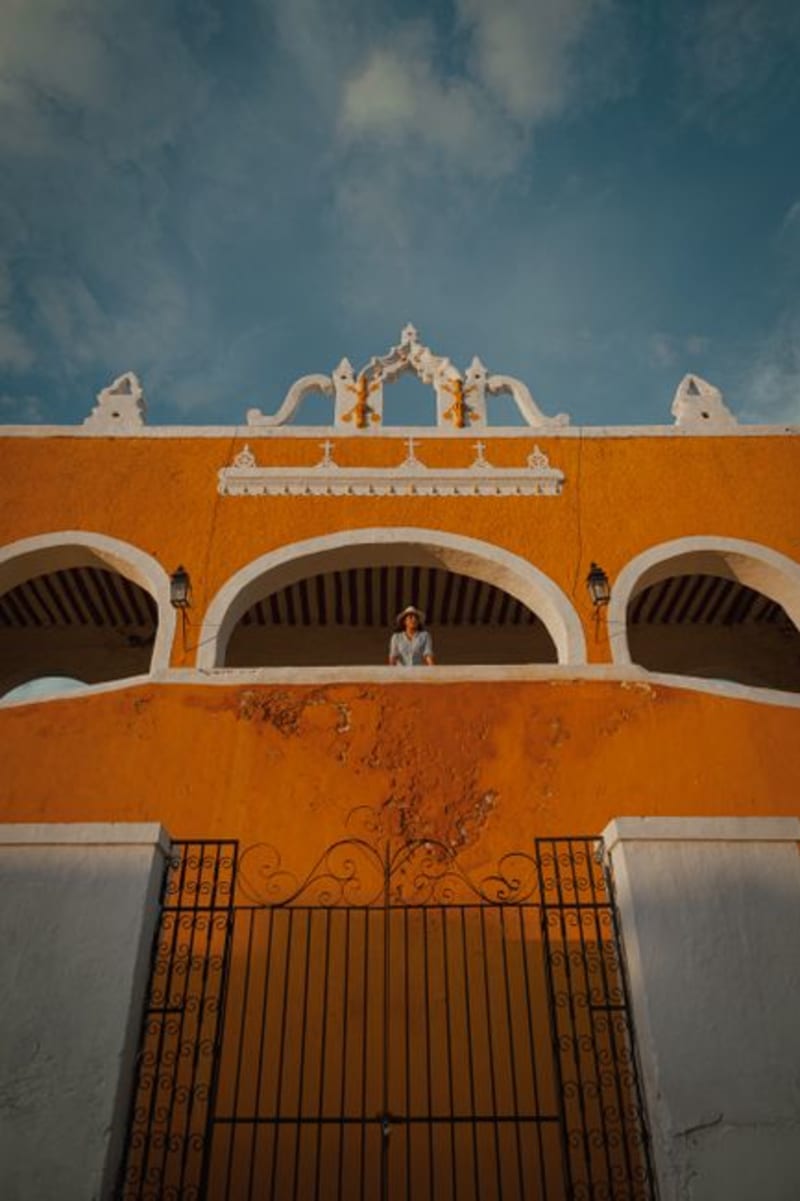 mexico
 Yecapixtla
Yecapixtla is a small town in eastern Morelos built around one of the most formidable Augustinian monasteries in Mexico — a fortress-church from the 1530s that is part of a UNESCO World Heritage group of convents on the slopes of Popocatépetl. On Sundays, the town rings the monastery with a market whose cecina enchilada has been drawing people from across the state for generations.
ExploreKeep exploring
More from Mexico
 mexico
 Nayarit
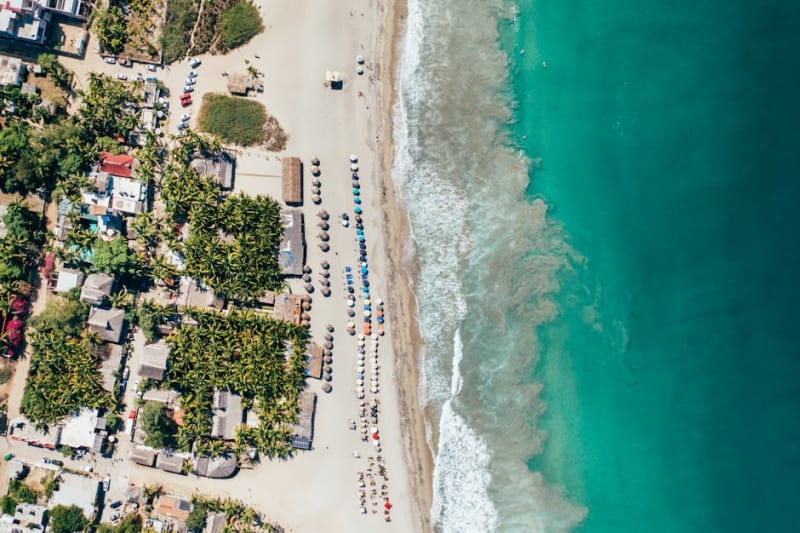
A Pacific coast state where the surf town of Sayulita and the bird-rich mangroves of San Blas coexist with the Wixáritari (Huichol) sierra people who make the most visually complex yarn art in the Americas and make the peyote pilgrimage annually to San Luis Potosí.
Explore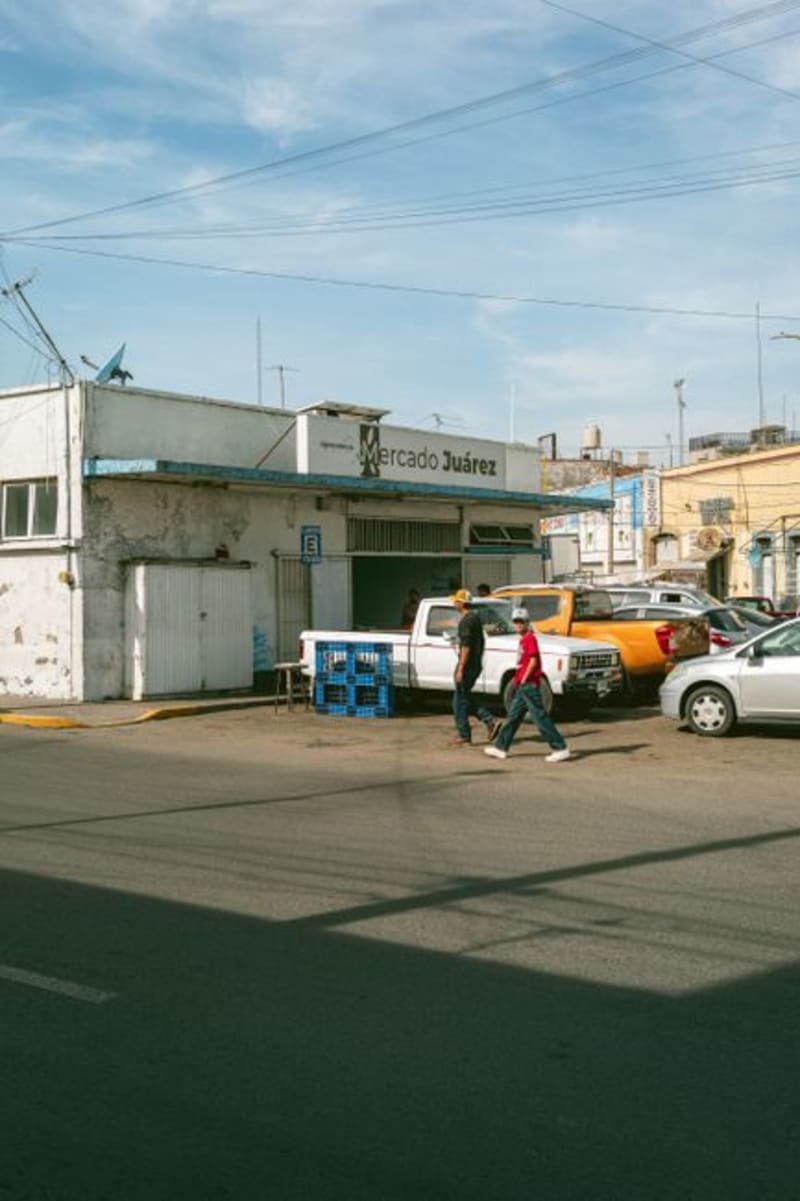 mexico
 Nuevo Laredo
The busiest land border crossing in the Western Hemisphere, Nuevo Laredo is neither fully Mexican nor American but some third thing entirely — a city shaped by a century of trade, transit, and the particular culture of people who have learned to live between two countries. The Mercado Maclovio Herrera, the bridge crowds, the norteño accordion drifting from taco stands at midnight: all of it is genuine, and most travel guides are too nervous to say so.
Explore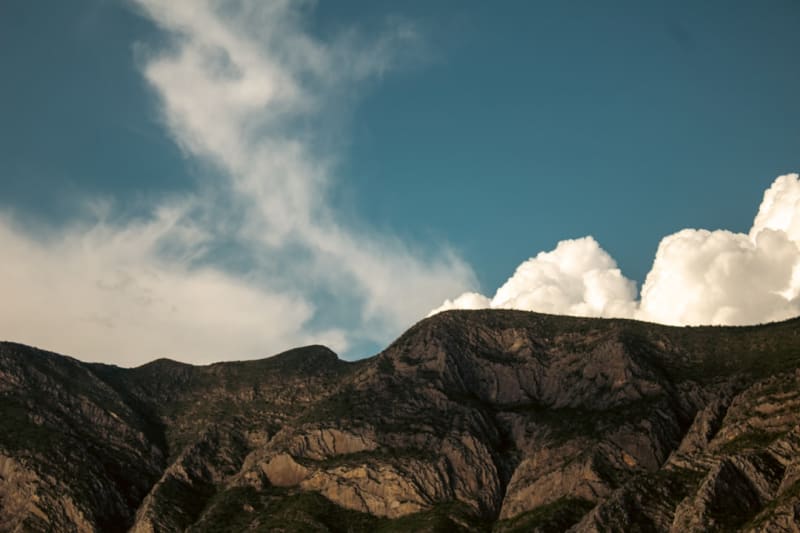 mexico
 Nuevo León
Mexico's industrial powerhouse and third-largest economy — where Monterrey's steel and glass towers rise against the Sierra Madre, the Barragán-designed Cuauhtémoc brewery stands in the city center, and an hour south you're in a canyon system deeper than the Grand Canyon.
Explore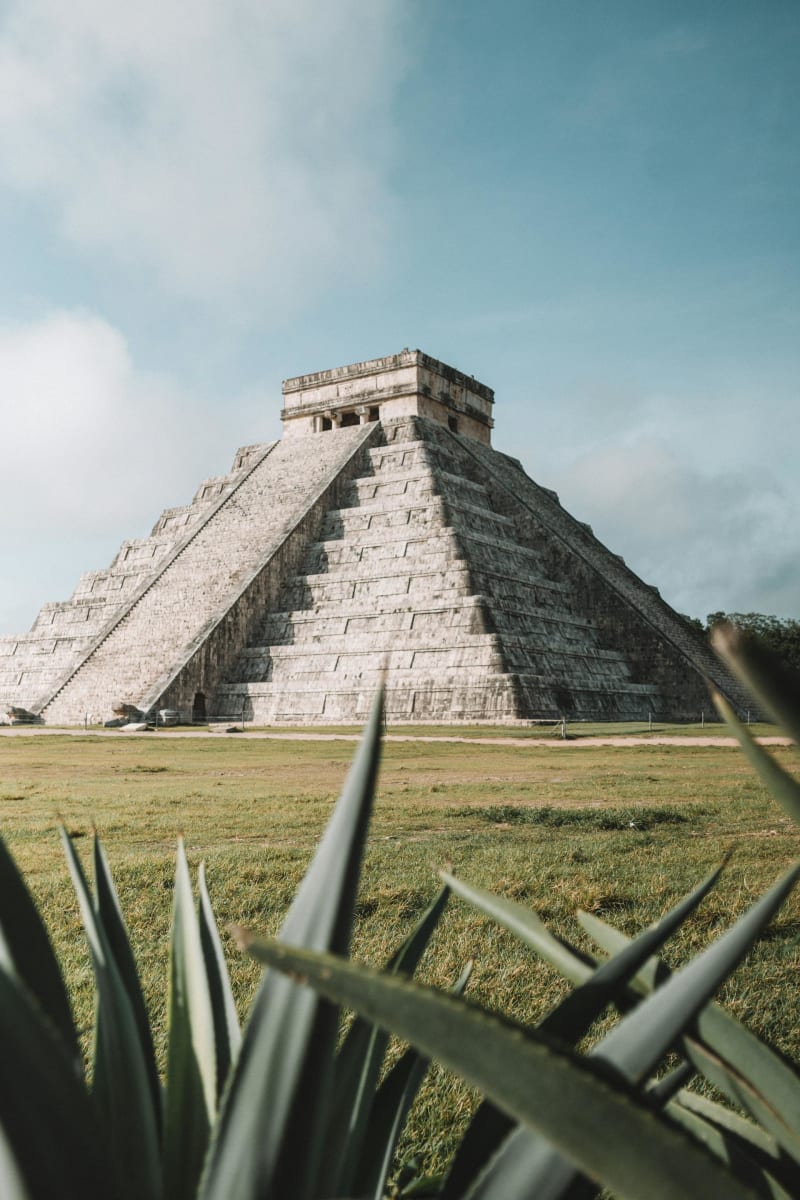 mexico
 Oaxaca
The mezcal capital, the molé motherland, and the most culturally rich state in Mexico. Oaxaca is a world unto itself.
Explore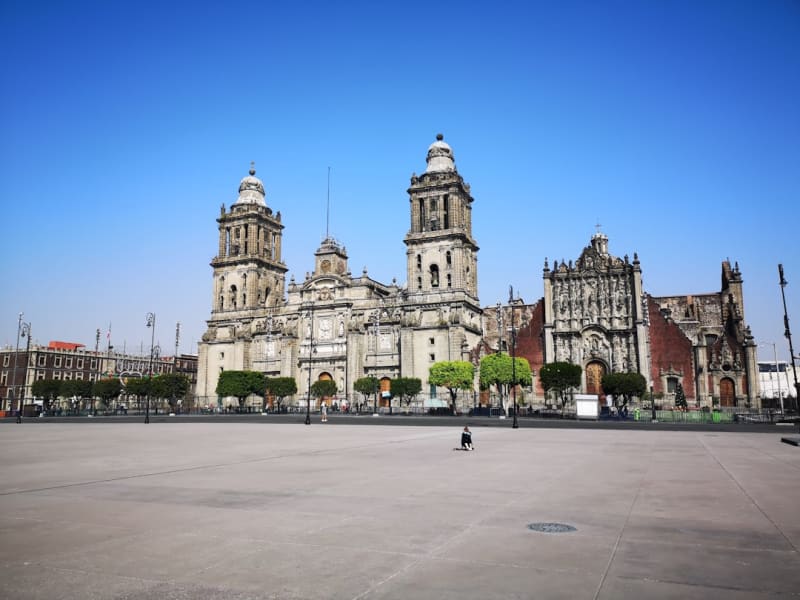 mexico
 Puebla
Mexico's baroque capital — a city of 365 churches, Talavera tiles, mole poblano, and the most ornate interiors of any colonial city in the Americas.
Explore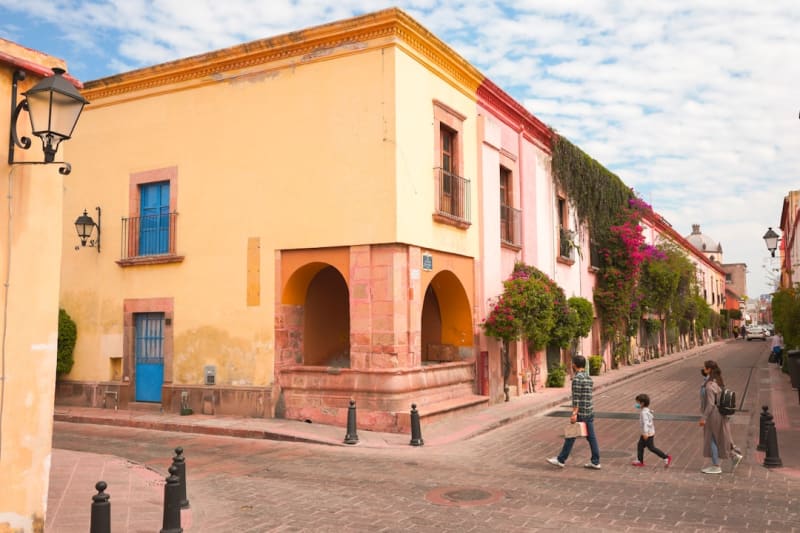 mexico
 Querétaro
A UNESCO colonial city where Mexico's independence was born — 18th-century aqueducts, the best wine region in the country two hours north, and Sierra Gorda biosphere with the most extraordinary baroque missions outside of Oaxaca.
Explore